 Skip to content

Thermal Control Failures: The Hidden Hot Runner Problem
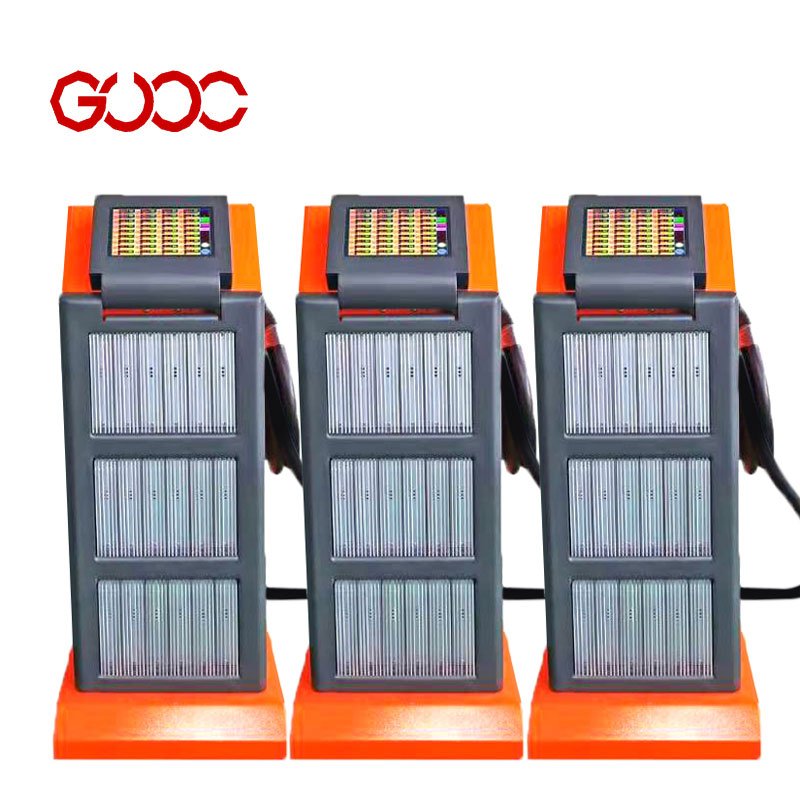
Inconsistent temperature readings versus actual melt temperature is a silent but serious issue in hot runner systems. If the thermal control fails, it often leads to costly defects and downtime.
Gate Freeze-off (Solidification)
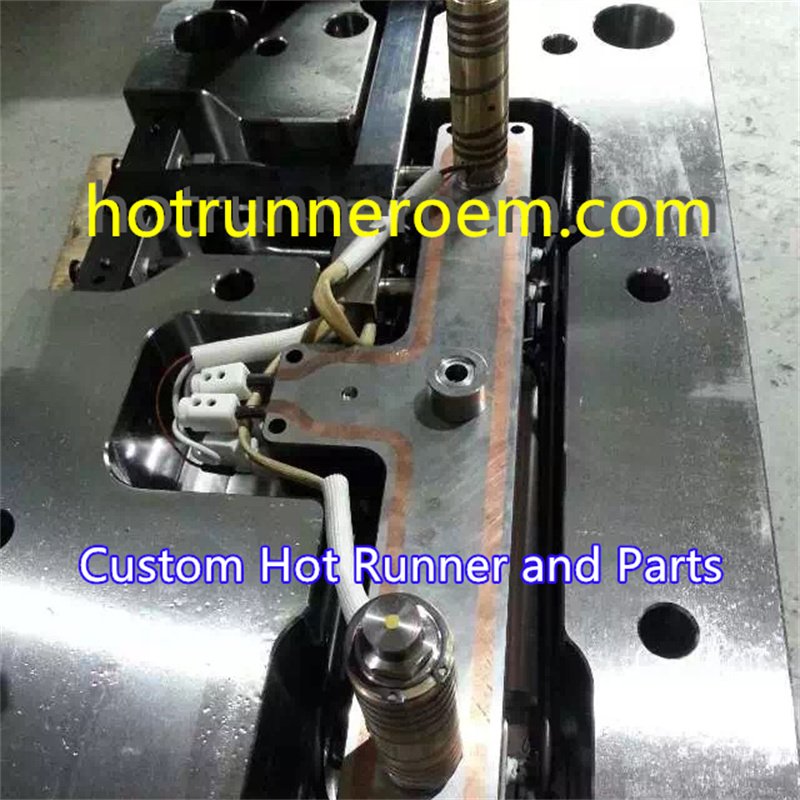
- Root Cause: Excessive heat loss at the nozzle tip or too small a contact area between the heater and nozzle.
- Impact: The melt solidifies prematurely, causing gate freeze-off and incomplete filling.
- Fix: Modify the nozzle tip profile to increase thermal transfer and inspect insulation caps for damage or wear.
Heater Burnout & Short Circuits
- Root Cause: Moisture entering the system in hygroscopic environments or loose terminal connections causing abnormal resistance.
- Impact: Sudden heater failure results in temperature drop and inconsistent melt flow.
- Fix: Follow strict storage protocols to keep heaters dry and conduct routine ohm-checks to identify faulty heaters early.
Thermocouple Polarity & Placement Issues
- Symptom: “Runaway” heating zones where controllers display low temperatures, yet steel components visibly overheat.
- Cause: Incorrect thermocouple type (J vs. K) or improper sensor insertion depth.
- Solution: Confirm thermocouple compatibility and ensure proper sensor placement for accurate PID temperature controller feedback.
Addressing these thermal control failures promptly can prevent common hot runner problems such as gate freeze-off and heater element failure—critical for maintaining consistent, high-quality production runs.
Cosmetic and Structural Defects (The \”Visual\” Problems)
Stringing and \”Angel Hair\”
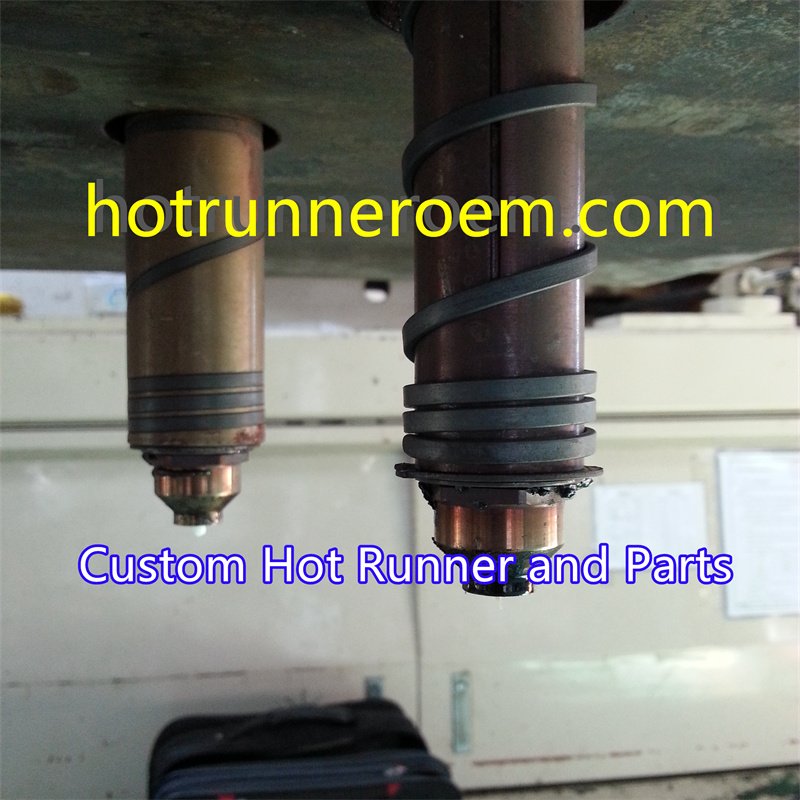
Stringing and \”angel hair\” often show up when running low-viscosity materials like PP and PE. These plastics keep flowing even after the hold phase ends, leaving thin strands on the part surface. This happens because the melt doesn’t fully stop moving in the nozzle or gate, causing small drips or fine threads.
How to fix it: Improving gate cooling is key. Cooler gates help solidify the melt quicker so it stops flowing when it should. Also, adjusting suck-back (or decompression) settings on the injection unit can pull the melt back from the gate right after injection, preventing that unwanted flow.
Drooling at the Gate
Gate drooling happens when molten plastic leaks from the gate between cycles. The main causes are leftover pressure in the manifold or issues with thermal expansion, which can open tiny gaps or increase flow when the system is hot.
Best solution: Valve gate systems offer precise, absolute control over flow, unlike thermal gates which can sometimes leak. Valve gates close tightly after injection and help avoid nozzle drooling, reducing scrap and cleanup.
High Gate Vestige
When gate vestige (the leftover mark or bump where the gate was) is too visible or large, it’s usually because the gate diameter is oversized or the land length isn’t right. This can cause excess material buildup and part appearance problems.
How to solve this: Precision machining of the gate insert is essential. China hot runner system offers custom machining services to optimize gate dimensions and land length for cleaner gate designs. Properly sized gates improve cosmetic quality and ease of secondary operations.
For more on advanced gate solutions and how to prevent these common visual issues, check our detailed hot runner case studies at hot runner system solutions.
The Nightmare Scenario: Melt Leakage
Manifold to Nozzle Interface Leaks
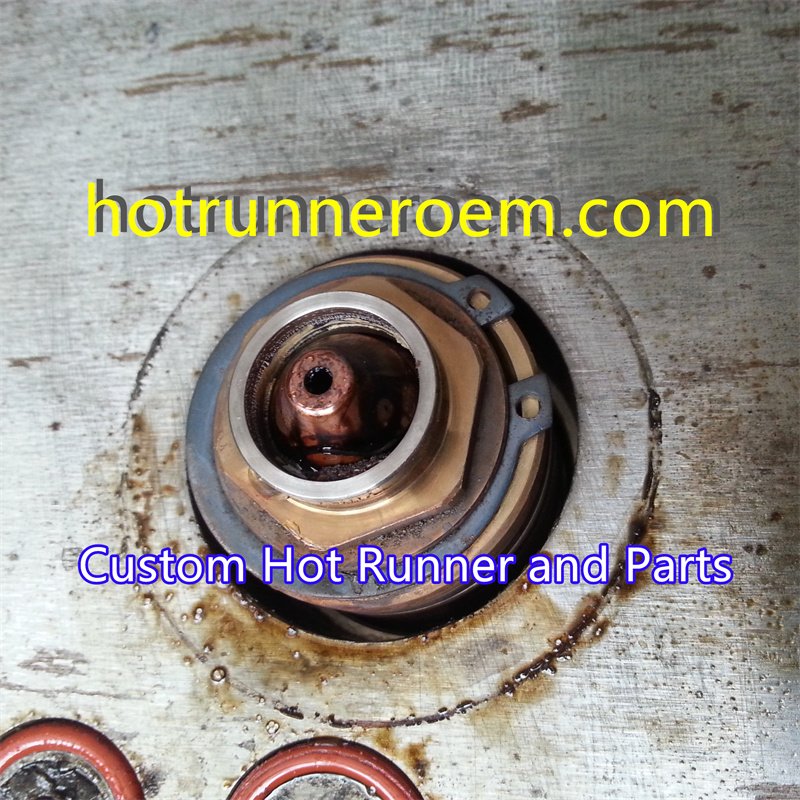
One of the most frustrating hot runner problems is melt leakage right where the manifold meets the nozzle. This happens because of the gap between the parts when cold, known as the \”cold clearance,\” which changes once the system heats up. If the thermal expansion of steel isn\’t calculated correctly, the gap stays too wide or tight, leading to leaks. Over-torquing bolts can also warp parts, making leaks worse.
Wire Channel Flooding
When melt leakage happens here, it can flood the wire channels that house your heaters and thermocouples. That’s serious — it can knock out the entire hot runner system, forcing hours of cleanup and downtime.
How to Prevent Melt Leakage
- Use crush rings to maintain proper sealing pressure under heat.
- Perform preload calculations during design to account for steel growth and avoid over-tightening.
- Regularly check for signs of leakage during maintenance to catch issues before they escalate.
Proper design and careful assembly prevent these melt leakage issues, saving you time and headaches in production.
Material-Specific Challenges in Hot Runner Systems
Color Changeover Lag
One common issue in hot runner systems is color changeover lag, where the old color contaminates new parts for hundreds of cycles. This problem usually stems from dead spots or stagnant flow areas inside the manifold channels, caused by poor rheology design. These stagnant spots allow residual pigment to build up, leading to unwanted bleaching or streaking in parts after color swaps.
To fix this, a custom manifold design with streamlined, polished runners and no sharp corners is essential. By optimizing flow paths, we reduce color bleeding and speed up changeover times, improving productivity and part quality. This engineering tweak is a must-have for manufacturers dealing with multi-color runs or frequent part style changes.
Material Degradation and Black Specks
Another frequent challenge is material degradation inside the hot runner system, visible as black specks on molded parts. This happens when polymer burns due to excessive melt residence time or high shear heat generated within the system. Overheating can not only ruin parts but also shorten hot runner component lifespans.
Preventing this requires careful melt flow management and avoiding dead spots that trap material. Using a well-designed hot runner system with accurate thermal control minimizes degradation. Additionally, choosing the right materials and monitoring processing parameters helps eliminate black specks and ensures consistent injection molding output.
For manufacturers looking to reduce these material-specific issues, investing in tailored hot runner manifold design and precision temperature control is key. Our custom hot runner parts assembly services deliver these solutions, helping you overcome color changeover difficulties and polymer degradation effectively.
Maintenance Protocols to Prevent Recurrence
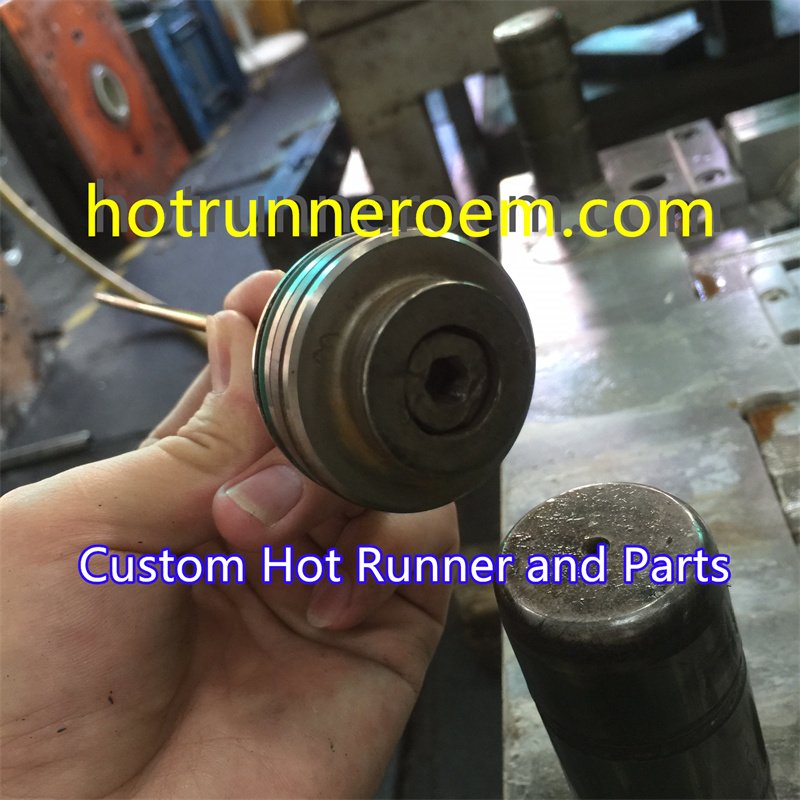
Keeping your hot runner system running smoothly means staying on top of maintenance. These routine checks and tips help avoid the same hot runner problems from popping back up.
The \”Blueing\” Check
This simple visual inspection focuses on the seal surfaces between the manifold and nozzles during assembly. If you notice a blue discoloration, that\’s a sign of uneven pressure or misalignment—both can lead to manifold leakage or nozzle issues down the line. Make sure these surfaces sit flush to maintain a solid seal and prevent costly downtime.
Electrical Integrity Checks
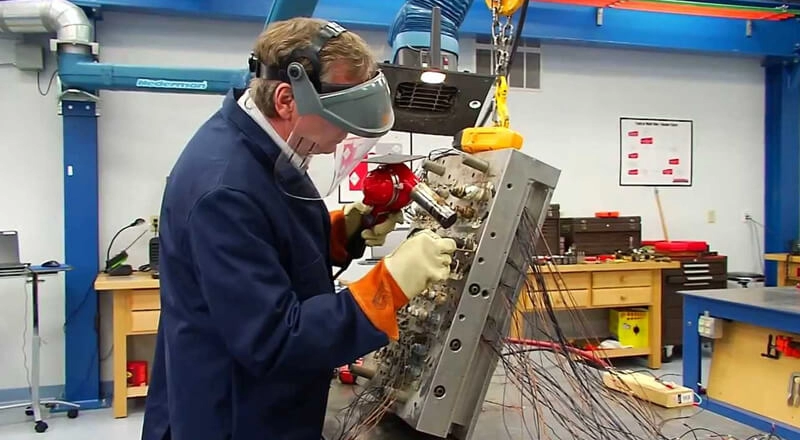
Heater element failure and thermocouple calibration problems are common culprits behind temperature inconsistencies. Get in the habit of routine resistance checks with a multimeter on both heaters and thermocouples. This helps catch loose connections, moisture-related shorts, or subtle wiring breakdowns before they cause \”runaway\” heating zones or heater burnout.
Safe Cleaning Practices
Carbon build-up and plastic residue from melt degradation can cause gate freeze-off and flow imbalance if left unchecked. Use non-abrasive tools and approved chemical cleaners designed to remove carbonized plastic without damaging the steel finish. Avoid harsh scrubbing or wire brushes that can scratch and weaken critical components like the gate insert or nozzle tip.
By sticking to these maintenance protocols, you significantly reduce the risk of recurring hot runner problems like nozzle drooling, gate vestige issues, and heater failures—keeping your system efficient and your parts quality sharp.
Wrapping Up Hot Runner Problems: Design Beats Troubleshooting
Troubleshooting hot runner problems is part of the process, but the real win comes from having a system engineered for your exact resin and mold setup. A one-size-fits-all approach leads to constant headaches like gate freeze-off, nozzle drooling, or color changeover lag. Tailoring the hot runner design to your material and mold specs is the smartest way to avoid these issues before they start.
If you’re dealing with recurring defects like gate vestige issues, manifold leakage, or heater element failure, it’s time to get expert help. As a leading China hot runner system manufacturer and supplier, we specialize in custom hot runner parts assembly and retrofitting existing molds. Our tailored solutions tackle your specific challenges, improve thermal control, and boost overall production quality.
Remember: A $50 heater failure should never stop a $50,000 production run. Reach out to us today and let’s engineer out your hot runner problems for good.
 English
  Spanish
  French
  Portuguese
  Italian