
What is a Custom Hot Runner System?
Definition and Overview of Hot Runner Technology
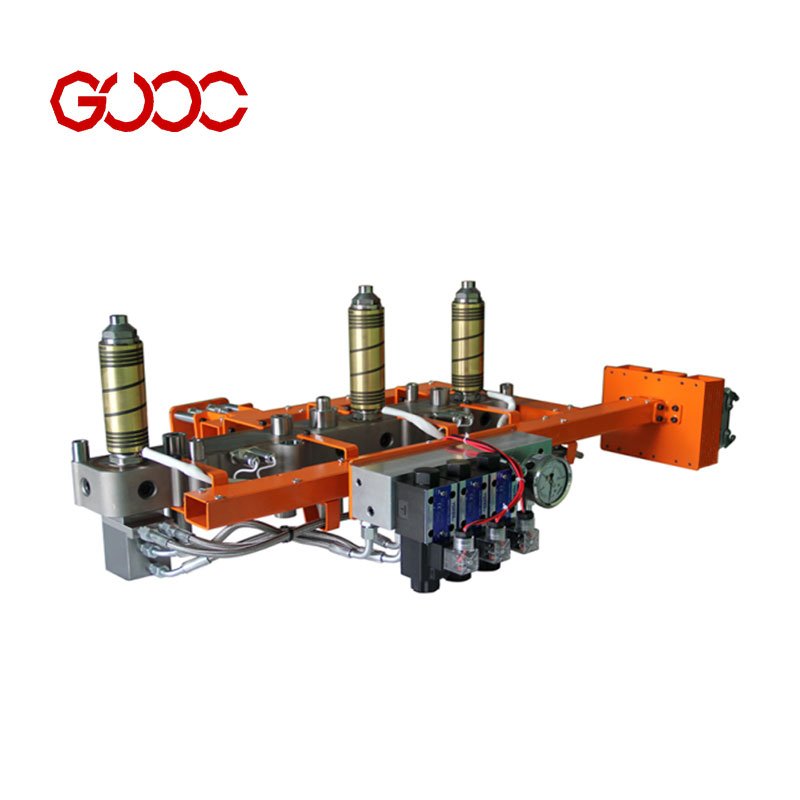
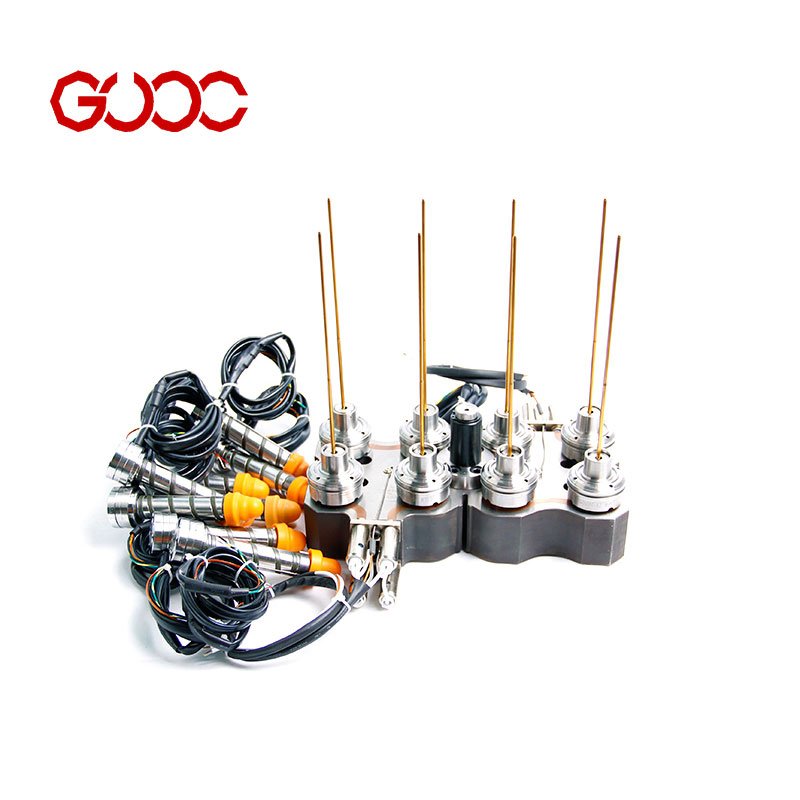
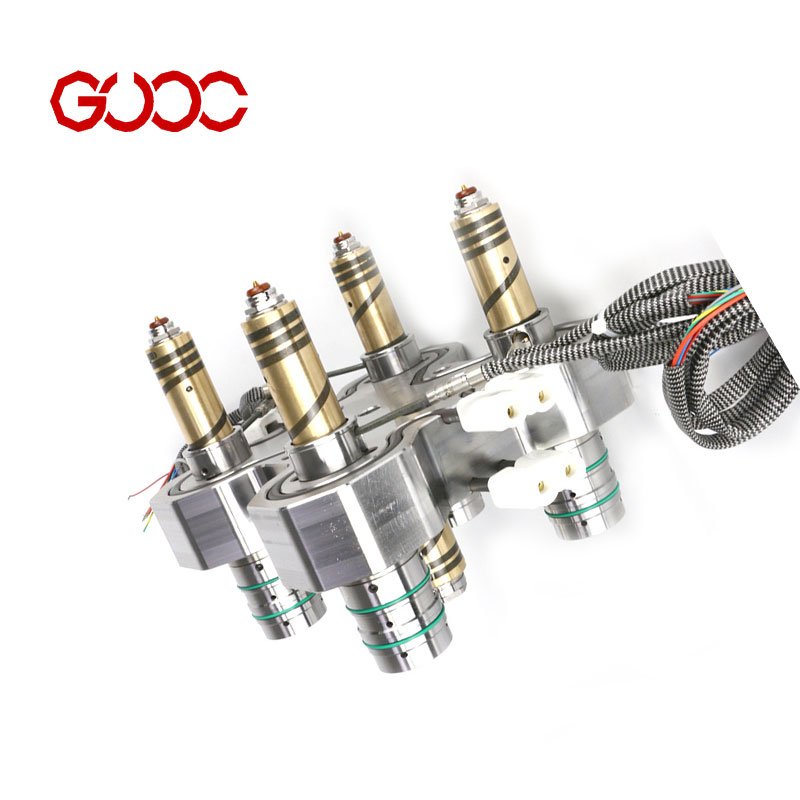
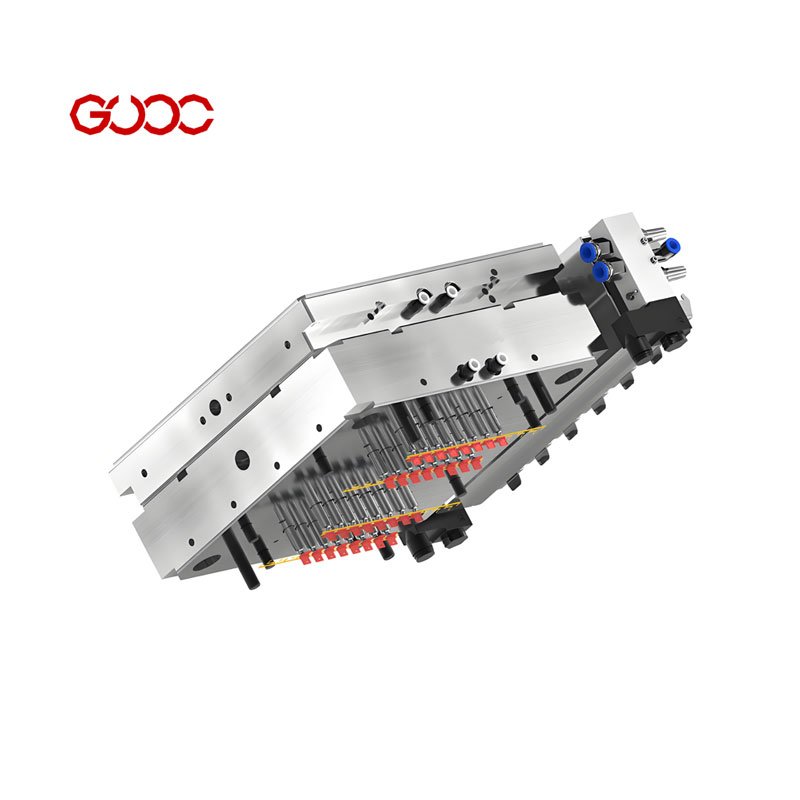
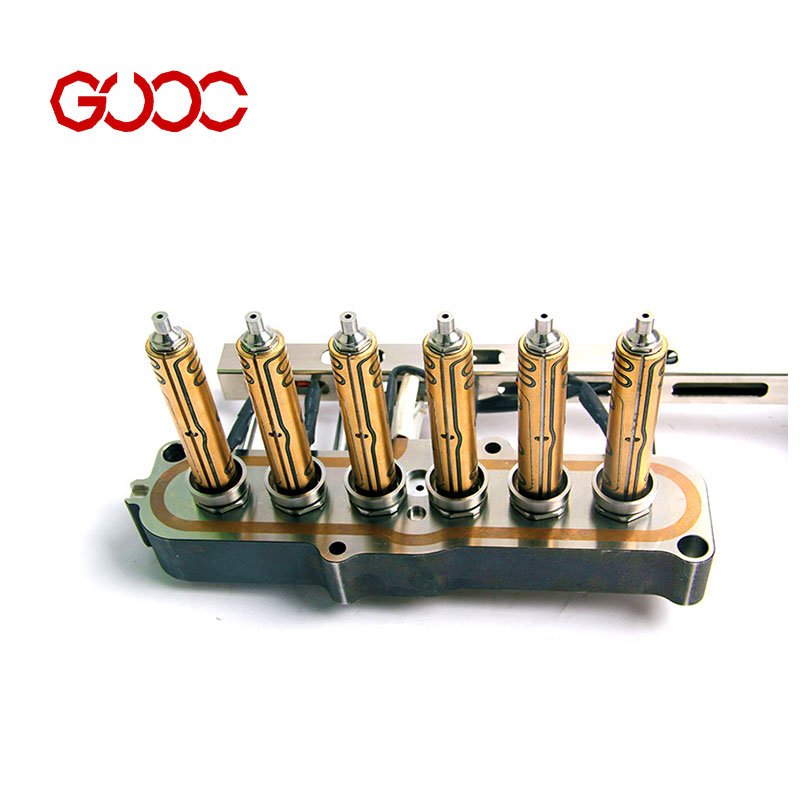
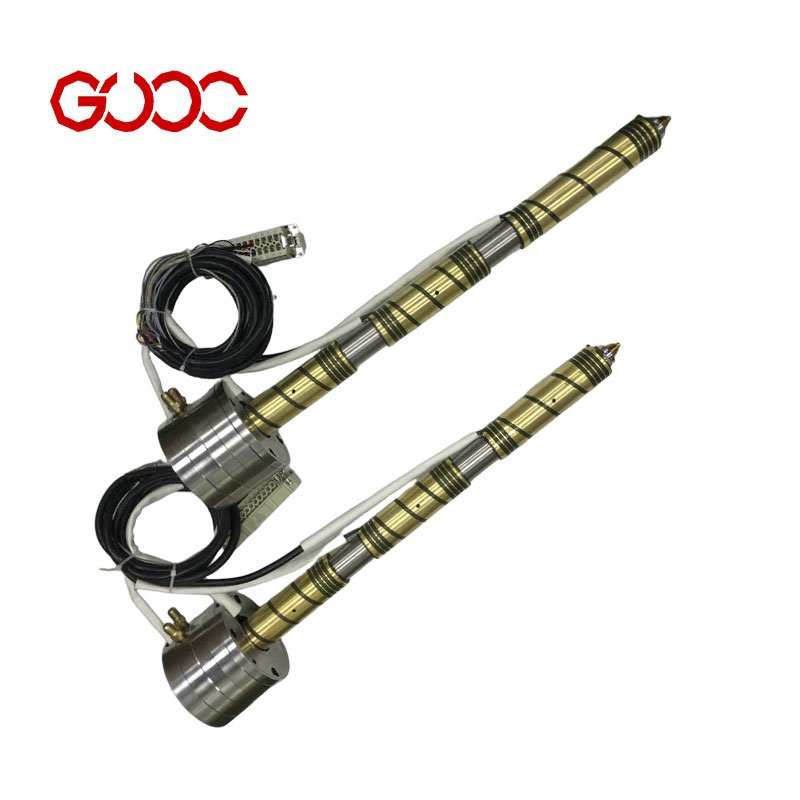
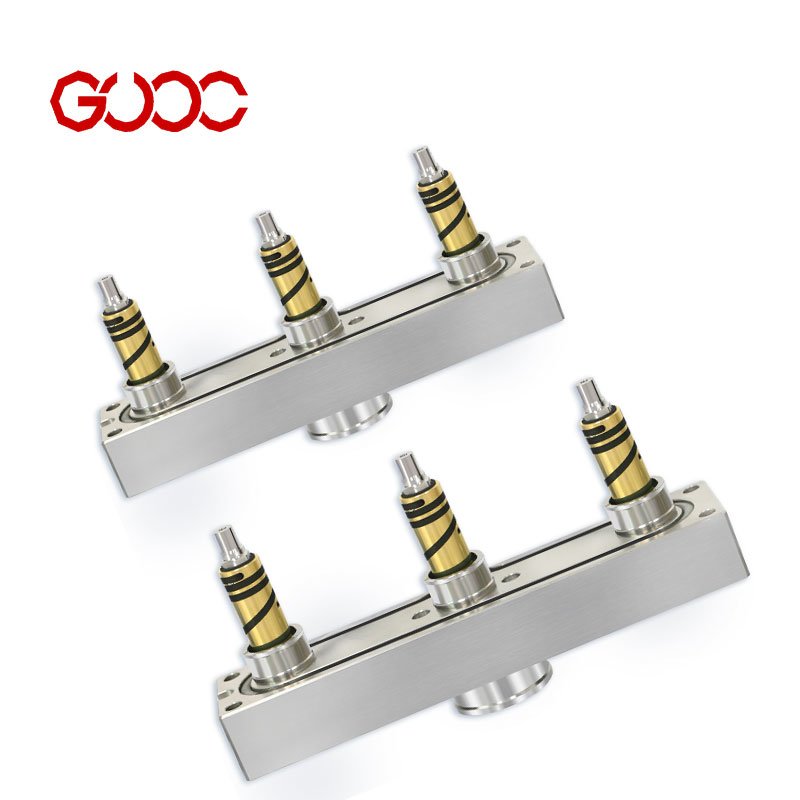
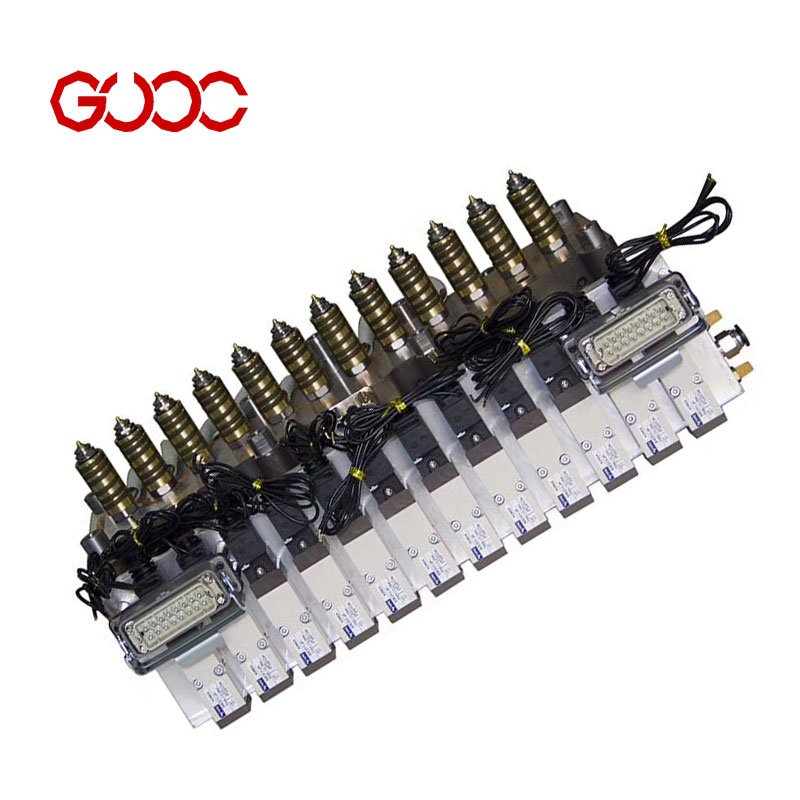
A custom hot runner system is a mold-specific injection molding solution designed to keep molten plastic flowing through a heated manifold and nozzles until it reaches each mold cavity. As a hot runner system manufacturer, we build these systems to match the part, resin, and mold layout instead of forcing a standard setup to fit every project.
Common custom formats include:
- Valve gate hot runner systems
- Open gate hot runner systems
- Integrated systems
- Assembled hot runners
- Hot half solutions
- Extended nozzle designs
How Hot Runner Injection Molding Works
In injection molding, plastic is heated, melted, and delivered through the hot runner path into the cavity with controlled flow. The system uses temperature controllers and heating elements to keep the runner section stable, helping the melt stay ready for injection during production.
A typical setup may include:
- A manifold system for distributing the melt
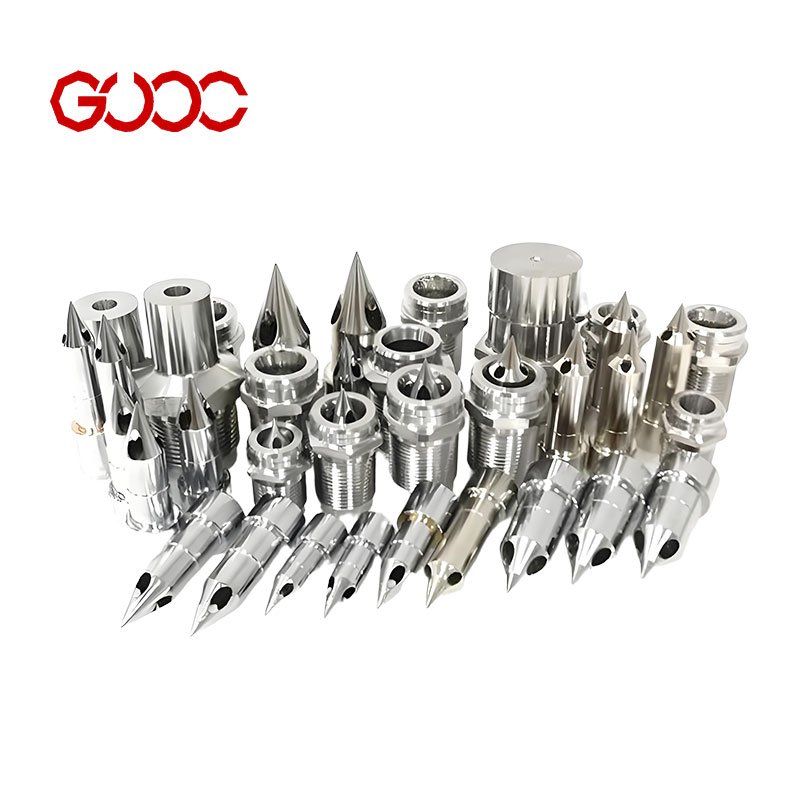
- Hot runner nozzles for directing material into each cavity
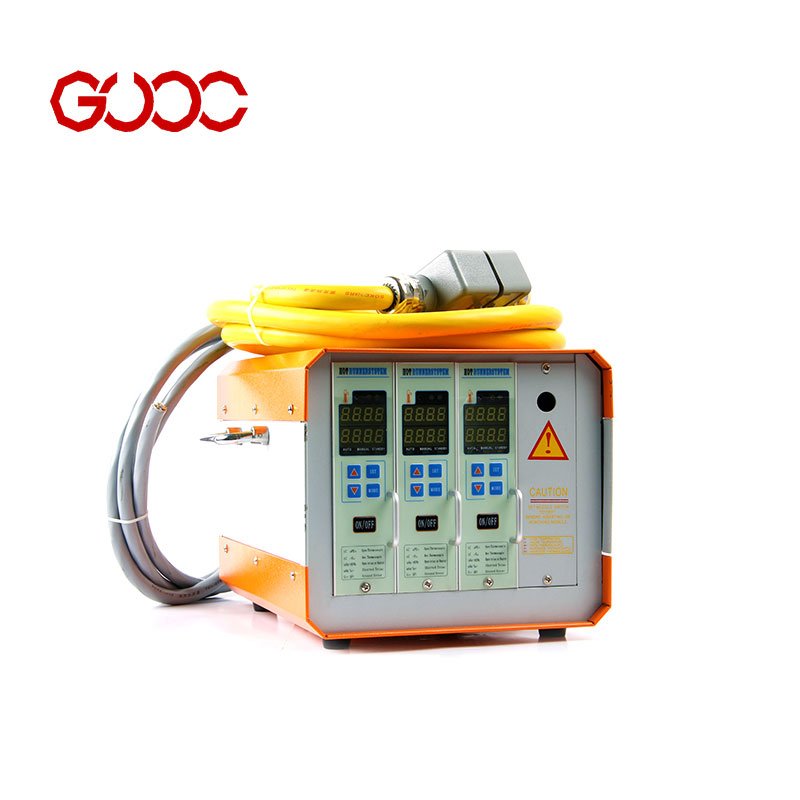
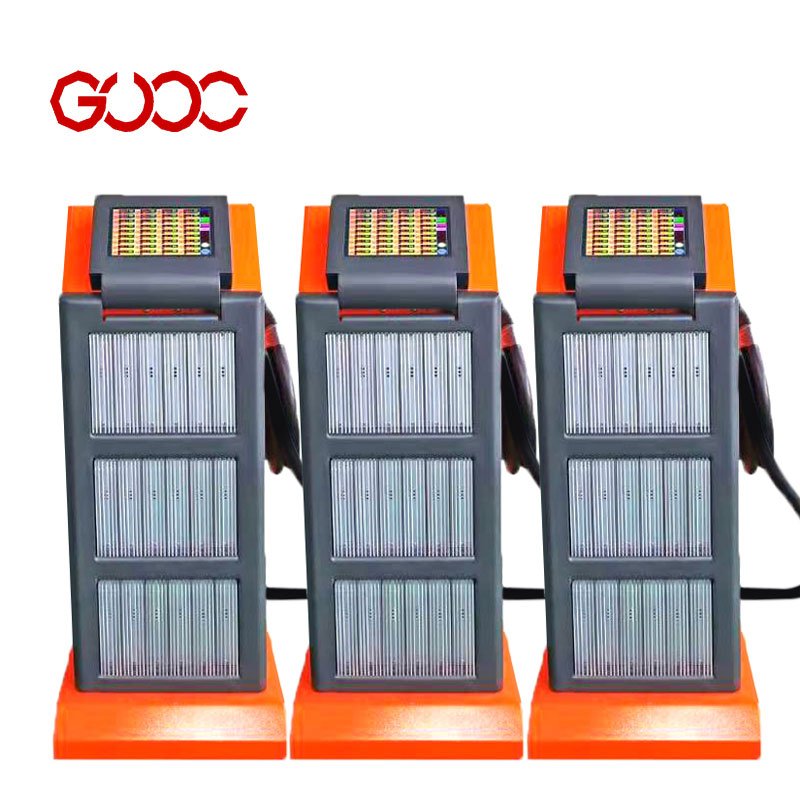
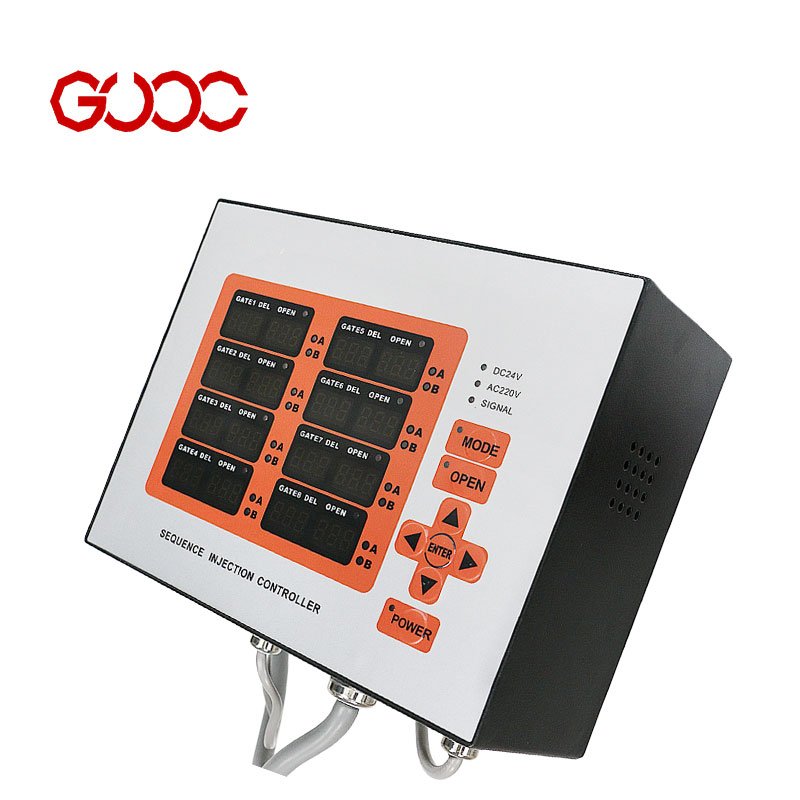
- Temperature control boxes to manage heat zones
- Valve gate or open gate designs based on the mold structure
Role of Customization in Plastic Manufacturing
Customization is important when a plastic injection mold has unique part geometry, cavity count, or resin requirements. A custom hot runner system is built around the project drawing, so the design can support the mold layout, the selected material, and the production target.
Custom engineering matters because it allows:
- Match to different resin materials
- Fit for specific mold cavity layouts
- Integration of nozzles, manifolds, and control modules
- OEM support from design through assembly
For global buyers, this means a more precise injection molding solution with clear engineering support, controlled production, and a system built for the actual application.
Key Components of a Hot Runner System
Manifold System and Flow Channels
I treat the manifold as the core of the hot runner system. It distributes molten plastic through controlled flow channels so each mold cavity gets material in a steady, even way. In injection molding, that balance matters because it helps reduce variation from part to part.
Hot Runner Nozzles and Tip Designs
The nozzles connect the heated manifold to the gate, so they have a direct impact on flow, fill, and part quality. I match nozzle and tip design to the mold layout, resin type, and gate location. For projects that need a specific gate setup, a hot runner torpedo tip design can be a practical option.
Custom Temperature Controllers and Sensors
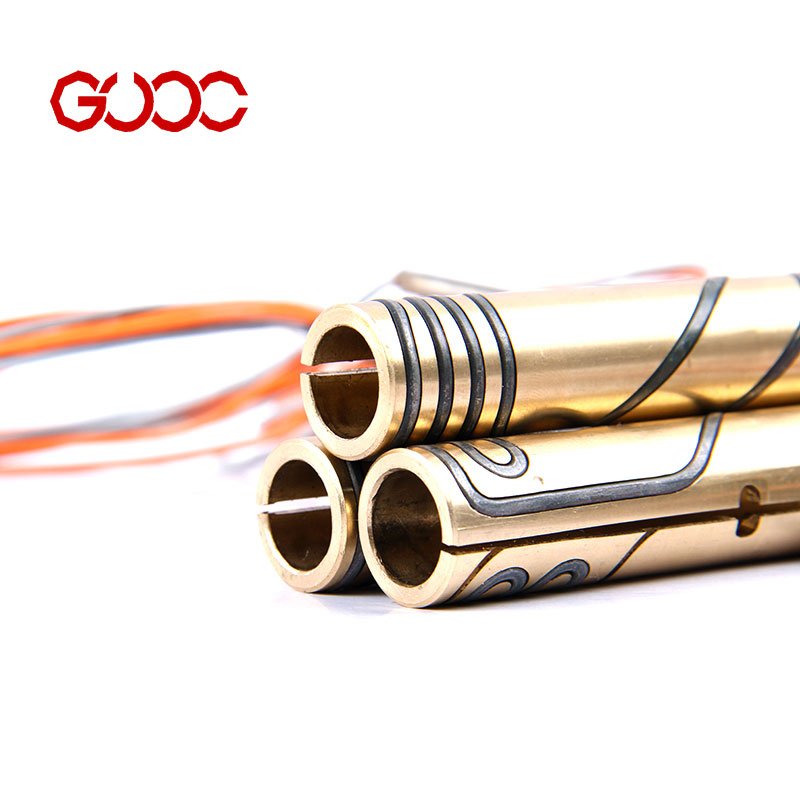
Stable heat is non-negotiable in a custom hot runner system. I use temperature controllers and sensors to keep the manifold and nozzles in the right range, which supports consistent molding and smoother production. For a setup built around control accuracy, hot runner thermocouple and heater sourcing is part of the foundation.
Valve Gate Actuation Mechanisms
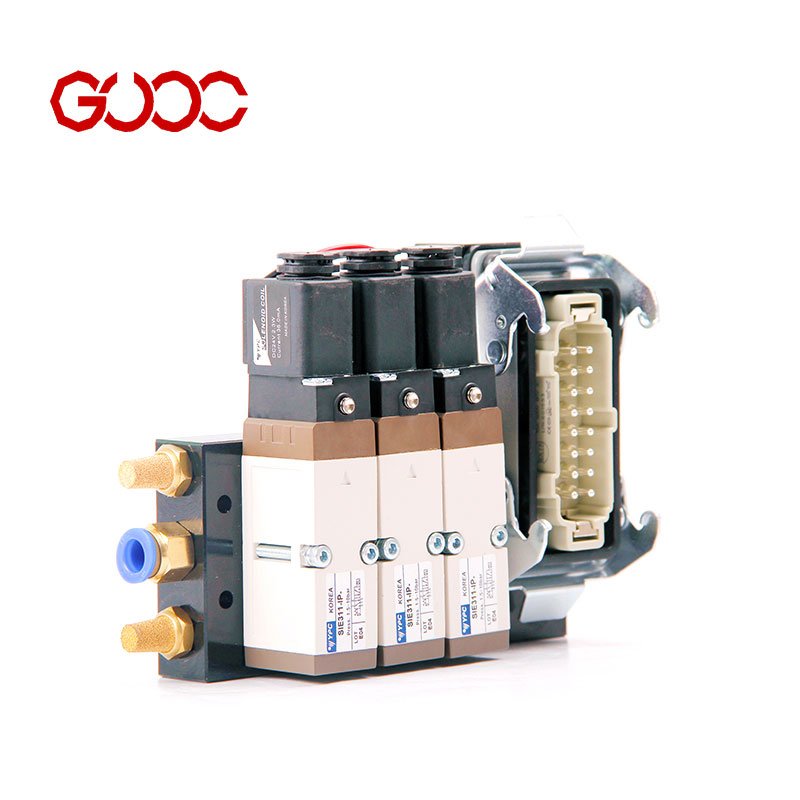
Valve gate actuation controls the opening and closing of each gate at the right time. I use this when a project needs tighter process control, cleaner gate marks, and better timing across multiple drops. It is one of the main reasons many custom systems are chosen over a basic cold runner system.
Benefits of Custom Hot Runner Systems
Enhanced Temperature Control and Part Consistency
A custom hot runner system keeps molten plastic moving through a heated manifold and nozzles, so the material stays more stable before it reaches the mold cavity. That gives me better control over fill balance, especially in complex plastic injection mold projects.
- Steady melt temperature
- More even flow into each cavity
- Better part-to-part consistency
- Less risk of cold spots and uneven packing
I also pair the system with hot runner temperature controllers to keep the heat setpoint stable across zones.
Reduction of Plastic Scrap and Material Waste
Compared with a cold runner system, a custom hot runner setup does not rely on a solidified runner that must be removed after each shot. That helps reduce scrap and keeps more material in the part itself.
| Area | Practical result |
|---|---|
| Runner material | Less wasted plastic |
| Trim work | Less post-processing |
| Regrind handling | Lower dependence on rework |
| Production flow | Cleaner, simpler output |
For global buyers, this matters most when resin cost is high or the product runs in large volume.
Faster Cycle Times and Higher Production Output
Because the molten plastic stays ready in the heated manifold, the molding process can move faster than a cold runner setup. In real production, that helps shorten the cycle and improve output per shift.
- Faster shot-to-shot recovery
- Less cooling time for runner removal
- Smoother injection molding workflow
- Better use of machine time
This is useful for high-volume jobs where stable cycle speed matters more than short-term setup convenience.
Lower Long-Term Production Cost Per Part
A custom hot runner system can lower the cost per part over time by reducing waste, trimming steps, and helping the mold run more efficiently. For many programs, the value comes from stable operation rather than just the initial purchase.
| Cost factor | Custom hot runner impact |
|---|---|
| Material use | Lower waste |
| Labor | Less trimming and handling |
| Output | Higher machine efficiency |
| Quality loss | Fewer rejects from temperature drift |
For a hot runner system manufacturer, the main goal is simple: match the heated manifold, nozzles, and temperature controllers to the mold design so the process stays consistent and practical for long production runs.
Main Types of Hot Runner Systems
Open Gating vs. Valve Gating Systems
I split hot runner gate types into two main setups: open gate and valve gate. For a broader view of hot runner gate types, the right choice usually depends on the plastic injection mold, part finish, and how the molten plastic should enter the mold cavity.
- Open gating: a straightforward flow path through the heated manifold and nozzles.
- Valve gating: uses valve pin control to open and close the gate more deliberately.
- Cold runner system vs. hot runner system: a hot runner keeps the melt moving in a heated path, while a cold runner lets the runner cool and solidify.
Material and Application Suitability
I match the system to the resin first, then to the part geometry and production use. That is the safest way to keep filling stable and keep the mold process practical.
- Supported resins: PP, PFA (Teflon series), PES/PC, PA10T + 30% GF, PBT + 30% GF, PMMA, PEI ULTEM 1000, and PC.
- Typical applications: automobile fenders, battery covers, chip wafer boxes, electrical connectors, tail lights, fiber connectors, and chargers.
- Best fit: parts that need controlled melt delivery, steady cavity filling, and a system built around the mold layout and production target.
A custom hot runner system works best when the gate type, resin, and application are aligned from the start.
Selection and Implementation Considerations
Assessing Resin and Material Compatibility
I start with the resin, because a custom hot runner system only works well when the material and temperature profile match. For injection molding, I check the melt behavior and the gate style against the plastic injection mold before I lock in the design.
Common materials I work with include:
- PP
- PFA
- PES / PC
- PA10T + 30% GF
- PBT + 30% GF
- PMMA
- PEI ULTEM 1000
- PC
For projects that need a tighter setup, I review the full system early, including the heated manifold, nozzles, and temperature controllers. That is the safest way to keep molten plastic moving cleanly and avoid guesswork in production. My hot runner system injection molding supplier solutions page covers this kind of custom approach.
Evaluating Part Geometry and Mold Cavitation
Part shape matters as much as resin choice. I look at the mold cavity layout, gate location, and drop count so the flow stays balanced across every cavity.
This is where custom design makes a real difference:
- Single-cavity and multi-cavity molds need different flow planning
- Larger parts may need a different manifold layout than small connectors
- Valve gate and open gate systems fit different part demands
- Integrated or assembled systems must match the mold structure, not just the resin
For example, parts like automobile fenders, battery covers, chip wafer boxes, electrical connectors, tail lights, fiber connectors, and chargers all need a different setup. A custom hot runner system is not just about heating plastic; it is about matching the manifold, nozzles, and mold cavity design to the job.
Maintenance and Operational Best Practices
I keep maintenance simple and strict. A stable hot runner system depends on regular checks of the nozzles, heating tubes, cylinder control modules, and controllers.
Best practices I follow:
- Check temperature control stability before each run
- Inspect nozzles and gate areas for wear
- Keep replacement spare parts ready for fast swap-out
- Review assembly condition during routine inspection
- Use consistent QC checks during production, not only at the end
When parts need replacement, I use the right hot runner mould parts for the system, so the setup stays aligned with the original design. That keeps operation steady and helps avoid unplanned downtime in production.
 English
  Spanish
  French
  Portuguese
  Italian