 Skip to content
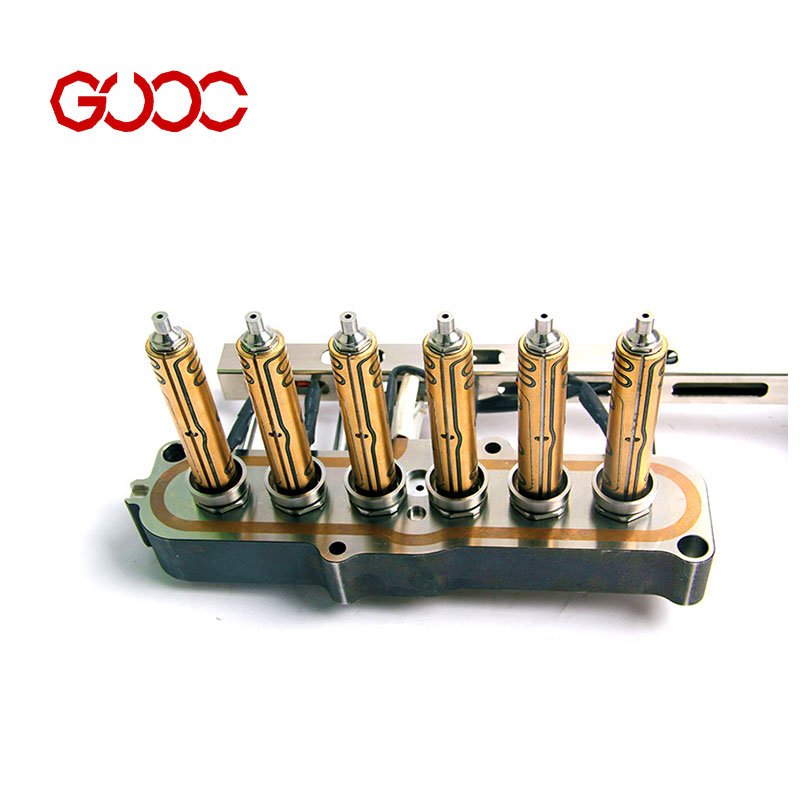
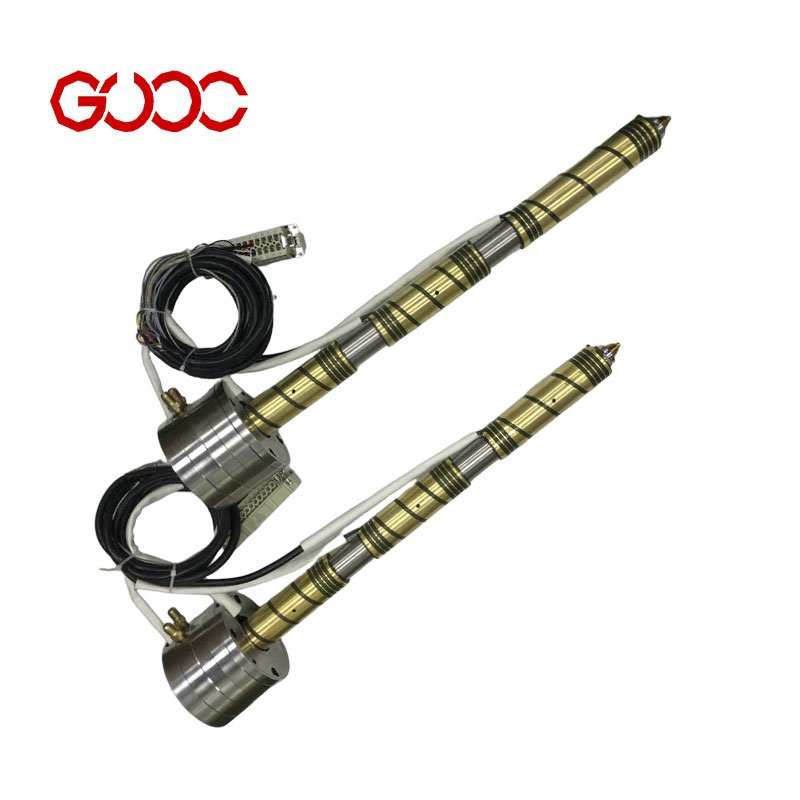
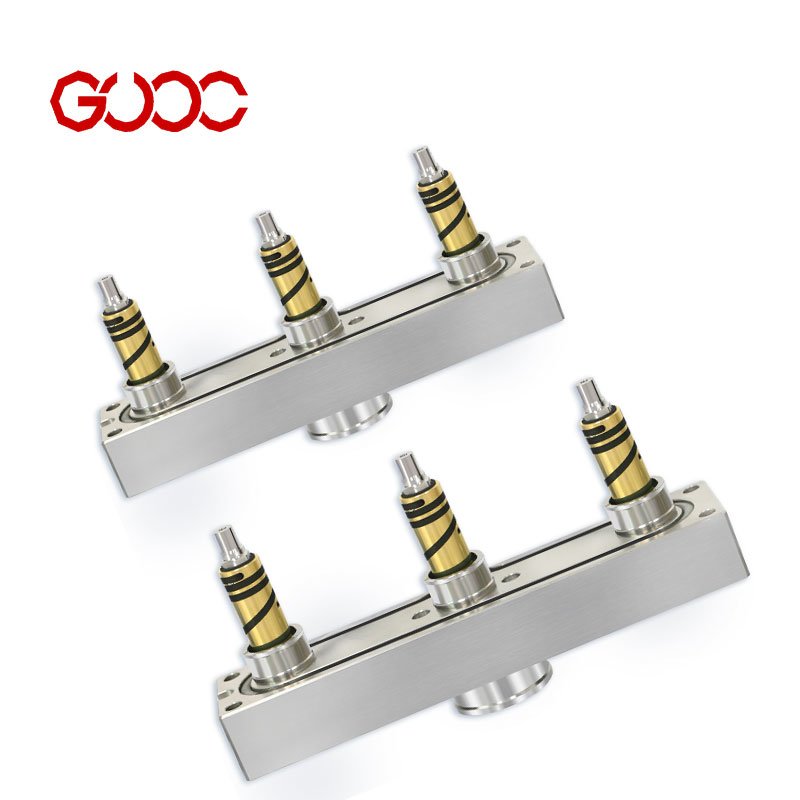
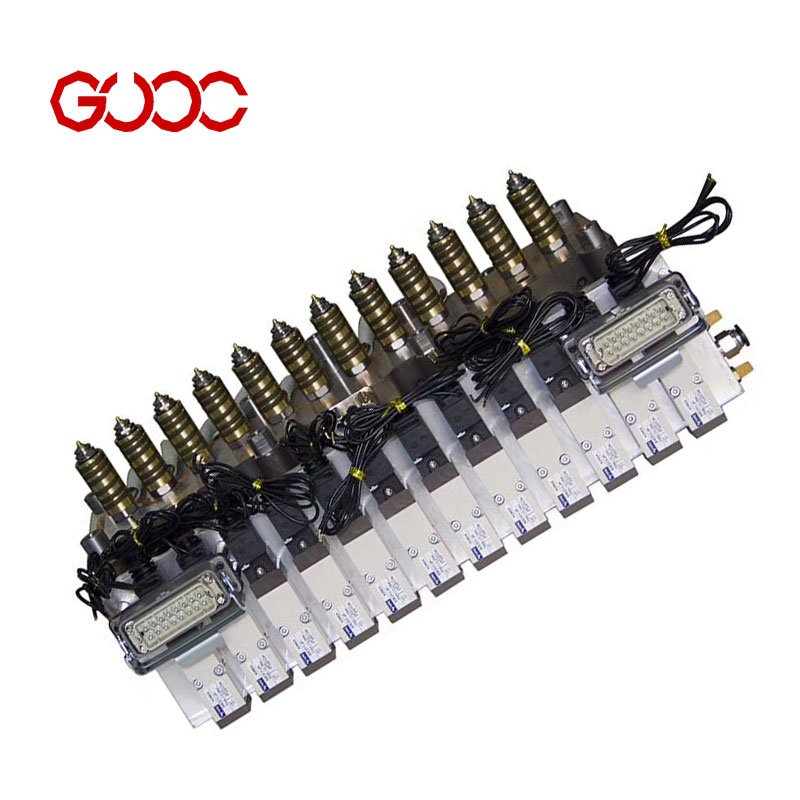


Looking to optimize hot runner system shipping from China? The choice between air freight vs sea freight can dramatically impact your costs, lead times, and equipment safety. In this guide, I’ll break down the real-world benefits and risks of each method—so you can make smarter decisions for your injection molding projects. Whether you’re urgent for hot runner nozzles or planning bulk manifold shipments, understanding the trade-offs will help you keep production on schedule without breaking the bank. Ready to find out which shipping solution fits your needs best? Let’s dive in.
Understanding Hot Runner Systems and Their Shipping Challenges
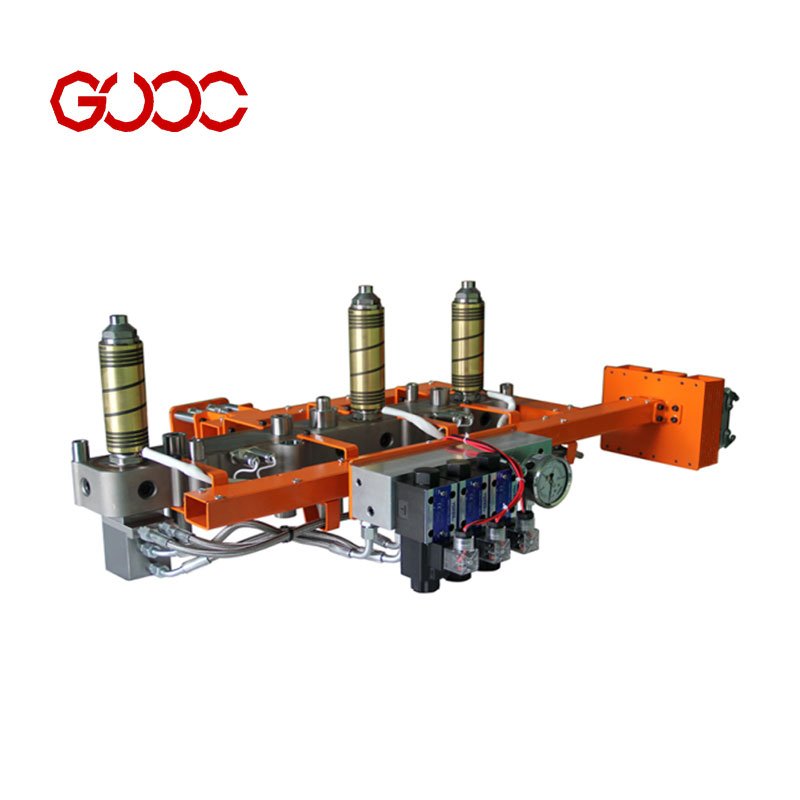
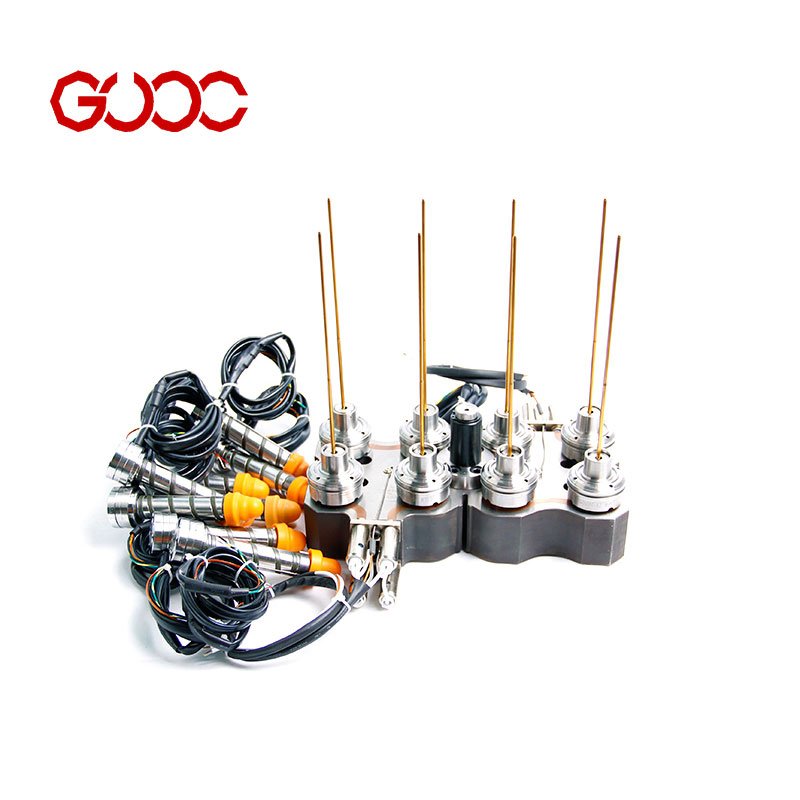
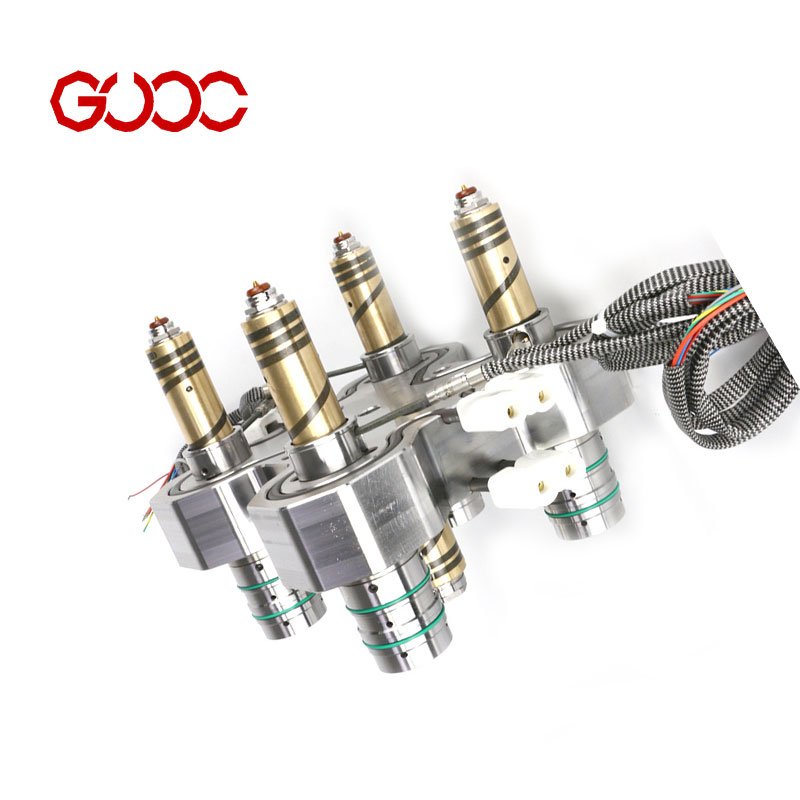
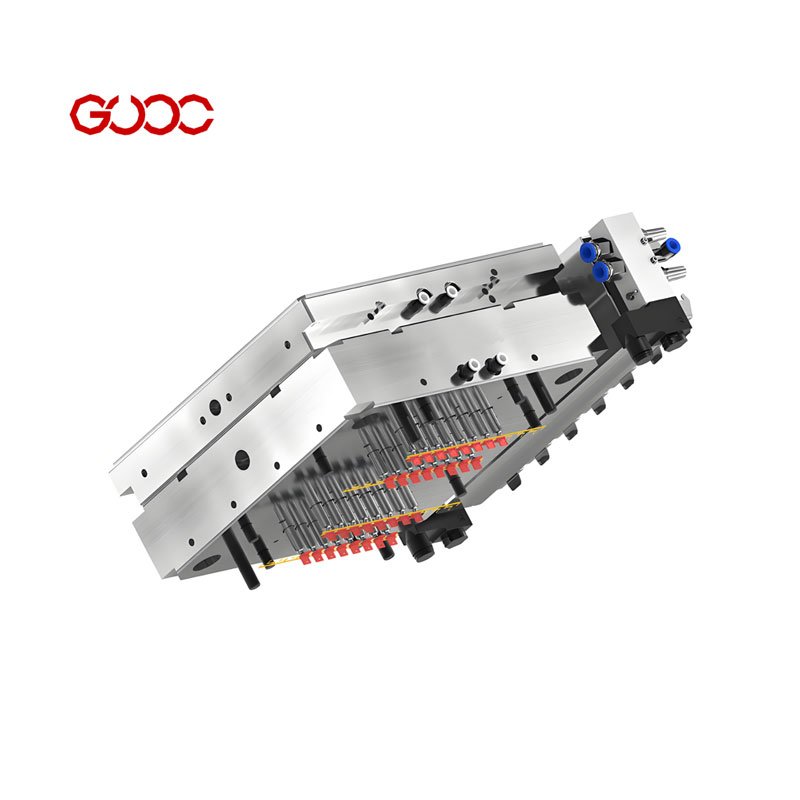
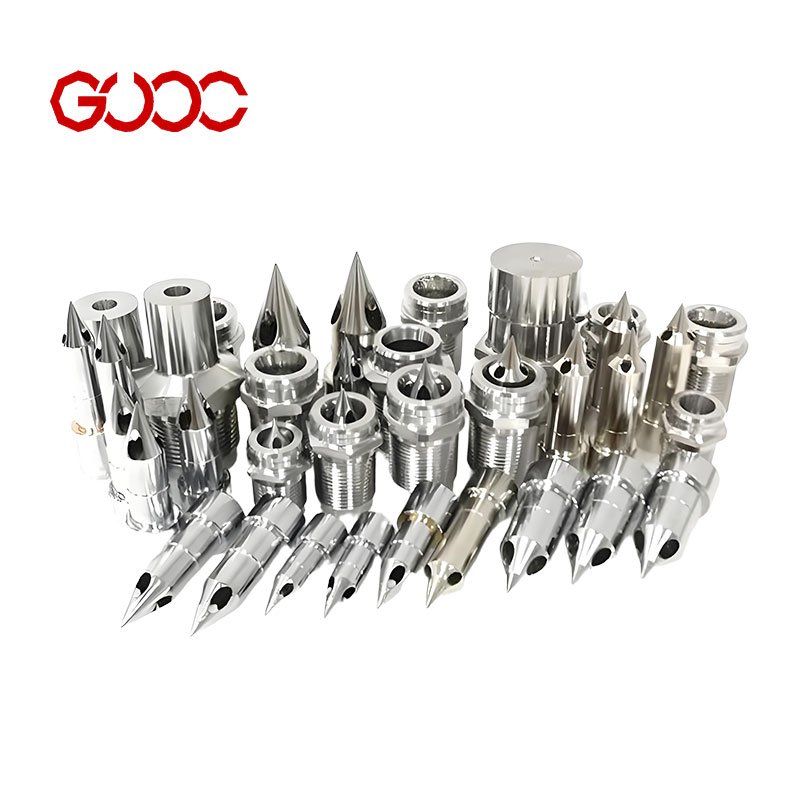
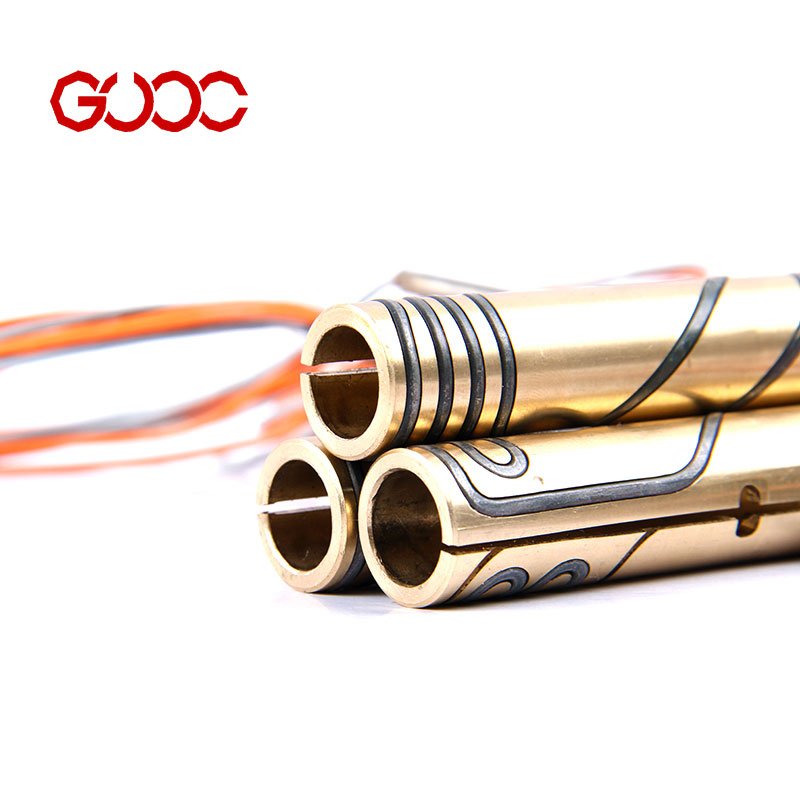
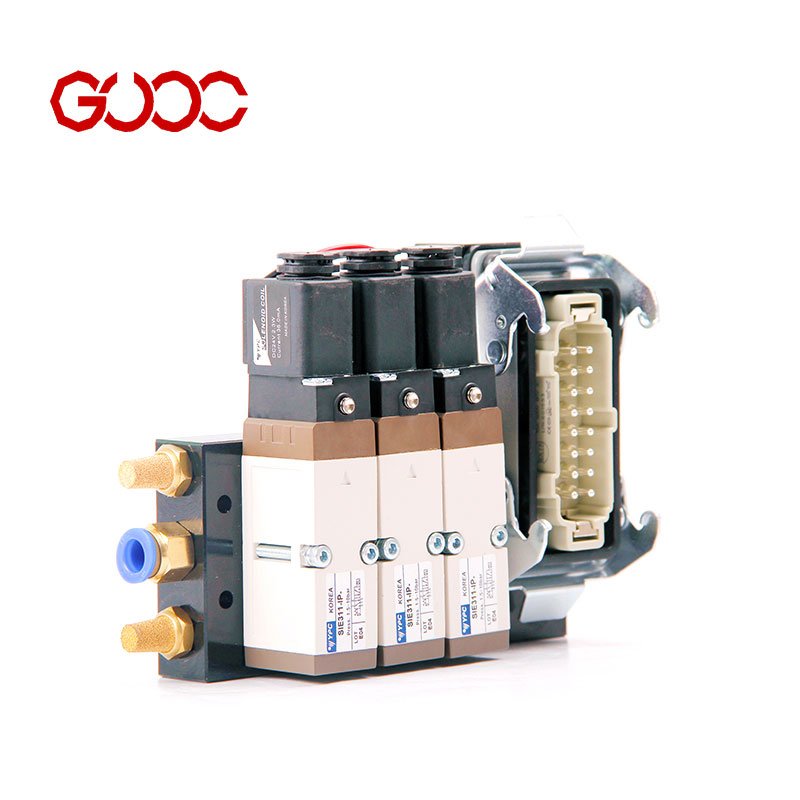
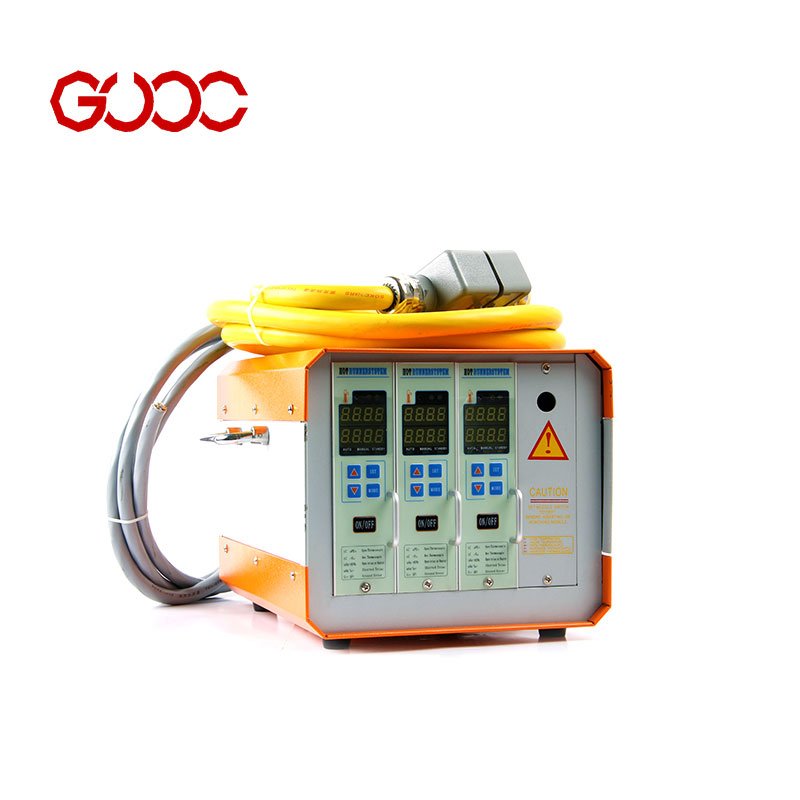
Hot runner systems are essential components in injection molding, used to deliver molten plastic directly into the mold cavities. These systems include parts like manifolds, nozzles, temperature controllers, and heating elements. They are designed to ensure consistent melt flow, improve cycle times, and reduce waste.
Key Technical Sensitivities
- Precision Parts: Hot runner systems require tight tolerances. Any misalignment can affect molding quality.
- Temperature Control: Maintaining accurate temperatures is critical. Variations can lead to defects or system failure.
- Moisture Sensitivity: Moisture can cause damage during shipping, especially to sensitive components like heaters and sensors.
Typical Shipping Profiles
| Attribute | Details |
|---|---|
| Weight | Usually lightweight but varies with size |
| Dimensions | Ranges from compact modules to large manifolds |
| Handling Needs | Fragile parts require careful handling |
Packaging for Safe Transport
Proper packaging is crucial when shipping hot runner systems from China. Use sturdy crates and shock-absorbing materials to prevent damage. Include desiccants to control moisture and avoid calibration drift. This ensures the system arrives in perfect condition, maintaining optimal performance and reducing costly rework.
By understanding these basics, you’re better equipped to plan effective shipping strategies—whether opting for air freight or sea freight—to meet your project demands smoothly.
Core Comparison: Air Freight vs Sea Freight for Hot Runner Systems from China
When choosing How to ship hot runner systems from China, understanding the differences between air freight and sea freight is crucial. Here’s a straightforward comparison focusing on transit times, costs, capacity, and risks.
Transit Times & Reliability
| Mode | Typical Transit Time | Reliability | Suitable for |
|---|---|---|---|
| Air Freight | 3-7 days | Very reliable | Urgent spare parts, prototypes, quick turnaround |
| Sea Freight | 20-40 days | Moderate | Large volumes, standard production |
Air freight is the fastest, minimizing lead times but can be affected by weather or flight delays. Sea freight is slower but offers more predictable scheduling for bulk shipments or full systems. For delicate parts like hot runner temperature controllers, timely delivery is critical, especially with air freight.
Cost Breakdown & Landed Costs
| Mode | Cost Factors | Overall Cost | When to choose |
|---|---|---|---|
| Air Freight | Higher per kg, handling fees | Expensive, but reduces inventory costs | Urgent orders, emergency replacements |
| Sea Freight | Lower per container, port fees | Cost-effective for large volume | Cost-sensitive projects, bulk shipments |
Air freight charges for hot runner injection molds are higher but can save costs by avoiding downtime. Sea freight, with its lower cost, suits full systems or large batches. Estimating landed costs early helps avoid surprises, especially when considering additional fees for customs clearance.
Capacity & Suitability
| Mode | Volume Limitations | Best Fits |
|---|---|---|
| Air Freight | Small to medium, limited by aircraft size | Prototype runs, small batch urgent parts |
| Sea Freight | Large, can handle entire hot runner systems | Mass production supplies, bulk shipments |
Sea freight is ideal for transporting large hot runner manifolds or extensive molds, offering the capacity needed for a full system shipment. For smaller, high-value items or quick replacements, air freight is more practical.
Risks & Protective Measures
| Mode | Main Risks | Protective Measures |
|---|---|---|
| Air Freight | Damage from handling, temperature fluctuation | High-quality packaging, buffer packaging, insurance |
| Sea Freight | Environmental damage, moisture, rough handling | Crates, shock absorbers, desiccants, robust containers |
Both modes require proper packaging to prevent damage or calibration issues. For sensitive parts like hot runner controllers, investing in desiccants and shock-absorbing materials is a good idea. Understanding these risks helps in selecting the right freight method and ensuring product quality upon arrival.
In , choosing between air and sea freight for hot runner systems depends on your urgency, budget, size of the shipment, and risk tolerance. Both have their place in efficient supply chain management, especially when aligned with your project needs.
Pros and Cons of Air Freight for Hot Runner Systems
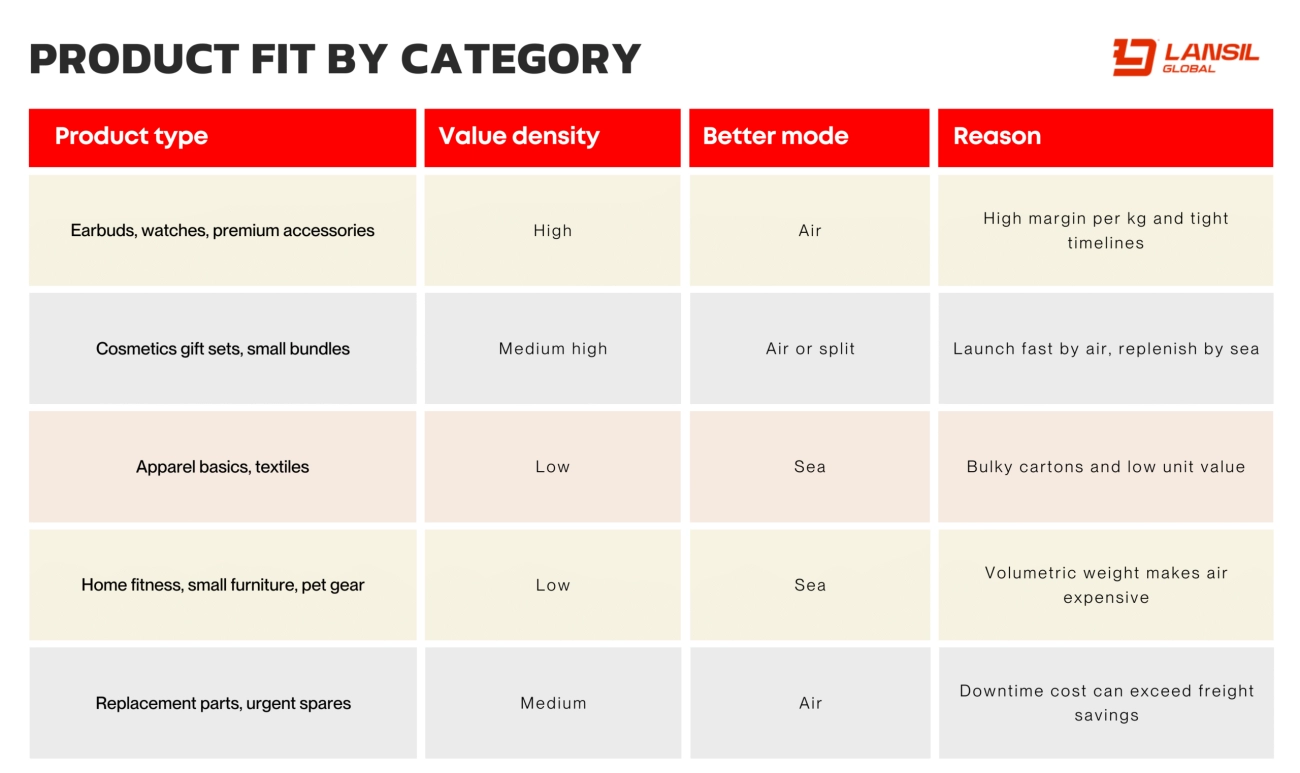
Using air freight for shipping hot runner systems from China has clear advantages but also some notable downsides. On the positive side, air freight offers unmatched speed, which is critical when quick turnaround times are needed. For example, if you\’re importing a hot runner temperature controller or other precision parts to avoid machine downtime, air shipping can get these components in days instead of weeks. This helps companies keep production lines moving smoothly and reduces inventory holding costs.
Another benefit is minimizing downtime. In urgent scenarios like replacing a damaged hot runner manifold or injection mold components, fast air shipments can prevent costly delays on the shop floor. Plus, air freight\’s reliability means you can plan and organize your supply chain with more confidence.
However, there are drawbacks too. Air freight tends to be significantly more expensive than sea freight, especially for larger or heavier parts like hot runner nozzles or manifolds. This can blow up the total landed costs, so it\’s often only justified for urgent or high-value components. Also, air cargo has volume restrictions—it\’s not suitable for large, bulky shipments like entire hot runner systems or multiple sets of mold components. Environmental impact is another factor to consider, as air freight contributes more to carbon emissions compared to sea freight.
Choosing air shipping makes sense mainly for critical, time-sensitive needs such as Prototype development, emergency spare parts, or short lead-time projects. For regular bulk orders, sea freight generally offers a more cost-effective, sustainable option.
Pros and Cons of Sea Freight for Hot Runner Systems

Sea freight offers some clear advantages when it comes to shipping hot runner systems from China, especially for large or bulk orders. It’s usually the more affordable option, helping manufacturers keep costs down. Handling full systems or high-volume supplies through sea freight is straightforward since containers can easily accommodate large, heavy loads. Additionally, sea freight is well-suited for bulk shipments like hot runner manifolds, injection mold components, or full hot runner systems, making it a practical choice for factory runs and standard production needs.
However, there are some downsides to consider. Transit times are longer, typically taking weeks instead of days, which can impact project timelines. This extended shipping duration also increases the risk of environmental damage—like moisture exposure or temperature fluctuations—that could affect sensitive parts such as hot runner temperature controllers or nozzles. For these reasons, proper packaging and climate control measures are critical, especially to prevent damage or calibration issues during transit.
In , sea freight is best suited when you’re looking for a cost-effective way to handle large or bulk shipments, such as full hot runner systems or multiple injection mold components. It’s ideal when speed isn’t the priority, and your focus is on optimizing total landed costs. For urgent needs or smaller, critical parts, air freight might be more appropriate, but for most standard production supplies, sea freight remains a reliable, economical choice.
Key Factors to Consider When Choosing Your Freight Method
When it comes to shipping hot runner systems from China, selecting the right freight method isn’t just about cost—it’s about balancing speed, safety, and overall efficiency. Here’s what you need to keep in mind:
1. Project timeline and urgency assessment
If you\’re racing against time—say, for urgent hot runner temperature controllers or spare parts—air freight is usually the top choice because of its speed. It reduces lead times significantly, helping you minimize downtime. Conversely, for non-urgent deliveries like bulk hot runner manifolds, sea freight offers a more relaxed schedule, allowing you to plan for cost savings.
2. Shipment specifics: size, weight, value density
Hot runner systems and their components vary greatly in size and weight. Precision parts, such as nozzles or heaters, often have strict packaging requirements to prevent damage during transit. Heavy or bulky systems may be better suited for sea freight, especially when volume is high. Consider the value density too—high-value components might justify the extra cost of air shipping for added security.
3. Destination logistics and route considerations
Think about customs procedures, local handling facilities, and available logistics infrastructure at your destination. Air freight simplifies customs clearance and offers more frequent departures, but sometimes, the route itself might favor sea freight—especially if your destination port has better connectivity for large containers.
4. Budget vs. total cost of ownership
While air freight might seem more expensive upfront due to higher charges, it can reduce inventory holding costs and improve production flow. Sea freight lowers transport costs but may incur additional expenses like longer warehouse storage or risk of delays. Comparing the total landed cost—including freight, customs, insurance, and handling—is crucial.
5. Environmental and sustainability factors
More companies are considering eco-friendly shipping options. Sea freight generally has a lower carbon footprint than air freight, which is a key point if you’re aiming to reduce environmental impact. Choosing greener shipping options can also align with corporate sustainability goals.
6. Collaboration with experienced Chinese suppliers for logistics support
Partnering with Chinese suppliers who understand export processes can make your freight choice easier. They often assist with packaging, documentation, and choosing the best logistics routes. They may also help explore hybrid shipping options, like splitting shipments between air and sea, to find the right balance for your needs.
Making the right decision means weighing these factors carefully. For hot runner systems, a well-planned logistics strategy maximizes efficiency, reduces risks, and optimizes costs—no matter if you opt for air freight or sea freight.
Best Practices for Shipping Hot Runner Systems from China
Shipping hot runner systems from China, such as injection mold components and temperature controllers, requires careful planning to protect their precision and prevent damage. Here are some best practices to ensure smooth transit and reduce risk.
Optimize Packaging for Hot Runner Systems
Use sturdy crates specifically designed for shipping fragile injection mold parts and hot runner components. Incorporate shock absorbers like foam or bubble wrap around sensitive parts — especially nozzles or temperature controllers — to absorb impacts. Desiccants are also critical to reduce moisture, which can affect calibration and performance, especially during long sea freight shipments. Proper packaging acts as a safeguard against handling damage and keeps everything in optimal condition upon arrival.
Choose the Right Terms of Trade (Incoterms)
Picking the correct trade terms impacts costs and responsibilities. For example, FOB (Free on Board) shifts shipping costs and risk to the buyer once the goods leave the supplier’s port. CIF (Cost, Insurance, and Freight) adds insurance and freight costs into the price, suitable for buyers wanting convenience. DDP (Delivered Duty Paid) makes the supplier responsible for full delivery including customs clearance. Understanding these options helps balance costs and control over the shipping process, especially for sensitive hot runner systems.
Secure Insurance and Tracking Solutions
Given the value and precision of hot runner injection mold components, insurance is essential to protect against loss or damage during transit. Choose comprehensive coverage that accounts for potential shipping risks like environmental damage in sea freight or handling issues in air freight. Tracking solutions are equally important, providing real-time updates and visibility throughout the journey, ensuring you can respond quickly to any delays or issues.
Conduct Pre-shipment Inspections and Prepare Customs Documentation
Pre-shipment inspections help verify the quality and condition of the system before dispatch. Accurate customs documentation, including invoices, packing lists, and certificates of origin, will streamline customs clearance for hot runner imports. Ensuring compliance with export/import regulations prevents delays, especially when dealing with temperature controllers and other sensitive mold parts. Working closely with your logistics partner or supplier can make this process more seamless.
Coordinate Closely with Suppliers for Smooth Logistics
Effective coordination with your hot runner system manufacturer or supplier ensures timely pickup, proper packaging, and clear communication of shipment details. Some Chinese suppliers offer dedicated logistics support and can advise on best practices—see how to become a China hot runner system sourcing agent for insights. This collaboration minimizes surprises and supports a risk-free transportation process.
Consider Hybrid Shipping for Balance
A combination of air and sea freight—known as hybrid shipping—can optimize cost and speed. Send urgent spares or temperature controllers via air freight for quick replacement, while bulk systems like hot runner manifolds are shipped via sea. This balanced approach helps manage costs without sacrificing critical timelines, especially for time-sensitive projects or emergency repairs.
By following these best practices, you can ensure your hot runner systems arrive in perfect condition, ready for installation. Proper packaging, clear agreements, and close supplier collaboration make a big difference when shipping from China, helping you keep production on schedule and under budget.
Case Studies and Practical Examples
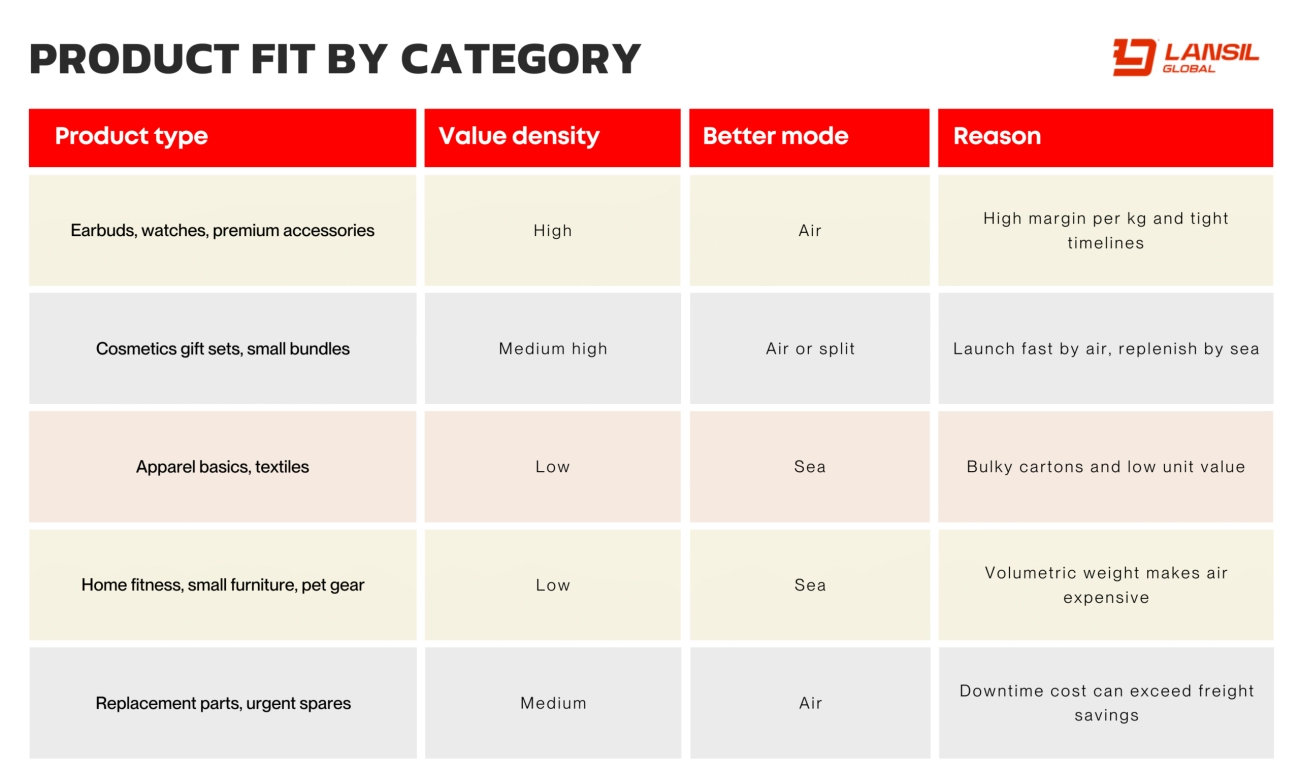
Example 1: Urgent hot runner temperature controller replacement via air freight
In one case, a manufacturer faced an unexpected failure of a critical hot runner temperature controller. Since downtime meant lost production, they opted for air freight to get the replacement parts quickly from China. Using air freight allowed them to receive the precision parts within a couple of days, minimizing production halt. This scenario highlights how air freight for hot runner systems or components is ideal when speed is essential, especially for sensitive items like temperature controllers that require careful handling to prevent calibration issues. While the cost was higher, the quick turnaround saved the company from extended losses, proving that urgent shipments can justify premium freight options.
Example 2: Cost-effective ocean shipment of a full hot runner manifold for high-volume production
On the other hand, a large injection molding company needed a bulk delivery of a complete hot runner manifold for their upcoming high-volume production run. They chose sea freight to transport the hefty, bulky system across China to their factory overseas. This method not only reduced costs significantly but also suited their schedule since the shipment was planned well in advance. By packaging the manifold properly and choosing a full container, they mitigated risks like environmental damage and handled the shipment efficiently. This example demonstrates how sea freight for hot runner systems or nozzles is better for large-volume or standard parts where cost savings take priority over transit speed.
Key lessons from these cases:
- Speed vs cost: Urgent needs lean toward air freight, especially for sensitive or small components like hot runner controllers. Cost-focused projects benefit from sea freight, especially when shipping full systems or bulk supplies.
- Proper packaging: Regardless of mode, protective packaging — including shock absorption and desiccants — is crucial to avoid damage during transit.
- Planning ahead: Early arrangements with experienced logistics providers help balance cost and timing, reducing surprises and costs down the line.
Overall, understanding the specifics of your hot runner system and project timeline allows you to choose the right shipping method, ensuring smooth delivery from China. For more tips on optimizing your export process, consider exploring how to streamline customs clearance for hot runner imports or managing risk with comprehensive insurance.
Final Takeaways and Recommendations for Shipping Hot Runner Systems from China
When deciding between air freight vs sea freight for hot runner systems, it all comes down to what your project needs most—whether that’s speed or cost savings. If you have urgent deadlines, air freight can get your hot runner injection mold components quickly, reducing downtime and inventory holding. For larger, non-urgent shipments like full hot runner manifolds or bulk supplies, sea freight offers a more budget-friendly option.
Partnering with experienced logistics providers and manufacturers in China is key. They can help you navigate customs clearance, proper packaging requirements for export, and tracking solutions to keep everything running smoothly. This ensures your sensitive components, such as hot runner temperature controllers or nozzles, arrive in perfect condition without calibration issues.
It’s also smart to weigh the risks versus benefits of each shipping method. Air freight provides fast transit times but comes with higher charges and volume restrictions, while sea freight, though slower, offers better handling of large or heavy loads with lower costs. Think carefully about your delivery window, shipment size, and budget to make the best choice.
Ultimately, making informed decisions about your hot runner system shipping can significantly impact your production schedules and overall costs—so plan ahead and work with trusted partners to optimize your supply chain.
 English
  Spanish
  French
  Portuguese
  Italian