 Skip to content
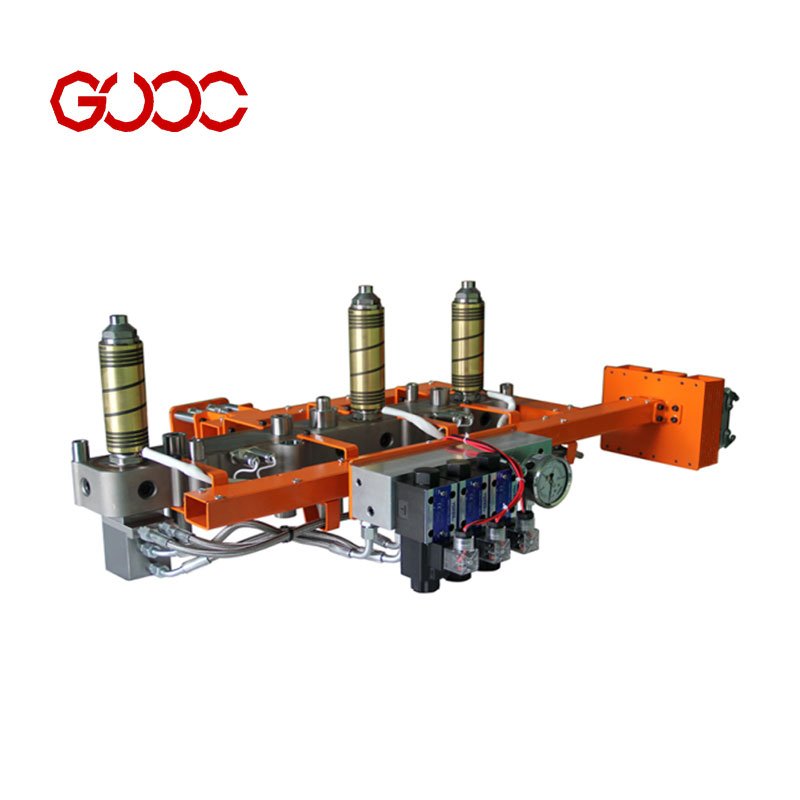
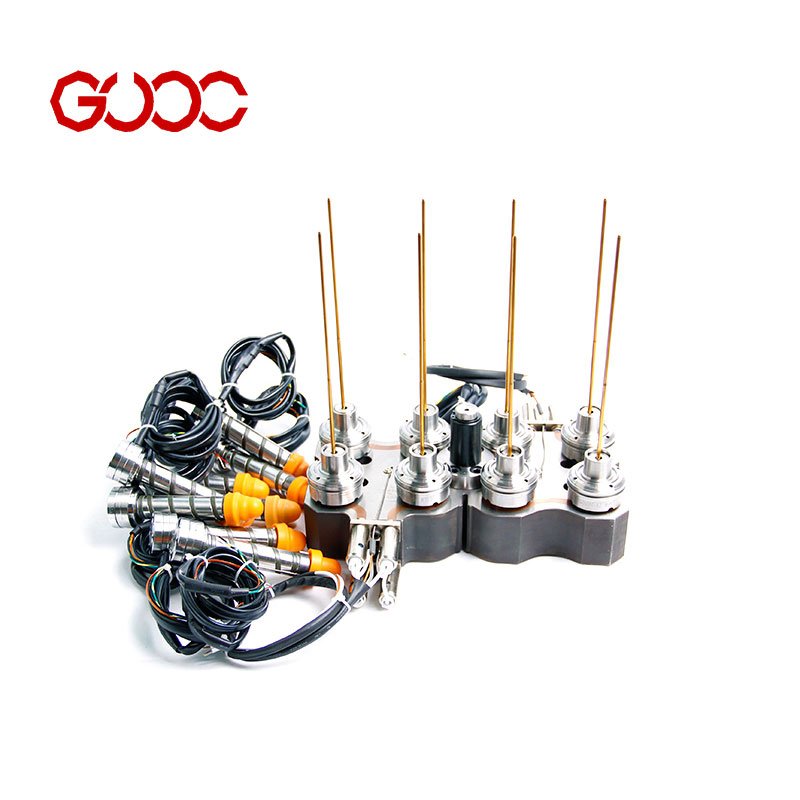
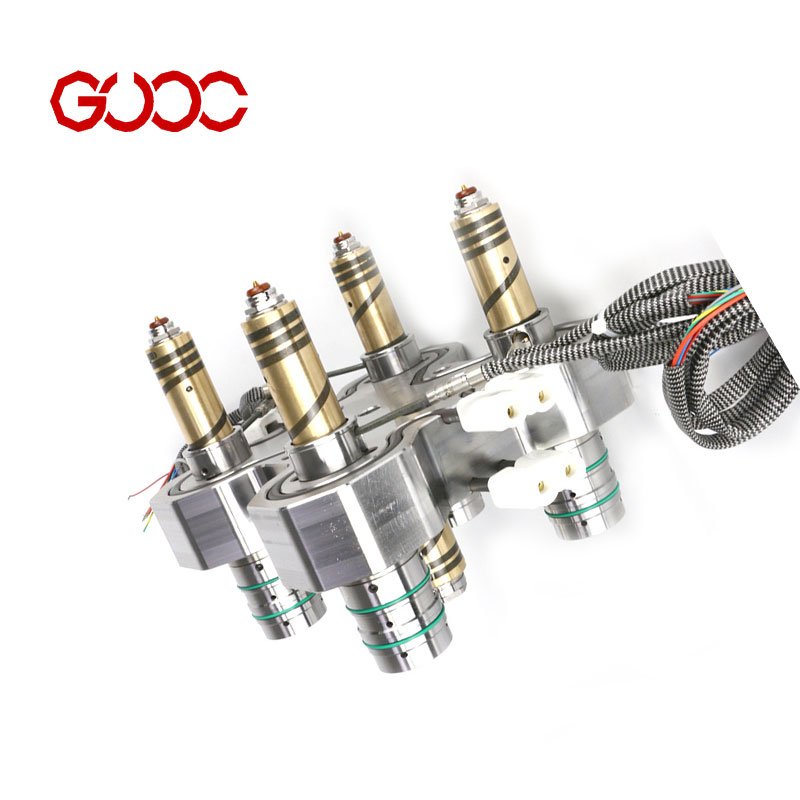
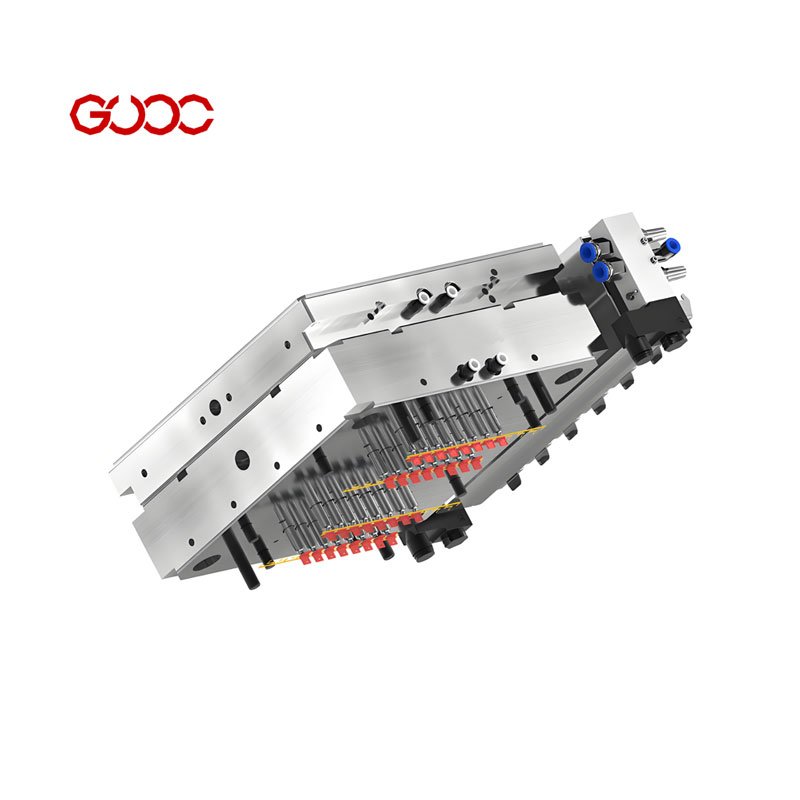
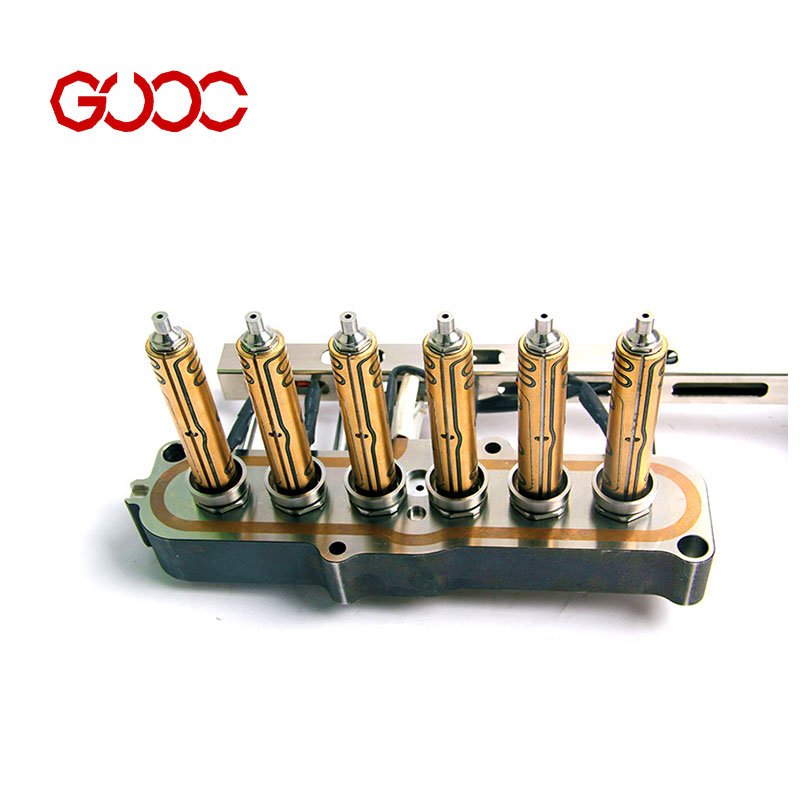
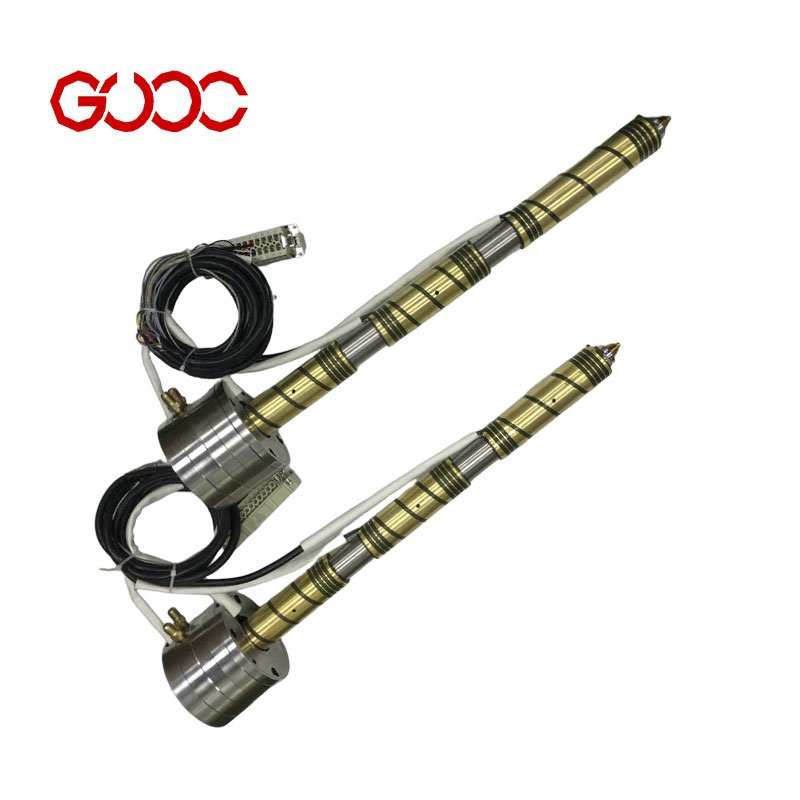
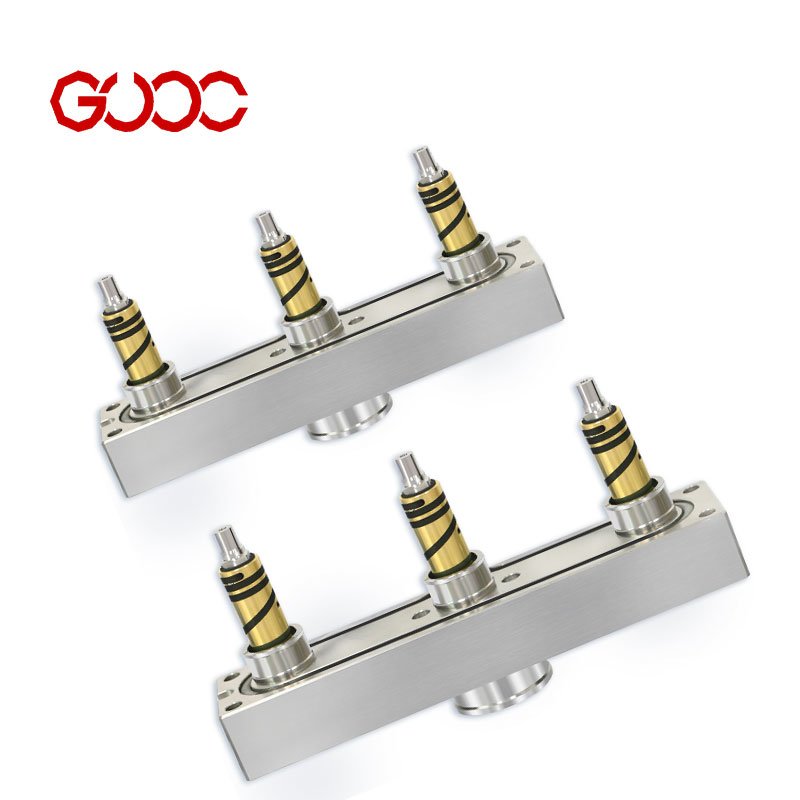
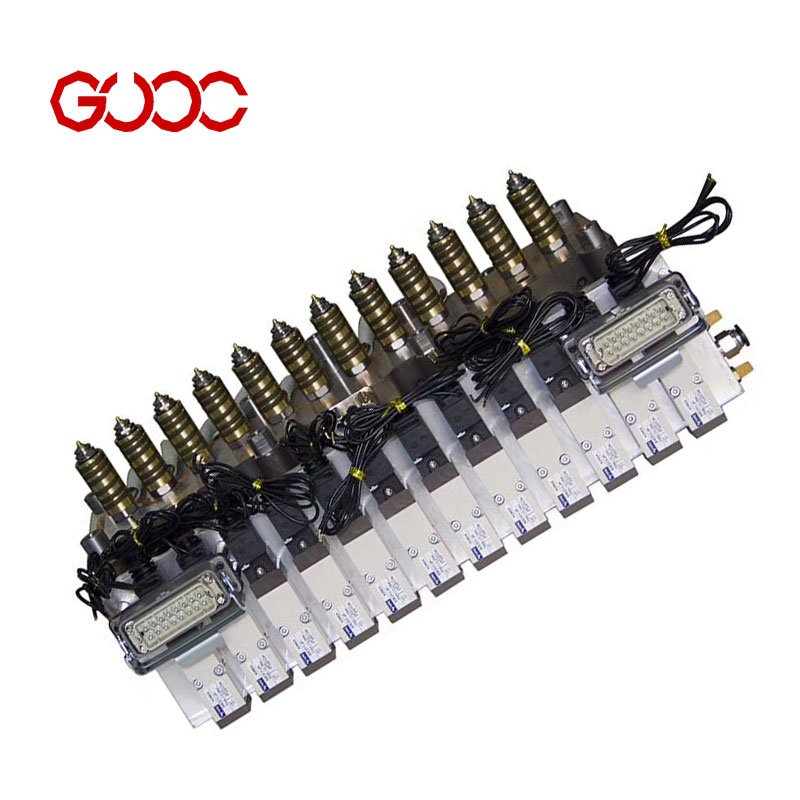
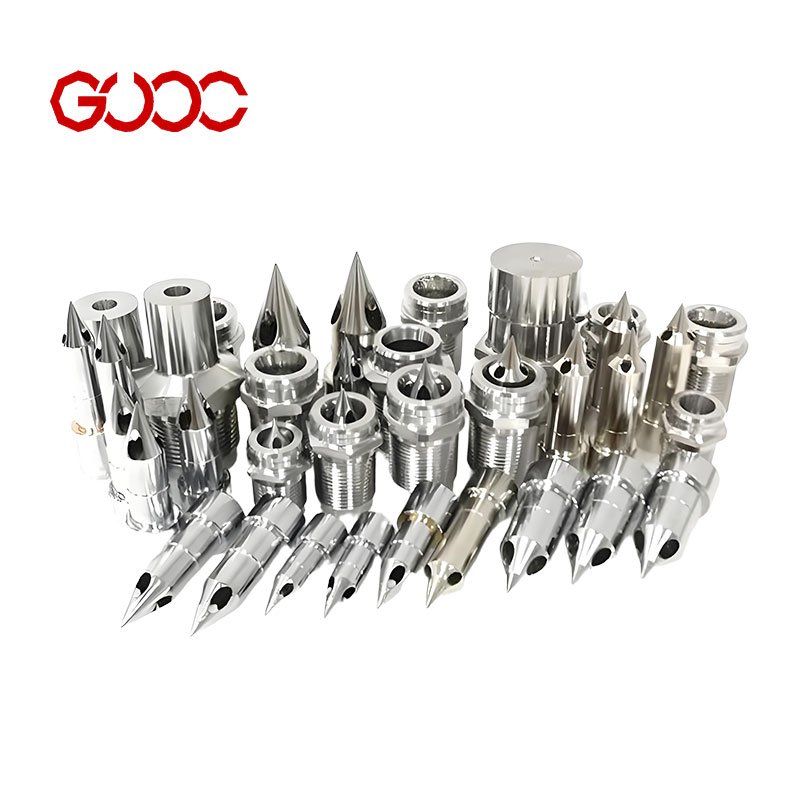
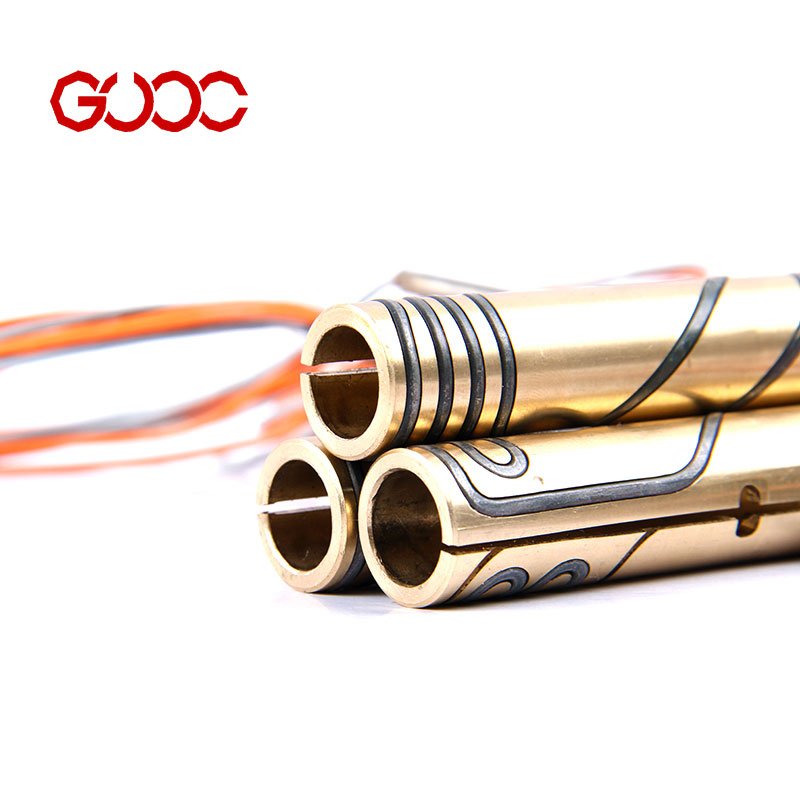
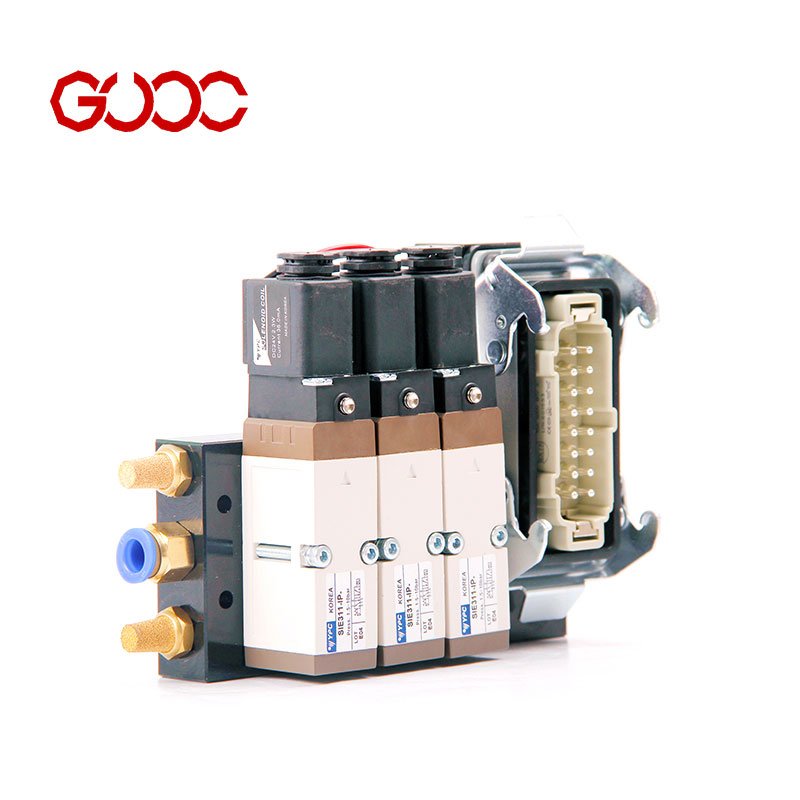
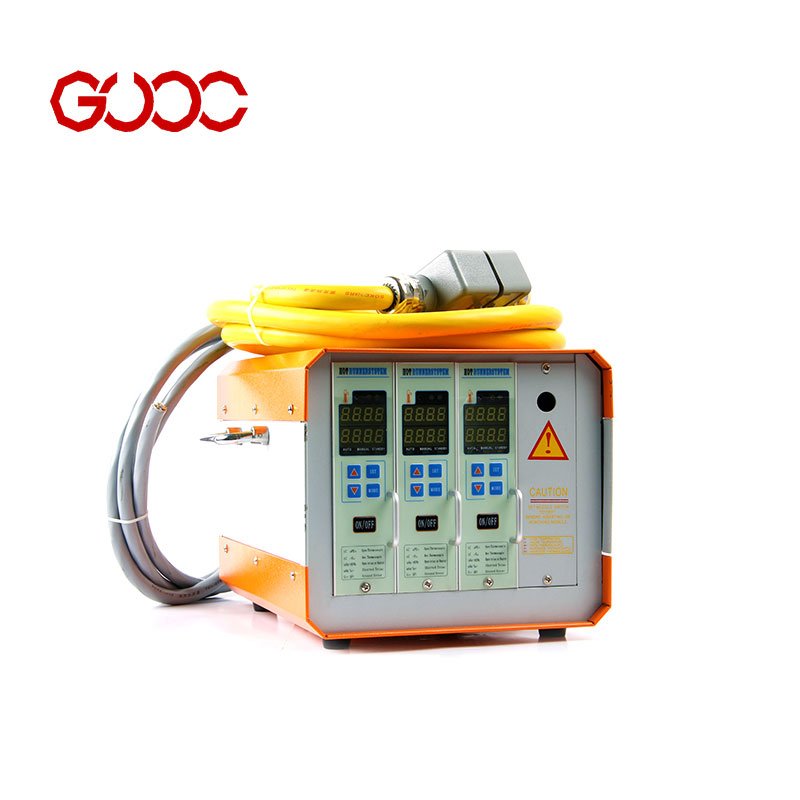
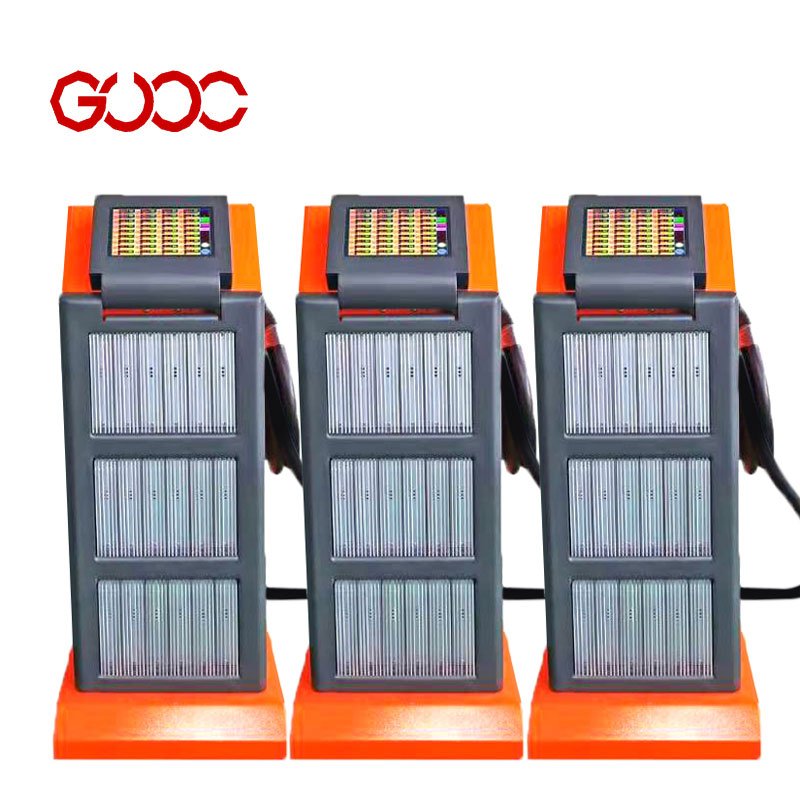
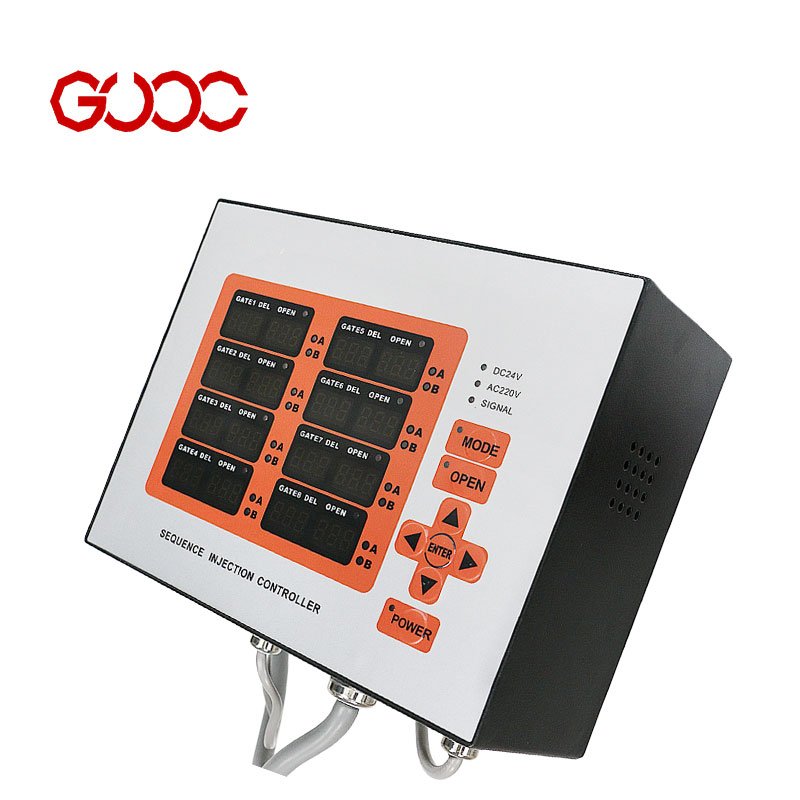
Selecting the right hot runner control system can make or break your injection molding operation. If temperature management falls short, expect degraded parts, unexpected downtime, and increased costs. Precision control isn’t optional; it’s the backbone of quality and efficiency. In this post, you’ll see how to evaluate critical parameters—from zone count to safety features—so you can match the controller precisely to your mold’s demands. For engineers and plant managers aiming to optimize cycle times and protect their molds, understanding these technical criteria is essential. Let’s get into what really matters when specifying a hot runner temperature controller.
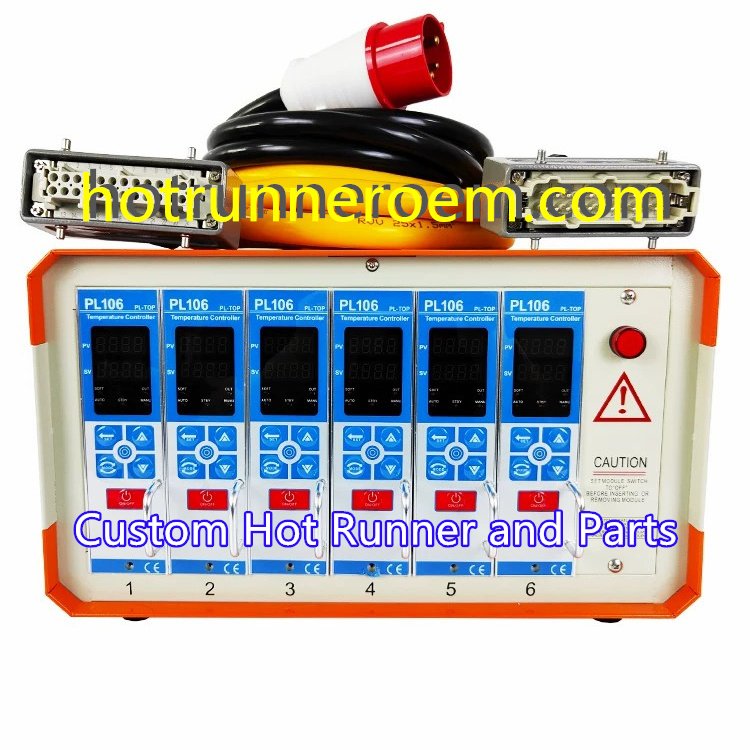
Phase 1: Assessing Technical Load and Zone Requirements
Selecting the right hot runner control system starts with a clear understanding of your technical load and zone requirements. This phase ensures that the system you choose can handle the operational demands effectively.
Zone Count Calculation
- Determine the total number of temperature zones in your mold since hot runners often require multi-zone temperature controllers.
- Each zone corresponds to an individual heater and thermocouple assembly.
- More zones require a control system with higher channel capacity.
| Mold Zones | Recommended Controller Type |
|---|---|
| 1–8 | Basic multi-zone controller |
| 9–24 | Advanced modular control system |
| 25+ | Custom-designed scalable system |
Amperage and Wattage Density
- Calculate heater load amperage by summing currents from all heating elements.
- Consider wattage density (watts per square inch/cm) to prevent hotspots and thermal runaway.
- Verify that your controller’s SSR output specifications match or exceed calculated amperage for stable performance.
Quick Check Formula:
Total Amperage = (Total Wattage) ÷ (Voltage)
Ensure controller’s maximum current ≥ calculated amperage.
Voltage Compatibility
- Confirm the voltage rating of your mold heaters (typically 110V, 220V, or 380V).
- Choose a system compatible with your plant’s power supply for safety and efficiency.
- Phase angle firing capability can improve voltage control based on mold size.
Key Takeaways:
- Start by identifying how many zones your mold has.
- Match amperage and wattage density to your control system capabilities.
- Ensure voltage compatibility to avoid electrical issues.
Our custom hot runner systems are designed with precise control over each zone, ensuring stable manifold temperature and optimized injection molding cycle time. Contact us to tailor a solution that fits your exact technical load.
Phase 2: Control Algorithms and Temperature Stability
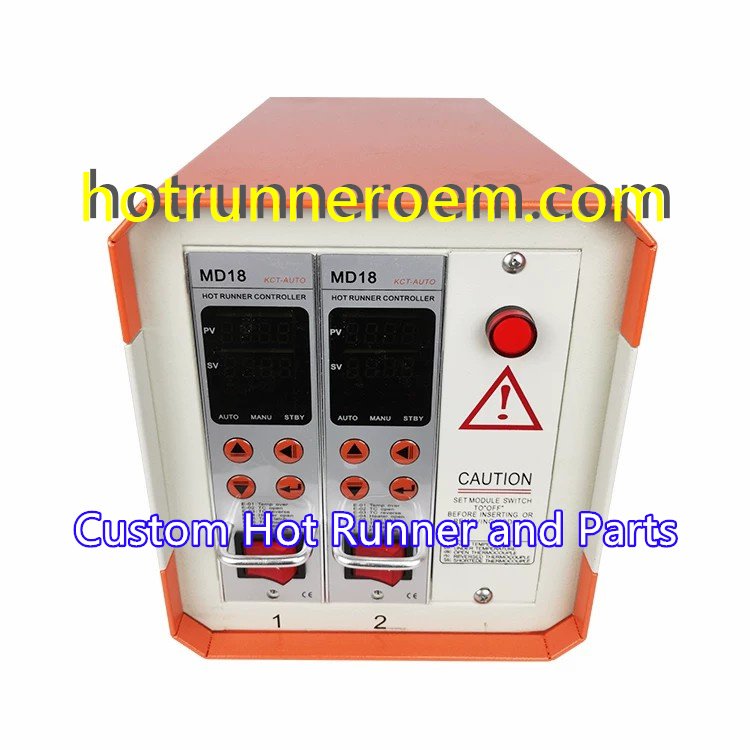
When selecting a hot runner control system, the heart of its performance lies in the control algorithms it uses. A PID temperature control algorithm is essential because it actively maintains manifold temperature stability by continuously adjusting heater output. Unlike open loop control, which simply applies preset power levels, PID adjusts based on real-time feedback, reducing thermal fluctuations and preventing overheating.
Response time and accuracy are critical here. Faster response times mean the system quickly compensates for temperature changes during injection molding cycles, which optimizes cycle time and ensures consistent part quality. High accuracy prevents defects caused by temperature variations, contributing to longer mold life.
Investing in controls that offer precise control, solid state relay (SSR) output, and tightly calibrated thermocouple inputs (commonly Type J or K) ensures your system reacts appropriately without overshoot or delay. This combination not only protects your mold but also improves overall production stability.
For detailed technical options, reviewing specialist hot runner temperature controllers can reveal systems designed for multi-zone temperature control and thermal runaway protection, further enhancing operational reliability. You can find such tailored solutions on our hot runner temperature controllers page.
Phase 3: Mold Protection and Safety Protocols
When selecting a hot runner control system, mold protection and safety should be at the forefront. A reliable system with soft start functionality ensures that the heaters power up gradually, preventing thermal shocks that can cause damage or reduce the lifespan of injection mold heating elements. This feature also supports soft start dehumidification, helping avoid moisture-related issues that harm both the mold and the system.
Next, advanced diagnostic capabilities are essential for early detection of faults. A hot runner system that continuously monitors parameters like heater load amperage and thermocouple calibration (Type J/K) can alert you to any abnormalities—such as wiring failures or sensor drift—before they escalate. This keeps your molding process stable and reduces unexpected downtime.
Furthermore, robust alarms and interlocks act as safety nets. They can trigger automatic shutdowns if the system detects conditions like thermal runaway protection issues or plastic leakage. These safety measures prevent costly mold damage and protect operators. Proper interlocks also ensure heating zones turn off in the correct sequence, maintaining safe operation.
Prioritizing these mold protection features means you not only extend your mold’s service life but also maintain consistent manifold temperature stability for better melt quality. For a deeper dive into optimizing your system’s temperature zone control, you can explore our resources on hot runner injection mold design.
Phase 4: Interface, Usability, and Maintenance
HMI and Operator Interaction
A user-friendly Human-Machine Interface (HMI) is crucial for smooth operation of any hot runner control system. The HMI should offer clear visuals and intuitive controls, making it easy for operators to adjust settings, monitor manifold temperature stability, and detect any deviations quickly. Look for systems with customizable displays and alarm notifications that help reduce injection molding cycle time optimization by giving instant feedback. This way, even less experienced users can manage complex multi-zone temperature controller setups without guesswork.
Modularity and Hot-Swapping
Modern hot runner controllers often feature modular control card design, allowing for quick replacement of faulty zones without shutting down the entire system. Hot-swapping reduces downtime and maintenance costs significantly. When selecting a system, ensure it supports independent control units that can be swapped or upgraded on the fly — a big plus in high-volume manufacturing. This modularity also facilitates scalability for growing production needs.
Cabling and Connectors
Proper cabling and reliable hot runner cable connectors are often overlooked but critical for long-term performance. Choose systems equipped with robust connectors that resist plastic leakage detection and thermal runaway protection failures. Solid state relay (SSR) output compatibility ensures clean power delivery and smoother phase angle firing, reducing stress on injection mold heating elements. Also, easy-to-route cabling simplifies installation and maintenance, saving both time and labor in factory setups.
For a detailed option that covers these features and more, check out our range of custom hot runner systems designed for durability and ease of use in demanding industrial environments.
Phase 5: Advanced Connectivity for Industry 4.0
In today’s injection molding world, having a hot runner control system that connects smoothly with your smart factory setup is a must. Advanced connectivity isn’t just a bonus—it’s a game changer.
Data Logging and Export
A good hot runner controller should capture and store temperature data across all zones. This data logging helps you track performance trends and spot issues like thermal runaway or temperature drift early on. Look for systems that allow easy export of records in standard formats (CSV, Excel) for quick sharing or analysis. This makes optimizing your injection molding cycle time easier while keeping your production consistent.
Communication Protocols
Compatibility with common communication standards is another top priority. Whether you’re using Modbus, Ethernet/IP, or PROFIBUS, your hot runner control system needs seamless interface options. These protocols enable system integration for real-time monitoring and remote control. Don’t forget about multi-zone temperature controller compatibility—it ensures smooth operation when managing complex molds with many heating elements.
Incorporating these connectivity features supports efficient decision-making and timely maintenance, making your manufacturing process smarter and more cost-effective.
Phase 6: The \”China hot runner system\” Advantage
Customization vs. Off-the-Shelf Solutions
When choosing a hot runner control system, flexibility matters. China hot runner system manufacturers excel at tailoring solutions to your specific injection molding cycle time optimization needs. Unlike generic off-the-shelf controllers, customized systems can handle your unique zone count calculation and manage heater load amperage perfectly. This means better manifold temperature stability and more precise control algorithms, such as optimized PID temperature control algorithm settings for your particular mold design. Customization also extends to thermocouple calibration (Type J/K) options and choice of solid state relay (SSR) output configurations to fit your production requirements flawlessly.
Cost-Efficiency without Compromise
One common misconception is that cost-effective hot runner systems compromise on quality or features. China-based suppliers, however, provide competitive pricing without cutting corners. They offer robust systems designed with modular control card design, supporting multi-zone temperature controllers that maintain temperature uniformity and system reliability. This balance ensures safe operation with built-in thermal runaway protection and phase angle firing capabilities. Choosing a China hot runner system thus gives you access to advanced mold protection and safety protocols while optimizing your heater loads and energy consumption efficiently.
Reliable After-Sales Support
Investing in a hot runner system is long-term. That’s why after-sales service from a trusted China hot runner system manufacturer and supplier is crucial. Many provide comprehensive support, including soft start dehumidification techniques, plastic leakage detection assistance, and remote troubleshooting via modern communication protocols. This level of service guarantees minimal downtime and keeps your injection mold heating elements operating at peak performance. For those seeking detailed case studies and real-world service examples, exploring dedicated resources like hot runner cases can offer valuable insights into the quality and responsiveness you can expect.
Choosing a China hot runner system means gaining a partner that aligns with your technical requirements, budget goals, and ongoing operational support—all critical factors for successful injection molding production.
 English
  Spanish
  French
  Portuguese
  Italian