 Skip to content


The Mechanics of Molten Flow: How Hot Runner Systems Optimize Production
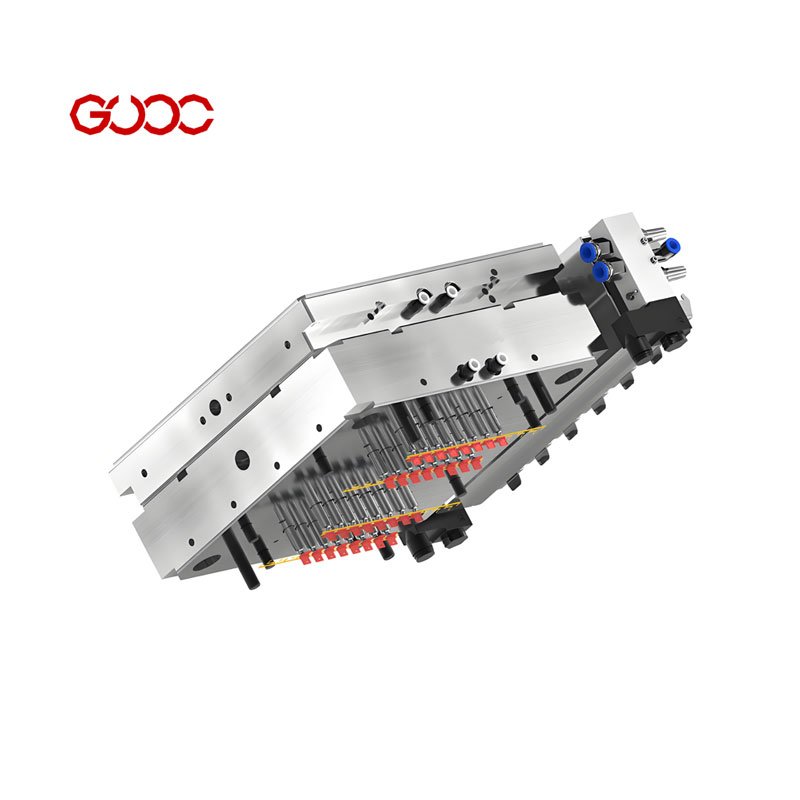
When it comes to injection molding, understanding molten plastic flow is crucial for maximizing efficiency and product quality. Hot runner mold systems excel by maintaining consistent thermal dynamics throughout the process. Unlike cold runner setups, hot runners keep the plastic at the ideal temperature from the manifold to the nozzle, preventing premature cooling and solidification. This steady heat ensures smooth, uninterrupted flow, reducing defects and improving shot weight consistency.
Another key advantage is pressure drop reduction. Hot runner systems minimize the distance molten plastic travels through cooler channels, which lowers injection pressure requirements. This translates into less wear on machinery and more stable cavity filling, essential for multi-cavity production where balancing pressure is critical.
Perhaps the most compelling benefit is the \”zero waste\” advantage. Traditional cold runners produce sprue and runner waste that must be trimmed and recycled, increasing material costs and cycle time. Hot runner molds eliminate this waste by delivering plastic directly into the cavities, cutting down on material scrap and boosting overall production efficiency.
By optimizing molten flow mechanics with precise temperature control and minimal pressure loss, hot runner molds provide a reliable, cost-effective solution that meets the demanding needs of modern injection molding operations.
Critical Component Architecture in Hot Runner Molds
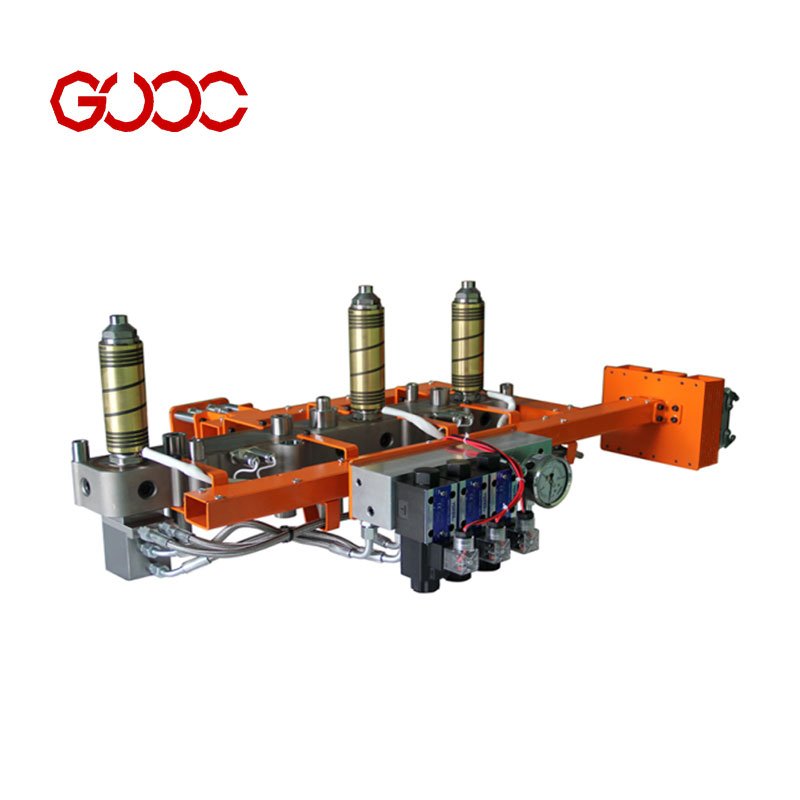
When it comes to designing a hot runner mold, the heart of the system lies in its critical components: heated manifolds, nozzle technology, and temperature controllers. Each plays a vital role in ensuring smooth molten plastic flow and maintaining consistent injection molding cycle time.
Heated Manifolds
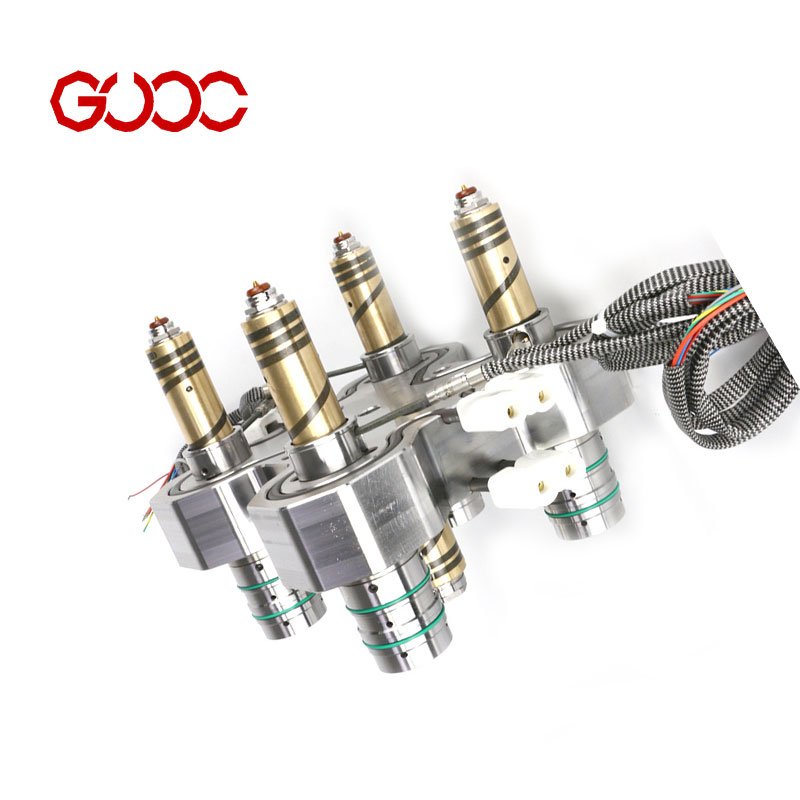
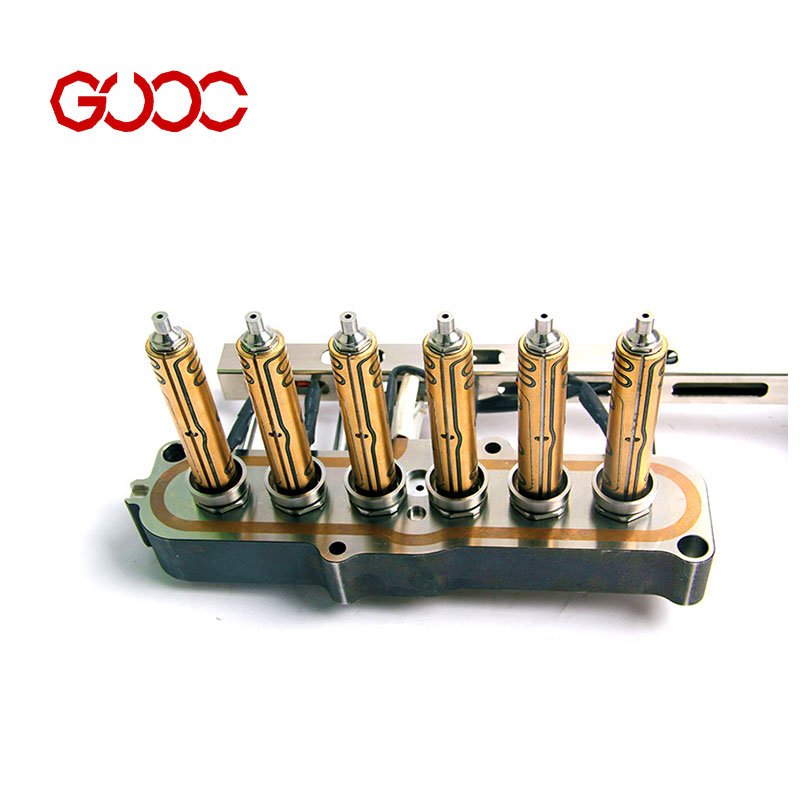
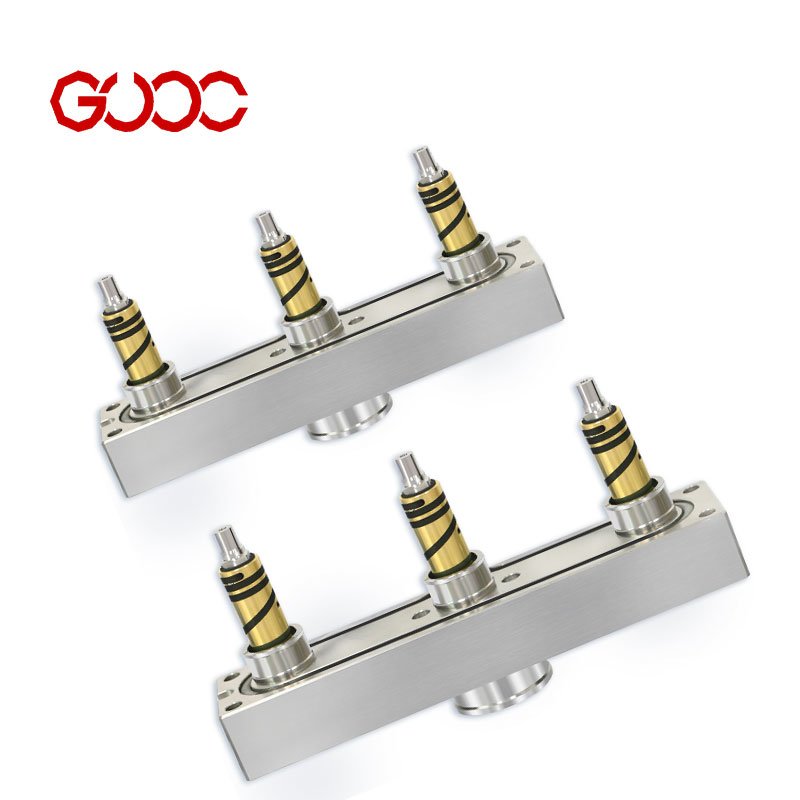
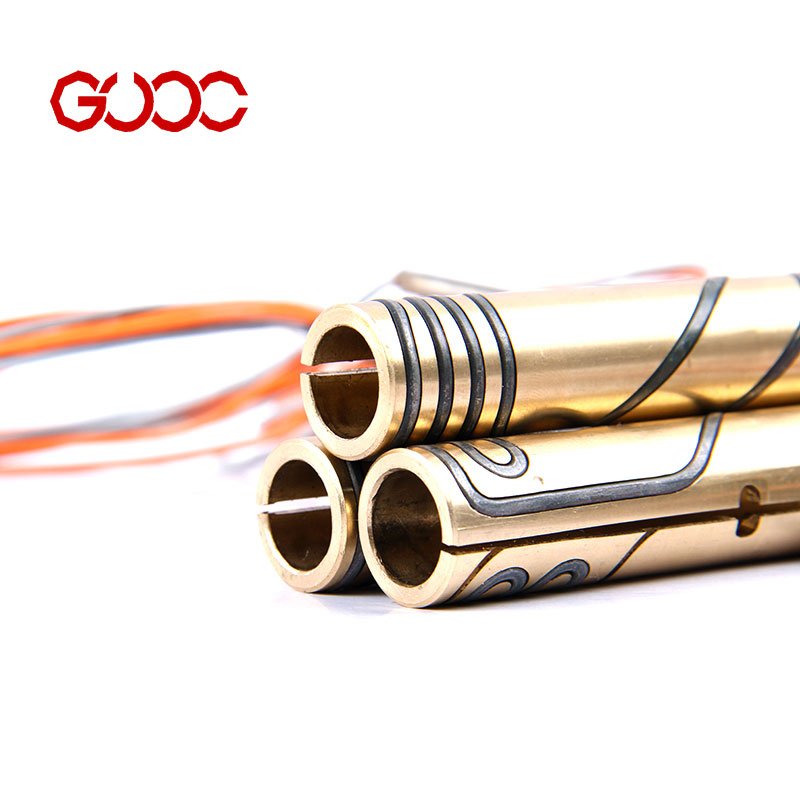
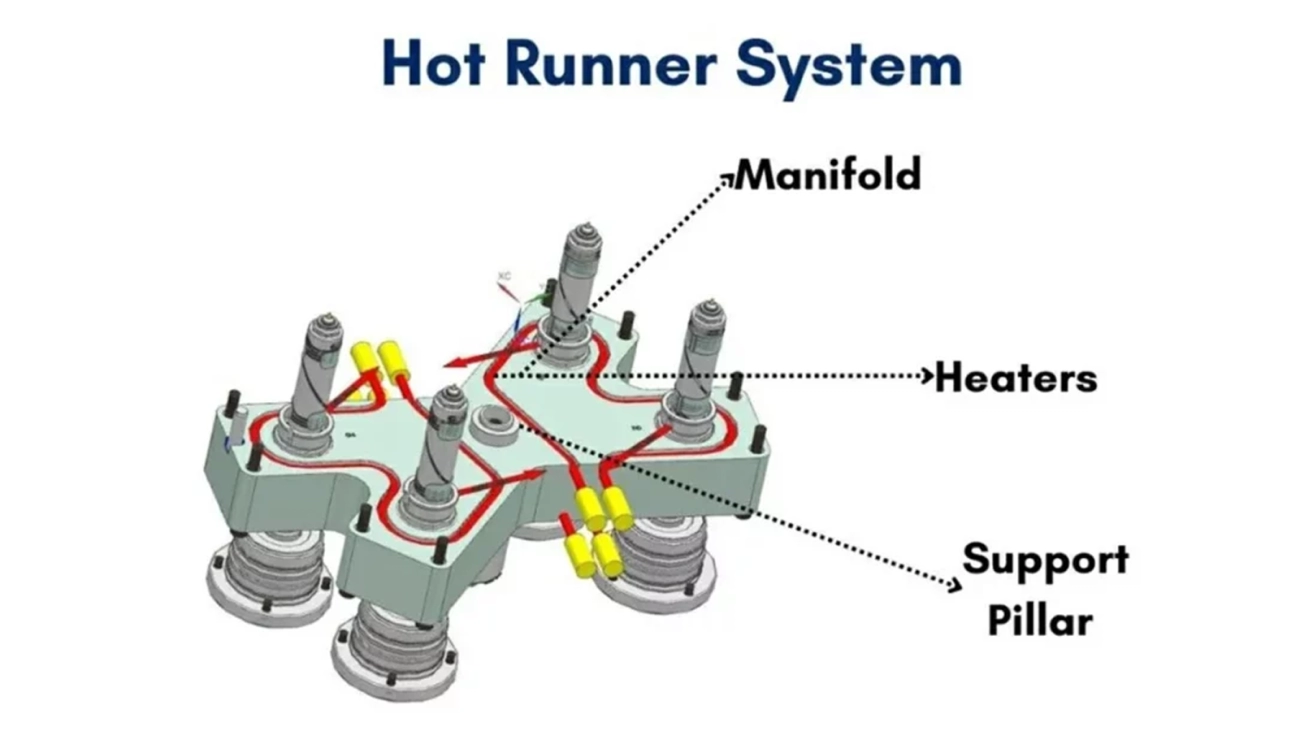
Heated manifolds are essential for distributing molten plastic evenly to multiple cavities. Their design directly impacts injection pressure drop and cavity pressure balance. A well-engineered manifold system design minimizes sprue and runner waste reduction by keeping the resin at optimal temperatures, preventing premature cooling or degradation. For advanced temperature control and manifold options, exploring specialized hot runner manifold solutions can provide significant production advantages.
Nozzle Technology
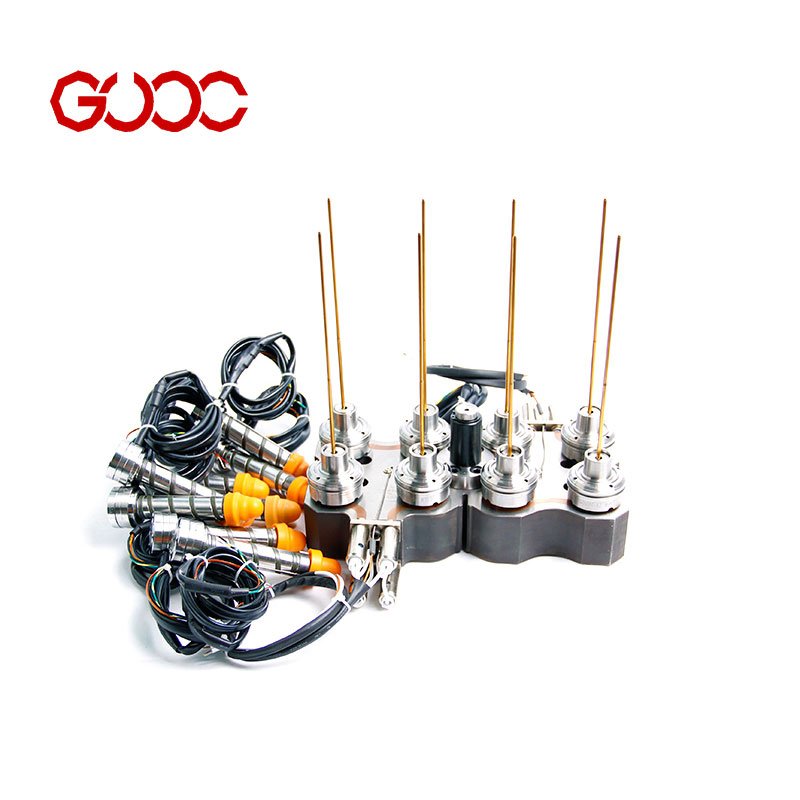
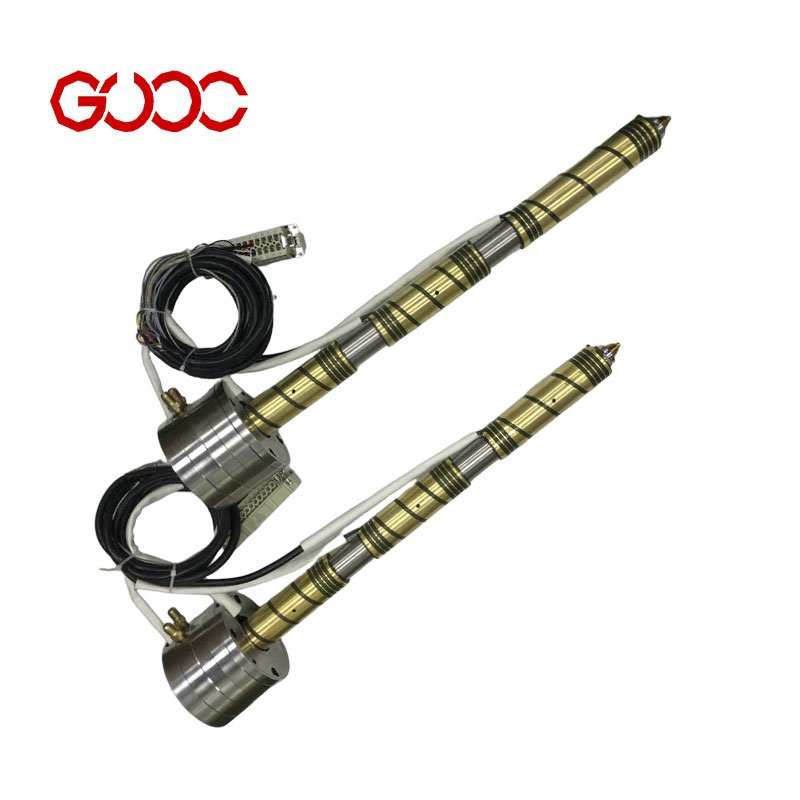
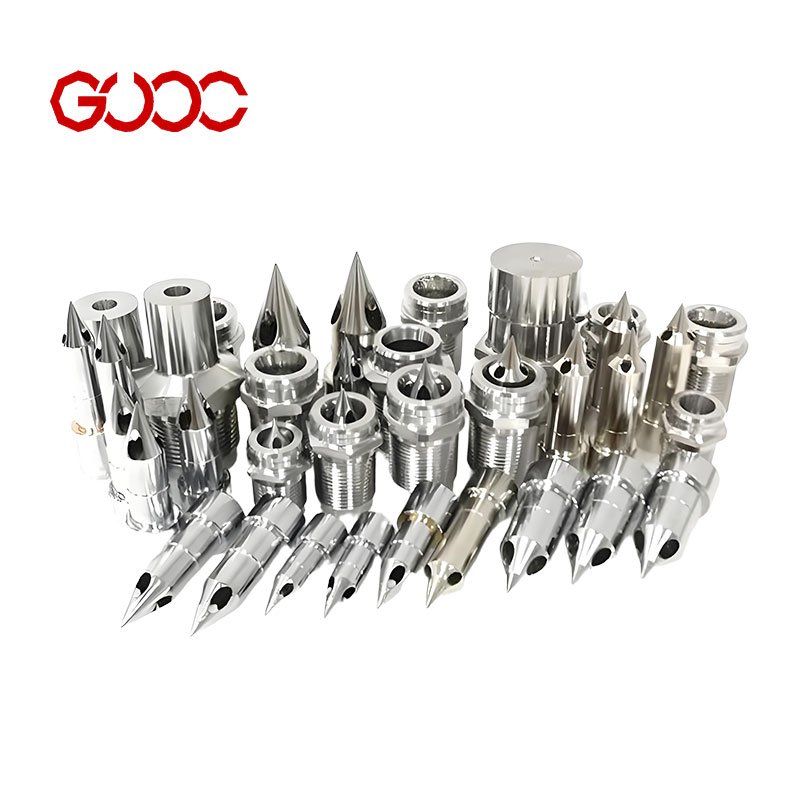
Nozzle design influences the quality of gate vestige and shot weight consistency. Modern nozzles, including valve gate and thermal gate types, help control the flow precisely, reducing defects and improving cycle times. Selecting the right nozzle technology tailored to your resin compatibility and thermoplastic processing needs is crucial for reliable multi-cavity production. For detailed insights on nozzle options, check out our comprehensive hot runner nozzle resources.
Temperature Controllers
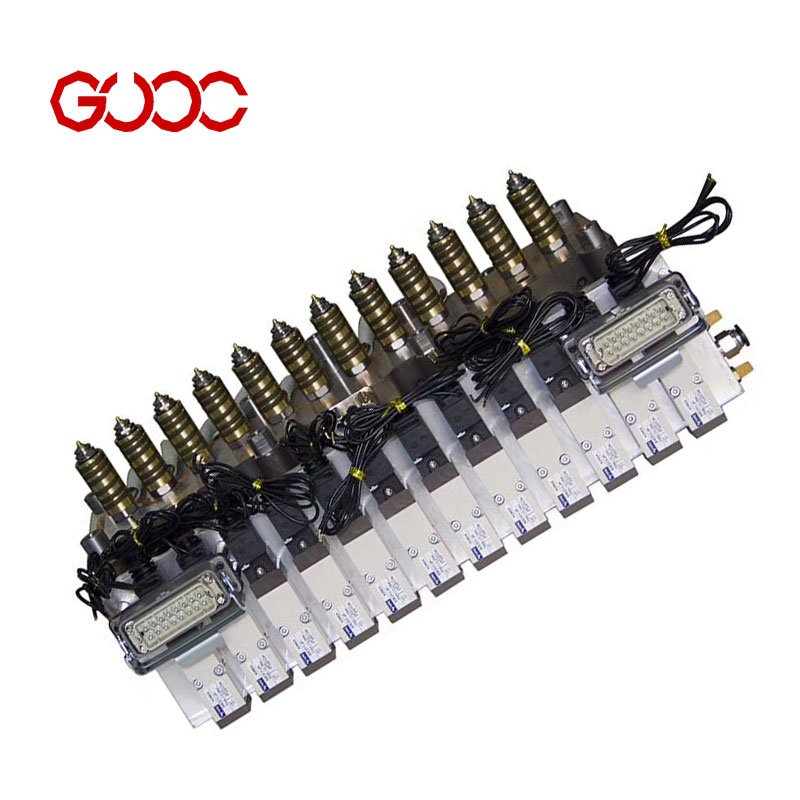
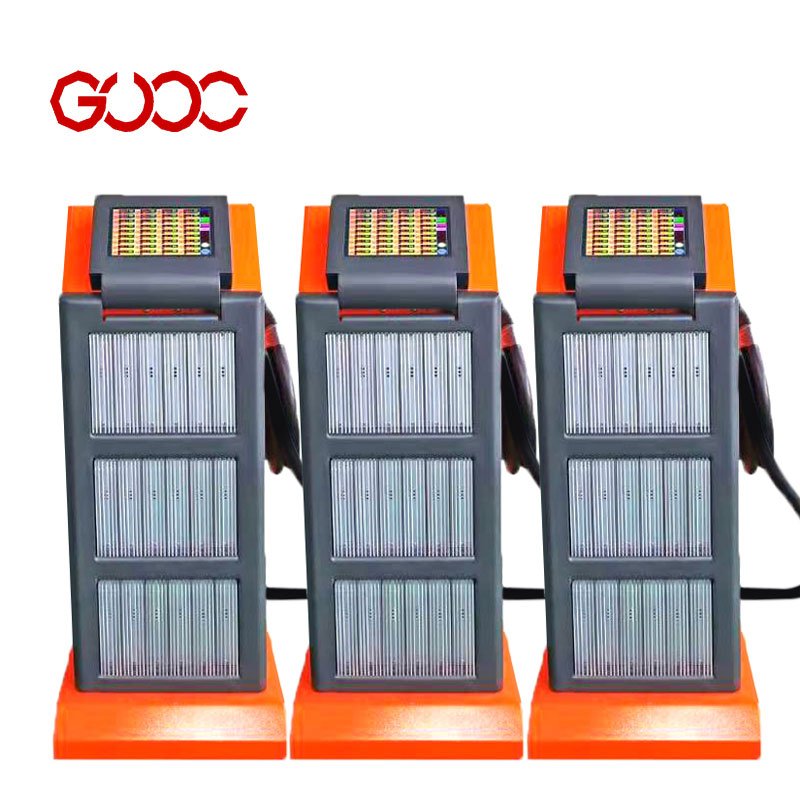
Temperature controllers are the backbone of maintaining stable thermal conditions throughout the hot runner system. Accurate temperature control prevents issues like hot spots or cold slugs that can affect part quality and cause resin degradation. Investing in advanced temperature controller units ensures consistent molten flow and energy-efficient operation, which is vital for managing heat-sensitive materials and facilitating quick color changeovers. Learn more about reliable hot runner temperature controllers to optimize your mold’s performance.
By focusing on these core components, manufacturers can enhance molten plastic flow analysis, reduce injection pressure drop, and ultimately improve the overall efficiency and longevity of their hot runner mold systems.
Engineering Considerations for Custom Mold Design
Designing an efficient hot runner mold starts with thorough flow analysis, often using Moldflow software. This step predicts how molten plastic moves through the mold, helping us spot potential issues like uneven cavity pressure balance or injection pressure drop early on. Getting the flow right means better shot weight consistency and fewer defects, which is critical for multi-cavity production.
Next up is thermal expansion logic. Hot runner systems operate at high temperatures, so accounting for material expansion in heated manifolds and nozzles is essential. If not managed properly, thermal expansion can cause misalignment or damage, impacting gate vestige quality and overall mold life. We carefully design components and select materials that handle these changes smoothly.
Gate placement strategy is another key factor. Proper gate location ensures uniform molten plastic flow and minimizes stress on the part. Choosing between valve gate vs. thermal gate types depends on the product design and cycle time goals. Smart gate placement also helps reduce sprue and runner waste, boosting efficiency.
Finally, steel selection plays a huge role in mold durability and performance. For hot runner molds, P20 steel mold bases are common due to their balance of toughness and machinability. However, depending on resin compatibility and processing parameters, other steels might be chosen to resist wear and thermal fatigue better.
By combining these engineering considerations, we create custom hot runner molds optimized for your production needs. For more on how these elements come together, check out our detailed hot runner system insights.
Comparative Analysis: Hot Runner vs. Cold Runner Economics
When deciding between hot runner mold systems and traditional cold runner setups, the economics play a crucial role. Although hot runner molds require a higher upfront investment due to their complex manifold system design and temperature controller units, the long-term yield often justifies this initial cost.
Upfront Investment vs. Long-Term Yield
Hot runner molds demand more capital initially because of the heated manifolds and advanced nozzle technology involved. However, they significantly reduce sprue and runner waste, which means less material is wasted per cycle. Over time, this leads to substantial savings, especially in high-volume or multi-cavity production runs where shot weight consistency is critical.
Cycle Time Calculation
Hot runner systems streamline the injection molding cycle time by eliminating the need to cool and eject runners. This reduction in cycle time boosts overall productivity and allows for faster turnaround on parts. In contrast, cold runner molds require additional time for runner solidification and removal, which can slow down production.
Energy Consumption
While hot runner molds maintain a constant temperature, which uses energy continuously, this is offset by the energy saved from not having to re-melt runners repeatedly. Cold runner systems may consume less energy per cycle but can be less efficient overall due to longer cycle times and material waste. Optimizing thermoplastic processing with a hot runner mold can result in better energy efficiency in the long run.
For manufacturers looking to optimize injection molding economics, investing in a custom hot runner mold from a reliable China hot runner system manufacturer can deliver both quality and cost benefits. To explore tailored solutions, visit our detailed hot runner mold offerings.
Resin Compatibility and Processing Parameters
When working with hot runner mold systems, understanding resin compatibility is key to smooth production and quality output. Different plastics behave differently in terms of flow, heat tolerance, and cycle time.
Crystalline vs. Amorphous Polymers
| Feature | Crystalline Polymers | Amorphous Polymers |
|---|---|---|
| Melting Point | Sharp, higher melting point | Gradual softening, lower temp |
| Flow Behavior | More viscous, needs higher temp | Easier flow, lower temp needed |
| Cooling Rate | Faster crystallization | Slower solidification |
| Hot Runner Impact | Requires precise temp control | More forgiving temp range |
Crystalline polymers like polypropylene or nylon need hotter, stable temperatures to avoid premature solidification inside the hot runner. Amorphous types like ABS or polystyrene handle heat variations better, making them easier to process with less risk of freeze-off.
Heat Sensitive Materials
Some resins are especially sensitive to heat, such as PVC or certain biodegradable plastics. For these, the hot runner system must have:
- Accurate temperature controllers to prevent degradation.
- Short flow paths to minimize residence time.
- Optimized nozzle design to reduce shear and heat buildup.
Color Changeovers
Color changes in production can be a hassle with hot runner molds. To keep downtime low:
- Use valve gate nozzles for quick shut-off.
- Design for easy purging with minimal dead zones.
- Maintain consistent temperature control to avoid color streaks.
By matching resin types and processing parameters carefully, you ensure stable molten plastic flow, reduce defects, and maximize efficiency with your hot runner mold system.
Strategic Sourcing: Partnering with China Hot Runner System Manufacturers
The Manufacturing Edge
Working with a China hot runner system manufacturer brings a clear edge in production efficiency and cost-effectiveness. Chinese suppliers often combine advanced manufacturing techniques with competitive pricing, making it easier to scale up multi-cavity production without breaking the budget. Their ability to quickly adapt to design changes helps keep your injection molding cycle time tight and your shot weight consistency reliable.
Customization Capabilities
One of the biggest advantages of partnering with China hot runner system suppliers is their strong customization options. They can tailor manifold system designs, nozzle technology, and temperature controller units to fit your specific resin compatibility needs—whether you’re working with crystalline or amorphous polymers. Custom gate placement strategies and valve gate vs. thermal gate options are also available to optimize cavity pressure balance and reduce sprue and runner waste.
Quality Assurance Protocols
Quality control is critical when sourcing hot runner molds internationally. Reputable China hot runner system manufacturers implement strict quality assurance protocols, including thorough molten plastic flow analysis and thermal expansion checks. Many follow international standards for steel selection, such as using P20 steel mold bases, to ensure durability and consistent gate vestige quality. Additionally, they often provide detailed mold maintenance schedules and support to keep your equipment running smoothly.
By choosing the right partner, you get a balance of affordability, customization, and reliability that supports long-term injection molding success.
Maintenance and Troubleshooting for Longevity
Keeping your hot runner mold in top shape is key to getting the most out of your investment. Regular maintenance and quick troubleshooting can prevent costly downtime and extend the life of your system.
Preventative Care
- Routine Cleaning: Remove residue from heated manifolds and nozzles to avoid blockages and maintain smooth molten plastic flow.
- Temperature Checks: Regularly verify temperature controller units to ensure consistent heat and avoid overheating or cold spots.
- Lubrication: Keep moving parts like valve gates well-lubricated to reduce wear and tear.
- Inspection Schedule: Set up a mold maintenance schedule to catch early signs of wear, corrosion, or damage before they escalate.
Common Issues & Fixes
- Uneven Cavity Pressure: Often caused by clogged nozzles or manifold channels—clean and inspect for blockages.
- Temperature Fluctuations: Check and recalibrate temperature controllers; replace faulty sensors if needed.
- Gate Vestige Problems: Poor gate design or wear can leave marks; consider nozzle replacement or gate redesign.
- Injection Pressure Drop: Inspect seals and connections for leaks; tighten or replace components as necessary.
Spare Parts Strategy
- Stock Critical Components: Keep essential parts like heated manifolds, nozzles, temperature controller units, and valve gates on hand.
- Quality Over Cost: Use OEM or high-quality aftermarket parts to ensure compatibility and durability.
- Supplier Relationships: Work with trusted hot runner mold China manufacturers to guarantee quick delivery and support.
- Inventory Management: Track usage and lead times to avoid unexpected shortages that could halt production.
By prioritizing these maintenance steps and having a solid spare parts plan, you’ll maximize uptime, maintain shot weight consistency, and reduce sprue and runner waste, all while optimizing your injection molding cycle time.
The Future of Injection Molding Efficiency
Hot runner mold systems are reshaping how injection molding operates in the U.S. market. By cutting down cycle times, reducing sprue and runner waste, and improving shot weight consistency, these systems boost productivity and lower overall costs. The integration of advanced temperature controllers and precision nozzle technology ensures stable molten plastic flow, which is crucial for multi-cavity production and maintaining cavity pressure balance. When paired with smart engineering choices like gate placement strategy and steel selection, hot runner molds deliver unmatched efficiency and quality.
Final Thought
For manufacturers focused on reliability and long-term gains, investing in a hot runner mold system is a smart move. It’s not just about the upfront cost; it’s about reducing energy consumption and minimizing downtime with easier maintenance and fewer defects. Plus, with the right partner—especially a China hot runner mold manufacturer offering customization and quality assurance—you get a tailored solution that meets the demands of thermoplastic processing and resin compatibility in today’s competitive market.
Call to Action
Ready to upgrade your injection molding process? Connect with us to explore custom hot runner mold options that fit your production needs and budget. Let’s work together to optimize your molten plastic flow analysis and maximize your manufacturing efficiency with cutting-edge hot runner technology.
 English
  Spanish
  French
  Portuguese
  Italian