 Skip to content
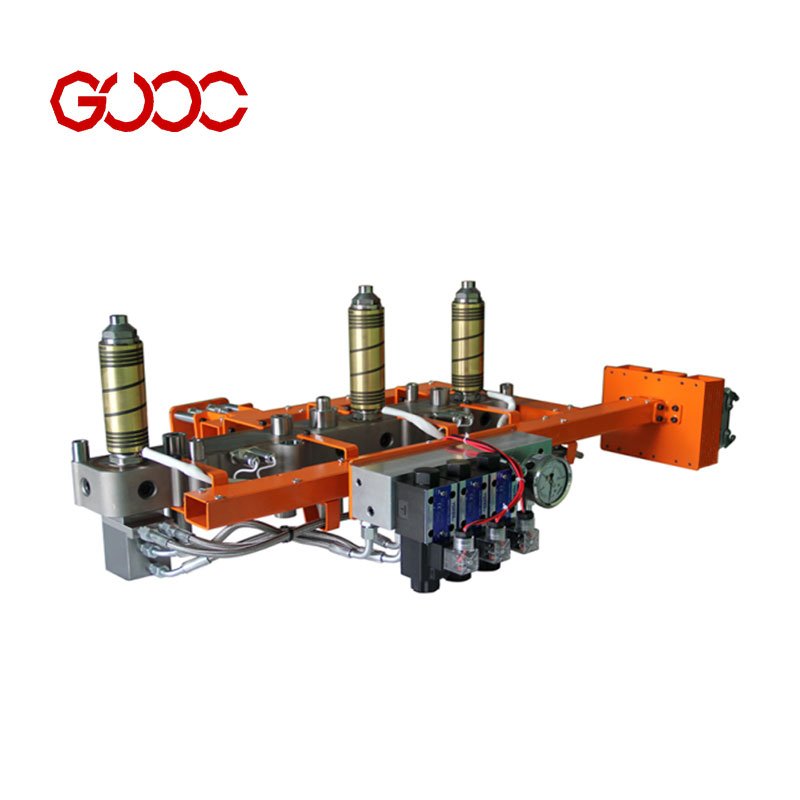
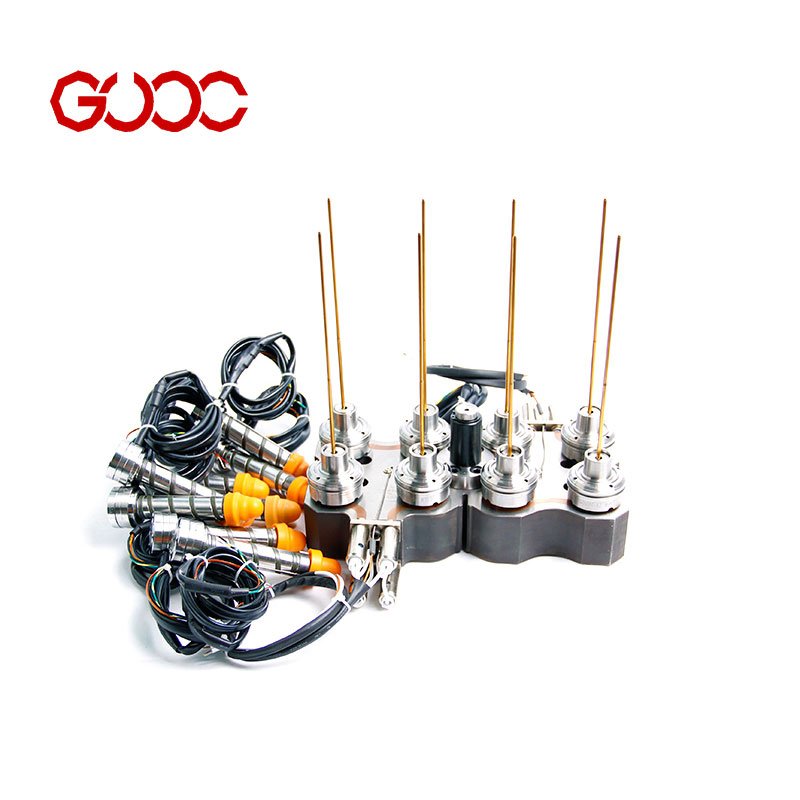
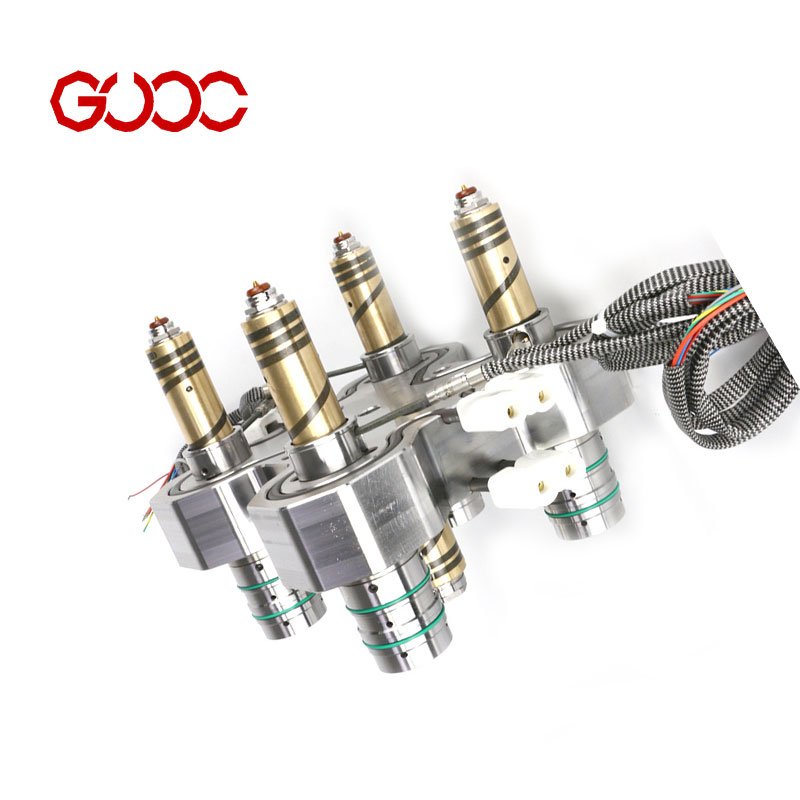
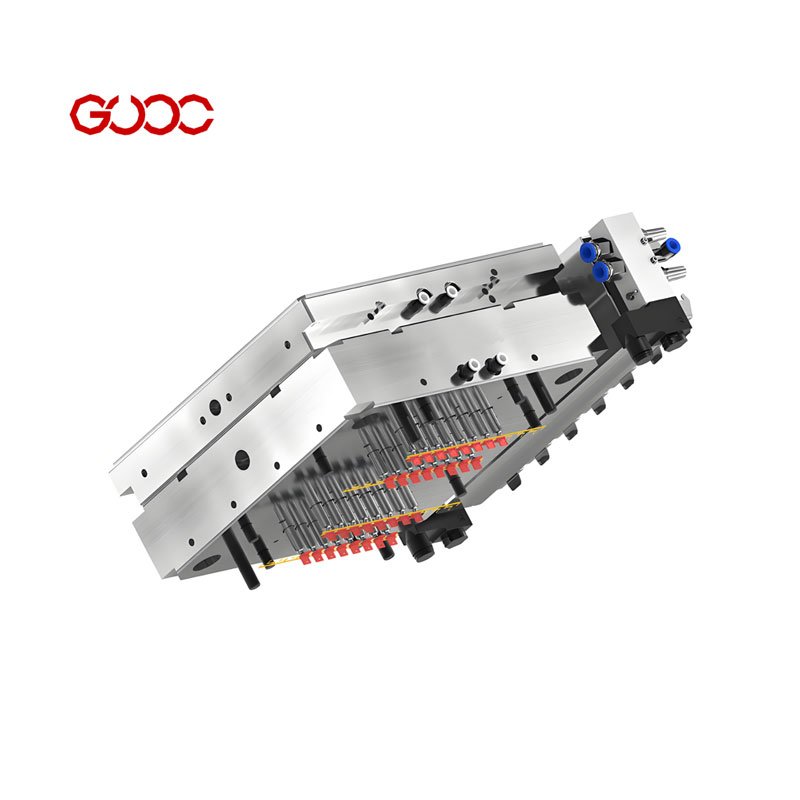
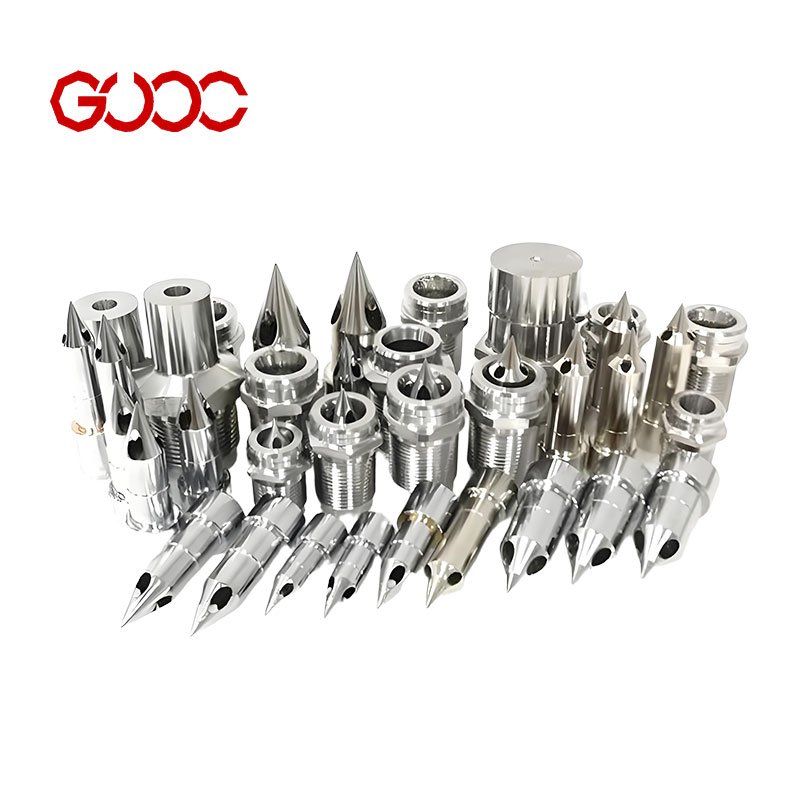
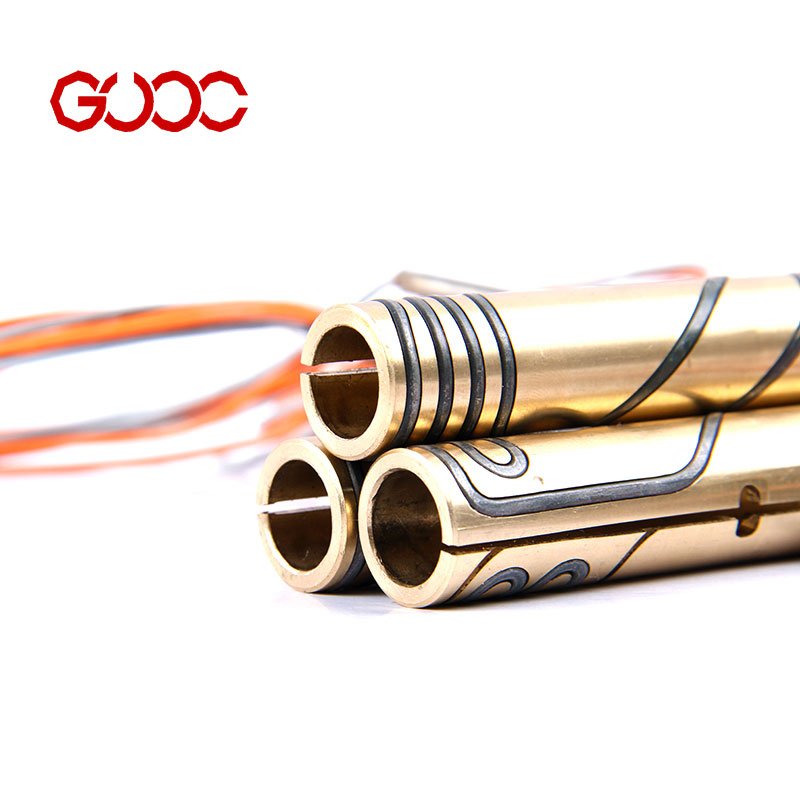
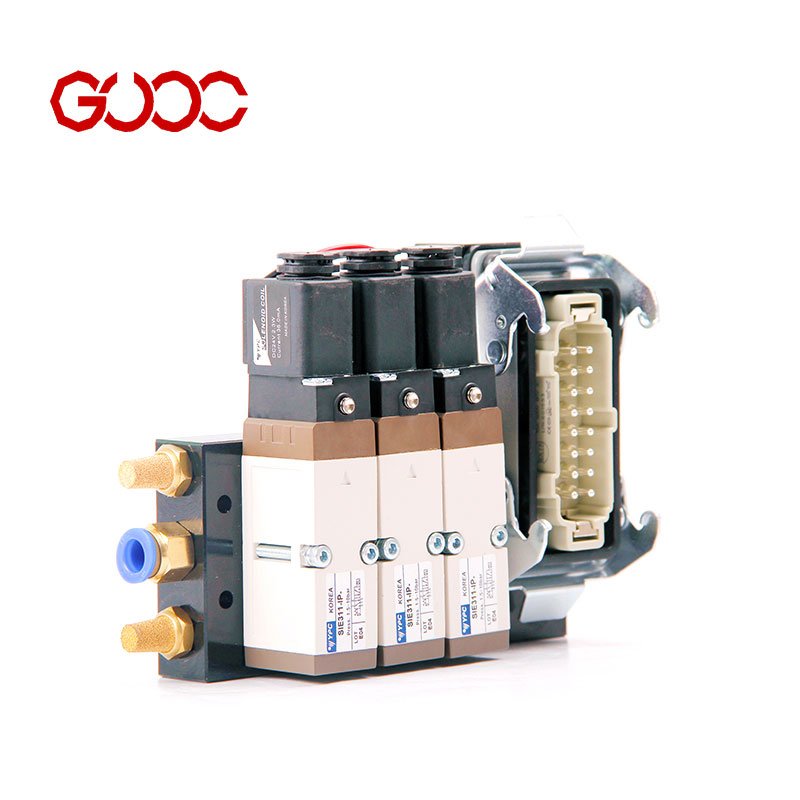
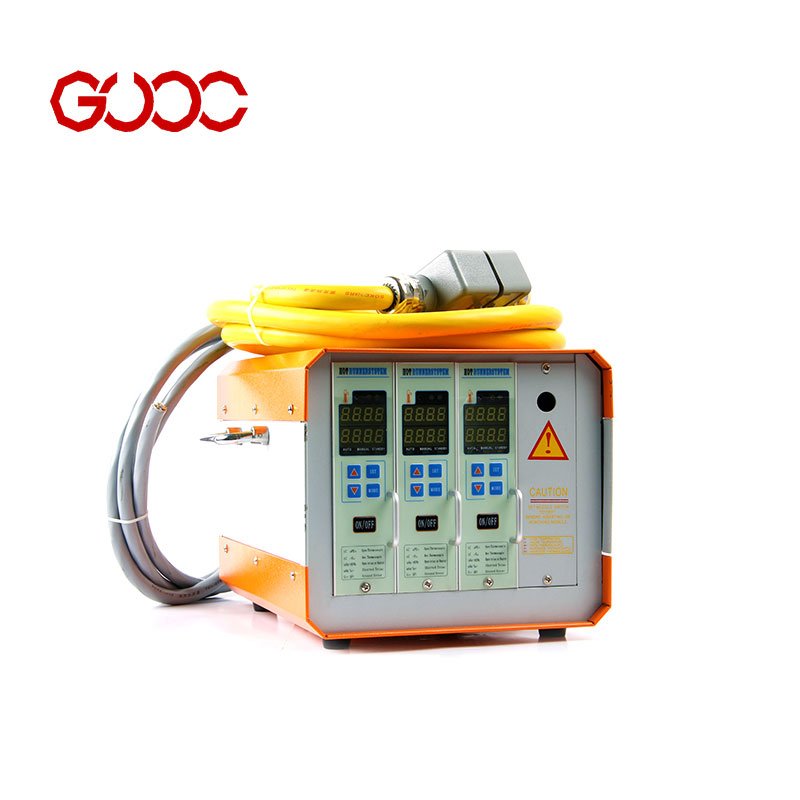
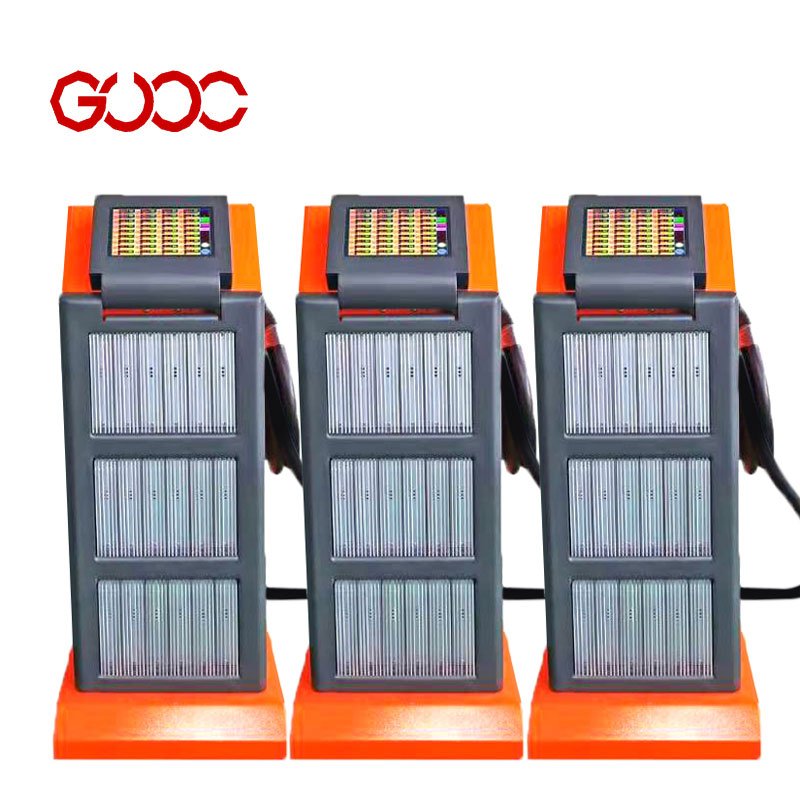
Hot Runner Temperature Control Matters
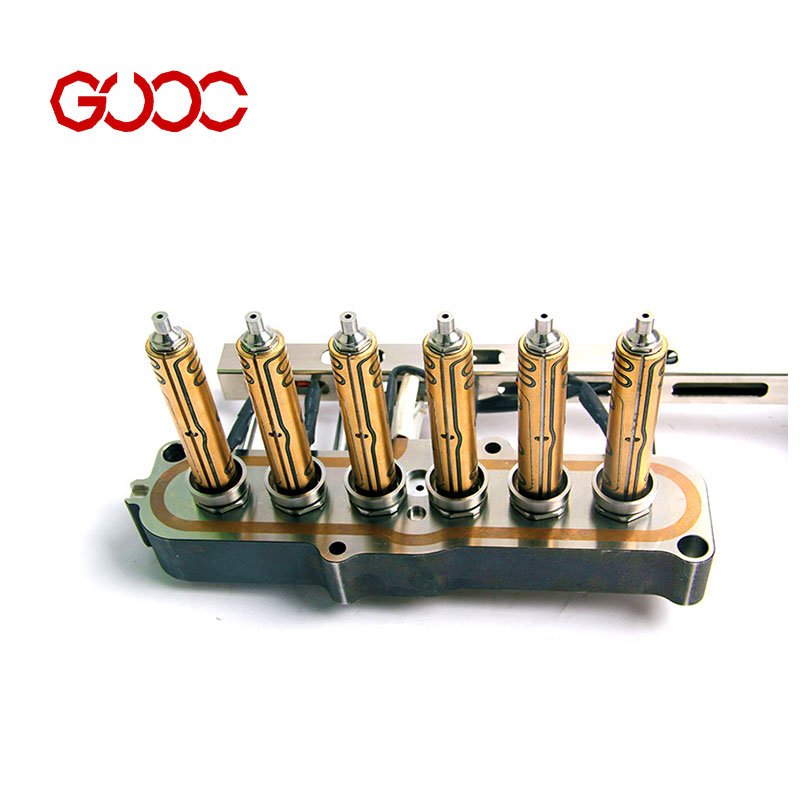
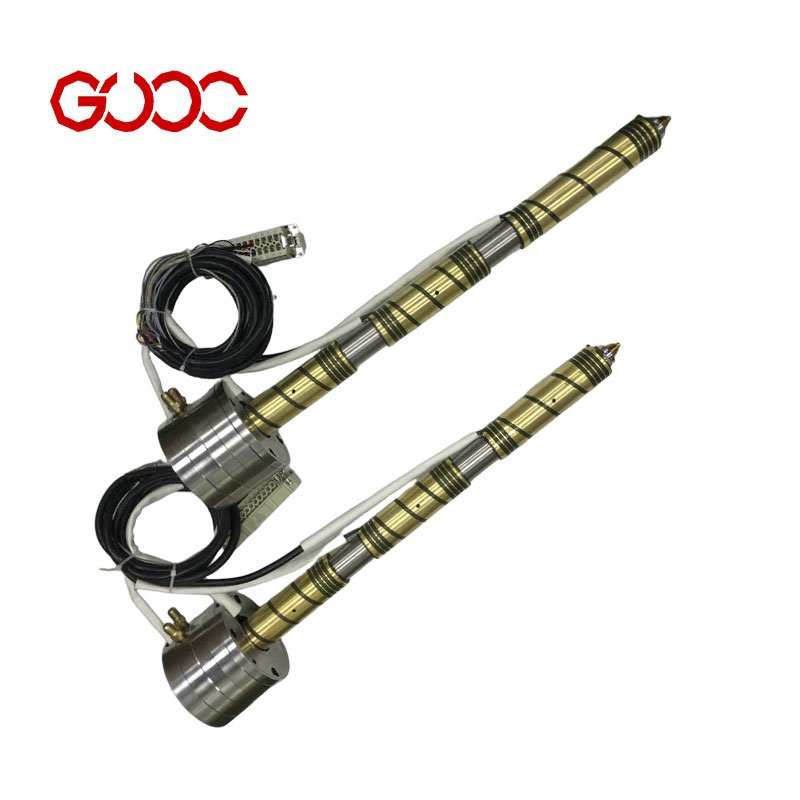
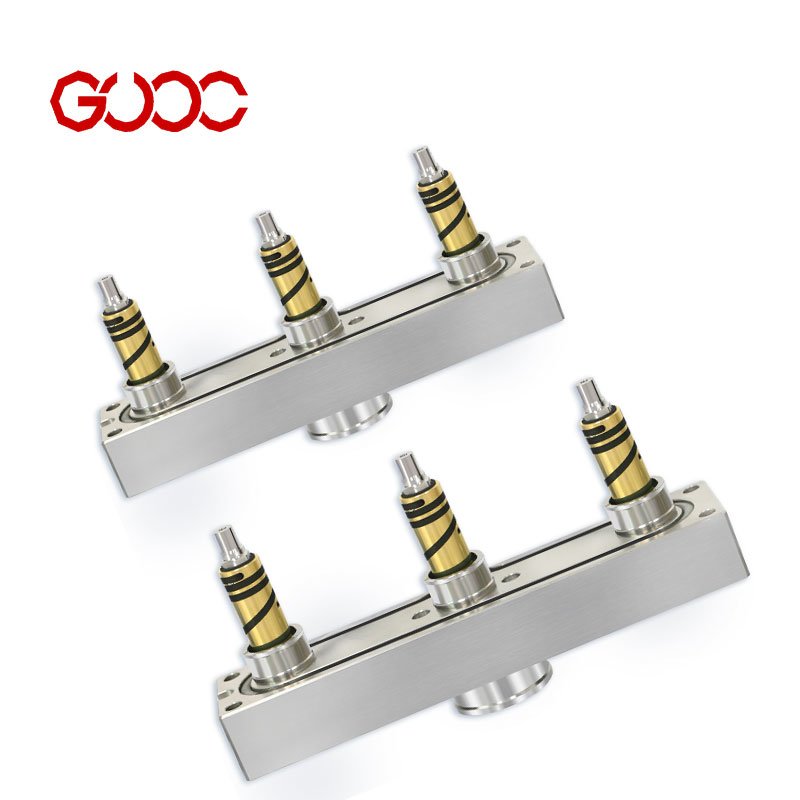
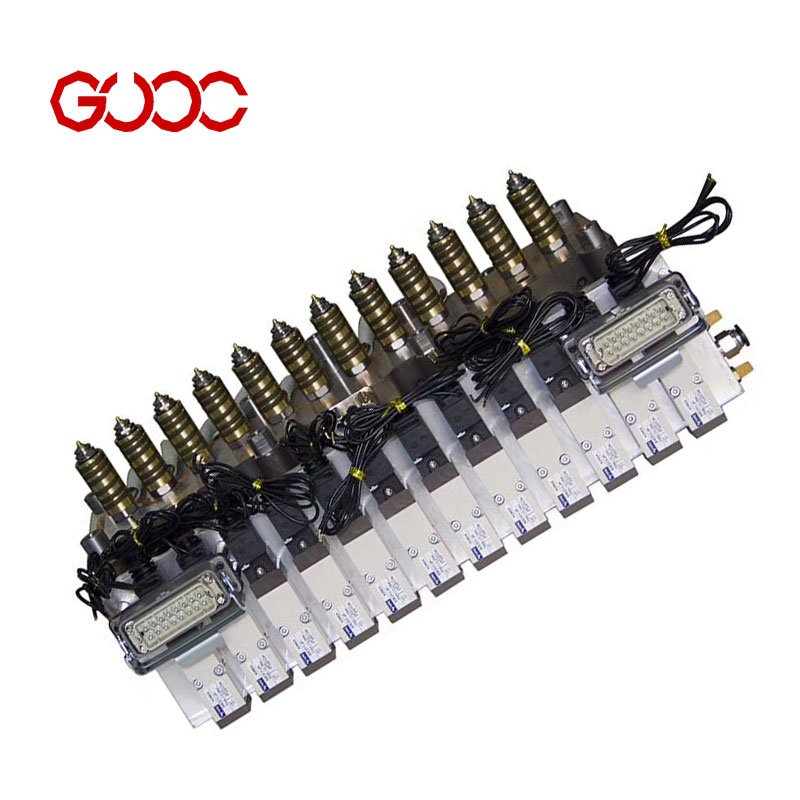
Hot runner temperature controller settings for different plastic types directly affect fill balance, part quality, and process stability. In a multi-zone hot runner system, temperature must stay controlled across the manifold, nozzle, and gate zones to keep melt flow consistent and protect the resin.
Why it matters
- Stable thermal management helps prevent uneven filling and mold thermal gradient issues.
- Improper settings can lead to gate freeze, flash, stringing, and melt thermal degradation.
- Different resins need different control behavior, especially in amorphous vs. crystalline plastic processing.
- Exact setpoints depend on the plastic type, mold design, cavity count, and hot runner architecture.
Practical focus
For OEM production, the goal is not a generic setting. It is closed-loop temperature regulation tuned to the resin, the tooling, and the hot runner layout. That is how we support consistent results across materials such as PP, ABS, PC, PMMA, PA66, PBT, PEI, PFA, and PES.
Fundamentals of Hot Runner Temperature Controllers
A hot runner temperature controller is the core of any efficient injection molding system. It maintains precise thermal conditions across multiple zones—manifold, nozzle, and gate—to ensure consistent melt flow and high-quality parts. The key is accurate, stable temperature regulation, which prevents defects like gate freeze, flash, or melt thermal degradation.
How Closed-Loop PID Control Works in Hot Runners
Most modern hot runner systems use a closed-loop PID (Proportional-Integral-Derivative) control algorithm. This setup continuously monitors the temperature via thermocouples and adjusts the heater power in real-time to match the setpoint. PID auto-tuning algorithms optimize the control parameters, providing stable and responsive temperature regulation even under varying load conditions. For detailed control tuning, many manufacturers recommend using multi-zone temperature control boxes, which allow precise adjustments for each segment of the system.
Key Controller Modes: Soft-Start, Standby, Synchronous Heating
Hot runner controllers feature multiple modes to improve operation and lifespan:
- Soft-start preheating routine gradually ramps up temperature, reducing stress on heater elements and preventing thermal shock.
- Standby mode maintains a low, steady temperature when the system is idle, conserving energy and reducing wear.
- Synchronous heating ensures all zones heat uniformly, critical for complex molds and multi-cavity systems. Proper mode selection helps prevent issues like shear heating in runner channels or gate drooling.
Sensor Selection and Placement: Thermocouple Types and Positioning
Choosing the right thermocouple is vital. Type J and Type K are common, with Type K offering broader temperature ranges suitable for high-temp polymers like PEEK or PES. Proper placement—typically at the nozzle tip, manifold, or gate—ensures accurate temperature feedback. Thermocouple contact points should be thermally balanced to prevent false readings, which could lead to improper settings and part defects.
Understanding Thermal Zone Architecture: Manifold, Nozzle, Gate Zones
Hot runner systems are divided into thermal zones, each requiring tailored control:
- Manifold zone: Should provide uniform heating to prevent mold thermal gradients and shear heating. Proper zone segmentation minimizes melt inconsistency.
- Nozzle zone: Needs precise temperature management to avoid localized heat loss and gate freeze. Managing the melt temperature here is crucial for high-viscosity resins like PC or PEEK.
- Gate/valve zone: Synchronizing injection timing with gate temperature helps prevent gate drooling and stringing, especially in valve gate systems. Multi-zone temperature control boxes facilitate this synchronization, ensuring optimal gate performance.
Proper setup and control of these zones are key to achieving high-quality, defect-free molded parts.
Setting Up Thermal Zones for Different System Components
Properly configuring thermal zones in your hot runner system is essential for consistent molding quality and preventing defects. Each component requires tailored temperature control to optimize performance and avoid issues like shear overheating or gate freeze.
Manifold Zone: Ensuring Uniform Heating and Preventing Shear Overheating
The manifold zone must maintain a stable temperature to ensure uniform melt flow. Uneven heating can cause shear heating in runner channels, leading to melt thermal degradation or inconsistent cavity fill. Use multi-zone temperature control boxes to fine-tune each section, avoiding hot spots that could damage the resin or affect cycle times. Regular resistance tests on heater elements help verify resistance levels and prevent overheating.
Nozzle Zone: Managing Localized Heat Loss and Gate Temperature
The nozzle zone is critical for controlling the gate temperature and preventing localized cooling or heat loss. Proper thermocouple placement—preferably at the nozzle tip—ensures accurate temperature feedback. Adjustments here influence gate drooling and stringing, which can compromise optical clarity or cause flash. For high-viscosity resins like PC or PEEK, precise nozzle temperature control is vital to maintain flow and prevent melt stagnation.
Gate / Valve Zone: Synchronizing Injection and Gate Opening
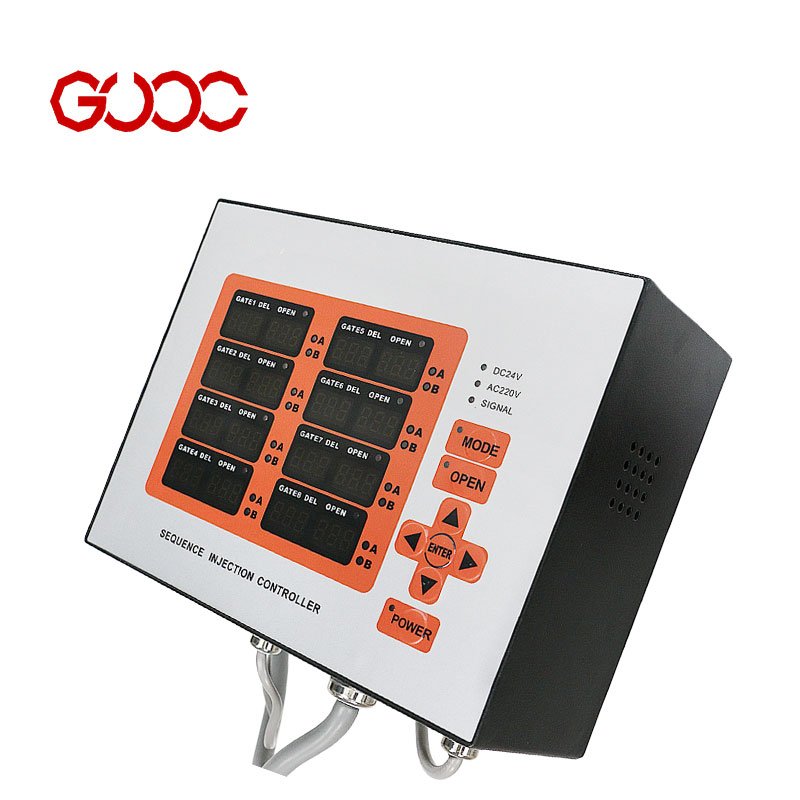
The gate or valve zone requires synchronized temperature and timing control to match injection sequence timing controllers. Correct gate temperature prevents premature solidification or drooling, especially in valve gate systems. Fine-tuning the valve gate sequence timing controller ensures smooth operation, reducing cycle time and improving part quality.
Nozzle Tip and Contact Point: Critical for Optical Clarity and Gate Integrity
The nozzle tip and contact point are where thermal balance is most sensitive. Maintaining optimal temperature here prevents defects like burn marks, optical distortions, or gate failure. Proper thermocouple placement and thermal monitoring help achieve precise control, ensuring high-quality, optically clear parts and reliable gate function.
Resin-Specific Hot Runner Temperature Controller Settings
I set hot runner temperature controller settings by resin family, not by guesswork. The goal is simple: keep closed-loop temperature regulation stable, reduce mold thermal gradient, and stop problems like gate drooling and stringing, flash, and melt thermal degradation. For the control hardware side, I use a hot runner controller with a multi-zone temperature control box when the mold needs separate manifold, nozzle, and gate behavior.
Practical Resin Reference
| Plastic type | Control focus | Practical setting note |
|---|---|---|
| PP | Stable flow and even heating | Keep the manifold and nozzle zones balanced to avoid shear heating in runner channels. |
| ABS | Smooth melt flow | Use steady closed-loop temperature regulation and avoid fast swings that can cause surface defects. |
| PC | Heat sensitivity | Hold a tight nozzle tip thermal balance to reduce burn marks, drool, and degradation. |
| PMMA | Optical clarity | Use precise zone control and avoid overheating at the nozzle tip and gate. |
| PA66, GF-filled nylon | Reinforcement handling | Watch glass-filled nylon processing temperature and keep local zones stable to limit wear and flow variation. |
| PBT and other semi-crystalline resins | Crystallization control | Tight control helps reduce gate freeze and keep the fill consistent. |
| PEEK, PEI ULTEM 1000 | High-temp heating | Use strong, stable heating and very consistent zone control. |
| PFA, PES | Extreme thermal demand | These need careful setup, stable manifold temperature setpoints, and close monitoring. |
My setup rules by resin family
- Amorphous vs crystalline plastic processing:
Amorphous resins like PC and PMMA need smooth, stable control. Crystalline resins like PP and PBT need tighter attention to gate freeze and fill balance. - Nozzle and gate control:
I keep the nozzle zone and gate / valve zone aligned so the melt stays active without overheating. - High-temp materials:
For PEEK, PEI ULTEM 1000, PFA, and PES, I use a conservative setup with close monitoring of each zone. - Startup check:
Before tuning, I verify heater condition and run a hot runner heater element resistance test so the controller is not chasing a bad component.
- Amorphous vs crystalline plastic processing:
Bottom line
There is no safe one-size-fits-all number for hot runner controller settings. I match the resin, mold design, and zone layout first, then tune from there with PID auto-tuning and stable sequence timing controller behavior where valve gates are used.
Hot Runner Temperature Controller Settings for Different Plastic Types
Different resins need different hot runner manifold temperature setpoints, because melt flow, thermal sensitivity, and gate behavior are not the same. I keep the setup simple: match the controller settings to the resin class, then fine-tune zone by zone with closed-loop temperature regulation and PID auto-tuning algorithm.
Practical resin reference
| Plastic type | What I watch | Controller focus |
|---|---|---|
| PP | Stable melt flow and clean filling | Keep heating even, avoid overheating, and reduce shear heating in runner channels |
| PC | Sensitivity to heat and surface marks | Hold a steady thermal balance to avoid melt thermal degradation and burn marks |
| PMMA | Optical clarity | Use tight nozzle tip thermal balance to prevent drooling, stringing, and haze |
| PA10T + GF / PBT + GF | Glass-filled flow and gate wear | Keep zone control stable and avoid local hot spots around the gate |
| PEI ULTEM 1000, PFA, PES | High-temp processing | Use a multi-zone temperature control box with strong zone separation and stable feedback |
My setting rules
- Amorphous vs crystalline plastic processing:
Amorphous resins like PC and PMMA need very stable heat control. Crystalline or semi-crystalline resins like PP and PBT need better control of mold thermal gradient and gate freeze behavior. - Manifold zone:
I keep the manifold uniform so the melt stays balanced across drops and does not overheat in one area. - Nozzle zone:
I use this zone to handle local heat loss and keep the nozzle tip thermal balance steady. - Gate / valve zone:
For valve gate systems, the valve gate sequence timing controller has to match the resin flow behavior so injection and gate opening stay in sync.
- Amorphous vs crystalline plastic processing:
Quick checks before production
- Run a soft-start preheating routine to reduce thermal shock.
- Check thermocouple Type J vs Type K based on your controller design and temperature band.
- Test heater condition with a hot runner heater element resistance test before full startup.
- Watch for gate drooling and stringing prevention issues during first shots.
- Review resin-specific response during trial molding, then lock in the final zone settings.
For controller hardware and hot runner components, I keep the setup aligned with the system build itself, including the hot runner components made in China that support stable zone control and consistent injection molding temperature behavior.
Hot Runner Temperature Controller Settings for ABS
For hot runner temperature controller settings for different plastic types, ABS needs a steady, even setup. It is an amorphous plastic, so I focus on stable flow, low thermal swing, and tight closed-loop temperature regulation to reduce melt thermal degradation, gate drooling and stringing, and uneven fill.
ABS setup notes
- Keep hot runner manifold temperature setpoints uniform across zones.
- Use a multi-zone temperature control box to balance manifold, nozzle, and gate heat.
- Run the PID auto-tuning algorithm first, then fine-tune each zone by mold response.
- Match thermocouple Type J vs Type K to the controller and sensor layout.
- Check hot runner heater element resistance test values before startup.
- In valve gate molds, sync the valve gate sequence timing controller with injection timing.
- Watch nozzle tip thermal balance closely to avoid drooling at the gate.
I keep the heat even, then trim only where the mold shows a mold thermal gradient or local freeze-off. For custom OEM systems, I align the controller setup with the mold design and the right hot runner system suppliers so the zone control stays practical for production.
Hot Runner Temperature Controller Settings for Different Plastic Types: High-Temp Polymers
For PEEK and PEI ULTEM 1000, I keep the control approach tight and conservative. These resins need stable heat, clean sensor feedback, and a controller that can hold each zone without drift. In my shop, this is where closed-loop temperature regulation matters most.
What I focus on
- Use a multi-zone temperature control box for clean separation between manifold and nozzle zones.
- Run a soft-start preheating routine to reduce thermal shock.
- Keep hot runner manifold temperature setpoints uniform to limit hot spots and material stress.
- Tune the PID auto-tuning algorithm carefully so the controller does not overshoot.
- Check nozzle tip thermal balance to avoid drooling, stringing, or gate burn.
High-temp control points
- Manifold: steady, even heat is more important than fast recovery.
- Nozzle: tighter control helps protect melt quality.
- Gate area: stable timing matters when using a valve gate sequence timing controller.
- Sensors: correct placement is critical; I prefer wiring and inspection discipline like the method shown in our nozzle thermocouple wiring guide.
Practical checks
- Verify thermocouple Type J vs Type K before setup.
- Confirm heater health with a hot runner heater element resistance test.
- Watch for melt thermal degradation if a zone runs unstable.
- Keep the mold thermal gradient as even as possible during startup.
For PEEK, Ultem, PFA, and PES, I treat the controller as a process tool, not just a power box. The goal is steady melt delivery, clean gate behavior, and repeatable production across every cavity.
 English
  Spanish
  French
  Portuguese
  Italian