 Skip to content
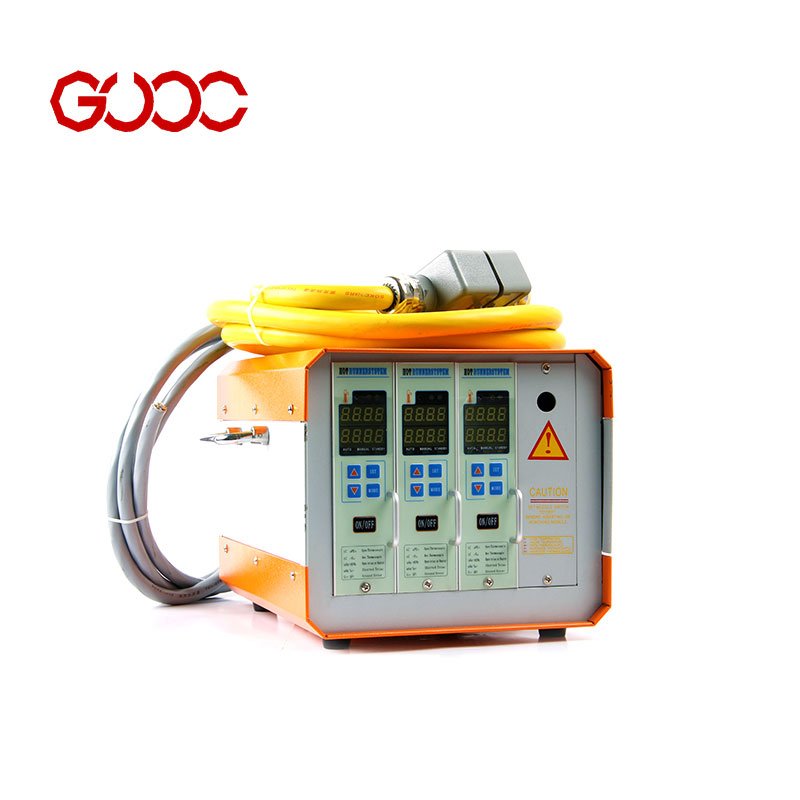
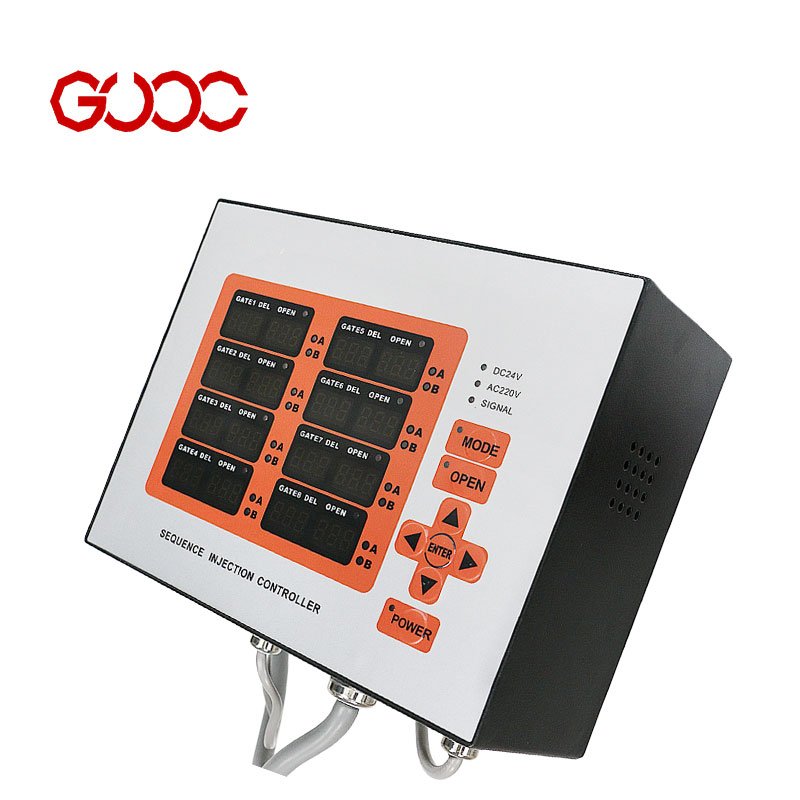
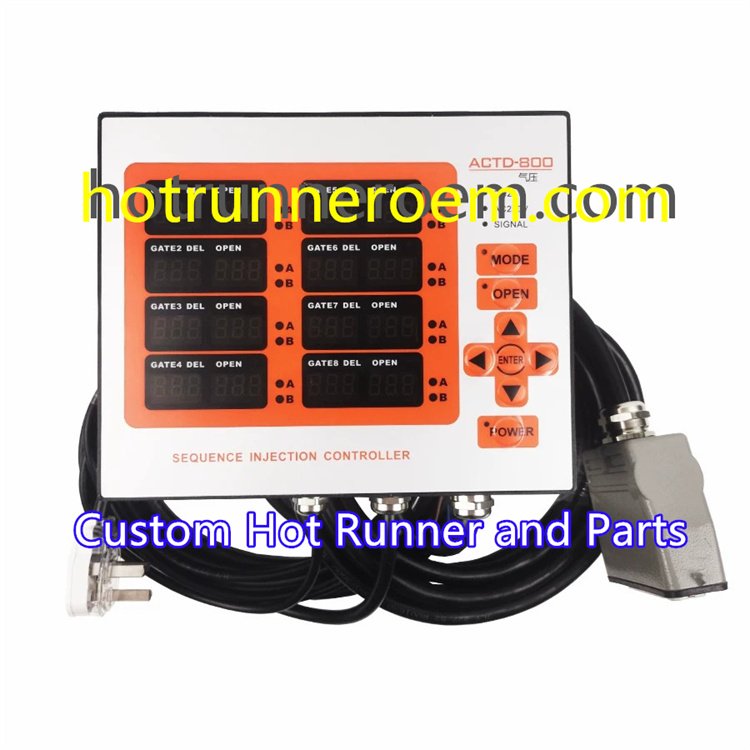
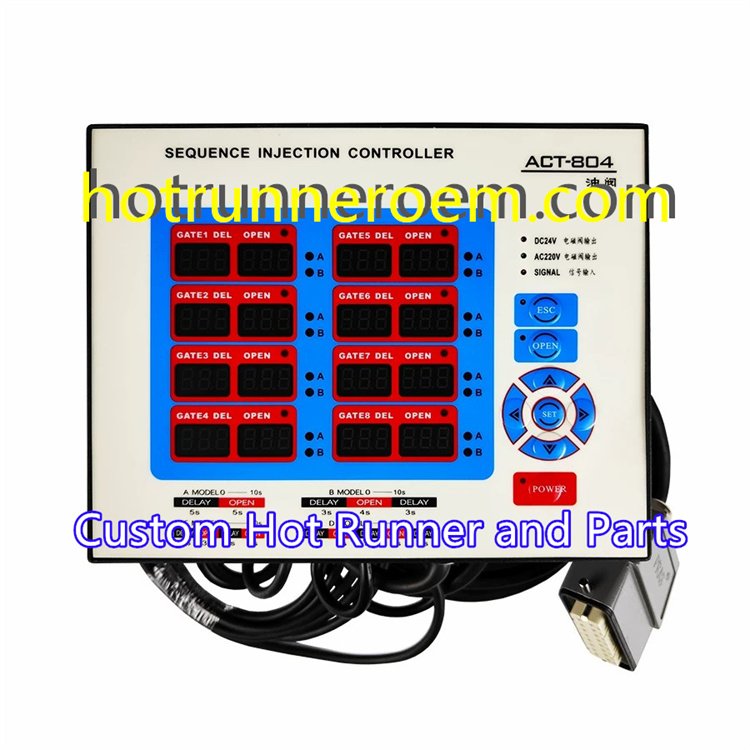
What Is a Needle Valve Type Hot Runner Time Sequence Controller?
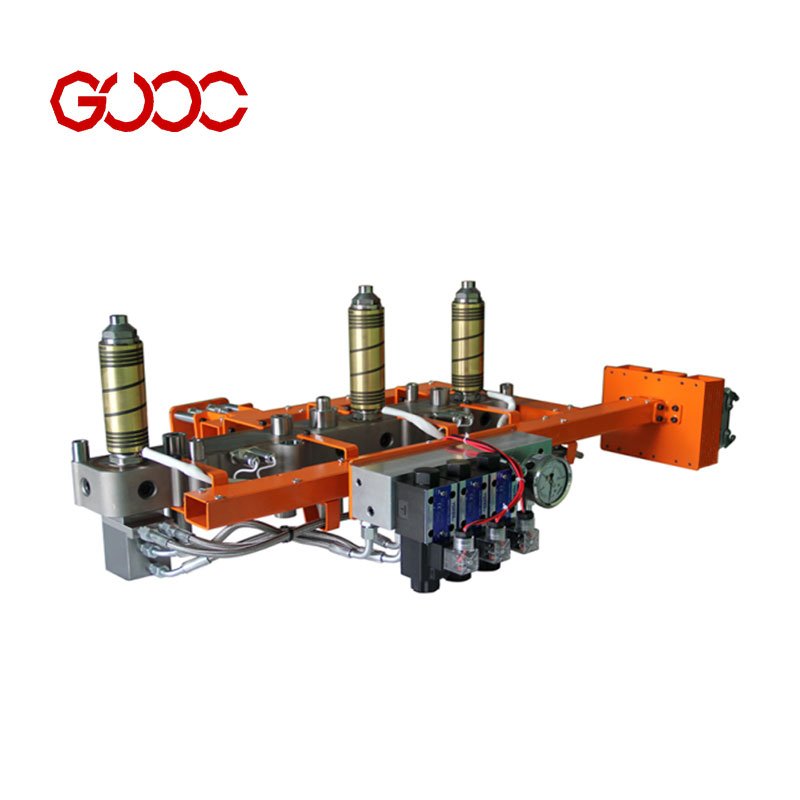
A needle valve type hot runner time sequence controller is a control unit used in a valve gate hot runner system to open and close each gate in a timed order during the injection molding process. It helps manage the gate opening sequence so melt enters the cavity in a controlled way, which is important for stable part quality and repeatable production.
As a hot runner system manufacturer, we build these solutions for OEM and custom applications where the melt flow front, pressure balance, and timing need to stay consistent across multiple drops.
Definition and Core Functions
The main job of a sequential valve gate controller is to coordinate when each valve needle opens and closes. This supports better flow control during the pressure holding process and helps match the mold design with the material behavior.
- Controls the timing of each valve gate
- Supports sequential injection in multi-cavity molds
- Works with hot runner temperature controller setups
- Helps improve molding consistency and part appearance
Key Components of the System
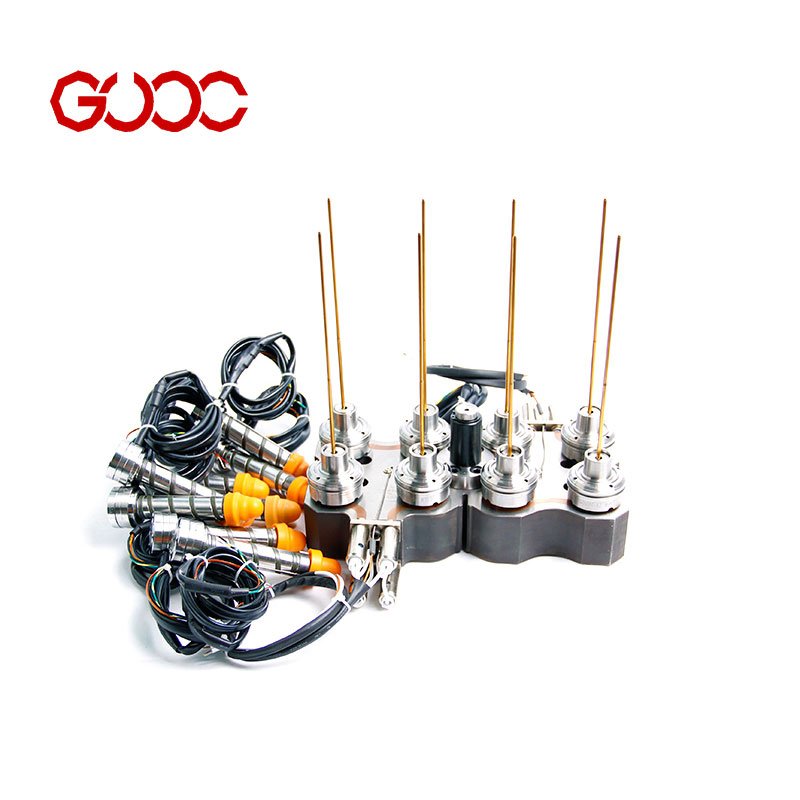
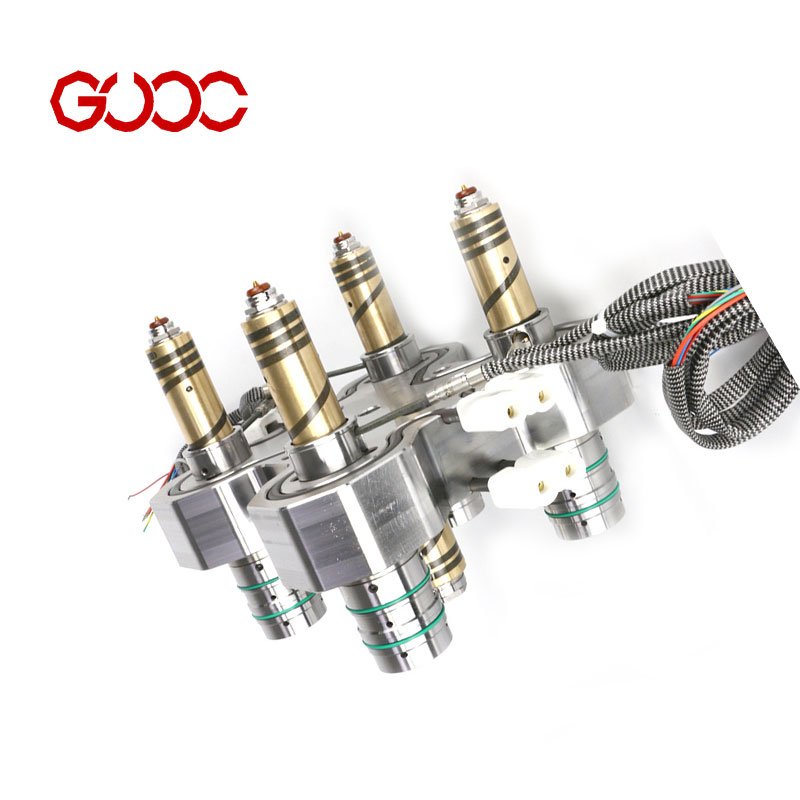
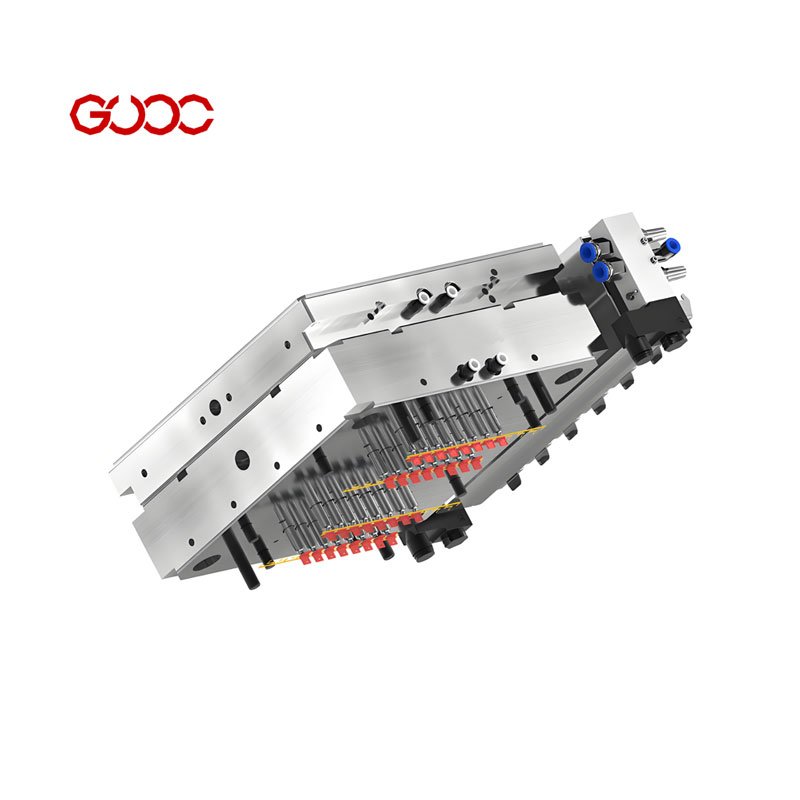
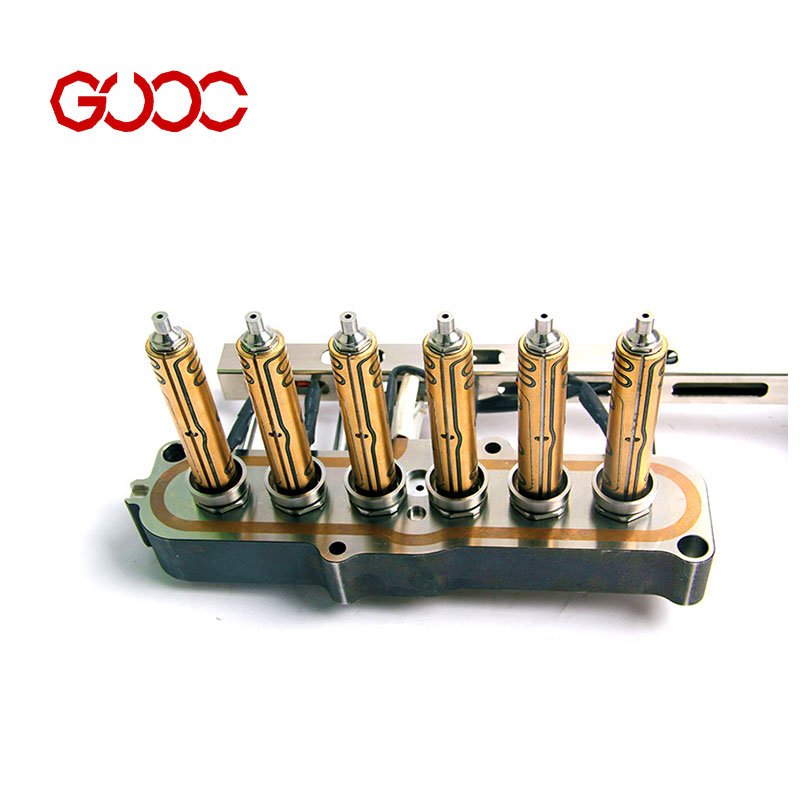
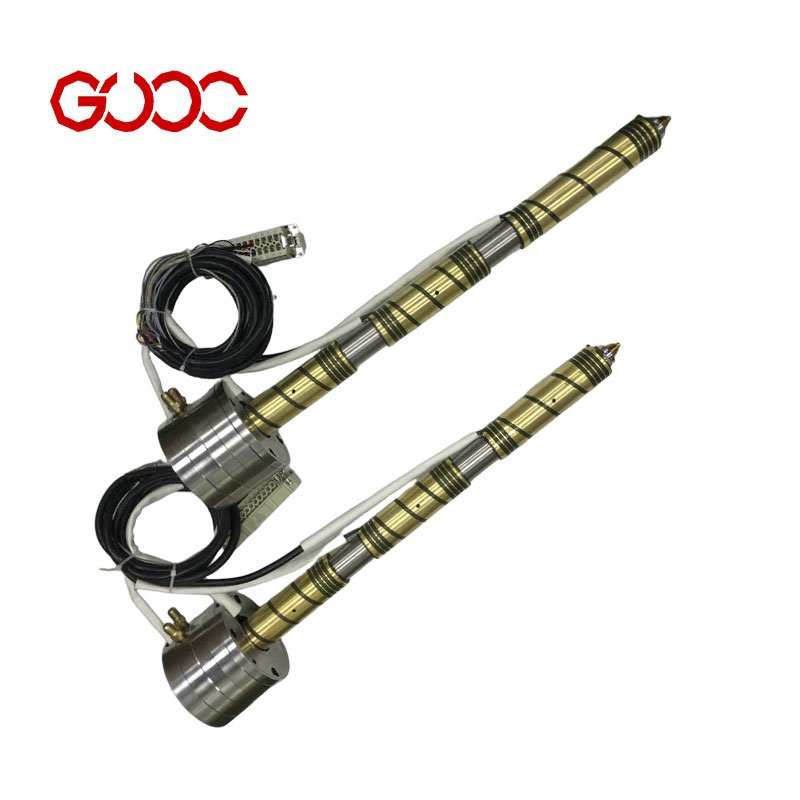
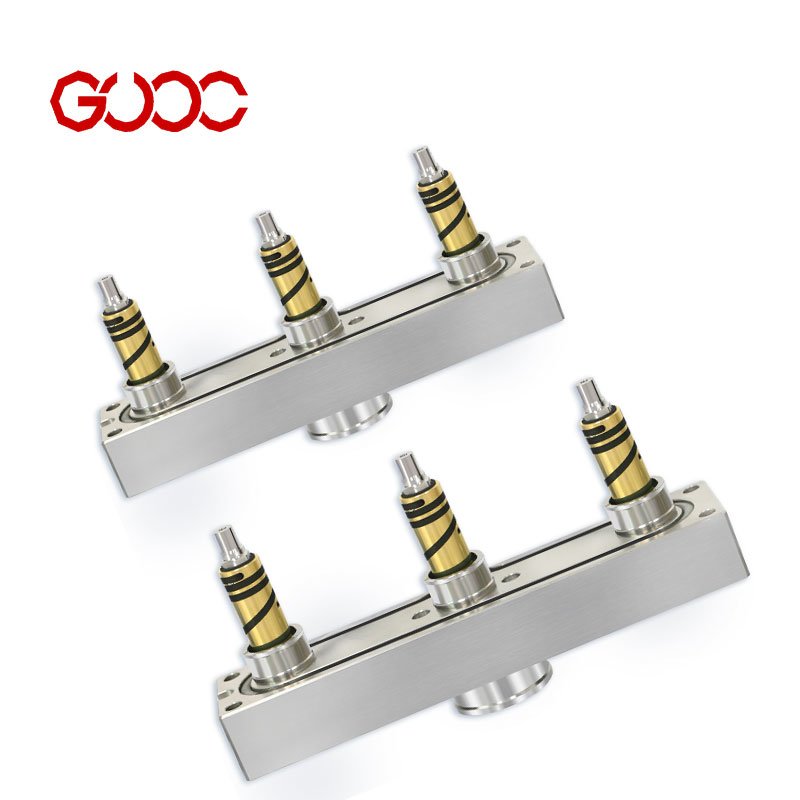
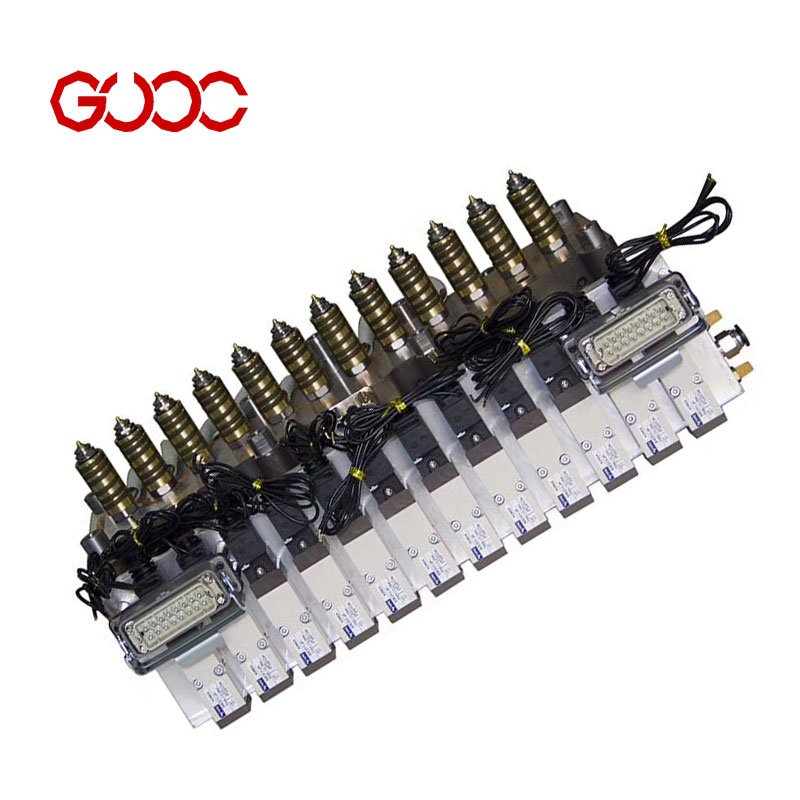
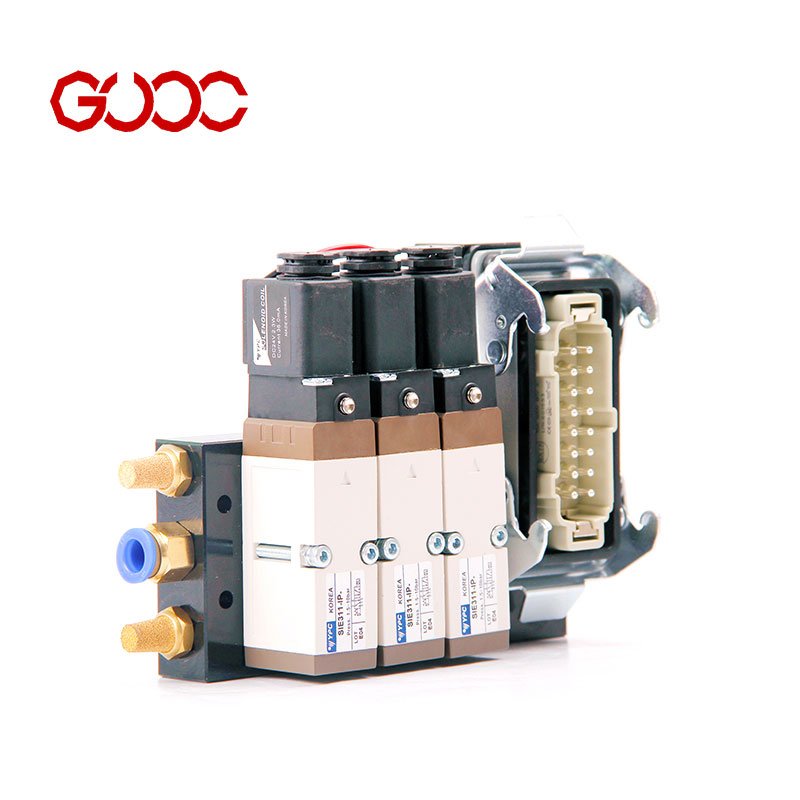
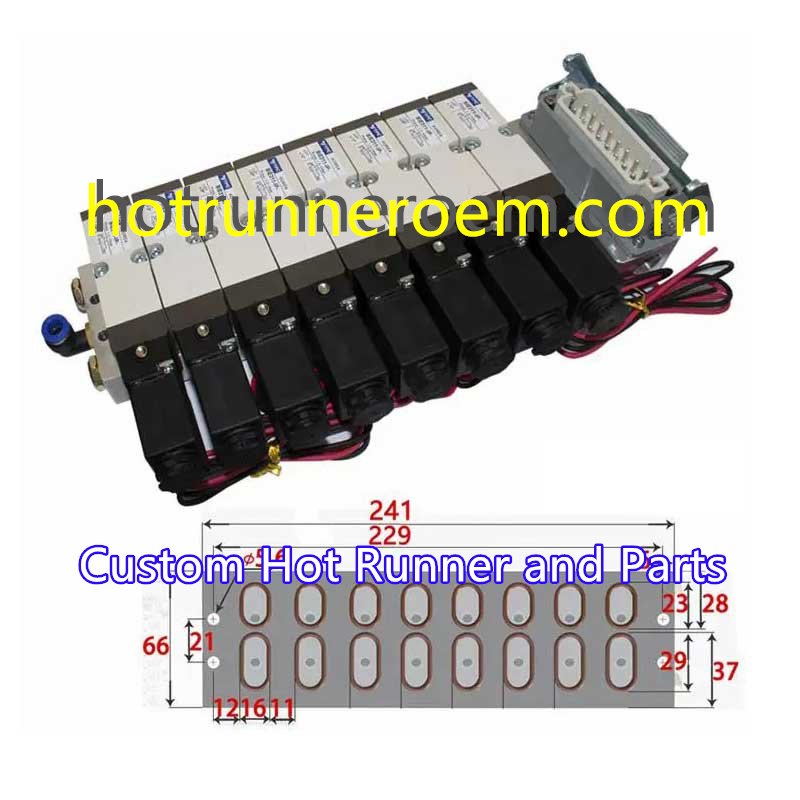
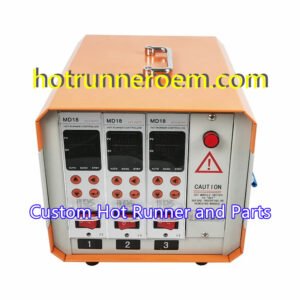
A complete system usually includes the sequence injection timer, cylinder control modules, hot nozzle assemblies, and related electronics. These parts work together to support precise timing and stable operation in custom hot runner applications.
- Sequence injection timer for gate timing control
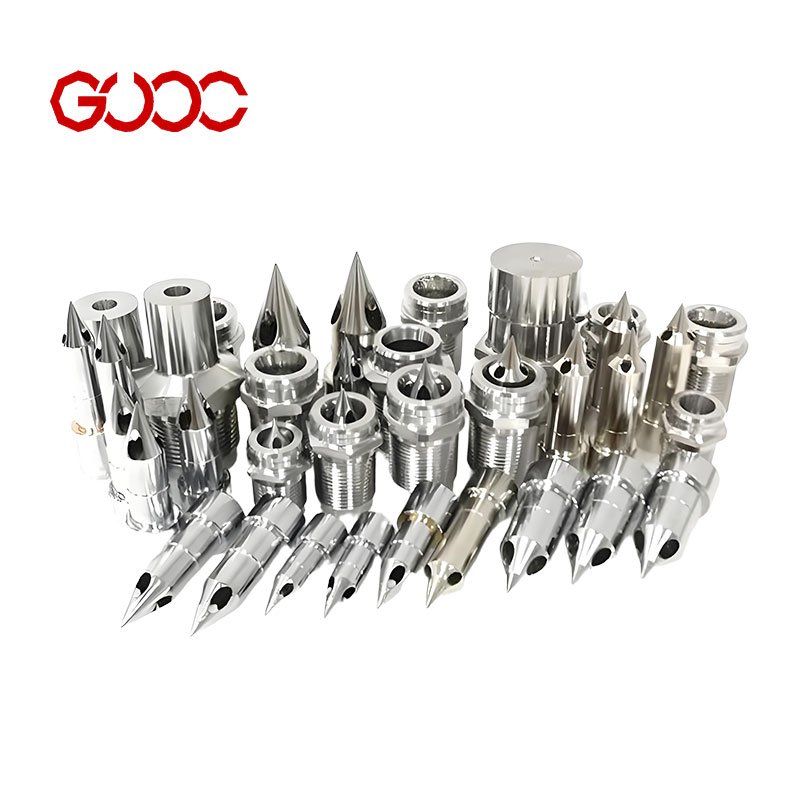
- Valve gate hot runner system with hot nozzle and valve needle
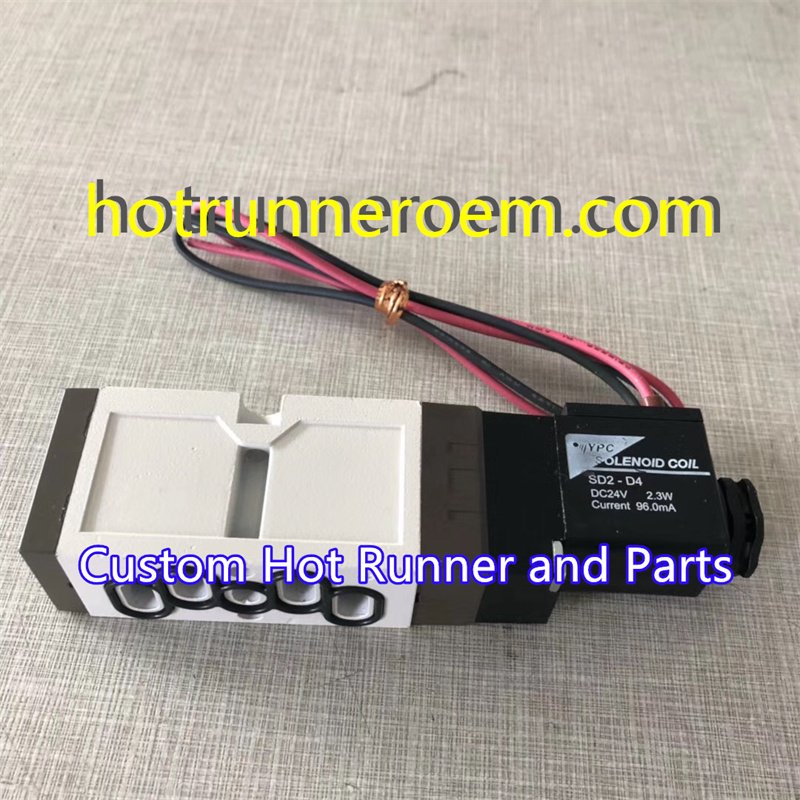
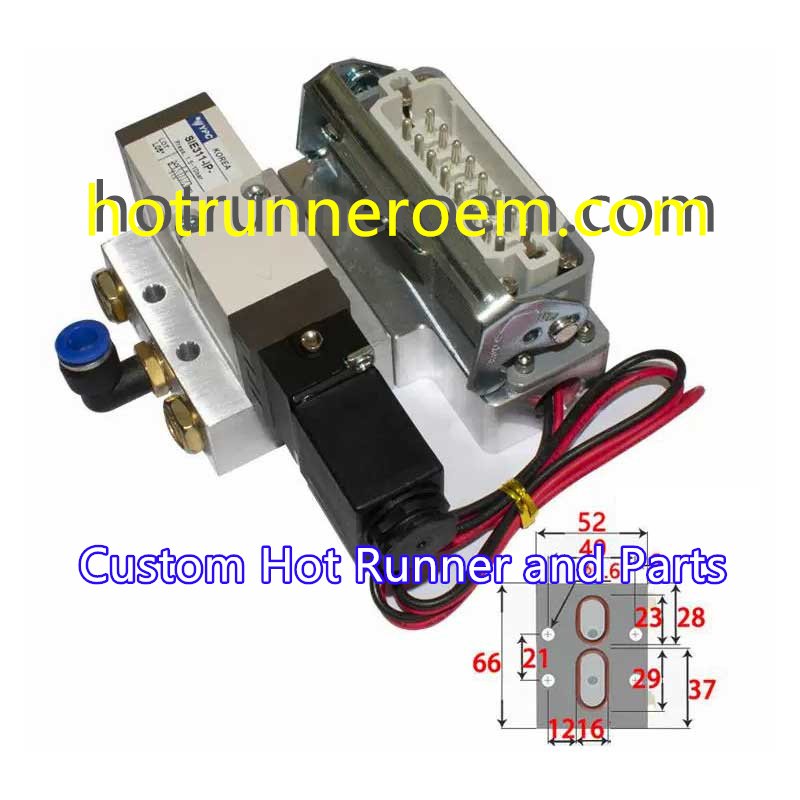
- Cylinder control modules for valve movement
- Hot runner temperature controller for thermal management
Working Principle of Hot Runner Time Sequence Controllers
Sequential Valve Gate Control Mechanism
A hot runner time sequence controller manages the gate opening sequence to ensure each valve gate opens at the right moment during injection molding. This precise control helps melt flow fronts smoothly through the hot nozzle and prevents weld lines or defects. By coordinating the gate opening sequence, it guarantees uniform filling and high-quality parts. The controller works closely with the valve needle and gate opening sequence to optimize the melt flow front, leading to better product consistency.
Pneumatic and Hydraulic Control Systems
Most needle valve type hot runner time sequence controllers utilize pneumatic or hydraulic systems to actuate the valve gates. These systems provide reliable, fast, and precise movement of the valve needle, ensuring accurate timing and positioning. The controller sends signals to these systems, synchronizing the gate opening with injection cycles. This integration enhances control over the melt flow and pressure holding process, making the entire injection molding process more efficient and stable.
Pressure and Flow Timing Regulation
A key function of these controllers is regulating pressure and melt flow timing during injection. They precisely control the pressure holding process and the melt flow front, ensuring each gate opens and closes at the optimal moment. This prevents issues like short shots or overpacking, leading to better dimensional accuracy. By fine-tuning the timing, pressure, and flow, the controller helps achieve high-quality, defect-free products with less material waste.
Key Features and Advantages
I build the needle valve type hot runner time sequence controller around one goal: keep the gate opening sequence stable, clean, and easy to tune in the injection molding process. When it is matched with a valve gate hot runner system and a hot runner temperature controller, the setup is easier to control for different part shapes and resin flows. For matched builds, I also align it with hot runner system injection molding supplier solutions so the control logic fits the mold design from the start.
| Feature | Practical Benefit |
|---|---|
| Sequential valve gate controller | Controls each valve needle in order for smoother cavity filling. |
| Timing control | Helps manage the melt flow front and the pressure holding process. |
| Stable hot nozzle control | Supports more consistent melt delivery across multi-drop systems. |
Eliminating Weld Lines and Mold Defects
When the sequential injection timer is set correctly, the resin can fill in a more controlled order. That helps reduce common issues like weld lines, flow marks, and uneven filling, especially in parts that need clean surfaces.
- Better control of the gate opening sequence
- More balanced flow from the hot nozzle
- Less risk of visible defect lines on finished parts
Improving Injection Molding Precision
A good sequential valve gate controller keeps timing consistent across zones. That makes it easier to match the cavity fill, the pressure hold, and the valve needle action to the part design. In real use, this gives you tighter process control and fewer setup swings.
- Cleaner timing control for each channel
- More stable coordination with the hot runner temperature controller
- Better repeatability in complex molds
Reducing Cycle Time and Material Waste
With a well-tuned controller, I can keep the system efficient without overpacking the mold or wasting resin. That supports shorter cycle steps, less scrap, and a cleaner start-up on the production line.
| Area | Why It Matters |
|---|---|
| Cycle time | Helps keep the process moving without extra delays. |
| Material use | Helps avoid excess waste during filling and holding. |
| Process stability | Supports smoother production for OEM and wholesale orders. |
Types and Specifications of Sequential Controllers
Integrated Time Sequence Controllers
Integrated time sequence controllers are built into the hot runner system, offering a compact and efficient solution for controlling multiple valve gates simultaneously. These controllers are designed to synchronize the opening and closing of valve needles, ensuring precise melt flow front management. They are ideal for complex multi-drop molds where space and integration are critical. Typically, these controllers feature multiple channels to handle various zones, with adjustable timing settings to match specific injection molding processes. Their ease of installation and operation makes them popular among OEM hot runner system manufacturers, especially for high-volume production.
Standalone Hot Runner Sequence Controllers
Standalone hot runner sequence controllers are independent units that can be added to existing systems. They provide flexible control over valve gate operations, allowing customization for different mold designs and resin types. These controllers usually support multiple zones and offer programmable timing sequences, pressure regulation, and flow control. They are suitable for facilities that need to upgrade or retrofit their injection molding lines without replacing entire hot runner systems. Many of these controllers feature user-friendly interfaces and support integration with various pressure and temperature sensors, making them versatile for a wide range of applications. For more details on compatible systems, visit hot runner system manufacturer.
Industrial Applications in Injection Molding
Automotive Parts Manufacturing
Needle valve type hot runner time sequence controllers are crucial in producing high-quality automotive parts. They enable precise control of the gate opening sequence, ensuring smooth melt flow front and consistent filling. This results in fewer weld lines and mold defects, which are vital for parts like fenders and bumpers. Using a valve gate hot runner system with a reliable sequential injection timer helps manufacturers achieve tight tolerances and superior surface finishes, meeting strict automotive standards.
Large Household Appliance Components
For large household appliances, such as refrigerator panels or washing machine housings, these controllers improve cycle times and reduce material waste. They allow for synchronized gate control across multiple cavities, ensuring uniform filling and pressure holding processes. This consistency is key to producing durable, high-quality components with minimal defects. Adopting advanced hot runner systems with integrated sequence controllers helps streamline production and lower overall costs.
Precision Medical and Electronics Products
In the medical and electronics sectors, precision is everything. Needle valve type hot runner time sequence controllers provide the fine control needed for small, complex parts like connectors, chargers, and medical devices. They help manage the hot nozzle and valve needle movements accurately, preventing melt flow issues and ensuring high dimensional stability. This level of control supports the production of reliable, high-performance products that meet global quality standards.
How to Select the Right Hot Runner Time Sequence Controller
Required Control Zones and Timing Channels
Choosing the correct needle valve type hot runner time sequence controller depends on your mold’s complexity. Determine how many control zones you need—each zone corresponds to a gate or group of gates that require synchronized control. For multi-drop injection molding, a controller with multiple timing channels is essential to precisely manage the gate opening sequence. This ensures each valve needle opens and closes at the right moment, preventing defects like weld lines or short shots. When selecting a controller, verify it supports the number of zones your mold demands, and consider future expansion needs.
Ease of Operation and System Integration
Ease of operation is critical for efficient production. Look for controllers with user-friendly interfaces and straightforward programming. Compatibility with your existing hot runner system manufacturer’s components, such as valve gate hot runner systems and pressure holding processes, simplifies integration. A good sequential injection timer should connect seamlessly with your hot nozzle and melt flow front sensors, providing real-time feedback and adjustment. For optimal results, choose a controller that offers flexible control options, reliable performance, and easy integration with your overall injection molding process.
 English
  Spanish
  French
  Portuguese
  Italian