 Skip to content
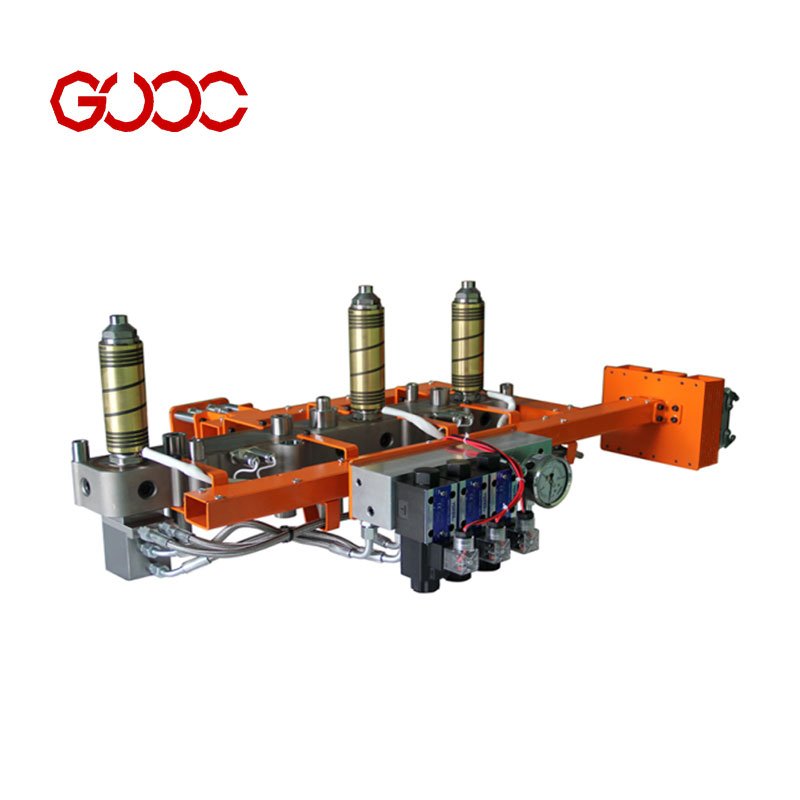
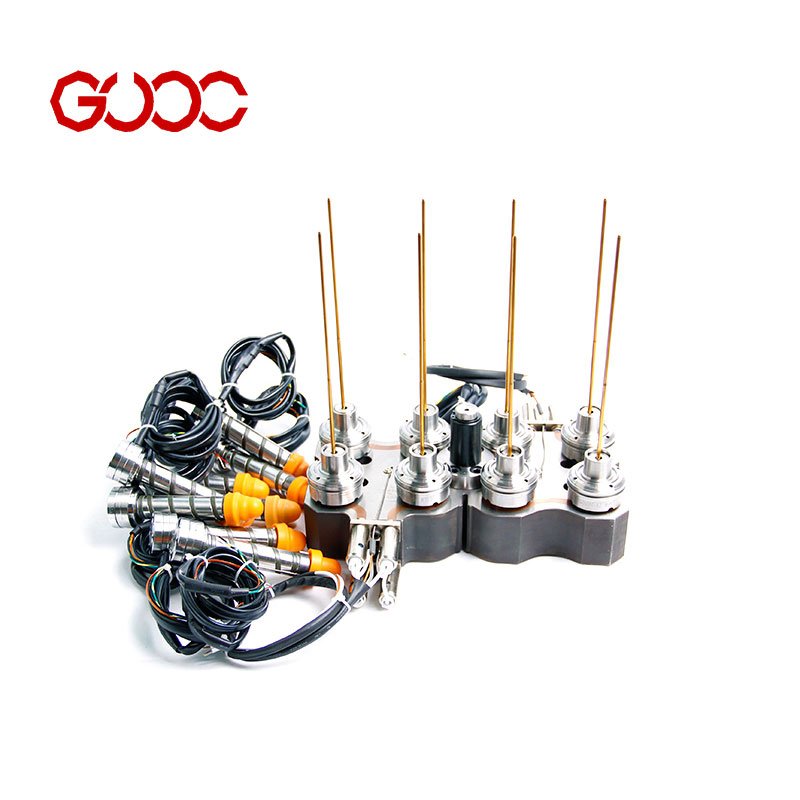
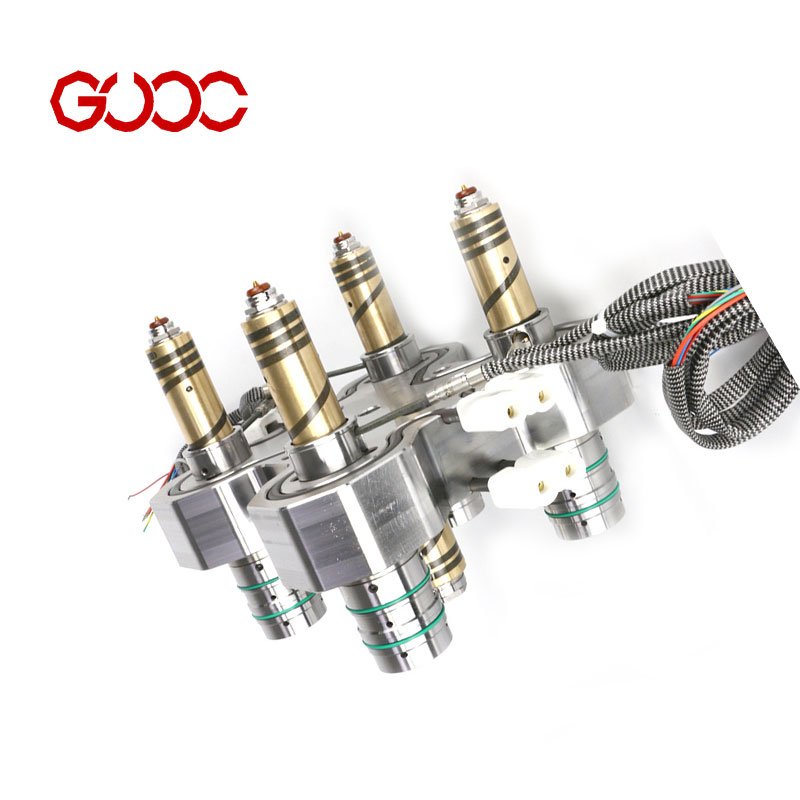
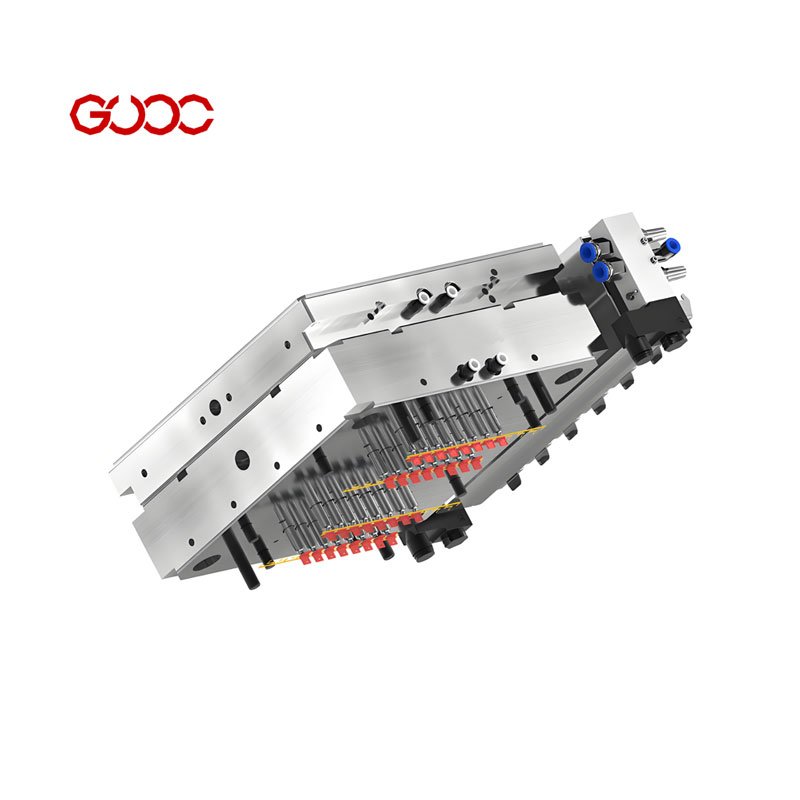
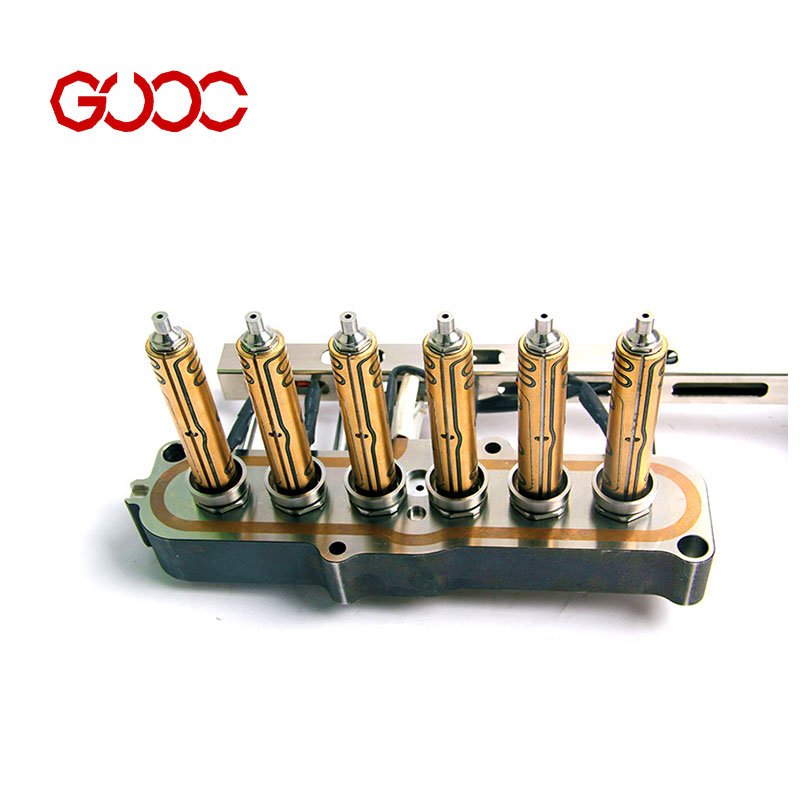
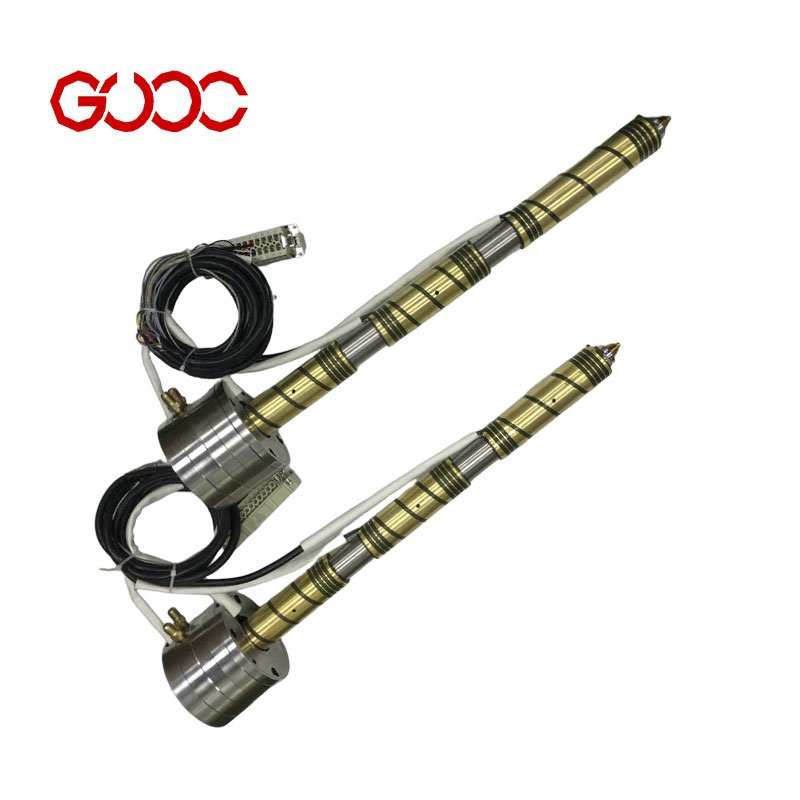
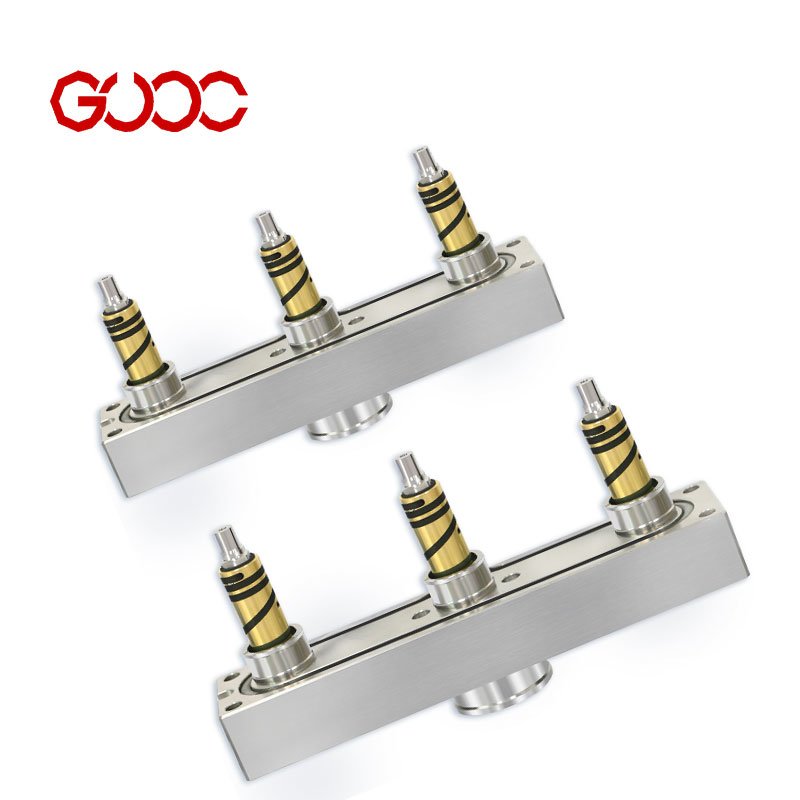
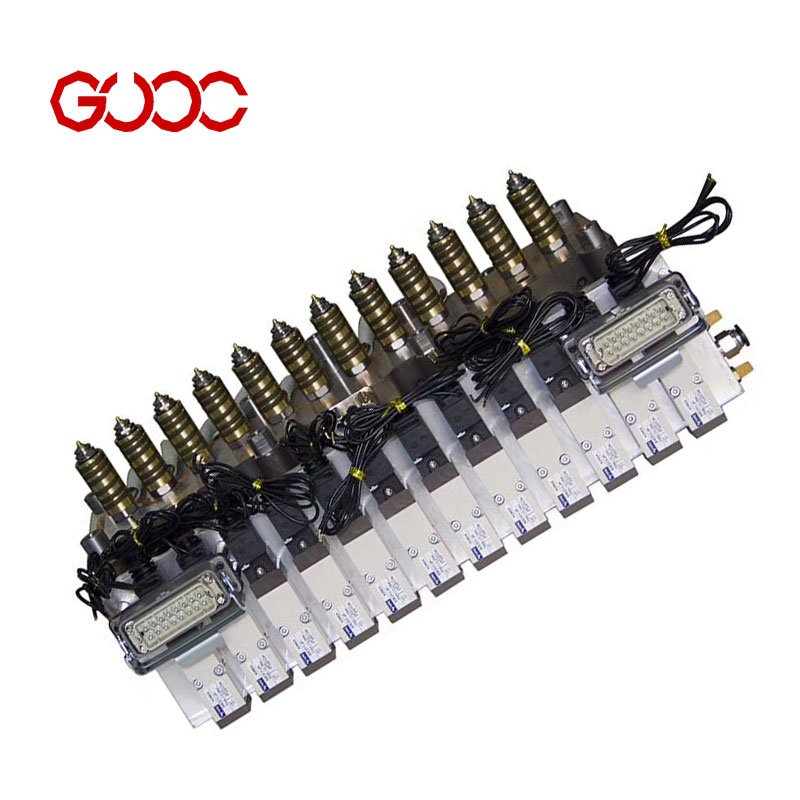


Anatomy of a High-Performance Nozzle: Thermal Conductivity & Material Selection
When designing a hot runner nozzle, selecting the right material with excellent thermal conductivity is critical. The nozzle must maintain consistent temperature control to ensure smooth plastic flow and prevent issues like shear heat generation or premature freezing at the gate.
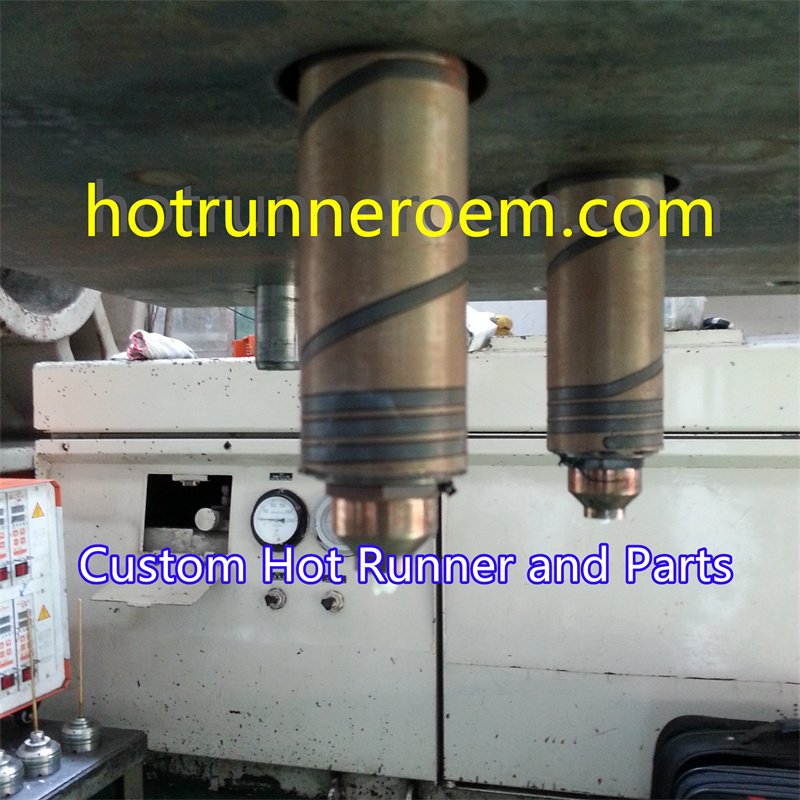
Why Thermal Conductivity Matters
- Efficient heat transfer keeps the melt at the correct temperature throughout the nozzle.
- Uniform heating reduces plastic residence time, lowering the risk of resin degradation.
- High thermal conductivity materials help stabilize the injection molding cycle time by minimizing temperature fluctuations.
Material Choices for Optimal Performance
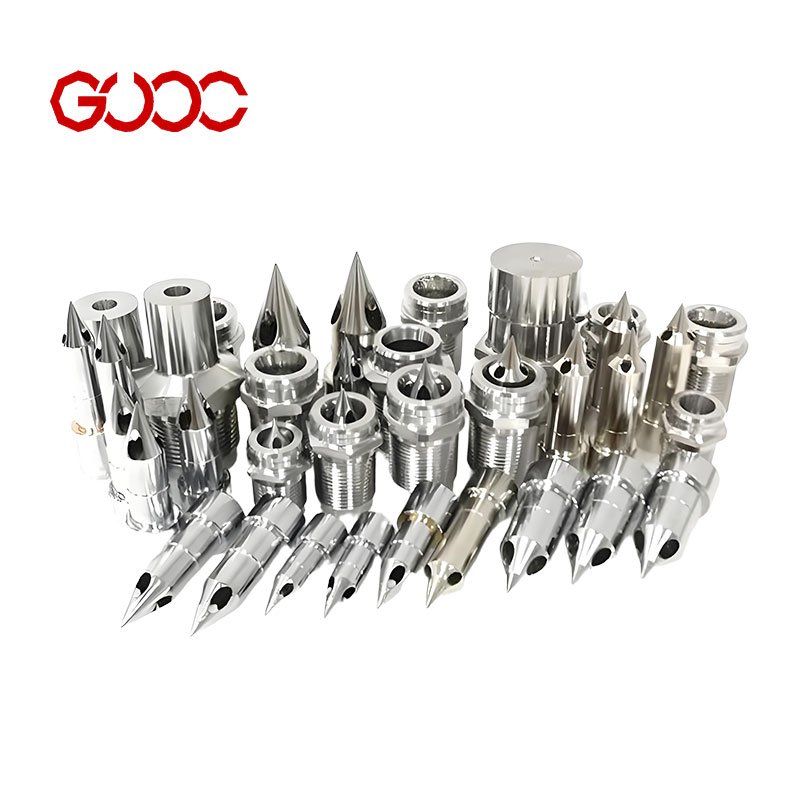
- Beryllium Copper Tips: Known for superior thermal conductivity and wear resistance, these tips enable fast heat transfer and long nozzle life, especially when processing abrasive or glass-filled resins.
- Tool Steel Bodies: Provide durability and mechanical strength, ensuring the nozzle withstands high pressures and repeated thermal cycling.
- Wear-Resistant Alloys: For handling tough engineering resins, materials with high hardness and corrosion resistance extend service intervals.
Balancing Thermal and Mechanical Needs
While thermal conductivity is a primary factor, material selection must also account for:
- Resistance to erosion from abrasive fillers.
- Compatibility with thermocouple calibration and heater integration.
- Manufacturability and cost-effectiveness for custom assemblies.
By prioritizing materials with controlled thermal conductivity, a hot runner nozzle can deliver consistent melt quality, improve cavity filling balance, and maximize overall system efficiency.
Anatomy of a High-Performance Nozzle: Heater Integration
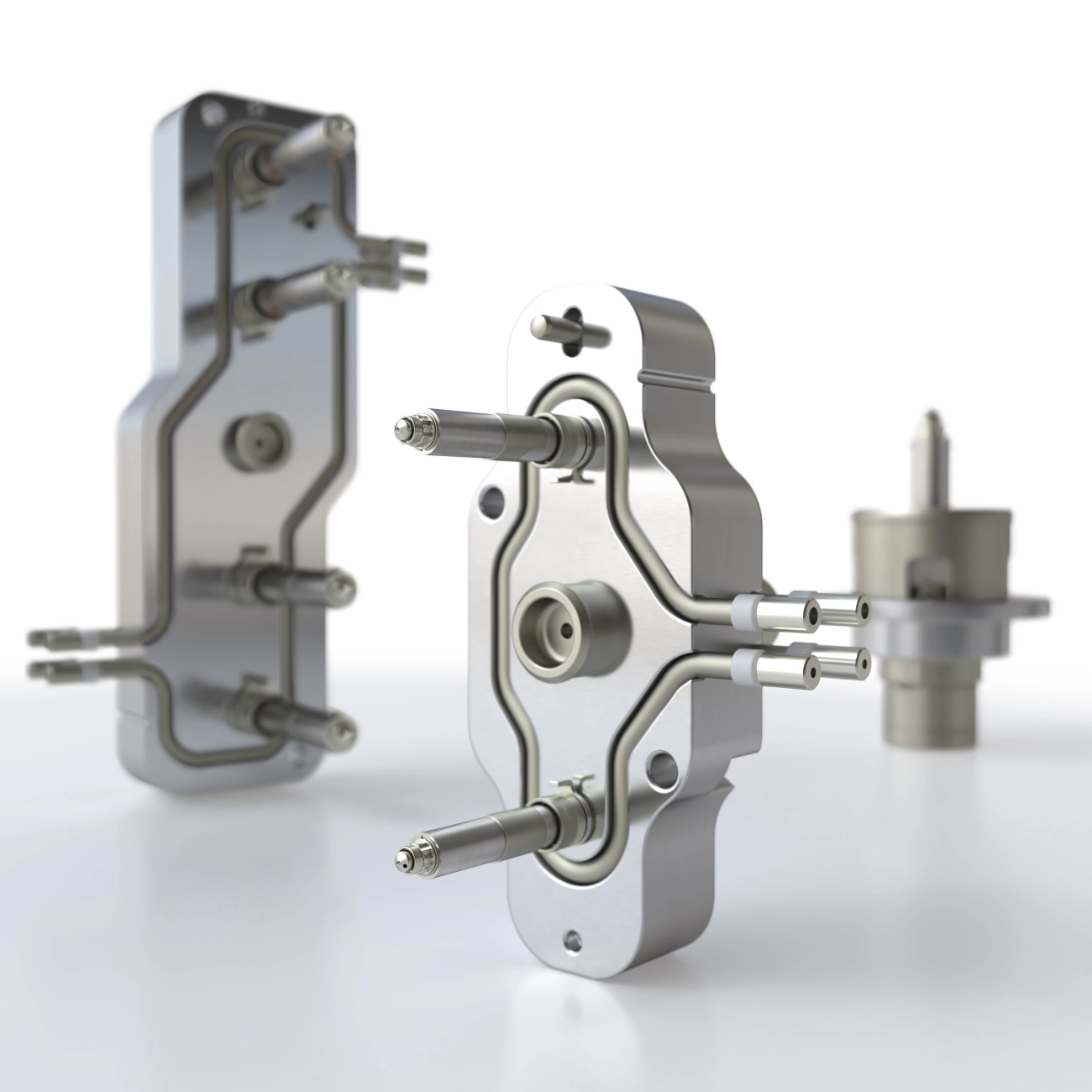
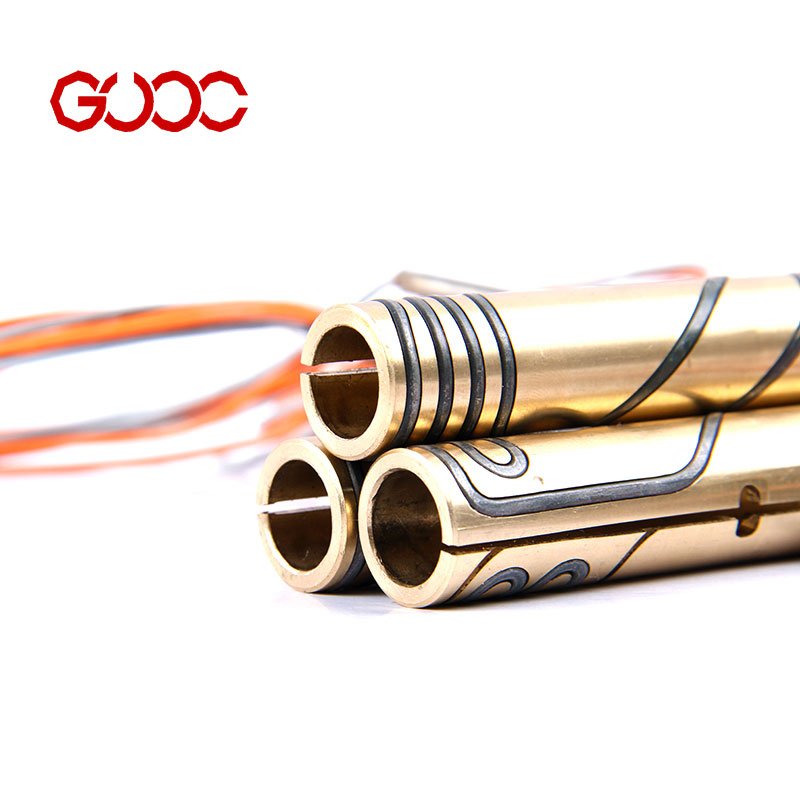
A crucial part of any high-performance hot runner nozzle is how the heater is integrated. Heater integration directly impacts temperature stability, which controls the plastic residence time and prevents issues like freezing at the gate or shear heat generation. Today’s nozzles typically use cartridge heaters embedded close to the flow channel for fast, even heat transfer.
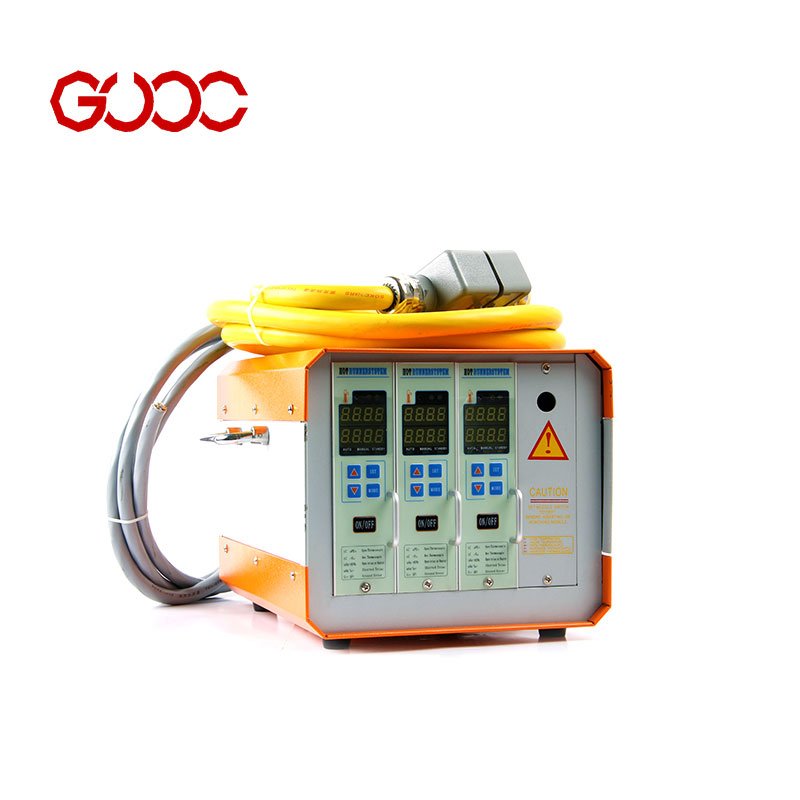
Using precision thermocouple calibration paired with PID temperature control ensures the nozzle maintains consistent melt temperature, which is key for minimizing injection molding cycle time and improving cavity filling balance. Some advanced designs position multiple heaters or employ segmented heating zones to avoid cold spots, especially when working with temperature-sensitive materials.
Proper heater integration also affects how quickly the system responds during color changeovers, improving color change efficiency. For manufacturers working with highly abrasive resins, the heater placement is designed to avoid premature wear, often combined with wear-resistant nozzle tips to extend service life.
Integrating heaters correctly is a subtle but critical detail that enhances overall nozzle performance and reliability. If you want to explore more on how these elements work in complex setups, our in-depth hot runner case studies highlight real-world applications and innovations.
Anatomy of a High-Performance Nozzle: The Flow Channel
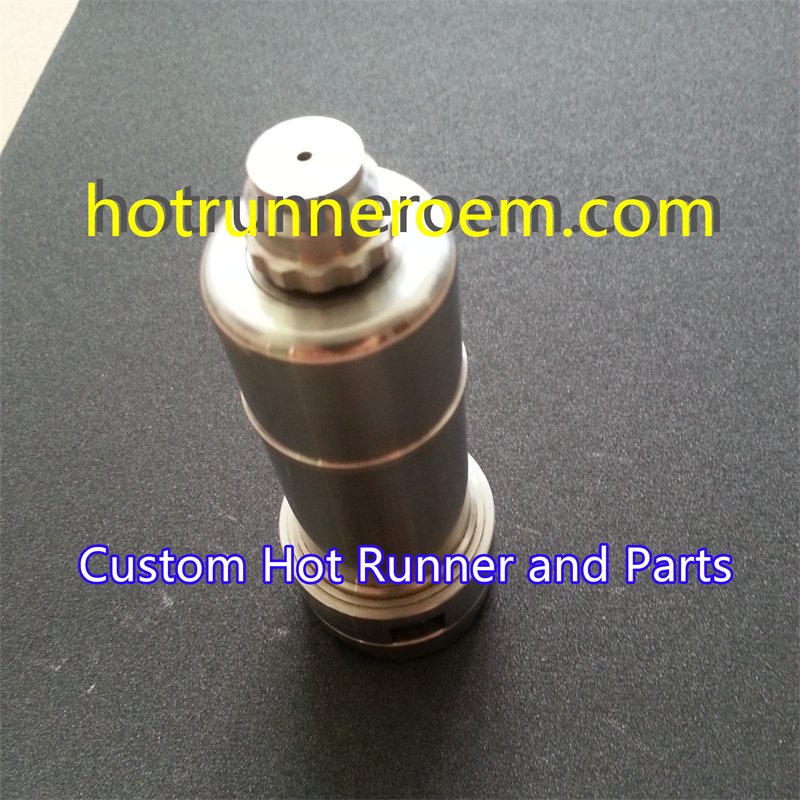
The flow channel in a hot runner nozzle plays a critical role in how efficiently and consistently the melted resin moves through the system. A well-designed flow channel ensures smooth melt flow, minimizes shear heat generation, and keeps the plastic residence time low. This directly impacts cavity filling balance and helps maintain the melt flow index (MFI) within the ideal range for your specific resin.
Key points about the flow channel include:
- Smooth transitions: Sharp corners can cause turbulence and degrade the melt, so curved pathways help reduce shear stress and prevent flow restrictions.
- Optimized diameter: The channel diameter needs to balance good flow without excessive pressure drop, which could lead to defects or inconsistencies.
- Wear resistance: For abrasive materials like glass-filled resins, wear-resistant nozzle tips and channels increase nozzle life and avoid contamination.
- Temperature control: Proper PID temperature control along the flow path prevents freezing at the gate and maintains consistent melt quality.
By focusing on these aspects, the flow channel helps optimize the injection molding cycle time and reduces gate vestige control issues, resulting in higher-quality parts and fewer processing headaches. When designing or choosing a hot runner nozzle, prioritize flow channel precision to keep your production efficient and your material performance consistent.
Selecting the Right Gating Strategy for Your Application: Open Gating (Thermal Gating)
Open gating, also known as thermal gating, is one of the most straightforward and widely used strategies in hot runner nozzle systems. It works by keeping the gate open during the molding cycle, allowing the molten plastic to flow continuously from the nozzle tip into the cavity. This method reduces shear heat generation and helps maintain consistent melt flow, which is especially important for materials with stable melt flow index (MFI).
Here’s why open gating could be right for your project:
- Simple design and maintenance: Since there are no moving parts to control the gate, it’s easier to maintain and less prone to mechanical failure.
- Improved cavity filling balance: Continuous flow leads to steady pressure and temperature, promoting better cavity filling and reducing defects.
- Lower cycle time impact: Open gating cuts down on injection molding cycle time because there’s no valve gate actuation delay.
- Good for non-abrasive, stable resins: Works well with standard engineering resins that don’t require mechanical shut-off or extra protection from wear.
However, open gating is not ideal for complex parts needing precise gate vestige control or for color changeover efficiency in multi-color runs. There’s usually a small gate mark left on the part, which might not be acceptable in highly finished surfaces.
If you’re working with standard resins and want a reliable, low-maintenance nozzle option, open gating with thermal gating technology could be a solid choice to optimize your hot runner nozzle system. Just remember to regularly check thermocouple calibration to keep heater integration working flawlessly and prevent freezing at the gate.
Selecting the Right Gating Strategy for Your Application: Valve Gating (Mechanical Shut-off)
Valve gating is a popular choice when precise control over the melt flow is critical. Unlike other gating types, a valve gate nozzle uses a mechanical shut-off system to open and close the gate, helping improve gate vestige control and reduce drooling. This leads to cleaner parts with minimal flash and better surface finish, which is essential for high-quality injection molding jobs.
Key benefits of valve gate actuation include:
- Improved Cavity Filling Balance: By controlling the melt flow independently at each gate, valve gating helps achieve uniform filling, reducing molding defects.
- Lower Shear Heat Generation: Because the gate stays closed during plastic residence time, the hot runner maintains consistent temperature, which helps protect temperature sensitive materials like PVC or POM.
- Reduced Injection Molding Cycle Time: Mechanical shut-off minimizes post-mold dripping, decreasing the need for secondary trimming and speeding up production.
For industries in the U.S. requiring precision and quality, valve gating is especially beneficial when working with engineering resin processing or abrasive materials. When combined with PID temperature control and thermocouple calibration, valve gated hot runner nozzles offer enhanced stability throughout the molding cycle.
If your application demands tight gate vestige control or color changeover efficiency, valve gating is a strategic choice. It helps improve plastic residence time management, lowers the risk of frozen gates, and optimizes overall melt flow index (MFI) consistency.
In short, valve gating delivers reliable mechanical shut-off that keeps your process clean, efficient, and consistent—just what you need for high-performance hot runner nozzle setups.
Selecting the Right Gating Strategy for Your Application: Side Gating
Side gating is a popular strategy in hot runner nozzle systems when you need better control over cavity filling balance and want to reduce gate vestige on the finished part. This method places the gate on the side of the cavity, which can help improve melt flow distribution, especially in complex mold designs.
Here’s why side gating might be the right choice:
- Improved melt flow index (MFI) management: By controlling how the melt enters the cavity from the side, side gating helps maintain consistent flow, reducing shear heat generation and preventing resin degradation.
- Better gate vestige control: Side gates typically leave a cleaner gate mark, which is perfect if your application demands a neat finish without extensive post-processing.
- Flexibility with engineering resin processing: It works well with various materials, including temperature-sensitive plastics like PVC or glass-filled resins, by minimizing residence time and uneven heating.
- Compatibility with thermal gating technology: Side gating can integrate seamlessly with thermal gating, allowing precise PID temperature control for stable melt conditions throughout the injection molding cycle time.
If you’re dealing with parts that require even filling with minimal gate marks, side gating is a solid, reliable option. It balances flow and temperature, which helps reduce common issues while allowing faster color changeover efficiency in multi-material setups.
When you choose side gating, make sure your hot runner nozzle design includes proper thermocouple calibration and manifold expansion calculation to prevent leakage or frozen gates during production. This attention to detail ensures long-term reliability and reduces downtime in your manufacturing process.
Design Principles for Challenging Resins: Abrasive Materials (Glass-Filled)
Working with abrasive resins like glass-filled materials demands special attention in your hot runner nozzle design. These resins can wear down nozzle tips quickly, leading to poor melt flow and part quality. To handle this, we focus on wear-resistant nozzle tips, often using hardened alloys or coatings that stand up to constant abrasion.
Key points for dealing with glass-filled resins:
- Material selection: Beryllium copper tips are popular for their thermal conductivity but may need protective coatings like tungsten carbide to resist wear.
- Flow channel design: Smooth, polished channels reduce shear heat generation and minimize resin degradation during molding.
- Maintenance intervals: Plan regular inspections. Abrasive wear can cause leakage or cavity filling imbalance if ignored.
- Thermal control: Consistent PID temperature control helps maintain plastic residence time, preventing hotspots that accelerate wear.
By tailoring the hot runner nozzle specifically for abrasive resins, you improve durability, maintain gate vestige control, and optimize production uptime. This approach is crucial for manufacturers in the hot runner injection molding market aiming to cut injection molding cycle time without sacrificing quality.
Design Principles for Challenging Resins: Temperature Sensitive Materials (PVC, POM)
Working with temperature-sensitive materials like PVC and POM means paying close attention to how heat is managed in your hot runner nozzle. These resins can easily degrade or discolor if the temperature isn’t controlled precisely, impacting the final part\’s quality and mechanical properties.
Here’s what matters:
- Precise Temperature Control: Use advanced PID temperature control systems combined with well-calibrated thermocouples to keep the nozzle temperature stable. Avoid overshooting to reduce plastic residence time and prevent material degradation.
- Low Shear Heating: PVC and POM are sensitive to shear heat generation within the flow channel. A smooth, optimized flow path helps maintain a consistent melt flow index (MFI) without unnecessary stress on the resin.
- Material Compatibility: Select wear-resistant nozzle tips like beryllium copper that can handle the unique thermal requirements without causing hot spots or uneven heating.
- Balanced Cavity Filling: Uniform heat distribution promotes consistent cavity filling balance and reduces chances of cold slugs or burn marks, which are common with temperature-sensitive resins.
- Quick Color Changeover: Since some projects require color changes, design nozzles to optimize color changeover efficiency, minimizing downtime and reducing waste during shifts in production.
By focusing on these elements, you’ll safeguard against thermal damage and boost the performance of your temperature-sensitive resin injection molding.
Design Principles for Challenging Resins: Color Change Optimization
When working with hot runner nozzles, optimizing for color changes can save major time and reduce waste — two priorities for any U.S. molder aiming to stay competitive. The goal is simple: get from one color to the next as fast and cleanly as possible without leaving behind any unwanted streaks or contamination.
Here’s how we tackle color change optimization in hot runner nozzle design:
- Minimize Plastic Residence Time: The longer your plastic sits inside the hot runner, the more it can degrade or mix with prior colors. Designing flow channels that reduce dead spots lowers the chance of leftover material and color bleeding.
- Choose Materials That Resist Build-up: Using wear-resistant nozzle tips like beryllium copper helps prevent color resin residues from accumulating, which keeps your melt flow index (MFI) stable and speeds up cleaning between runs.
- Implement Efficient Thermal Gating Technology: Precise temperature control via PID temperature control systems ensures the melt stays in optimal condition, reducing the chance of burnt or discolored spots after a color switch.
- Balance Cavity Filling: Consistent cavity filling across all gates improves how uniformly new colors fill, minimizing gate vestige control issues and uneven appearance in the final product.
- Design for Fast Purge Cycles: Easy disassembly or custom hot runner parts assembly can make purging quicker when switching colors, helping injection molding cycle time stay on target.
By combining smart material choices with smart gate design and tight temperature management, color change optimization becomes far less of a hassle. For manufacturers in the U.S., this means less downtime and more consistent, high-quality production — exactly what you want from your hot runner nozzle system.
Custom Assembly and Interchangeability: The \’Standard vs. Custom\’ Debate

When it comes to hot runner nozzle parts, choosing between standard and custom assemblies is a key decision. Standard nozzles offer quick availability and often fit many applications without tweaks, making them a cost-effective choice for common projects. However, they might fall short when dealing with specific resin types, complex molds, or unique cavity filling needs.
Custom hot runner nozzle assemblies, on the other hand, are built to match your exact injection molding cycle time, melt flow index, and gating strategy. This level of customization can improve cavity filling balance and reduce gate vestige, especially with challenging engineering resin processing. Custom designs also allow us to integrate heater elements and wear-resistant nozzle tips precisely where needed, enhancing thermal gating technology and minimizing plastic residence time.
In the U.S. market, where efficient color changeover and tight process control matter, tailored nozzles often deliver better performance and longer life. Although custom parts may take longer to produce, the benefits in improved mold reliability and part quality often outweigh the upfront cost.
Key points to consider:
- Standard nozzles = fast & cost-effective for typical runs
- Custom nozzles = optimized for specific resins and molds
- Customizing improves melt flow and reduces shear heat generation
- Better control over gate vestige and cavity filling balance
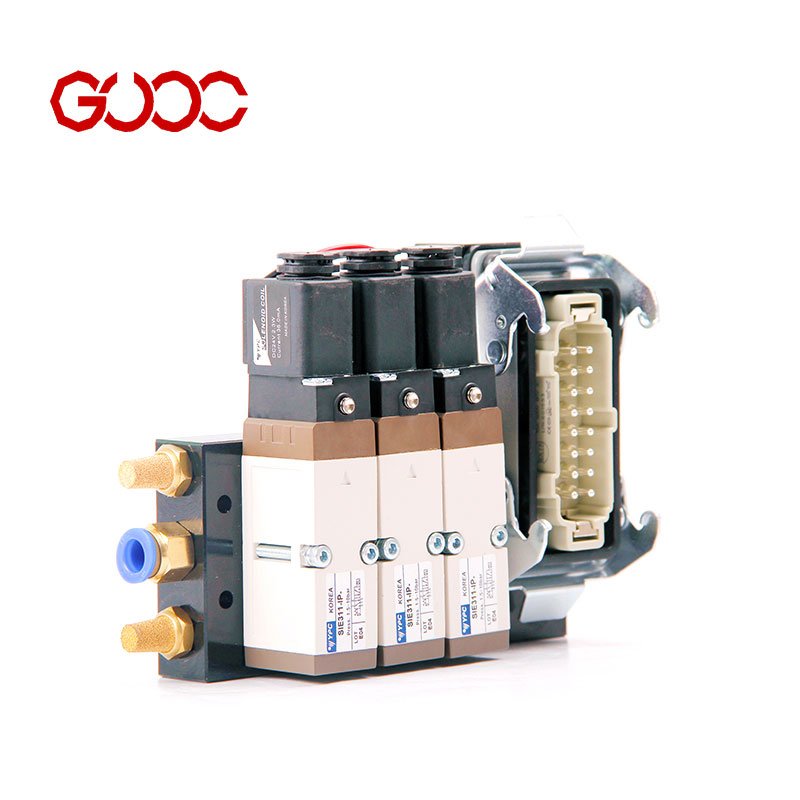
- Enables specialized features like valve gate actuation or thermocouple calibration
Balancing these factors is crucial. We work closely with customers to help decide when a standard part suits the need or when a custom assembly is the smarter choice for long-term success.
Custom Assembly and Interchangeability: Our Manufacturing Approach
When it comes to hot runner nozzle parts, our manufacturing approach focuses on precision and flexibility. We understand that every molding project has unique needs, so we design our components to be both customizable and interchangeable. This means you get tailor-made solutions without sacrificing the convenience of easy replacement and maintenance.
We use high-quality materials and advanced machining to deliver wear-resistant nozzle tips that work seamlessly within your existing system. Our assembly process incorporates tight tolerances to ensure perfect fits, reducing leakage risks at the manifold interface and minimizing plastic residence time. Plus, we integrate PID temperature control and thermocouple calibration from the start, so you can count on consistent thermal performance.
By emphasizing modular design, we make upgrades and repairs straightforward, helping you cut injection molding cycle time and improve cavity filling balance. This approach also supports quick color changeover efficiency when switching resins, which is crucial for running temperature-sensitive materials smoothly.
In short, our manufacturing method builds on solid engineering principles to give you reliable, easy-to-maintain hot runner nozzle assemblies. This combination of custom assembly and interchangeability meets the demanding standards of today’s U.S. market, helping your molding operations run efficiently and with less downtime.
Troubleshooting Common Nozzle Failures: Freezing at the Gate
Freezing at the gate is a common issue in hot runner nozzle systems that can halt production and cause quality problems. This happens when the plastic material cools and solidifies too soon, blocking the melt flow.
Key Causes of Freezing at the Gate:
- Inadequate temperature control: Poor PID temperature control or a faulty thermocouple can lead to uneven heating, causing parts of the nozzle tip to cool off.
- Low thermal conductivity materials: Nozzle tips made from metals with poor heat transfer can create cold spots.
- Incorrect gating strategy: Open gating setups that don’t maintain enough heat around the gate area tend to freeze more frequently.
- Long plastic residence time: When plastic stays too long inside the nozzle or manifold, it can degrade and solidify unexpectedly.
How to Fix and Prevent Freezing:
- Check heater integration: Ensure heaters are well-placed and functioning with consistent power.
- Optimize thermal gating technology: Maintain a stable temperature around the gate using advanced thermal designs.
- Use wear-resistant nozzle tips: Materials like beryllium copper improve heat transfer and resist freezing.
- Balance cavity filling: Adjust melt flow index (MFI) and injection molding cycle time to reduce shear heat generation inconsistencies.
- Regular thermocouple calibration: Keeps temperature readings accurate, preventing unexpected cooling.
Addressing freezing at the gate quickly helps maintain smooth melt flow and consistent part quality, essential for reliable production in the U.S. market, especially when working with demanding engineering resins or color changeover projects.
Troubleshooting Leakage at the Manifold Interface

Leakage at the manifold interface is a common hot runner nozzle issue that can cause material waste and downtime. Here’s what to keep in mind when tackling this problem:
- Check gasket and seal integrity: Over time, seals can wear out or get damaged due to heat cycles and pressure changes. Replacing worn gaskets often stops leaks quickly.
- Ensure proper torque: Under-tightening causes gaps, while over-tightening can deform parts. Use a torque wrench and follow manufacturer specs to maintain a tight, even seal without stressing components.
- Manifold expansion calculations matter: Thermal expansion affects tightness during injection molding cycles. Make sure the flange and nozzle design accommodate expansion to keep the interface sealed.
- Inspect surface finish: Rough or damaged flange surfaces create pathways for leakage. Polished, clean mating surfaces improve sealing and reduce hot runner nozzle failures.
- Thermocouple calibration impacts control: Unstable temperature control changes melt viscosity and pressure, leading to leaks. Accurate PID temperature control can prevent this by maintaining the right thermal conditions.
Fixing manifold interface leaks is all about precision in assembly and ongoing maintenance. Staying ahead with routine checks and properly designed parts will minimize these issues and keep your injection molding running smooth.
Troubleshooting Common Nozzle Failures: Heater Failure
Heater failure in a hot runner nozzle is a common issue that can disrupt your entire injection molding cycle. When the heater stops working, the temperature drops, causing inconsistent melt flow and poor cavity filling balance. This often results in defects like incomplete parts or gate freezing.
Here’s how to tackle heater failure effectively:
- Check Thermocouple Calibration: A faulty thermocouple can give wrong readings, leading to improper temperature control. Make sure your PID temperature control system is calibrated regularly for accuracy.
- Inspect Heater Connections: Loose or damaged wiring can interrupt power to the heater. Verify all electrical connections at the nozzle and manifold interface are secure.
- Replace Wear-Resistant Heater Elements: Over time, heaters wear down due to shear heat generation and continuous cycles. Using high-quality, wear-resistant heater tips can prolong heater life and reduce failures.
- Monitor Plastic Residence Time: Excessive residence time can overheat parts of the nozzle, causing heater burnout. Optimize cycle time and check melt flow index (MFI) for your resin to minimize stress on heaters.
- Regular Maintenance: Schedule preventive maintenance to spot heater degradation early. This includes testing heater resistance and inspecting insulation.
By addressing heater failures quickly, you keep your hot runner nozzle running smoothly, improving process stability and reducing costly downtime. Using our custom hot runner parts assembly services, we provide reliable heater setups designed to fit your application and keep your system efficient.
 English
  Spanish
  French
  Portuguese
  Italian