 Skip to content
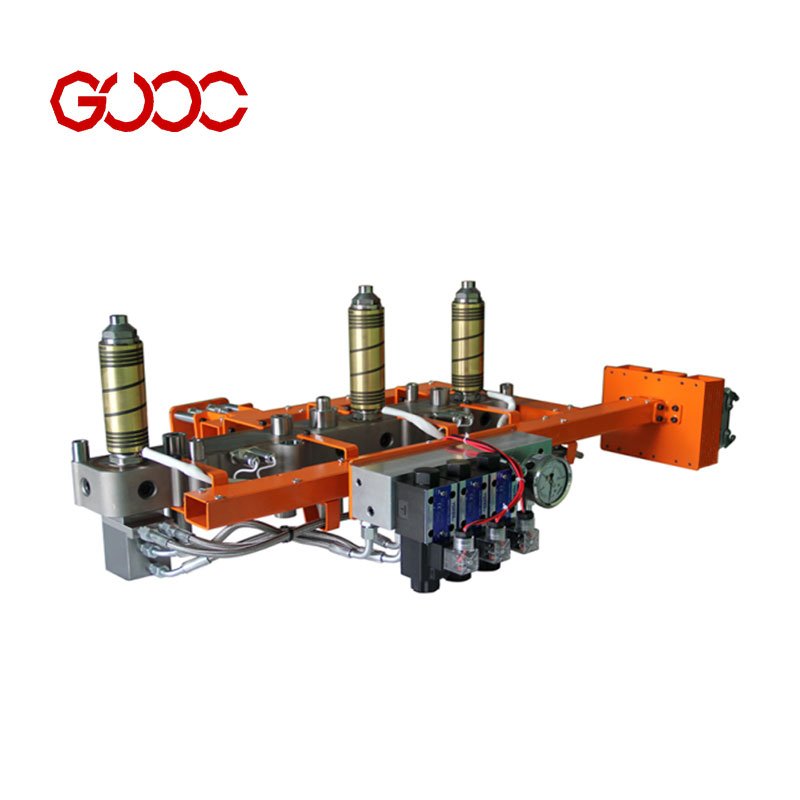
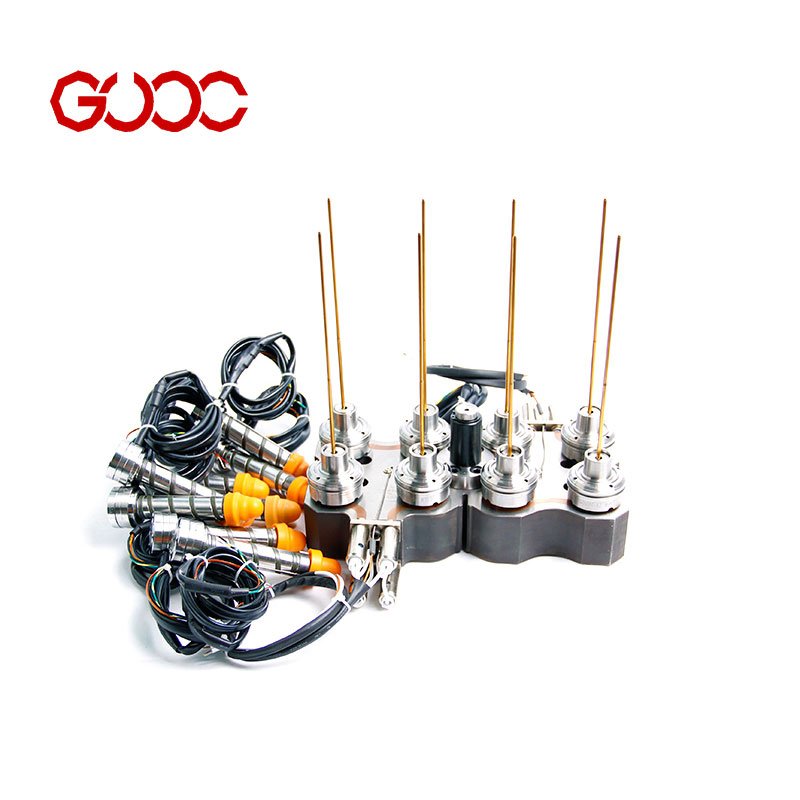
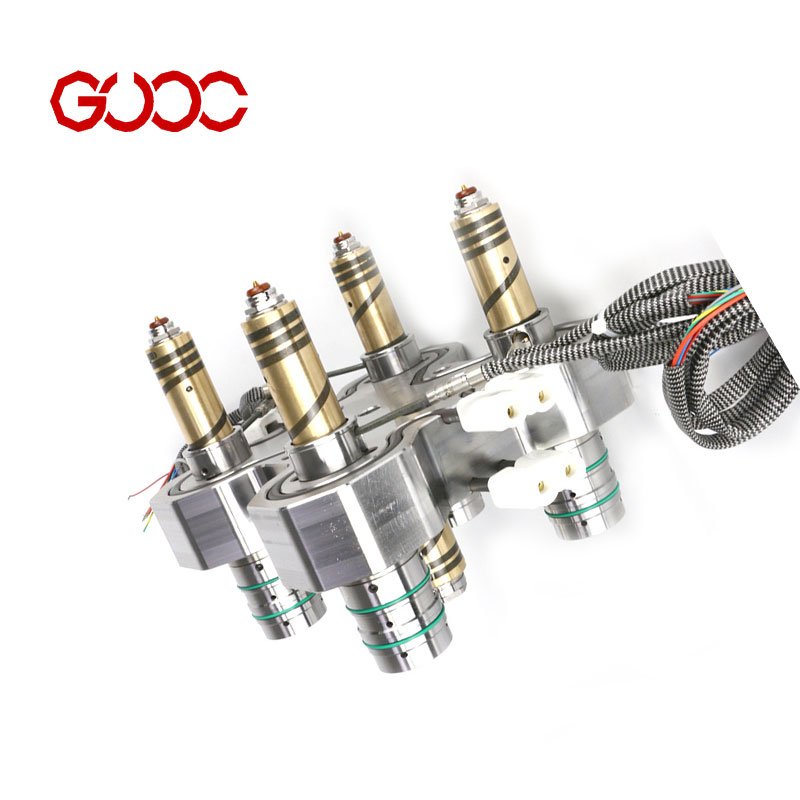
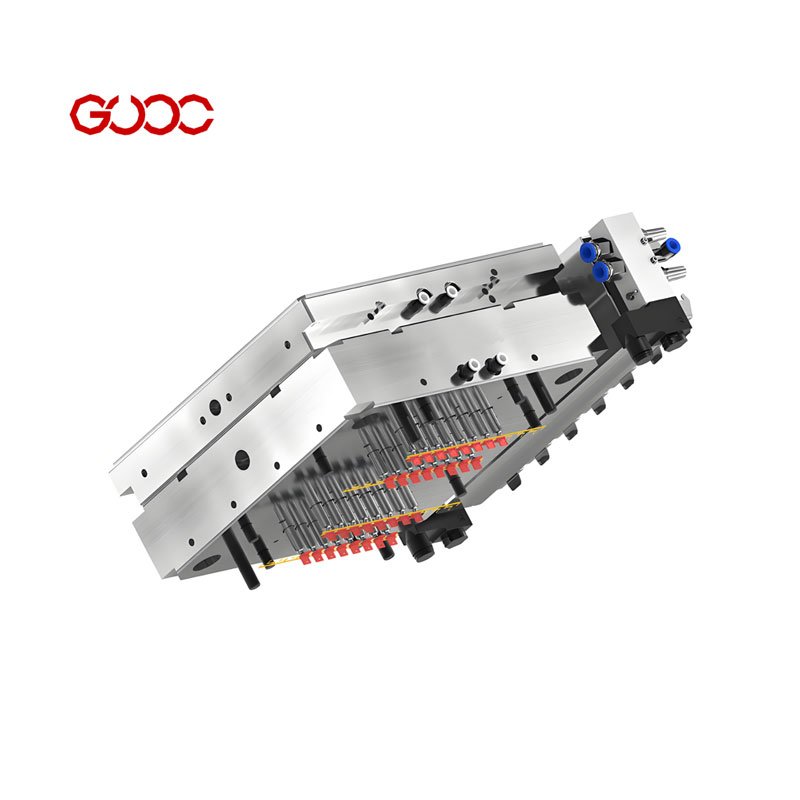


The Physics of Melt Distribution: Rheological Balance and Shear Thinning
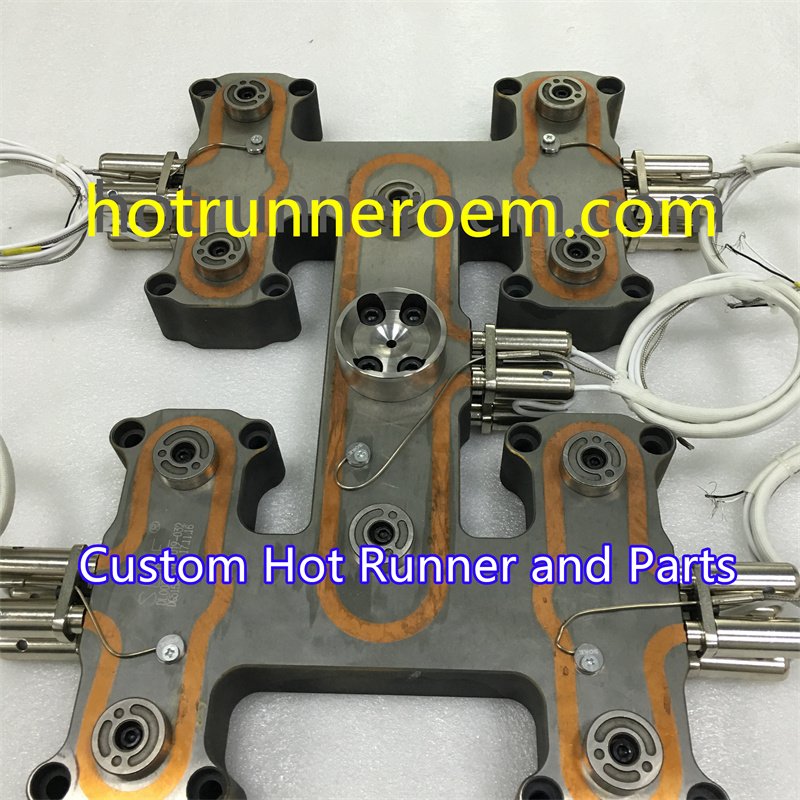
Understanding melt flow rheology is essential for optimizing hot runner manifold performance. The way molten plastic moves through the manifold is far from a simple, steady flow; it is governed by complex rheological behaviors like shear thinning and viscosity changes.
Rheological Balance in Melt Flow
The molten polymer exhibits non-Newtonian flow characteristics, meaning its viscosity decreases with increased shear rate. This shear thinning property enables the melt to flow more easily under high pressure and velocity conditions inside the manifold channels. Proper flow channel balancing leverages this effect to ensure uniform melt distribution across multiple cavities, preventing defects like short shots or flash.
Managing Shear Heat Generation
As the polymer is forced through narrow channels at high shear rates, the heat generated by this motion, called shear heat, affects melt temperature and viscosity. The hot runner manifold must be designed to accommodate these thermal changes without creating temperature gradients or degrading the material.
- Correct channel geometry minimizes excessive shear stress.
- Balanced flow paths prevent localized overheating.
- Uniform shear rates help maintain consistent melt properties.
By aligning manifold design with the physics of melt flow rheology, manufacturers can reduce residence time and eliminate dead spots, leading to improved injection molding cycle time and better product quality. Understanding and controlling these rheological factors is key to achieving stable, efficient performance in any hot runner system.
The Physics of Melt Distribution: Eliminating Dead Spots and Residence Time Reduction
In hot runner manifold systems, preventing dead spots where the melt can stagnate is crucial for maintaining consistent melt flow and quality. Dead spots cause material degradation and uneven temperature distribution, leading to inconsistent injection molding cycle time and defective parts. Achieving residence time optimization means designing flow channels that avoid areas of low melt velocity, keeping the polymer moving evenly through the system.
By carefully balancing flow channels and optimizing manifold plate design, you can reduce pockets where the melt sits too long. Applying principles of melt flow rheology helps identify potential trouble spots before manufacturing. Minimizing residence time also cuts shear heat generation, reducing polymer breakdown and enhancing overall melt quality.
Effective dead spot elimination contributes significantly to cycle efficiency and consistent shot quality. Many manufacturers now rely on advanced simulation tools to model melt flow and verify balance throughout multi-cavity molds, ensuring every cavity receives uniform melt conditions. For a deeper look at system assembly and troubleshooting, you can explore detailed examples in our hot runner cases.
Thermal Uniformity and Heater Configuration: Heat Loss Challenges and Contact Point Analysis
Maintaining thermal uniformity in a hot runner manifold is crucial for consistent melt flow and high-quality injection molding. One common challenge is heat loss, which can throw off temperature balance and impact cycle time. Heat tends to escape at contact points—where the manifold meets the mold plates or supports—causing cooler spots that lead to inconsistent melting and potential flow issues.
To minimize these heat loss areas, it’s important to focus on:
- Contact point insulation: Using proper manifold insulators helps prevent heat from conducting away through the mold steel.
- Material matching: Ensuring the manifold and mold materials work well together helps control thermal conduction rates.
- Surface finish: Smooth contact surfaces reduce thermal bridging, limiting unwanted heat transfer.
By analyzing where the manifold interfaces with other mold components, you can spot potential heat sinks early. This allows for targeted design tweaks like spacing adjustments or adding insulation layers. Tackling heat loss right at the contact points ensures you keep your melt temperature stable across the entire manifold, preventing defects and reducing rework.
In short, managing heat loss through smart contact point design is a key part of hot runner manifold thermal uniformity and flow channel balancing in injection molding.
Heater Types and Strategic Placement in Hot Runner Manifolds
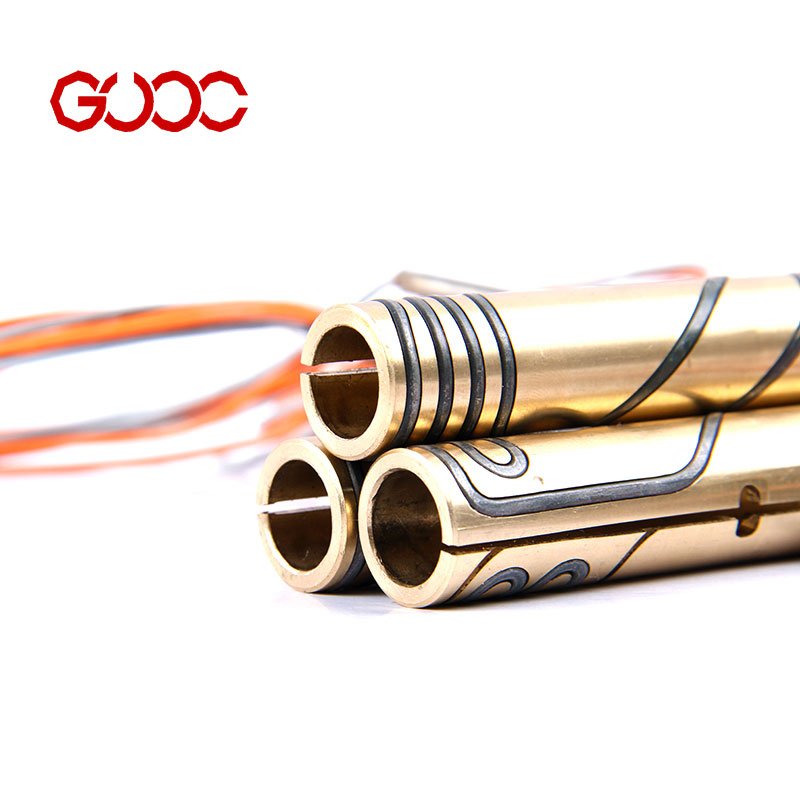
Choosing the right heater type and placing it wisely is key to maintaining thermal uniformity in a hot runner manifold. The two most common heaters are tubular heaters and cartridge heaters. Tubular heaters are durable and handle higher watt densities, making them ideal for larger manifolds needing quick heat-up times. Cartridge heaters, on the other hand, offer a compact design and quick temperature response, perfect for tight spaces and precise temperature zones.
Strategic heater placement helps eliminate cold spots and maintain consistent melt temperature across the manifold. Focus on:
- Even spacing along flow channels to balance heat distribution and avoid hot or dead spots.
- Placing heaters near critical melt flow areas, such as junctions or branch points, to combat shear heat variations.
- Positioning heaters close to the melt channels but not so close as to risk overheating or damaging the manifold material.
Proper heater selection paired with thoughtful layout reduces temperature fluctuations and supports stable melt flow rheology, which is essential for efficient injection molding cycles. Incorporating these practices in your hot runner manifold design ensures better melt quality, reduces residence time, and ultimately boosts productivity on the production floor.
Thermocouple Positioning for Temperature Control
Getting the thermocouple placement right is key for maintaining precise temperature control in a hot runner manifold. Thermocouples measure the temperature close to the melt channels, so where you put them affects how accurately you can monitor and adjust heat.
Here’s what works best:
- Close to the melt flow paths: Position thermocouples near critical points in the manifold where melt temperature changes most. This helps track thermal uniformity and avoid hot or cold spots.
- Near heaters but not directly on them, to prevent false readings caused by heater surface temperature rather than actual melt temperature.
- Multiple sensors across the manifold: Using several thermocouples allows for a balanced reading, enabling PID temperature control to keep the entire system in check.
- Well insulated sensor spots: Reducing heat loss around the thermocouple improves reading stability and helps in fine-tuning heater output.
Proper thermocouple positioning plays a big role in eliminating dead spots and managing residence time, which supports stable melt conditions. For U.S. manufacturers looking to improve injection molding cycle time and consistency, investing time in the right sensor setup pays off in better melt flow rheology and consistent part quality.
Structural Integrity and Material Selection: Steel Hardness and Corrosion Resistance
When it comes to hot runner manifolds, steel hardness and corrosion resistance are key to reliable performance. The manifold has to handle high temperatures and pressure without warping, wearing out, or corroding over time.
Most of the time, we use H13 steel because it strikes the right balance—hard enough to resist deformation, but tough enough to absorb thermal shocks. This hardness ensures the manifold maintains its shape and keeps flow channels intact, which is crucial for avoiding leakage or flow imbalance.
Corrosion resistance is just as important. Hot runner systems often run with materials and additives that can be corrosive. Choosing steel with proper treatments or coatings helps prevent rust and pitting, extending the life of your manifold. This reduces downtime and keeps your injection molding cycle time steady.
Key points to consider:
- Use hardened steel grades like H13 for durability
- Ensure corrosion resistance through coatings or alloy choice
- Maintain structural rigour to avoid flow channel damage
- Extend manifold lifespan to reduce maintenance costs
These choices directly impact your system’s efficiency and reliability, making steel hardness and corrosion resistance top priorities for hot runner manufacturers investing in hot runner manifold systems.
Thermal Expansion Calculations and Leakage Prevention
When dealing with hot runner manifold systems, understanding thermal expansion calculations is crucial. As the manifold heats up during injection molding, different parts expand at varying rates, which can cause warping, misalignment, and ultimately leakage. If you don’t account for this, the seal between the manifold and other components can fail, leading to costly downtime and defects.
Here’s what we focus on to keep things tight and leak-free:
- Accurate thermal expansion data: We use precise measurements for the materials involved—usually H13 steel or similar alloys—to predict how much each part will grow under typical operating temperatures.
- Allowance for expansion: Designing manifolds with slight gaps or flexible joint areas that can absorb expansion without breaking the seal.
- Sealing mechanisms: Incorporating advanced leakage prevention mechanisms such as high-quality O-rings, valve bushing seals, and tight-fitting manifolds to handle expansion stresses.
- Material compatibility: Choosing materials with similar expansion rates or designing interfaces to minimize stress buildup.
Ignoring these factors leads to common issues like creeping leaks and premature wear. Efficient thermal expansion calculations not only prolong the lifespan of your manifold but reduce injection molding cycle time by maintaining stable pressure and temperature across the system.
In short, mastering thermal expansion and leakage prevention is a game-changer for reliable performance and lower maintenance costs in hot runner manifold assemblies.
Manifold Configurations for Specific Applications: Standard Geometries
When it comes to hot runner manifold designs, picking the right standard geometry plays a big role in achieving balanced melt flow rheology and reducing residence time. The most common shapes you’ll find are H-shape, X-shape, Y-shape, and radial manifolds, each offering unique benefits depending on your mold setup:
- H-Shape Manifold: Popular for multi-cavity molds where flow balance is key. This layout evenly splits the melt, minimizing shear heat generation and dead spots.
- X-Shape Manifold: Ideal for molds with cavities arranged diagonally or in a square pattern. It helps maintain steady flow distribution and reduces pressure drop.
- Y-Shape Manifold: Best suited for designs where melt needs to be directed into two main branches. It supports consistent thermal uniformity by simplifying heater placement.
- Radial Manifold: Great for round molds or family molds needing equal melt distribution from a central point. This design helps with residence time optimization and flow channel balancing.
Choosing the right manifold plate design tailored to your application not only improves injection molding cycle time but also enhances overall system performance with better thermal expansion control and leakage prevention. This approach keeps your mold running smooth and efficient here in the U.S. market.
Manifold Configurations for Specific Applications: Custom and Complex Shapes for Family Molds
When working with family molds, standard manifold layouts often don’t cut it. Custom and complex hot runner manifold configurations are essential to handle multiple cavities that run different parts in one cycle. These tailored designs ensure melt flow rheology is balanced across varied channels, avoiding issues like uneven filling or excessive residence time in any one cavity.
Here’s why custom shapes matter for family molds:
- Adapted Flow Channels: Custom manifolds are designed to manage diverse flow requirements, balancing pressure so each cavity fills evenly despite varying sizes or shapes.
- Dead Spot Elimination: Complex configurations minimize areas where melt could stagnate, reducing potential degradation or contamination.
- Optimized Thermal Control: Unique shapes often require precise heater placement and thermal expansion calculations to maintain uniform temperature across all parts.
- Space and Cycle Efficiency: Custom manifolds can fit tight mold spaces while streamlining the injection molding cycle time, keeping productivity high.
By using custom manifold plate design and advanced manufacturing methods, we help U.S. businesses get reliable, efficient hot runner systems tailored specifically for demanding family mold applications. This approach improves quality and reduces waste—key priorities in today’s injection molding market.
Manifold Insulators and Heat Transfer Prevention
In a hot runner manifold, manifold insulators play a critical role in controlling heat flow and maintaining consistent melt temperature. These insulators are designed to minimize unwanted heat loss from the manifold to adjacent components or the mold base, which helps in thermal uniformity and energy efficiency.
Why Heat Transfer Prevention Matters
- Avoids temperature drops: Without proper insulation, the melt inside the manifold can cool unevenly, causing defects like incomplete filling or cold spots.
- Improves cycle time: Preventing heat loss means less energy is needed to keep the melt at the right temperature, speeding up the molding process.
- Protects mold components: Heat transfer to the mold base can cause thermal stress and damage over time.
How Manifold Insulators Work
- They are typically made from materials with low thermal conductivity.
- Positioned strategically around the manifold body to block heat escape.
- Work alongside heater configuration and PID temperature control systems to stabilize the melt temperature.
Key Benefits for Hot Runner Injection Molding Manufacturers
- Enhances residence time optimization by keeping the plastic melt flowing smoothly.
- Supports stable melt flow rheology, reducing defects.
- Reduces energy consumption, lowering operational costs.
For any hot runner system aiming for reliable performance in high-volume injection molding, investing in quality manifold insulators is a must to ensure seamless heat retention and prevent heat transfer issues.
Critical Components of a Manifold Assembly: Valve Bushings and Leak-proof Sealing
Valve bushings play a crucial role in maintaining leak-proof sealing within a hot runner manifold. They act as the interface between the valve gate needle and the manifold body, ensuring smooth movement while preventing melt leakage. Without properly designed valve bushings, you risk unwanted flow paths that cause defects and reduce cycle efficiency.
Here\’s why good valve bushings matter:
- Precise Fit: A tight tolerance fit helps minimize gaps where melt could leak, improving the overall system’s integrity.
- Wear Resistance: High-quality materials reduce friction and wear on the valve needle, extending component life and avoiding frequent replacements.
- Temperature Stability: Bushings must handle the high temperatures of molten plastic without deforming, maintaining a consistent seal during the entire injection molding cycle time.
- Smooth Operation: Reduced friction ensures valve gates open and close cleanly, preventing slow response or incomplete shutoff that causes flash defects.
Leak-proof sealing depends on combining valve bushings with effective sealing mechanisms like O-rings or metal-to-metal contact surfaces. Together, these elements prevent molten plastic from escaping, keeping the melt channel balanced and stable.
In the hot runner injection molding market, where precision and reliability drive manufacturing success, selecting valve bushings designed to handle thermal expansion and pressure variations is essential. This attention reduces downtime, improves cavity balance, and keeps your hot runner manifold running efficiently.
Critical Components of a Manifold Assembly: Center Supports and Pressure Deflection Control
Center supports play a crucial role in maintaining the structural integrity of a hot runner manifold system. They prevent the manifold from bending or deflecting under the pressure generated during the injection molding cycle. Without proper support, pressure deflection can lead to uneven melt flow distribution, leaks, or even damage to the manifold plate design.
Here’s why center supports matter:
- Pressure Deflection Control: High injection pressures push hard against the manifold. Center supports absorb and counteract this force, keeping the manifold steady and balanced.
- Flow Channel Stability: When the manifold holds its shape, melt flow rheology remains consistent, helping avoid flow imbalances or dead spots.
- Leakage Prevention: Less deflection means fewer gaps where leakage can occur, helping protect seal integrity around valve bushings.
- Long-Term Durability: Supports reduce stress on internal components, prolonging the service life of the manifold, even under high cycle times.
Choosing the right support design is essential for each specific hot runner manifold, especially for multi-cavity molds where uniform melt distribution is critical. Properly engineered center supports ensure your system delivers consistent quality without unexpected downtime due to mechanical issues.
Troubleshooting Common Manifold Issues: Leakage Causes and Expansion Miscalculations
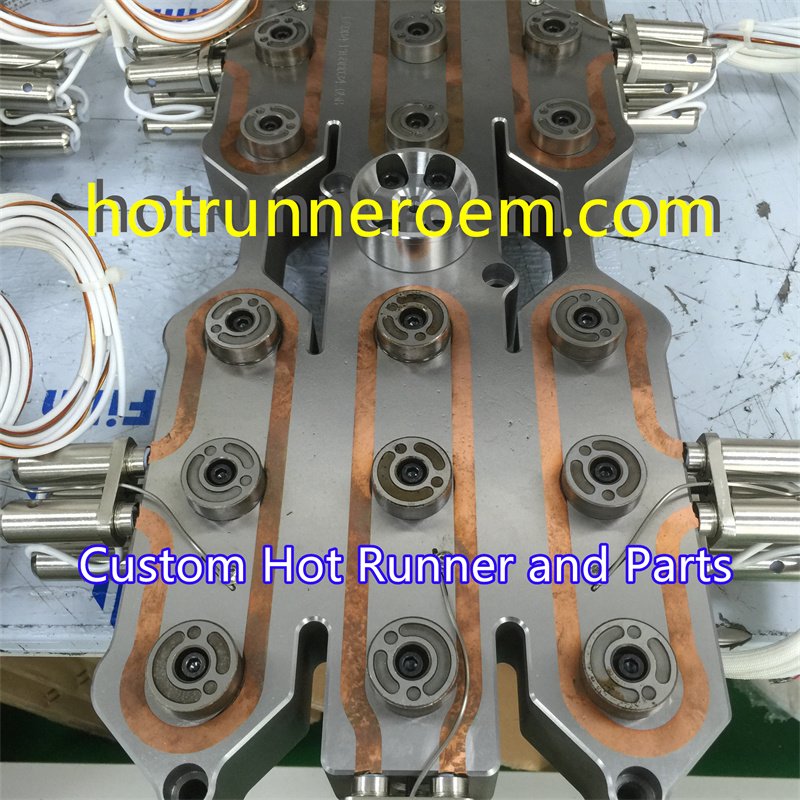
Leakage in hot runner manifolds is one of the most frustrating problems for injection molders. Most often, it’s tied to thermal expansion miscalculations. When designers don’t accurately predict how much the manifold steel will expand during operation, gaps or stress points develop—creating leak paths for molten plastic.
Here’s what usually goes wrong:
- Underestimating thermal expansion: If the material expands more than expected, seals and valve bushings can loosen, causing melt flow to escape.
- Improper sealing design: Without effective leakage prevention mechanisms, plastics under pressure find weak spots, especially near joints.
- Incorrect tightening sequence: Uneven tightening can warp the manifold, resulting in stress fractures or seal failure.
To avoid these issues, you want to:
- Use precise thermal expansion calculations based on actual operating temperatures.
- Select materials like H13 steel known for balancing hardness with minimal expansion.
- Implement comprehensive sealing systems—valve gate actuation areas especially need attention.
- Regularly inspect for wear and replace worn gaskets or valve bushings before they cause leaks.
By understanding the link between heat, material behavior, and sealing, you can nip manifold leakage problems in the bud—keeping your production lines smooth and reducing down-time.
Troubleshooting Common Manifold Issues: Flow Imbalance Diagnosis
Flow imbalance in a hot runner manifold can cause inconsistent part quality and longer injection molding cycle time. Spotting and fixing this early is key to keeping your production running smoothly.
Signs of Flow Imbalance
- Uneven filling of cavities
- Variations in part weight or thickness
- Excessive shear heat generation in some runners
- Increased residence time in “dead spots”
Diagnosing Flow Imbalance
Start by checking the flow channel balancing. Differences in runner size or shape often cause uneven melt flow rheology. Use flow simulation software or thermal imaging to identify weak spots.
Quick Fixes to Consider
- Adjust valve gate actuation timing to balance flow to each cavity
- Rework or redesign runners to eliminate dead spots
- Confirm thermal uniformity; uneven heating can cause viscosity changes and disrupt flow
- Inspect for blockages or partial clogs affecting melt passage
Preventative Tips
- Perform regular checks on manifold plate design to ensure symmetrical flow paths
- Use shear thinning principles to optimize melt flow behavior
- Implement PID temperature control to maintain stable melt viscosity
Balancing the flow in your hot runner manifold helps avoid defects and improves cycle efficiency, saving time and reducing scrap. If problems persist, consulting a professional or considering custom manifold configurations might be the best move.
Heater Failure Signs and Moisture Ingress in Hot Runner Manifolds
Heater failure in a hot runner manifold system can seriously disrupt melt flow and injection molding cycle time. Recognizing early signs helps avoid costly downtime and maintain consistent production.
Key signs of heater failure:
- Uneven temperature readings: When PID temperature control shows fluctuating or low temps, it often means the heater isn’t working properly.
- Longer mold cycles: Heater inefficiency slows down melt flow, causing overall injection molding cycle time to increase.
- Cold spots in the manifold: These “dead spots” result from insufficient heat, leading to poor material flow and incomplete cavity filling.
- Physical damage or discoloration: Visible burns or cracked heater elements indicate failure.
- Unusual electrical behavior: Tripping breakers or inconsistent power draw suggests coil or wiring problems.
Moisture ingress is another common issue that can cause heater failure:
- Moisture inside the manifold creates corrosion and shorts the heating elements.
- It leads to inaccurate thermal expansion calculation since damp spots cool unevenly.
- This affects flow channel balancing by generating localized cooling zones.
- Over time, moisture can degrade valve bushings and leads to manifold leakage.
Preventive tips to avoid heater failure and moisture ingress:
- Use sealed connectors and proper insulation around heaters to block moisture.
- Regularly check heater resistance and thermocouple function.
- Maintain effective manifold insulators to reduce heat loss and prevent condensation.
- Schedule routine inspections during maintenance shutdowns.
Addressing heater failure and moisture ingress early keeps your hot runner manifold system running smoothly and protects your mold from damage. It’s a simple step that saves money and boosts production quality for hot runner injection molding manufacturers focused on efficiency and reliability.
Sourcing Custom Hot Runner Parts from China: Importance of Customization for Injection Mold Efficiency
When it comes to optimizing injection molding cycle time, sourcing custom hot runner parts from China offers a big advantage through tailored design. Custom hot runner manifold assemblies ensure perfect melt flow rheology and balanced flow channels, which reduce residence time and eliminate dead spots. This level of customization directly impacts your production speed and part quality by maintaining consistent thermal uniformity and smooth shear heat generation throughout the system.
A well-designed custom manifold from a reliable China hot runner system manufacturer can match your mold’s unique layout—whether it’s a multi-cavity mold or a complex family mold—delivering balanced melt distribution that prevents flow imbalances. This means fewer defects and less downtime for adjustments. Plus, personalized heater configurations and tailored valve gate actuation components help maintain tight temperature control, further enhancing cycle efficiency.
Investing in customized solutions also means better integration of thermal expansion calculations and structural elements that reduce leakage risk. Custom parts from experienced suppliers come with precise machining and material specs that improve manifold plate design durability and overall system consistency.
Choosing the right China hot runner system supplier who understands your specific molding application helps unlock faster cycles and better part quality. For more details on tailored manifold design options and supplier expertise, check out our range of custom hot runner parts designed for performance and longevity.
Sourcing Custom Hot Runner Parts from China: Manufacturing Standards and CNC Precision
When you’re sourcing custom hot runner manifold parts from China, manufacturing standards and CNC precision are key to getting parts that fit and perform perfectly. Chinese hot runner system manufacturers have come a long way in meeting the high expectations of US molders. They now offer tight machining tolerances and consistent quality thanks to advanced CNC machining centers.
Why CNC Precision Matters:
- Ensures flow channels and valve gate seats align perfectly, which helps maintain flow balance and prevents leakage.
- Achieves tight tolerances needed for complex custom manifold configurations, reducing issues like uneven melt distribution.
- Improves the durability of components by minimizing residual stresses from poor cuts or uneven surfaces.
Manufacturing Standards You Should Expect:
- Use of premium grade steels like H13 or equivalent for long service life and corrosion resistance.
- Clear inspection protocols, including dimensional checks and thermal expansion calculation compliance to prevent sealing issues.
- Integration of standardized threads and seals suited for valve gate actuation and pressure deflection control.
Working with a skilled China hot runner system supplier ensures your parts meet stringent industry standards while keeping costs competitive. It’s smart to ask about their quality control steps—such as run-out tests, surface roughness measurements, and pre-shipment testing—to avoid surprises down the line.
Bottom line: precise CNC machining combined with robust manufacturing protocols leads to reliable hot runner manifolds that maintain thermal uniformity and consistent cycle times in your injection molds. This focus on quality upfront translates into smoother runs and less downtime.
Sourcing Custom Hot Runner Parts from China: Quality Control Protocols and Pre-Shipment Testing
When sourcing custom hot runner parts from China, quality control is non-negotiable. Manufacturers here understand that consistent performance depends on thorough protocols and pre-shipment testing before the parts leave the facility.
Key Quality Control Steps Include:
- Dimensional Inspections: Ensuring every component meets precise manifold plate design dimensions helps avoid installation and flow issues later.
- Material Verification: Verifying steel hardness, like H13 steel grades, confirms corrosion resistance and durability under thermal stress.
- Thermal Performance Tests: Testing heaters, including cartridge and tubular heaters, under real conditions ensures thermal uniformity and PID temperature control accuracy.
- Leakage Checks: Advanced leak prevention mechanisms are closely inspected to prevent costly mold failures.
- Flow Balance Assessment: Multi-cavity mold balance is verified by simulating melt flow rheology to spot any dead spots or uneven shear heat generation.
Pre-Shipment Testing Guarantees:
- Parts fit perfectly for your specific hot runner manifold assembly.
- Components perform reliably under typical injection molding cycle times.
- Troubleshooting risks—like flow imbalance or valve gate actuation issues—are minimized before delivery.
Choosing a Chinese supplier experienced in these quality control protocols means you get custom hot runner parts that meet or exceed U.S. industry standards—keeping your production consistent and efficient.
Sourcing Custom Hot Runner Parts from China: Consultation and Contact for Manifold Design Support
When searching for custom hot runner manifold parts, having direct access to expert design support is a game-changer. China hot runner system manufacturers often provide comprehensive consultation services. This means you can collaborate closely on your manifold plate design to ensure it meets your injection molding cycle time goals and specific melt flow rheology needs.
Here’s why consulting with your supplier matters:
- Tailored Solutions: Custom manifold configurations, whether for multi-cavity molds or family molds, require precise flow channel balancing and thermal expansion calculation. Experts help optimize these for your exact setup.
- Design Feedback: Direct input on dead spot elimination, heater type choices, and valve gate actuation improves your manifold’s reliability and efficiency.
- Technical Support: Assistance with PID temperature control system integration and troubleshooting early design hiccups saves time and cost downstream.
- Smooth Communication: Easy contact with manufacturers ensures quick adjustments and clarifications, especially important when dealing with tight lead times.
In the hot runner injection molding market, where precision and cycle efficiency impact bottom lines, partnering with a China hot runner system supplier who offers solid design consultation can elevate your production quality. When you reach out, clearly share your mold specifications and desired outcomes. This way, the supplier can customize manifold parts—like insulators, valve bushings, and center supports—perfectly matching your project needs.
Tip: Always confirm your supplier uses quality control protocols and pre-shipment testing to avoid surprises on delivery. Good communication and expert consultation are key to building a reliable, high-performing hot runner manifold system.
 English
  Spanish
  French
  Portuguese
  Italian