 Skip to content
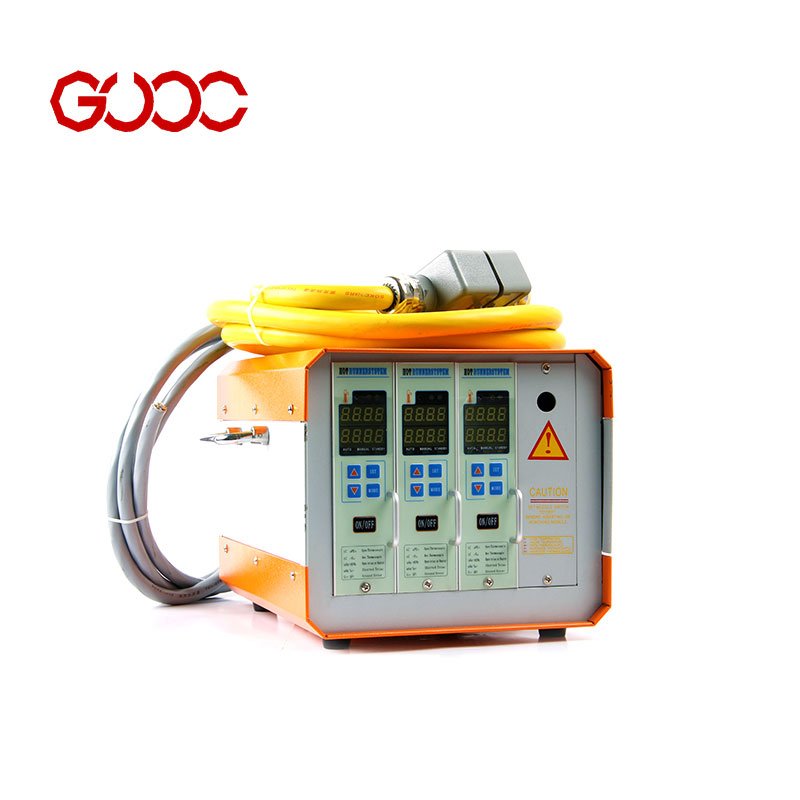
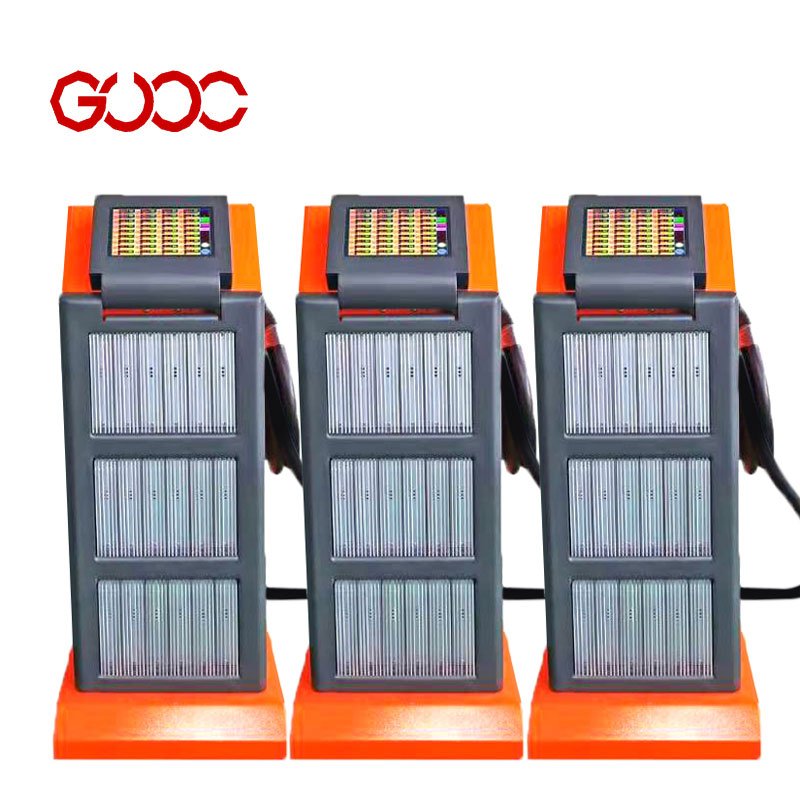
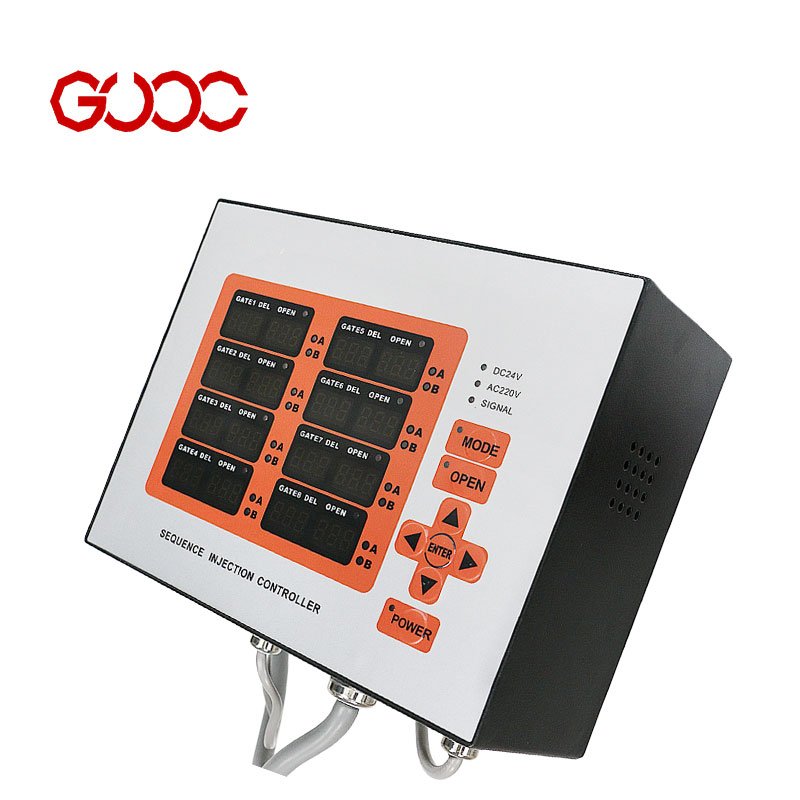
Core Technology of Hot Runner Temperature Controllers
Precision Through PID Control Algorithms
Modern hot runner temperature controllers leverage advanced Proportional-Integral-Derivative (PID) control algorithms to maintain precise thermal stability. PID continuously adjusts heater output by calculating the difference between setpoint and actual temperature, minimizing deviations. This control method effectively eliminates temperature overshoots—common causes of thermal fluctuations—and maintains a flat thermal curve across the hot runner manifold. The result is improved cavity balance optimization and reduced injection molding defects caused by inconsistent temperature profiles.
Soft Start Functionality for Heater Longevity
Integrated soft start functions gradually increase heater power to dehumidify heating elements before full voltage is applied. This controlled ramp-up process prevents sudden current surges that could damage the heater, significantly extending heater life. Additionally, soft start reduces the risk of heater short circuits by avoiding moisture-related failures during initial power application—crucial for maintaining reliability in demanding production environments.
Rapid Sampling for Fast Response Time
High-performance controllers execute temperature sampling cycles within milliseconds, enabling near-instantaneous response to thermal variations. This closed-loop feedback speed is critical for multi-zone hot runner systems in molds with complex, high-cavity layouts, where even slight delays may cause product inconsistency. Fast response time ensures uniform heat distribution across all zones, directly supporting plasticizing consistency and minimizing waste due to poorly controlled thermal zones.
This engineered approach in modern hot runner temperature controllers directly addresses key pain points in injection molding—delivering energy savings, reduced scrap rates, and extended component durability through optimized temperature management.
Categorization: Selecting the Right Architecture for Your Mold
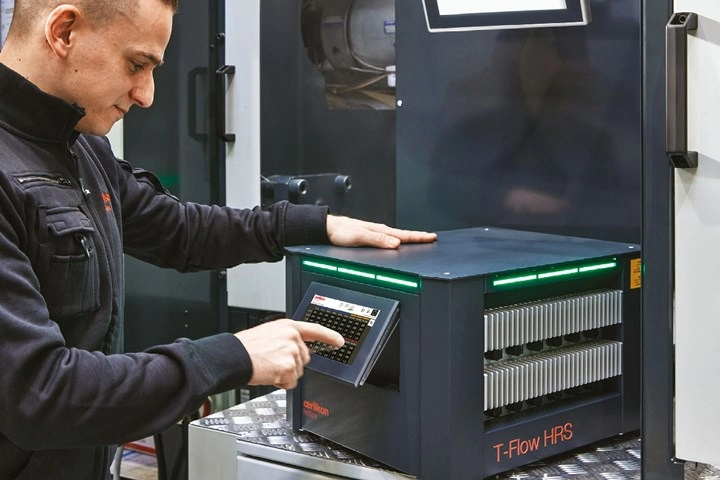
Choosing the right hot runner temperature controllers depends largely on your mold complexity and production needs. Here’s a quick breakdown:
| Feature | Single-Zone Systems | Multi-Zone Systems |
|---|---|---|
| Application | Simple sprue bushings | Complex manifolds, high-cavity molds |
| Number of Zones | 1 | 2 to 128+ |
| Temperature Consistency | Basic | Precise cavity-to-cavity control |
| Ideal For | Small, less demanding setups | Large molds requiring tight thermal stability |
Single-Zone vs. Multi-Zone
Single-zone controllers are perfect for simple molds where uniform heating is sufficient. For complex manifolds and molds with many cavities, multi-zone systems with up to 128 zones provide precise temperature profiles, optimizing cavity balance and reducing injection molding defects.
Modular Card Design vs. Integrated Mainframes
Modular Cards: Great for scalability and easy maintenance. You can swap out faulty control cards quickly without shutting down the entire system.
Integrated Mainframes: Compact and streamlined, perfect for small to medium setups where space is limited.
Interface Options
Controller interfaces vary based on factory floor needs:
- Touch Screen (HMI): Offers a clear visualization of thermal curves and system status, making troubleshooting faster.
- Button/LED Displays: Rugged and simple, they withstand harsh environments but provide less detailed feedback.
Selecting the right architecture ensures optimal temperature control, which is critical for maintaining thermal stability in your hot runner manifold and preventing plasticizing inconsistencies.
For deeper insights on molding setups, refer to our detailed hot runner case studies on hot runner temperature controllers.
Critical Features for Production Safety and Longevity
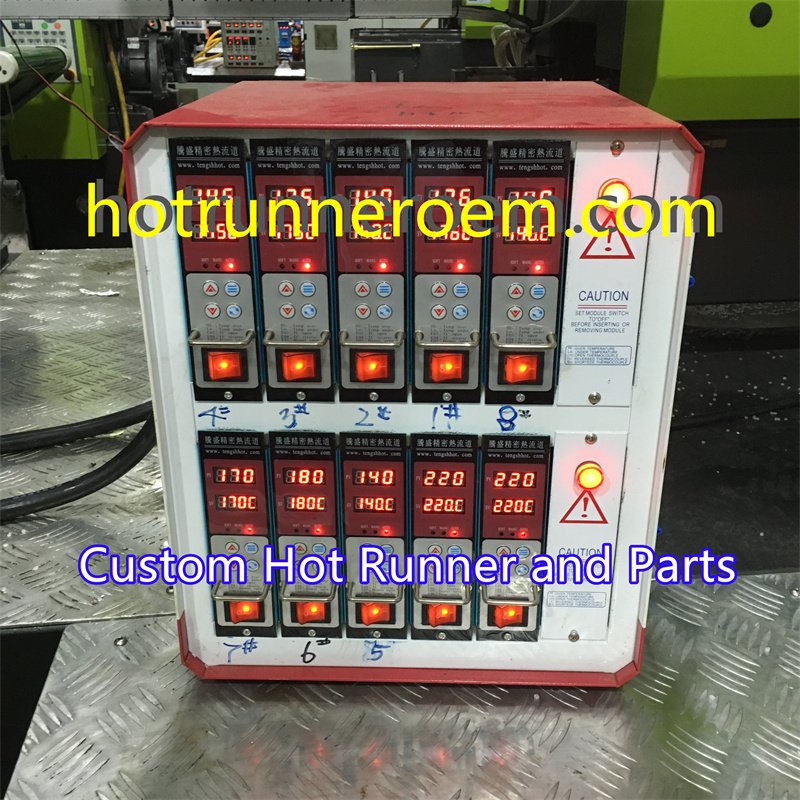
When it comes to hot runner temperature controllers, safety and longevity can\’t be overlooked. Here’s how top controllers protect your investment and keep production smooth:
Comprehensive Protection Protocols
- Thermocouple Break/Reverse Detection: Alerts you immediately if sensors fail or are wired incorrectly, preventing faulty temperature readings that could ruin your mold.
- Heater Short/Open Circuit Alarms: Detects any breaks or shorts in the heaters early to avoid unexpected shutdowns or fires.
- Triac Damage Protection: Guards the critical triac switching components from electrical overload or failure, ensuring stable heater control.
Real-Time Current Monitoring
Knowing your heater’s health before it fails is a game changer. Built-in amperage monitoring tracks current draw in real time:
- Detects heater degradation or increased resistance early.
- Prevents catastrophic failures by scheduling timely maintenance.
- Keeps your production line running without surprises.
Standby and Idle Modes
Short pauses in production happen, and during those moments, controlling temperature is vital:
| Feature | Benefit |
|---|---|
| Reduced Temperature Settings | Prevents material burns inside manifold |
| Energy Savings | Lowers power use without full shutdown |
| Faster Restart Times | Allows quick ramp-up when production resumes |
Standby modes help avoid damage to your hot runner manifold and maintain consistent plasticizing conditions for each job.
With these protective features, your hot runner temperature controllers not only extend the service life of heaters and sensors but also improve overall production reliability. This means less downtime, fewer scrap parts, and lower maintenance costs—key for plants across the U.S. looking to optimize injection molding quality.
Customization and Compatibility: The Advantage of China Hot Runner Systems
When it comes to hot runner temperature controllers, the flexibility to adapt to your specific manufacturing setup is key. China hot runner system manufacturers offer a distinct edge by emphasizing customization and broad compatibility.
Connector Standards for Seamless Integration
Most systems from China are designed to match widely accepted industry connector standards like Harting heavy-duty connectors. This assures smooth replacement or upgrades without needing extensive rewiring. Plus, custom wiring configurations are readily available, ensuring that your controller connects perfectly to any existing or new hot runner manifold heating systems, reducing installation downtime and signal interference.
Tailored Voltage and Power Handling
Every mold demands precise power delivery to maintain thermal stability. Controllers from China can be engineered to handle a range of voltages and specific heater loads, accommodating global electrical requirements and localized voltage fluctuations. This means your heaters run efficiently, and you avoid temperature fluctuation range issues that lead to injection molding defects.
OEM/ODM Options for Perfect Fit
To maximize mold performance, many suppliers offer OEM/ODM services, creating controllers tailored exactly to your mold footprints or machine platen layouts. This customization supports closed-loop feedback and cavity balance optimization, ensuring each mold zone hits the target temperature precisely. Plus, modular control cards within these systems make upgrades and maintenance hassle-free.
Choosing a China hot runner system manufacturer and supplier for your temperature controllers means you benefit from tailored solutions that meet industry standards while supporting your unique production needs. For more details on these customizable solutions, visit the custom hot runner temperature controllers services.
Installation and Operational Best Practices for Hot Runner Temperature Controllers
Proper Wiring Hygiene
Keep power lines and thermocouple wires separated. High-voltage cables can cause electrical interference if they run alongside sensitive thermocouple signals (Type J/K). This separation prevents signal noise that could mess up temperature readings and hurt thermal stability in your hot runner manifold system.
Tuning Procedures
When you set up a new mold, use the controller’s Auto-Tune function. It’s a quick way to let the PID control algorithm learn your mold’s thermal behavior. This step helps establish a baseline for temperature responses and significantly reduces overshoot or fluctuations during production.
Routine Maintenance
- Check fuses regularly to avoid unexpected shutdowns.
- Clean cooling fans to keep electronic cards from overheating.
- Verify card seating in modular control cards to ensure stable connections.
These simple habits keep your hot runner temperature controller running smoothly and extend its life, helping you avoid costly downtime.
By following these installation and operational tips, you maintain precise temperature control and improve overall plasticizing consistency in your injection molding process.
 English
  Spanish
  French
  Portuguese
  Italian