 Skip to content
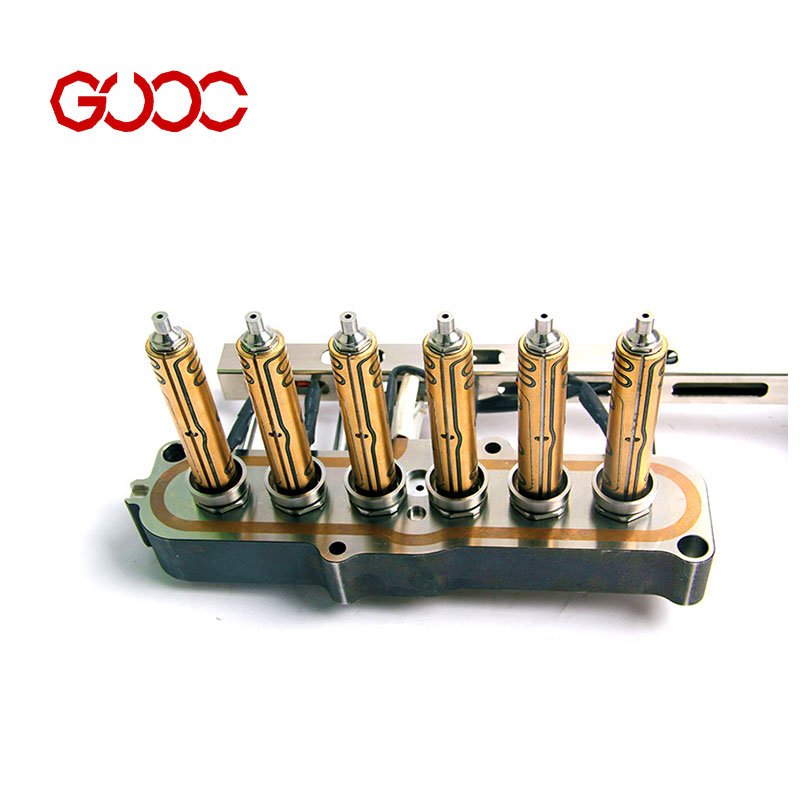
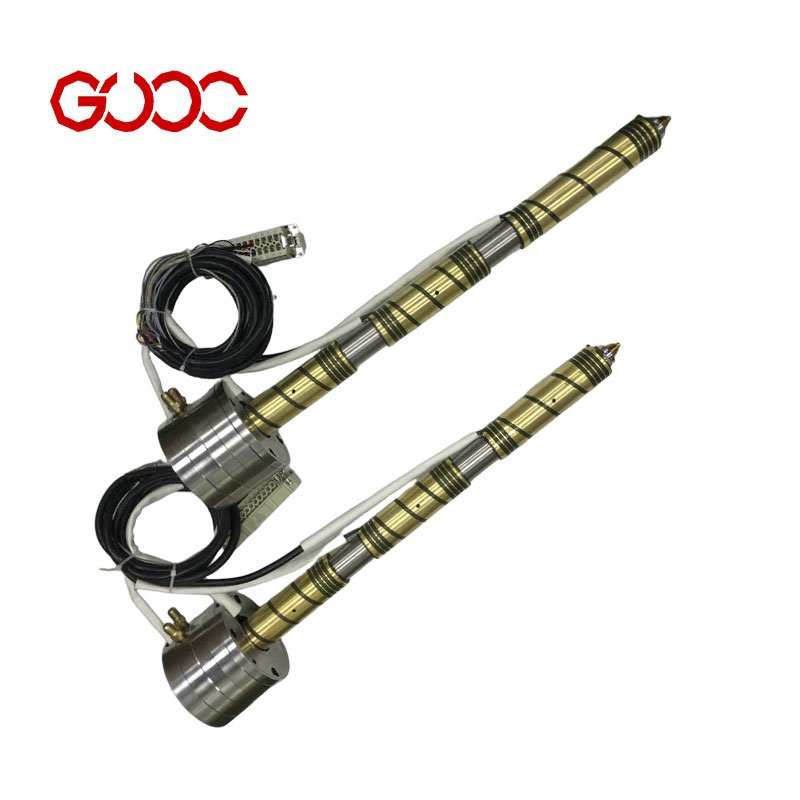
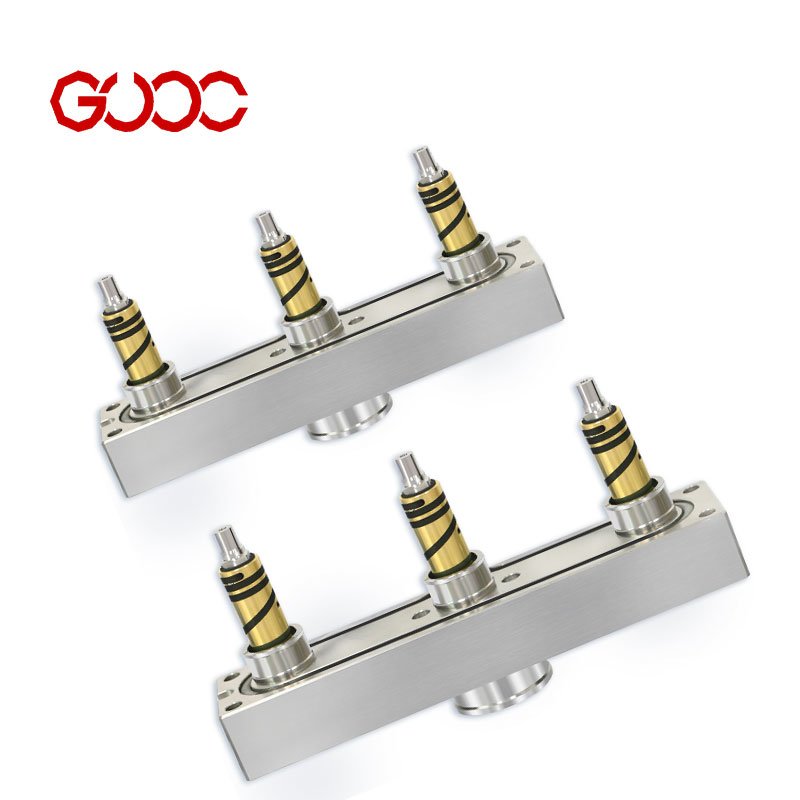
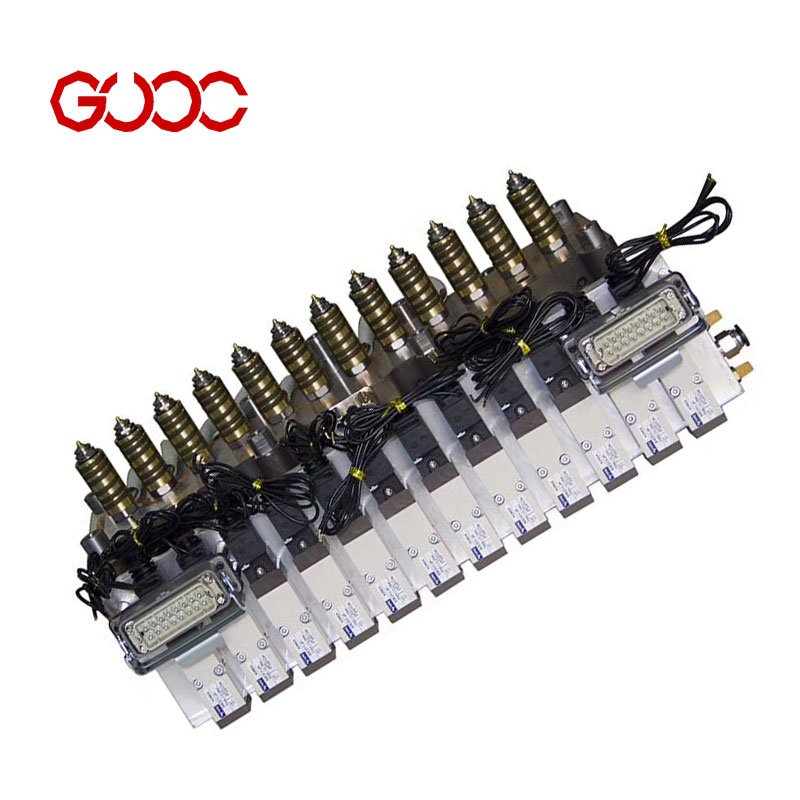



The Fundamental Split: Thermal vs. Valve Gating – Concept and Decision Matrix
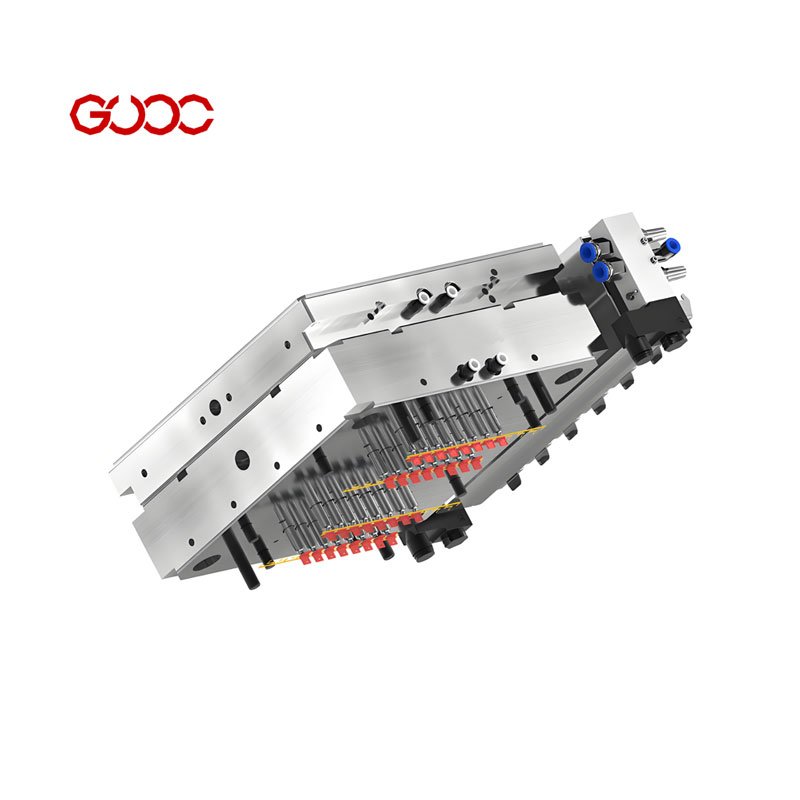
Understanding the division between thermal gating and valve gating is crucial when selecting hot runner gate types. Both systems serve different purposes and fit various molding requirements.
Thermal Gating Overview
- Definition: Thermal gating uses an open nozzle system heated to keep plastic molten as it flows through the gate.
- Operation: The molten resin flows continuously through the hot tip gating area until mold filling is complete.
- Use Cases: Ideal for simpler parts or where gate quality is less critical; commonly seen in sprue gating and torpedo/body tip designs.
- Advantages: Lower initial cost, simpler mechanics, and reliable for high-cycle molding with minimal moving parts.
- Limitations: Can lead to issues such as drooling or stringing due to continuous flow, and less precision in gate vestige control.
Valve Gating Overview
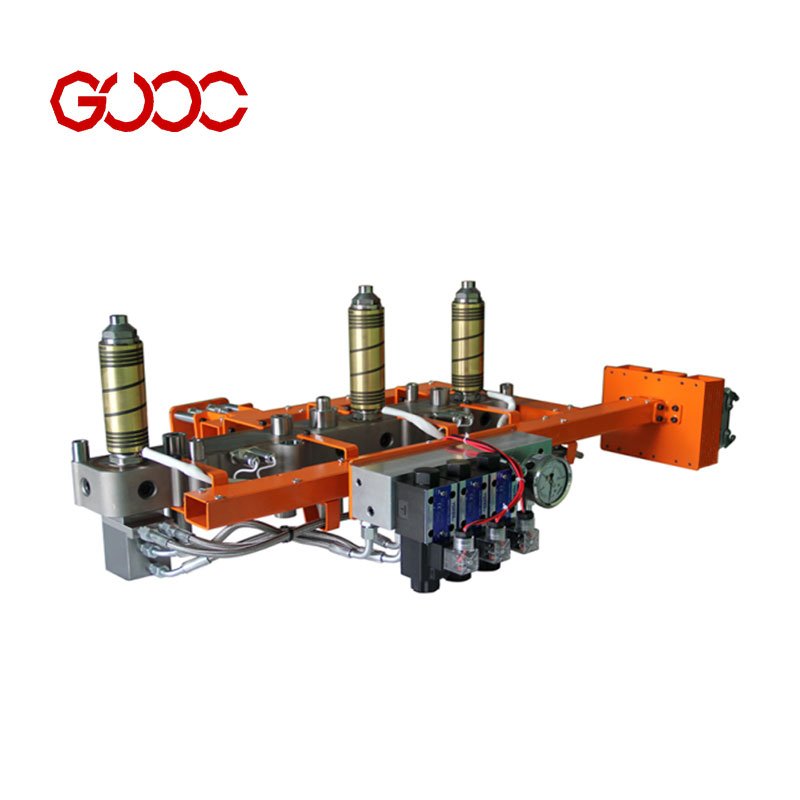
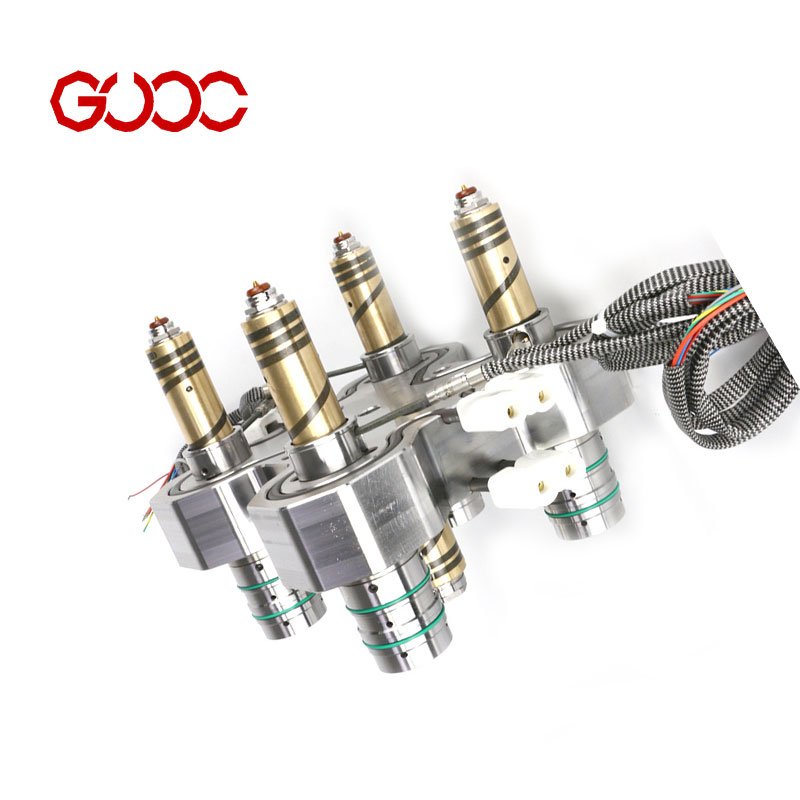
- Definition: Valve gating mechanically controls resin flow through a pin or needle, which opens and closes the gate during injection.
- Operation: The cylindrical valve pin or tapered valve pin ensures precise shot delivery and clean gate cutoff.
- Use Cases: Suitable for applications demanding tight gate vestige control, high aesthetic standards, and complex resin flow management.
- Advantages: Enhanced shot weight consistency, better color change performance, and minimized shear stress on sensitive materials.
- Limitations: Higher complexity with valve gate actuation options (pneumatic, hydraulic, or electric), meaning increased cost and maintenance.
Decision Matrix for Gate Selection
| Criteria | Thermal Gating | Valve Gating |
|---|---|---|
| Cost | Lower upfront | Higher upfront |
| Complexity | Simple | Mechanically complex |
| Gate Quality | Moderate | High |
| Cycle Time Impact | Minimal | Slightly higher |
| Application Range | Standard parts | Precision & aesthetic parts |
| Shear Stress Impact | Higher | Controlled & minimal |
Selecting Between Thermal and Valve Gating
- Prioritize thermal gating when cost-effectiveness and simplicity are key.
- Opt for valve gating when precision gating, clean appearance, and advanced engineering resin flow control are critical.
- Consider production volume and mold maintenance capabilities before deciding.
By grasping these core differences and employing this decision matrix, mold designers can choose the most effective hot runner system gate types for optimal performance and cost efficiency in their injection molding process.
Thermal Gating (Open Systems): Types and Applications
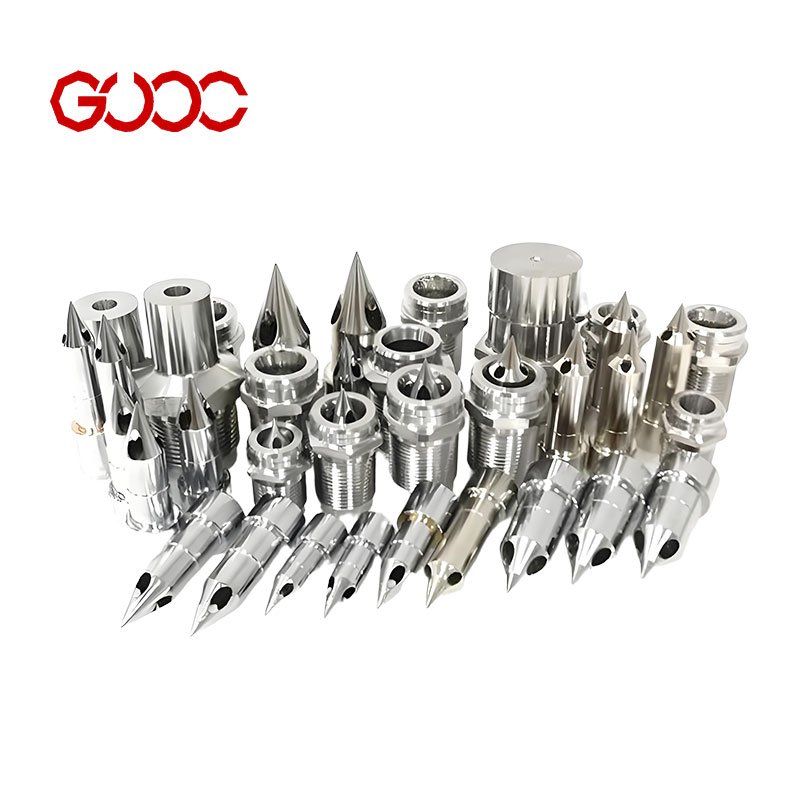
Thermal gating is the classic approach in hot runner systems, relying on open nozzles that stay heated but don’t mechanically close the gate. This type allows molten resin to flow freely into the mold cavity, making it simpler and cost-effective for many applications. Here are the most common thermal gating types we customize:
1. Standard Hot Tip
This is the most widely used thermal gating tip. It sits directly at the gate location and keeps the resin molten until injection. Its main appeal is simplicity and versatility, suitable for various engineering resins. The standard hot tip supports consistent shot weight and reduces the risk of injection molding pressure drop, making it a go-to solution for balanced multi-cavity molds.
2. Sprue Gate (Direct Gating)
Sprue gating incorporates a larger gate size at the mold’s entry point. This approach allows molten material to flow directly into the cavity without intermediaries, optimizing flow for large parts or high shot volumes. While it can lead to more visible gate vestige, it simplifies mold design and reduces cycle time. Sprue gating is often chosen when gate vestige control is less critical than throughput.
3. Torpedo / Body Tip
Sometimes called the body tip, the torpedo gate is designed to extend the flow length inside the hot runner nozzle. This helps with delicate materials sensitive to shear stress and optimizes resin temperature distribution before it reaches the cavity. Torpedo tips are excellent for improving color change performance and reducing gate blush in certain resin types.
Each thermal gating type fits different scenarios. Whether you need quick tool turnaround, simple gate design, or effective control of resin flow and heat, these open systems offer reliable choices. For advanced custom hot runner system designs with tailored thermal gating tips, we offer expertise and manufacturing that meet global standards. Explore more on hot runner system options for specialized solutions.
Valve Gating: Mechanical Shut-off for Accuracy and Clean Finish
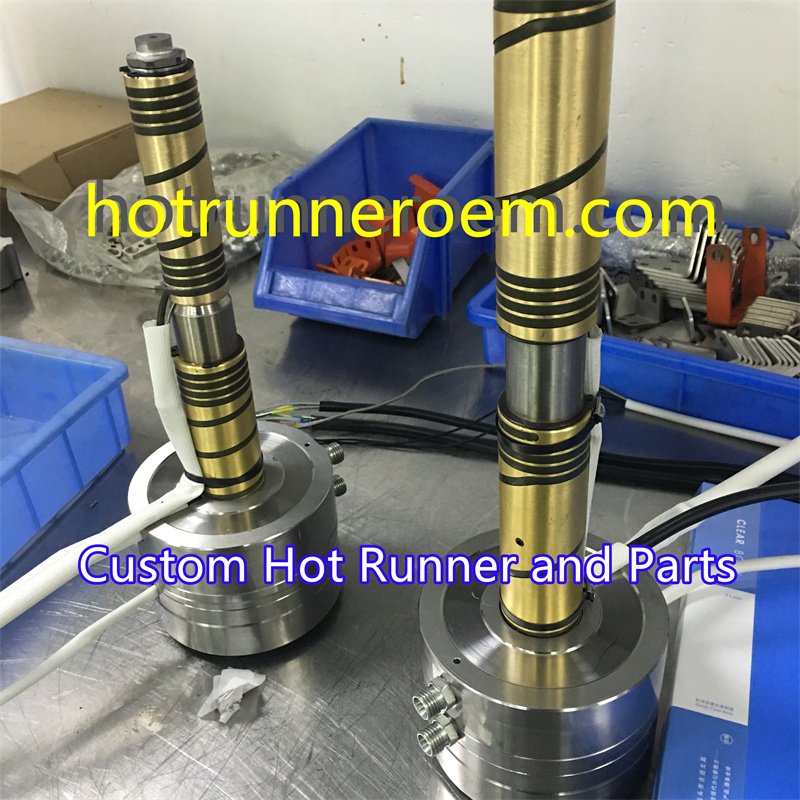
Valve gating systems offer precise control by mechanically opening and closing the gate during injection molding. This approach is especially valued for reducing cosmetic defects and minimizing post-processing. Two common valve gate designs stand out:
- Cylindrical valve gates feature a simple, straight cylindrical pin to regulate resin flow. Their straightforward design provides consistent shut-off and is widely used in general-purpose molds needing reliable gate vestige control.
- Tapered valve gates use a pin with a slight taper to enhance sealing and reduce injection molding pressure drop. This shape improves the gate’s ability to shut cleanly, greatly helping with shot weight consistency and gate cooling requirements.
When it comes to actuation, there are three main methods to drive the valve pin:
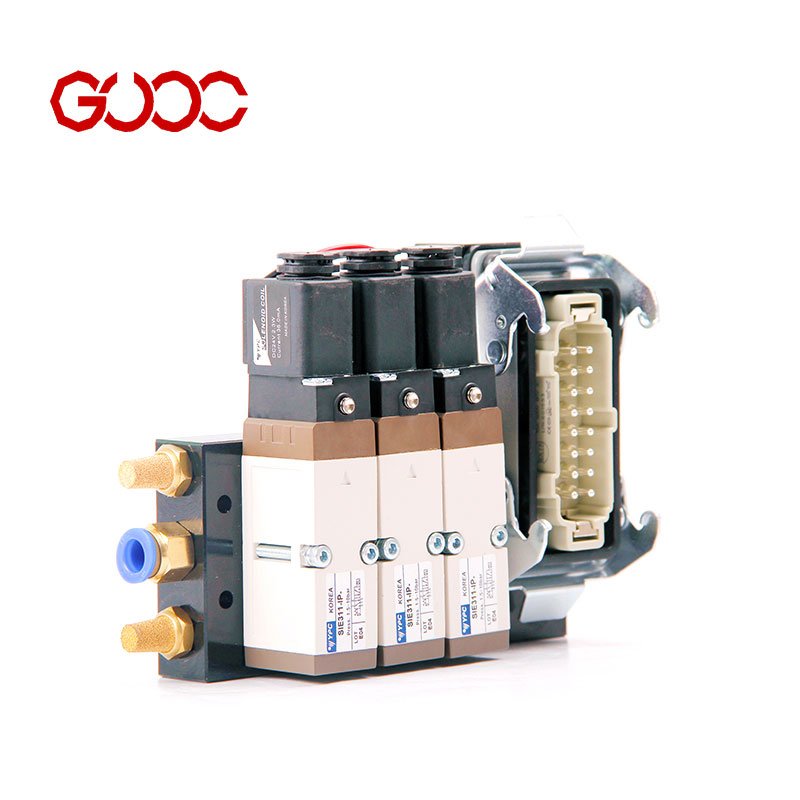
- Pneumatic actuation employs compressed air to move the valve pin, offering quick response and relatively low set-up costs. It fits well with molds that require moderate cycle speeds.
- Hydraulic actuation uses fluid pressure for powerful, smooth movement. This option suits heavy or large molds where consistent, strong valve gate actuation is essential.
- Electric actuation offers precise, programmable control, ideal for high-tech applications demanding repeatable cycle timing and complex gating sequences.
Each actuation type plays a valuable role depending on mold size, cycle requirements, and automation. Choosing between cylindrical and tapered valve gates with the right actuation can greatly enhance injection molding quality, reducing defects such as gate bloom or vestige protrusion, while ensuring smooth resin flow. For those interested, integrating advanced components like hot runner temperature controllers can improve thermal management within valve gating setups, further boosting performance.
Specialized Gating Configurations: Side Gating and Multi-Tip Nozzles
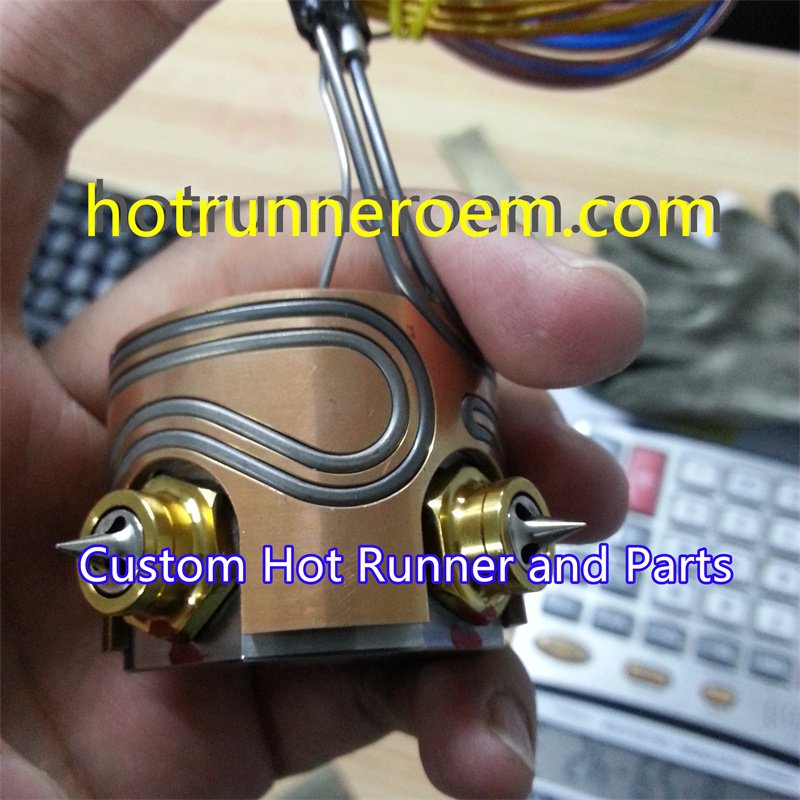
When standard gate positions don’t fit the mold design or part requirements, specialized gating configurations like side gating and multi-tip nozzles come into play. These setups offer flexibility in flow control, balance, and quality—perfect for complex molds or specific part geometries.
Side / Edge Gating Solutions
Side gating places the gate along the edge of the cavity instead of the usual front or center. This method is especially useful for parts needing minimal gate vestige visibility or delicate areas sensitive to shear stress. It also helps in reducing injection molding pressure drop by optimizing resin flow along the part’s side, which improves shot weight consistency in multi-cavity molds. Side gating often requires careful gate vestige control to avoid noticeable marks on the finished product while maintaining smooth filling, making it popular for aesthetic or functional parts.
Multi-Tip Nozzles for Balanced Flow
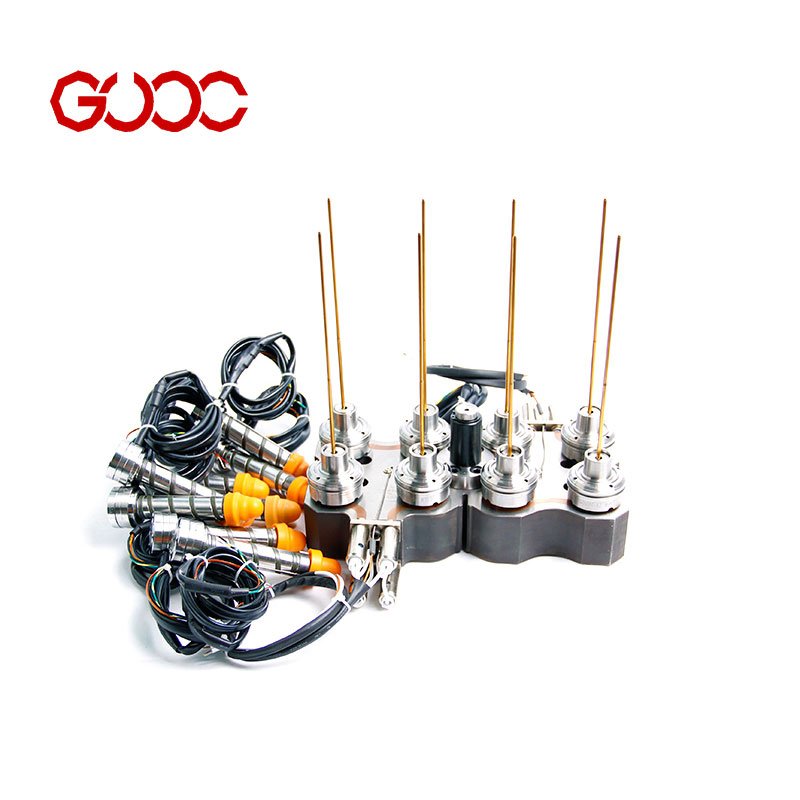
Multi-tip nozzles deliver molten resin into several points simultaneously. This configuration is designed for multi-cavity mold setups requiring uniform filling and balanced flow. Each tip acts like a mini hot tip gating outlet, reducing pressure variations and ensuring consistent shot weight across cavities. Multi-tip nozzles also enhance color change optimization by minimizing residual material in runners, which is critical for high-quality surface finishes. For injection molding setups needing precise resin distribution, this is a go-to choice.
Specialized gating configurations require attention to gate cooling requirements and actuation precision for valve gates, if integrated. Exploring the right gating type between side gating and multi-tip nozzles can greatly influence product quality and cycle times.
For more on nozzle options and hot tip gating innovations, you can check our detailed resources on hot runner nozzle and nozzle tips to find designs matching specialized gating needs.
Engineering Considerations for Gate Selection: Vestige, Stress & Color Change
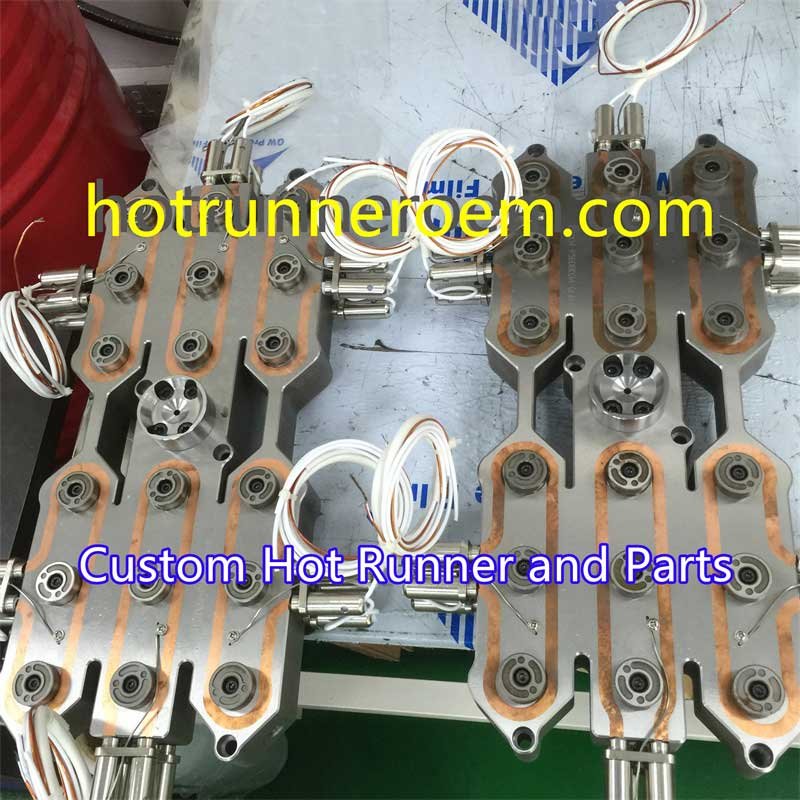
When selecting hot runner gate types, it\’s crucial to factor in engineering challenges like gate vestige control, shear stress on the material, and how well the system handles color changes.
Gate Vestige Analysis
Gate vestige—the leftover mark after the gate separates from the molded part—can affect both function and appearance. Minimizing gate vestige is essential for high-end plastic components where surface finish is a priority. Different gating types like thermal gating tips or valve gate actuation systems influence the size and shape of vestiges, so balancing the gate design to reduce marks without compromising flow is key.
Shear Stress & Material Sensitivity
High shear stress around the gate area can degrade sensitive materials, especially engineering resins that are prone to thermal or mechanical breakdown. Open nozzle systems with hot tip gating allow smoother flow and lower injection molding pressure drop, reducing stress on the polymer. Valve gates, while offering precision, need careful tuning of actuation methods—whether pneumatic, hydraulic, or electric—to avoid excessive shear that could cause weak spots or whitening.
Color Change Performance
Quick, clean color changes require gate solutions that minimize residual material in the runner. Side gating solutions and multi-tip nozzles may complicate color purging, so selecting gate types compatible with efficient gate cooling requirements and strategic runner design ensures better shot weight consistency and less contamination. Optimizing gate geometry aids in faster color clearance, cutting downtime and improving overall production reliability.
For customized hot runner system designs focusing on gate engineering, balancing flow dynamics and material integrity is crucial. Explore our hot runner mold solutions to see how tailored gate types enhance part quality and processing efficiency.
Troubleshooting Common Gating Defects: Stringing, Bloom, and Vestige Issues
Even with the best hot runner systems, gating defects can occur, impacting part quality and consistency. Being aware of common issues like stringing/drooling, gate bloom/blush, and vestige protrusion helps us quickly pinpoint problems and optimize the hot runner gate types and process parameters.
Stringing or Drooling
- Typically caused by excessive melt pressure or temperature, especially in open nozzle systems like thermal gating tips.
- Results in fine strings of molten resin stretching from the gate, leading to cleanup and aesthetic issues.
- To fix this, adjust injection molding pressure drop and check gate cooling requirements to solidify resin faster at the gate.
Gate Bloom or Blush
- A surface defect near the gate, usually from rapid cooling or trapped air, common with sprue gating and side gating solutions.
- It shows as a whitening or cloudy effect around the gate area.
- Optimize mold temperature and balance multi-cavity mold flow to reduce this effect.
Vestige Protrusion
- Refers to unwanted gate remnants on the finished part, affecting gate vestige control and surface finish.
- Valve gating types, especially with cylindrical valve pins or tapered valve gates, help minimize vestige by providing cleaner shut-off.
- Monitoring shear stress and material sensitivity during selection enhances shot weight consistency, reducing vestige size.
Understanding these defects and linking them with specific gate types and actuation methods improves overall part aesthetics and performance. For detailed component solutions, explore our range of hot runner parts designed to solve gating challenges efficiently.
 English
  Spanish
  French
  Portuguese
  Italian