 Skip to content
Key Components of a Hot Runner System
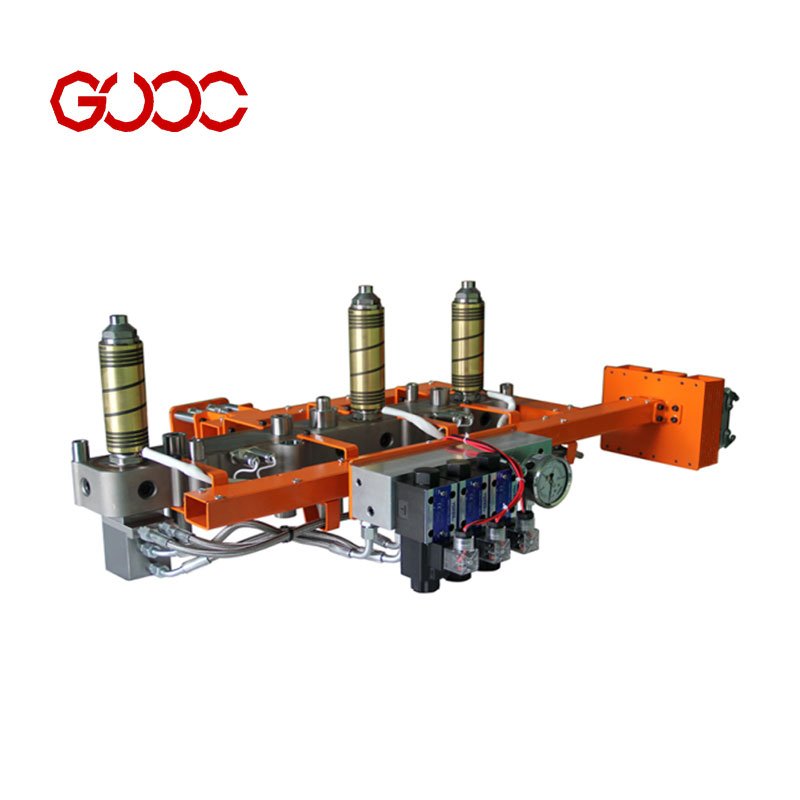
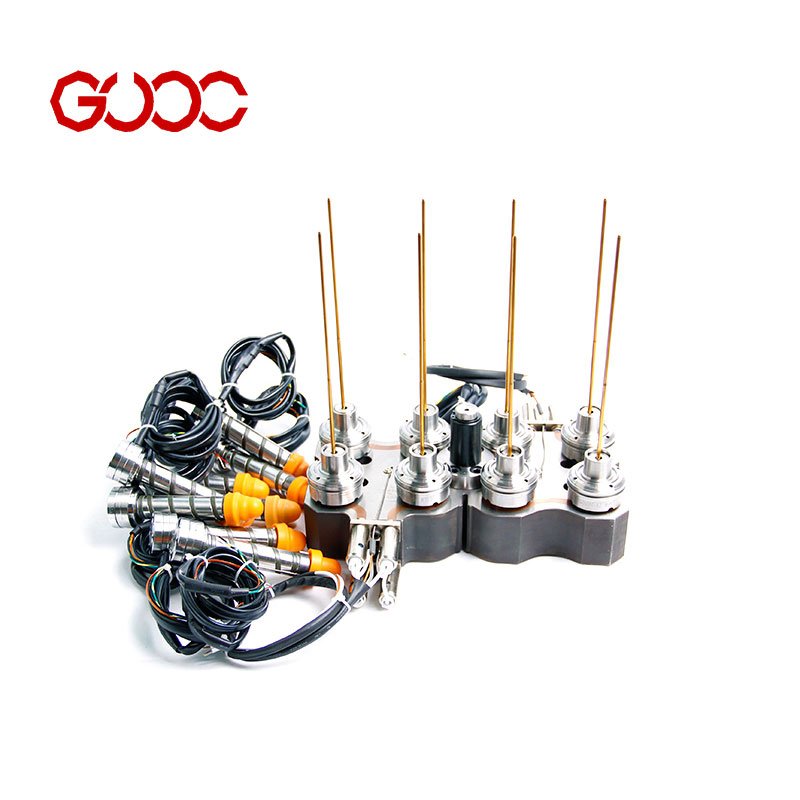
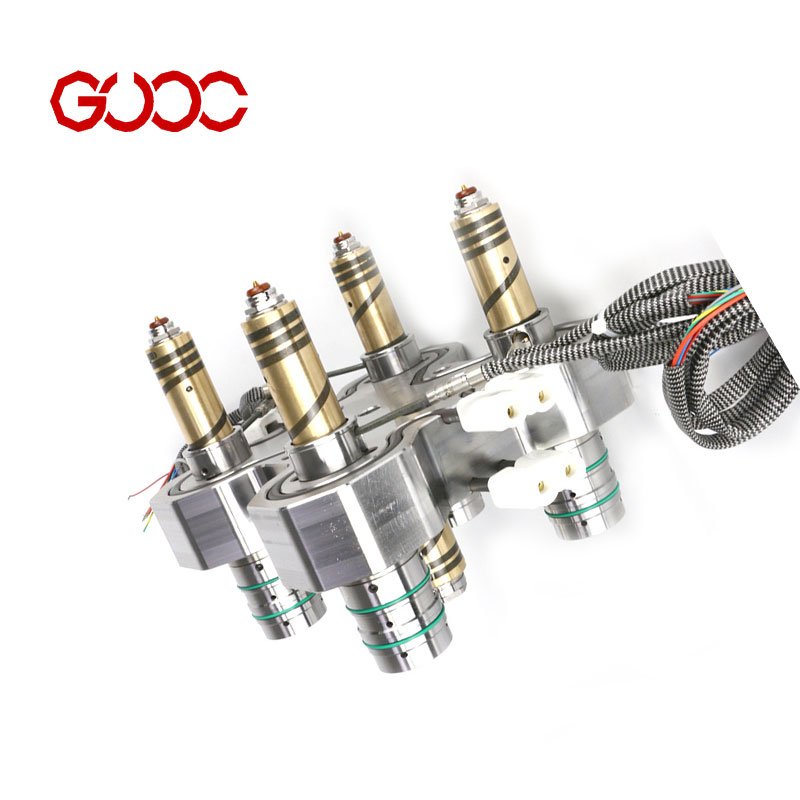
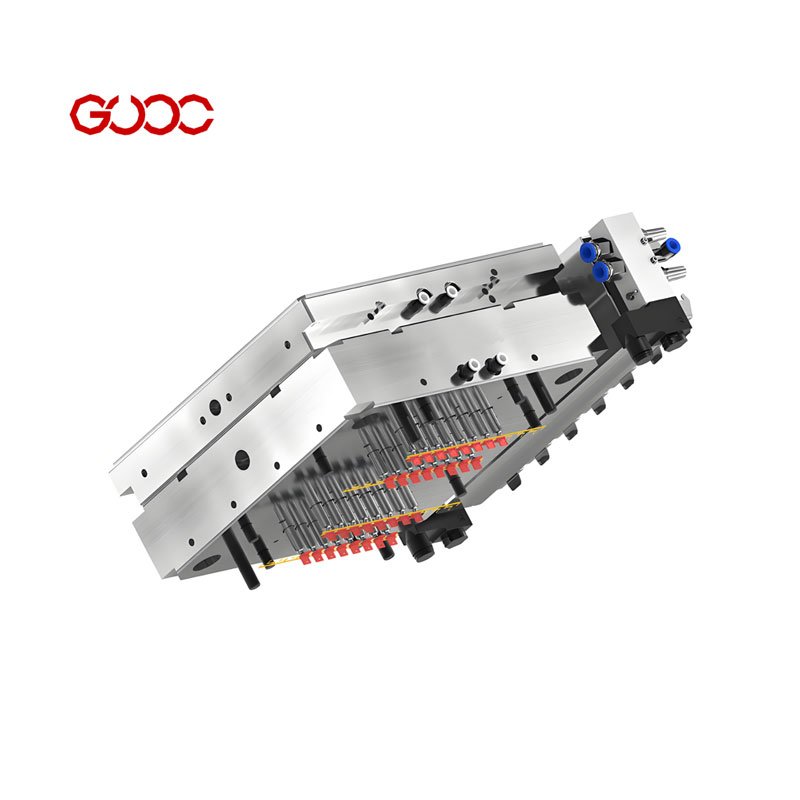
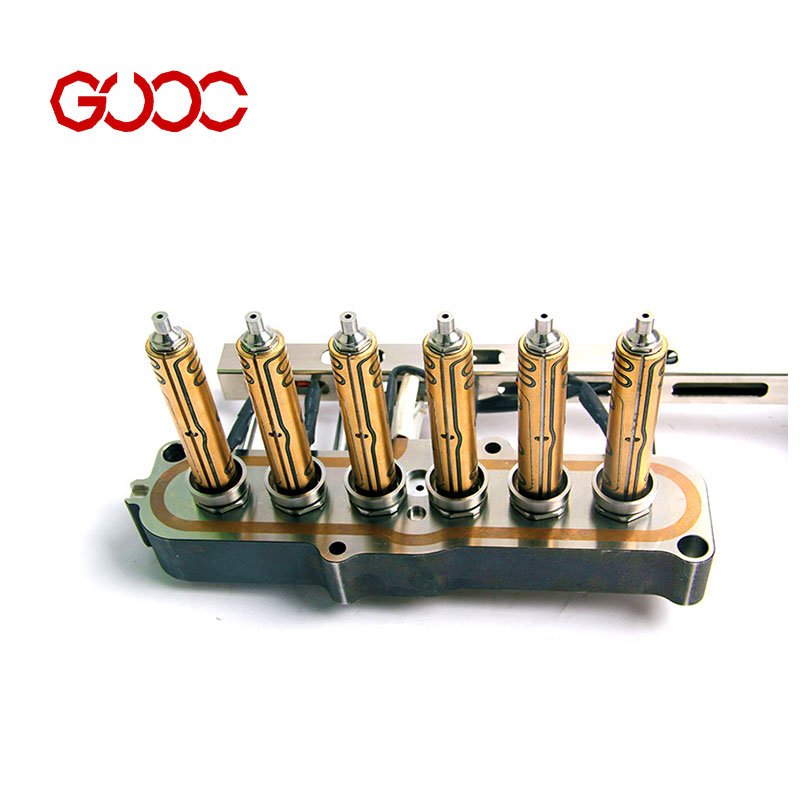
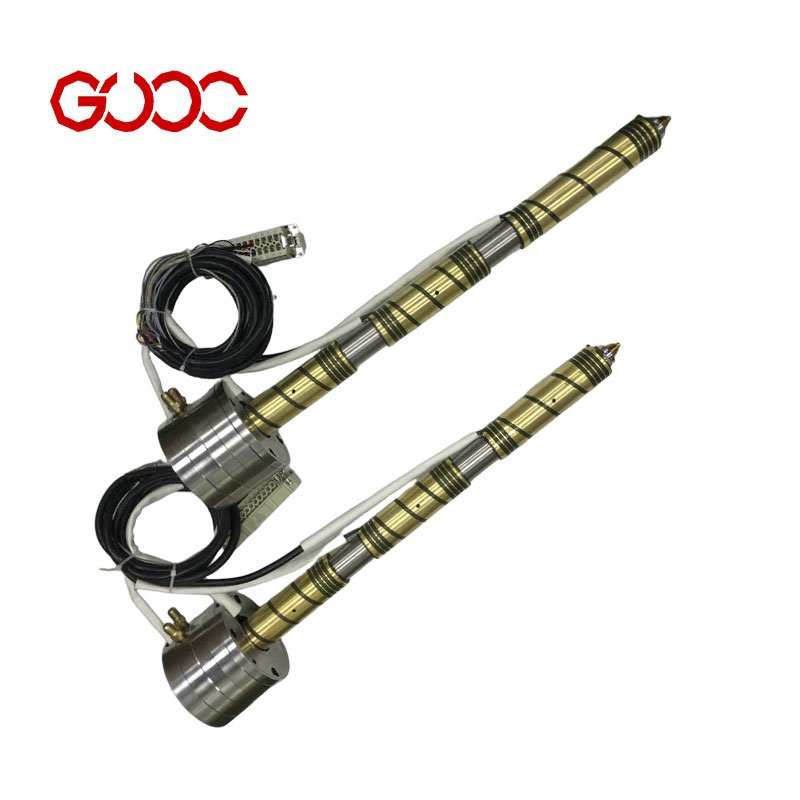
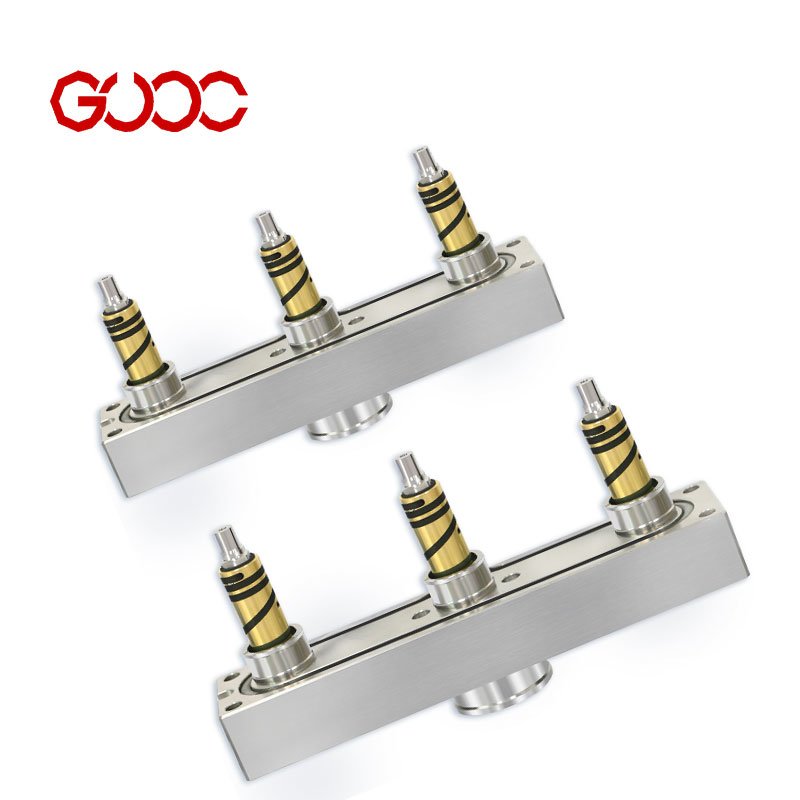
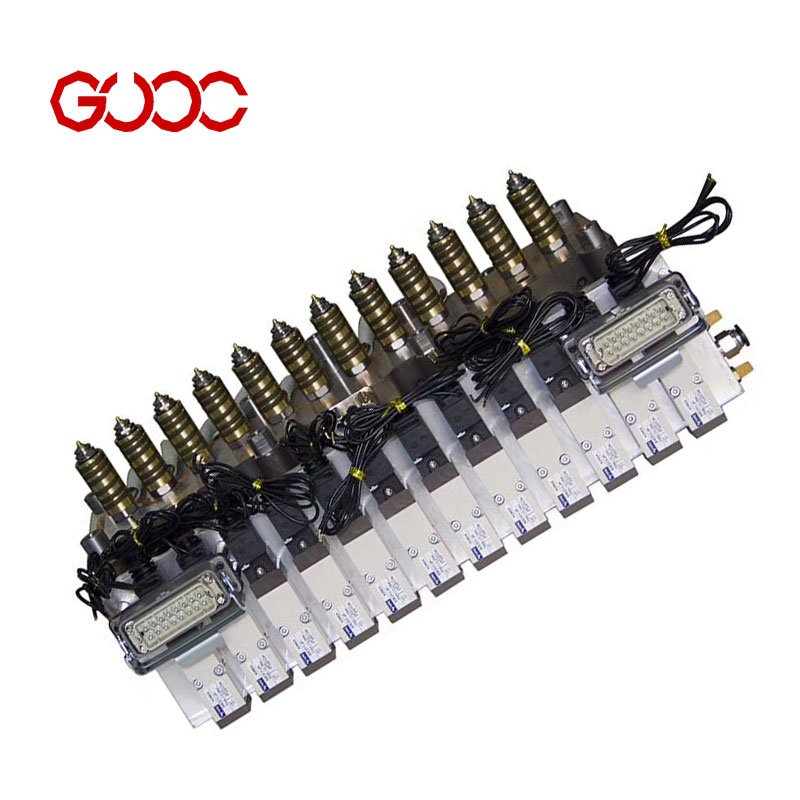
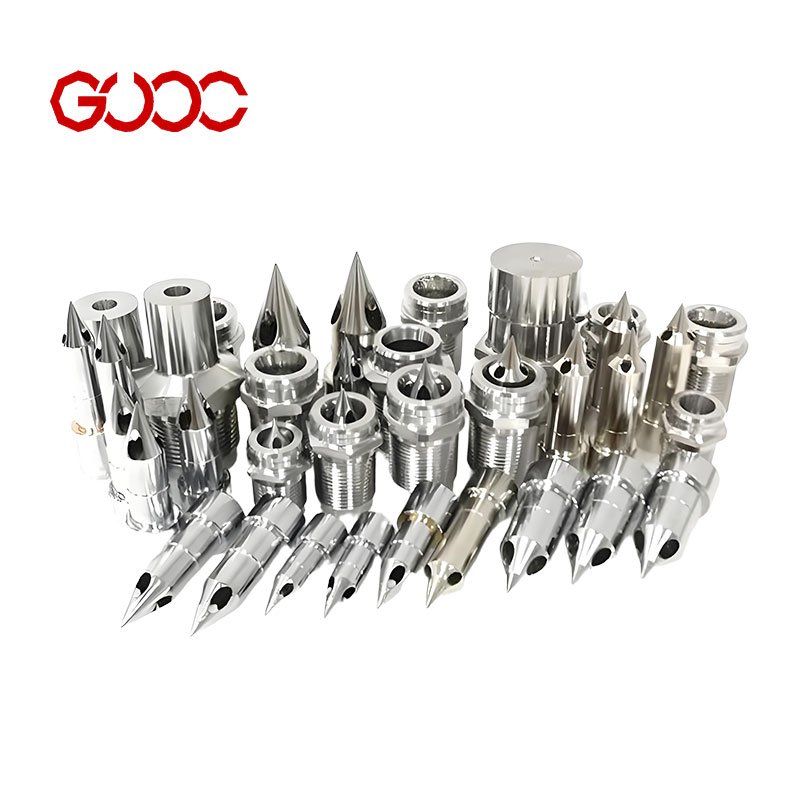
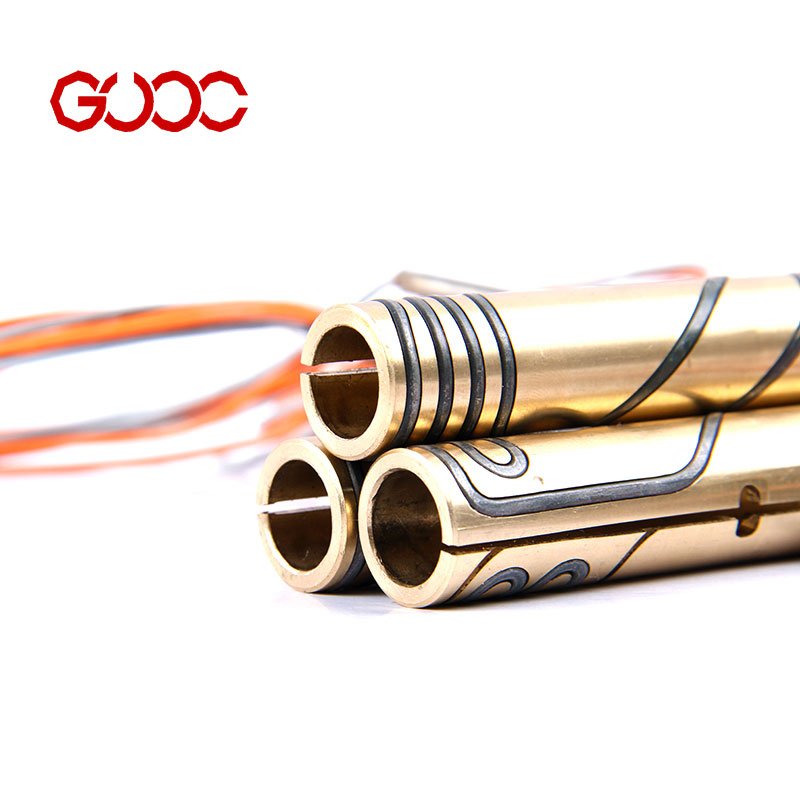
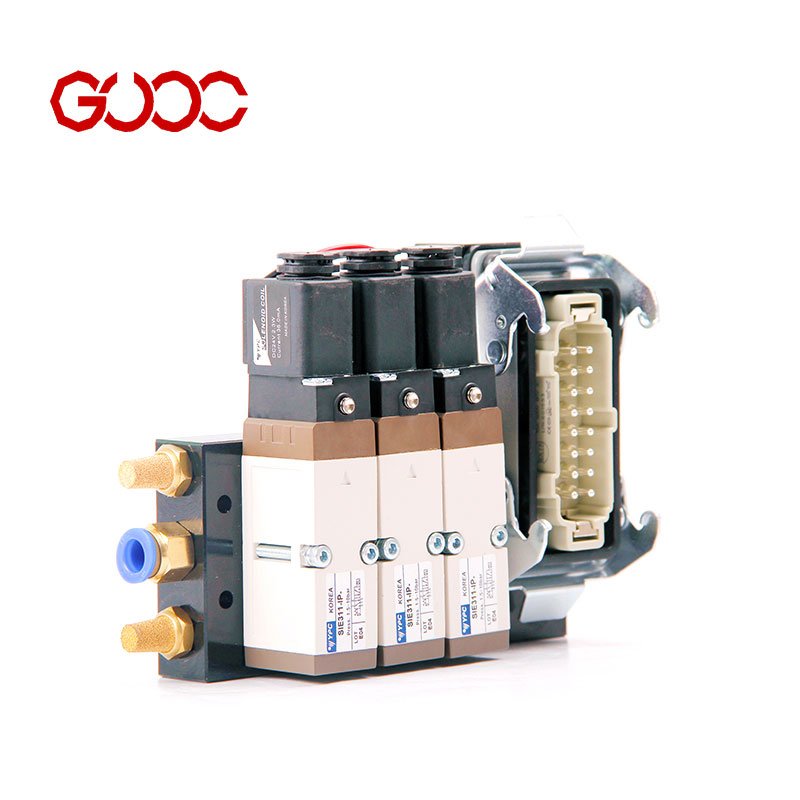
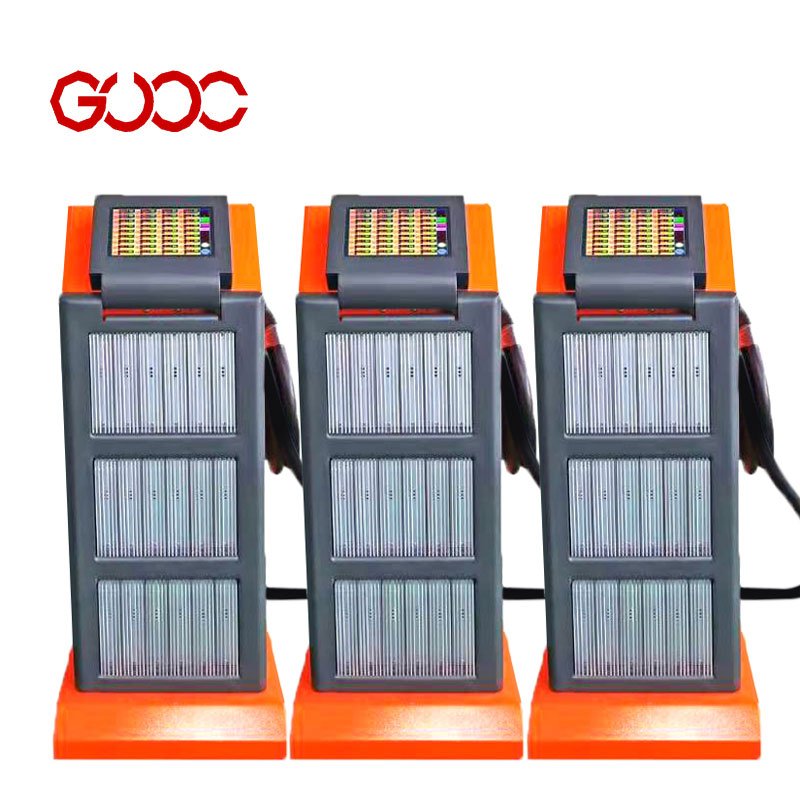
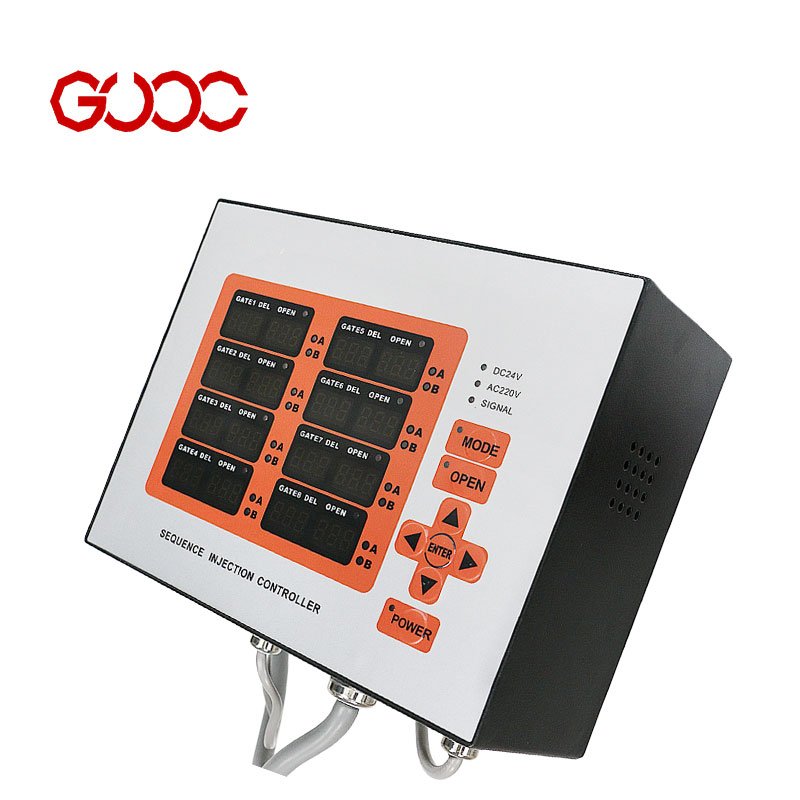
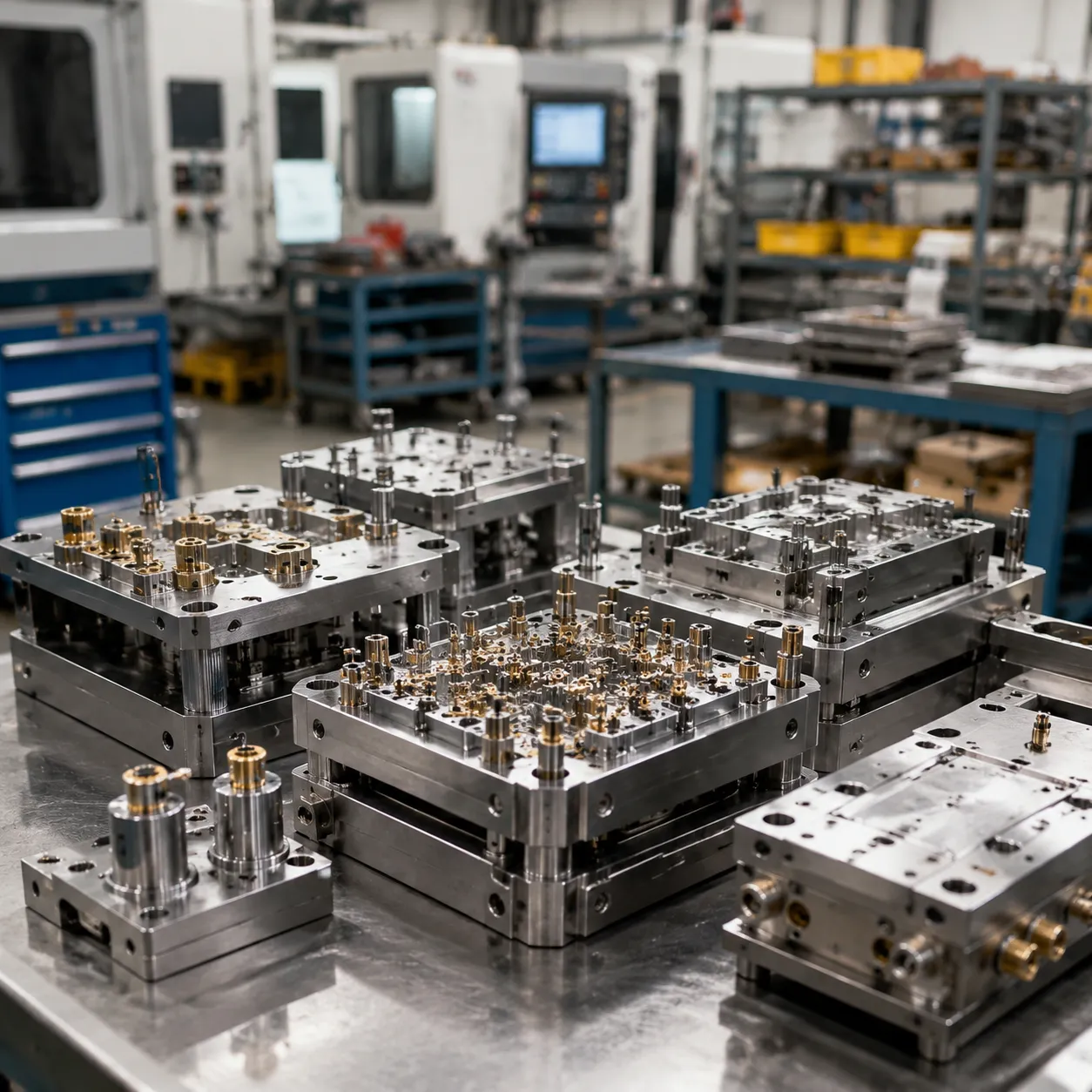
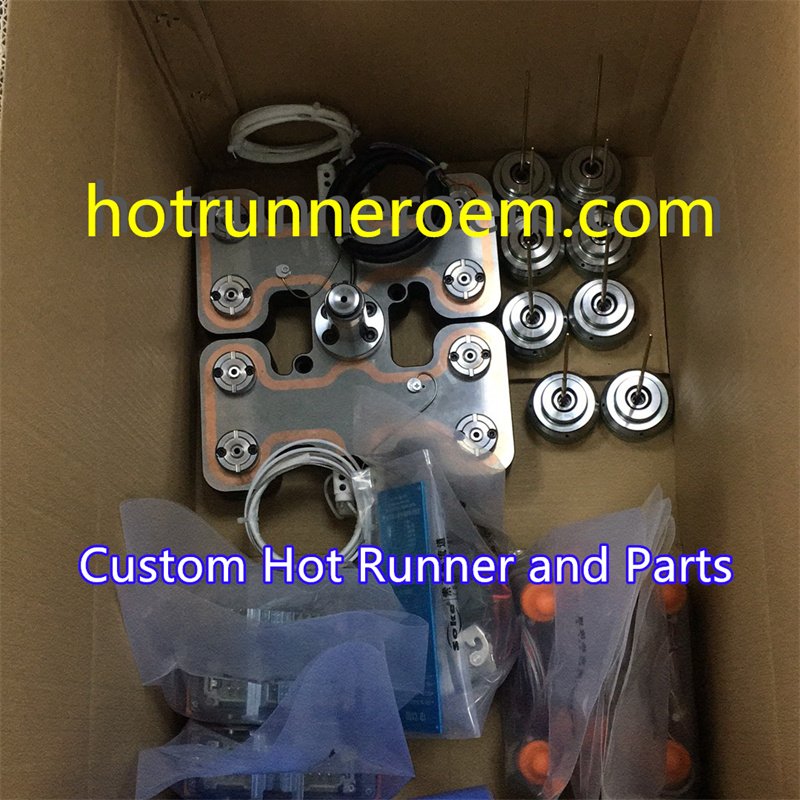
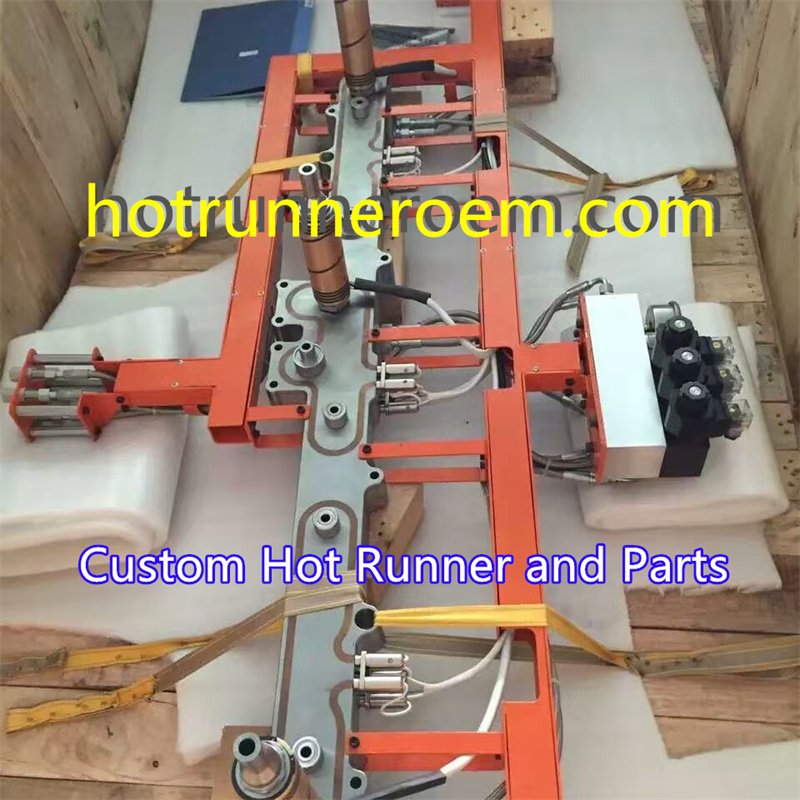
A hot runner system is essential for efficient injection molding, ensuring molten plastic flows smoothly into mold cavities. Its main components include manifolds, nozzles, and temperature controllers, each playing a vital role in maintaining quality and productivity.
Manifolds
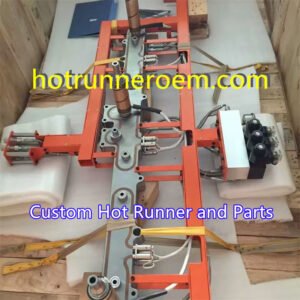
The manifold is the central part of the hot runner system, distributing molten plastic evenly to multiple mold cavities. It acts as a routing hub, containing channels that connect to heated nozzles. A well-designed manifold layout helps optimize flow, reduce pressure, and minimize cycle times, making it a key factor in controlling the overall injection molding process.
Nozzles and Drops
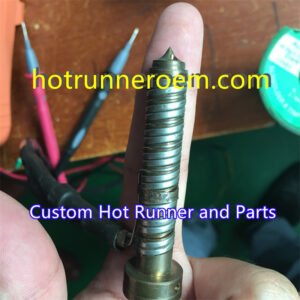
Heated nozzles are responsible for delivering molten plastic from the manifold into the mold cavities. They are designed to withstand high temperatures and pressure, ensuring a consistent flow. Nozzles can be customized with multiple drops to match mold cavity configurations, allowing for precise control over the injection process and reducing waste.
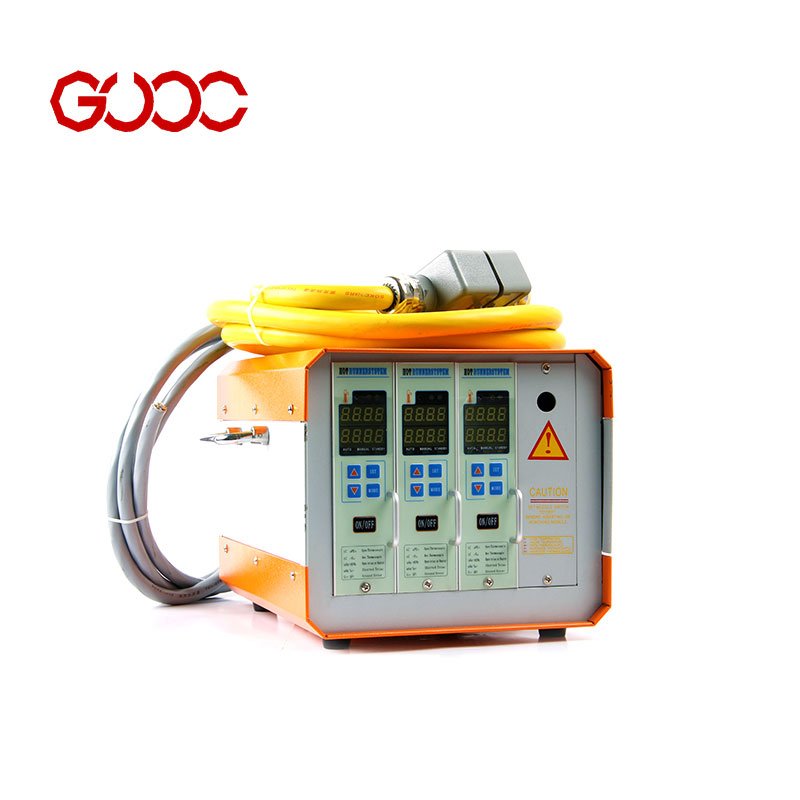
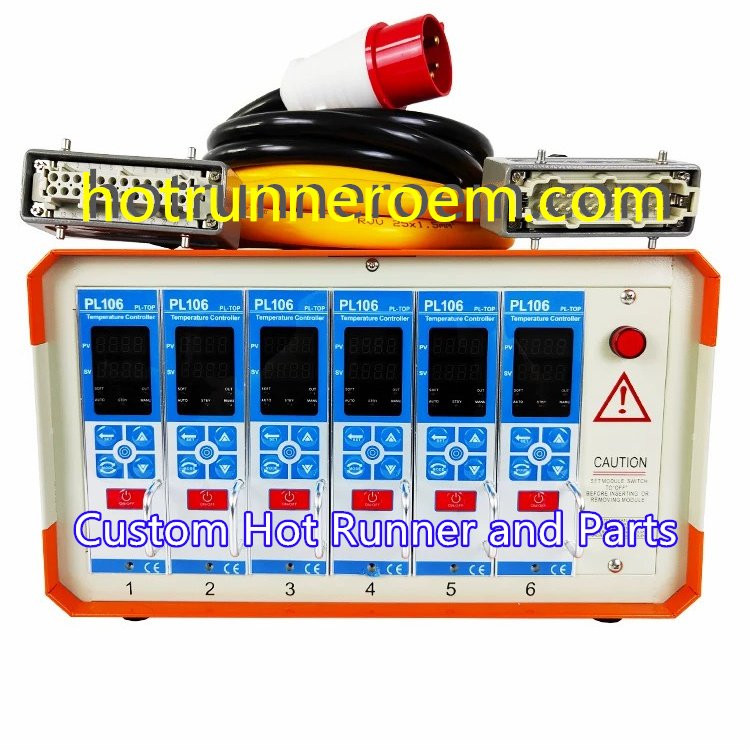
Temperature Controllers
Temperature controllers regulate the heat of the hot runner components, including manifolds and nozzles. Precise temperature management is crucial to prevent defects like warping or incomplete filling. Advanced controllers ensure stable operation, improve part quality, and extend the lifespan of the hot runner system, making them a core part of any injection molding setup.
Types of Hot Runner Systems and Gating Options
When I look at a Hot Runner MOQ request, the gate style is one of the first things that shapes the order. The two main choices are open gating and valve gating. Both are used in injection molding projects, and both can be built into custom hot runner systems based on the mold structure, cavity count, and production needs.
I keep the decision simple: match the gate type to the part, the plastic injection mold, and the expected production volume.
Open Gating vs. Valve Gating
| Option | Simple Use Case | Main Point |
|---|---|---|
| Open Gating | Straightforward mold setups | Direct flow through the hot runner system |
| Valve Gating | Projects that need tighter control | Uses a controlled gate action for more precise filling |
Open Gating
Open gating is a common choice when the mold setup is simple and the flow path needs to stay direct. It works well in many hot runner system layouts where the goal is stable feeding of molten plastic into the cavity.
Good fit for:
– Simpler mold designs
– Standard hot runner layouts
– Projects where setup needs to stay practical
Valve Gating
Valve gating is another standard option in a hot runner system manufacturer setup. It is selected when the process needs more control over how material enters the cavity.
Good fit for:
– More controlled molding needs
– Custom projects with specific filling goals
– Systems where gating behavior matters more
Quick Selection Points
- Open gate: simpler, more direct, easier to keep practical
- Valve gate: more controlled, better for tighter process needs
- MOQ impact: custom gate design can affect tooling cost and order planning
- Supplier choice: I prefer a supplier that can handle both manifold layout and custom heated nozzles
For a deeper look at gate styles, I keep a separate guide on hot runner gate types.
Advantages and Disadvantages of Hot Runner MOQ Technology
I keep this simple: a hot runner system helps move molten plastic into the mold with less waste and better flow control, but it also adds upfront cost and needs regular care. For a plastic injection mold, the real trade-off is always between faster output and higher tooling cost.
Benefits: Reduced Waste and Faster Cycle Times
Hot runner setups are a strong fit when production volume matters. Because the runner stays heated, there is less scrap than a cold runner system, and the cycle can stay tight.
| Benefit | What it means in practice |
|---|---|
| Less waste | Less solid runner material to trim or discard |
| Faster cycle times | Molten plastic flows directly through heated nozzles |
| Better flow balance | Useful for multi-cavity molds and stable manifold layout |
| Cleaner output | Helps when part appearance and consistency matter |
- Lower material loss: useful when resin cost is a concern.
- Stable production: helps keep injection molding runs more consistent.
- Good for scale: better suited to repeat orders and higher output.
Drawbacks: Higher Tooling Cost and Maintenance
The main downside is cost. A hot runner system usually needs more setup, tighter control, and more attention to parts like the manifold, heated nozzles, and temperature controller. I also factor in sourcing and support early, since details like hot runner system temperature controller cost can change the total budget fast.
| Drawback | Why it matters |
|---|---|
| Higher tooling cost | Upfront investment is usually higher than a cold runner system |
| More maintenance | Heating parts and controls need regular checks |
| More design control | Mold cavities, gate type, and layout must be planned carefully |
| Repair planning | Replacement parts and service support should be clear before production |
For buyers comparing options, I treat the choice as a balance: if the goal is lower MOQ and short-run testing, cost control matters more; if the goal is steady production volume, the efficiency gain can justify the system. When I review suppliers, I also look at hot runner system suppliers that can support both custom builds and long-term maintenance.
Hot Runner vs. Cold Runner Systems
When I compare these two systems, I start with total cost per good part. A hot runner keeps molten plastic moving through heated nozzles and a manifold layout, so there is no solid runner to cut off. A cold runner is simpler to start, but it adds runner waste and more handling.
Cost and Efficiency Comparison
| Item | Hot Runner | Cold Runner |
|---|---|---|
| Upfront tooling cost | Higher | Lower |
| Material waste | Low | Higher |
| Production flow | Smoother for steady injection molding | More trimming and runner removal |
| Maintenance | Needs temperature control and care | Usually simpler |
- Hot runner: better when I want less waste and cleaner output.
- Cold runner: better when the minimum order quantity is low and tooling cost has to stay tight.
- Best fit: hot runner often makes more sense as production volume grows.
Production Volume and Part Quality Differences
For smaller jobs, a cold runner can look cheaper on paper. But once the order size rises, hot runner usually becomes the stronger choice because it supports repeatable filling across mold cavities and reduces extra trimming work.
Part quality also shifts. With a hot runner, the flow path stays heated, so the part usually comes out cleaner and more consistent. That matters for multi-cavity plastic injection mold projects, where balance and repeatability are critical.
I also keep hot runner spare parts in mind during planning, because maintenance support is part of the real cost. For the right production volume, hot runner gives a better long-term balance between tooling cost, material use, and output quality.
Applications of Hot Runner Injection Molding
Automotive Components
Hot runner systems are widely used in manufacturing automotive parts like fenders, dashboards, and connectors. Their ability to produce high-quality, precise parts with minimal waste makes them ideal for complex mold cavities in vehicles. Using hot runners helps automotive manufacturers achieve faster cycle times and consistent part quality, critical for high-volume production. Many OEMs rely on hot runner injection molding to meet strict standards and reduce scrap, making it a cost-effective solution for automotive applications.
Medical Devices and Packaging
In the medical field, hot runner injection molding ensures the production of sterile, high-precision medical devices and packaging components. The technology supports the manufacturing of small, intricate parts like syringes, caps, and tubing connectors with excellent surface finish and tight tolerances. For packaging, hot runners enable the quick, clean production of containers and closures, essential for maintaining hygiene and safety standards. The ability to produce consistent quality at high volumes makes hot runner systems a top choice in this sector.
Consumer Goods and Electronics
Consumer electronics and household goods benefit from hot runner injection molding through improved part quality and reduced cycle times. Hot runners allow for the efficient molding of complex shapes such as remote controls, phone cases, and appliance components. Their precision and ability to minimize waste help manufacturers keep costs down while maintaining high standards. As demand for innovative, lightweight, and durable products grows, hot runner systems are increasingly vital for producing high-quality consumer and electronic parts efficiently.
Hot Runner Sourcing and MOQ Considerations
For Hot Runner MOQ, I keep the order process flexible. I support sample orders for testing and wholesale orders for larger runs, so buyers do not have to lock into a rigid minimum order quantity. That matters when you are checking fit, resin flow, or the right setup for a plastic injection mold.
Factors Influencing Hot Runner Minimum Order Quantities (MOQ)
The minimum order quantity usually depends on how custom the job is. A simple replacement part is different from a full OEM system with custom manifold layout, heated nozzles, and controller matching.
- System type: valve gate, open gate, assembled hot runner, or integrated systems
- Mold cavities: more cavities usually mean more parts and more setup work
- Customization level: custom sizing, drop count, and integrated control needs
- Testing needs: DFM review, mold analysis, and inspection time
- Order size: sample units can move faster than full production volume
For buyers comparing China hot runner suppliers, I always recommend checking whether the supplier can handle both low-volume samples and stable production without changing the process.
Balancing Custom Mold Costs with Production Volume
Custom hot runner work should match your production volume. If the run is small, it makes more sense to start with a sample or short batch. If the project is large, the tooling cost is spread across more parts, which makes the setup easier to justify.
| Order Type | Best Fit | Main Focus |
|---|---|---|
| Sample Order | Testing and fit check | Fast validation, lower commitment |
| Production Order | Ongoing manufacturing | Stable output, lower cost per part over volume |
I also keep the process practical: plastic mold analysis, 2D dimension design, 3D model design, CNC machining, assembly inspection, and final shipment. For a custom hot runner mold, that workflow helps control both cost and lead time.
Selecting the Right Hot Runner Supplier
The right supplier should be able to handle custom OEM work, protect drawings with an NDA, and support fast quoting. I look for a hot runner system manufacturer that can provide real-time DFM feedback, clear inspection, and stable delivery for both small orders and higher production volume.
- Flexible ordering: samples or wholesale orders
- Fast response: DFM quotes within 12–24 hours
- Lead time: samples in about 10 days, production in 10–25 days depending on quantity
- Quality control: 100% final lot inspection before shipment
- Support: engineering help available 24/7/365
That is the standard I use for Hot Runner MOQ decisions: keep it flexible, keep it precise, and keep the order path clear from drawing review to delivery.
 English
  Spanish
  French
  Portuguese
  Italian