 Skip to content
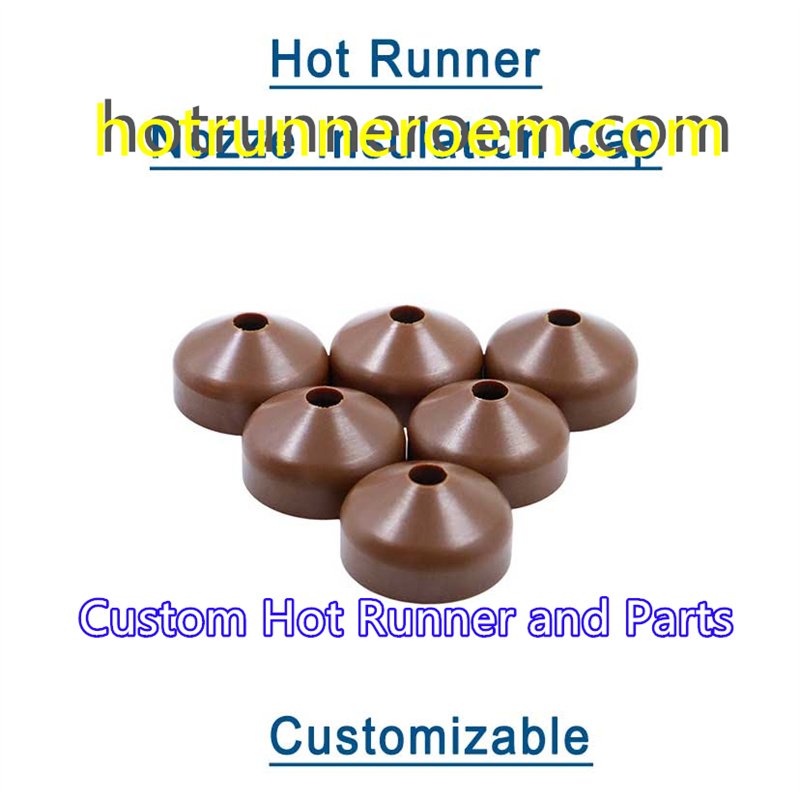
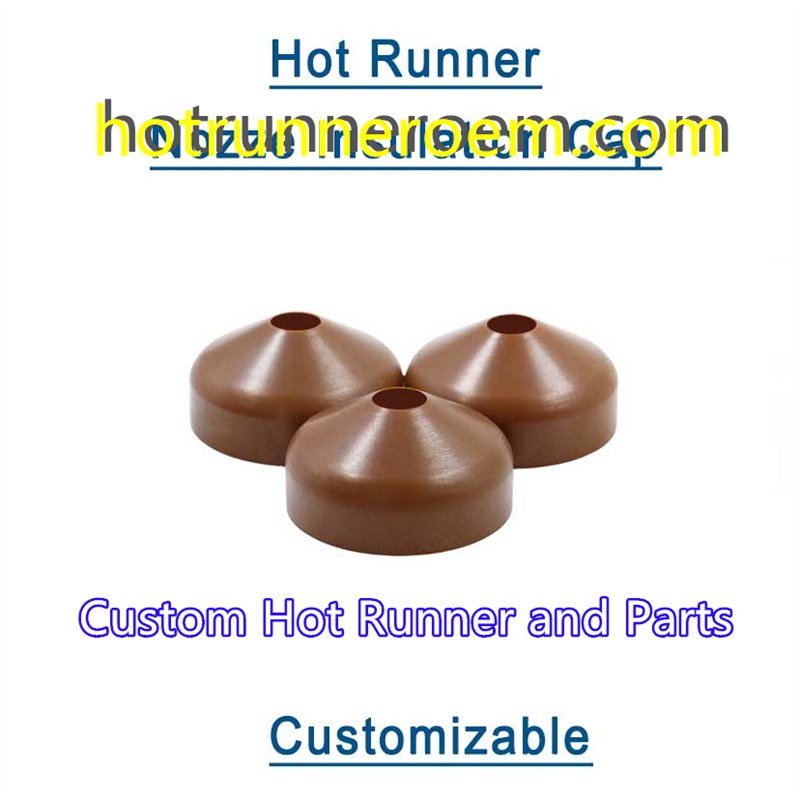
What Is a Hot Runner Insulator Cap?
Definition and Role in Injection Molding
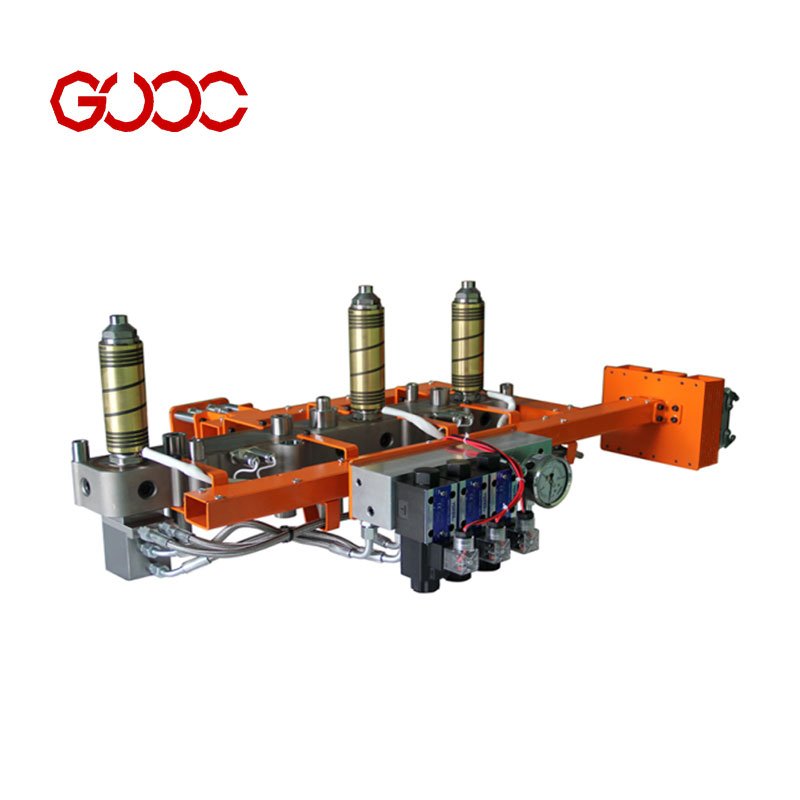
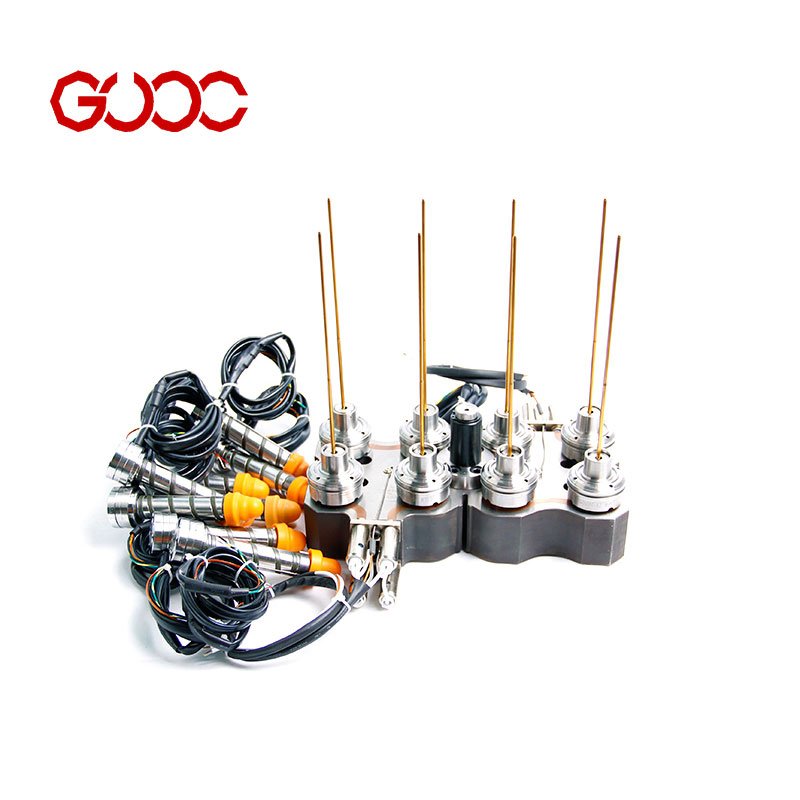
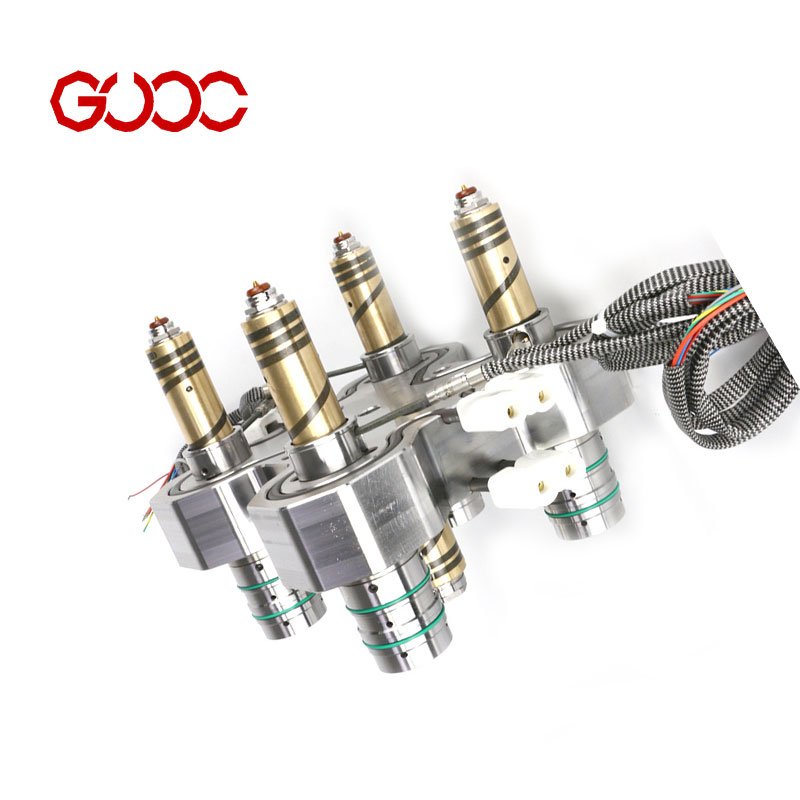
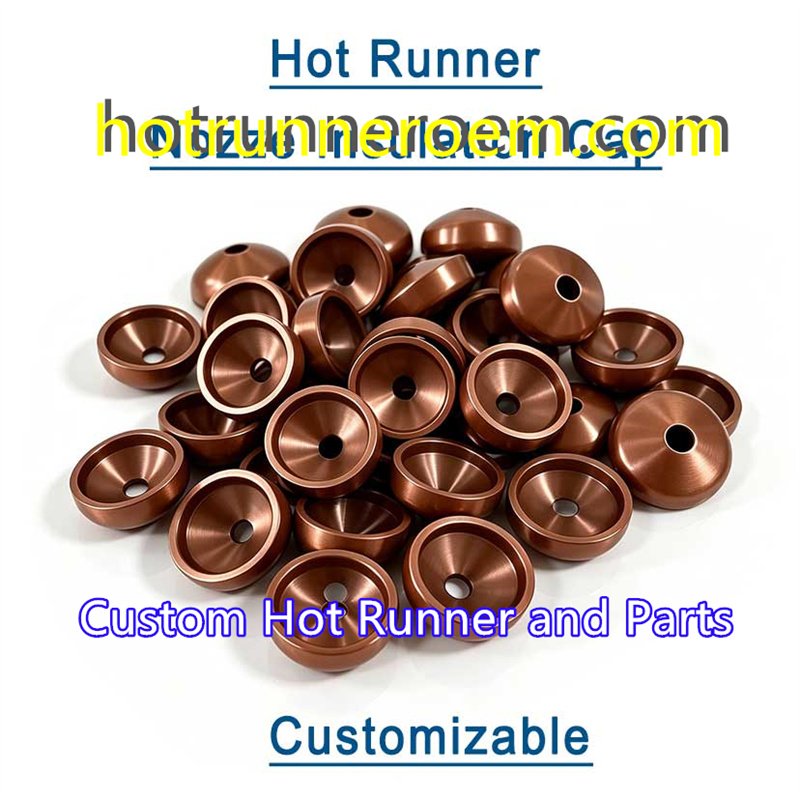
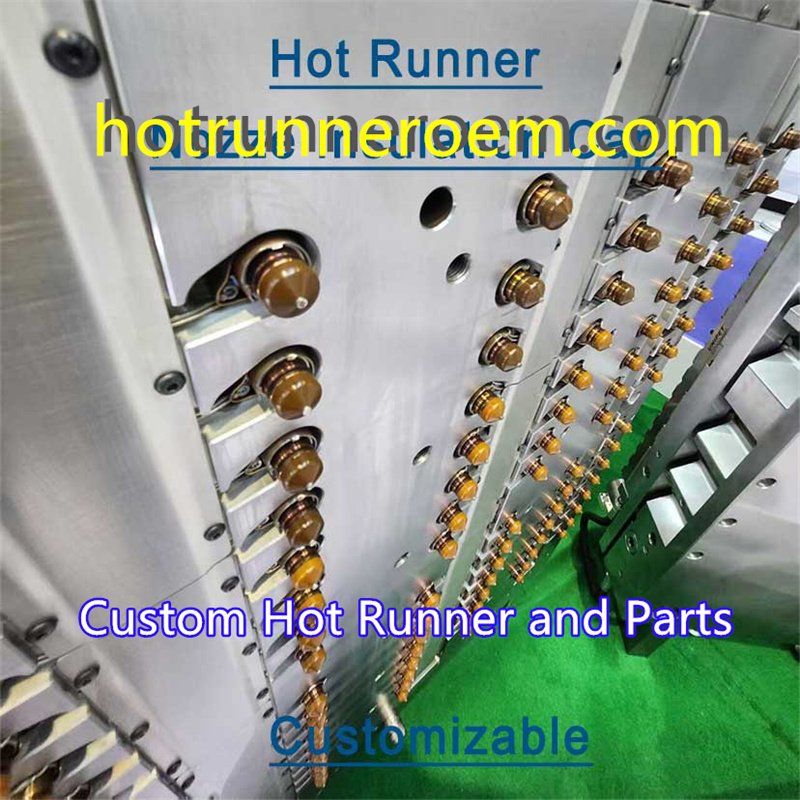
A hot runner insulator cap is a critical component in injection molding systems designed to insulate the nozzle tip and prevent heat loss. It acts as a thermal barrier, ensuring that the molten plastic remains at the optimal temperature as it flows through the nozzle. This helps maintain consistent melt flow and prevents premature cooling or solidification at the nozzle tip, which can cause defects or mold damage. As a reliable part of the hot runner system, the insulator cap enhances overall process stability and product quality.
How Nozzle Tip Insulators Improve Thermal Efficiency
Nozzle tip insulators significantly boost thermal efficiency by reducing heat transfer from the hot runner system to surrounding mold components. They keep the nozzle at a stable, high temperature, minimizing heat loss and energy consumption. This not only lowers operational costs but also extends the lifespan of the nozzle and other hot runner parts. Proper insulation ensures uniform temperature distribution, leading to better gate quality, reduced scrap rate, and more precise molding results.
Key Advantages of Hot Runner Insulation Caps
When we build a Hot Runner Insulation cap, the goal is simple: keep heat under control, protect the system, and support stable injection molding. For a hot runner system manufacturer, that means better thermal insulation, fewer heat losses, and more consistent results in daily production.
High Temperature and Thermal Resistance
A strong insulation cap is made to handle demanding molding conditions with reliable high temperature resistance. It helps reduce unwanted heat transfer around the nozzle area, which keeps the process steadier and supports better dimensional stability.
Extended Nozzle and Component Lifespan
By limiting excess heat spread, the nozzle tip insulator helps reduce wear on the nozzle and nearby parts. That gives the hot runner setup a better chance of running longer with fewer interruptions, especially when the mold uses tight-fit components and precise gate steel contact areas.
Enhanced Gate Quality and Molding Precision
Good thermal control around the gate area supports cleaner gate performance and more accurate molding. In my experience, this is where a well-made insulation cap helps keep output more stable, especially in custom hot runner systems that need repeatable quality and consistent part release.
Polyimide (PI) and Vespel Insulators
Polyimide (PI) and Vespel insulators are popular choices for hot runner insulation caps due to their exceptional high-temperature resistance and excellent electrical insulation properties. These materials can withstand the demanding conditions of injection molding, especially with high-performance resins like PET preforms and engineering plastics. Their outstanding dimensional stability ensures reliable performance over long periods, reducing maintenance and downtime. As a trusted hot runner system manufacturer, we often recommend Vespel insulators for applications requiring superior thermal insulation and durability, making them ideal for protecting nozzle tips and gate areas from heat loss and wear.
Zirconia Ceramic Tip Insulators
Zirconia ceramic tip insulators are another high-quality option, especially for applications demanding maximum thermal resistance and mechanical strength. These ceramic insulators excel at handling extreme temperatures while maintaining low thermal conductivity, which helps improve overall mold efficiency. Their high hardness and wear resistance make them suitable for high-volume production environments, ensuring longevity and consistent gate quality. If you need reliable insulation for complex or high-temperature molds, zirconia ceramic insulators are an excellent choice to enhance the performance of your hot runner system.
High-Performance Engineered Plastics
High-performance engineered plastics, such as PFA, PEI ULTEM, and other advanced polymers, are increasingly used for hot runner insulation caps. These materials combine high temperature resistance with excellent chemical stability and ease of processing. They are suitable for various mold applications, including those with intricate geometries or demanding resin types like PBT+30%GF. Their lightweight nature and good dimensional stability make them ideal for custom insulator caps designed to optimize thermal insulation and improve the efficiency of your injection molding process. For more information on custom parts production, visit our hot runner system manufacturing page.
Cap Molds and Closure Packaging
Hot runner insulation caps are essential in manufacturing cap molds and closure packaging, ensuring consistent temperature control and preventing heat loss during injection molding. Proper insulation improves gate sealing and reduces defects like flash or warping, leading to higher quality caps and packaging components. Using high-performance insulators like polyimide or Vespel ensures durability and stability under repeated high-temperature cycles, making them a reliable choice for producing PET bottle preforms and plastic caps with tight tolerances.
High-Temperature Resin Molding
In high-temperature resin molding, such as with PFA, PES, or PEI ULTEM, hot runner insulation caps help maintain uniform heat distribution and prevent thermal degradation. This is crucial for processing advanced engineering plastics that require precise temperature management. Effective thermal insulation minimizes energy consumption and extends the lifespan of the nozzle tips, ensuring consistent quality and reducing downtime in demanding applications like automotive components or electronic connectors.
Multi-Cavity Precision Molding Systems
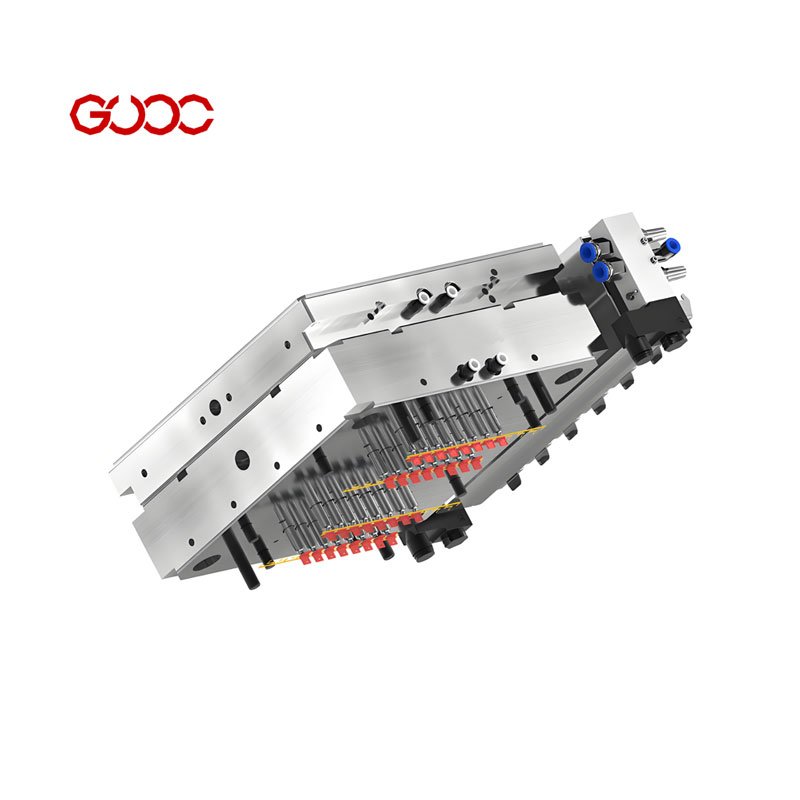
Multi-cavity precision molding systems benefit greatly from high-quality hot runner insulation caps, which help achieve uniform temperature across all cavities. This consistency is key for producing high-volume, dimensionally stable parts, such as fiber optic connectors or complex automotive parts. Proper insulation reduces thermal fluctuations, enhances gate quality, and ensures the stability of gate steel and other critical mold components, leading to improved yield and product reliability.
Technical Specifications and Material Parameters
Thermal Conductivity and Heat Resistance Limits
Hot runner insulation caps must withstand high temperatures typical in injection molding processes. Materials like polyimide (PI) and Vespel insulators offer low thermal conductivity, which enhances thermal insulation. These insulators can resist continuous operating temperatures up to 300–400°C, ensuring efficient heat retention and preventing heat loss at the nozzle tip. Zirconia ceramic insulators also provide excellent heat resistance, often exceeding 1000°C, making them suitable for high-temperature applications such as PET bottle preforms or high-performance resin molding. Proper selection of materials ensures the nozzle tip remains thermally stable, reducing energy consumption and maintaining consistent molding conditions. For detailed thermal specs, consult the hot runner heater page.
Compressive Strength and Mechanical Stability
The mechanical stability of hot runner insulation caps is critical for maintaining proper nozzle fit and preventing deformation during operation. High-performance plastics like PFA and PEI ULTEM offer excellent compressive strength and dimensional stability under thermal stress. Zirconia ceramics also provide outstanding hardness and stability, resisting cracking or warping even under repeated heating cycles. These properties ensure the insulation cap remains securely in place, reducing downtime and costly mold repairs. Precise manufacturing tolerances are essential to ensure consistent performance and easy installation, especially in multi-cavity systems requiring tight fit and alignment.
Dimensional Tolerances and Custom Specifications
Custom hot runner insulation caps are manufactured to meet specific dimensional tolerances based on the mold design. Typical tolerances range from ±0.02mm to ±0.05mm, depending on the material and complexity. Accurate dimensions are vital for ensuring a perfect fit with the nozzle and gate components, preventing leakage or uneven heating. When ordering, providing detailed CAD drawings allows for precise customization to match your mold specifications. This guarantees optimal performance, durability, and compatibility across different hot runner systems. For tailored solutions, our factory can produce insulation caps that meet your exact specifications, ensuring seamless integration into your injection molding process.
How to Choose the Right Hot Runner Insulation Cap
When I select a Hot Runner Insulation cap, I start with the mold job itself. The right part should support thermal insulation, fit the nozzle cleanly, and hold up in injection molding without causing heat loss or fit issues. For custom work, I always base the design on 2D/3D CAD files so the size and structure match the mold exactly.
Evaluating Operating Temperature and Resin Types
The first check is simple: match the cap to the process heat and the resin being used. A good choice helps keep stable temperature around the nozzle tip insulator and supports smooth molding.
- Higher heat needs: choose a cap that can handle the process conditions without losing shape.
- Resin behavior: different materials run differently, so the cap must support steady heat control.
- Process stability: better insulation helps reduce heat loss and improves repeatability.
| Check point | What I look for | Why it matters |
|---|---|---|
| Operating temperature | Must suit the molding process | Helps maintain thermal insulation |
| Resin type | Must match the material flow needs | Supports stable molding results |
| Heat retention | Should limit unnecessary heat loss | Improves overall process control |
Ensuring Mold Compatibility and Nozzle Fit
Fit is where many problems start. I check the cap against the mold structure, nozzle layout, and surrounding space so the part works cleanly with the hot runner system. If the fit is off, it can affect gate quality, alignment, and long-term stability.
For custom projects, I review the full mold setup first, including the related hot runner mold design and manufacturing solution, so the cap matches the nozzle and the mold interface properly.
- Nozzle fit: the cap must sit correctly and support the system layout.
- Mold compatibility: check space, gate position, and surrounding components.
- Dimensional stability: a stable part helps keep the assembly consistent over time.
Installation and Maintenance Best Practices
A good Hot Runner Insulation cap should be easy to install and simple to inspect. I always recommend a clean assembly process, careful part handling, and regular checks during use.
- Use CAD-based custom sizing for better assembly accuracy.
- Inspect before installation to avoid fit problems at the nozzle.
- Check wear and damage regularly during production.
- Keep the mold clean so the cap and nozzle area stay stable.
Bottom line: the right choice comes down to temperature, fit, and stable processing. That is how I keep the cap aligned with the mold, protect the system, and support reliable production for global injection molding projects.
 English
  Spanish
  French
  Portuguese
  Italian