 Skip to content
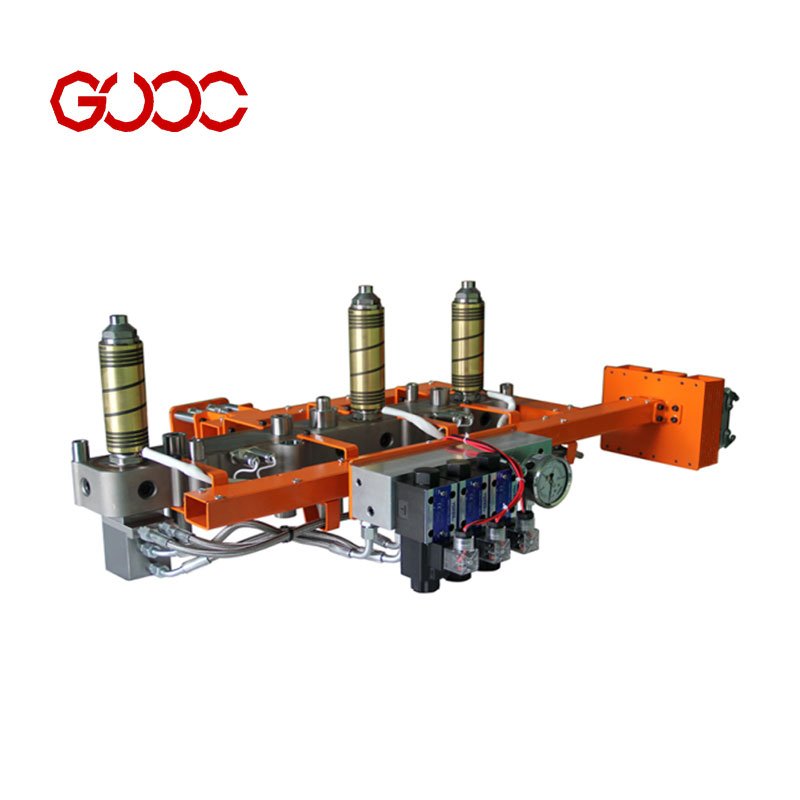
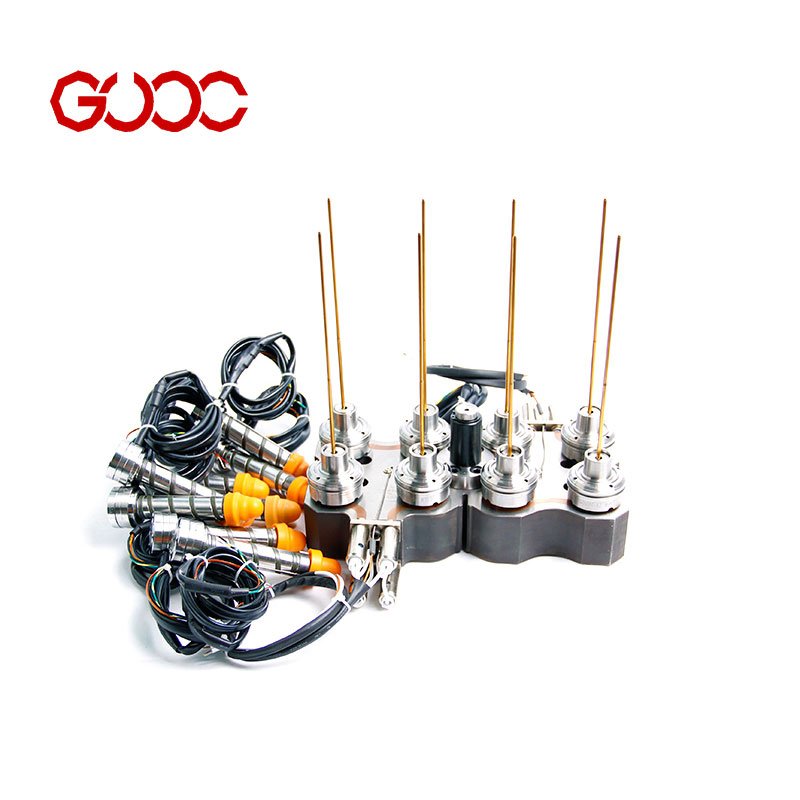
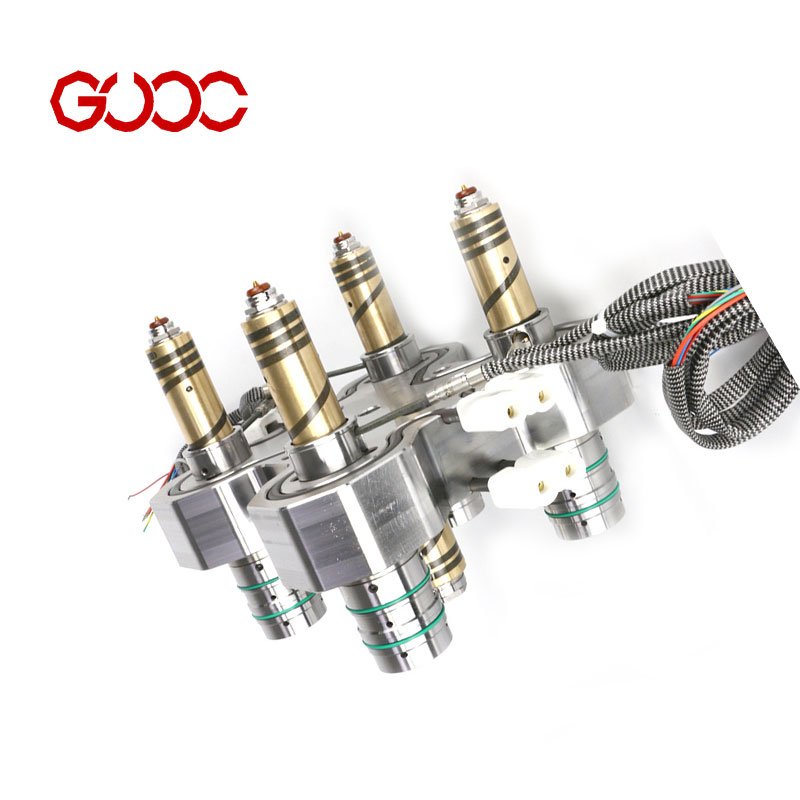
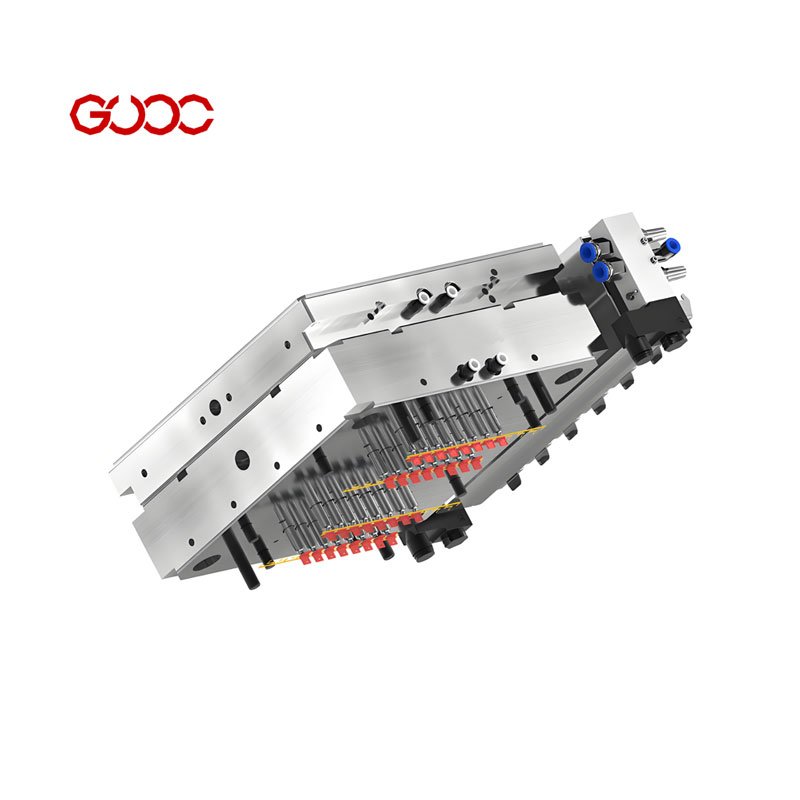
Hot Runner Thermocouple: Precision Temperature Sensing for Injection Molding
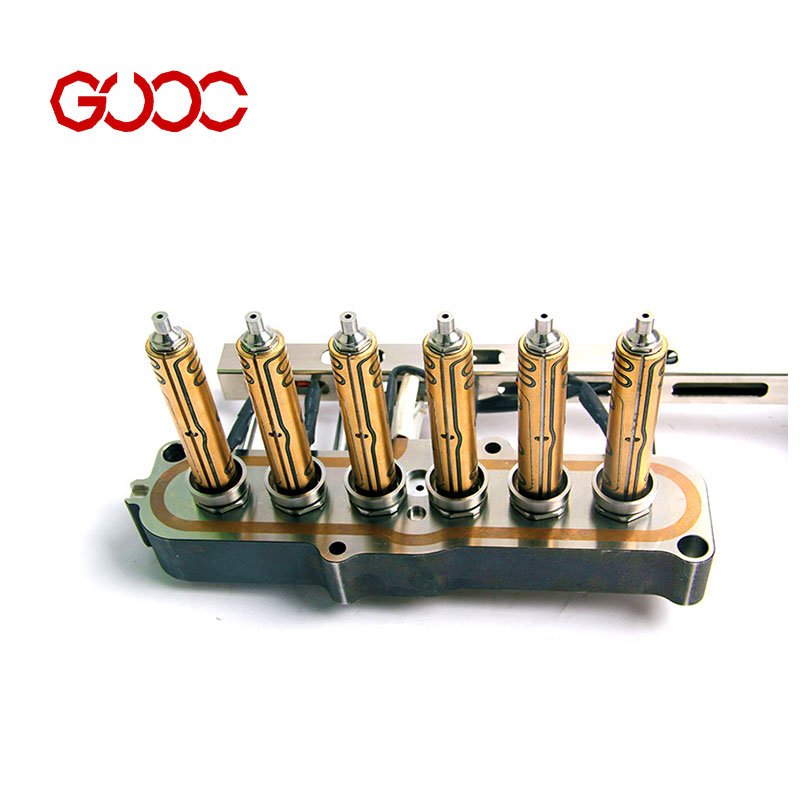
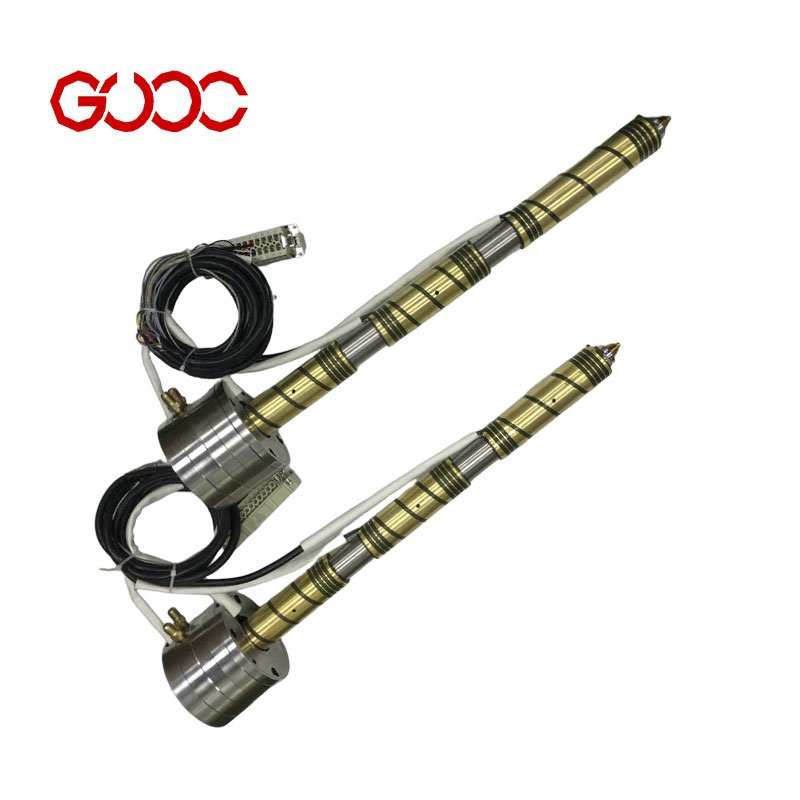
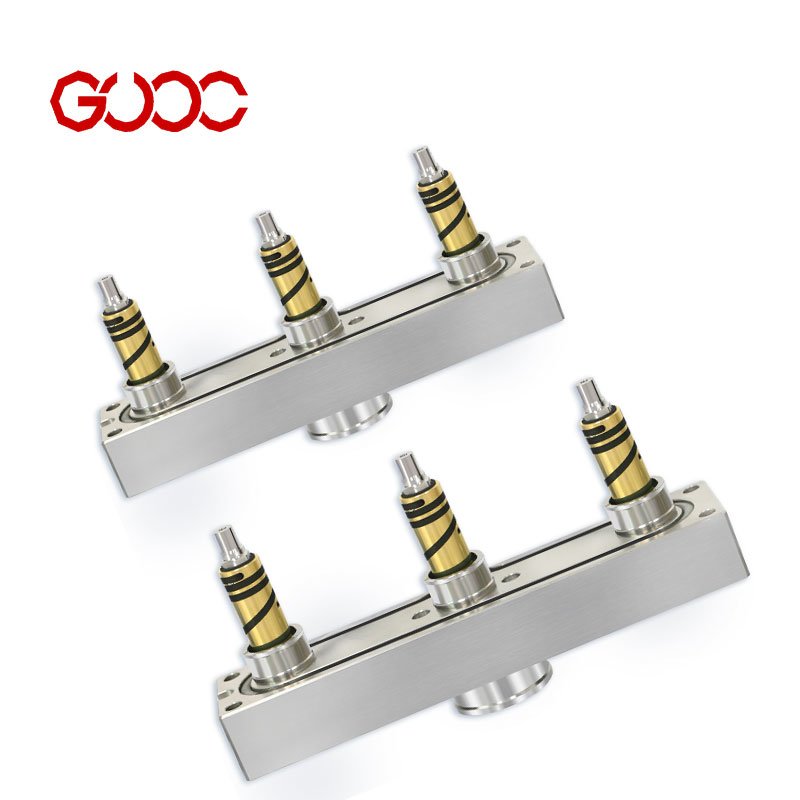
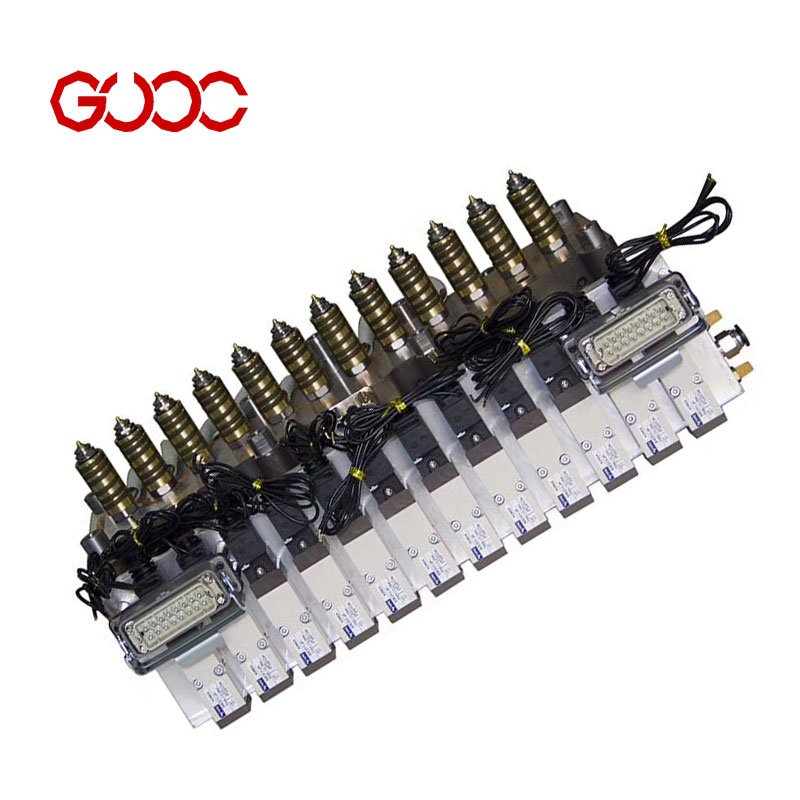
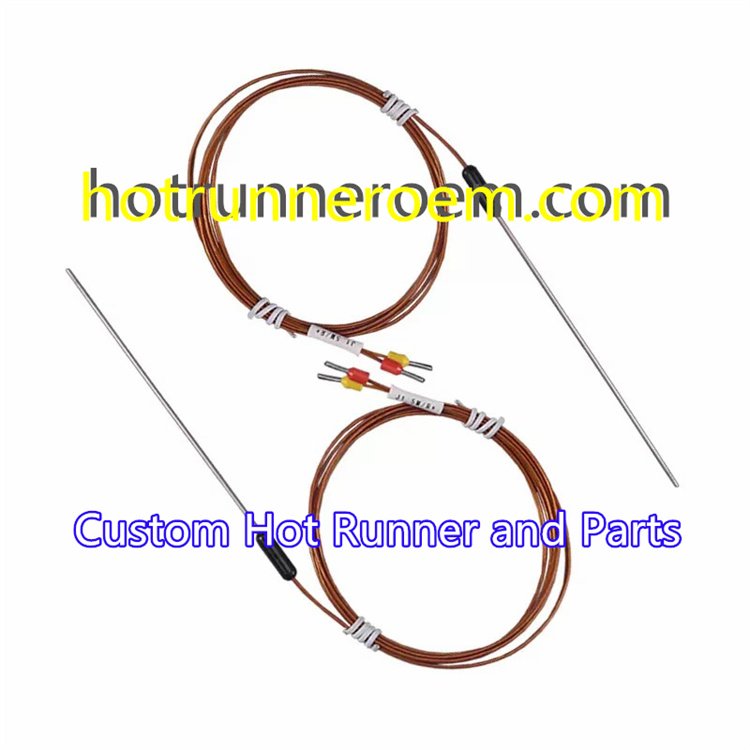
The hot runner thermocouple is essential for accurate temperature control in injection molding processes. In a China hot runner system, it plays a critical role by continuously monitoring nozzle and manifold temperatures to maintain a stable thermal balance. This ensures consistent melt flow and part quality, reducing defects and downtime.
Core Function
- Measures real-time temperature inside the hot runner system.
- Provides critical data to the mold temperature control system.
- Enables quick adjustments to maintain optimal thermal conditions.
- Prevents overheating or underheating that could impact product integrity.
Accuracy Assurance
- Built with high-purity sensor wires (Fe-CuNi for J-Type; NiCr-Ni for K-Type).
- Achieves millisecond response times for rapid temperature detection.
- Maintains tight tolerance levels according to industrial standards.
- Supports precise feedback for PID controllers optimizing injection cycles.
Durability Focus
- Designed for the demanding injection molding environment.
- Resistant to mechanical vibration, thermal expansion, and high temperatures.
- Rugged materials and construction protect the sensor from damage.
- Ensures long-term reliability and reduces sensor replacement frequency.
This combination of precision, speed, and resilience makes the hot runner thermocouple a trusted component for engineers and technicians managing advanced injection molding systems worldwide.
Technical Configuration & Calibration Types of Hot Runner Thermocouples
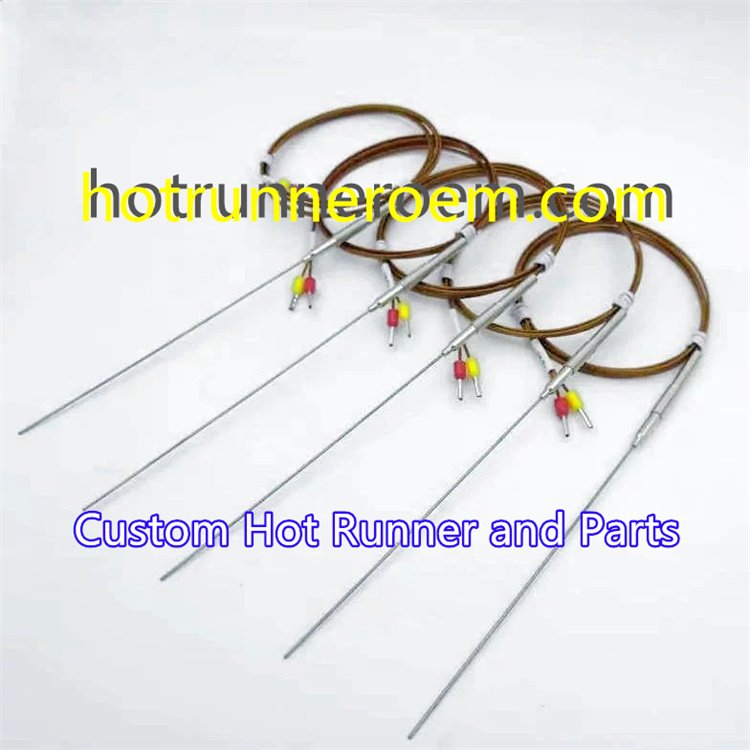
When selecting a hot runner thermocouple for injection molding, understanding the sensor type and calibration is key. Here’s a quick rundown of the main calibration types and junction styles commonly used in our hot runner systems from China.
| Type | Materials | Temp. Range | Applications | Color Code (Lead Wires) |
|---|---|---|---|---|
| J-Type | Iron/Constantan | up to 750°C | Standard plastics, general uses | Black (−), White (+), Red (ground) |
| K-Type | Chromel/Alumel | up to 1260°C | Engineering plastics, higher temps | Green (−), Yellow (+) |
Why Choose J-Type or K-Type?
- J-Type thermocouples are ideal for typical injection molding tasks using common plastics. They offer reliable performance at moderate temperatures and are color-coded for easy identification.
- K-Type thermocouples handle higher temperatures better with excellent oxidation resistance, perfect for demanding materials like engineering plastics with elevated melt points.
Hot Runner Thermocouple Junction Types
| Junction Type | Description | Response Time | Electrical Noise Immunity | Typical Use |
|---|---|---|---|---|
| Grounded | Wire directly welded to sheath | Fast | Low | Quick response in stable environments |
| Ungrounded | Wire electrically isolated inside sheath | Slightly slower | High | Noise-sensitive setups, industrial use |
Grounded junction thermocouples offer a faster response, making them suitable when milliseconds count, such as in a hot runner manifold probe or nozzle temperature sensor. Ungrounded junctions, on the other hand, provide better noise immunity, which is excellent in electrically noisy environments, albeit with a slightly delayed response.
If you want to dive deeper into the specifics of hot runner temperature sensing wire and sensor technologies, our detailed resource on hot runner temperature sensing wire explains these options clearly.
In short, choosing the right thermocouple type and junction for your hot runner system ensures precise, reliable temperature control tailored to your molding needs.
Construction & Material Specifications for Hot Runner Thermocouple
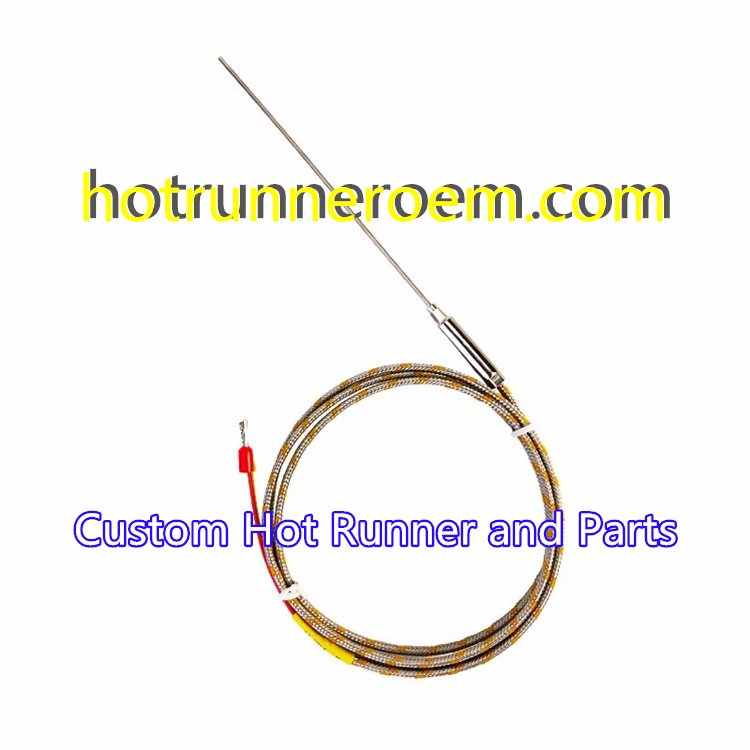
When it comes to building a reliable hot runner thermocouple, material choice is critical for durability and precision.
| Component | Material Options | Benefits |
|---|---|---|
| Sheath | Stainless Steel (304 / 316), Inconel 600 | Excellent corrosion & oxidation resistance; withstands high heat and harsh injection molding conditions |
| Insulation | High-density Magnesium Oxide (MgO) powder | Provides strong dielectric strength; ensures efficient heat transfer for accurate sensing |
| Lead Wire Protection | Stainless steel over-braid; fiberglass insulation; armored hose | Protects against abrasion and mechanical stress; allows flexibility; heavy-duty armored options for toughest environments |
The stainless steel and Inconel sheaths resist corrosion and protect the sensor inside from chemical and environmental damage common in injection molding setups. Dense MgO powder tightly packed inside acts as both insulation and a heat conductor, ensuring the sensor responds accurately and quickly.
For lead wires, the stainless steel over-braid is perfect in preventing wear from friction, while fiberglass insulation gives flexibility for easier routing. If extreme protection is needed—such as in highly abrasive or tightly packed areas—armored hoses provide a robust shield.
This careful assembly guarantees the thermocouple can thrive in the demanding conditions of a hot runner manifold probe, maintaining consistent heat measurement for reliable molding cycles.
For details on compatible protection and wiring options, check our guide on nozzle thermocouple wiring.
Mechanical Design & Mounting Styles of Hot Runner Thermocouples
When it comes to the mechanical design of hot runner thermocouples, reliability and ease of installation are key. Here are the main mounting types that keep your temperature sensing accurate and stable during injection molding:
Spring-Loaded Bayonet
This design uses a spring mechanism to hold the thermocouple firmly against the hot runner manifold or nozzle surface. It compensates for vibration and thermal expansion, ensuring constant contact without damaging the sensor. Ideal for dynamic molding setups.
Compression Fittings
These allow for adjustable probe depth, making them perfect for precise placement within the hot runner manifold. You can fine-tune the insertion length to get accurate temperature readings where you need them most. Check out our detailed hot runner manifold solutions for compatibility.
Miniature/Needle Probes
When space is tight, such as in nozzle tips, miniature or needle probes are the go-to choice. Their slim profile fits into compact areas while still providing reliable temperature measurement for critical zones like the nozzle heating element. See how nozzle design plays a role at hot runner nozzle design.
Transition Adapters
These robust connectors bridge the thermocouple probe in the hot zone to the flexible lead wires outside. They protect the sensor connection from mechanical stress and high temperatures, essential for long-term durability in industrial environments.
Each mounting style is engineered for stable thermal contact and protection against harsh conditions typical in hot runner injection molding systems. Choosing the right mechanical design enhances sensor performance and extends its service life, crucial for maintaining consistent mold temperature control and product quality.
Performance Metrics & Quality Control for Hot Runner Thermocouples
When it comes to hot runner thermocouples, response time is crucial. Fast response means the sensor quickly detects temperature changes with minimal thermal lag and hysteresis, ensuring stable and accurate nozzle temperature control. This precision supports consistent melt flow and prevents defects during injection molding.
Our thermocouples meet strict calibration standards, fully compliant with IEC and ASTM norms. We offer sensors certified under Class 1 (tight tolerance) and Class 2 (standard tolerance), giving you options suited to different precision needs in your hot runner system applications.
Before shipping, every sensor undergoes rigorous testing protocols. This includes insulation resistance checks to prevent electrical shorts and continuity tests to confirm unbroken signal transmission. These quality controls guarantee reliable performance, reducing downtime from sensor failures or erratic readings.
For more on maintaining exact temperature control in hot runner systems, explore our detailed resources on hot runner control solutions and industrial temperature probes.
Customization & Ordering Parameters for Hot Runner Thermocouples
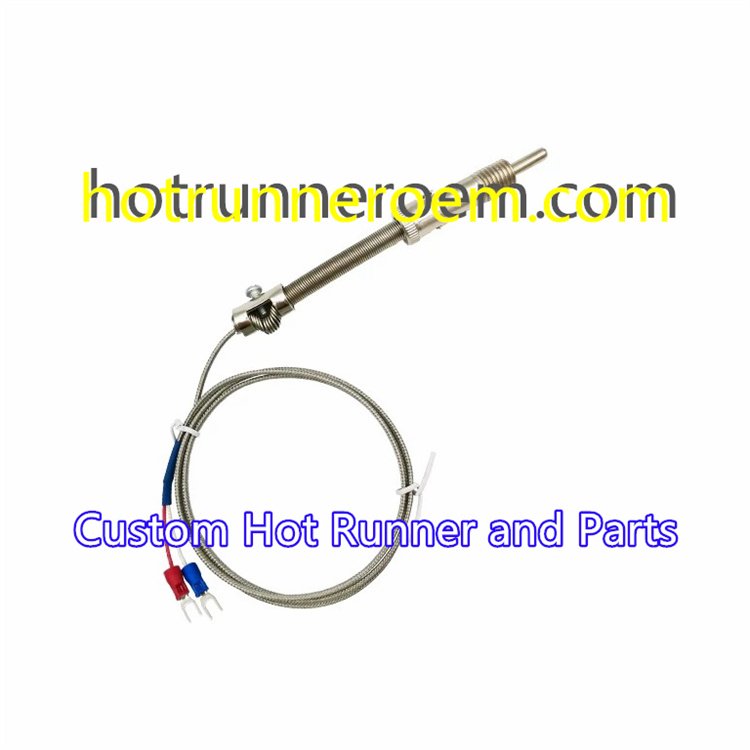
When selecting a hot runner thermocouple for your injection molding system, customization is key to fitting your exact needs. Here’s a quick checklist to help you specify the perfect sensor:
| Parameter | Options & Notes |
|---|---|
| Calibration Type | J-Type (Fe-CuNi) for standard plastics or K-Type (NiCr-Ni) for higher temperature plastics |
| Probe Diameter | Common sizes range from 1mm to 6mm to fit nozzle tips or manifold probes |
| Probe Length | Custom lengths available to match your hot runner manifold or nozzle depth |
| Lead Wire Length | Flexible lengths with options for armored thermocouple cable or standard insulated wires |
| Connector Types | Standard plugs, mini plugs, or bare leads for integration with your PID controller sensor or mold temperature control system |
For customers needing specific dimensions, especially those hard-to-find or discontinued sizes, OEM services are available to reproduce exact sensor footprints. This flexibility ensures your hot runner injection mold performs consistently without delays caused by incompatible or outdated temperature probes.
To explore more on selecting the right sensors and nozzle temperature options, check our hot runner injection mold solutions for detailed insights and support.
Troubleshooting & Maintenance Tips for Hot Runner Thermocouples
When working with a hot runner thermocouple, quick identification of issues can save you from costly downtime. Common failures include open circuits, which show no reading; reversed polarity, causing erratic temperature data; and unstable signals indicating a loose or damaged sensor.
To prevent issues:
- Avoid sharp bends in the thermocouple lead wires, as these can break the internal sensor wires over time.
- Keep contact surfaces clean and free of contaminants to ensure accurate and reliable temperature readings.
- Double-check wiring connections to make sure polarity follows the J-Type or K-Type standards, depending on your probe.
- Regularly inspect the hot runner manifold probe and nozzle temperature sensors for wear or damage, especially in high-vibration conditions.
Using proper installation and maintenance practices ensures the thermocouple continues providing precise temperature control critical for stable injection molding processes. For detailed maintenance on compatible parts, you can explore resources on hot runner system maintenance and nozzle replacements.

 English
  Spanish
  French
  Portuguese
  Italian