 Skip to content
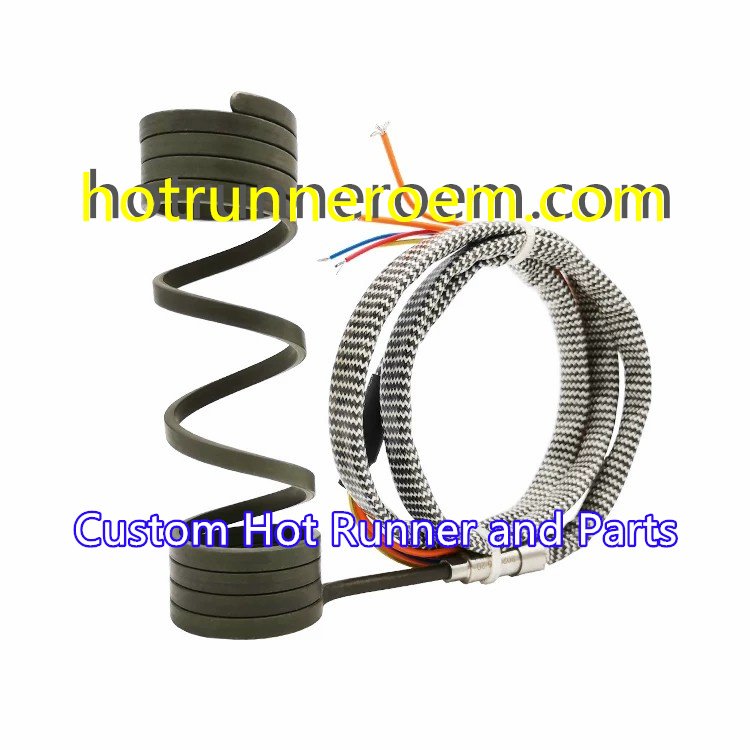
Search Intent Analysis: User Needs and Critical Criteria
When users search for hot runner heating coil, they are primarily focused on identifying reliable heating elements tailored for precise temperature control within hot runner systems. Their critical needs include:
- Consistent thermal performance: Users require heating coils that maintain stable temperatures to ensure uniform plastic flow and product quality.
- Durability and material integrity: Resistance to oxidation, abrasion, and thermal cycling is essential to prolong coil lifespan and reduce maintenance.
- Customization options: Engineers demand coils compatible with specific mold configurations, voltages, and watt densities.
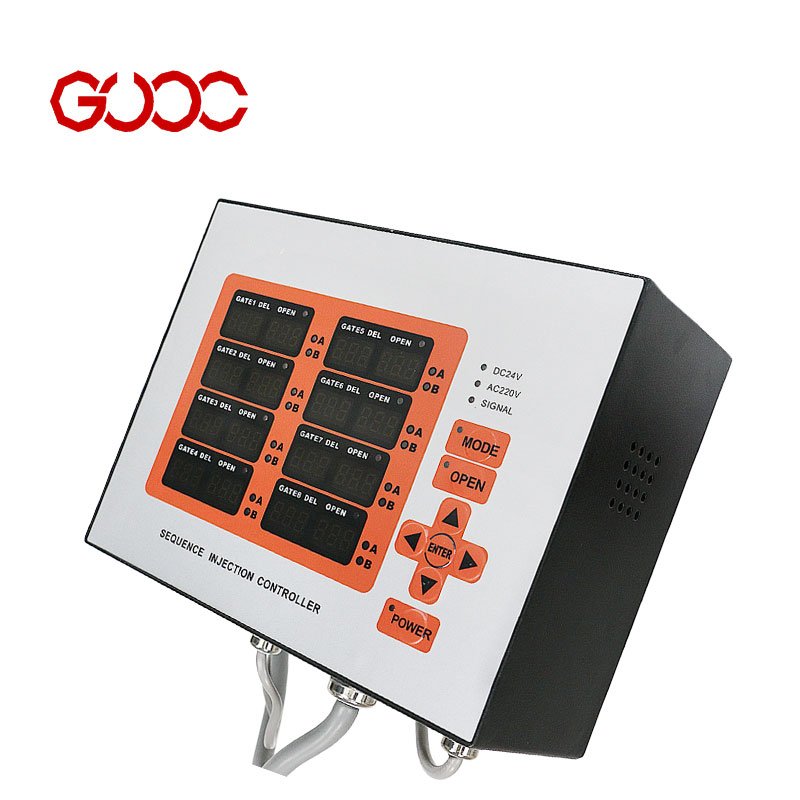
- Integration capabilities: Compatibility with thermocouples and mold temperature controllers is a priority for system accuracy.
- Ease of installation and replacement: Minimizing downtime by using clamping-friendly designs and standardized connector terminals.
Key search intents revolve around finding custom hot runner system heating elements that deliver:
- High watt density heating for faster response times,
- Material compositions suitable for extended lifecycle, such as nickel or stainless steel sheath,
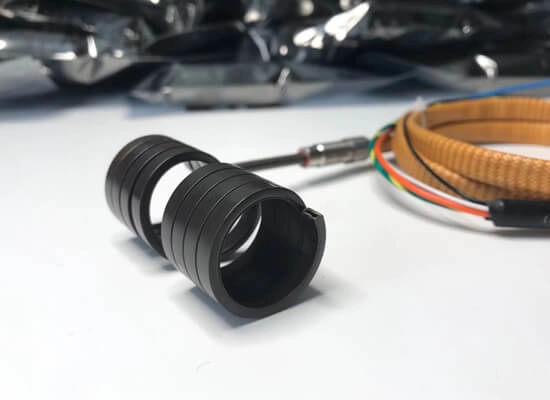
- Geometries like square, round, or flat coil profiles depending on nozzle design,
- Reliable thermal insulation, e.g., compacted MgO to maximize dielectric strength.
Understanding these technical criteria helps users select injection molding heating elements that optimize cycle times and maintain mold temperature stability. This analysis guides manufacturers like us in presenting detailed product specifications and actionable solutions that address these demands effectively.
Industry-Standard Hot Runner Heating Coil Product Details Page
An effective product details page for a hot runner heating coil combines clear structure with concise technical data to help buyers decide quickly. Here’s how we break it down for easy navigation and maximum clarity:
Product Title and Hero Section
- Clear, precise product name including terms like “hot runner heating coil” or “spring coiled heating element”
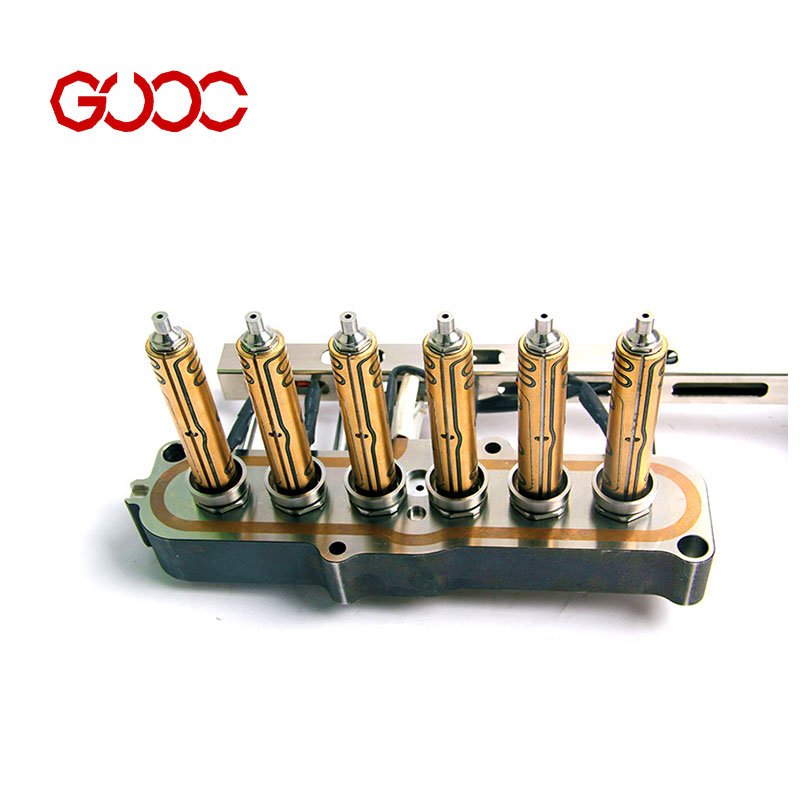
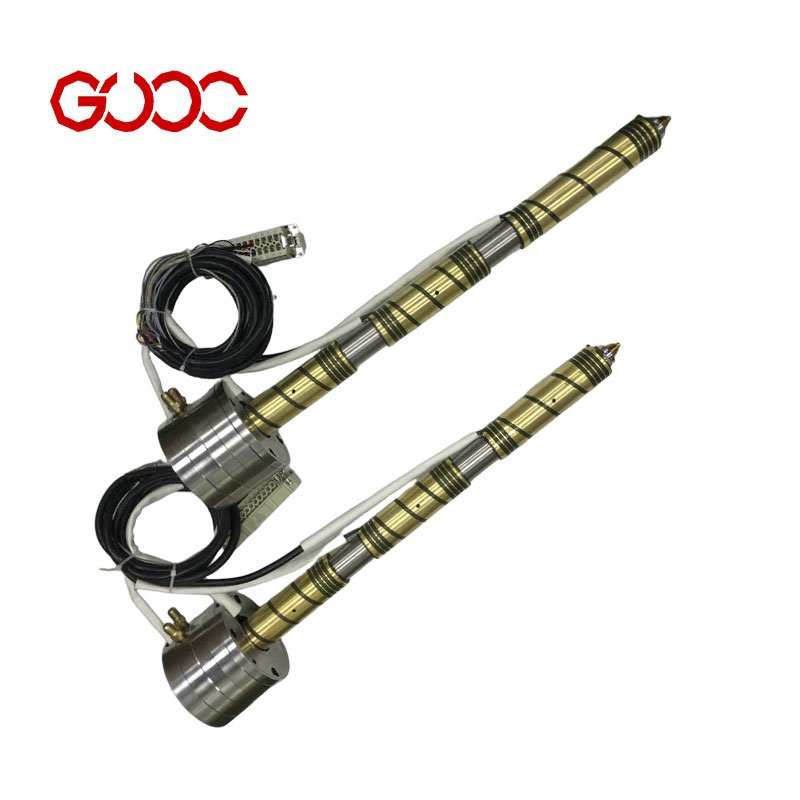
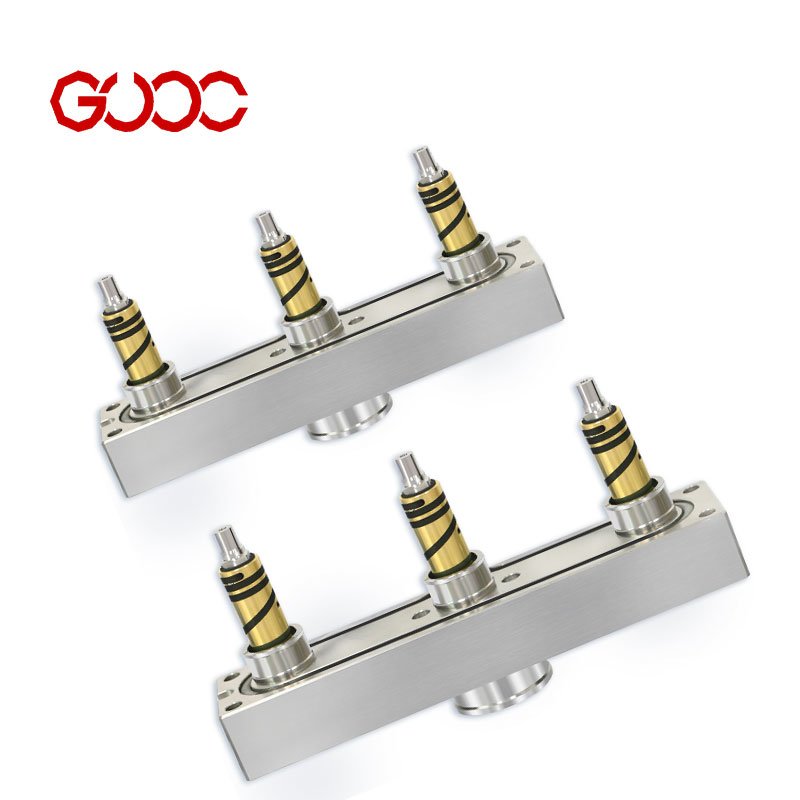
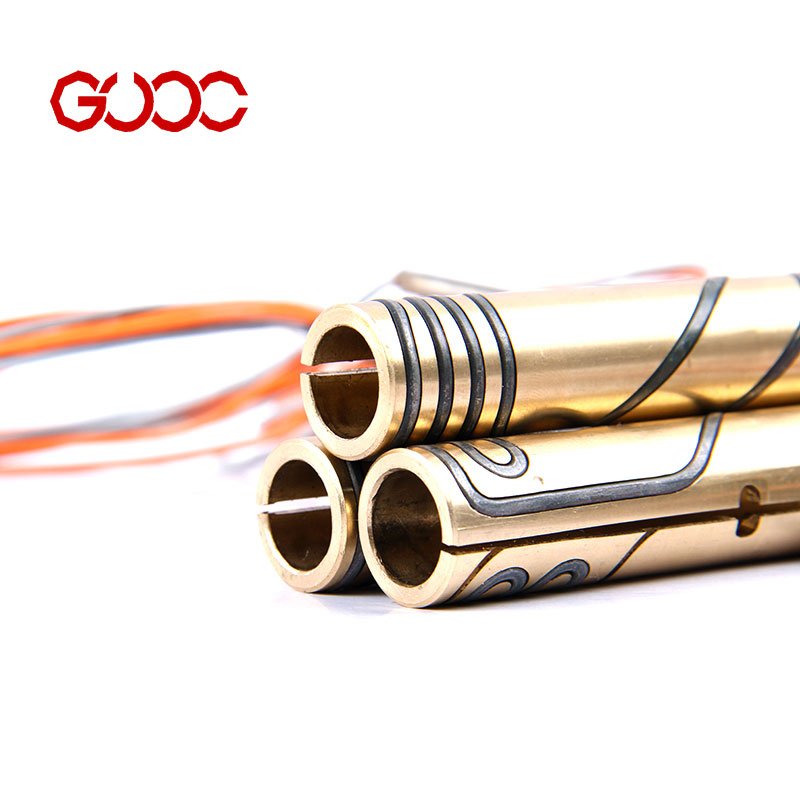
- High-resolution image or 3D rendering showing the coil and its key features
- Brief tagline highlighting uniqueness, e.g., “High watt density cartridge for stable mold temperature control”
Key Specifications Table
| Feature | Detail | Notes |
|---|---|---|
| Wattage Range | 100W – 5000W | Custom options available |
| Voltage | 110V / 220V / Custom | Voltage variations offered |
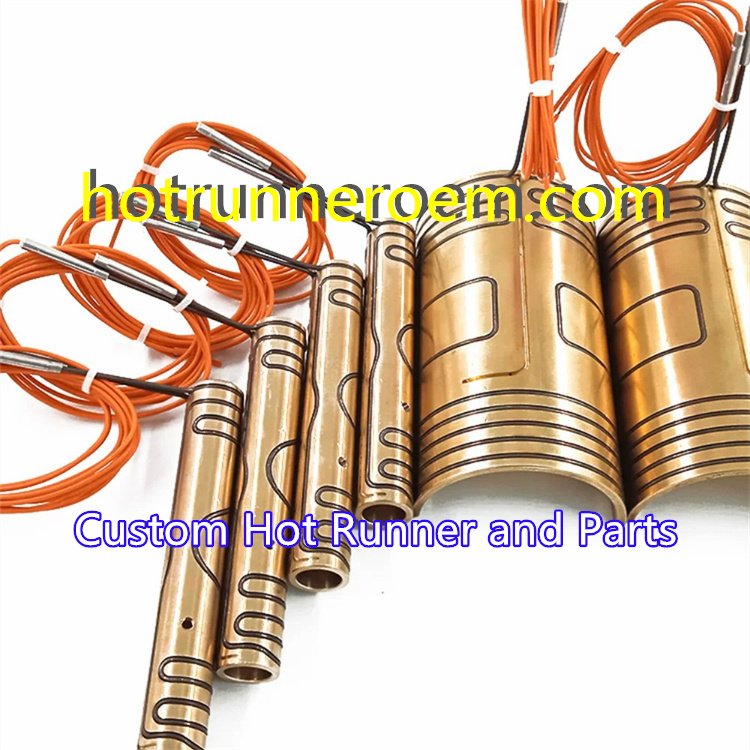
| Coil Profile | Square, Round, Flat | Based on application |
| Sheath Material | Stainless Steel, Brass Sleeve | Ensures durability |
| Insulation | Compacted MgO | For heat retention |
| Thermocouple Type | Type J or Type K integrated | Temperature stability |
| Lead Wire Protection | Braided or Enclosed | Cold section defined |
Material & Construction
- Using premium resistance heating wire ensures reliable heat generation
- Sheath materials tailored for extended lifecycle and corrosion resistance
- Compacted MgO insulation offers excellent electrical isolation and thermal conductivity
- Lead wires protected with flexible braided shielding or enclosed jackets to prevent damage
Technical Drawings
Accurate dimensional drawings illustrate:
- Coil winding patterns (customizable)
- Dimensional tolerances for fit and performance
- Cross-sectional profiles to suit manifold or nozzle heater applications
Application Suitability
- Designed for various injection molding heating element needs: from nozzle heaters to manifold cable heaters
- Compatible with high watt density cartridge heating systems used in precision molding
- Suitable for mold temperature control components, ensuring efficient thermal management
Customization Form / CTA
- Easy access to forms for bespoke coil designs, voltage preferences, and connector types
- Clear call to action encouraging contact for quotes or technical consultation
- Links to related resources on China hot runner suppliers for tailored solutions and support
This layout meets engineer and procurement needs, ensuring quick comparisons and transparent info—perfect for sourcing dependable hot runner heating coils worldwide.
Engineering Specs and Cross-Section Profiles of Hot Runner Heating Coil
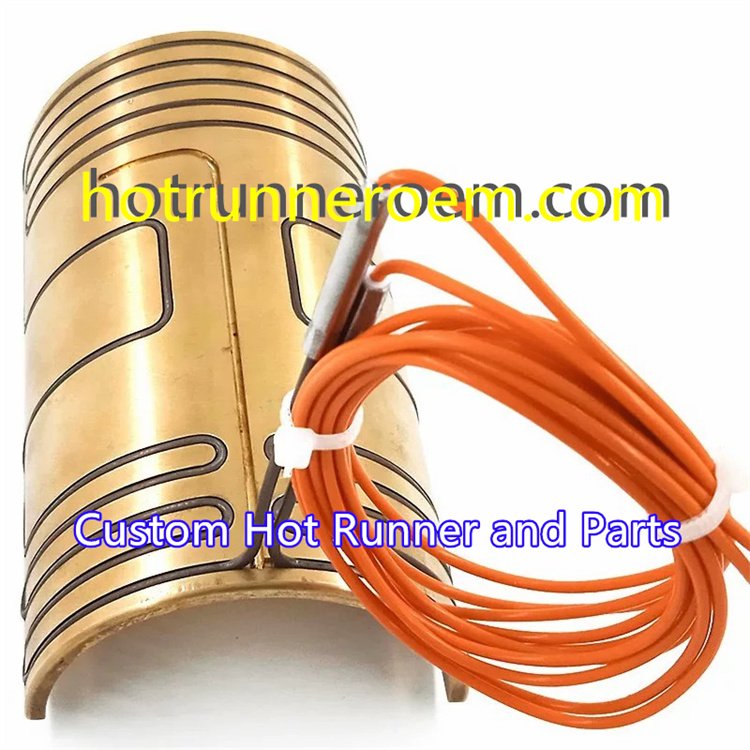
When choosing a hot runner heating coil, the cross-sectional profile plays a big role in performance and installation. The main shapes to consider are square, round, and flat profiles. Each has its strengths depending on your application.
| Profile Type | Key Benefits | Typical Use Cases |
|---|---|---|
| Square | High watt density, compact fit | Tight nozzle heater bands, precise heating |
| Round | Even heat distribution | General-purpose spring coiled heating element |
| Flat | Rapid response, flexible shape | Cable heaters for manifolds, flat coil heating element |
Another essential factor is the compacted magnesium oxide (MgO) insulation inside the coil. This insulation boosts heat transfer efficiency and provides electrical safety by tightly embedding resistance heating wire. High-quality MgO ensures stability and long life under high temperatures.
Dimensional tolerances are also crucial for smooth integration and reliable operation. Precise coil diameter, pitch consistency, and sheath thickness ensure an even heat output and reduce the risk of mechanical weaknesses, especially in nozzle heaters where space and fit are critical.
For those seeking tailored solutions, we offer detailed technical drawings and precise manufacturing to meet your specifications accurately. This attention to detail supports better mold temperature control components and overall production efficiency.
Explore how our hot runner coil heater designs optimize shape and insulation for your needs in injection molding heating element systems. For added info on temperature sensors integration, see our resources on hot runner temperature sensing wire and hot runner temperature sensor.
Thermocouple Integration and Temperature Stability in Hot Runner Heating Coils
Ensuring precise temperature control in a hot runner heating coil starts with the integration of thermocouples. These sensors monitor and maintain the optimal heat needed for injection molding processes, making temperature stability crucial. There are two common configurations: built-in thermocouples embedded directly within the heating coil, and external sensors attached to the nozzle heater band or manifold.
Built-in sensors offer faster, more accurate response times because they read the heat where it generates, minimizing lag and improving temperature uniformity. External sensors, while easier to replace, might cause slight delays and less consistent readings due to indirect contact.
Regarding thermocouple types, Type J and Type K are the most popular for hot runner systems. Type J thermocouples provide reliable readings in moderate temperature ranges and are cost-effective for many applications. Type K, on the other hand, offers a wider temperature range and better durability under high-temperature conditions typical of hot runner spring heaters and injection molding heating elements.
Fast response times from these thermocouples help reduce cycle times and improve mold temperature control components’ performance. Accurate temperature readings ensure the square section coil heater or flat coil heating element operates safely and efficiently. For more detailed insights on thermocouple options and their integration, check our hot runner thermocouple resources.
Optimizing thermocouple selection and integration is key to extending the lifespan of your heating element and maintaining steady production quality across runs.
Material Composition for Extended Lifecycle in Hot Runner Heating Coils
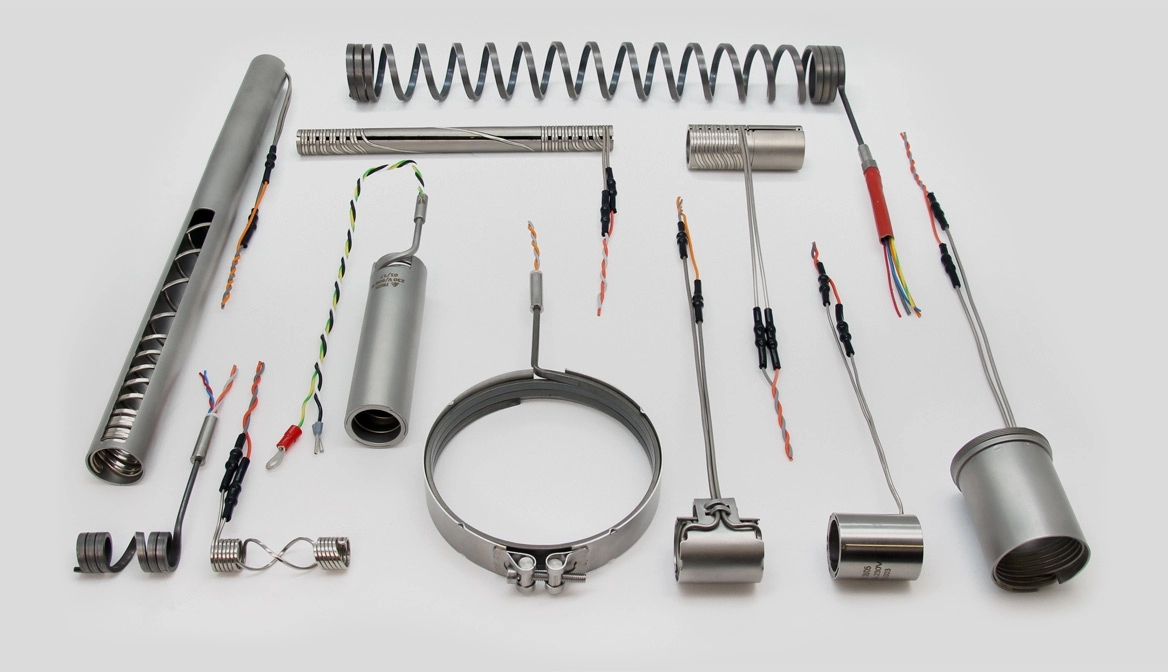
Choosing the right material composition is key to ensuring your hot runner heating coil lasts through many production cycles without failure. The sheath material acts as the first line of defense against wear and corrosion caused by constant high temperatures and harsh molding environments.
Common Sheath Materials
- Incoloy: Offers excellent oxidation resistance and mechanical strength at elevated temperatures, making it the go-to for demanding hot runner applications.
- Stainless Steel: Provides good corrosion resistance and is cost-effective but with moderate temperature tolerance.
- Copper Alloys: Sometimes used for their superior thermal conductivity but with careful application due to reduced durability at high heat.
Protecting Lead Wires
Lead wires need reliable insulation and reinforcement to avoid damage during installation and operation. We use high-quality lead wire protection such as fiberglass or silicone coatings, which resist heat, abrasion, and chemical exposure. This prevents premature failure and ensures consistent heater performance.
Defining the Cold Section
The cold section of a hot runner heating coil serves as a temperature barrier to protect wiring and connectors from overheating. It helps to maintain electrical and mechanical integrity by keeping these sensitive parts at significantly lower temperatures. Proper cold section design is critical to extend the useful life of the entire heating element and prevent downtime.
By focusing on these material aspects—durable sheath metals, rugged lead wire protection, and well-designed cold sections—you secure a hot runner heating coil that stands up to industrial demands, reduces replacement frequency, and keeps your injection molding process running strong.
For more insights on maintaining optimal mold temperatures and heater performance, you might find our detailed resource on hot runner mold components helpful.
Installation Protocols for Maximum Efficiency
Proper installation of the hot runner heating coil is essential for achieving peak performance and longevity. Here’s what you need to keep in mind:
Clamping Mechanisms
Secure clamping ensures consistent contact between the heater and the manifold or nozzle. Use clamps designed specifically for hot runner applications to prevent movement and uneven heating. This reduces hotspots and maintains temperature uniformity across the system.
Bending Radius Constraints
Respect the recommended bending radius of the heating coil. Over-bending can damage the spring coil or insulation, leading to premature failure. Avoid sharp bends, especially near connection terminals, to maintain durability and avoid stress points.
Start-up Procedures
Start up your heating element gradually. Avoid sudden power surges by ramping up voltage slowly to the target temperature. This gradual increase limits thermal shock to the coil and helps maintain temperature stability from the get-go. Incorporating thermocouple controlled heaters can make this process more precise and reliable.
Following these installation protocols will extend the life of your hot runner spring heater and improve the consistency of your injection molding runs. For detailed manifold installation guidance and troubleshooting, check our expert advice on hot runner manifold setups.
Customization Capabilities at China Hot Runner System
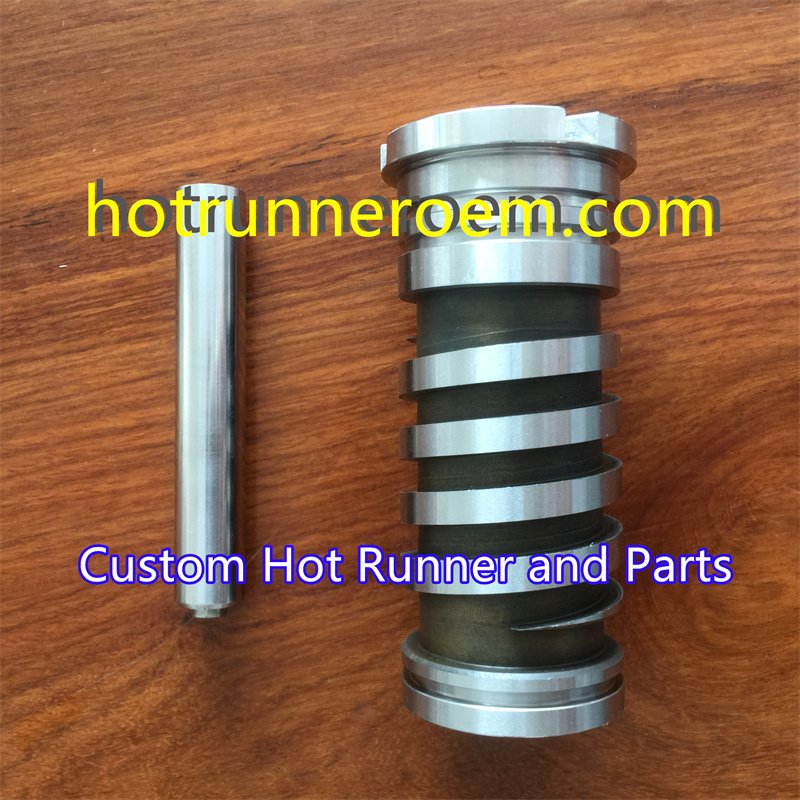
When it comes to tailor-made solutions, our China hot runner system manufacturing stands out. We understand that every injection molding project demands specific heating coil designs to achieve optimal performance. That’s why we offer bespoke winding patterns that match your nozzle heater band needs perfectly, ensuring even heat distribution and fast temperature ramp-up.
Voltage variations are another key customization feature we provide. Whether your system prefers 110V, 220V, or higher voltages, we adjust the heating elements accordingly to deliver consistent power output without compromising durability. This flexibility helps in integrating with different mold temperature control components worldwide.
Connection terminals are also fully customizable. Options range from standard leads to specialized plugs and connectors compatible with your existing hot runner spare parts. Protecting lead wires and ensuring secure electrical contacts reduces downtime, a critical factor in maintaining production efficiency.
For detailed inquiries or to discuss your unique requirements, explore our extensive range of hot runner parts and heating elements tailored for high watt density cartridge heaters and spring coiled heating elements. This ensures you get exactly what your injection molding system demands for reliable temperature control and extended lifecycle.
Learn more about our comprehensive hot runner parts and options for tailored assemblies to fit your project perfectly.
Securing Production Continuity with Hot Runner Heating Coil
Maintaining steady production is critical in injection molding, and a reliable hot runner heating coil plays a big role in that. Consistent temperature control reduces downtime by preventing defects and rework, which directly impacts cycle time reduction. When the heating element performs efficiently, it stabilizes mold temperature, speeding up cooling and injection phases — this means you get more parts in less time without sacrificing quality.
Key ways our hot runner heating coils help keep your production flowing:
- Stable heat output: Minimizes fluctuations that cause cycle delays
- Durable materials: Resist wear and extend heater life to avoid unexpected stops
- Fast thermal response: Allows quicker start-up and fine-tuned temperature control
For customized heating elements that fit your system perfectly and help minimize cycle times, reach out now through our convenient contact and quote request form. We’ll tailor solutions based on your voltage needs, winding patterns, and connection terminals, ensuring seamless integration and maximal efficiency.
Secure your production line with heating coils designed specifically for hot runner systems, keeping your operations smooth and cost-effective.
 English
  Spanish
  French
  Portuguese
  Italian