 Skip to content
Critical Thermal Monitoring for Mold Stability: Role in PID Control Loop and Impact on Part Quality
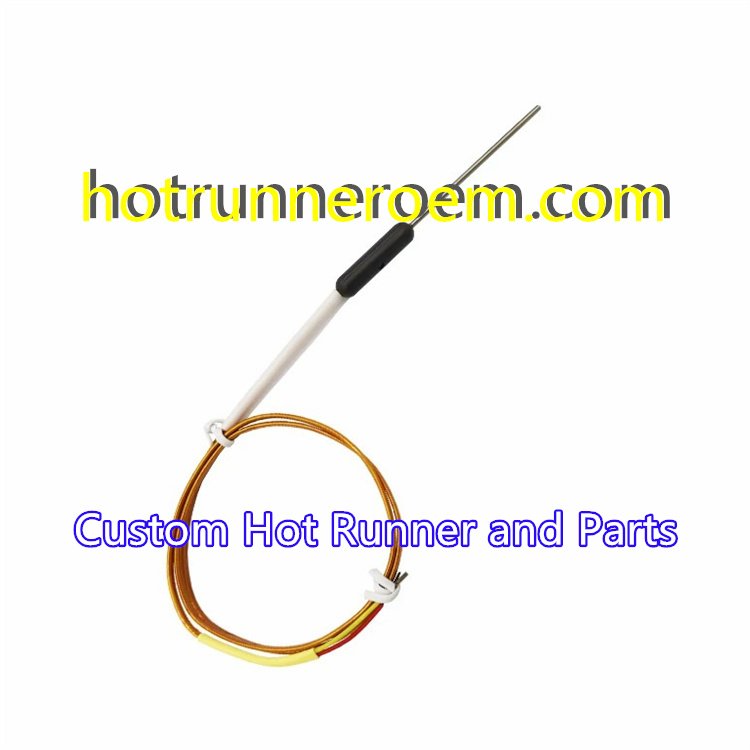
Accurate thermal monitoring in hot runner systems is essential to maintain mold stability and ensure consistent part quality. The hot runner temperature sensor, typically a J-type thermocouple probe or K-type thermal sensor, plays a pivotal role in delivering precise temperature data to the PID controller input sensor. This input is critical for the PID control loop to modulate heating elements effectively, stabilizing temperatures across the mold.
Key impacts include:
- Consistent melt flow: Reliable thermal feedback prevents temperature fluctuations that cause material degradation or incomplete filling.
- Dimensional accuracy: Stable mold temperatures reduce warpage and shrinkage, improving dimensional control.
- Cycle time optimization: Preventing overheating or underheating allows for faster, more predictable cycles without compromising part integrity.
- Extended component life: Reducing thermal stress on manifold and nozzle components lengthens equipment durability.
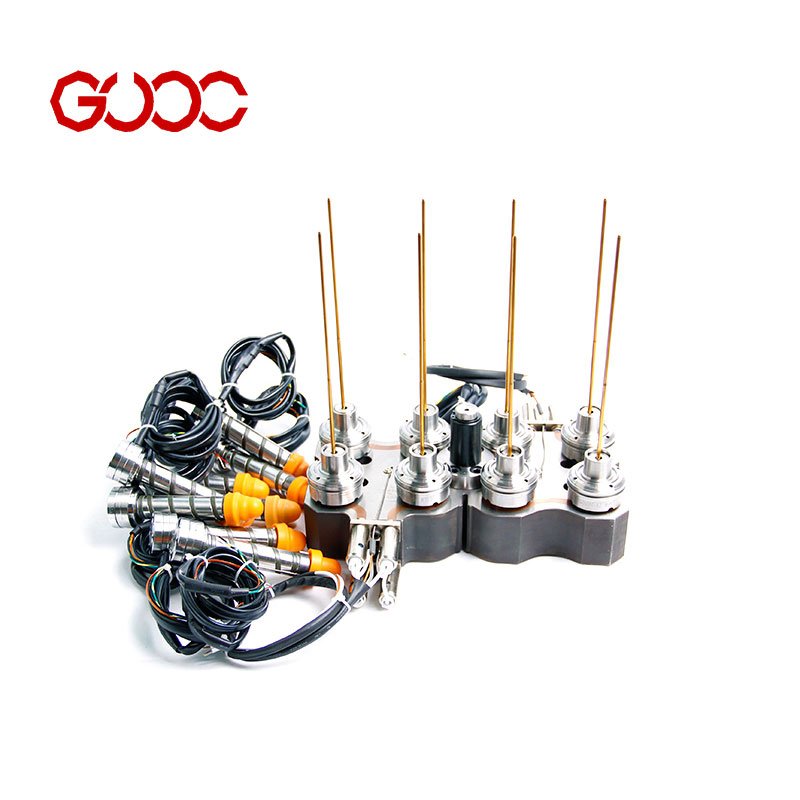
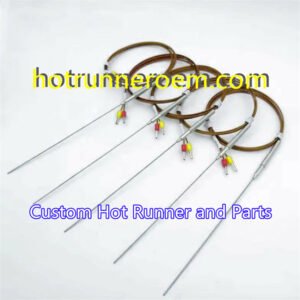
Using a mineral insulated cable (MIC) sensor with a grounded junction ensures rapid response and noise immunity, enhancing control precision. Overall, integrating robust thermal sensors within the PID control loop is vital to avoid defects and maintain high-quality injection molded parts.
Technical Specifications & Calibration Standards: J-Type vs K-Type Thermocouples and Junction Types
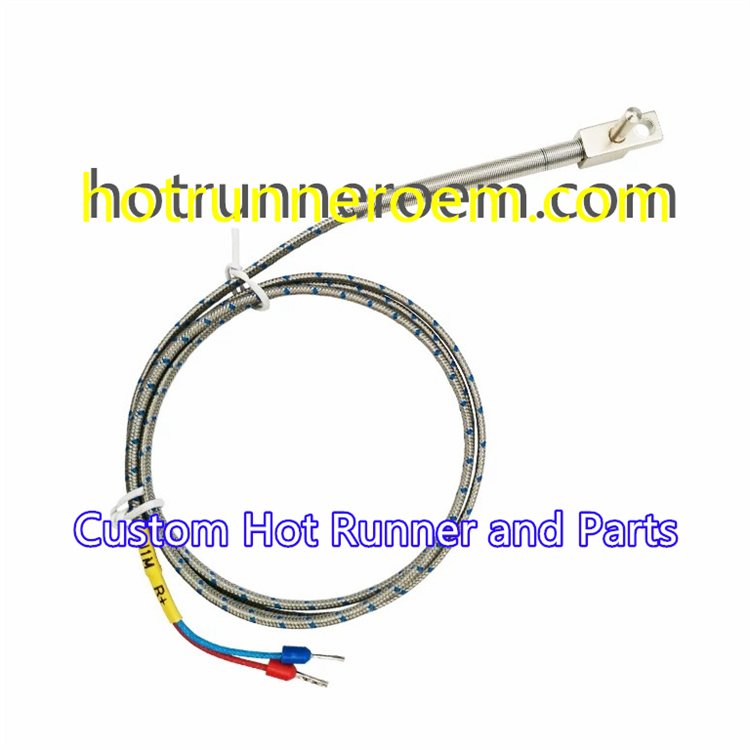
When choosing a hot runner temperature sensor, understanding the differences between J-type thermocouple probes and K-type thermal sensors is crucial for accurate mold thermal monitoring.
| Feature | J-Type Thermocouple (Fe-CuNi) | K-Type Thermocouple (Chromel-Alumel) |
|---|---|---|
| Temperature Range | -40°C to +750°C | -200°C to +1250°C |
| Sensitivity | Approx. 50 µV/°C | Approx. 41 µV/°C |
| Cost | Generally lower cost | Moderate cost |
| Applications | Suitable for low to mid-temp injection molding | Widely used for high-temp environments |
| Stability | Moderate | High, especially over long periods |
Junction Types
- Grounded Junction: The thermocouple’s sensing tip is physically connected to the protective sheath, allowing faster response but susceptible to electrical noise.
- Ungrounded Junction: Isolated from the sheath, slower response but better for noisy industrial environments.
- Exposed Junction: Directly exposed to the substance being measured for the quickest response but less durable.
Calibration Considerations
Calibration is key to maintaining reliable temperature readings in hot runner systems. Both J-type and K-type thermocouples are typically calibrated against industrial resistance thermometer standards to ensure accuracy. Regular calibration checks help maintain process control and assist in predictive maintenance.
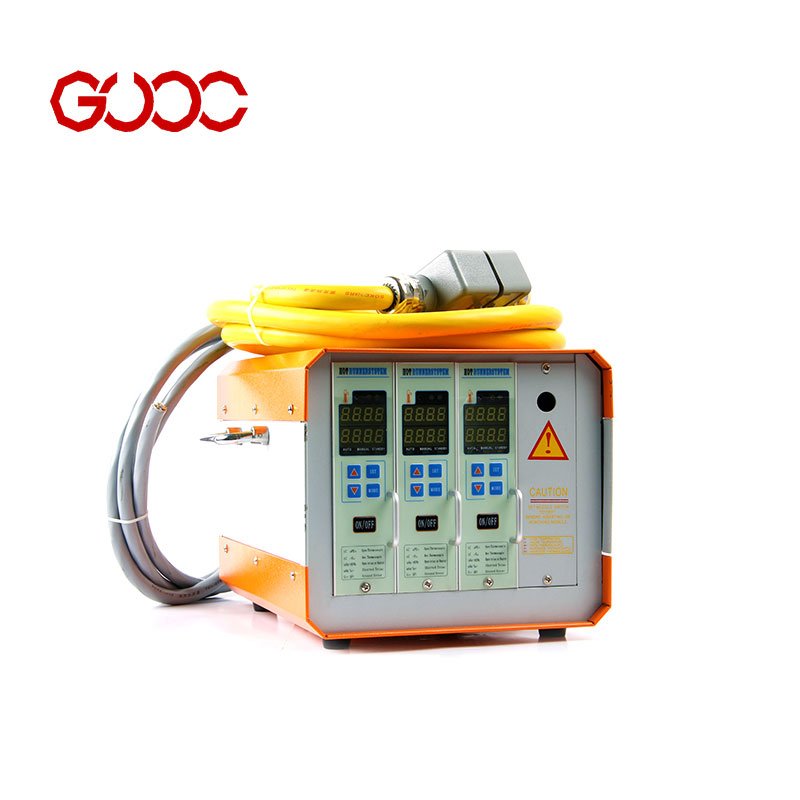
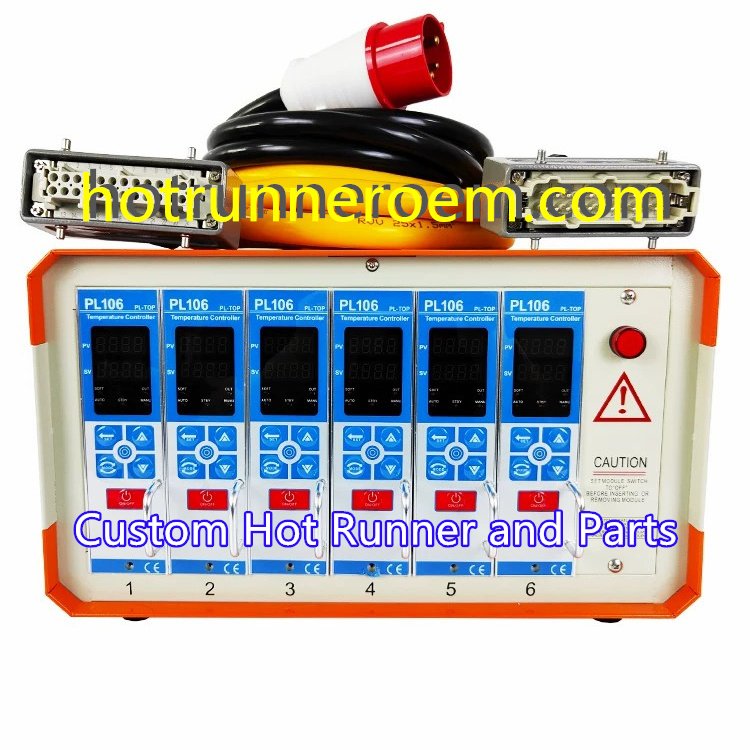
For more details on managing sensor input for temperature control, explore our detailed hot runner temperature controllers overview.
Choosing the right thermocouple type and junction style will optimize your mold thermal monitoring setup, directly impacting part quality and process efficiency.
Advanced Construction Features of Hot Runner Temperature Sensors
Hot runner temperature sensors are built tough to handle the demanding environment of injection molding. Key construction features include:
| Feature | Description | Benefit |
|---|---|---|
| Mineral Insulated Cable (MIC) | A robust stainless steel sheath around tightly compacted magnesium oxide insulation | High durability, excellent heat resistance, and electrical stability |
| Transition Adapters | Connectors that allow seamless changes from sensor to lead wire or controller | Prevents damage, ensures reliable data transmission |
| Lead Wire Protection Options | Stainless steel braided lead wires, flexible sleeves, or spring-loaded guards | Protects from abrasion and bending, extends sensor lifespan |
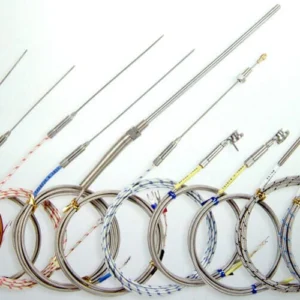
Mineral insulated sensors are preferred as they resist chemical corrosion and mechanical wear while providing rapid thermal response. Transition adapters avoid weak points where the sensor meets wiring, reducing failure risk. Using features like stainless steel braided lead wires or spring-loaded thermocouples adds extra toughness where flexing or pulling happens.
Choosing the right combination of these construction elements ensures your hot runner manifold probes and nozzle temperature transducers deliver precise readings with longevity, critical for stable mold thermal monitoring.
For reliable sensor wiring solutions, explore our range of hot runner controller cables designed to match these advanced sensor features.
Mounting Styles and Configuration Options for Hot Runner Temperature Sensors
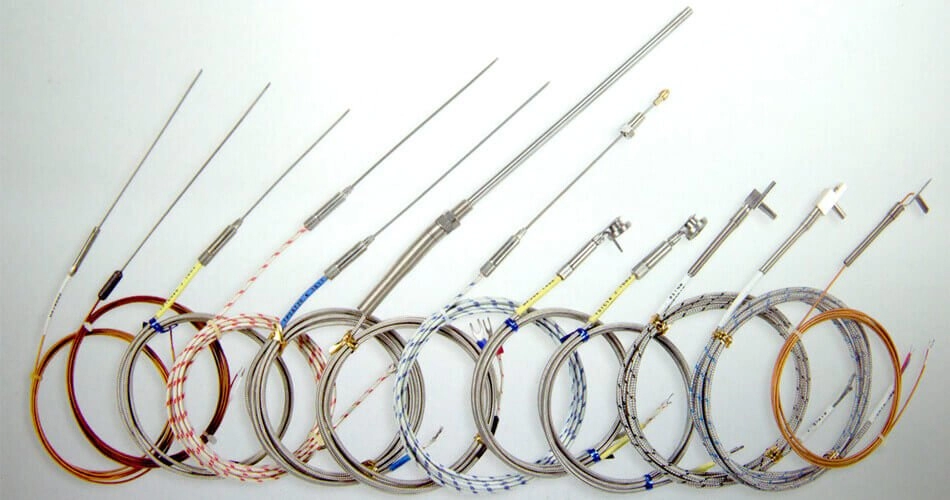
Choosing the right mounting style and configuration is crucial for accurate mold thermal monitoring in hot runner systems. Here’s a quick overview of the most common options, each designed to fit specific mold setups and sensor requirements:
| Mounting Style | Description | Common Uses |
|---|---|---|
| Bayonet Style | Quick-lock design, easy installation and removal | Fast maintenance, nozzle tips |
| Compression Fitting | Tight seal with adjustable depth insertion | Hot runner manifold probes |
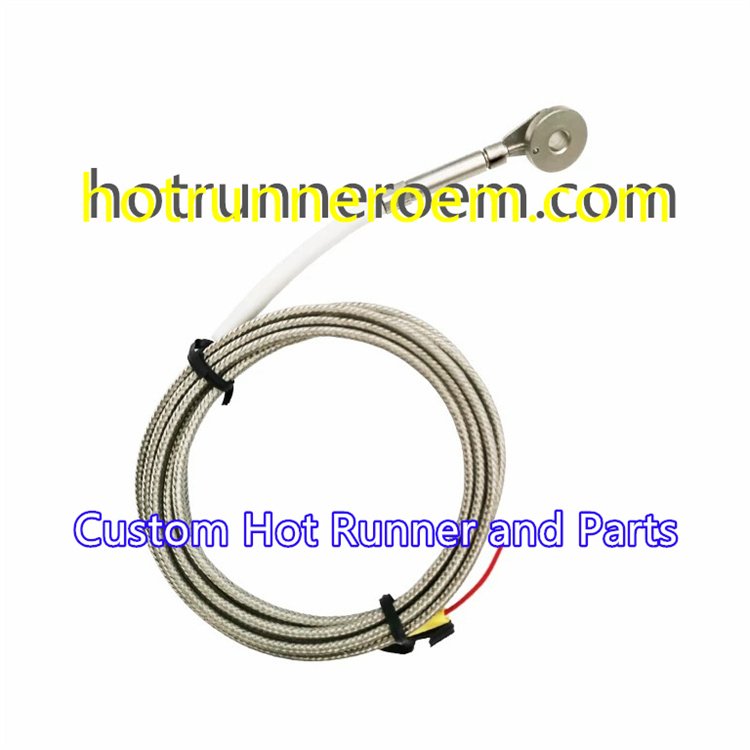
| Ring Sensors | Wrap-around sensor, ideal for cylindrical or flat surfaces | Monitoring valves and gates |
| Custom Probe Sizes | Tailored lengths and diameters for unique mold designs | Specialized injection molding molds |
Bayonet mount thermocouples are popular for their secure fit and user-friendly design, ideal when you need fast sensor replacement without downtime. Compression fittings let you adjust the sensor depth, crucial for precise temperature feedback on hot runner manifolds where the correct probe position influences accuracy.
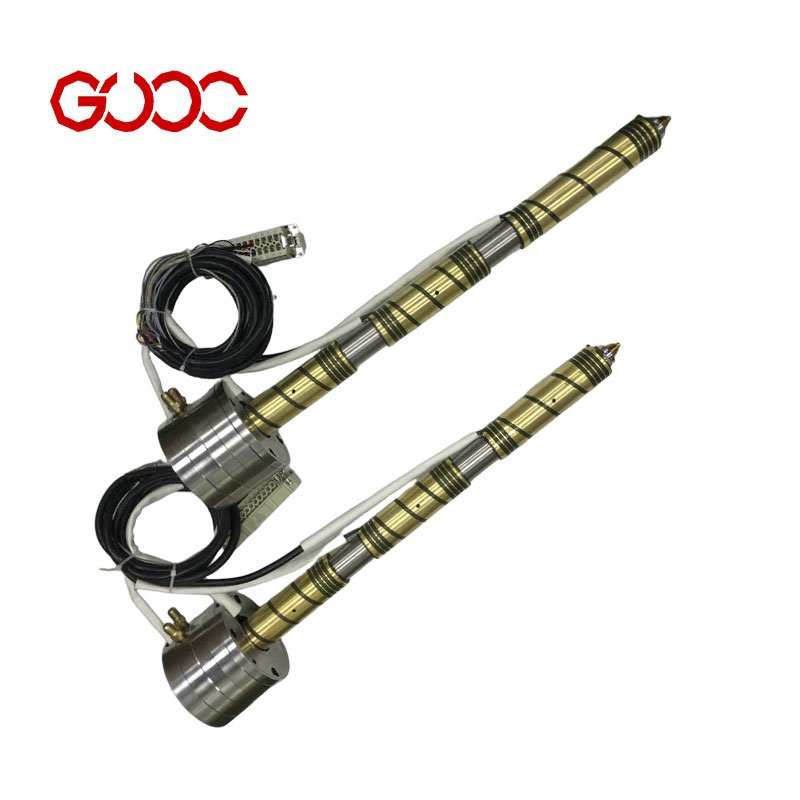
Ring sensors offer flexibility for valve gate monitoring or places where a direct probe insertion isn’t practical. For complex molds, custom probes with mineral insulated cable (MIC) and stainless steel braided lead wire ensure durability and perfect fitment, minimizing the risk of damage.
Each mounting choice supports the role of the PID controller input sensor, making sure your injection molding process is smooth and parts come out with consistent quality. For more on how sensor placement affects your system performance, check our detailed insights on hot runner control strategies.
Applications in Hot Runner Systems: Precision Thermal Feedback
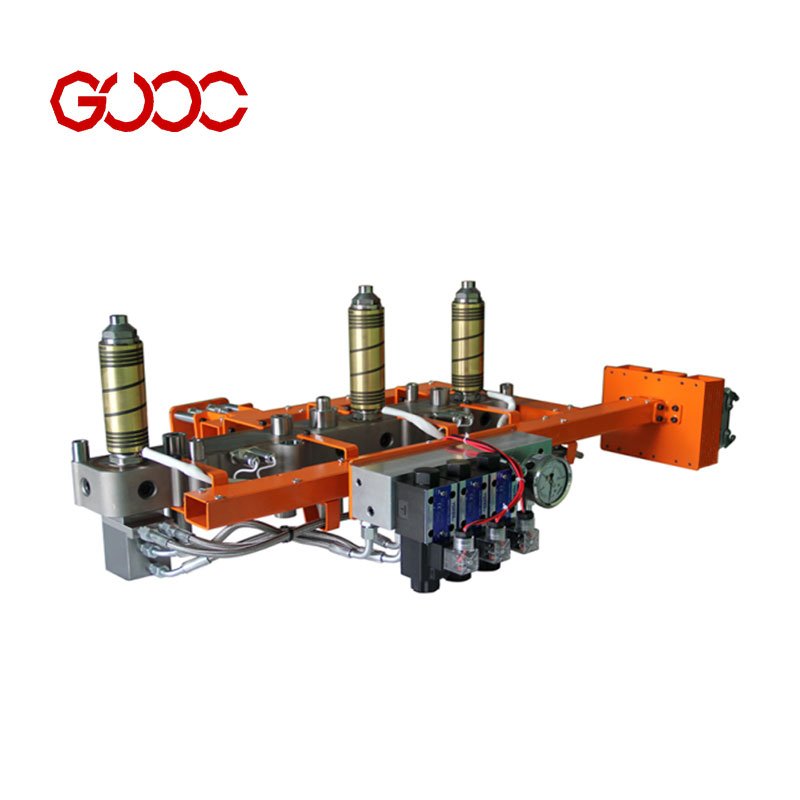
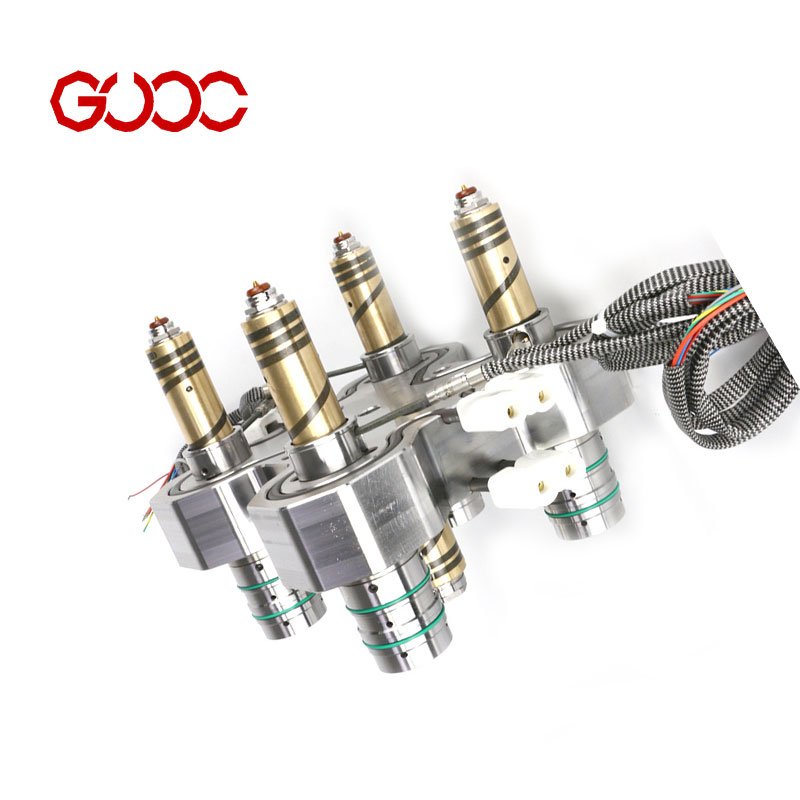
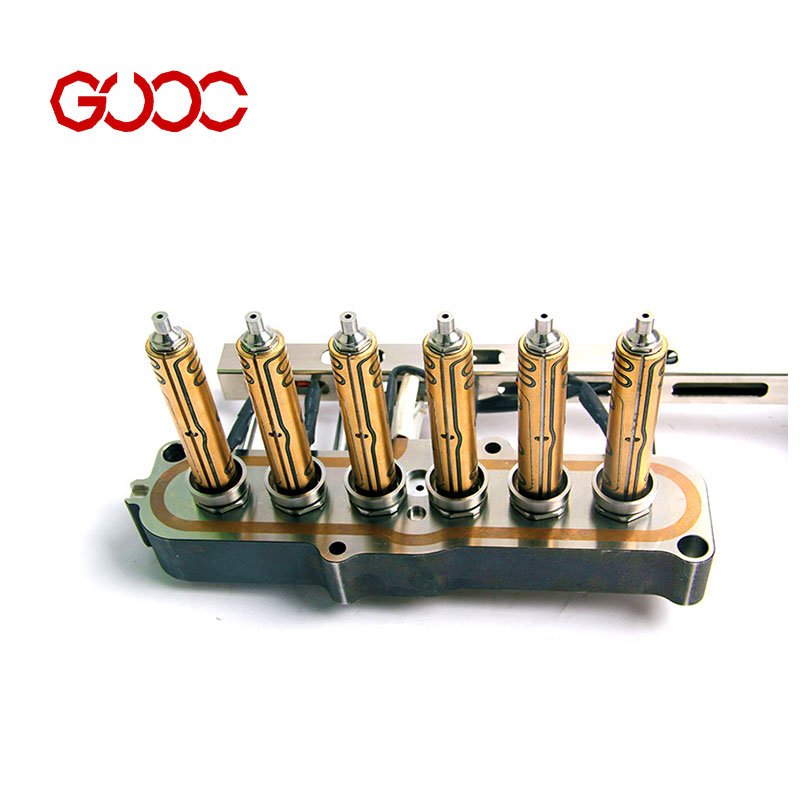
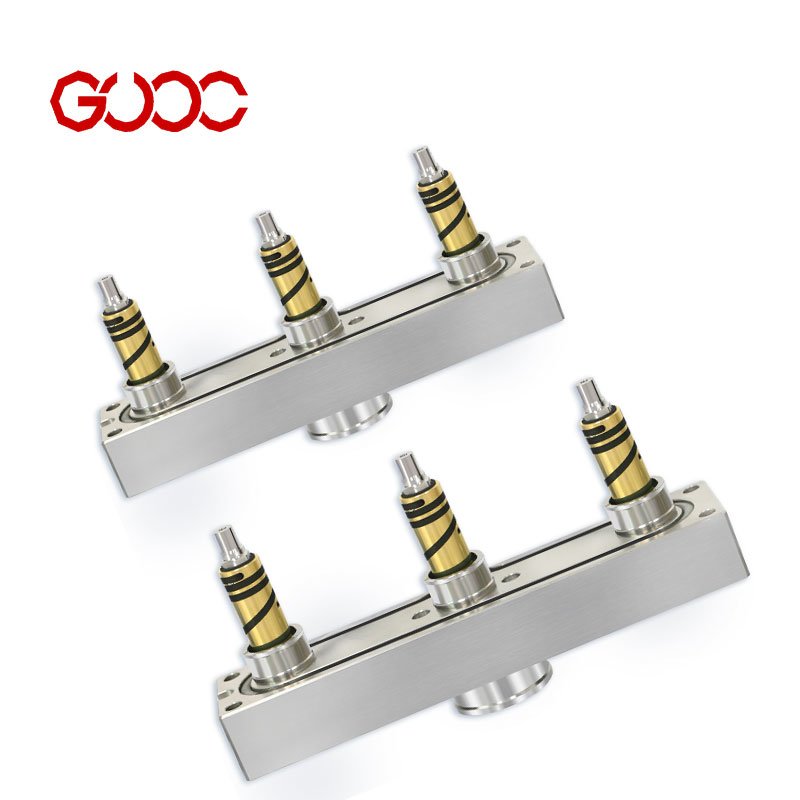
Hot runner temperature sensors play a vital role in maintaining the efficiency and quality of injection molding processes. One key application is manifold control, where hot runner manifold probes continuously monitor temperature to ensure the molten plastic flows consistently. Accurate thermal readings allow the PID controller input sensor to make real-time adjustments and avoid issues like material degradation or incomplete fills.
Next, nozzle tip monitoring is crucial to guarantee the exact temperature at the point where the plastic enters the mold cavity. Using a nozzle temperature transducer helps prevent quality defects and reduces cycle time by maintaining optimal melt conditions right at the nozzle tip.
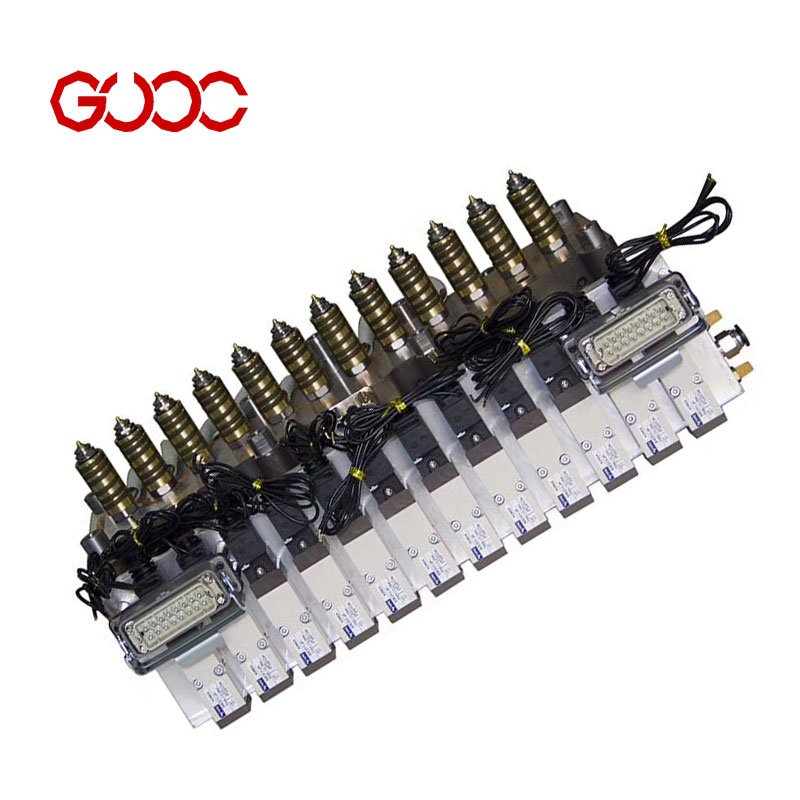
Additionally, valve gate systems heavily rely on thermal feedback from specialized sensors. These sensors provide precise temperature data to regulate valve gate operation, which is essential for avoiding gate freezing or premature wear.
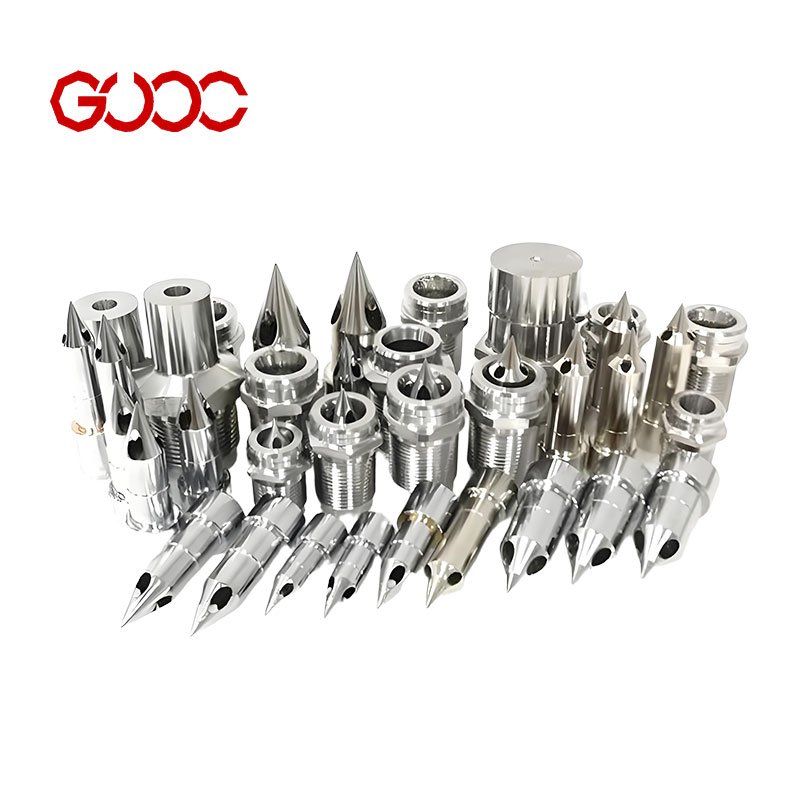
We supply high-quality sensors designed for manifold and nozzle temperature control, built to integrate seamlessly with major hot runner setups. For detailed options on manifold probe configurations and custom solutions, check our hot runner manifold temperature sensor offerings and hot runner nozzle components.
Why Source from China Hot Runner System?
Choosing a China hot runner system manufacturer and supplier offers clear advantages that support your production needs efficiently. With direct manufacturing, you cut out unnecessary middlemen, ensuring competitive pricing and better control over product quality. Chinese manufacturers often combine advanced production techniques with strict quality assurance processes, meaning your hot runner manifold temperature sensor or nozzle temperature transducer meets international standards reliably.
Another key benefit is rapid replacement and responsive after-sales service. When a hot runner manifold probe or injection molding thermocouple needs urgent replacement, sourcing directly from China ensures faster turnaround times — minimizing downtime on your molding lines. Plus, customization options like stainless steel braided lead wire protection or specific bayonet mount thermocouples are easier to arrange with suppliers who own the full production line.
For businesses looking for industrial resistance thermometers or PID controller input sensors tailored to their hot runner applications, partnering with a reputable China supplier aligns quality and cost-effectiveness. To explore detailed parts and system options, check out our extensive range of hot runner components that leverage local manufacturing advantages.
Frequently Asked Questions on Hot Runner Temperature Sensors
Here we answer the common technical questions about hot runner temperature sensors like calibration, response time, and compatibility with top industry brands.
| Question | Answer |
|---|---|
| Which calibration standard should I choose? | Most select J-type or K-type thermocouples calibrated to ASTM E230 or IEC 60584 standards for accuracy in injection molding thermocouple use. |
| How fast do these sensors respond? | Typical sensor response time ranges from 0.5 to 2 seconds, depending on junction type (grounded junction offers faster response). |
| Are these sensors compatible with major hot runner systems? | Yes, sensors like bayonet mount thermocouples and mineral insulated types fit well with most industry-leading hot runner systems, including valve gate operation monitoring. |
| What type of sensor junction is preferred? | Grounded junction sensors are popular for rapid thermal feedback in PID controller input sensors, but ungrounded ones provide electrical isolation. |
| Can I use spring-loaded thermocouples in my setup? | Absolutely, especially where vibration or movement is present; the spring-loaded design maintains contact for accurate mold thermal monitoring. |
For detailed specifications or inquiries about calibration options and sensor integration, we invite you to request a technical consultation. Our team ensures your nozzle temperature transducer or hot runner manifold probe fits perfectly with your system needs.
Explore our custom products page for tailored solutions and rapid support at hot runner system China supplier.
Request a Technical Consultation for Hot Runner Temperature Sensor
Need help choosing the right hot runner temperature sensor? Whether it’s a J-type thermocouple probe, K-type thermal sensor, or custom solution, we’re here to support you.
What we offer:
- Detailed specs tailored to your injection molding setup
- Pricing based on your desired quantities and customization
- Guidance on sensor types: mineral insulated cable (MIC), nozzle temperature transducer, or hot runner manifold probe
- Info on compatible mounting styles like bayonet mount thermocouple or compression fittings
Why reach out?
- Quick response from experienced engineers
- Access to quality checked sensors from direct manufacturing in China
- Advice on optimal integration with your PID controller input sensor setups
- Solutions for fast replacement and maintenance
Got questions about calibration, sensor types, or compatibility? Just drop a message or call us.
We’re your go-to partner for reliable mold thermal monitoring and hot runner system temperature control.
 English
  Spanish
  French
  Portuguese
  Italian