 Skip to content




Diagnosing the Severity: When is Cleaning Mandatory?
Effective hot runner cleaning starts with correctly identifying when maintenance is essential. Ignoring early signs can lead to costly downtime and poor molding quality. Here’s how to spot the warning signs and understand residue impact:
| Symptom | What It Means | Action Needed |
|---|---|---|
| Persistent black specks | Carbon buildup or degraded polymer fragments | Immediate cleaning advised |
| Pressure spikes during injection | Blockages or partial clogs in melt channels | On-machine purge or deep cleaning |
| Slow or inconsistent color changeovers | Resin stagnation or residue affecting flow | Chemical purging or flushing required |
Residue Types Matter
Understanding the nature of residues in your system helps select the right cleaning approach:
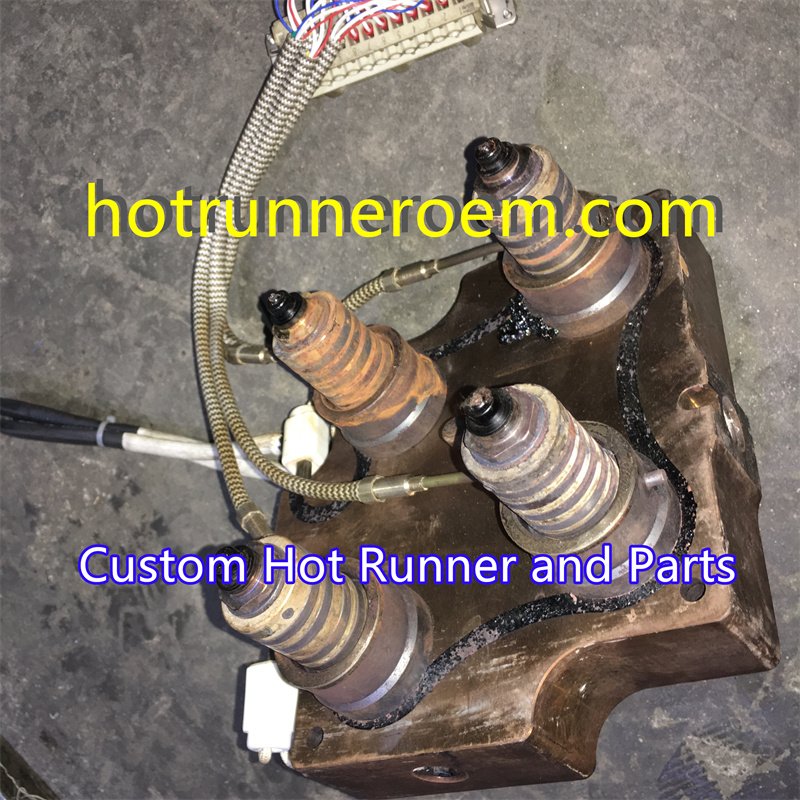
- Soft residue: Sticky or gummy buildup; often from partially cured polymers or additives. Easier to remove with chemical purging agents.
- Carbonized degradation: Hard, burnt deposits formed by polymer overheating. Requires more aggressive methods like thermal cleaning or ultrasonic treatment.
Accurate diagnosis of both symptoms and residue type ensures you apply the most effective cleaning strategy and avoid recurring issues in your hot runner system.
Strategy A: In-Situ Cleaning (On-Machine Purging)

When it comes to hot runner cleaning, starting with in-situ methods keeps your production moving without downtime. On-machine purging focuses on clearing plastic residue right in the mold, saving time and preventing extended shutdowns.
Chemical Purging Agents:
Select purging compounds tailored to your resin type. Different polymers react differently—thermoplastic resins like ABS, PP, and PC each demand specific cleaning agents to effectively remove residual material and prevent carbon buildup. Using the right injection molding purging compounds ensures thorough cleaning while protecting your hot runner system’s internal surfaces.
The Disco Method / Stress Crack Method:
This technique uses temperature cycling to loosen stubborn residues. By alternating the melt temperature—heating above the resin’s degradation point, then cooling slightly—micro cracks develop in carbonized deposits inside melt channels. These cracks help detach baked-on residues without dismantling, improving cleaning efficiency.
High-Velocity Flushing:
Increasing injection speed during purging causes higher shear force inside the melt channel, helping flush out stagnant resin lumps. This high-velocity flushing is ideal for clearing resin stagnation zones that trap degraded material and hinder smooth flow, especially important during color changeover optimization.
Limitations:
On-machine cleaning works well for routine maintenance but struggles with severe carbon buildup or polymer cross-linking inside tight manifolds or nozzles. If residue hardens or channels get blocked, chemical purging and flushing alone won’t suffice, necessitating disassembled deep cleaning for restoration.
For best results, integrate these purging practices with precise hot runner temperature control, like those found in advanced hot runner temperature controllers, to avoid overheating that accelerates residue formation.
Strategy B: Disassembled Deep Cleaning (Off-Machine Restoration)
When in-situ cleaning isn\’t enough, taking the hot runner apart for a thorough deep clean is the next step. Start with safe disassembly protocols to remove manifolds and nozzles carefully, ensuring no damage occurs to critical parts. Proper handling prevents costly replacements and maintains system integrity.
For stubborn residues and carbon buildup, thermal cleaning offers powerful solutions. Techniques like fluidized sand bed cleaning provide uniform heat exposure, effectively loosening tough deposits without harming metal surfaces. Alternatively, vacuum pyrolysis ovens break down polymer cross-linking and degraded resin at controlled temperatures, eliminating microscopic residue from melt channels.
Ultrasonic cleaning complements thermal methods by using high-frequency cavitation to dislodge particles invisible to the naked eye. This method is especially effective for nozzles and tight internal passages, ensuring every corner is free from obstruction and ready for next use.
Finally, manual polishing plays a key role in restoring the smooth finish of melt channels. Polishing reduces rough spots where resin tends to ignite degradation, improving resin flow and extending part life.
Deep cleaning off-machine may seem labor-intensive but it’s essential for tackling severe resin stagnation zones and ensuring the hot runner system performs optimally over time. For effective results, following professional cleaning sequences preserves the lifespan of your hot runner components.
To learn more about handling delicate parts during cleaning, check our detailed insights on hot runner nozzle maintenance and manifold care.
Critical Component Care: Nozzles and Tips
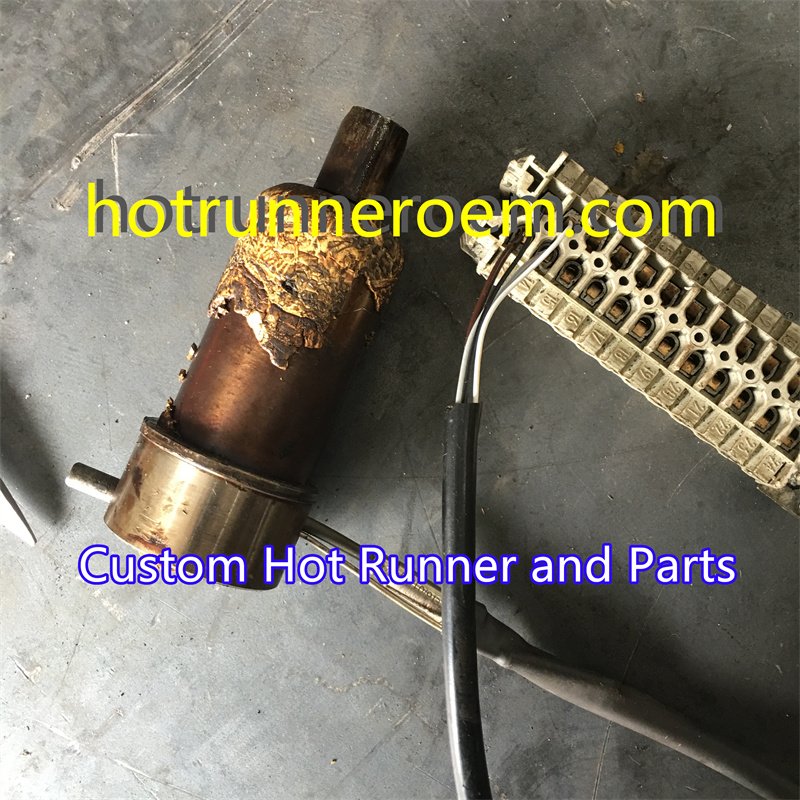
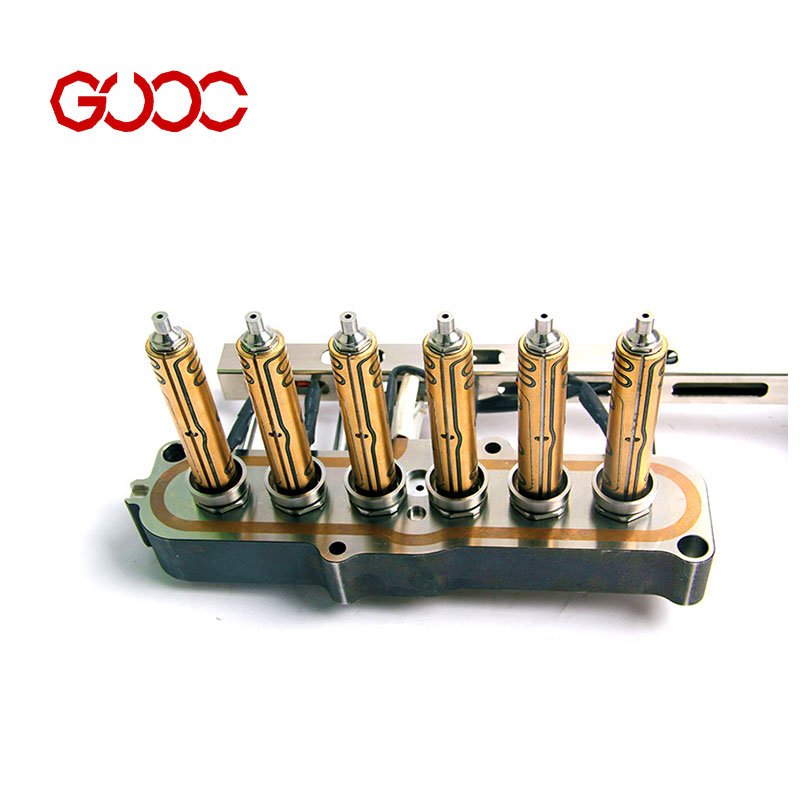
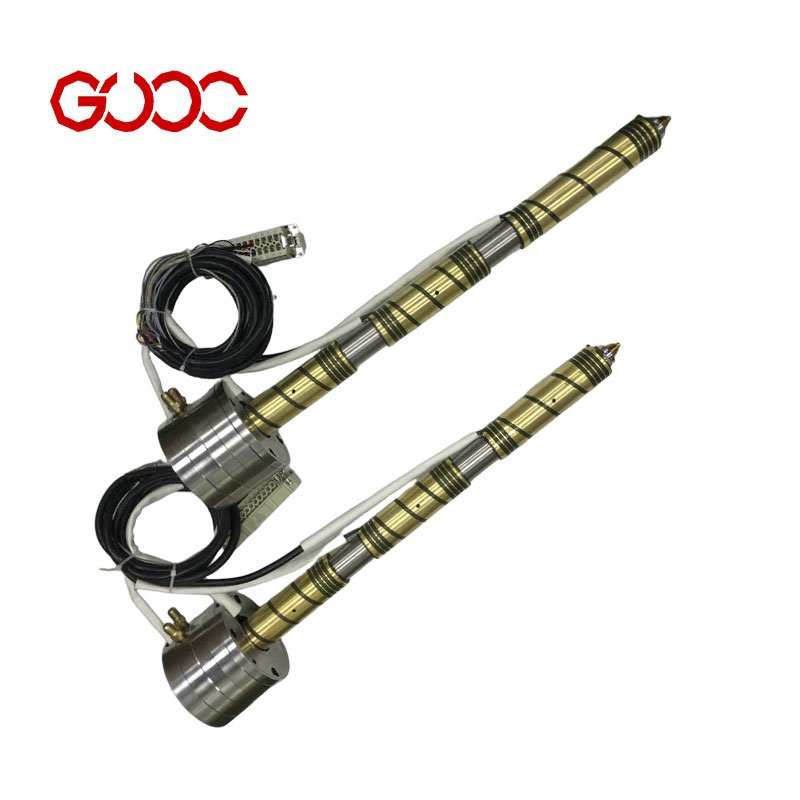
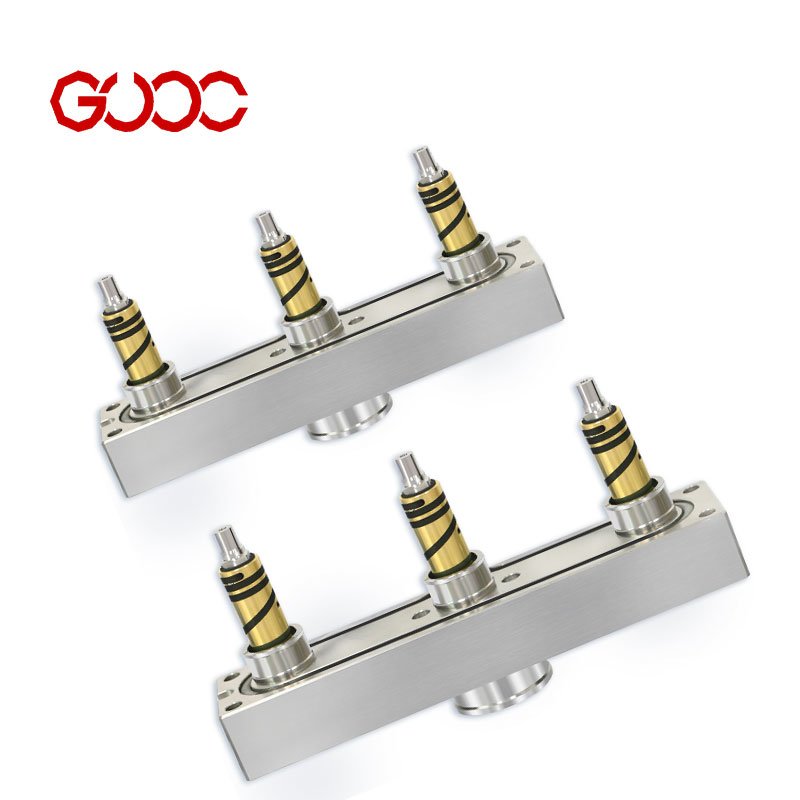
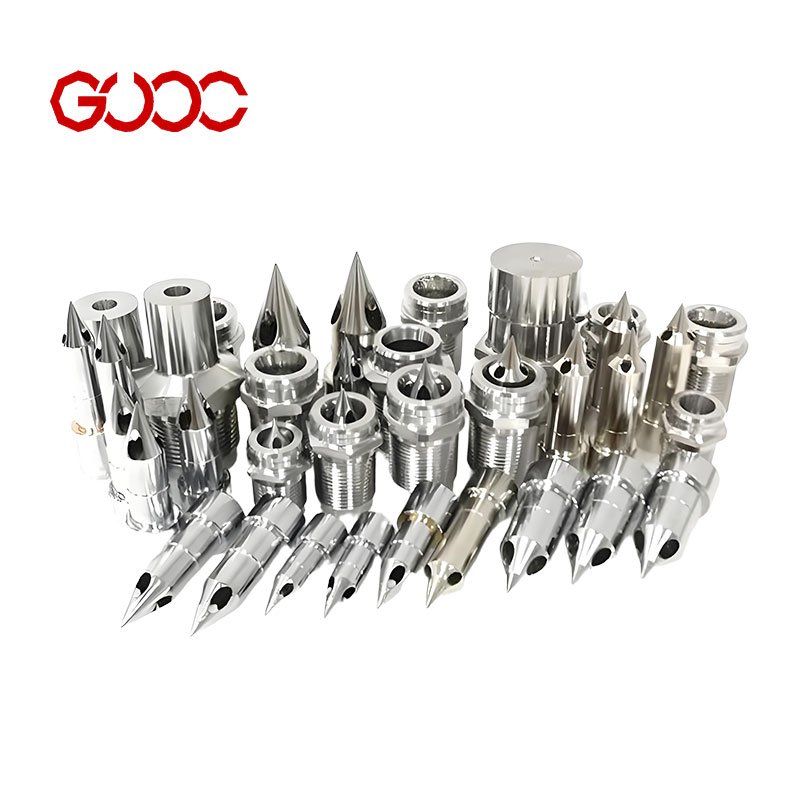
Nozzle tips are some of the most delicate parts of a hot runner system—treating them carefully during cleaning is essential. Their fragility means rough handling or improper cleaning can easily cause damage, leading to costly repairs or replacements.
When removing plastic residue from nozzle tips, avoid aggressive scrubbing or harsh chemicals that might harm the sealing rings. Instead, use targeted purging compounds compatible with the resin type and gentle mechanical methods like soft brushes or specialized ultrasonic cleaning. This ensures residue clears away without risking the nozzle’s integrity.
After cleaning, always inspect nozzle tips meticulously for signs of wear such as keyholing (holes caused by erosion), surface washout, or deformation. Early detection of these issues helps maintain consistent melt flow and prevents unexpected downtime. Prioritizing nozzle care during hot runner maintenance is crucial for reliable molding cycles and preventing costly defects. For advanced inspection and cleaning techniques, consider professional guidance from experienced hot runner system providers familiar with manifold fluidized bed cleaning and related restoration technologies.
Preventative Measures: Reducing Frequency of Overhauls
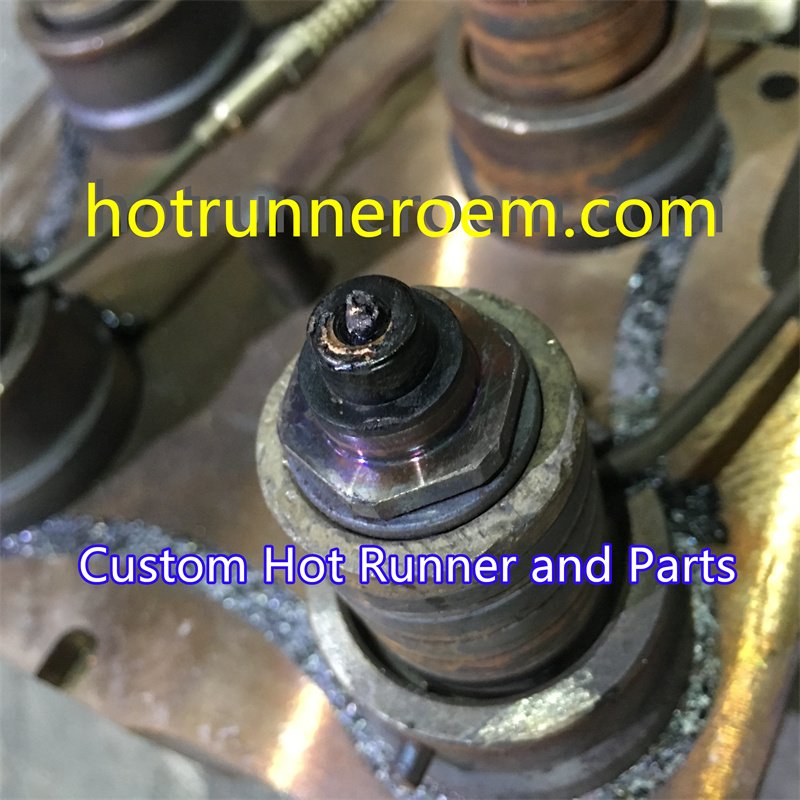
Keeping your hot runner system running smoothly starts with smart preventive steps to cut down how often deep cleaning is needed. Here’s what makes a difference:
- Temperature Management: Avoid letting resin overheat during idle times. High heat causes thermal degradation and polymer cross-linking, leading to stubborn carbon buildup in melt channels. Maintaining stable, recommended temperatures prevents damage and keeps residues soft, making regular on-machine purging more effective.
- Shutdown Procedures: When stopping production, lower temperatures gradually rather than shutting off abruptly. Ensure the system remains filled with resin to avoid air pockets that cause oxidation and resin stagnation zones. Proper cooling and filling minimize gate vestige and pressure spikes when restarting.
- Material Handling: Always use dry, clean resin to feed the hot runner. Moisture or contaminants in the polymer can accelerate degradation and create deposits in nozzles and manifolds. Consistent material quality reduces the risk of flow imbalance and the need for aggressive purging compounds.
By focusing on these basics, you extend intervals between major interventions like manifold fluidized bed cleaning or pyrolysis oven treatment. For ongoing upkeep, refer to a detailed hot runner maintenance schedule designed around your resin and mold specifics to maximize uptime.
For more tips on optimizing injection molding performance and troubleshooting resin issues, check out our insights on hot runner system problems.
The China Hot Runner System Advantage
Choosing a China hot runner system manufacturer and supplier brings clear benefits, especially when it comes to cleaning and maintenance challenges.
| Feature | Benefits | Why It Matters |
|---|---|---|
| Custom Manufacturing & Flow Analysis | Tailored designs reduce resin stagnation zones and minimize thermal degradation | Prevents carbon buildup and uneven flow for longer tool life |
| Professional Service Capabilities | Full-scale refurbishment beyond on-site cleaning | Keeps hot runner nozzles and manifolds in peak condition, avoiding premature failures |
| Expert Consultation | Troubleshooting for specific resin/mold combos | Optimizes color changeover and helps fix flow imbalance troubleshooting issues quickly |
By working with a trusted China hot runner system supplier, you receive not just quality components but also comprehensive support in maintaining your hot runner system’s performance. This means fewer shutdowns for cleaning, better melt channel polishing, and superior durability overall.
For reliable parts and pro service options, check out our offerings at hotrunneroem.com to keep your process smooth, productive, and problem-free.
 English
  Spanish
  French
  Portuguese
  Italian