 Skip to content


What Is a Hot Runner Mold Manifold Heater?
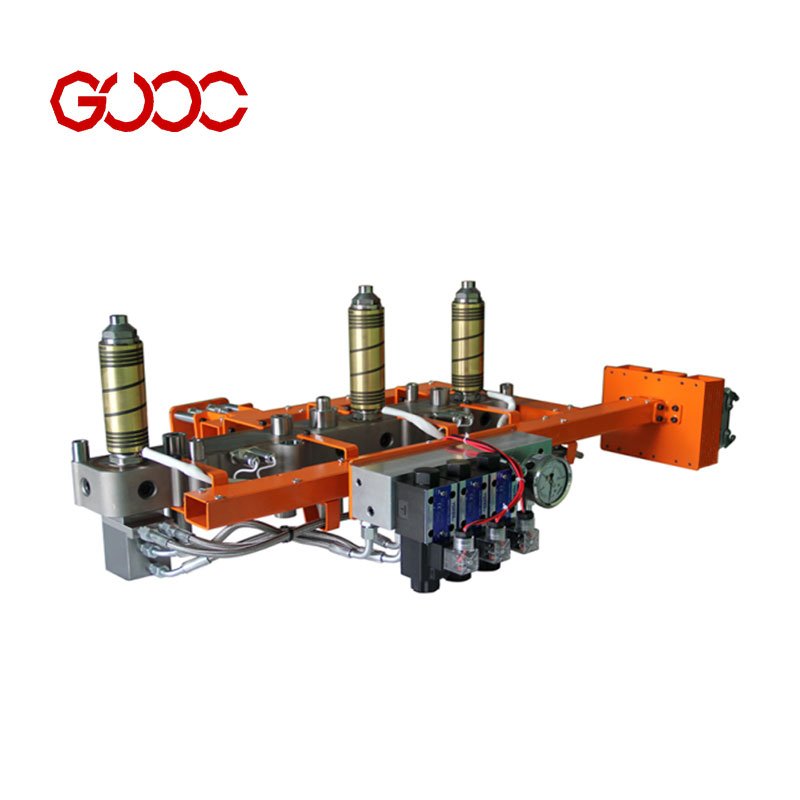
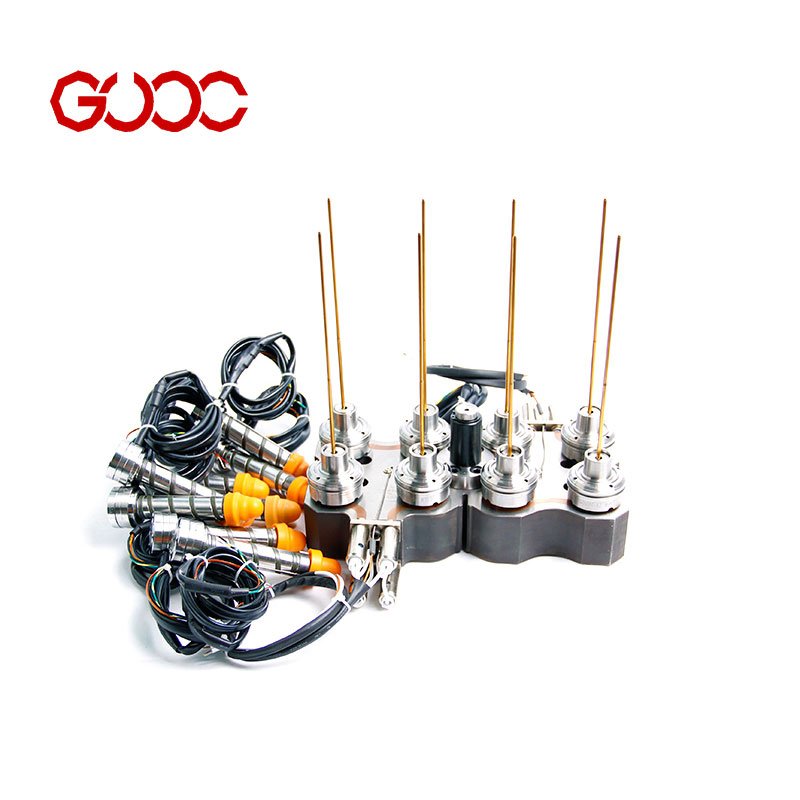
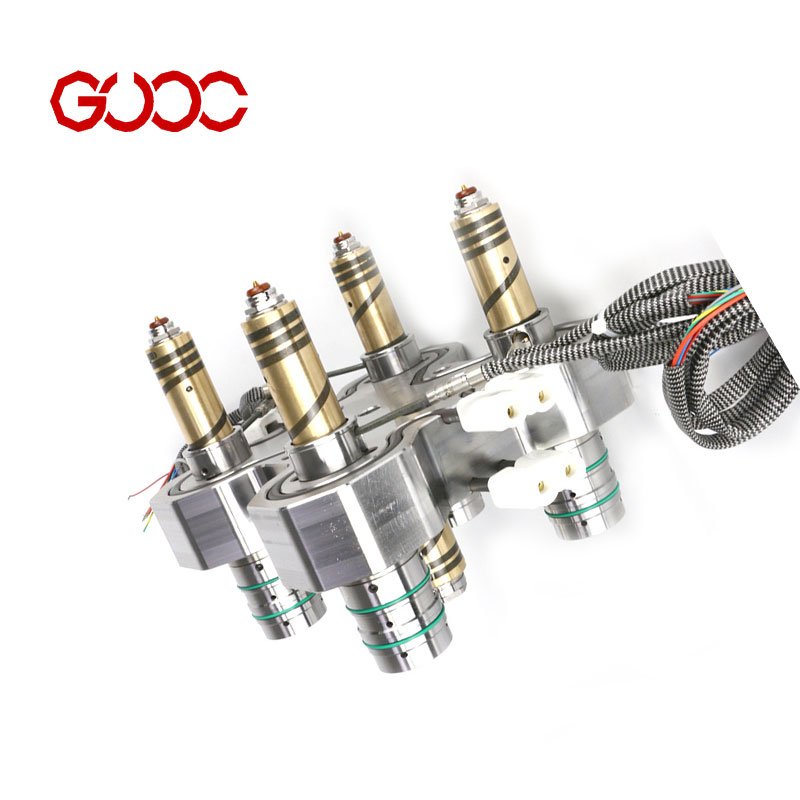
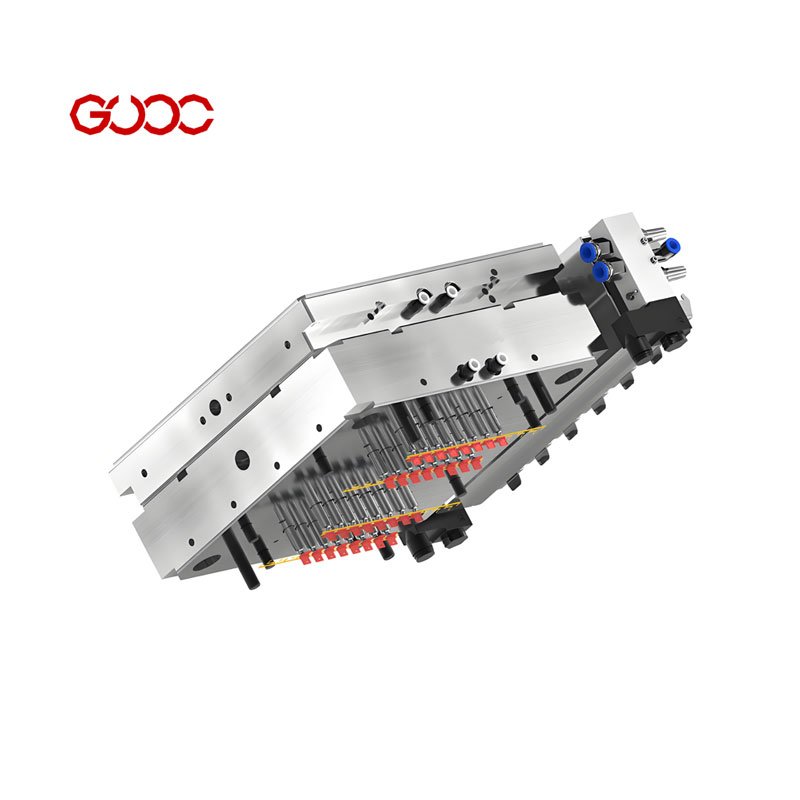
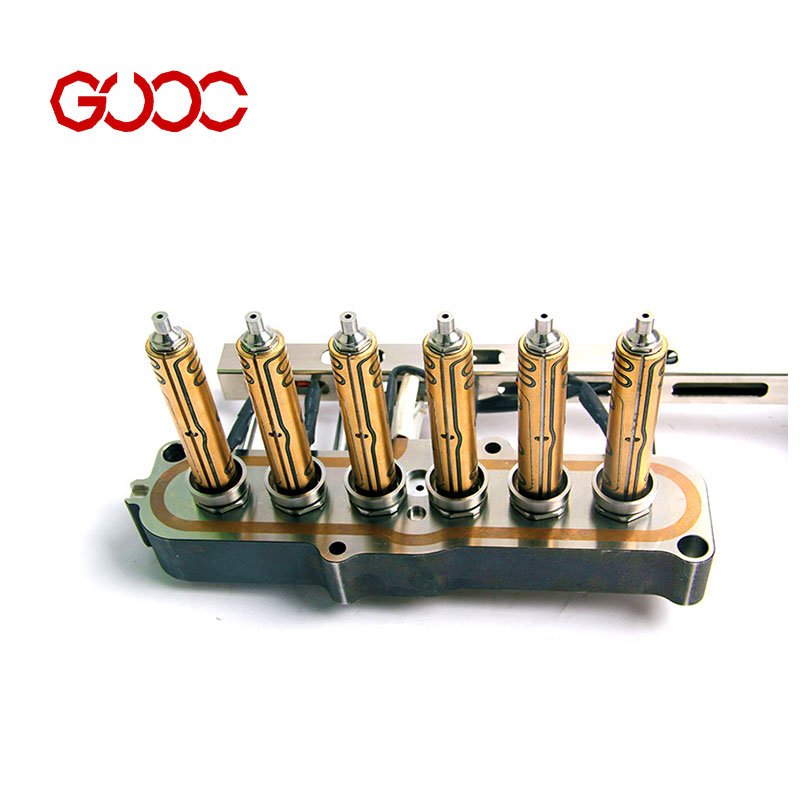
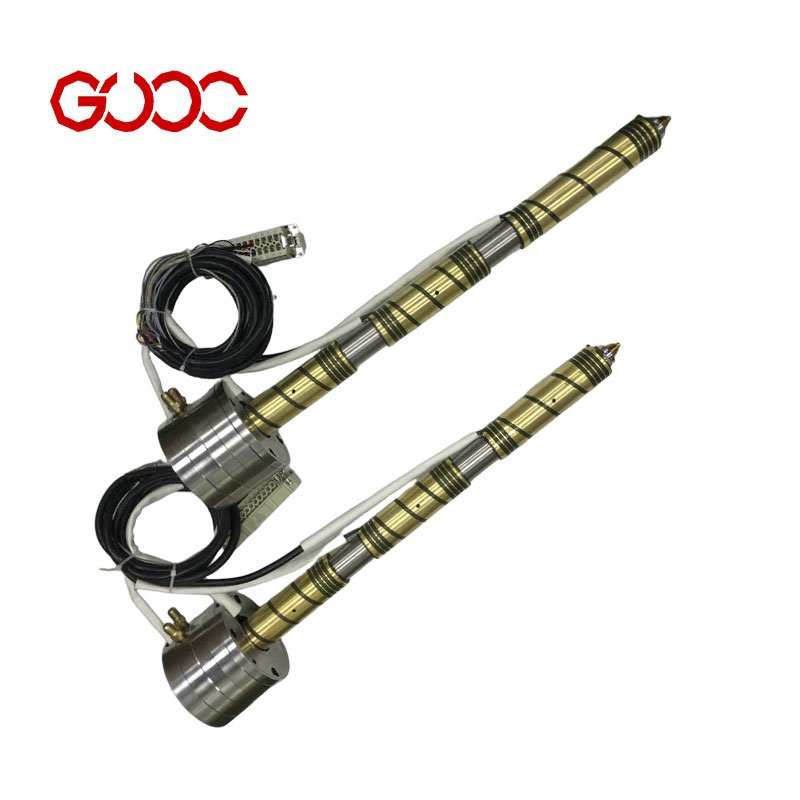
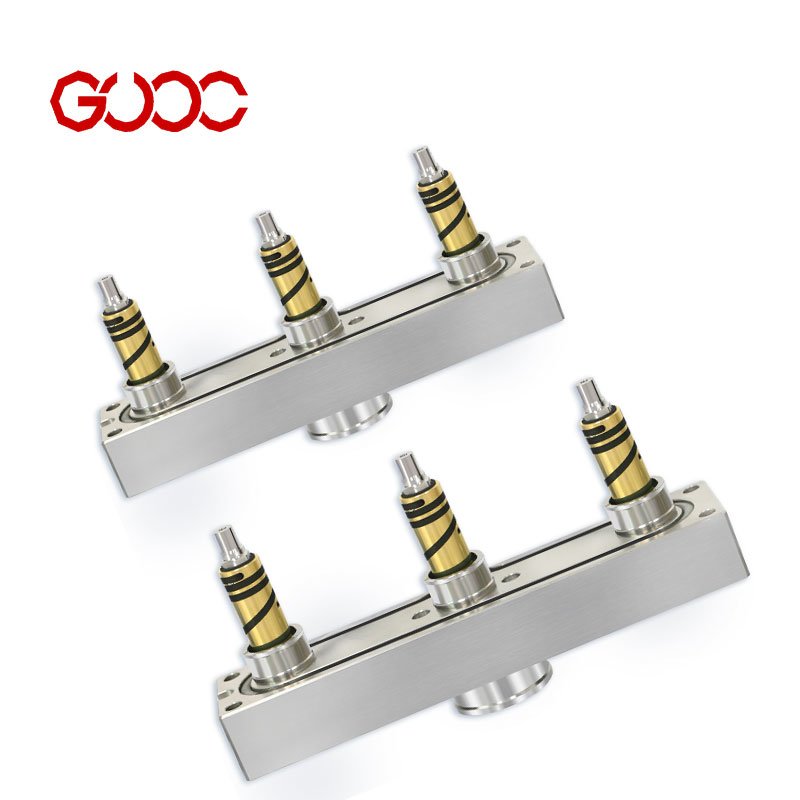
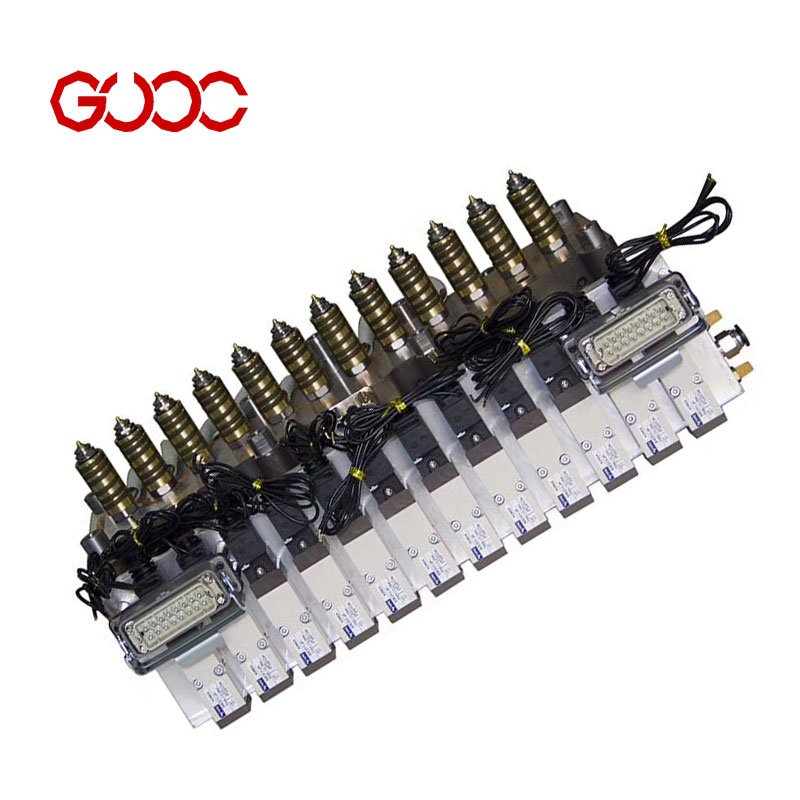
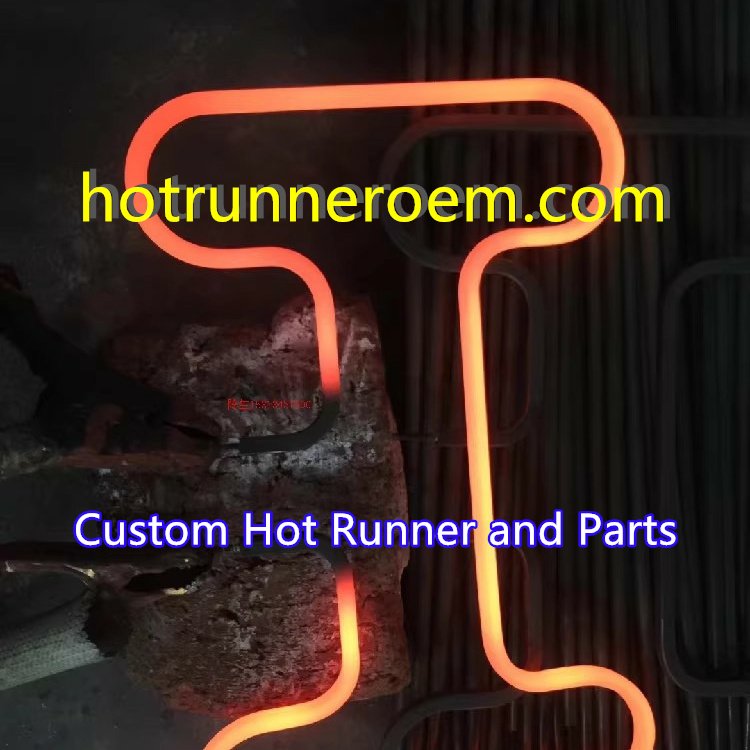
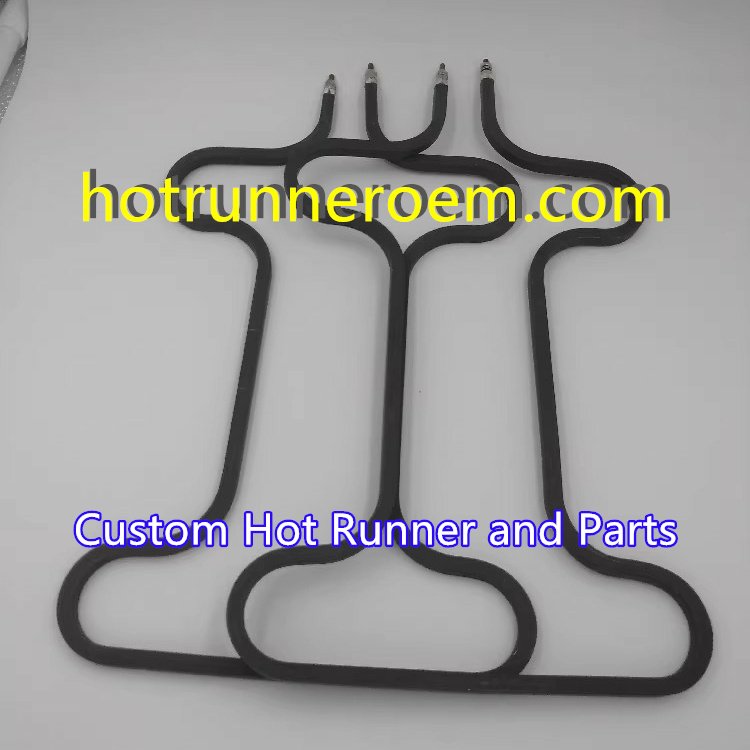
A hot runner mold manifold heater is a specialized component used in plastic injection molding to ensure consistent and precise temperature control across the hot runner system. It plays a critical role in maintaining the ideal melting conditions within the mold’s channels, preventing defects and ensuring high-quality parts.
Role of Manifold Heaters in Plastic Injection Molding
Manifold heaters are essential for heating the mold’s manifold, which distributes molten plastic to multiple nozzles. By providing uniform heat, they prevent cold spots that can cause flow issues or incomplete filling. Properly functioning manifold heaters help achieve smooth injection, reduce cycle times, and improve overall part quality.
How Manifold Heaters Maintain Thermal Balance
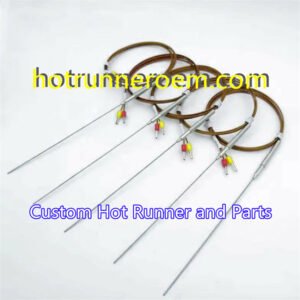
These heaters work by evenly distributing heat along the manifold and hot runner channels. They are equipped with precise temperature sensors, such as nozzle thermocouples, to monitor and adjust temperature in real time. This balance is vital to avoid overheating or underheating, which can lead to material degradation or inconsistent parts.
Core Components of Hot Runner Heating Systems
A typical hot runner mold manifold heater includes:
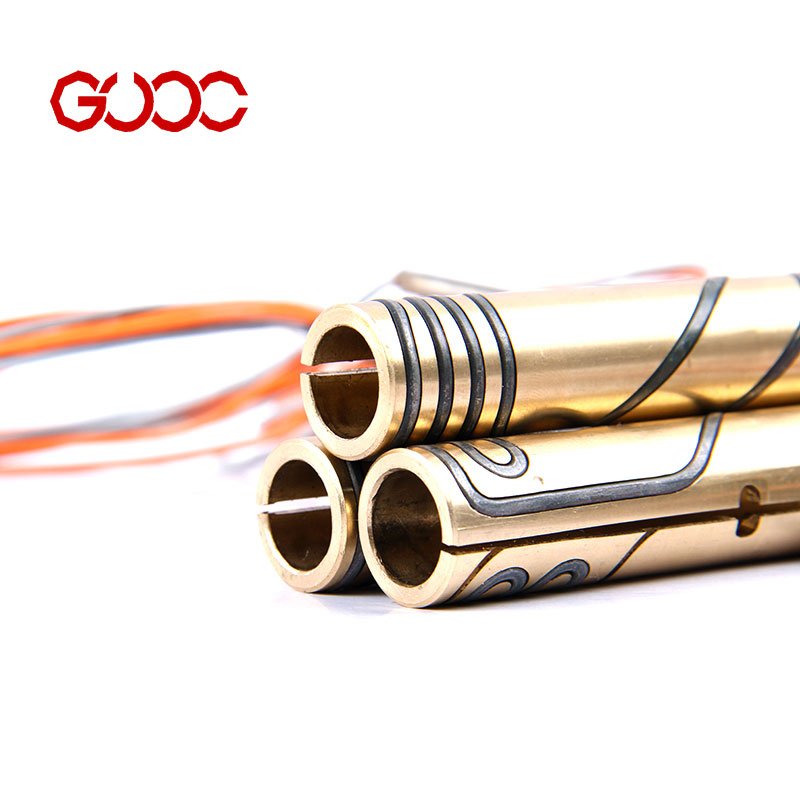
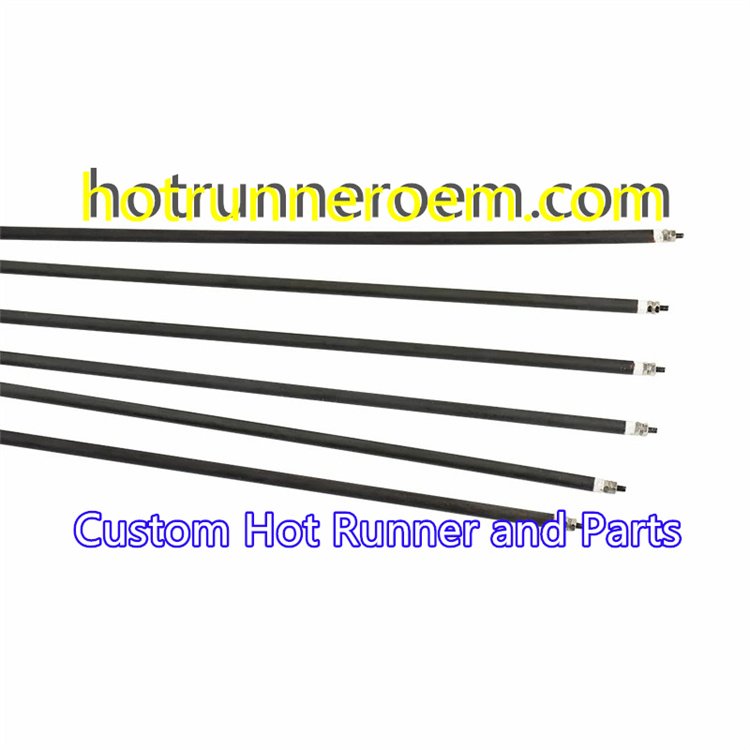
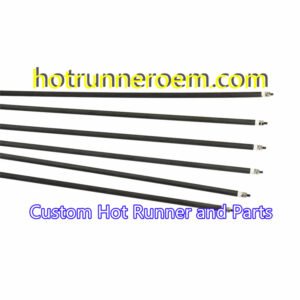
– Cast-in or flexible heating elements designed for durability
– Thermocouples (Type J or other types) for accurate temperature measurement
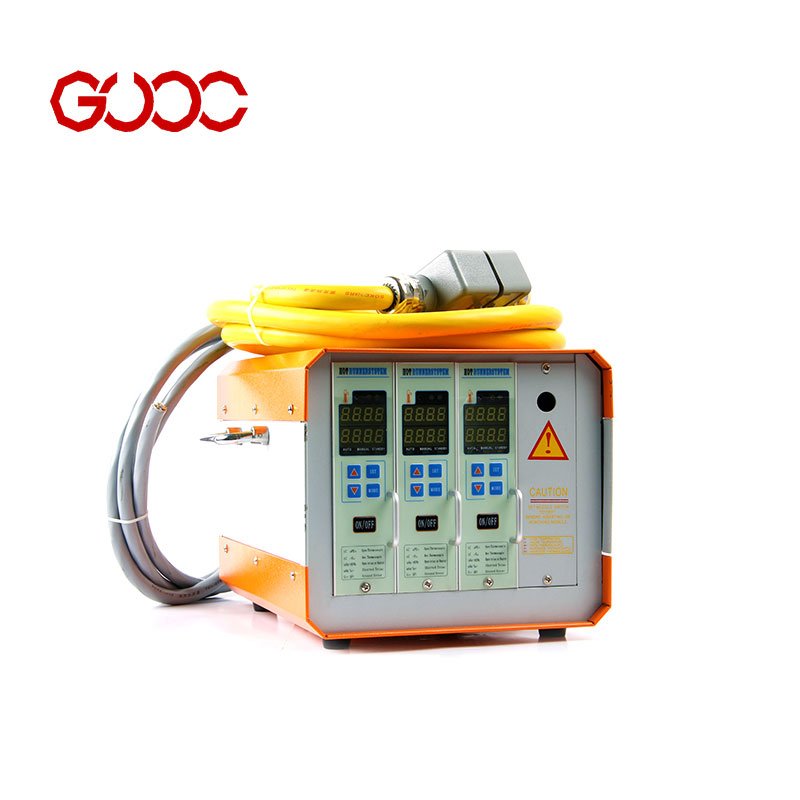
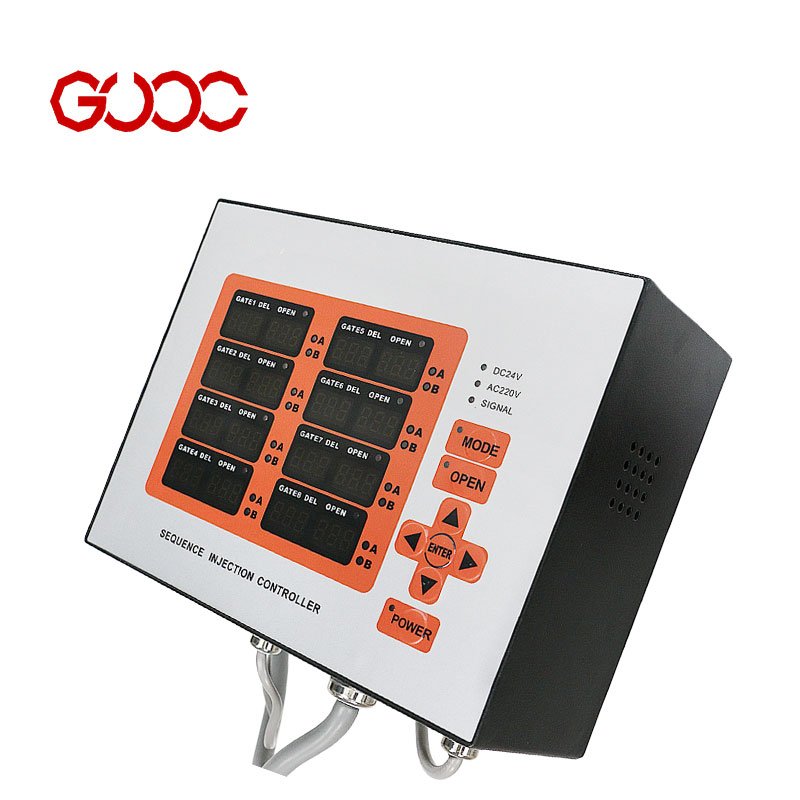
– Temperature controllers that regulate heat output
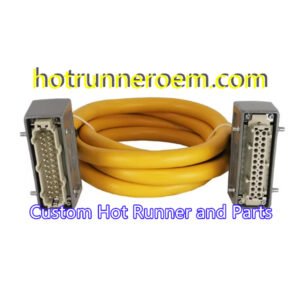
– Wiring and insulation for safety and efficiency
Types of Hot Runner Manifold Heaters
Manufacturers offer various types, including:
– Cast-in heaters integrated into the mold
– Clamp-in or insert heaters for easy maintenance
– Flexible or silicone rubber heaters for complex geometries
– Custom-designed heaters tailored to specific mold configurations
Choosing the right manifold heater depends on application needs, material compatibility, and system design, ensuring optimal performance in injection molding processes.
Key Benefits of a Hot Runner Mold Manifold Heater
A hot runner mold manifold heater helps keep melt channels stable during injection molding. In my work with custom hot runner systems, the main value is simple: better heat control, cleaner flow, and less process waste. That matters for global buyers who need steady output, short lead times, and repeatable quality.
| Benefit | What it helps with | Why it matters |
|---|---|---|
| Stable heat | Melt channel balance | Less temperature swing |
| Faster process | Cycle efficiency | Better output flow |
| Cleaner molding | Part consistency | Less scrap and rework |
Precise Temperature Control Across Melt Channels
A good hot runner heater supports even heat distribution across the manifold and nozzle area. That helps reduce hot spots and cold spots, which is important for nozzle temperature control and stable flow in injection molding.
I usually treat temperature control as the core of the system, not an extra. With the right heater and control setup, the melt stays more consistent from shot to shot. For tighter control, pairing the heater with a proper hot runner temperature controller gives a more stable process.
Reduced Cycle Times and Energy Consumption
When heat is managed well, the system does not need to work as hard to hold temperature. That can support shorter cycle times and lower energy use in normal production. It also helps the mold run more smoothly over long shifts.
Simple benefit summary:
- Faster heat-up and steadier running
- Less heat loss through poor balance
- Better process efficiency for long production runs
- More stable output for OEM and custom jobs
Enhanced Part Quality and Reduced Material Waste
Stable manifold heat helps reduce common molding problems like uneven fill, stringing, and material degradation. That leads to better surface finish and more consistent parts.
This is especially useful for:
- Precision parts
- Heat-sensitive polymers
- Multi-cavity tools
- Jobs that need tight repeatability
| Quality result | Practical effect |
|---|---|
| More even melt flow | Better fill balance |
| Lower degradation risk | Cleaner part appearance |
| Fewer rejects | Less waste and rework |
| Better repeatability | More reliable production |
For me, the main advantage of a well-built mold heater or cast-in heater solution is not just heat. It is control, stability, and fewer production problems across the full hot runner system.
Voltage, Watt Density, and Operating Temperatures
Choosing the right hot runner mold manifold heater depends on voltage compatibility with your system. Common options include 110V, 220V, or 380V, tailored to your injection molding setup. Watt density—measured in watts per square centimeter—must match the heat load of your mold channels to ensure uniform heating without hotspots. Typical operating temperatures range from 150°C to 350°C, depending on the polymer used. High-quality cast-in heaters are often preferred for their durability and consistent heat transfer, especially when controlling nozzle thermocouple and nozzle temperature. Proper voltage and watt density selection prevent overheating and extend heater lifespan.
Sizing, Bending Radius, and Groove Fitting
Proper sizing is critical for efficient heat transfer and easy installation. Measure the length and diameter of your manifold channels accurately. The heater’s width and thickness should match the groove dimensions, ensuring a snug fit. Bending radius should be minimized to avoid damaging the heater but enough to fit your mold design. Flexible heaters with a tight bending radius are ideal for complex or compact layouts. Groove fitting must be precise to prevent air gaps, which can cause uneven heating. Consulting with a hot runner system manufacturer ensures your heater fits perfectly, reducing installation time and improving performance.
Material Compatibility for Heat-Sensitive Polymers
Not all materials tolerate high temperatures equally. For heat-sensitive polymers like PFA or PEI ULTEM, select heaters rated for lower operating temperatures to prevent degradation. Material compatibility is essential to maintain mold integrity and part quality. The heater’s insulation and coating should also resist corrosion from aggressive polymers. When dealing with such materials, consider using advanced thermocouples like Type J thermocouples for accurate temperature measurement and control. Ensuring compatibility helps avoid thermal degradation and guarantees consistent injection molding results.
Hot Runner Mold Manifold Heater Installation and Integration
I keep installation tight and practical. A hot runner mold manifold heater only works well when the fit, wiring, and control setup are all matched to the mold and the injection molding process.
Proper Mounting, Grooving, and Slot Alignment
Good mounting starts with a clean groove and correct slot alignment. I make sure the heater sits flat, with full contact across the manifold area and no point loading that can damage the hot runner heater or create uneven heating.
- Use the correct groove depth and width for a stable fit.
- Keep the heater aligned with the manifold channel and nozzle area.
- Avoid gaps, bends, and crush points that can shorten heater life.
Thermocouple Placement and Controller Integration
Temperature control depends on where the thermocouple reads. I place the sensor where it can track real heat behavior, then match it with the right controller so nozzle temperature control stays steady across the system. For tighter setups, I keep the nozzle thermocouple wiring neat and protected, and I pair the heater with a suitable hot runner controller for stable output.
- Place the thermocouple close to the control point, not in a random open spot.
- Match the sensor and controller to the hot runner system design.
- Check the wiring path so signals stay clean and reliable.
Electrical Wiring and Thermal Expansion Management
Wiring must stay protected and flexible. I route leads away from sharp edges, keep connections secure, and leave room for thermal expansion so the manifold and nozzle heater can move naturally during heat cycles without stress.
- Protect cable runs from wear and pinch damage.
- Allow for expansion and contraction during startup and running.
- Confirm all electrical connections before production begins.
Maintenance and Troubleshooting for a Hot Runner Mold Manifold Heater
Preventive Maintenance for Extended Heater Life
I keep maintenance simple and strict. A hot runner mold manifold heater works best when the system stays clean, dry, and stable. In practice, that means checking the heater body, wiring, connectors, and controller signals before wear turns into a stop.
- Inspect regularly: look for loose leads, damaged insulation, uneven heating, or signs of overheating.
- Keep temperature control stable: verify nozzle temperature control and manifold readings before full production.
- Protect the assembly: avoid contamination around the mold heater, heater grooves, and mounting slots.
- Track changes: compare daily readings so small shifts are caught early.
For hot runner systems, I also keep the manifold area aligned and the surrounding parts fitted correctly. A clean setup reduces stress on the hot runner heater and helps extend service life. For related assembly layouts, I refer to the hot runner manifold structure as the base reference.
Common Heater Failure Modes and Diagnostics
Most heater problems show up as unstable temperature, slow recovery, or a zone that stops responding. That can come from a failed hot runner heater, a bad thermocouple signal, poor wiring contact, or mechanical damage around the groove or slot.
| Common issue | What I check first |
|---|---|
| Uneven heating | Controller output, wiring, and heater placement |
| Temperature drift | Thermocouple position, signal stability, and zone balance |
| No heat output | Power supply, connections, and heater continuity |
| Fast wear or burn marks | Mounting fit, thermal expansion space, and overload conditions |
If the issue repeats, I move from the controller side to the hardware side and check the full hot runner heating path. In many cases, the real problem is not the heater alone but the fit, signal, or installation around it.
Best Practices for Safely Replacing Manifold Heaters
When I replace a hot runner mold manifold heater, I treat it like a precision repair, not a quick swap. Power must be isolated first, and the old part should be removed without forcing the manifold, nozzle heater, or nearby cast-in heater components.
- Confirm the fault: test the heater and the temperature sensor before replacement.
- Match the fit: keep sizing, bending radius, and groove position consistent.
- Check sensor placement: a misplaced Type J thermocouple can cause false readings.
- Re-test after install: verify heating response and controller stability before production.
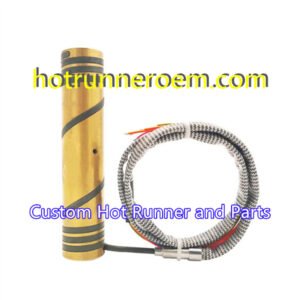
For replacement parts, I keep the process tight and traceable. The same approach applies whether the setup uses a nozzle thermocouple, a hot runner coil heater, or another manifold heater format. Careful handling protects the system and avoids repeat downtime.
Frequently Asked Questions (FAQ)
What Causes Hot Runner Mold Manifold Heaters to Burn Out?
Hot runner mold manifold heaters can burn out due to several common issues. Overheating caused by incorrect temperature settings or poor thermocouple placement leads to excessive heat, damaging the heater elements. Insufficient insulation or improper mounting can result in uneven heat distribution, creating hotspots that accelerate wear. Electrical faults, such as short circuits or voltage spikes, also contribute to heater failure. Regular maintenance and proper installation, including accurate nozzle thermocouple placement and reliable nozzle temperature control, are essential to prevent burnout. As a trusted hot runner system manufacturer, we recommend monitoring heater performance closely and replacing worn components before failure occurs to ensure continuous production.
How Do You Prevent Thermal Degradation in Manifold Channels?
Preventing thermal degradation in hot runner manifold channels is critical for maintaining mold longevity and part quality. The key is to control the temperature precisely through high-quality hot runner heaters designed for your specific polymers. Proper placement of thermocouples, such as Type J thermocouples, ensures accurate nozzle temperature control, avoiding excessive heat that can degrade the material. Using cast-in heaters with uniform heat distribution helps prevent hotspots and thermal stress. Additionally, maintaining consistent operating temperatures, avoiding sudden temperature changes, and ensuring adequate thermal expansion management reduce the risk of material breakdown. Regular inspection and preventive maintenance of the hot runner system help detect early signs of degradation, keeping your injection molding process stable and efficient.
 English
  Spanish
  French
  Portuguese
  Italian