 Skip to content
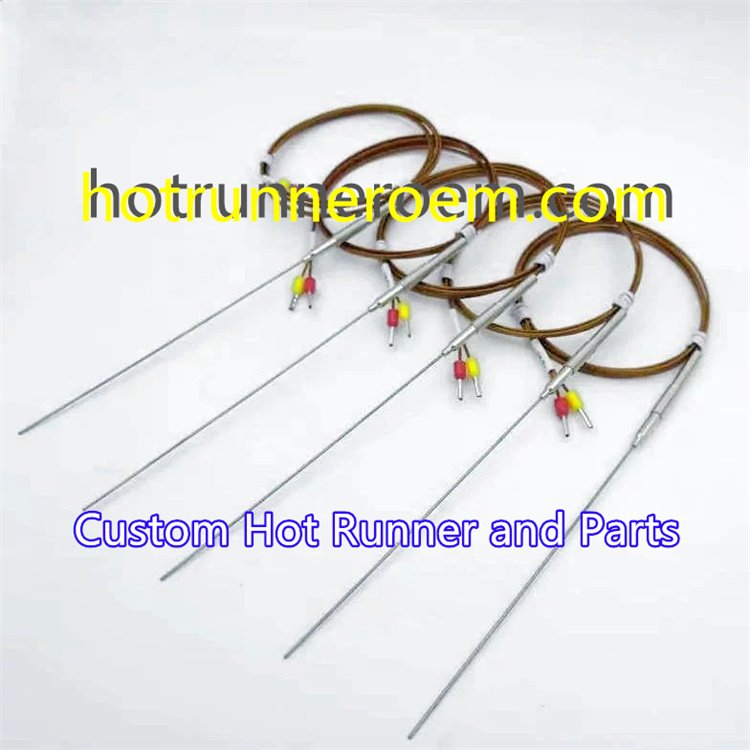
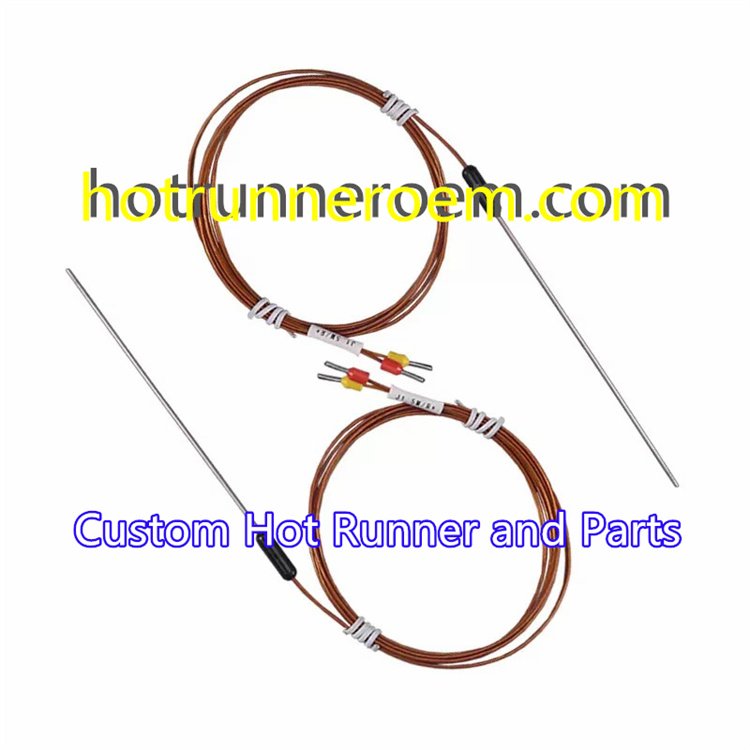
Understanding Hot Runner Temperature Thermocouples
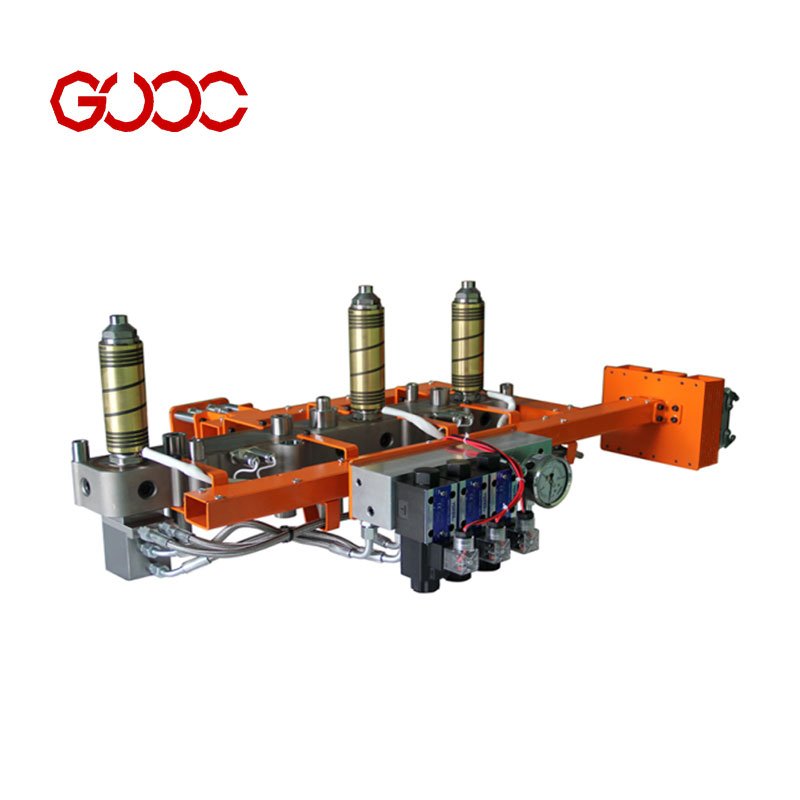
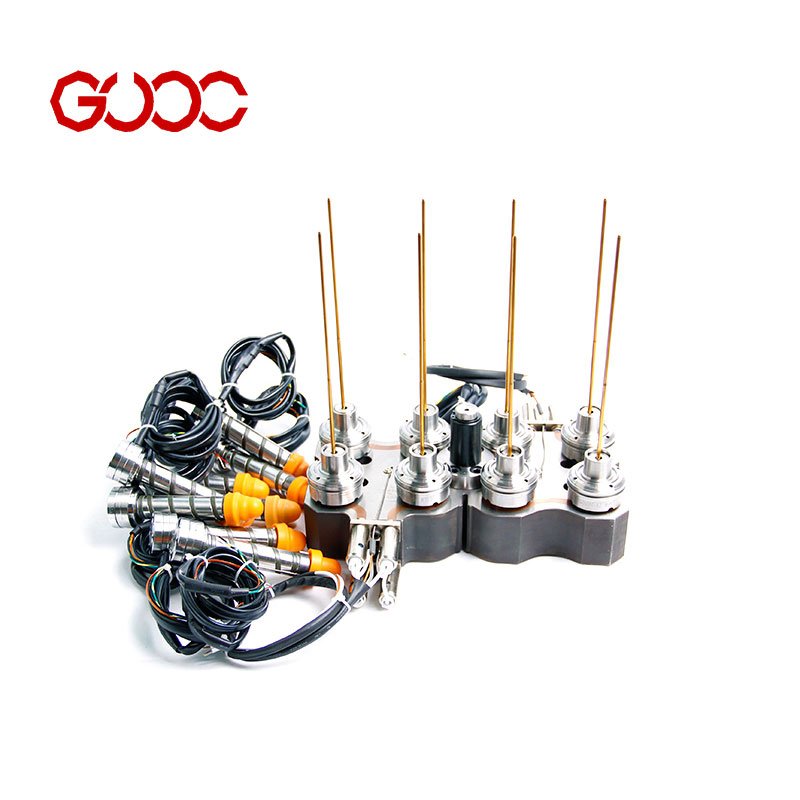
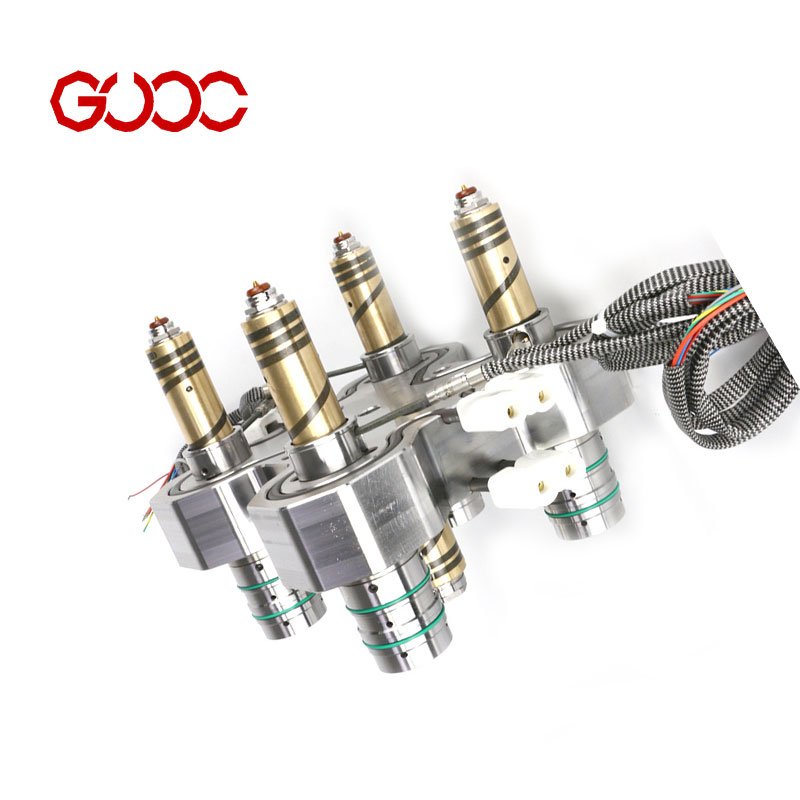
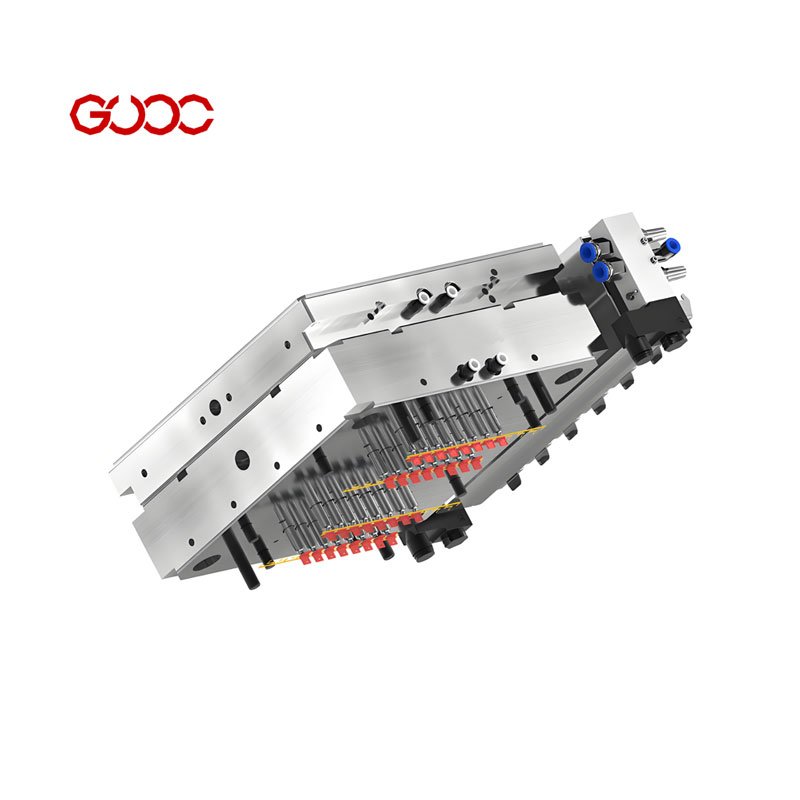
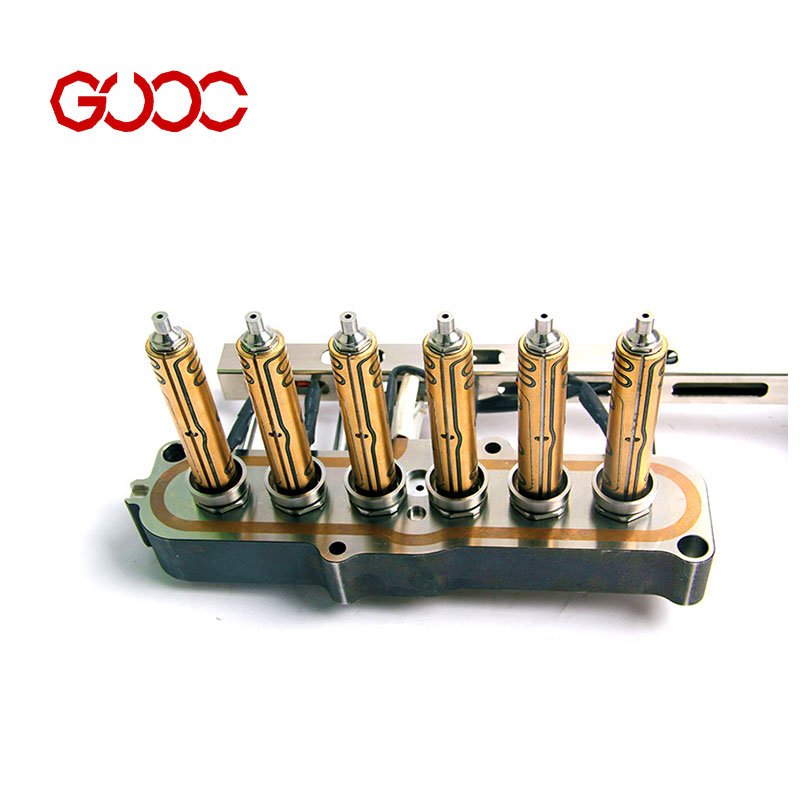
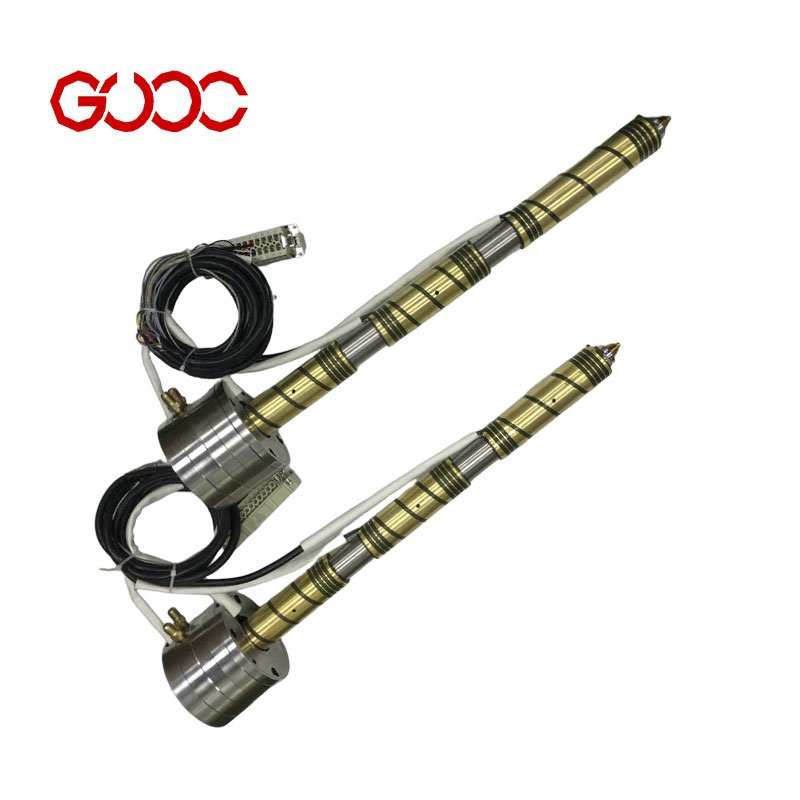
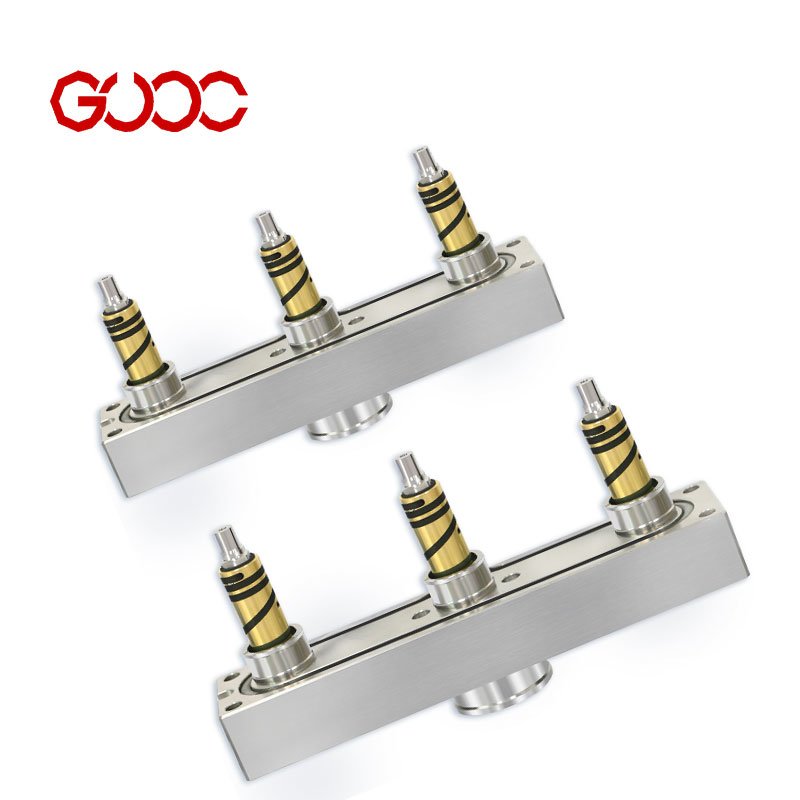
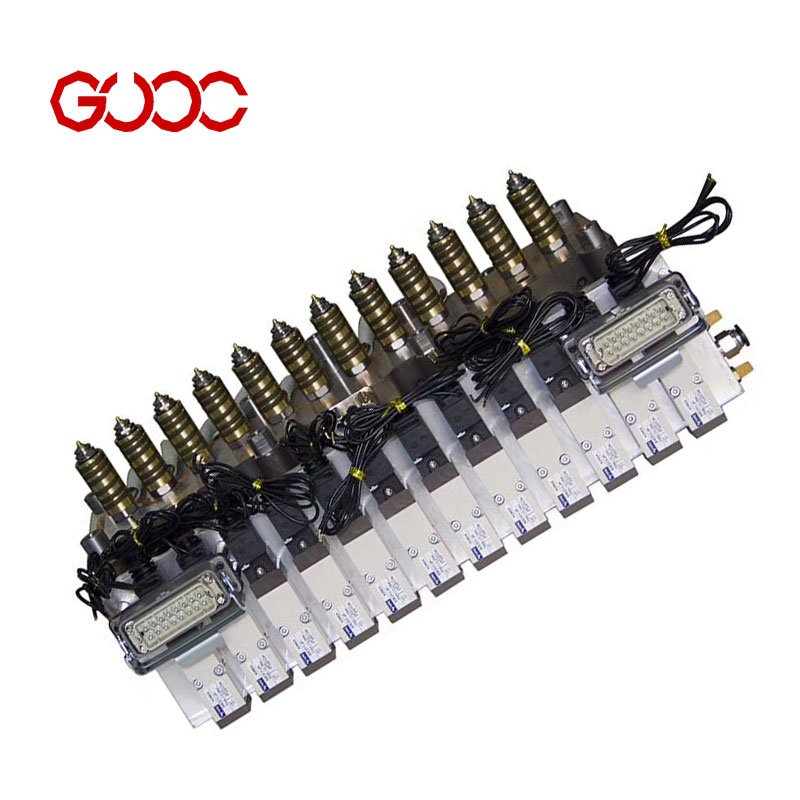
Hot runner temperature thermocouples are essential components in injection molding, providing precise temperature measurement within hot runner systems. Accurate temperature control is critical for maintaining process stability and ensuring high-quality molded parts. Thermocouples detect temperature variations in real time, enabling automatic adjustments that prevent defects such as warping, sink marks, or incomplete filling. Their reliable performance directly impacts productivity and reduces scrap rates, making them a vital part of modern hot runner solutions. Proper selection and maintenance of these sensors are key to optimizing the efficiency and consistency of injection molding processes.
Hot Runner Temperature Thermocouple Types
Our hot runner temperature thermocouple options are selected around the mold, the controller, and the resin being processed. The main goal is simple: keep the reading steady at the hot runner nozzle temperature sensor or hot runner manifold temperature sensor point, so the process stays stable.
Type J vs Type K
| Type | Typical use | Main strength | Main limit |
|---|---|---|---|
| Type J hot runner thermocouple | General hot runner setups | Straightforward and common | Not the best fit for every high-heat job |
| Type K hot runner thermocouple | Wider-use hot runner projects | More flexible for demanding temperature control | Still needs to match the mold and controller |
- Type J is often used when the job needs a simple, practical injection molding thermal sensor.
- Type K is often selected when the application needs more thermal headroom.
- The final choice should match the hot runner temperature controllers in the system, plus the mold layout and resin behavior.
- Fixed Type J / Type K specs are not published on this page, so the build is set by the drawing and the application data.
Special Build Options
For tighter molds or tougher resin conditions, we use more specialized probe styles, such as:
- Mineral insulated thermocouple probe (MgO)
- Grounded thermocouple probe
- Ungrounded junction mold thermocouple
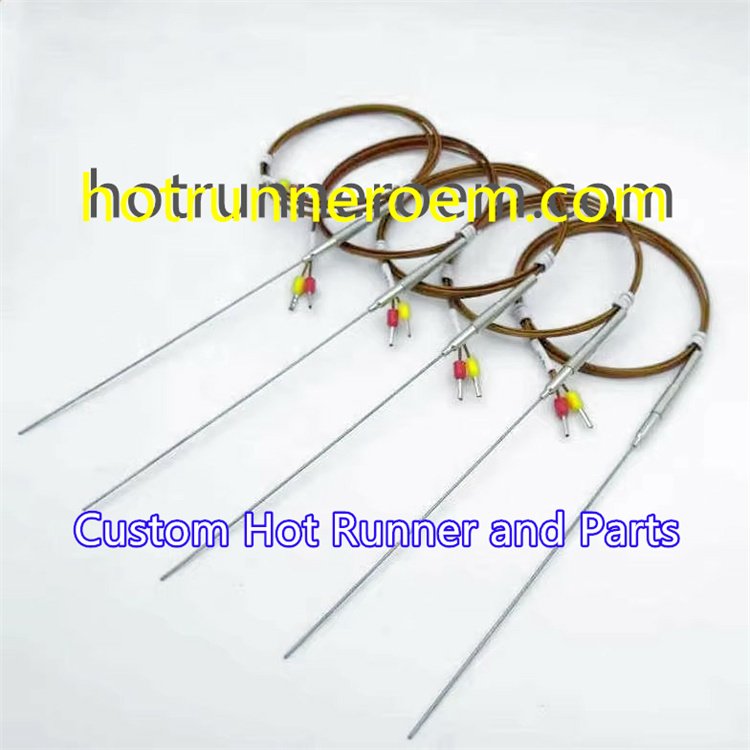
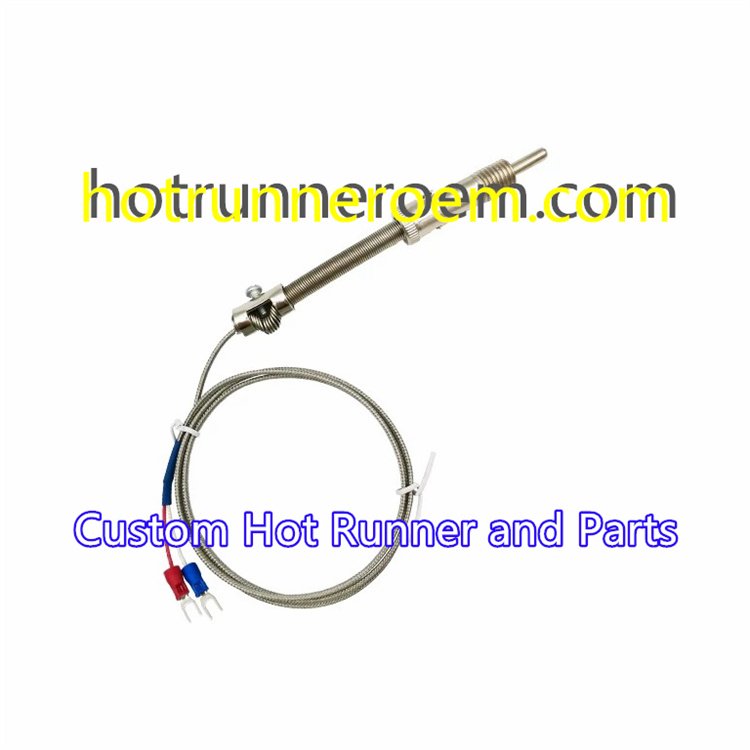
- Flexible sheath thermocouple
- Stainless steel armored lead wire
These options are useful for high temperature mold sensor setups, especially where the sensor sits near the nozzle, sprue bushing, or manifold.
Resin and Environment Fit
For demanding materials, the thermocouple build should be matched to the actual process, including:
- PEI
- PFA
- GF-filled polymers
- Other high-heat or aggressive resin environments
That is where a custom hot runner temperature sensor setup matters most. In many OEM jobs, the sensor is built as part of a full hot runner package from a hot runner thermocouple and heater supplier, so the probe, lead, and controller stay aligned with the mold design.
Hot Runner Temperature Thermocouple Features
A hot runner temperature thermocouple has one main job: keep temperature feedback fast and stable inside the mold. In a hot runner nozzle temperature sensor or hot runner manifold temperature sensor, slow signal response can throw off control and hurt part quality. Stable readings also depend on the hot runner control system, especially in multi-zone setups.
Core features
| Feature | Why it matters |
|---|---|
| Fast thermal response | Supports real-time control and quicker correction |
| Durable sheath protection | Helps handle heat, wear, and chemical exposure |
| Flexible probe design | Fits tight nozzle, manifold, and sprue bushing spaces |
| Grounded or ungrounded junction | Balances speed and electrical isolation |
Junction choice
- Grounded thermocouple probe: better when fast feedback is the priority.
- Ungrounded junction mold thermocouple: better when signal isolation matters more.
- The right choice depends on the mold layout, controller setup, and wiring path.
Built for mold conditions
A reliable injection molding thermal sensor needs to stay steady under pressure, heat, and repeated cycles. Flexible sheath thermocouple layouts help in compact tooling, while a high temperature mold sensor is better suited for demanding hot runner applications and complex mold geometry.
Hot Runner Temperature Thermocouple Specs
Hot runner temperature thermocouples are selected by fit, control stability, and resin compatibility. The public product page does not list fixed probe standards, so the safe way is to confirm the mold drawing, the heating layout, and the control setup before release.
Electrical Details
| Item | Publicly listed | Selection note |
|---|---|---|
| Calibration type | Not published | Confirm from the mold and control system |
| Output signal | Not published | Match the controller and wiring layout |
| Lead style | Not published | Define in the CAD file or RFQ |
| Connector type | Not published | Keep consistent with the existing system |
A hot runner temperature sensor should match the controller used in the hot runner system. For custom builds, the electrical side is confirmed with the drawing, not guessed from a standard catalog. This is the same approach used for custom hot runner system solutions.
Mechanical Details
| Item | Publicly listed | Selection note |
|---|---|---|
| Sheath diameter | Not published | Set by mold space and mounting point |
| Probe length | Not published | Must suit the nozzle, manifold, or sprue area |
| Connector style | Not published | Choose for the machine and wiring route |
| Probe form | Custom | Useful for tight mold layouts |
For a hot runner nozzle temperature sensor or hot runner manifold temperature sensor, the mechanical layout matters as much as the sensing point. A flexible sheath thermocouple or a special fitting may be needed when the mold geometry is tight.
Thermal Range and Accuracy
- Range and accuracy are application-based, not fixed on the public page.
- The target is stable temperature reading for injection molding control.
- A fast-response mold thermocouple is useful when the process needs quick correction.
- Final selection depends on the resin, cavity layout, and control box setup.
Material Compatibility
The factory supports hot runner work for these plastics:
- PP
- PFA
- PES/PC
- PA10T+30%GF
- PBT+30%GF
- PMMA
- PEI ULTEM 1000
For high-temperature or filled materials, the thermocouple setup should stay stable in the mold environment. That is important for injection molding thermal sensor performance, especially in glass-filled or specialty resin runs.
Selection Criteria
Use these checks before ordering:
- Confirm the mold drawing and hot runner layout
- Match the thermocouple to the controller type
- Define probe shape, length, and connector route
- Check resin temperature demands and mold space
- Verify the part fits the existing hot runner system
For global buyers, the safest approach is a custom RFQ with the exact CAD data. That keeps the hot runner temperature thermocouple aligned with the mold, the controller, and the resin being processed.
OEM Compatibility and Drop-In Replacement Options
Our hot runner temperature thermocouples are designed for seamless integration with major OEM brands like Husky, DME, and Mold-Masters. We provide drop-in replacement options that fit existing hot runner systems without the need for major modifications, saving time and reducing downtime.
To ensure compatibility, we offer detailed cross-reference charts that help identify the right thermocouple model for your specific hot runner brand and system. This makes it easy to select the correct type—whether it’s a Type J, Type K, or specialized thermocouple—matching your existing setup precisely.
Our solutions are engineered for reliable performance and straightforward installation, ensuring your hot runner system maintains optimal temperature control with minimal effort. Whether upgrading or replacing, our OEM-compatible thermocouples deliver consistent accuracy and durability across a wide range of injection molding applications.
Hot Runner Temperature Thermocouple Customization
We build each hot runner temperature thermocouple setup around the mold, not the other way around. That keeps the sensor layout cleaner, easier to install, and more stable in real production.
| Custom item | What we support | Why it matters |
|---|---|---|
| Probe size | Custom diameters and lengths | Better fit for the mold space |
| Wiring layout | Zone-based wiring options | Cleaner control for multi-cavity setups |
| Fittings | Angled and special mounting styles | Easier use in tight or complex molds |
| Design input | 2D/3D CAD support | Faster matching to the actual tool |
Built for real mold layouts
For complex hot runner system designs, we use the mold drawing to match the sensor position, lead routing, and installation space. This helps reduce fitting issues during assembly and keeps the hot runner temperature sensor integration straightforward.
OEM-style customization
We handle custom requests through our OEM workflow, including:
- CAD file review
- DFM analysis
- CNC machining
- Assembly and inspection
That is a practical way to support custom thermocouple probe needs for different mold structures, including tight corners, special nozzle areas, and multi-zone setups. For more design-related fitting details, our hot runner system design process shows how we handle custom engineering from the start.
Fast quoting for custom builds
We keep the process simple for global buyers:
- NDA protection is available before drawing review
- Quote and DFM feedback can come within 12–24 hours
- Samples can be ready in as fast as 10 days
- Production orders can move in 10–25 days
For buyers needing a flexible sheath thermocouple, ungrounded junction mold thermocouple, or other custom hot runner sensor fit, the key point is the same: send the drawing, define the mold space, and we match the build to the application.
Material resilience and operational durability are crucial for hot runner temperature thermocouples, especially in demanding injection molding environments. These thermocouples are designed to withstand high melt pressures and resist chemical outgassing, ensuring reliable temperature measurement even in aggressive conditions. They perform effectively with specialty resins such as PEEK, PEI, and GF-filled polymers, which require sensors that can endure elevated temperatures and chemical exposure. High-temperature insulation materials and corrosion-resistant sheath designs further enhance durability, reducing the risk of failure and extending service life. This resilience makes them suitable for complex, high-performance applications where consistent, accurate temperature sensing is vital for process stability and product quality.
Installation & Maintenance Best Practices for Hot Runner Temperature Thermocouples
Proper installation of hot runner temperature thermocouples is crucial for accurate temperature readings and consistent mold performance. Ensure the thermocouple probe is securely positioned within the hot runner nozzle or manifold, maintaining proper contact with the resin flow path. Using the correct sheath material, such as stainless steel or mineral-insulated options, helps withstand high melt pressures and chemical exposure. Proper sealing and insulation prevent thermal leaks and electrical noise, which can cause measurement drift.
Protecting thermocouple leads during mold assembly is essential. Use flexible, high-temperature resistant wiring harnesses and secure leads away from moving parts or hot surfaces to avoid damage. Employ protective sleeves or conduits where necessary, especially in complex mold setups with angled fittings or multi-zone wiring.
Troubleshooting common thermocouple issues involves checking for drift, open circuits, or polarity errors. Drift can result from contamination or wear of the thermocouple sheath; regular calibration and inspection help maintain accuracy. An open circuit often indicates damaged leads or faulty connectors—replacing or repairing the wiring is necessary. Polarity mistakes can cause incorrect readings; verify wiring according to the manufacturer’s specifications and ensure proper grounding or ungrounded junction usage. For reliable performance, consider using high-quality, OEM-compatible thermocouples designed for hot runner systems, such as those listed on the hot runner thermocouple page.
Hot Runner Temperature Thermocouple QC
We keep every hot runner temperature thermocouple under a strict inspection flow before shipment. For hot runner temperature sensor parts, the focus is simple: accurate fit, stable build quality, and consistent performance in the mold.
Testing and inspection
- 100% final inspection before packing
- Hourly online QC checks during production
- Technician self-inspection at key steps
- Dimensional checks with precision tools such as VMS-4030E, HR-150A, TESA Hite, Mitutoyo SJ400, Mitutoyo coolant proof, and HEX-10 HRC
What we verify
- Part size and assembly consistency
- Material integrity for hot runner use
- Clean finishing for reliable installation
- Overall compatibility with hot runner systems and temperature control parts
Built for stable control
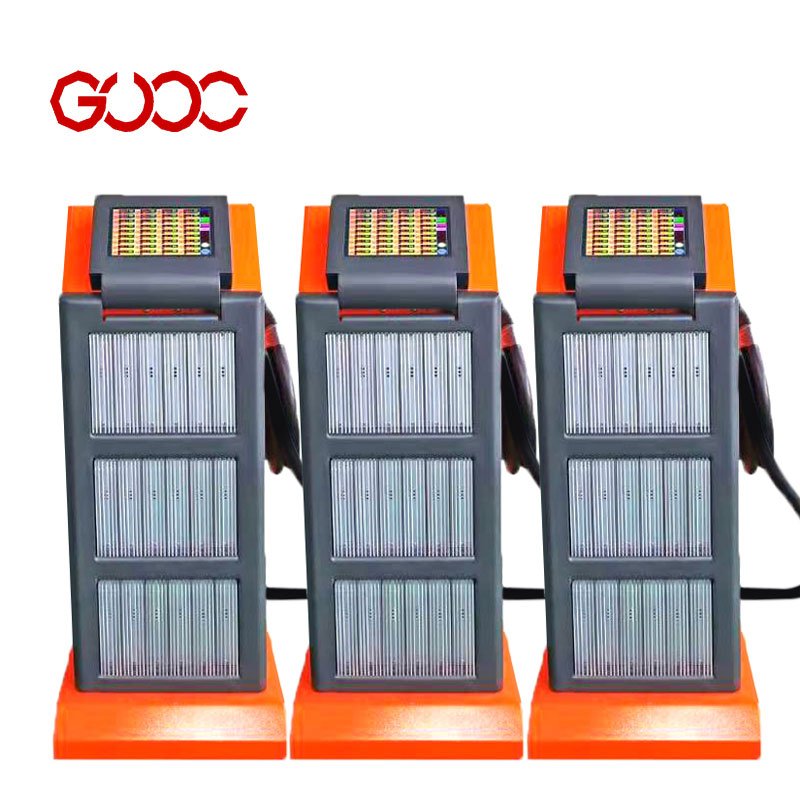
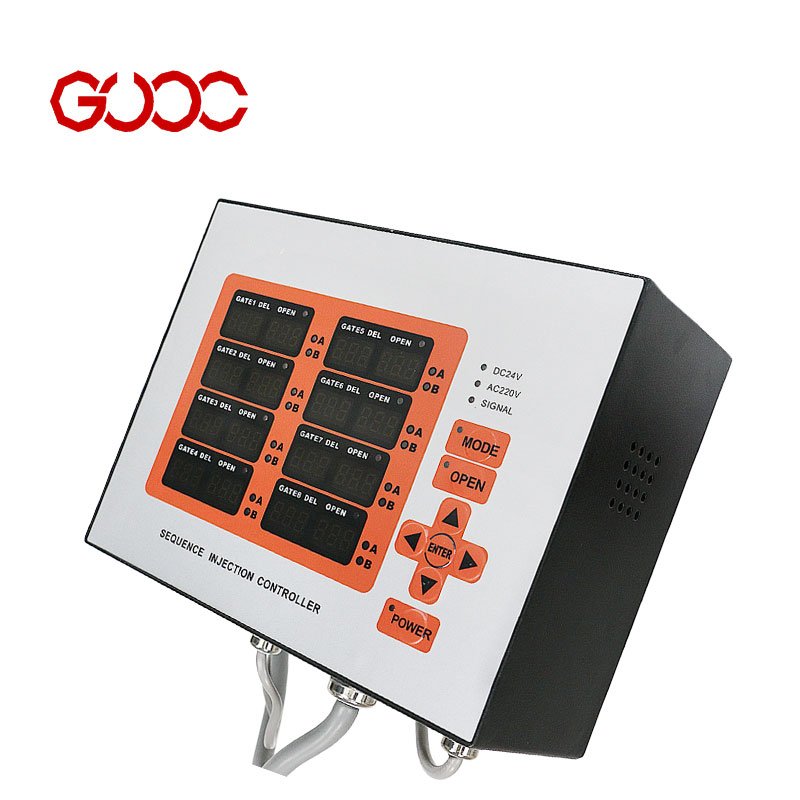
A thermocouple only works well when the measurement side and the control side stay aligned. That is why we pair inspection with the right hot runner control setup, including a hot runner controller matched to the system design.
Result
This QC method supports dependable hot runner manifold temperature sensor performance, cleaner installation, and fewer issues during production.
Hot Runner Temperature Thermocouple Ordering
We keep the RFQ process simple for global buyers of hot runner temperature thermocouples and related temperature control parts. For CAD-based orders, we can sign an NDA first, then review your drawings and specs without exposing your design data. For teams sourcing from China hot runner suppliers, this setup helps speed up quote handling and engineering review.
RFQ and turnaround
| Step | Typical result |
|---|---|
| Send CAD files | 2D/3D review with NDA support |
| Request quote | Instant online quote in minutes |
| DFM review | Formal proposal in 12–24 hours |
| Samples | As fast as 10 days |
| Batch production | 10–25 days |
Packaging for export
For international shipping, we use export-friendly packaging to help protect the parts in transit:
- Vacuum bag sealing
- Wooden box packing
- Shipping-ready handling for bulk orders
Delivery options
We support practical logistics options for overseas customers:
- Express
- Air
- Sea
Order notes
- Share your mold drawing and target use case for a faster match.
- Keep all temperature sensor details in the RFQ file for clean engineering review.
- Use the import route that fits your schedule if you are building a hot runner import plan.
Our process is built for fast response, stable quality control, and clear delivery planning for global B2B orders.
 English
  Spanish
  French
  Portuguese
  Italian