 Skip to content

Engineering the Perfect Melt Delivery Strategy
Mastering the melt delivery system is fundamental to achieving consistent injection molding quality. Moving beyond off-the-shelf components, a fully engineered approach to melt logistics ensures uniform flow, precise temperature control, and reliable cavity filling across all mold sections.
Rheological Balance for Consistency
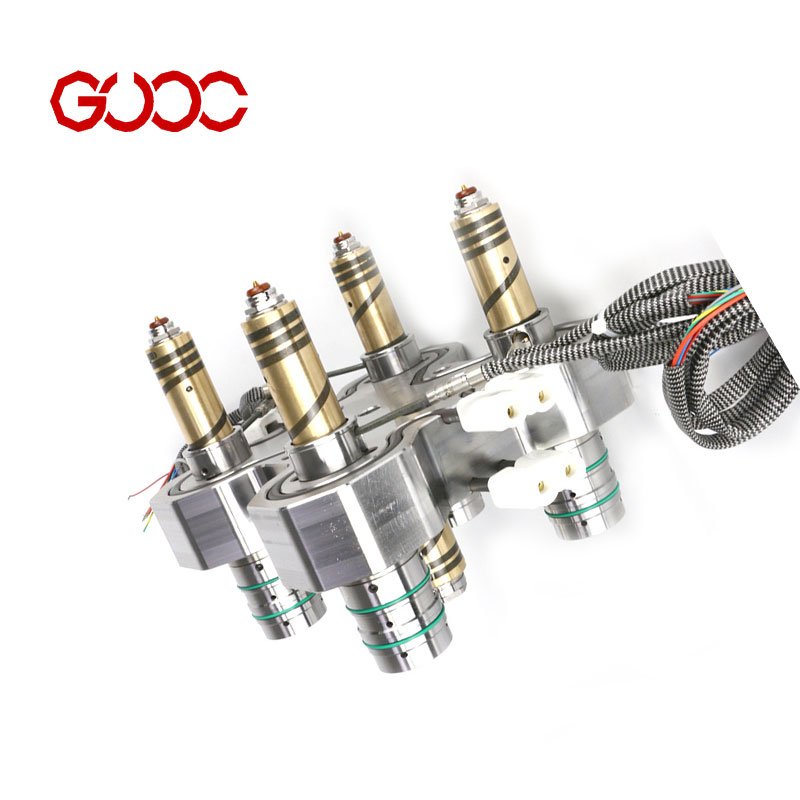
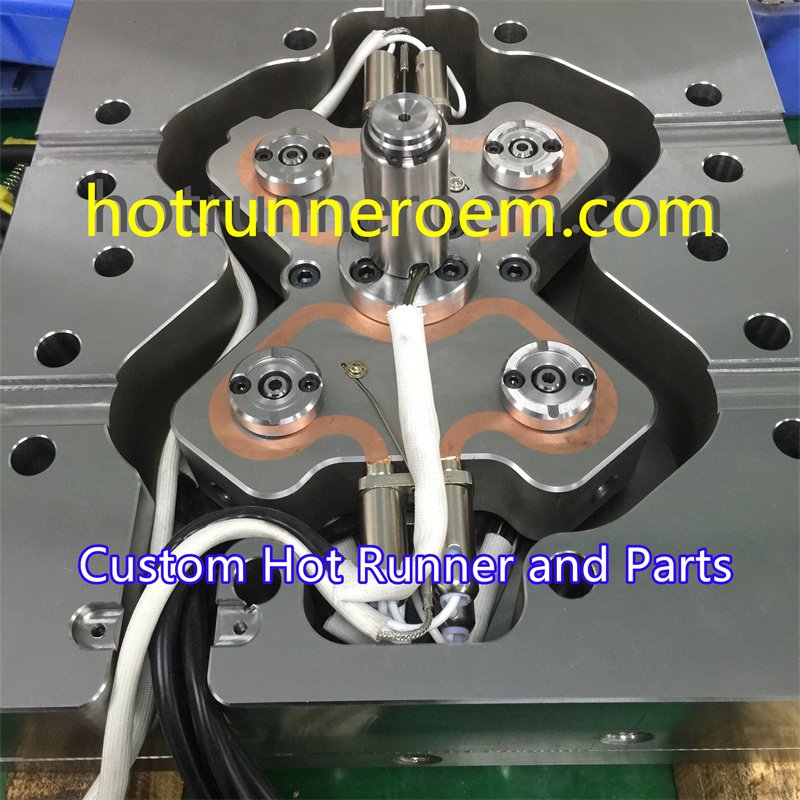
A naturally balanced manifold design is critical. By carefully calculating runner diameters and channel lengths, we ensure identical pressure drops and filling times across every cavity. This minimizes flow hesitation and guarantees even distribution, improving dimensional accuracy and reducing part defects.
Key principles include:
- Equal hydraulic lengths for all melt channels
- Maintaining low shear melt flow to prevent polymer degradation
- Using flow simulation (CAE) to optimize manifold geometry
Ensuring Thermal Homogeneity
Even temperature distribution prevents cold slugs and material degradation in the nozzle and manifold. Strategic heater placement combined with high-quality insulation maintains uniform melt temperature.
Essential design aspects are:
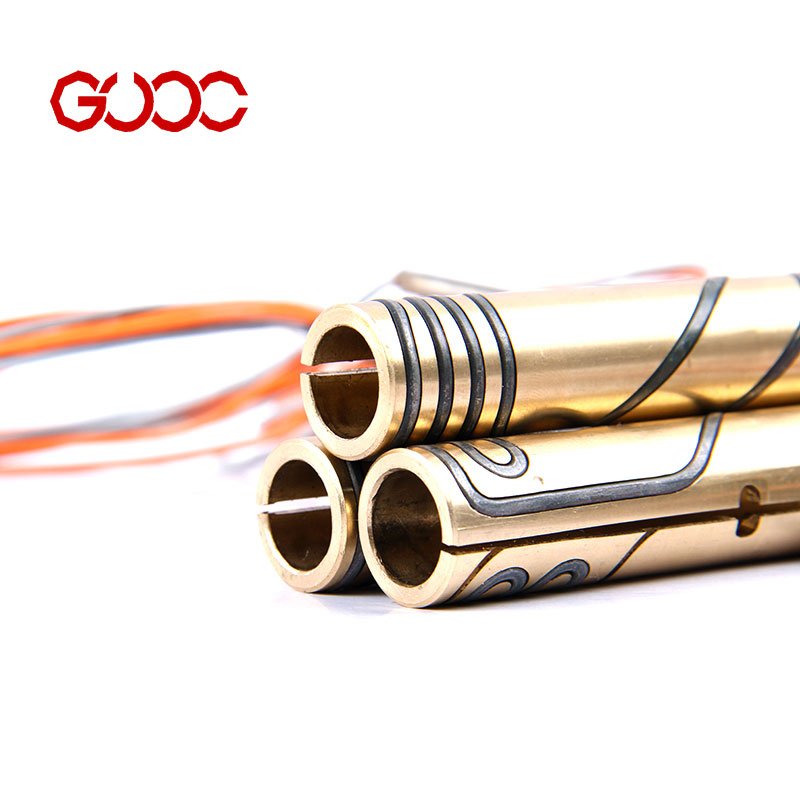
- Optimized layouts of heating elements for consistent thermal zones
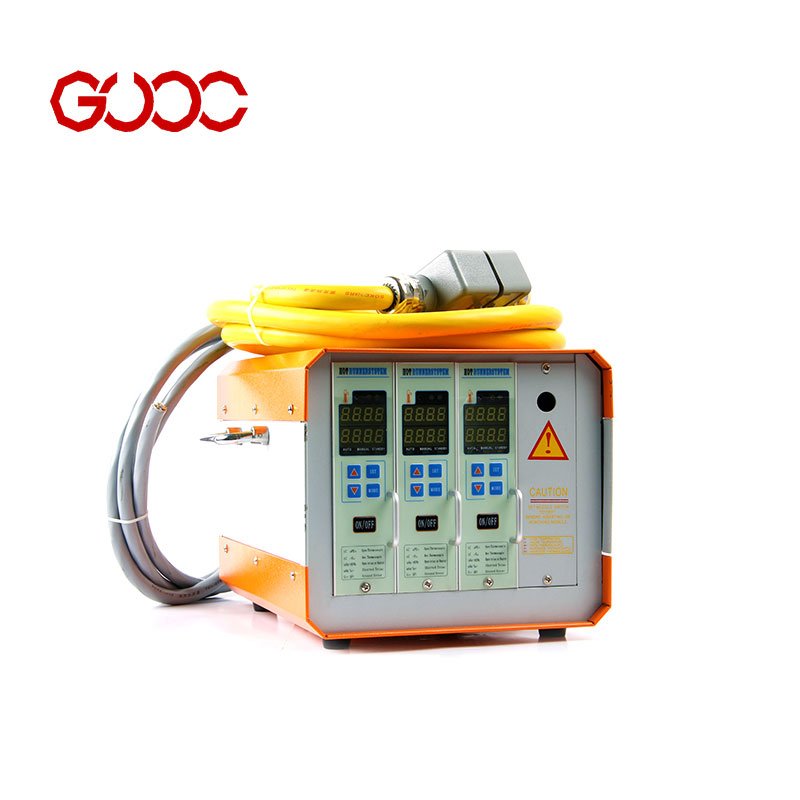
- Integration of precise temperature controllers and thermocouples for closed-loop feedback
- Selection of corrosion-resistant materials like H13 or 420 stainless steel to sustain thermal stability
By combining rheological balance with thermal homogeneity, the melt delivery system achieves efficient, stable, and repeatable injection cycles, laying the foundation for molding success.
System Configurations and Architecture
When designing a hot runner system, choosing the right configuration is crucial for achieving optimal melt delivery and part quality.
Valve Gate System Design
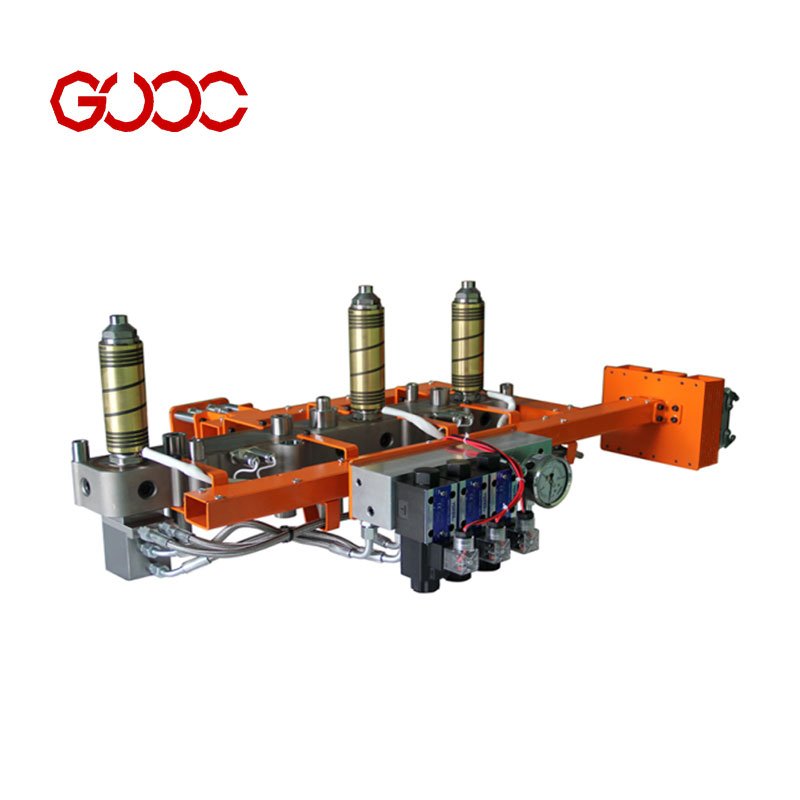
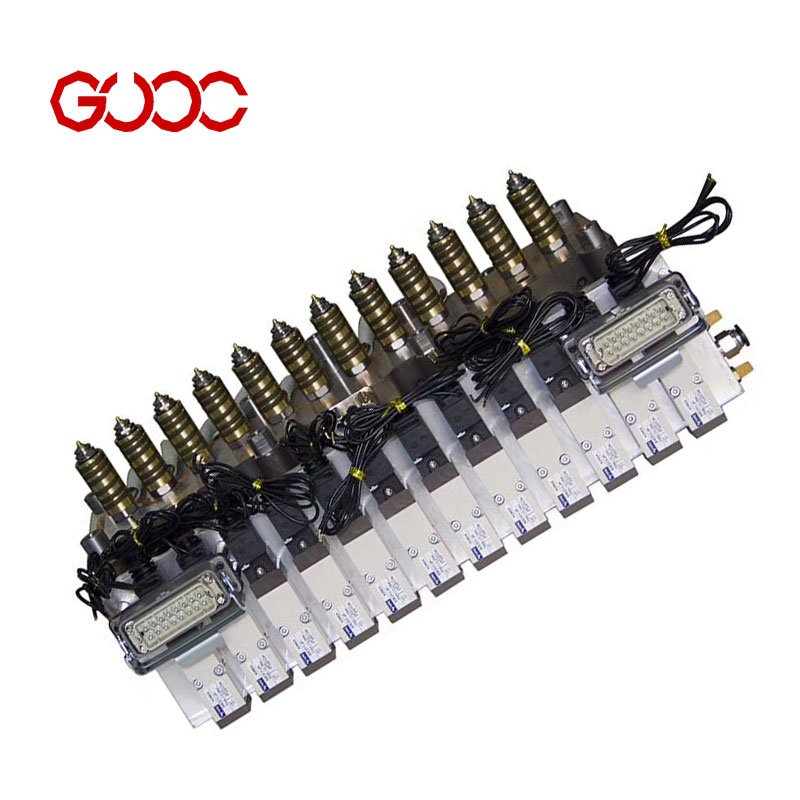
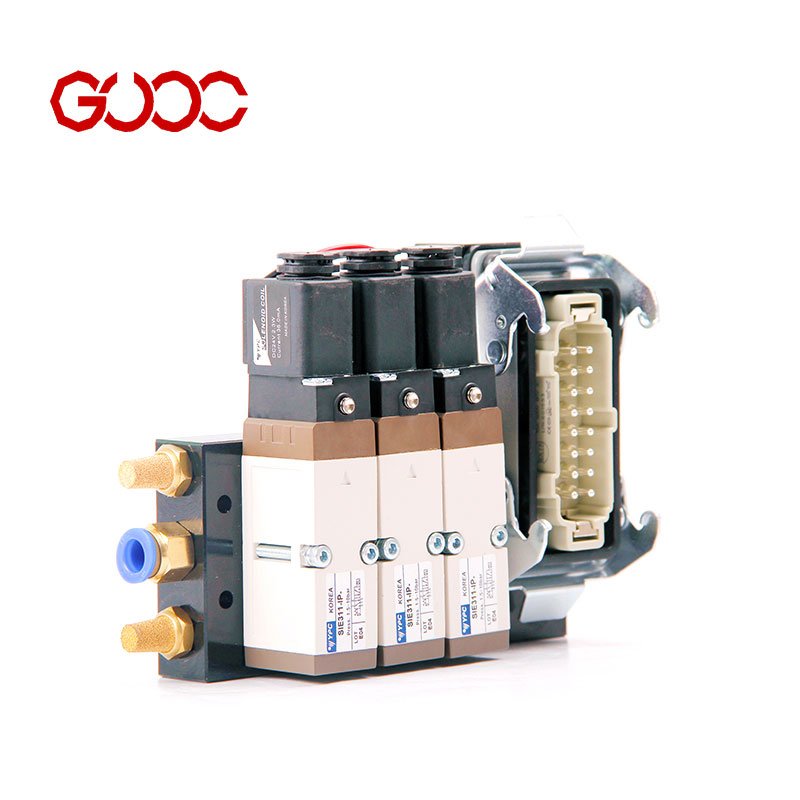
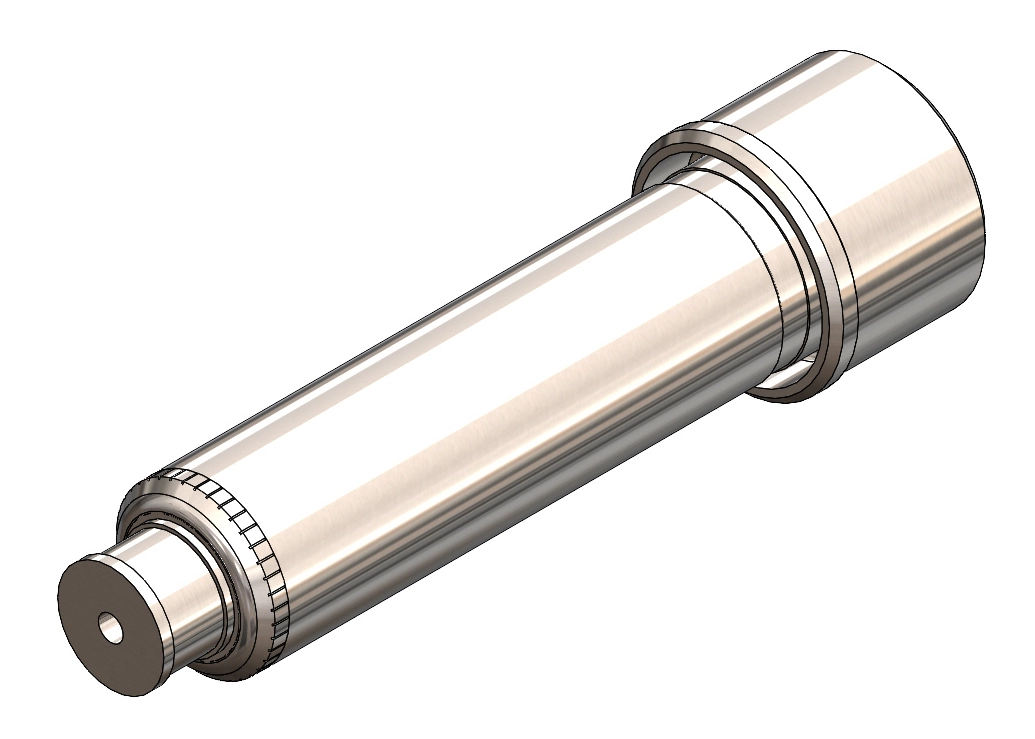
Valve gates stand out for precise sequential gating. This control reduces weld lines by timing the gate opening for each cavity. Actuation comes in three main types: pneumatic, hydraulic, and servo-driven—each offering different response speeds and control levels. Pneumatic systems are cost-effective and fast, hydraulics deliver high force for larger molds, while servo-driven gates provide the highest precision and flexibility. Pin finishing techniques are equally important to optimize the gate quality, ensuring clean gate marks and smooth melt flow.
Thermal Gate (Open System) Design
Thermal gates serve as a simpler, more economical option, especially for commodity resins where complexity can be minimized. Key to thermal gate design is selecting the appropriate tip geometry that matches the required flow rate and cosmetic finish. This ensures the system maintains consistent melt temperature while preventing cold slugs and excessive shear. For detailed insight into thermal gate tip design and flow control, refer to our in-depth hot runner gate types resources.
Multi-Level and Stack Mold Integration
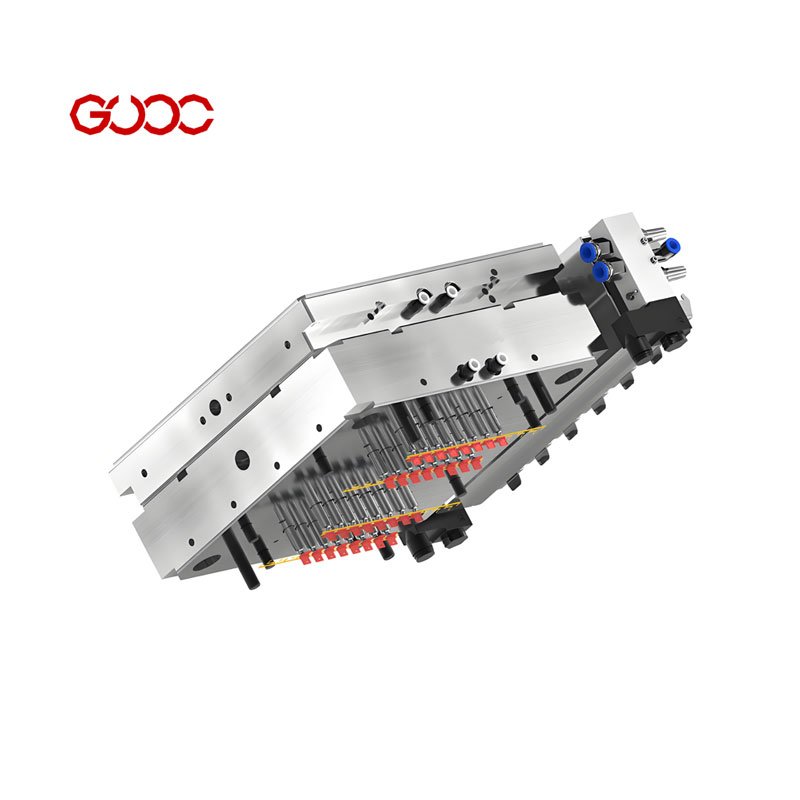
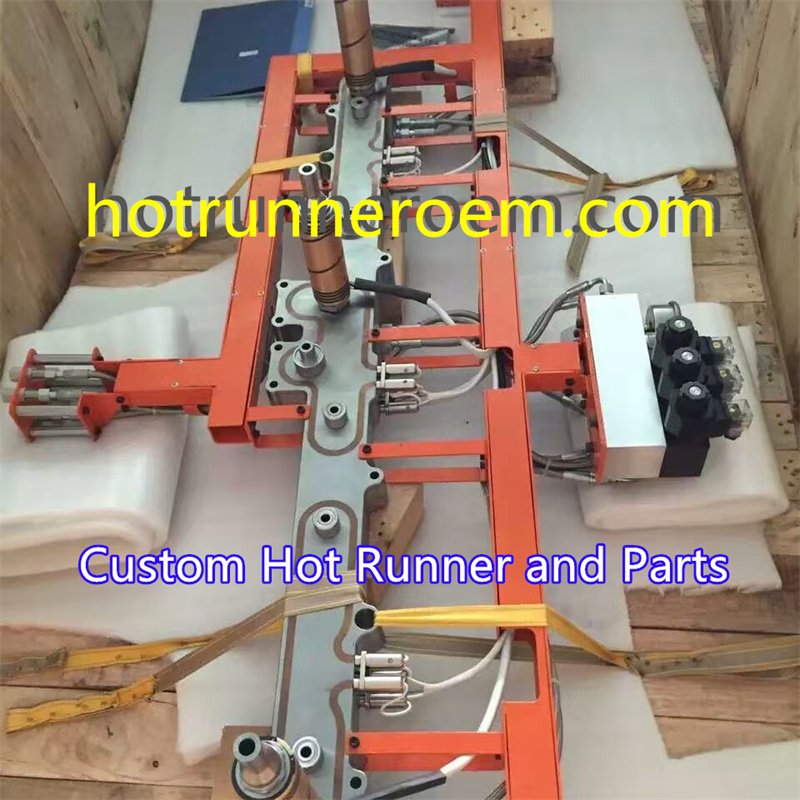
As production demands grow, multi-level and stack molds become essential for high-output runs. Designing these involves creating complex melt channels that maintain pressure and temperature uniformity across all layers. It demands precise channel layout and manifold sizing to handle the increased flow path lengths without compromising residence time or flow balance.
Each system architecture has its place depending on part complexity, resin type, and production scale. Proper selection and detailed design of valve gate and thermal gate systems, along with advanced stack mold integration, ensure consistent cycle times and high-quality molded parts.
The Design Workflow: From Concept to Steel
Designing an effective hot runner system starts with a clear, step-by-step workflow to ensure every detail supports optimal melt delivery and part quality.
Step 1: Resin Analysis
Before anything else, we analyze the resin’s Melt Flow Index (MFI) and how sensitive it is to shear. This helps us understand the flow behavior and how the material will react under different pressures and temperatures. Knowing this upfront guides material-specific adjustments that keep the melt stable and consistent throughout the system.
Step 2: Flow Simulation (CAE)
Next, we use advanced flow simulation software to model how the plastic fills the cavities. This CAE analysis predicts filling patterns, packing pressure, and cooling times, helping us identify potential issues like uneven flow or pressure drops early on. Simulating flow conditions lets us optimize the manifold and runner design for balanced cavity filling, reducing defects and cycle times.
Step 3: Manifold Sizing
Choosing the right runner diameter is critical. We calculate precise manifold dimensions to minimize residence time and prevent material degradation, while maintaining the necessary pressure to fill all cavities uniformly. Proper manifold sizing ensures low shear melt flow and consistent part quality, even in complex multi-cavity molds.
Step 4: Expansion Compensation
Finally, we engineer expansion gaps, often called ‘cold clearance,’ built into the manifold assembly. These clearances accommodate thermal expansion during operation to maintain leak-proof runner sealing. This prevents damage and ensures the hot runner system remains reliable and efficient through repeated heating cycles.
Each of these steps is crucial for designing custom injection molding systems that deliver both performance and durability in real-world production. For enhanced precision in temperature control and system stability during operation, integrating high-quality hot runner temperature controllers is key to success.
Critical Component Engineering in Hot Runner System Design
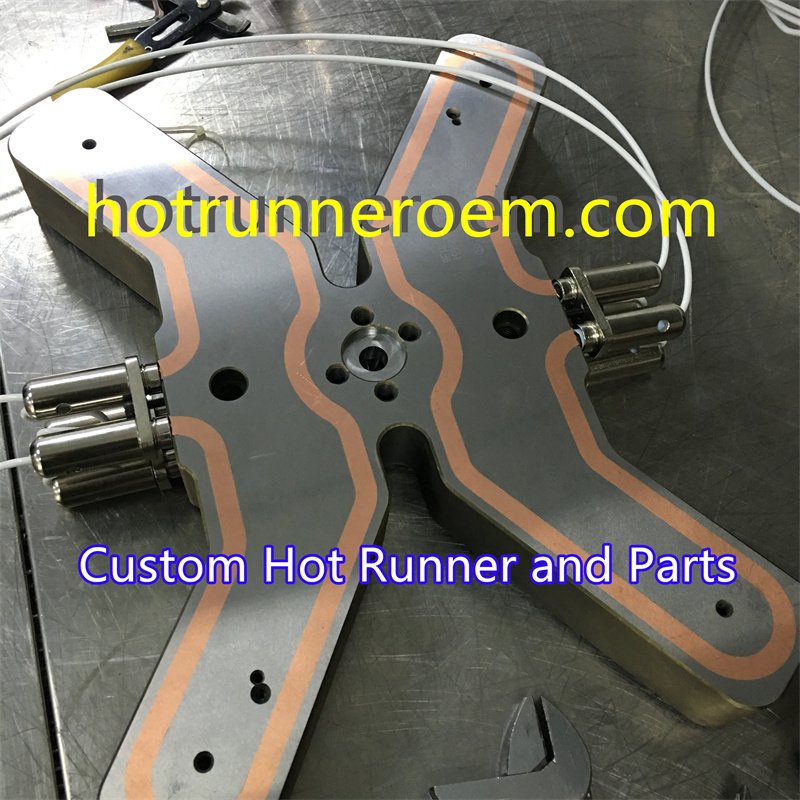
Key components determine the reliability and efficiency of any hot runner system. When engineering a robust melt delivery system, attention to material and precision design makes all the difference.
Manifold Metallurgy: For manifold construction, we prioritize high-grade materials like H13 tool steel or 420 stainless steel. These metals offer excellent corrosion resistance and maintain thermal stability under continual heating cycles, minimizing wear and extending tool life. Using the right metallurgy helps prevent deformation and ensures consistent performance in multi-cavity mold flow analysis.
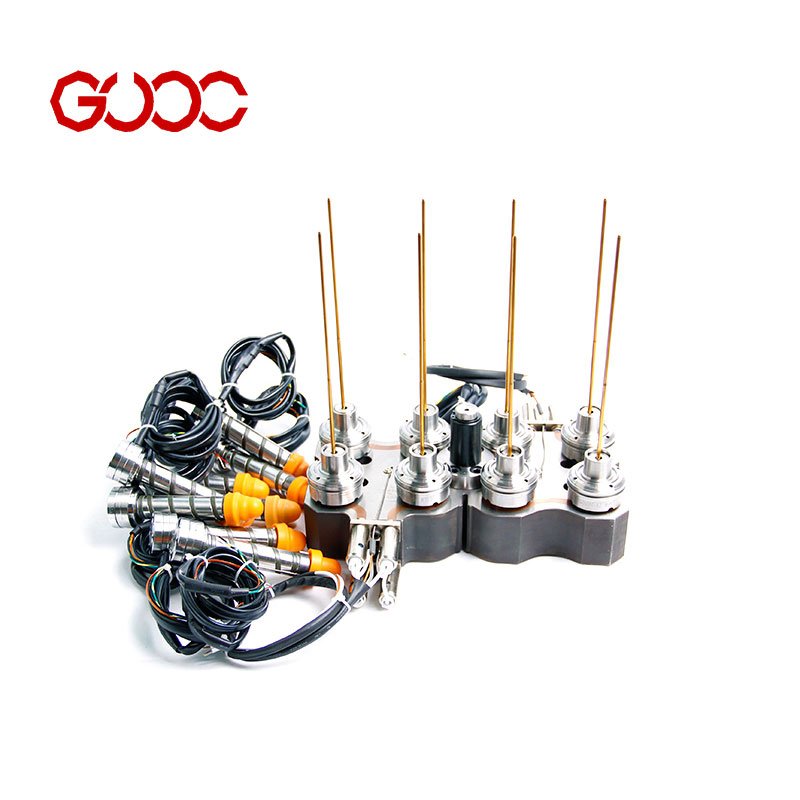
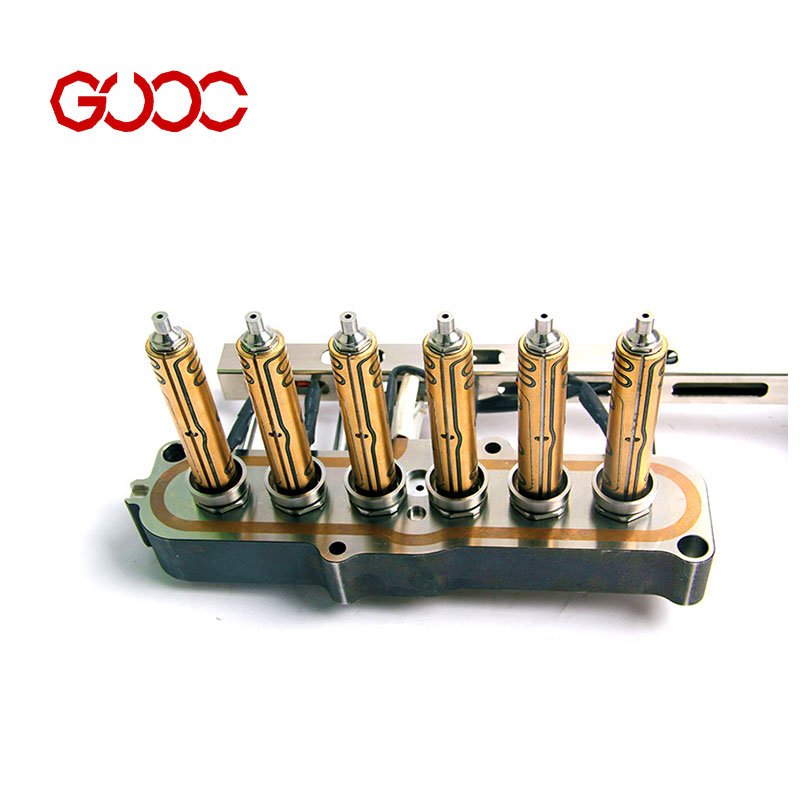
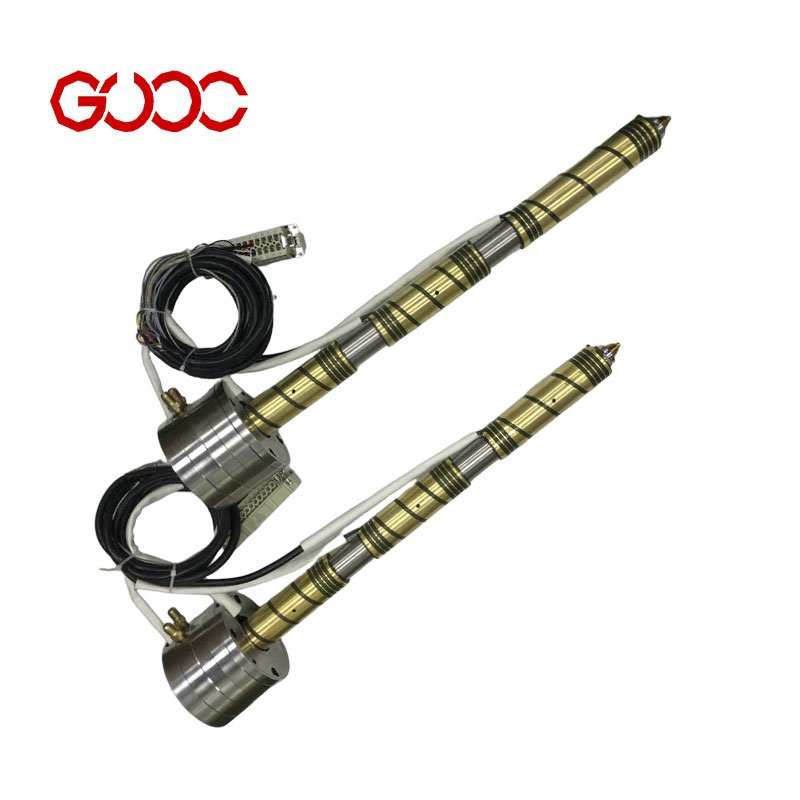
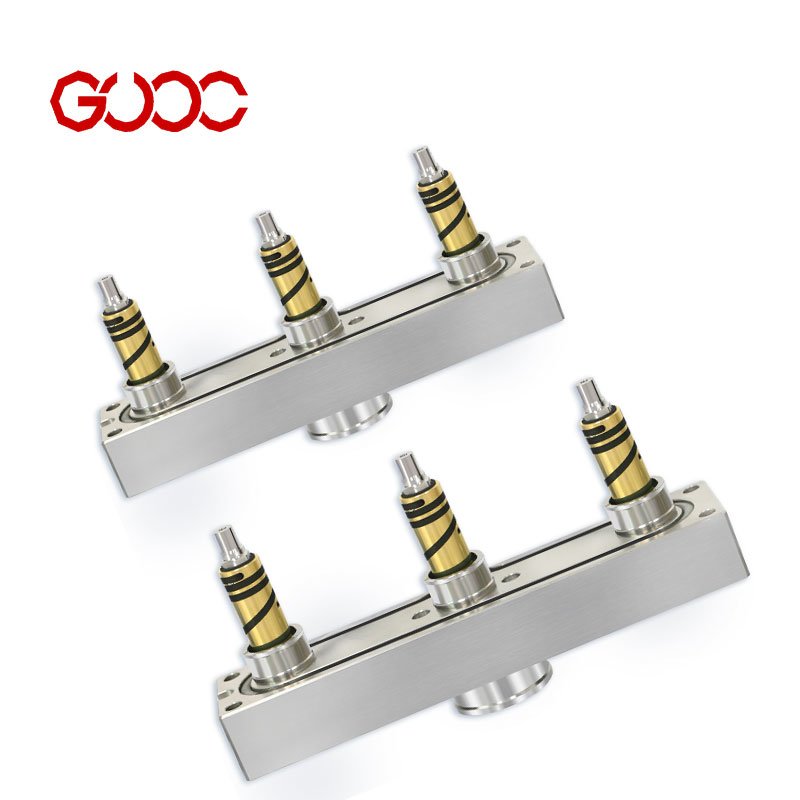
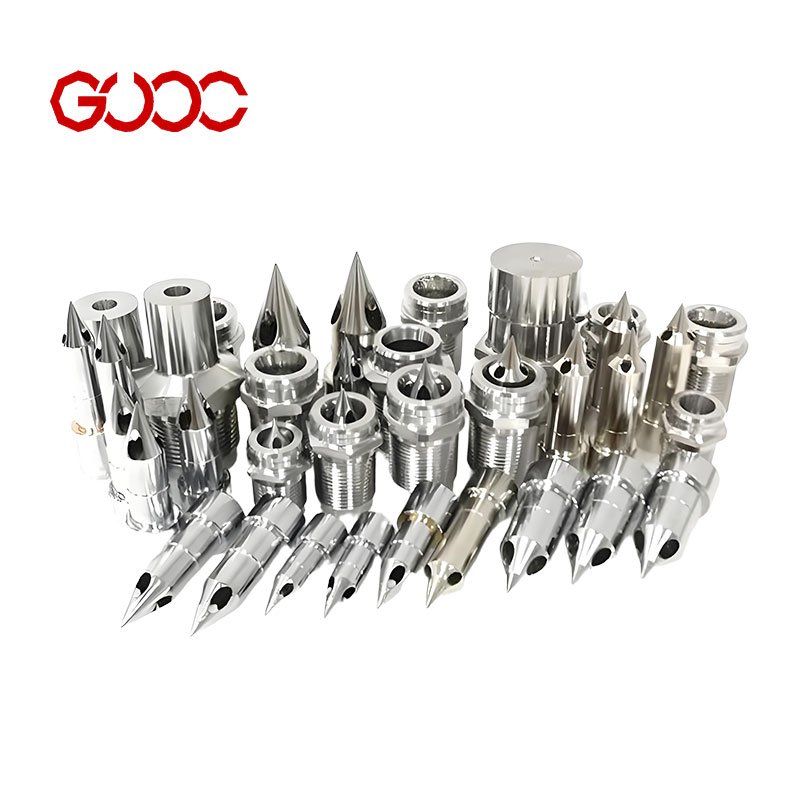
Nozzle Technology: Nozzle design impacts melt flow and maintenance. We offer both screw-in and compression fit nozzles, each with advantages depending on your tooling needs. Screw-in nozzles provide easier replacement and better sealing, while compression fit nozzles can simplify assembly. Additionally, replaceable tips and integrated heaters allow for quick maintenance without dismantling the entire manifold, saving downtime and ensuring stable temperature control.
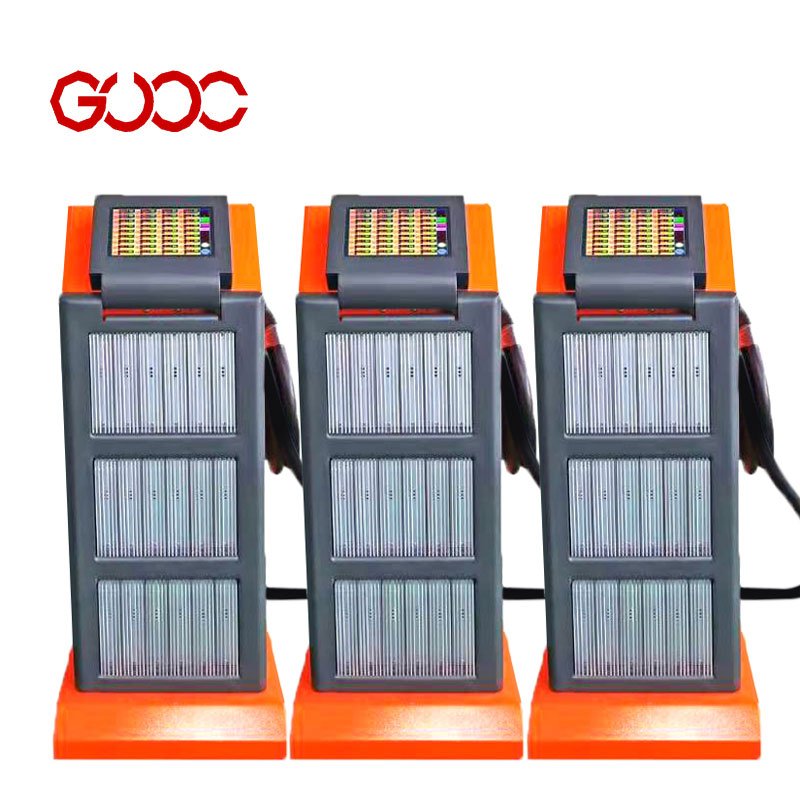
Temperature Control Integration: Precise temperature management is key in designing a successful hot runner system. We carefully design thermocouple placement to guarantee accurate feedback within the manifold and nozzle assembly. This closed-loop temperature control enables stable thermal gating solutions and prevents cold slugs or overheating. For advanced thermocouple wiring techniques and temperature controller options, you can explore detailed designs here and this guide.
By focusing on these critical components, our custom injection molding systems ensure high reliability, low shear melt flow, and consistent product quality for every run.
Specialized Design Applications in Hot Runner Systems
When it comes to custom hot runner system design, specialized applications demand tailored solutions to meet specific manufacturing challenges.
Color Change Optimization
Fast and clean color transitions are critical in multi-color injection molding. We design streamlined flow channels that eliminate dead spots, reducing residual material and ensuring swift, efficient color changes without compromising cycle time. This approach supports smooth operations, especially for products requiring frequent color swaps.
High-Cavitation Tooling
For high-volume production molds—such as those with 32, 48, or even 64+ cavities, common in medical or packaging cap manufacturing—consistency across all cavities is non-negotiable. Our hot runner injection mold designs maintain uniform melt delivery, ensuring each cavity fills identically. This guarantees top-quality output and reduces rework rates in complex multi-cavity setups.
Engineering Plastics Handling
Working with abrasive or corrosive materials like glass-filled plastics or PVC/POM needs specialized attention. Our melt delivery systems are engineered using corrosion-resistant components and wear-resistant metallurgy to handle these challenging engineering plastics. This extends tool life and maintains part quality despite harsh material properties.
For more details on how we integrate these specialized designs into efficient manufacturing solutions, check our expertise page on hot runner injection mold and ABS plastic mold.
Why Partner with China Hot Runner System?
Choosing a China hot runner system manufacturer offers distinct benefits that blend flexibility, cost-efficiency, and expert support tailored to your injection molding needs.
Custom Designs for Each Mold
Unlike suppliers who push standard catalogs, we focus on custom hot runner system solutions that fit your specific mold geometry and production goals. This tailored approach ensures optimal melt delivery system performance and better overall injection quality.
Cost-Effective Manufacturing with Quality Standards
Leveraging China’s manufacturing advantages allows us to provide competitively priced systems without compromising on quality. Our designs meet rigorous Western engineering standards, ensuring durability and consistency in demanding production environments.
Comprehensive Turnkey Support
From the initial design approval stage to installation and trial runs, we offer full support to make the integration process smooth. This hands-on approach helps reduce downtime and accelerates your tool’s go-to-market timing.
Partnering with a trusted China hot runner system supplier means you gain a reliable collaborator who understands both the technical complexities of hot runner engineering and the practical demands of global manufacturing. For more details, check out our specialized China hot runner system suppliers and get competitive China hot runner quotes for your projects.
Frequently Asked Questions on Hot Runner System Design
Here are answers to common technical questions about the design of hot runner systems that help you understand how we approach critical challenges.
| Question | Brief Explanation |
|---|---|
| How do you calculate the expansion factor for the manifold? | We account for thermal expansion by measuring material-specific coefficients and temperature ranges. This ensures seal integrity and leak-proof runner sealing under operating heat. |
| What is the maximum pressure drop allowed in your designs? | Pressure drop is minimized to below 5 MPa where possible, balancing flow efficiency and cavity filling to achieve consistent low shear melt flow. |
| Can existing cold runner molds be retrofitted with your hot runner system? | Yes, by redesigning manifold layouts and nozzle configuration, many cold molds adapt to hot runner systems, improving cycle time and reducing waste. |
| How do you handle shear heat generation in the gate area? | Our designs optimize gate geometry and engage advanced temperature controller integration to control shear-induced heat, reducing material degradation. |
Our approach combines precise engineering and materials science to optimize the melt delivery system. For more on metallurgy and temperature control, check our detailed overview of manifold heating solutions and advanced hot runner heater coil designs.
 English
  Spanish
  French
  Portuguese
  Italian