 Skip to content

What Is a Hot Runner System and How Do Nozzle Tips Work?
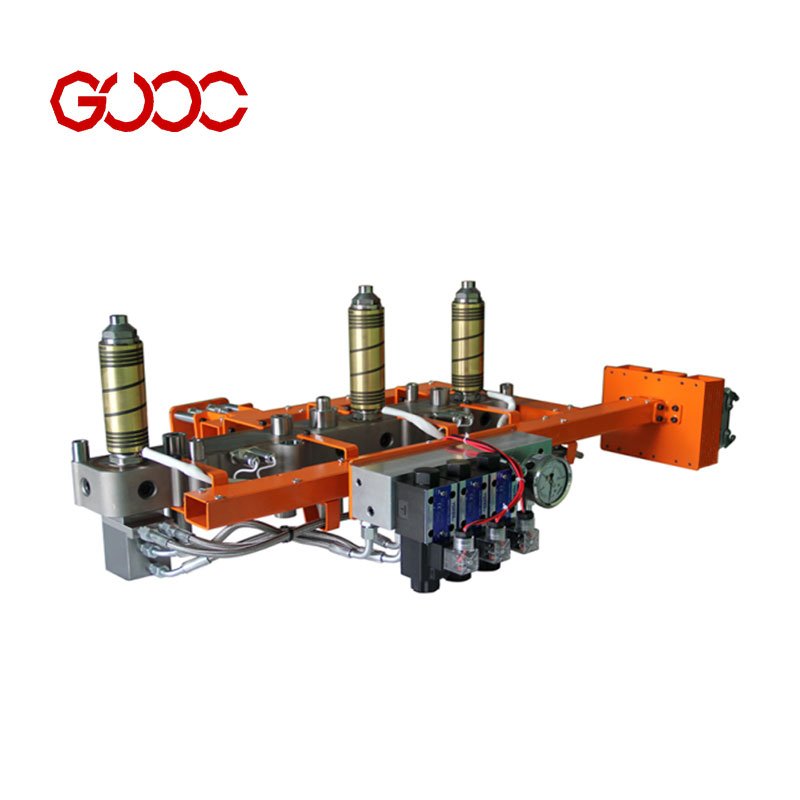
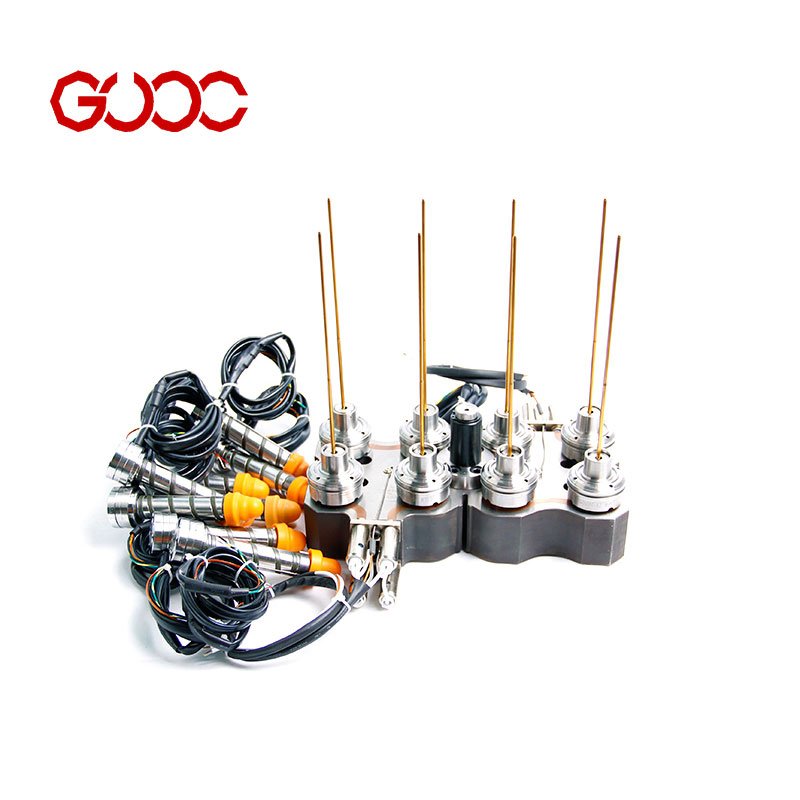
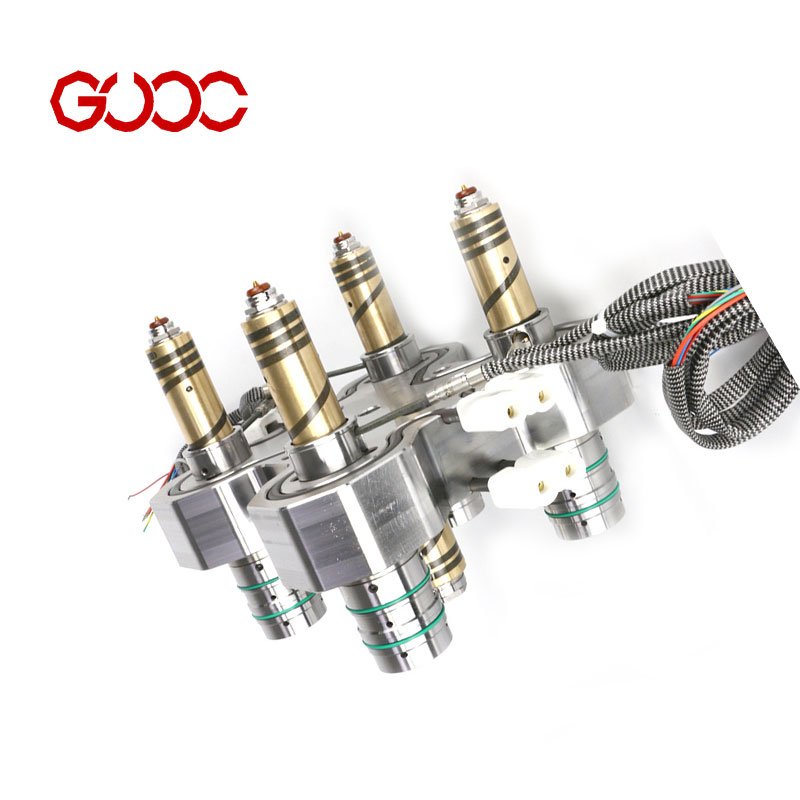
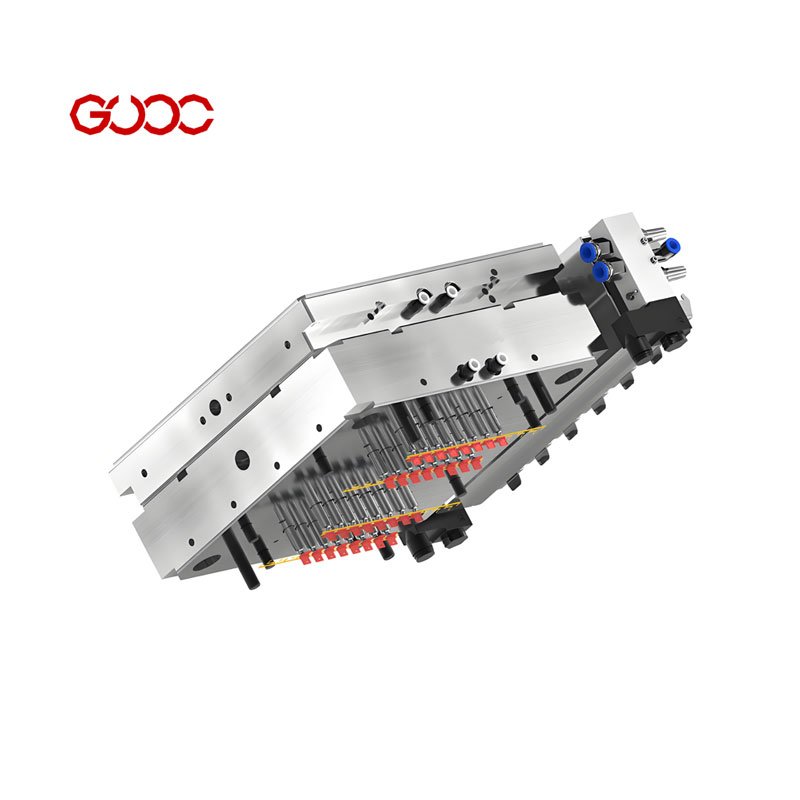
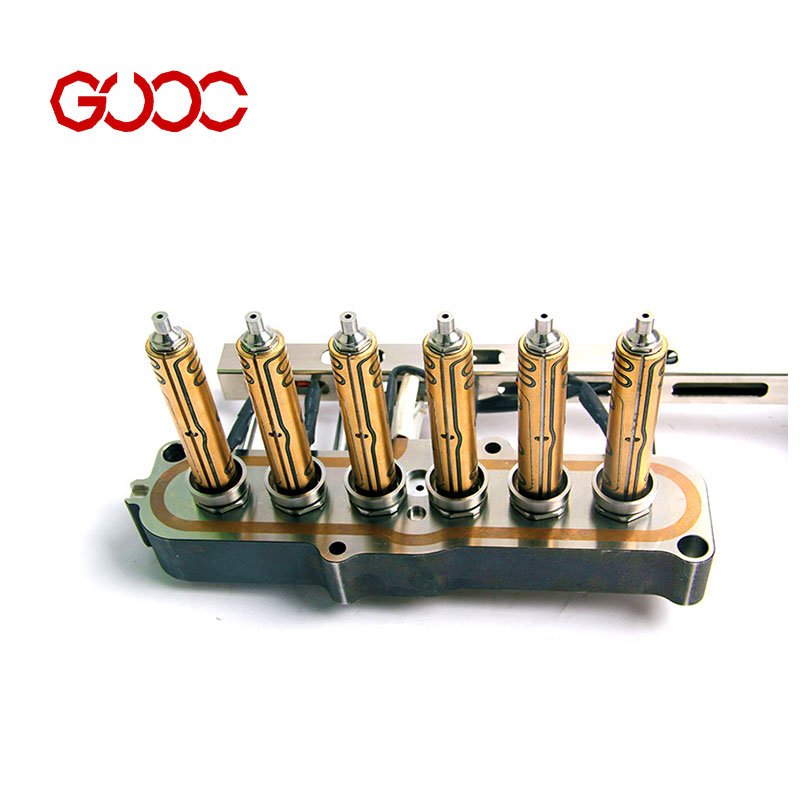
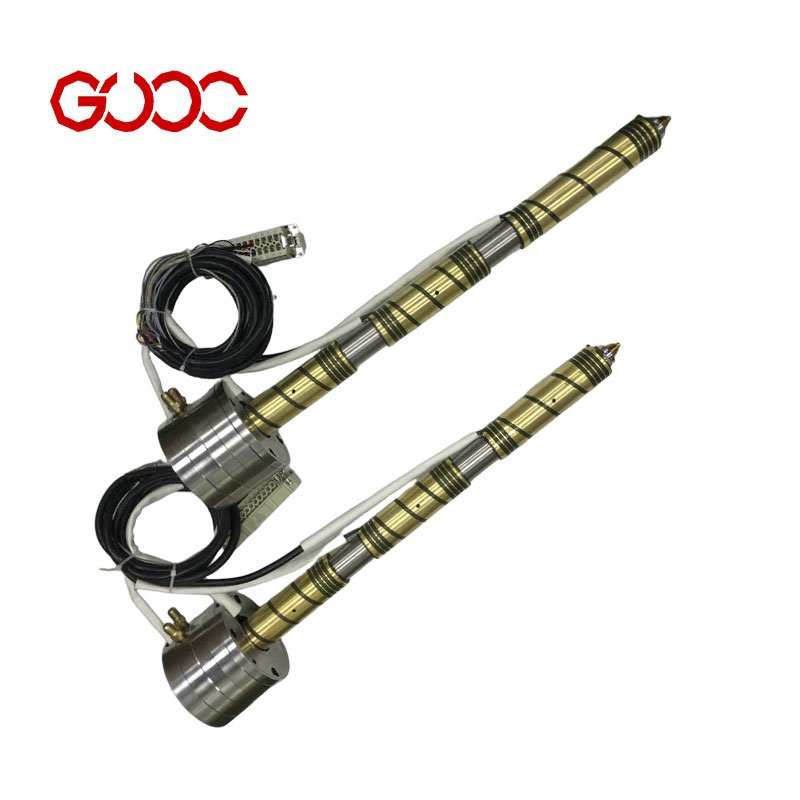
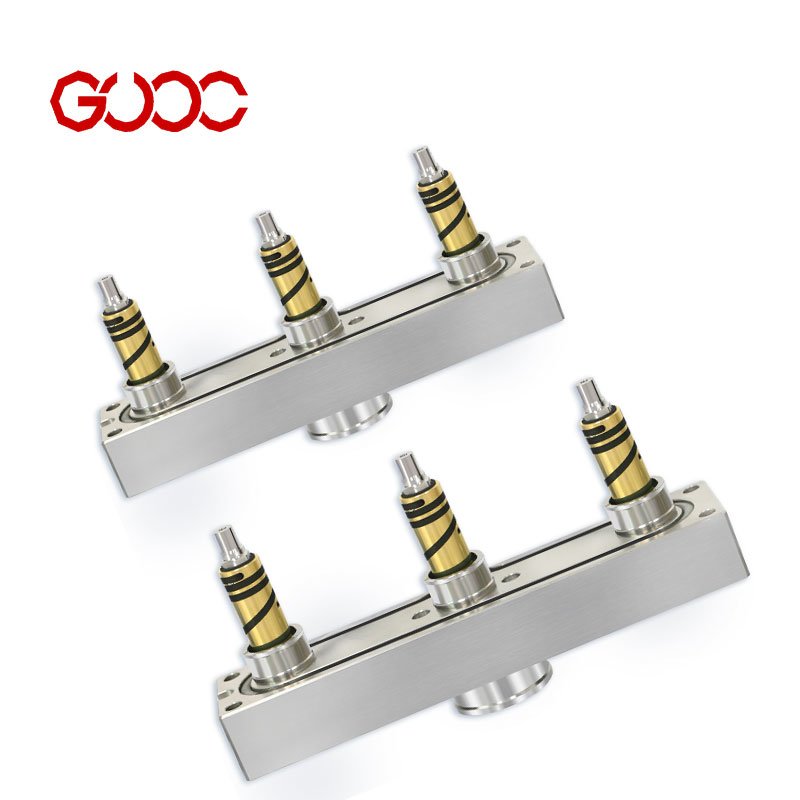
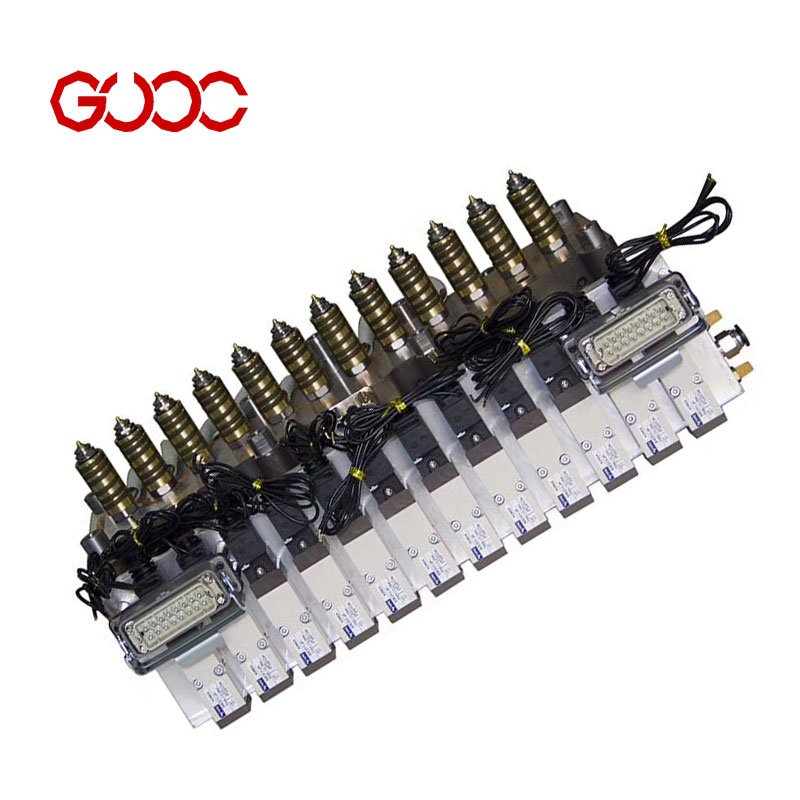
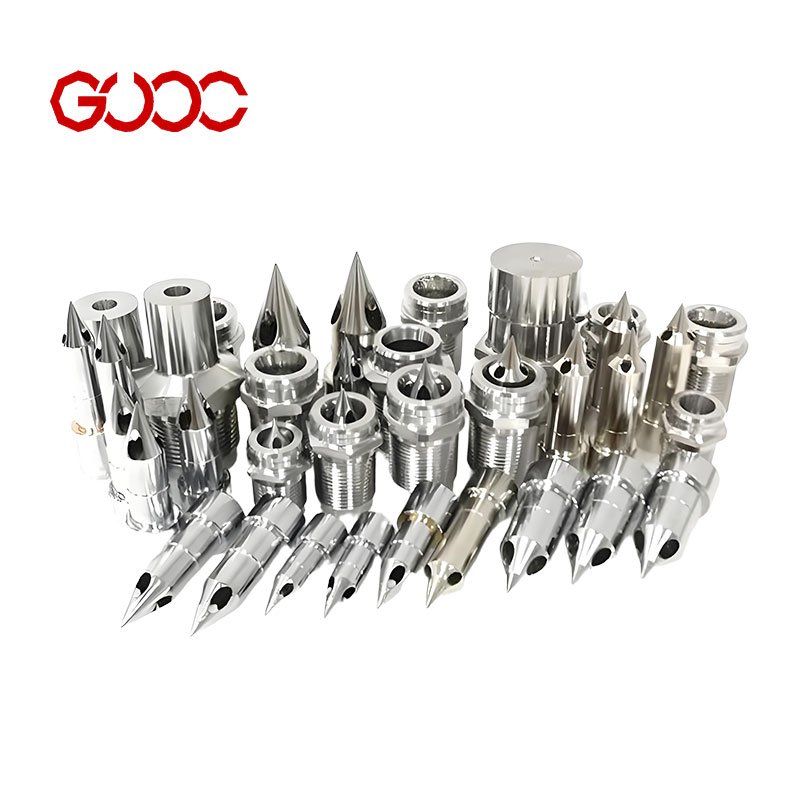
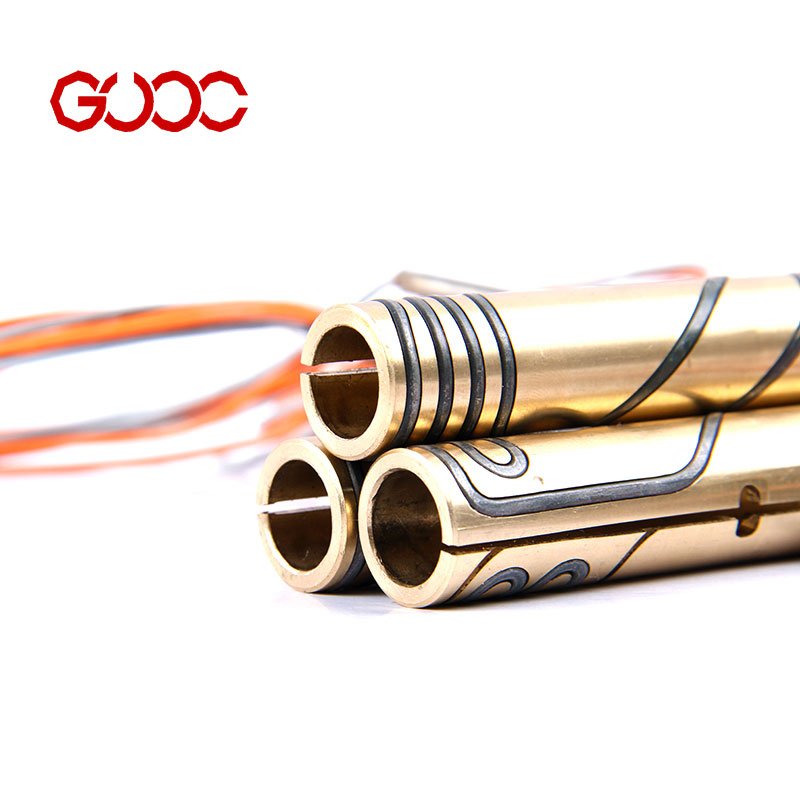
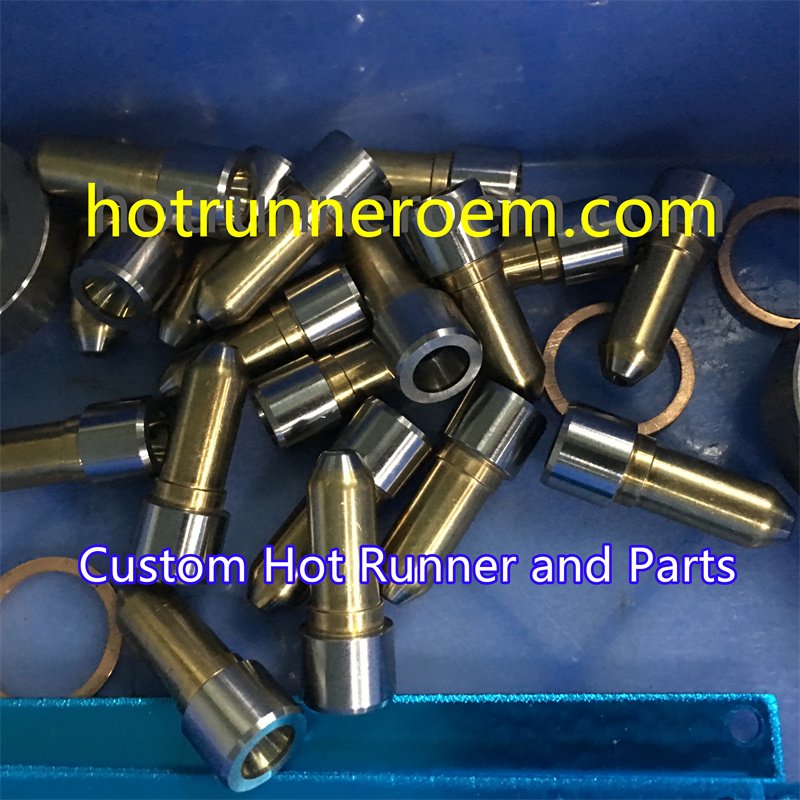
A hot runner system is a precision plastic molding solution that keeps material flowing through heated channels and nozzles during injection molding. In this setup, hot runner nozzle tips help guide molten plastic into the mold with controlled flow. They are part of a larger system that may include valve gate systems, open gate systems, assembled systems, hot halves, extended nozzles, heating tubes, and temperature controllers.
| Item | Simple Role |
|---|---|
| Hot runner system | Keeps plastic moving through heated paths |
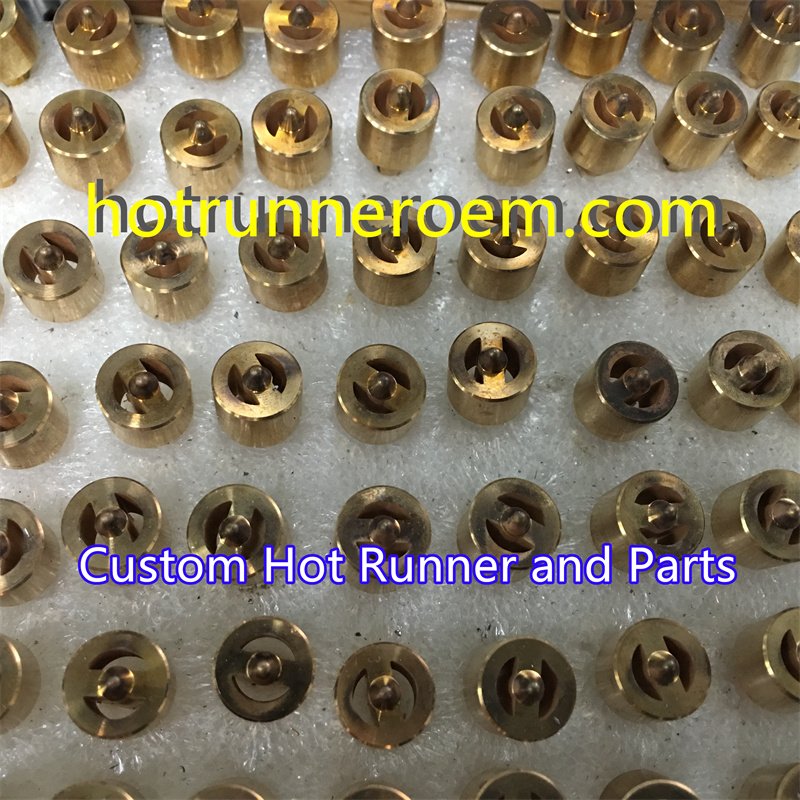
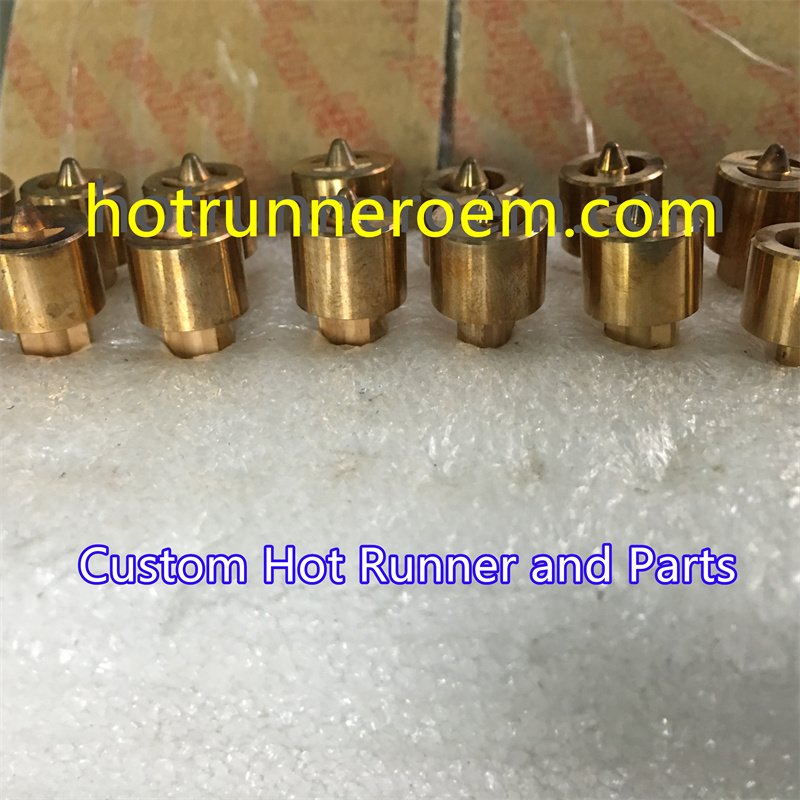
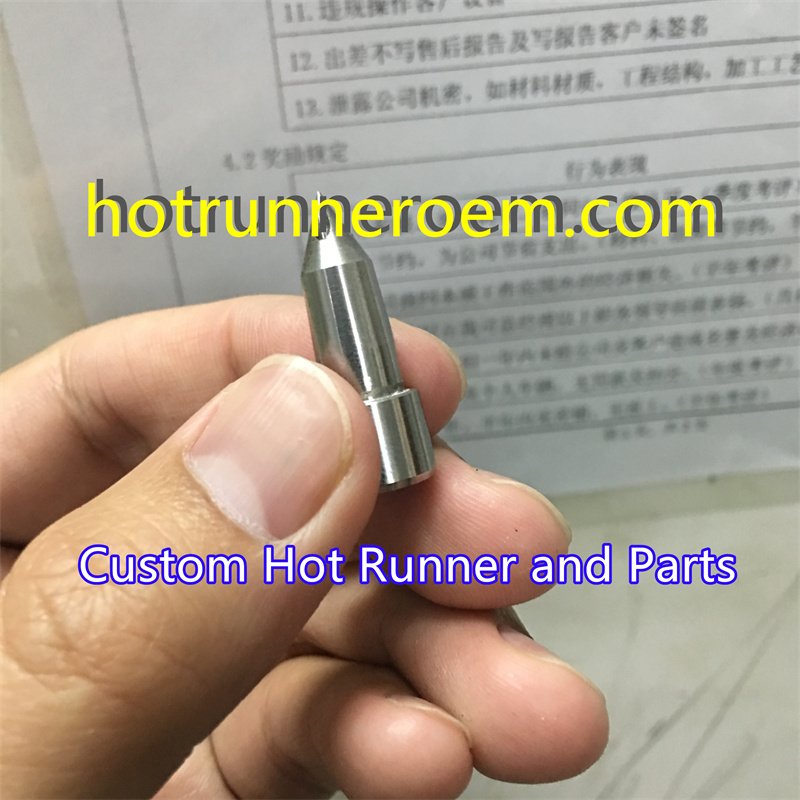
| Nozzle tips | Control material delivery at the nozzle end |
| Manifold heaters | Support stable heat across the system |
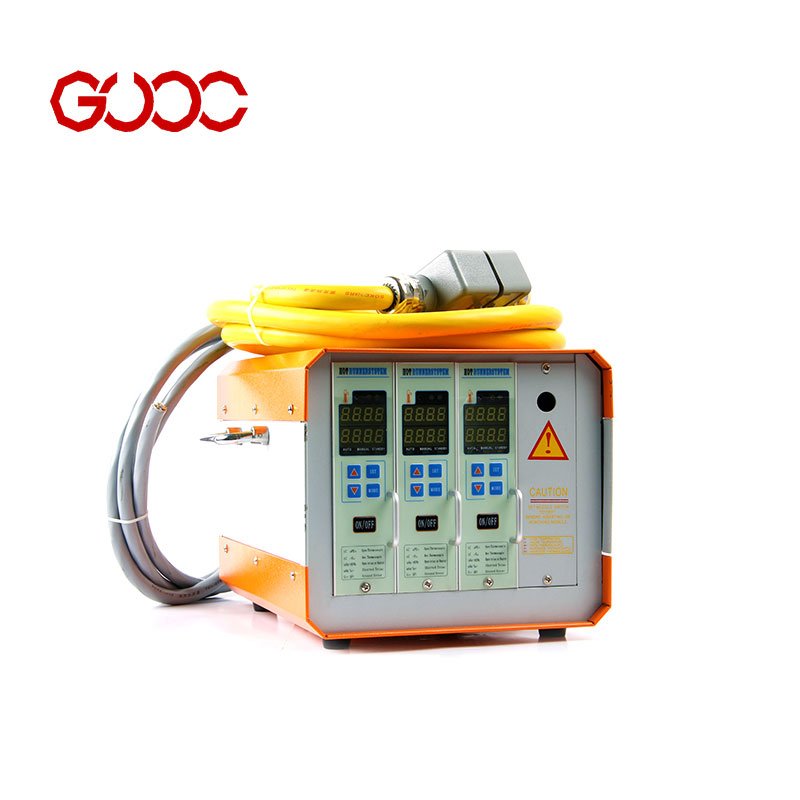
| Temperature controller | Helps manage setpoint temperature |
| Heating tubes | Provide heat for consistent processing |
Understanding Hot Runner Nozzles and Components
Hot runner nozzles and nozzle tips are used as part of a complete system for plastic processing. The goal is simple: keep the resin in the right condition until it reaches the mold cavity. This reduces material waste and supports stable production.
Core components include:
– Hot runner nozzles
– Nozzle tips
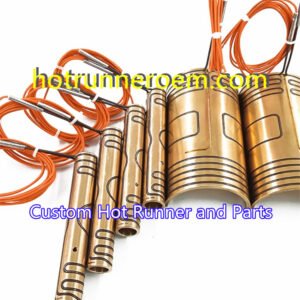
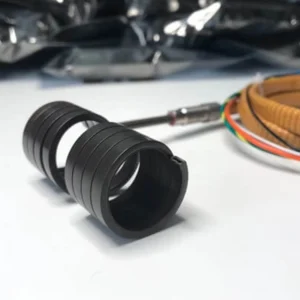
– Heating tubes
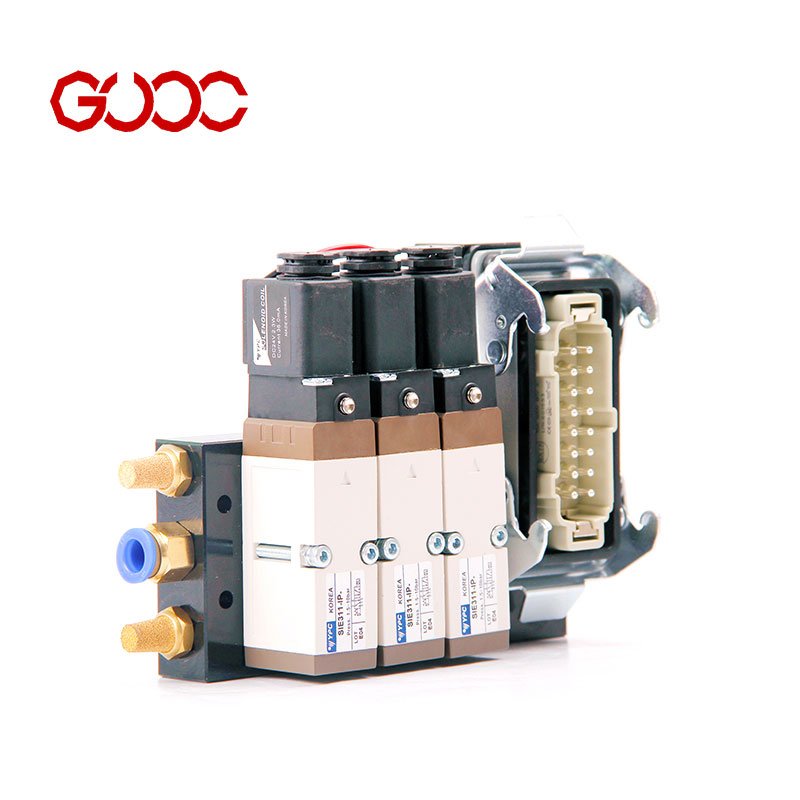
– Cylinder control modules
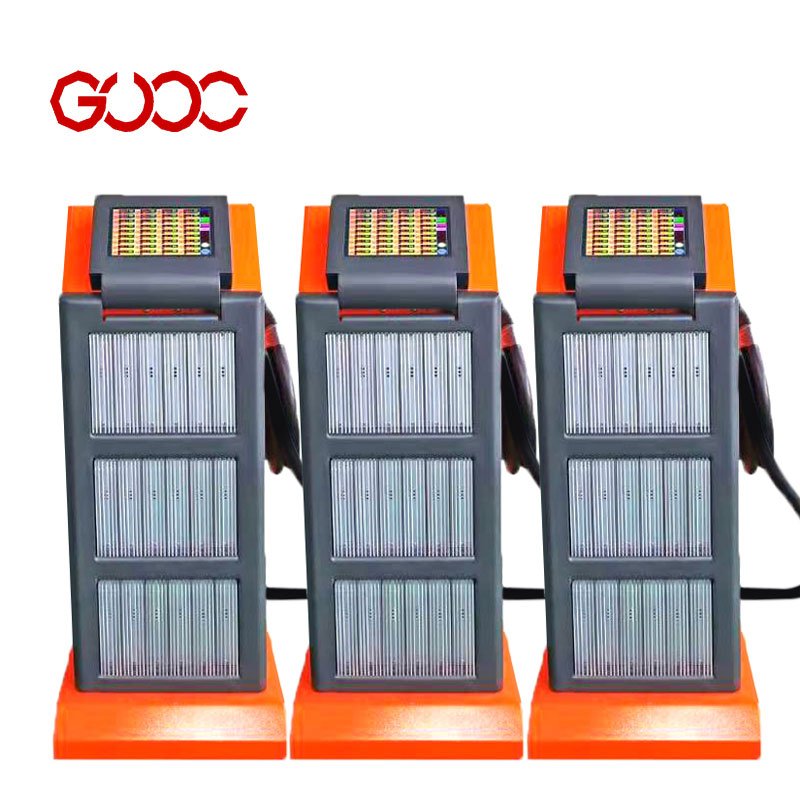
– Integrated temperature controllers
– Sequence injection timer controllers
For OEM and wholesale projects, the system can be designed from the mold analysis stage through 2D design, 3D modeling, CNC machining, assembly inspection, and shipment.
Key Benefits of Hot Runner Injection Molding
Hot runner injection molding supports cleaner, more controlled production for many plastic parts. For manufacturers, the main value is precision and repeatability.
Key benefits:
– Stable material flow
– Custom OEM manufacturing support
– Faster project handling with quote and DFM analysis in 12 to 24 hours
– Fast sample and order turnaround, with samples in as fast as 10 days and orders in 25 days
– Precision CNC machining and strict inspection
– 24/7 technical service support
| Benefit | Why It Matters |
|---|---|
| Fast response | Helps speed up project planning |
| Custom design | Supports different mold needs |
| Quality control | Helps keep parts consistent |
| Secure handling | NDA support and trade-secret protection |
Common Applications in Plastics Processing
Hot runner nozzle tips and related systems are used in a wide range of plastic processing projects. The reference page cites applications such as:
- Automobile fenders
- Battery covers
- Chip wafer boxes
- Connectors
- Tail lights
- Chargers
The systems are also matched with materials such as:
- PP
- PFA (Teflon series)
- PES / PC
- PA10T + 30% GF
- PBT + 30% GF
- PMMA
- PEI ULTEM 1000
- PC
This makes hot runner nozzle tips a practical choice for projects that need precision, custom manufacturing, and reliable production support across different mold types.
Types of Hot Runner Nozzles and Gate Designs
Open Gate Nozzles
Open gate nozzles are the most straightforward type of hot runner nozzle tips. They allow molten plastic to flow directly into the mold cavity through a simple opening. This design is ideal for parts that require easy ejection and minimal gate residue. Open gate nozzles are widely used in applications where gate quality and surface finish are less critical. For more detailed options, many manufacturers offer customizable open gate nozzle tips tailored to specific mold requirements.
Valve Gate Nozzles
Valve gate nozzles are a more advanced solution that provides precise control over the flow of molten plastic. They use a valve mechanism to open and close the gate, reducing flow hesitation and minimizing weld lines. This results in better surface quality and less post-processing. Valve gate nozzle tips are especially beneficial for high-precision injection molding, where gate control impacts part quality significantly. They are commonly paired with hot runner systems that support complex gate designs for optimal performance.
Single vs. System Nozzles
Single nozzles are designed for individual cavity or gate applications, offering simplicity and ease of maintenance. In contrast, system nozzles are integrated into a complete hot runner manifold, supporting multiple gates and cavities in a single mold. System nozzles streamline the injection process and improve consistency across multiple parts. When choosing between them, consider your production volume and complexity—system nozzles are ideal for high-volume, multi-cavity molds, while single nozzles suit smaller or simpler projects. For a reliable supply of high-quality hot runner nozzle tips, working with a reputable hot runner system manufacturer is crucial.
Tips for Selecting the Right Hot Runner System
The biggest mistake I see is choosing a hot runner setup that looks right on paper but does not match the mold, resin, or process on the line. I keep the selection simple: match the gate design, check the mold fit, and verify the flow behavior before production starts. That is how I reduce risk in injection molding and get a cleaner result with hot runner nozzle tips.
Matching Gate Types to Specific Applications
I start with the mold type and the part finish target. Open gate, valve gate, hot half, and extended nozzle setups each serve different molding needs, so the gate design has to fit the part and the production goal.
- Open gate: practical for simpler applications
- Valve gate: better for controlled filling and cleaner gate behavior
- Hot half / extended nozzle: useful when the mold layout needs a different system structure
For project sourcing, I treat this as a hot runner system selection step, not just a nozzle tip choice. A trusted hot runner system suppliers page is useful when the goal is to align system type with the actual mold structure.
Accounting for Thermal Expansion and Mold Fit
Fit matters. I check the mold data first, then move into 2D dimension design and 3D model design so the system matches the mold more cleanly. That helps avoid problems during assembly and keeps the hot runner nozzle tips aligned with the mold position.
What I focus on:
– Mold analysis before production
– Accurate 2D and 3D design work
– Assembly inspection after machining
– A fit that supports stable operation, not just initial install
This is where precision OEM work makes a real difference, especially for moldmakers who need dependable results without rework.
Evaluating Resin Rheology and Flow Analysis
I always check the resin first. Different plastics move and heat differently, so the system must suit the material, not force the material to suit the system. Based on real factory experience, common resin types include PP, PC, PMMA, PES/PC, PA10T+30%GF, PBT+30%GF, PFA, and PEI ULTEM 1000.
Key points I use:
– Match the nozzle tip and gate design to the resin flow
– Review the mold analysis and DFM output
– Keep the setup practical for plastic processing stability
– Confirm the system supports the target application, such as connectors, chargers, or automotive parts
When the resin and flow path are balanced, the hot runner system is easier to run, easier to control, and more consistent in production.
Operational Tips for Hot Runner Temperature Control
Stable temperature control is a big part of keeping hot runner nozzle tips and the full hot runner system running smoothly. In my work, I focus on steady setpoint temperature control, short heat exposure for sensitive resins, and clean zone management so the molding process stays consistent.
Managing Residence Time for Heat-Sensitive Resins
- Keep the resin moving through the hot runner without unnecessary hold time.
- Pay extra attention when processing heat-sensitive materials such as PFA, PMMA, PEI ULTEM 1000, and PC.
- Use a clear start-up plan so material does not sit hot in the nozzle tips longer than needed.
Optimizing Zone Heating and Temperature Controllers
Zone control matters because each section of the hot runner system needs stable heat, not random swings. I use a reliable hot runner temperature controller to keep the temperature setpoint steady across the system, which helps support consistent injection molding results and cleaner plastic processing.
- Match each heating zone to the mold layout and gate design.
- Check that the controller responds quickly and stays stable during normal production.
- Keep the heating coils and controller setup aligned with the nozzle tips and manifold heaters.
Lowering Temperatures During Machine Idle Time
- Do not let the system sit at full heat when production pauses.
- Lower the setpoint temperature during idle time to reduce unnecessary heat exposure.
- Bring the system back up in a controlled way before restarting to protect product quality and process stability.
Maintenance and Troubleshooting Tips for Hot Runners
For hot runner nozzle tips, I keep maintenance simple: clean changeovers, steady temperature control, and regular checks on the nozzle, heater, and controller side. That approach helps reduce downtime, protect part quality, and keep injection molding stable across different plastic processing jobs. I also review hot runner components made in China when a system needs replacement parts or a broader service check.
Purging Procedures Before and After Processing
- Purge before startup to clear leftover resin and reduce contamination in the nozzle tips and flow path.
- Purge after shutdown so material does not sit inside the system and harden.
- Match the purge routine to the resin, especially when moving between materials with different flow behavior.
- Watch for uneven flow during purging, since it can point to buildup, blocked gates, or heating issues.
Proper Shutdown and Startup Routines
- Shut down in a controlled way so temperature drops stay stable across the hot runner system.
- Restart zone by zone when possible, using the temperature controller to bring the system back smoothly.
- Check setpoint temperature before production starts to avoid cold spots and flow inconsistency.
- Confirm the nozzle and gate area are heating evenly before full output begins.
Implementing a Preventive Maintenance Program
- Inspect heating coils, heating tubes, and controllers on a regular schedule.
- Check wear points around the nozzle tips, gate design, and sprue bushing area.
- Review temperature control performance to catch drift before it affects molding.
- Track repeat issues so the same failure does not keep coming back in plastic processing.
- Use qualified inspection tools and final checks to keep the system ready for production.
Material Selection for Hot Runner Nozzle Tips
High-Thermal Conductivity Alloys
Choosing the right alloy with high thermal conductivity is essential for hot runner nozzle tips. Materials like copper-based alloys are popular because they efficiently transfer heat, ensuring uniform temperature control. This helps prevent hot spots and maintains consistent melt flow. Using high-quality alloys improves the lifespan of the nozzle tips and reduces downtime during maintenance. When selecting materials, it’s important to consider their ability to withstand continuous high temperatures and thermal cycling, which are common in injection molding processes. For reliable performance, many OEM manufacturers opt for specially designed copper alloys that meet these demanding conditions.
Wear-Resistant Metals (TZM and Tungsten Alloys)
Wear-resistant metals, such as TZM (Tungsten-Zirconium-Molybdenum) and tungsten alloys, are ideal for hot runner nozzle tips exposed to abrasive or high-temperature resins. These materials offer excellent durability and can handle the mechanical stresses associated with high-volume production. Their high melting points and hardness make them resistant to erosion and deformation, which helps maintain precise gate control over time. Selecting tungsten-based materials for nozzle tips can significantly extend their service life, especially when processing abrasive materials like filled plastics or high-performance engineering resins.
Selecting Materials for Abrasive Resins
When working with abrasive resins, material choice becomes even more critical. Hot runner nozzle tips made from wear-resistant alloys or coated with protective layers can prevent premature wear and damage. The goal is to find materials that combine thermal stability and mechanical strength to resist erosion caused by filled or high-shear plastics. Proper material selection ensures consistent gate performance and reduces the frequency of replacements, saving costs and minimizing downtime. For these applications, consulting with a trusted hot runner system manufacturer can help identify the best materials tailored to specific resin types and processing conditions.
 English
  Spanish
  French
  Portuguese
  Italian