 Skip to content
Understanding Hot Runner Systems and Core Components
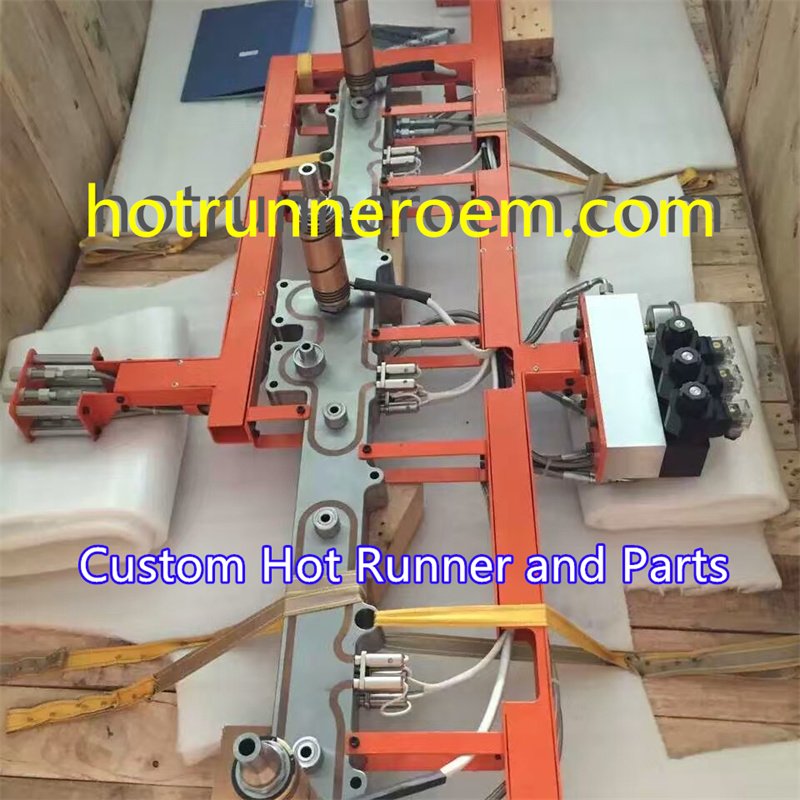
A hot runner system is used to keep molten plastic moving through the mold with stable temperature control. For buyers, the biggest concerns are simple: consistent molding, the right component match, and a supplier that can build to custom drawings. As a hot runner system manufacturer, the focus is on turning mold requirements into a workable system with clear engineering support and reliable parts.
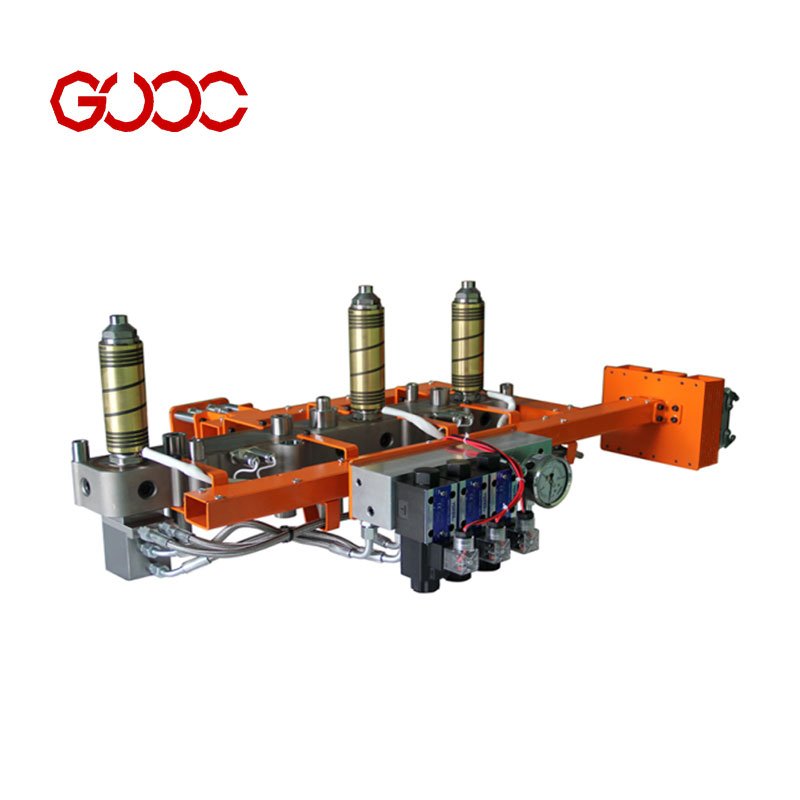
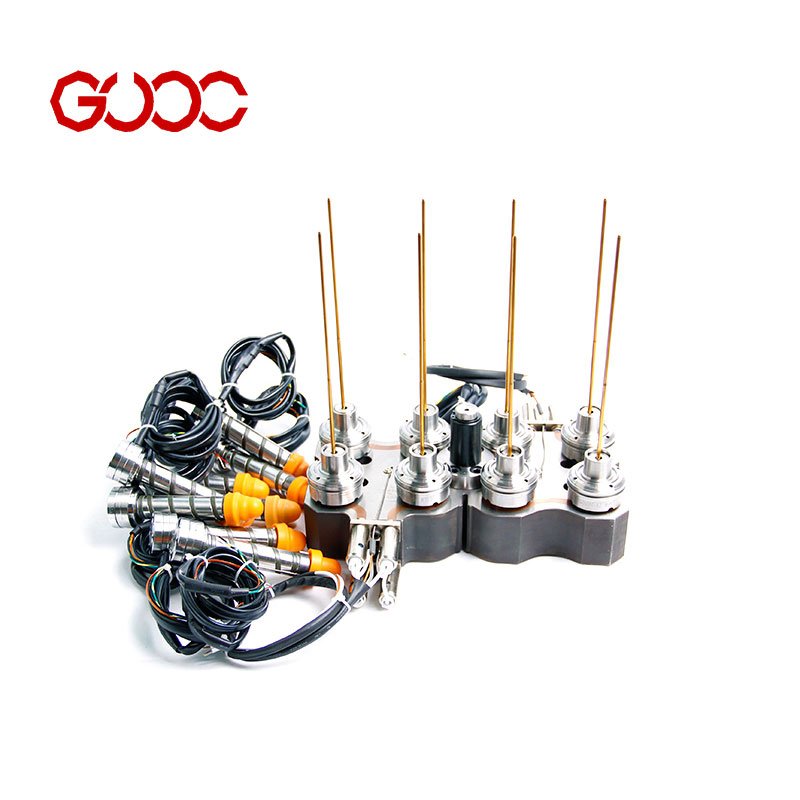
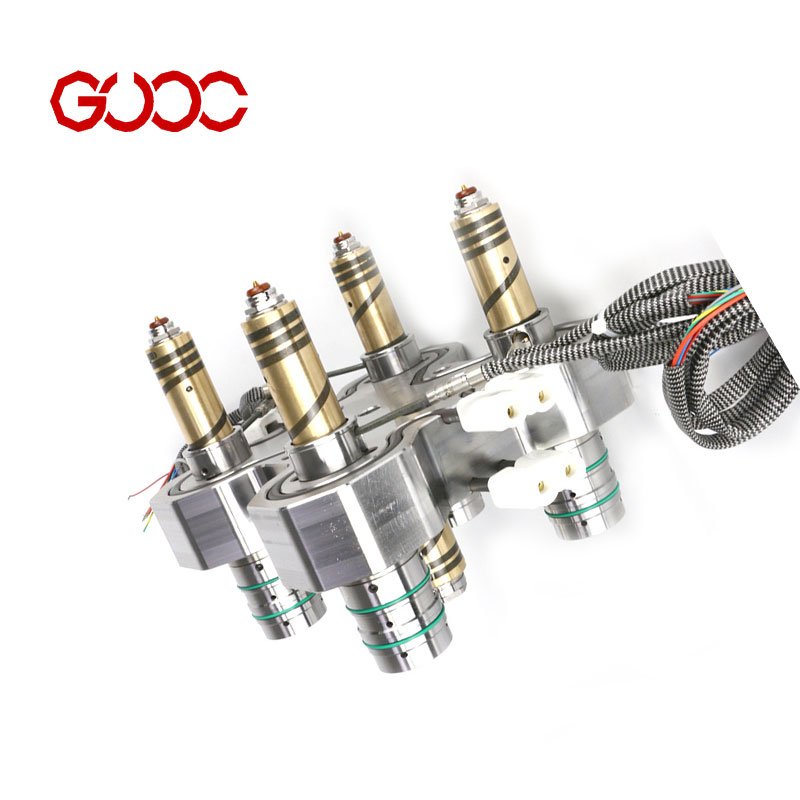
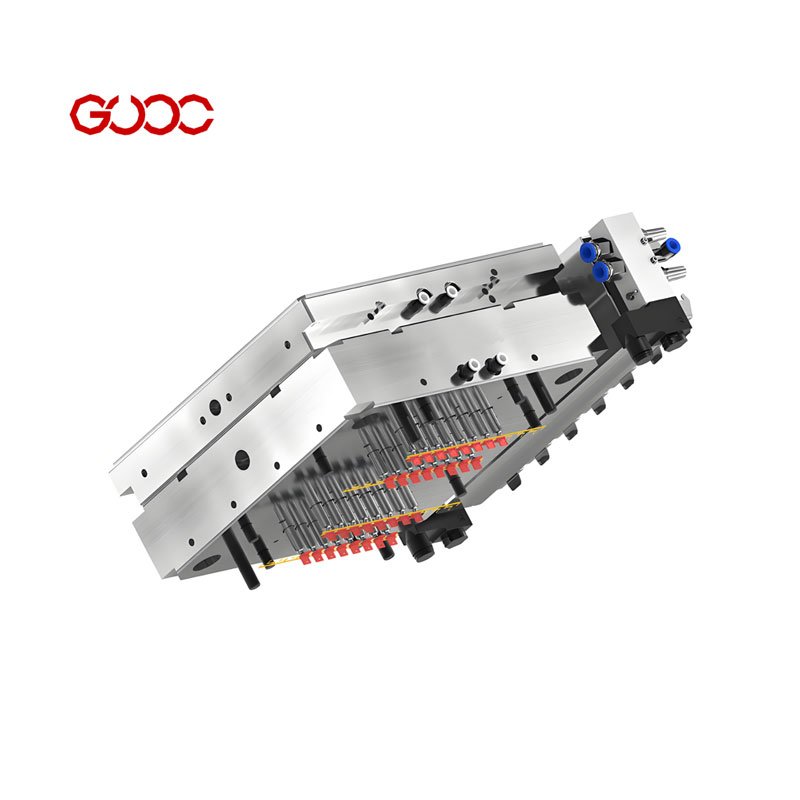
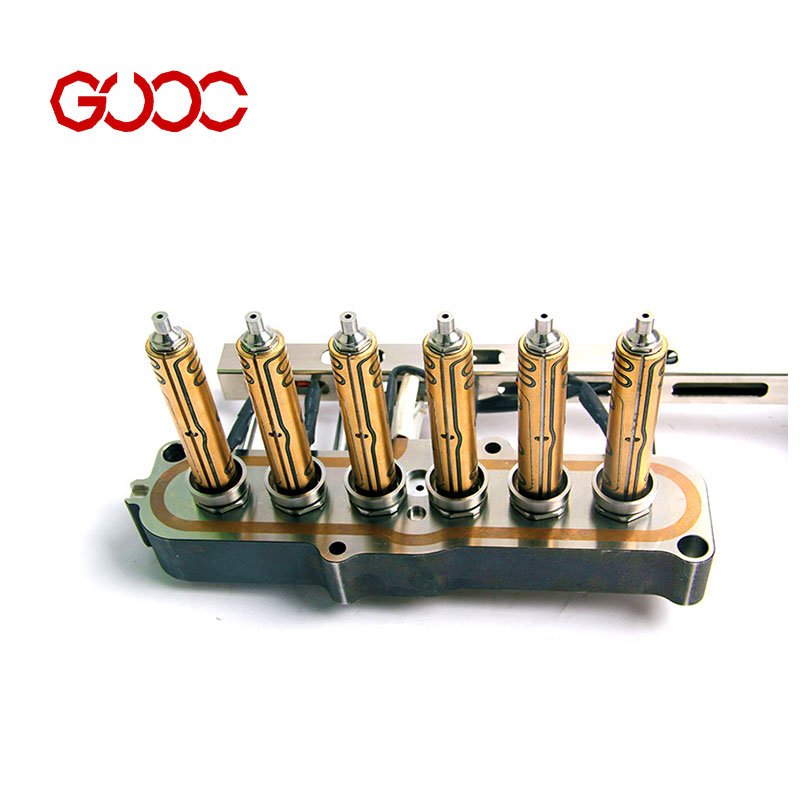
Main Components: Manifolds, Nozzles, and Controllers
The core of the system is built around three parts:
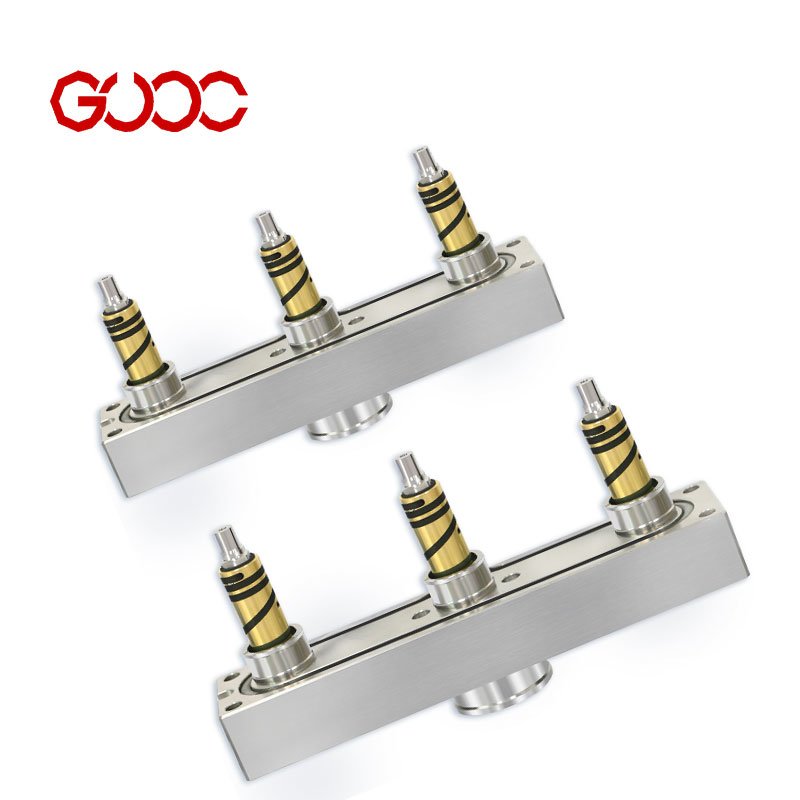
- Manifolds — distribute melt flow through the system.
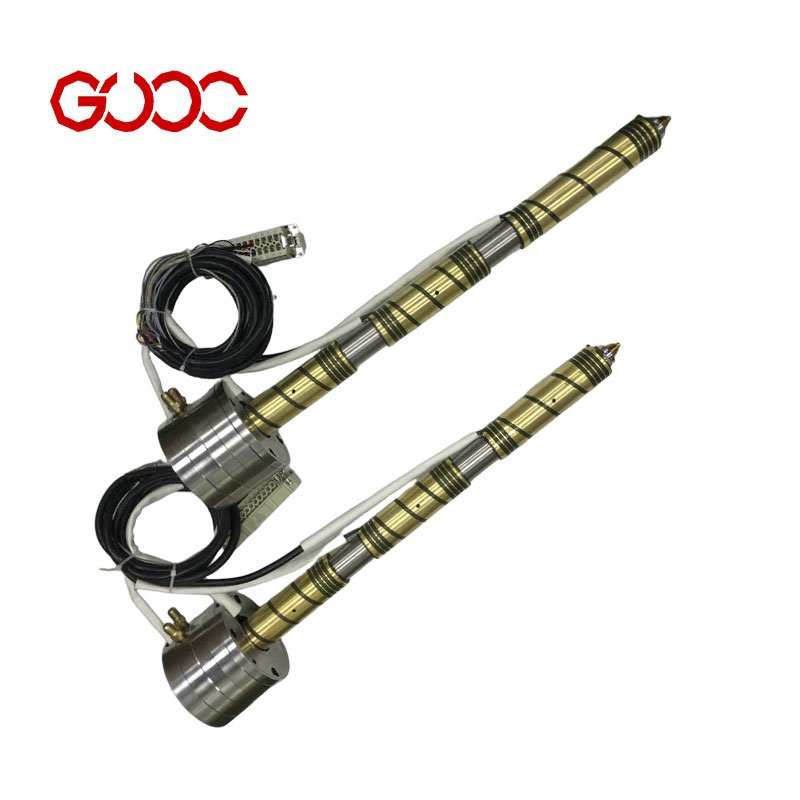
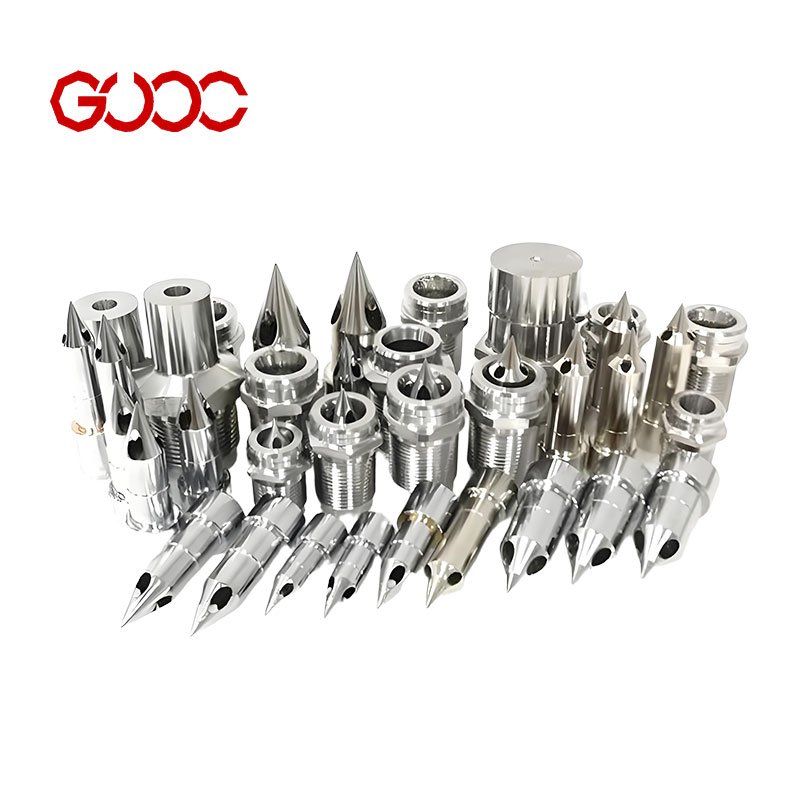
- Nozzles — deliver material into each cavity or gate point.
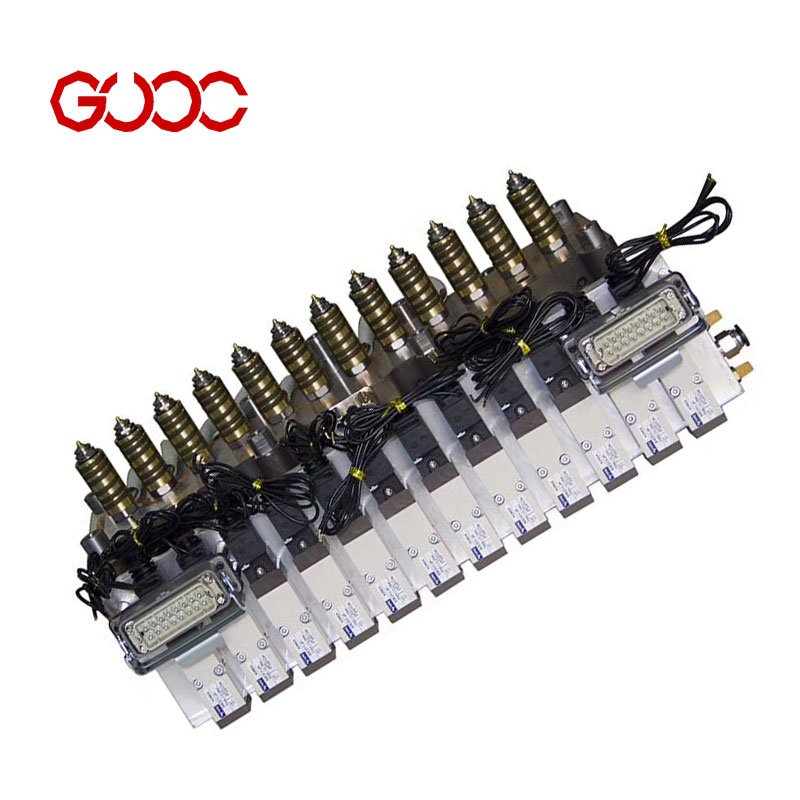
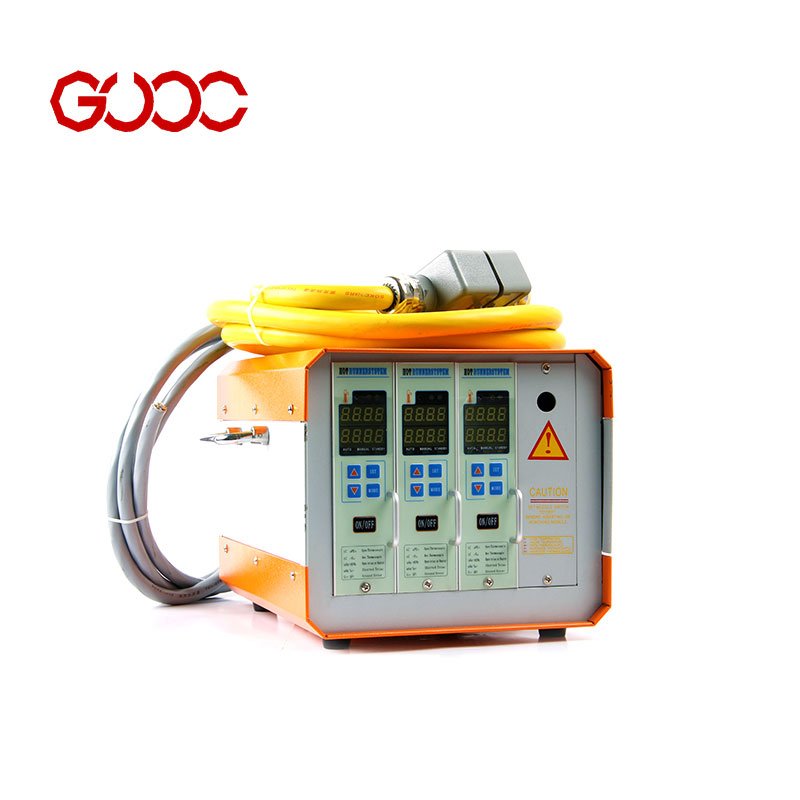
- Controllers — manage temperature and timing for stable processing.
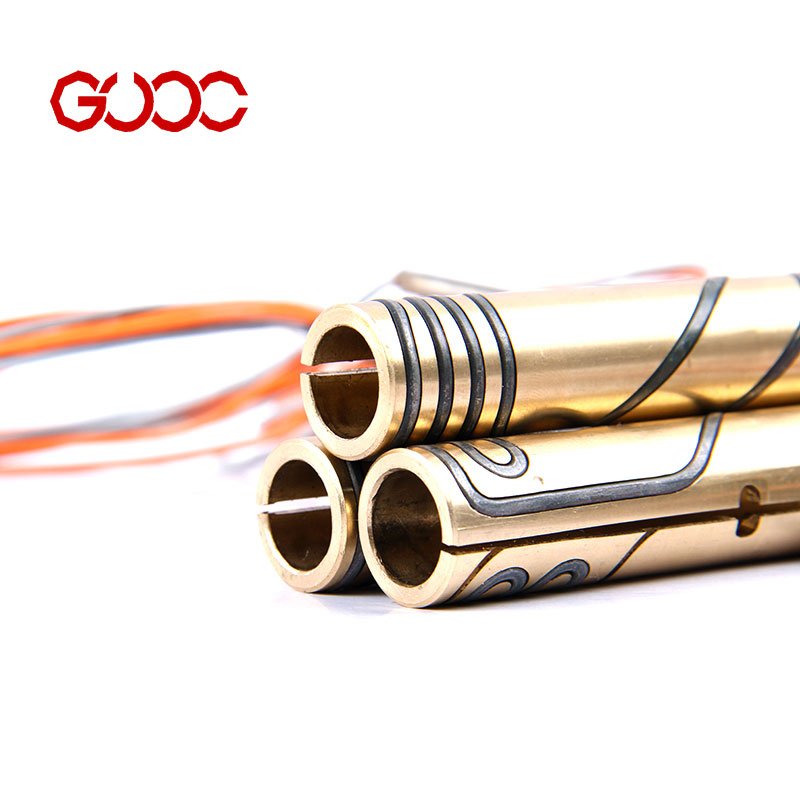
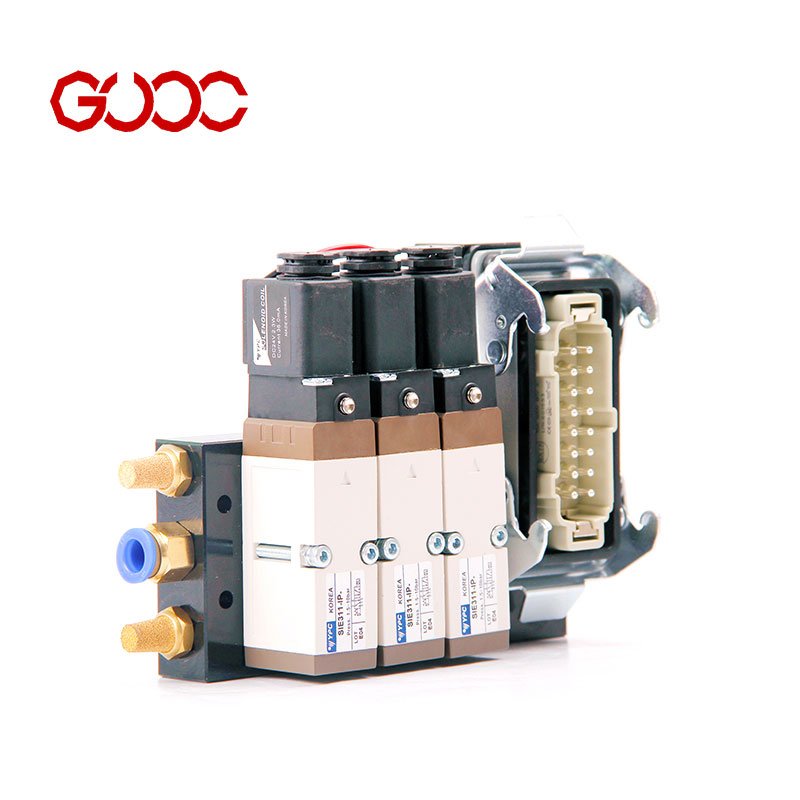
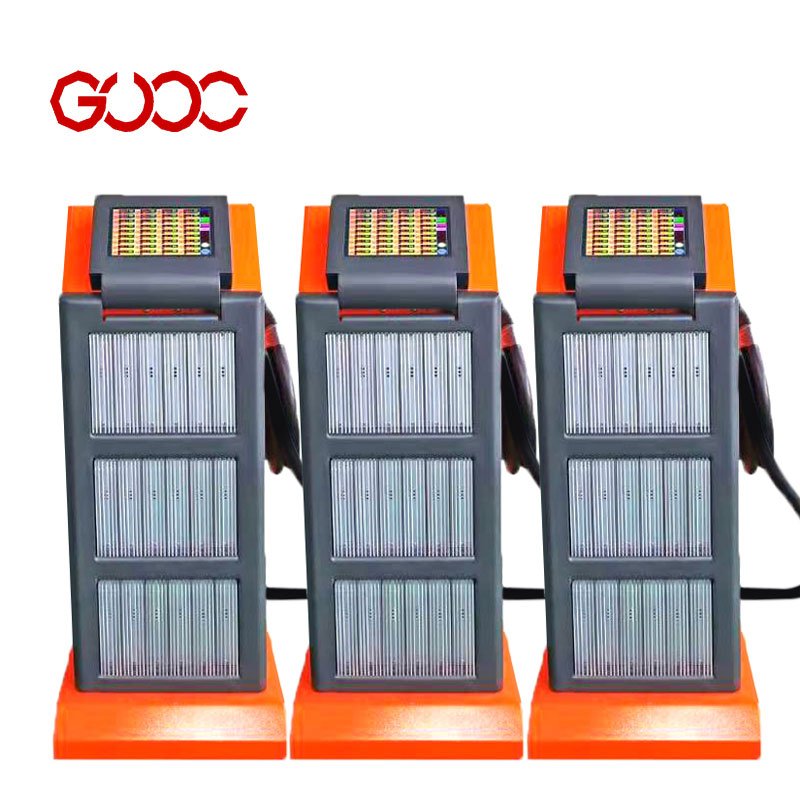
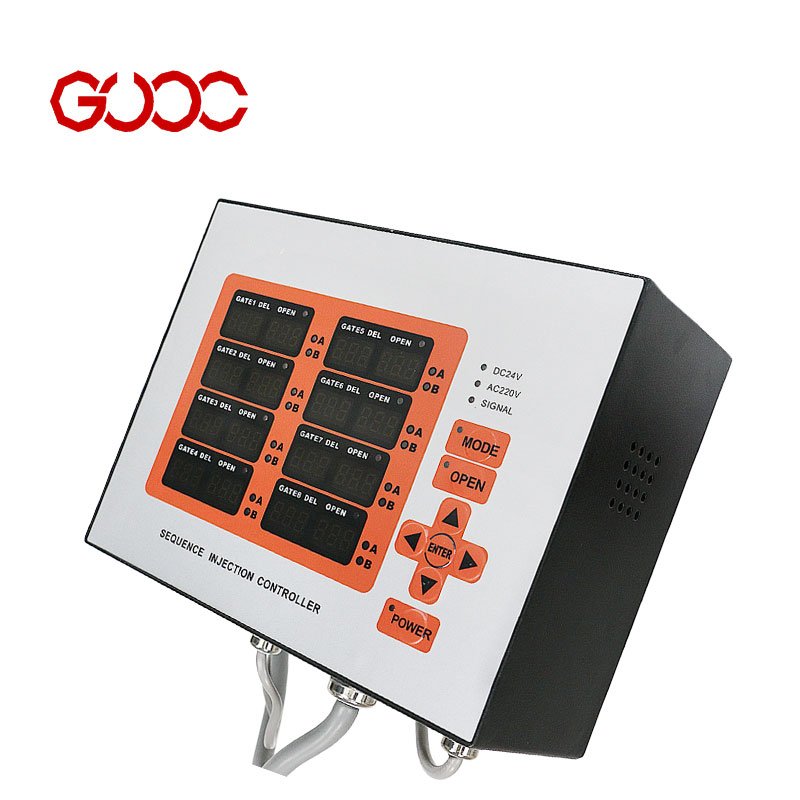
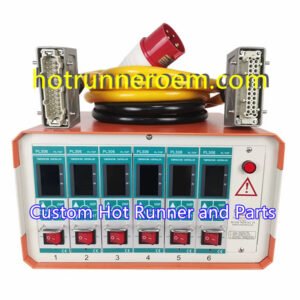
Common controller options include integrated temperature controllers, sequence injection timer controllers, and temperature control boxes. Related spare parts such as heating tubes, cylinder control modules, and custom replacement components are also part of the supply scope.
Valve Gate vs. Open Gate Systems
Hot runner systems are commonly supplied as valve gate or open gate solutions. Valve gate systems are designed for controlled gating, while open gate systems offer a simpler structure. Both can be built as integrated or assembled systems based on the mold design and application needs.
- Valve Gate Hot Runner Systems — available in integrated, assembled, hot half, and extended nozzle configurations.
- Open Gate Hot Runner Systems — available in integrated and assembled configurations.
The right choice depends on the mold layout, resin behavior, and the level of control required in production. The goal is always the same: a clean fit between the mold, the gate design, and the temperature control method.
Plastic Resin Characteristics and Processing Window
Choosing the right hot runner system depends heavily on the properties of the plastic resin used. Different materials, like PP, PFA, PES, or PA10T + 30% GF, have unique melting points, flow behaviors, and shrinkage rates. Understanding these characteristics ensures the hot runner system can maintain stable temperature control and consistent flow. A narrow processing window can lead to defects like warping or incomplete filling, so selecting a system that matches the resin’s thermal and rheological properties is crucial. Proper matching reduces waste, improves cycle times, and guarantees high-quality parts.
Gate Selection and Nozzle Sizing
The gate type and size directly impact the quality and efficiency of injection molding. Valve gate systems are ideal for precision parts requiring minimal post-processing, while open gate systems suit larger or simpler parts. Nozzle sizing must align with the flow rate and pressure of the resin to prevent issues like burn marks or short shots. Accurate gate and nozzle sizing help achieve uniform filling, reduce cycle times, and improve part appearance. For detailed design considerations, consulting a hot runner system manufacturer can help optimize these parameters for your specific application.
Thermal and Rheological System Balance
Maintaining a balanced thermal and rheological system is key to preventing processing issues. The hot runner must deliver uniform heat across manifolds, nozzles, and gates to ensure consistent resin flow. Rheological balance involves controlling melt viscosity and flow rate to avoid pressure drops or flow disruptions. Proper system design minimizes temperature fluctuations and ensures stable operation, which is vital for producing high-quality, defect-free parts. Regular inspection and precise temperature control, supported by reliable controllers, help sustain system performance and prolong equipment lifespan.
The Hot Runner Procurement Process: Step-by-Step Guide
In a hot runner procurement process, I keep the focus on fit, speed, and control. The goal is simple: turn the mold request into a workable hot runner system with clear specs, fast quoting, and safe delivery. For many projects, the timeline can move from quote to sample and then to volume production without wasted time.
| Step | What I Check | Result |
|---|---|---|
| 1 | Part use, resin, gate type | Clear application scope |
| 2 | 2D/3D files and DFM review | Technical fit confirmed |
| 3 | Quote, lead time, support, QC | Supplier comparison ready |
| 4 | Inspection, packing, shipping | Safe delivery arranged |
1. Application Analysis and Part Requirement Definition
I start with the part itself. That means checking the mold type, plastic resin, cavity count, gate choice, and whether the job needs a valve gate hot runner system, an open gate system, or spare parts such as nozzles, heating tubes, or controllers.
- Part use: the final molded product and molding goal
- Resin: material choice affects heat and flow behavior
- System type: valve gate, open gate, integrated, or assembled
- Files: 2D/3D drawings for the first technical review
For custom work, I also keep the file-sharing step controlled. NDA support is available before drawings are sent, which helps protect design data and trade details.
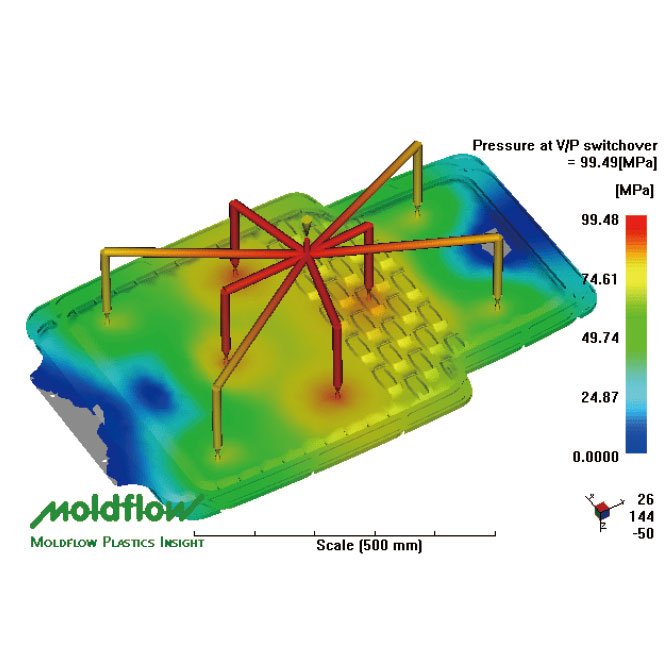
2. Technical Specifications and Moldflow Analysis Review
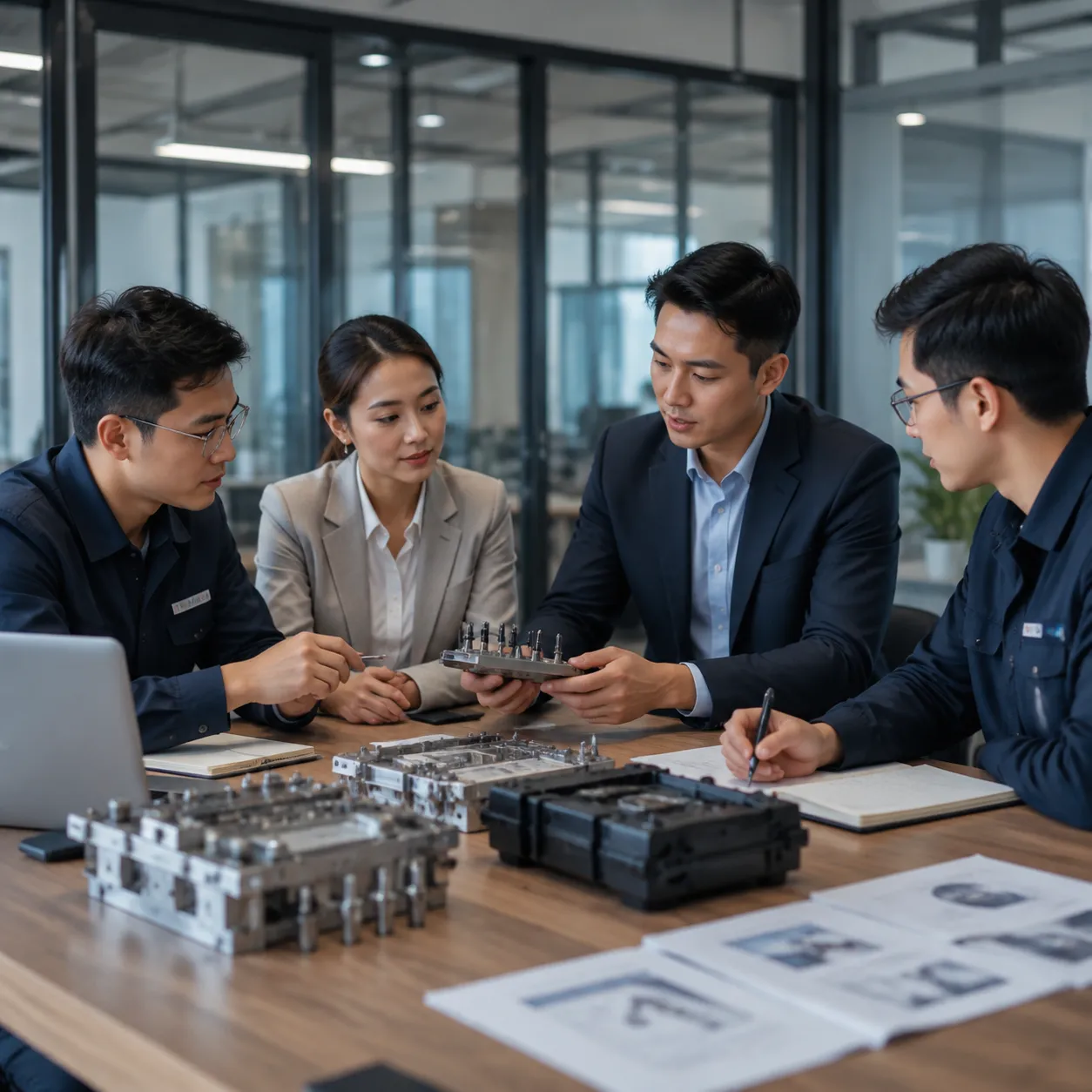
Next, I review the technical details and check whether the design matches the resin and the mold structure. A solid hot runner system manufacturer should be able to support DFM analysis, 2D and 3D design review, and custom sizing based on the project.
- Common resins seen in design cases: PP, PFA, PES/PC, PA10T + 30% GF, PBT + 30% GF, PMMA, and PEI ULTEM 1000
- System match: hot half, extended nozzle, or other custom setup
- Control support: integrated temperature controllers, sequence injection timer controllers, and temperature control boxes
At this stage, I make sure the design is practical for production, not just good on paper.
3. Supplier Quotation and Engineering Proposal Evaluation
This is where I compare suppliers on more than price. I look for a clear quote, technical feedback, and a clean engineering proposal. On a good project, the supplier can return a formal DFM review and quotation within 12 to 24 hours after getting the details.
I also check whether the supplier offers direct OEM support, custom hot runner replacement parts, and responsive service. For buyers comparing China hot runner suppliers with OEM support, the key is not just cost. It is whether the supplier can match the mold, hold quality, and keep the schedule moving.
- Quote speed: fast response matters in tight project windows
- Engineering depth: DFM, sizing, and material suitability
- Production plan: sample and volume timing
- Quality control: 100% inspection before shipment
4. System Testing, Commissioning, and Delivery
Before delivery, I expect full inspection and final checks. The page states that each lot is inspected before shipment, with technician self-inspection and hourly online QC checks. That is the kind of control I want in a hot runner procurement process.
- Inspection tools: VMS-4030E, HR-150A, TESA Hite, Mitutoyo SJ400, Mitutoyo Coolant Proof, and HEX-10 HRC
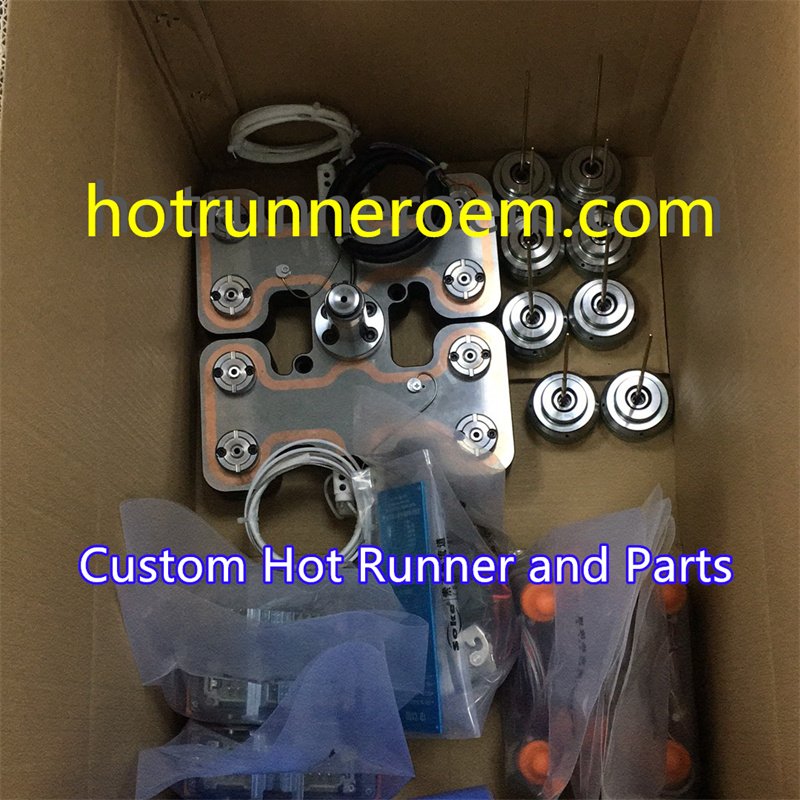
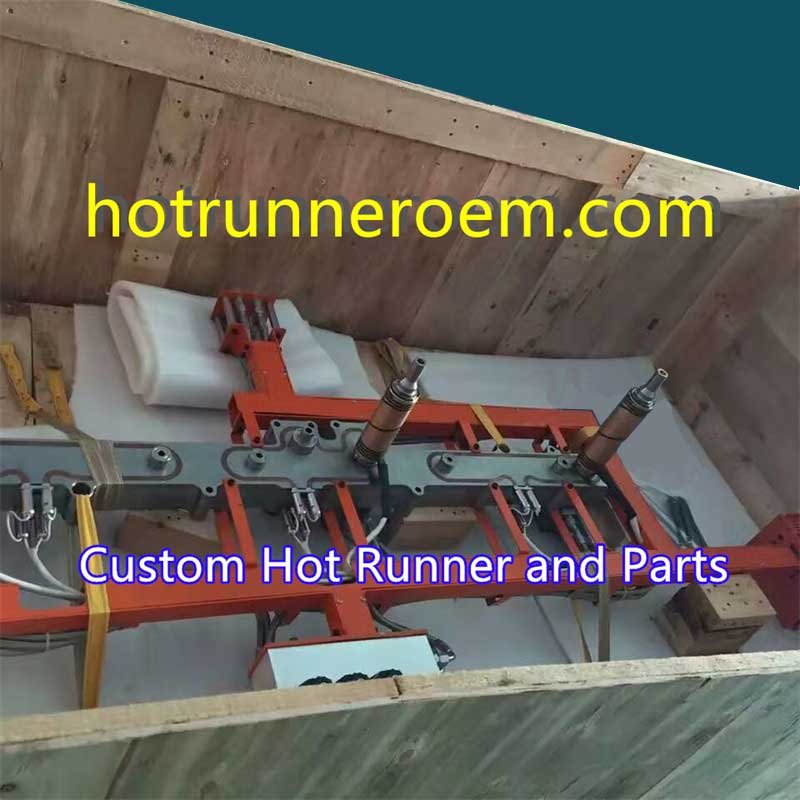
- Packing: vacuum bag plus wooden box
- Shipping: express, air freight, or sea freight
For global orders, this final step matters as much as the design stage. Clean packing, strict inspection, and the right shipping method help protect the hot runner system from the factory to the destination.
How to Evaluate and Choose the Right Hot Runner Supplier
Technical Expertise and Customization Capabilities
Choosing a reliable hot runner system manufacturer requires assessing their technical expertise. Look for suppliers with proven experience in designing custom hot runner solutions tailored to your specific mold and resin. A supplier with strong engineering capabilities can optimize system performance, reduce cycle times, and improve product quality. They should offer flexible customization options, including system configurations like valve gate or open gate systems, to match your production needs. An experienced supplier will also provide detailed design for manufacture (DFM) analysis to ensure your hot runner system integrates seamlessly with your molds.
Supplier Service, Global Support, and Spare Parts Availability
Effective support is crucial for smooth production. Opt for suppliers that offer 24/7/365 technical support and quick response times. A supplier with a global support network ensures you receive timely assistance regardless of your location. Additionally, check their spare parts inventory—having access to hot runner spare parts like nozzles, heating tubes, and controllers is vital to minimize downtime. For instance, a supplier with a dedicated online spare parts portal can help you quickly source components like hot runner spare parts, ensuring continuous production.
Total Cost of Ownership and Quality Warranty
While initial costs are important, consider the total cost of ownership (TCO). High-quality hot runner systems may have a higher upfront price but often deliver lower maintenance costs and longer lifespan. A reputable supplier should provide comprehensive quality warranties and assurance policies. This reduces risks and guarantees system reliability over time. Remember, a good warranty and quality guarantee reflect the supplier’s confidence in their products and their commitment to your long-term success.
Post-Procurement Maintenance and Operations
Standard Temperature Control and Operation Procedures
Maintaining optimal temperature control is crucial for hot runner systems to ensure consistent injection quality. Proper operation procedures include setting precise temperature zones with reliable temperature controllers, such as those available from hot runner controller manufacturers. Regularly monitoring and adjusting temperature settings helps prevent defects like short shots or burn marks, ensuring smooth production runs and reducing downtime.
Preventive Maintenance and Cleaning Protocols
Preventive maintenance is key to extending the lifespan of your hot runner system and avoiding costly repairs. Routine cleaning of nozzles, manifolds, and heating elements prevents buildup of residues that can cause clogging or uneven heating. Implementing a scheduled cleaning protocol, including inspection of seals and nozzles, keeps the system running efficiently. Regular maintenance also involves checking for wear and tear on components like heating tubes and cylinder control modules, which are critical to system stability.
Troubleshooting Common Hot Runner Processing Issues
Addressing common hot runner issues quickly minimizes production disruptions. Typical problems include inconsistent melt flow, temperature fluctuations, or nozzle leakage. Troubleshooting begins with verifying temperature settings, inspecting heating elements, and ensuring controllers operate correctly. For precise control, consider using advanced multi-zone PID temperature controllers, which can help stabilize the system. Identifying and resolving these issues early maintains high-quality output and reduces waste, keeping your manufacturing process efficient and reliable.
 English
  Spanish
  French
  Portuguese
  Italian