 Skip to content
What are Hot Runner Components?
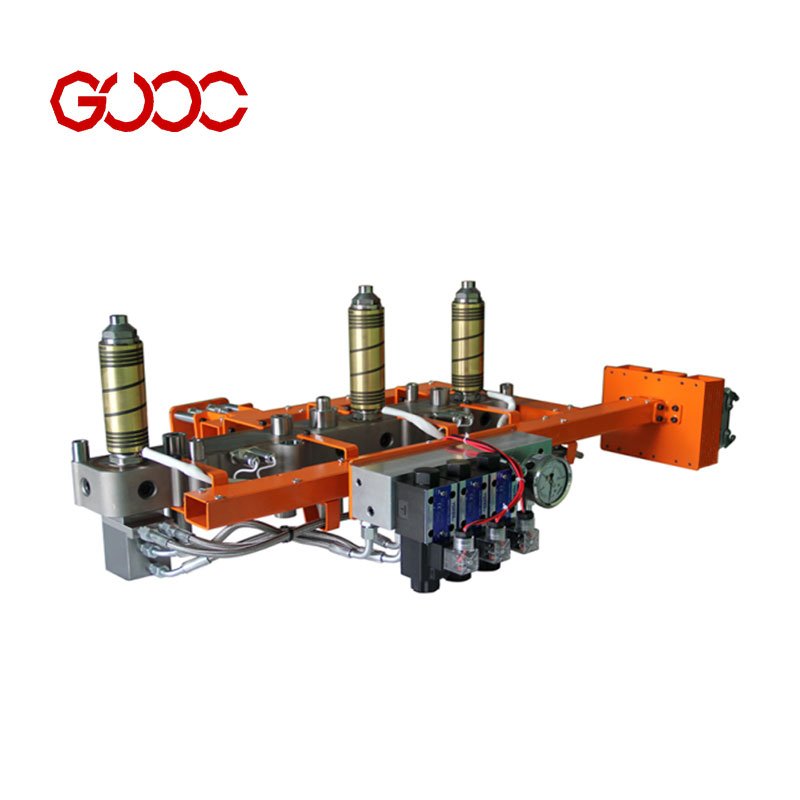
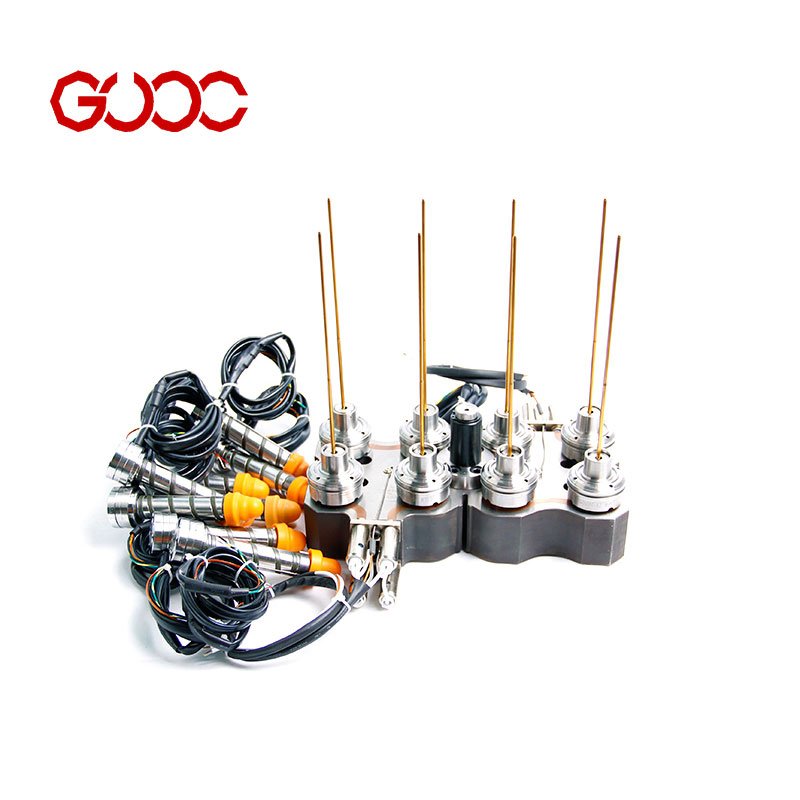
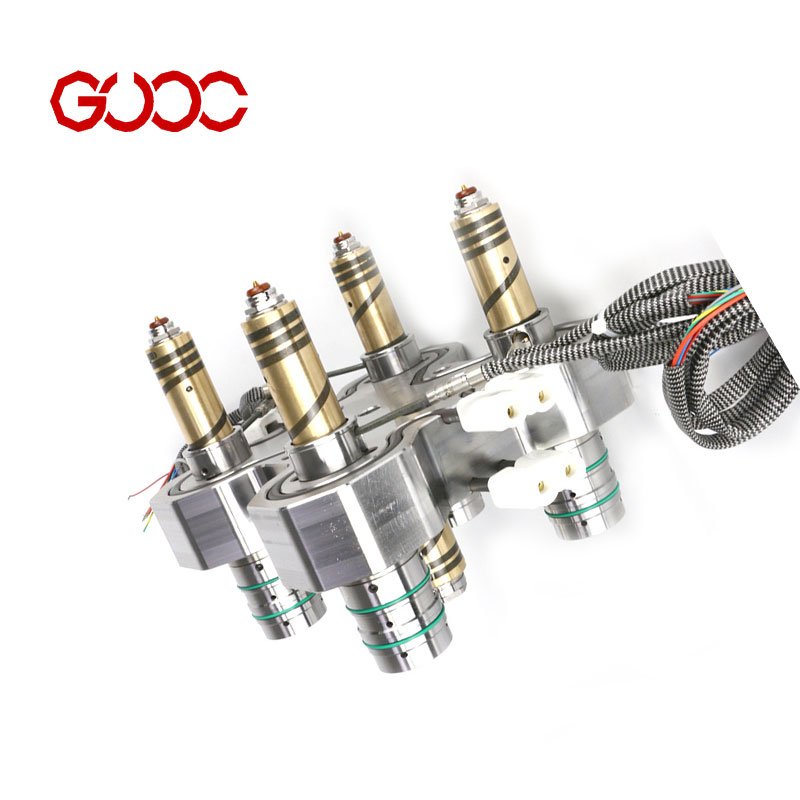
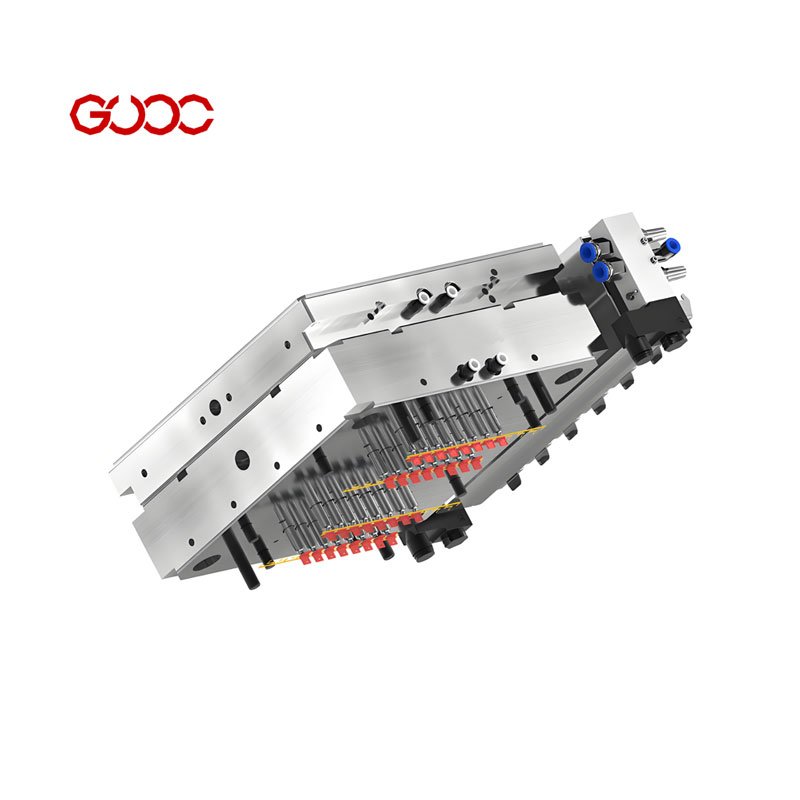
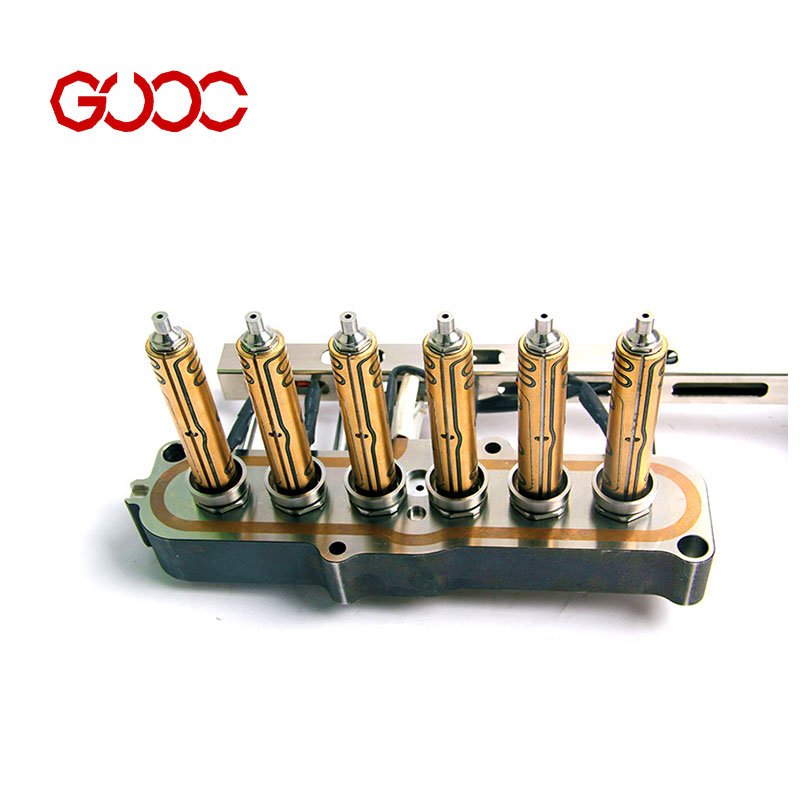
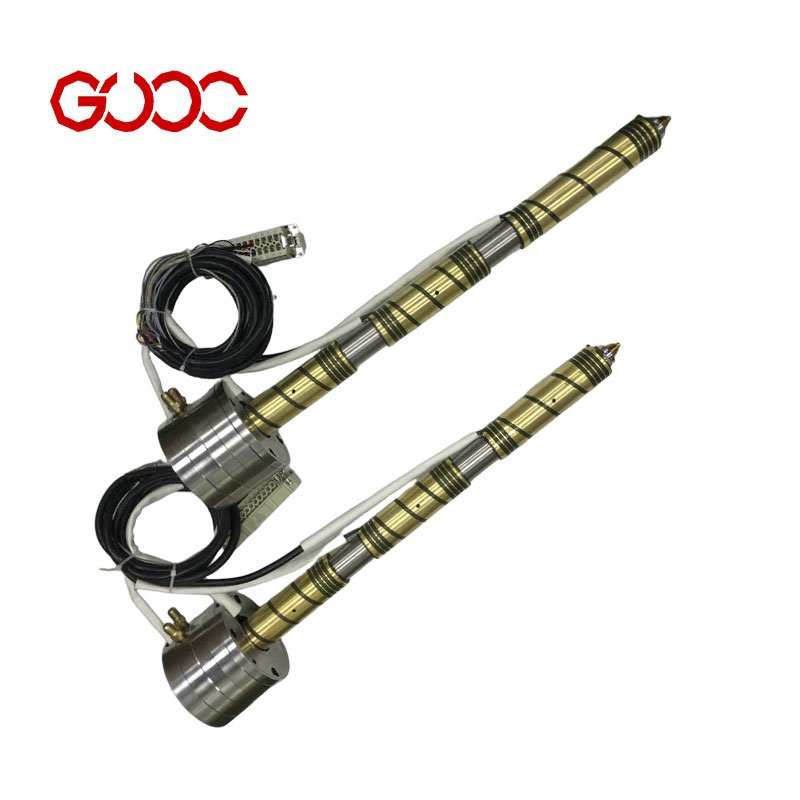
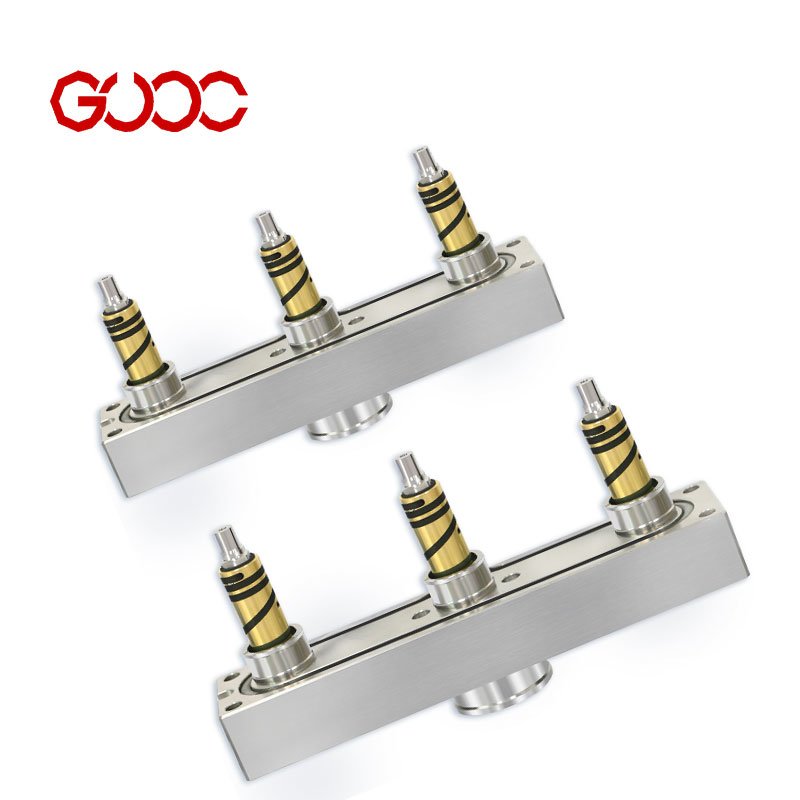
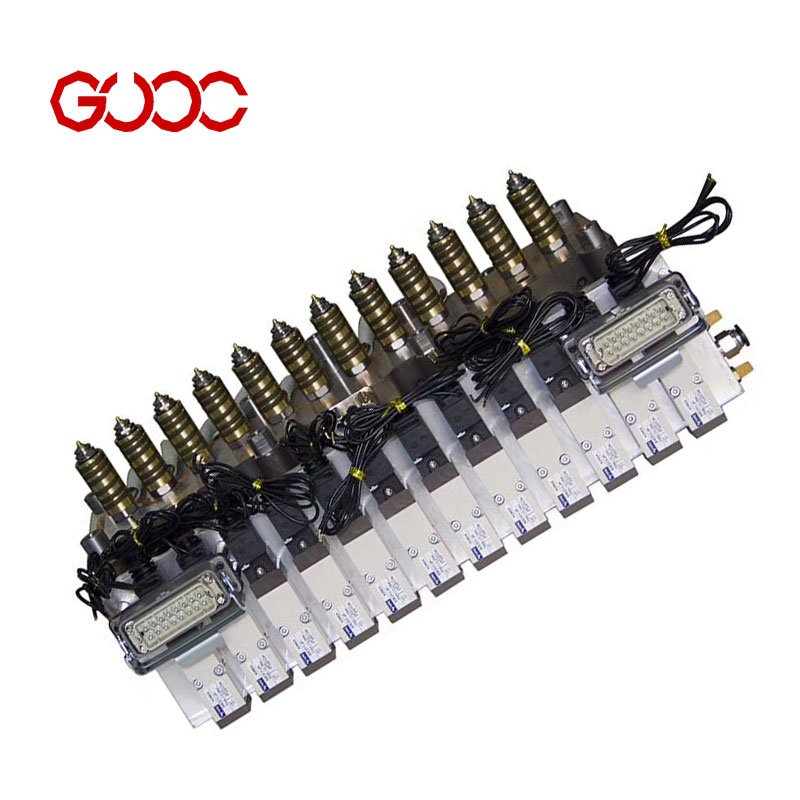
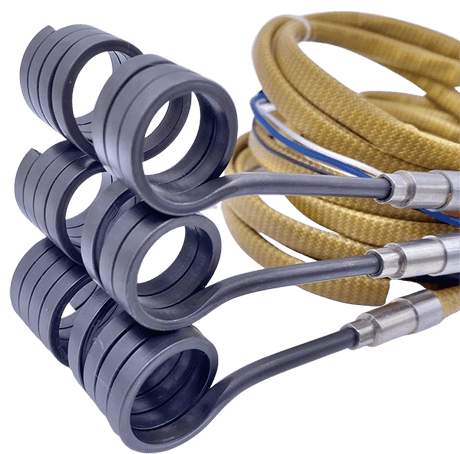
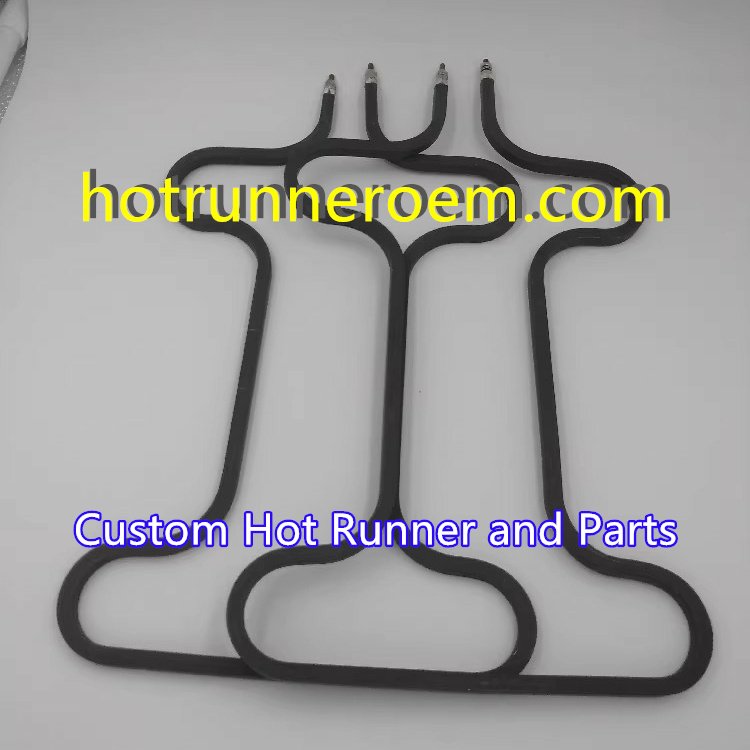
Hot runner components are essential parts of injection molding systems that control the flow and temperature of molten resin within the mold. They include nozzles, manifolds, heating elements, and valves, all designed to ensure precise, consistent injection. High-quality hot runner components reduce cycle times, improve part quality, and extend mold life.
Key advantages of using high-quality hot runner components:
- Better temperature control for uniform melt flow
- Reduced resin waste and cycle times
- Enhanced durability and resistance to wear
- Consistent part quality and fewer defects
Differences between standard and precision hot runner parts:
| Feature | Standard Hot Runner Parts | Precision Hot Runner Parts |
|---|---|---|
| Tolerance | Larger, less precise | Tight, industry-standard tolerances |
| Surface Finish | Basic, rough | Smooth, high-quality finish |
| Material Quality | Lower-grade materials | Premium alloys and insulators |
| Application | General use | Critical, high-precision applications |
Using precision hot runner components ensures reliable operation and optimal performance in demanding injection molding processes.
Types of Hot Runner Components
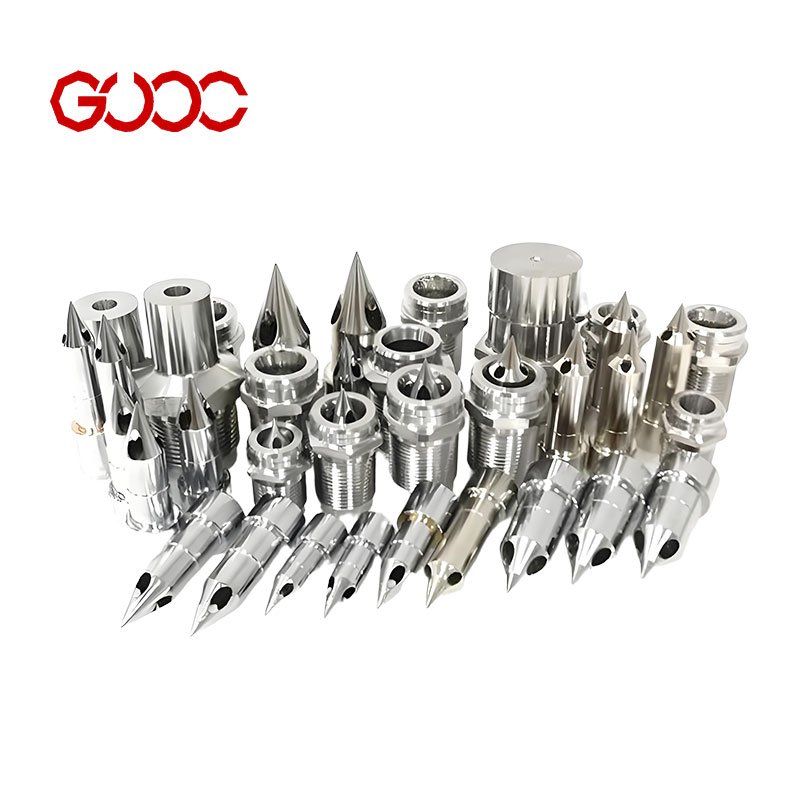
Hot runner nozzles and nozzle tips are essential for precise resin flow control in injection molding. They come in various types, materials, and functions to suit different applications. For example, injection mold nozzle tips are designed for optimal thermal performance and durability, whether for standard or high-temperature resins. Common materials include hardened steel, carbide, and ceramic, each offering specific benefits like wear resistance or thermal insulation.
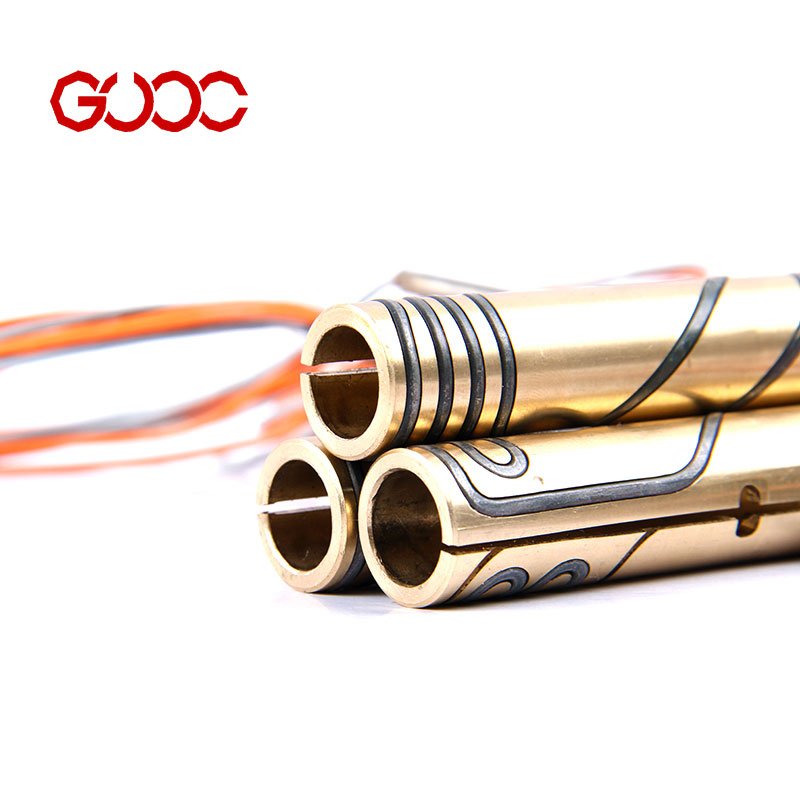
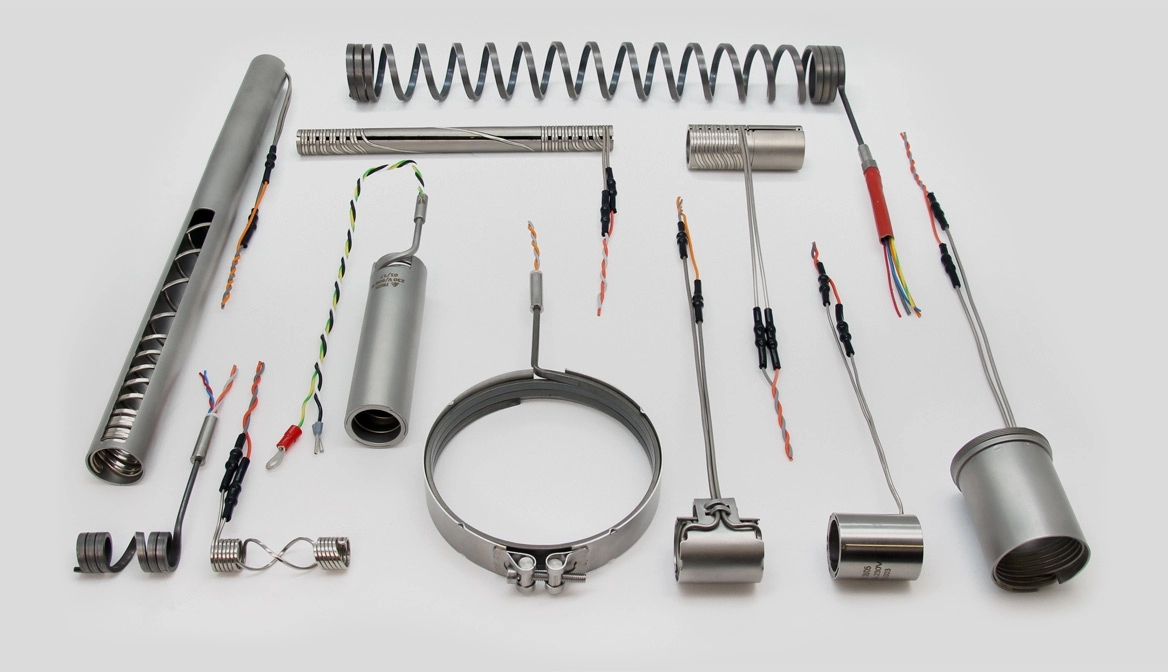
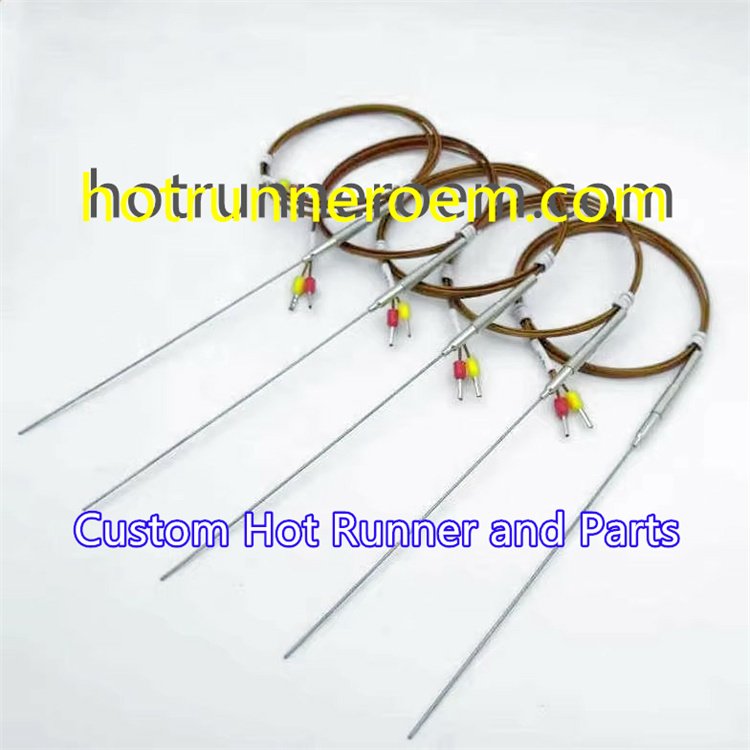
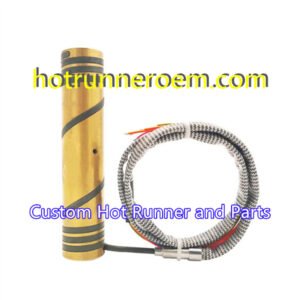
Heating elements and temperature control devices are critical for maintaining consistent melt temperatures. Options range from simple cartridge heaters to advanced flextracoil heaters and thermocouple sensors, which provide accurate feedback for precise thermal management. Proper selection ensures stable molding conditions and prevents resin discoloration or defects.
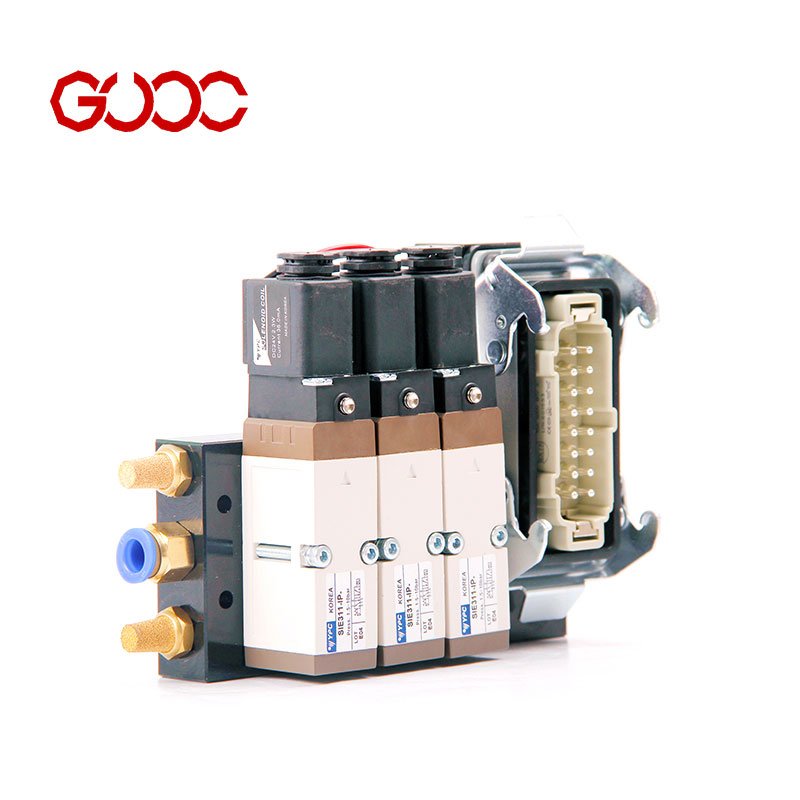
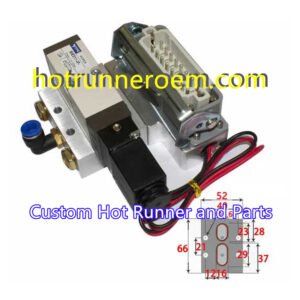
Valve gate systems and mechanical components, such as valve gate pins and thermal gating components, are designed for reliable opening and closing of the flow path. Manufacturing tolerances are tight to ensure sealing and longevity, reducing defects like short shots or flash. High-quality valve pin actuators and melt channel inserts help improve cycle times and part quality.
Heated manifolds and sprues are the hardware backbone of hot runner systems. They distribute melt evenly and can be customized for flow management. Heated sprue bushings and manifold heater bands are commonly used to optimize flow paths, reduce dead spots, and improve cycle efficiency. Custom designs are available to fit specific mold configurations, ensuring smooth operation and consistent part quality.
Material Selection for Hot Runner Components
Choosing the right materials for hot runner components is critical for performance, durability, and compatibility with different resins. Common metallurgy options include copper alloys, tool steels, carbides, and insulators. Copper alloys are favored for their excellent thermal conductivity, ensuring rapid and uniform heat transfer. Tool steels and carbides offer high wear resistance and strength, ideal for components exposed to abrasive resins or high temperatures. Insulating materials help maintain thermal stability and prevent heat loss.
Resin compatibility is another key factor. Commodity resins like PP and PE require materials that can handle moderate temperatures and provide reliable flow. For abrasive or high-temp resins such as PEEK or PFA, components must withstand higher thermal and mechanical stresses. Proper material selection directly impacts the thermal performance of hot runner systems, ensuring consistent melt flow and reducing downtime. It also extends the lifespan of components, minimizing maintenance costs and preventing costly mold damage.
For optimal results, I recommend selecting materials based on the specific resin type and processing conditions. This approach guarantees the durability and efficiency of your hot runner components, making your injection molding process more reliable and cost-effective.
Design & Manufacturing Standards for Hot Runner Components
Precision machining is critical for hot runner components to ensure consistent performance. Techniques like CNC, EDM, and grinding are standard to achieve tight dimensional tolerances and smooth surface finishes. These methods help produce reliable parts that fit perfectly within your injection molding system, reducing leakage and ensuring uniform resin flow.
Quality control protocols are strictly followed. We utilize advanced inspection tools such as coordinate measuring machines (CMM), hardness testers, and surface roughness testers to verify each component meets industry standards. This rigorous inspection process guarantees durability and thermal stability, especially for high-temperature and abrasive resins.
Our custom manufacturing workflows are designed for efficiency and precision. From initial design to final inspection, lead times are optimized to deliver rapid turnaround without compromising quality. This approach allows us to meet your project deadlines while maintaining the high standards required for hot runner systems.
Resin Compatibility & Processing Capabilities
Matching hot runner components with the right resin type is crucial for optimal injection molding performance. We offer components compatible with a wide range of resins, including PP, PE, PBT, PEEK, and PFA. Selecting the correct materials ensures reliable flow, reduces wear, and maintains consistent quality during production. For abrasive or high-temperature resins, such as PEEK or PFA, specialized melt channel inserts and wear-resistant nozzle tips are essential to prevent damage and prolong component life.
Design considerations for flow channels and gating systems are vital to prevent resin degradation, minimize cycle times, and ensure uniform filling. Proper gating, combined with thermal gating components, helps achieve defect-free parts and stable processing. Our hot runner components are engineered to handle these demanding conditions, supporting high-performance applications across various industries. For more precise temperature management, our hot runner system temperature controllers provide reliable control tailored to resin requirements.
Custom OEM Manufacturing & Sourcing
Choosing OEM-specific hot runner components offers significant advantages, especially for those needing tailored solutions that fit precise mold and process requirements. Working with Chinese hot runner system suppliers allows for competitive pricing, flexible customization, and rapid prototyping. We specialize in custom design, ensuring your components meet exact specifications for optimal performance and durability.
Our process begins with CAD submission, where your design ideas are turned into detailed models. We then perform DFM (Design for Manufacturing) analysis to optimize the design for production, minimizing lead times and costs. To protect your intellectual property, we require an NDA before sharing any drawings or sensitive data.
Once the design is finalized, we proceed with rapid manufacturing and quality checks. Typical delivery timelines range from short lead times for prototypes to 10–25 days for batch production, depending on complexity. Our goal is to provide a seamless, efficient sourcing experience that ensures you get high-quality hot runner components exactly when you need them.
Hot Runner Components FAQ
Can OEM replacements be drop-in ready?
Yes, when I work from the right drawing, sample, or machine data, I can make OEM hot runner replacement parts to match the target system. I review the fit, function, and process needs first, so the part is built for the application rather than guessed on the bench. For matching parts, I also cover related hot runner spare parts and custom hot runner components.
What information do I need for an accurate quote?
For a clean quote, I need:
– CAD file or drawing
– Part dimensions and specs
– Resin type, if available
– Application details
– Quantity and target delivery time
I usually return a quote within 12–24 hours after DFM review.
How do temperature controls help with resin consistency?
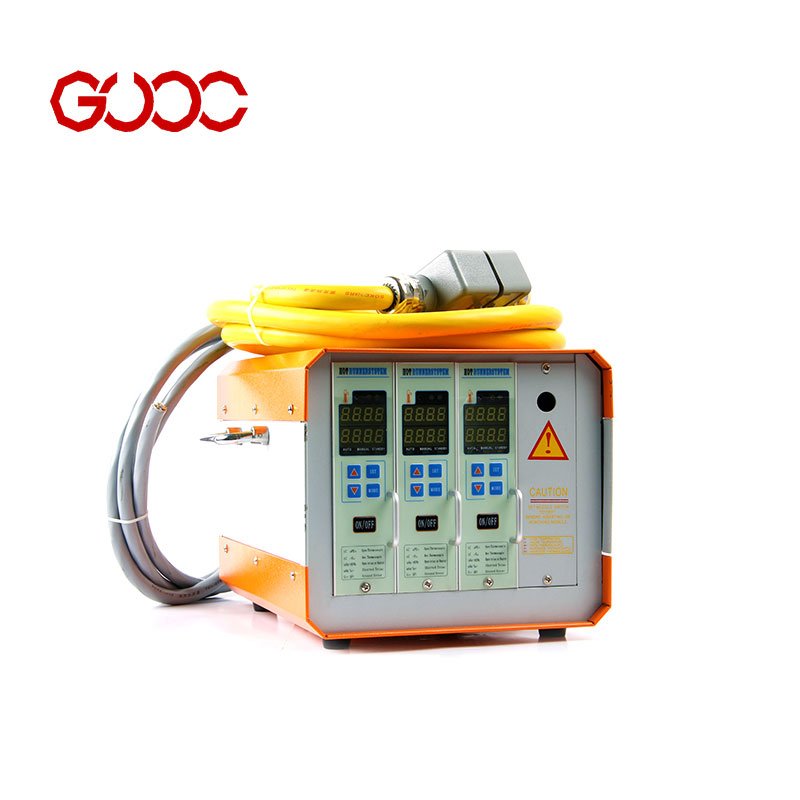
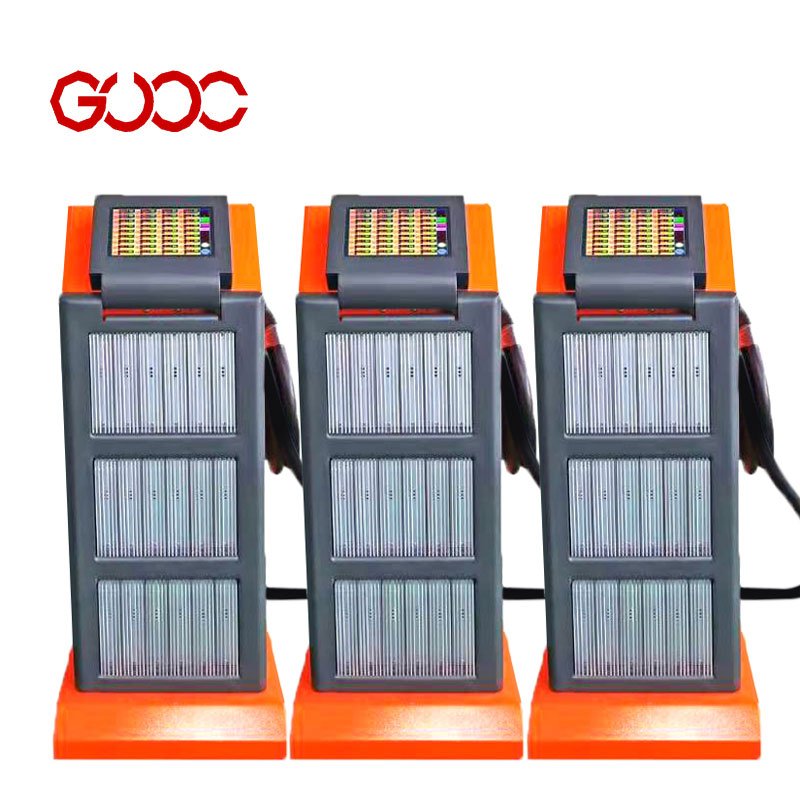
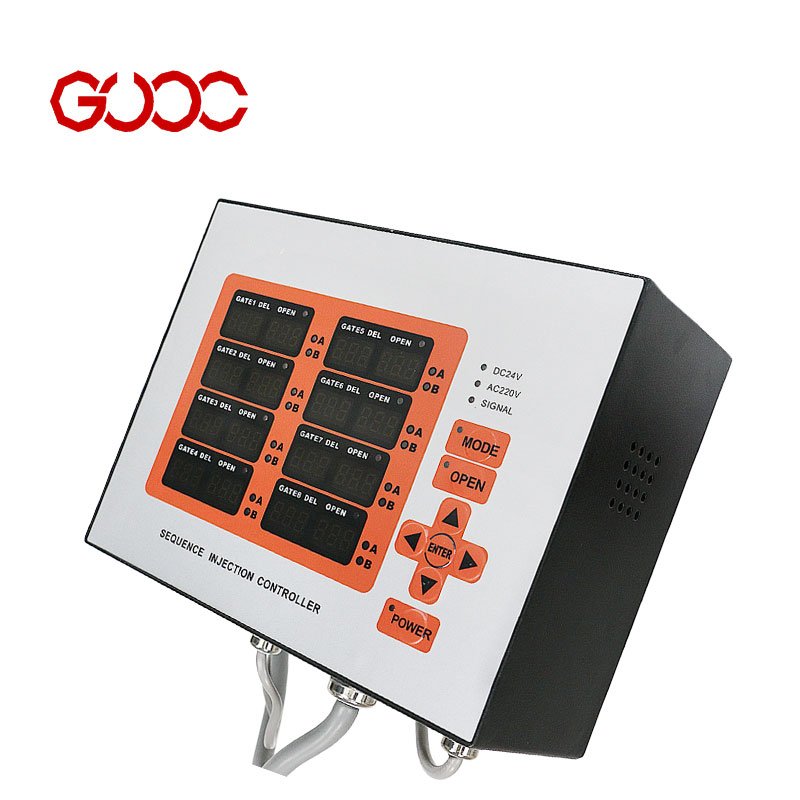
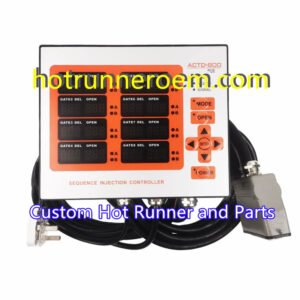
Stable temperature control keeps the hot runner system running evenly. That helps maintain steady melt flow and reduces the risk of overheating or uneven processing. I supply integrated temperature controllers, sequence injection timer controllers, and hot runner temperature control boxes for this kind of control.
What are the usual lead times for custom parts?
Typical timing is:
– Quote: 12–24 hours
– Samples: as fast as 10 days
– Batch production: about 10–25 days
Final timing depends on the part design, tooling needs, and order size.
How is quality checked during manufacturing?
I use a strict QC flow from machining to final inspection:
– Hourly online quality checks
– 100% final inspection for each lot
– Dimensional, hardness, and surface checks
– Inspection tools such as VMS-4030E, HR-150A, TESA Hite, Mitutoyo SJ400, Mitutoyo coolant proof, and HEX-10 HRC
Finished parts are packed in vacuum bags and wooden boxes for shipping.
 English
  Spanish
  French
  Portuguese
  Italian