 Skip to content
What is a Hot Runner Temperature Controller?
Definition and Role in Injection Molding
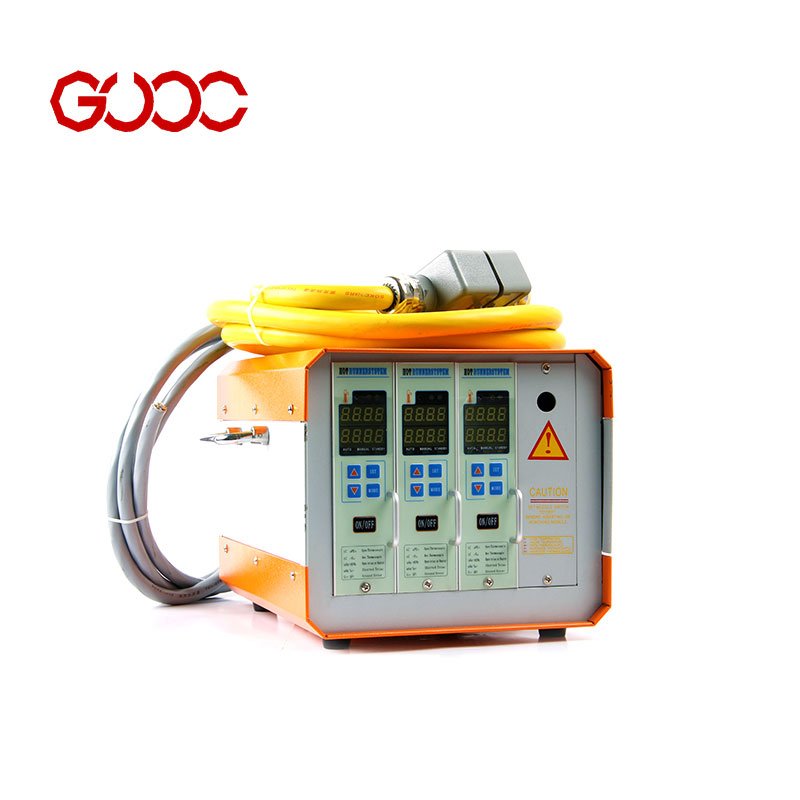
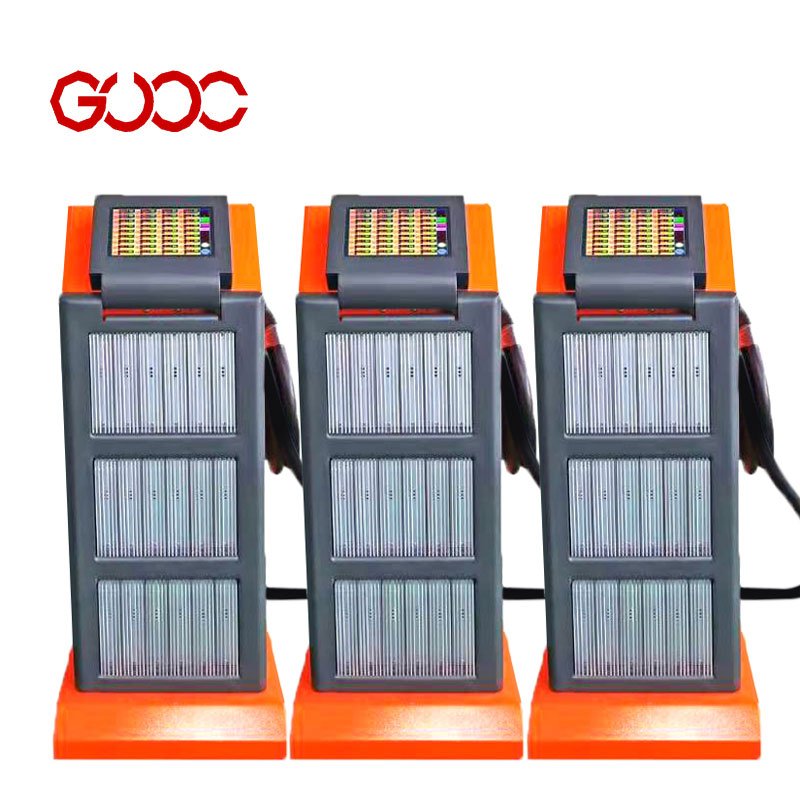
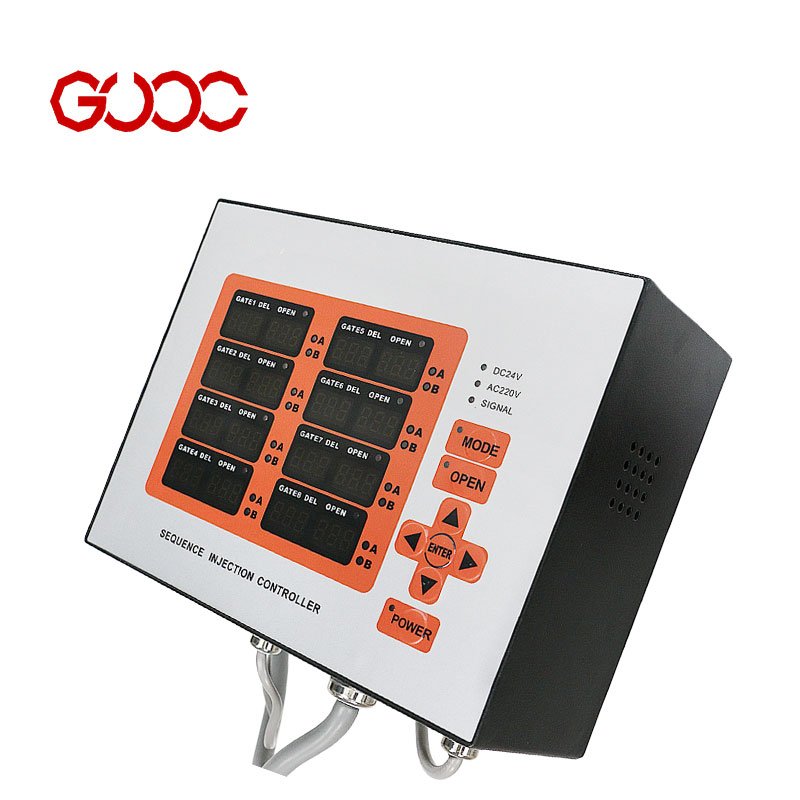
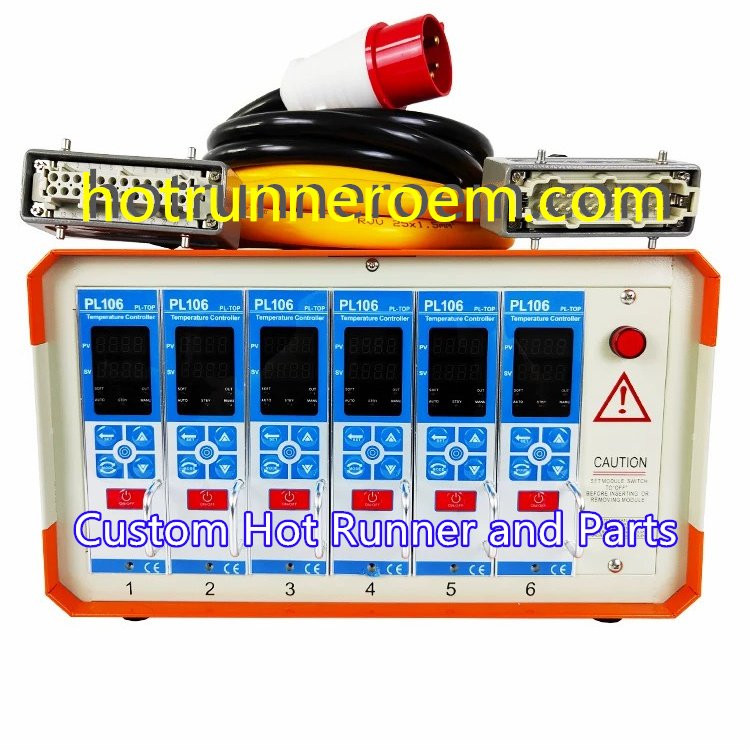
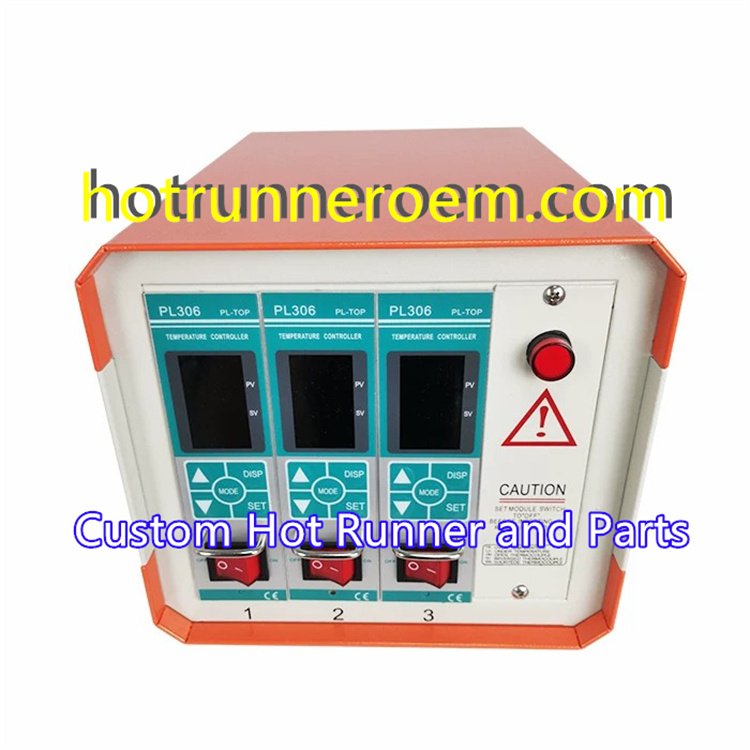
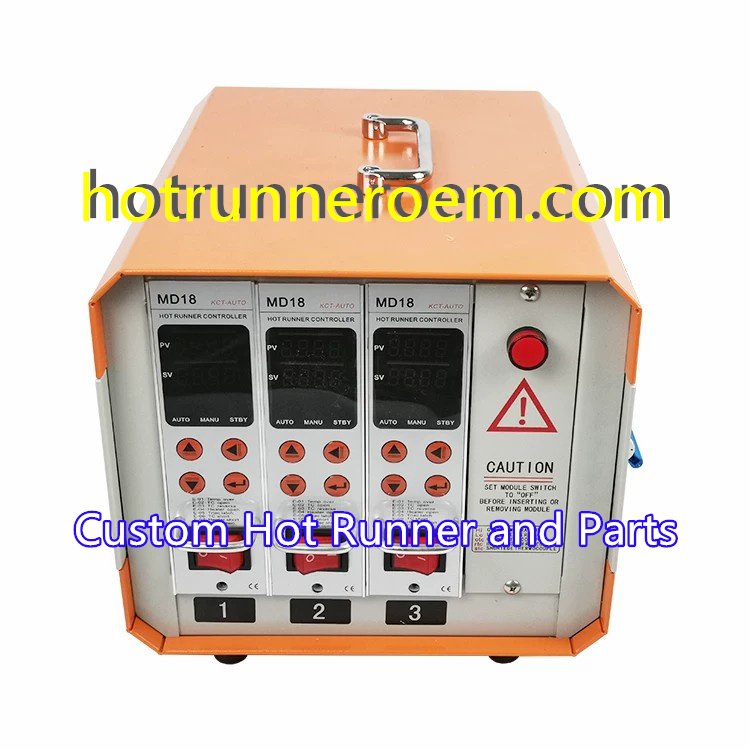
A hot runner temperature controller is the control unit that helps manage heat in a hot runner system during plastic injection molding. In simple terms, it keeps the molding temperature steady so the system can run in a controlled way.
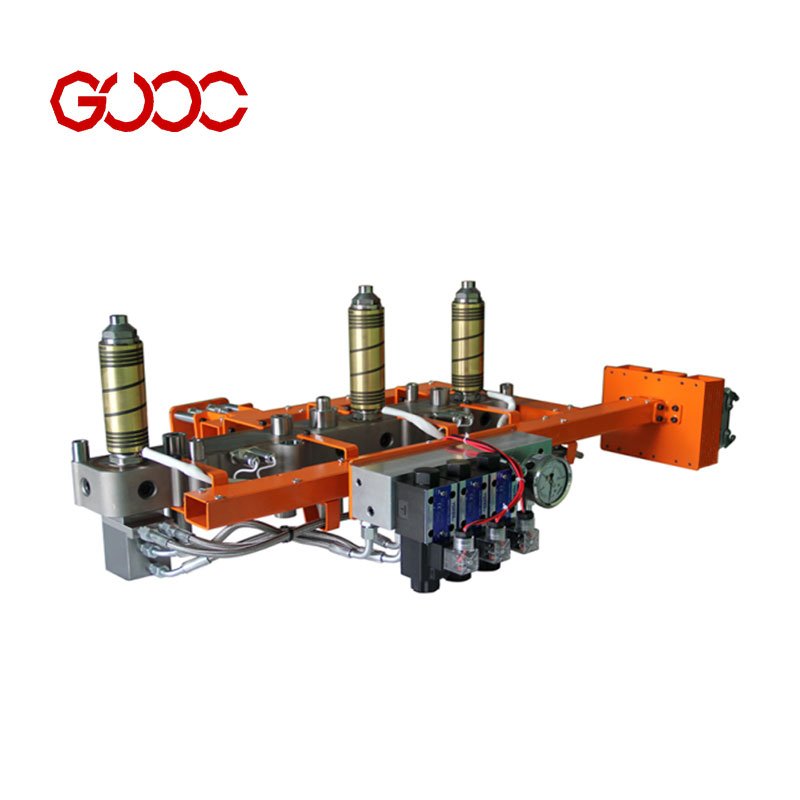
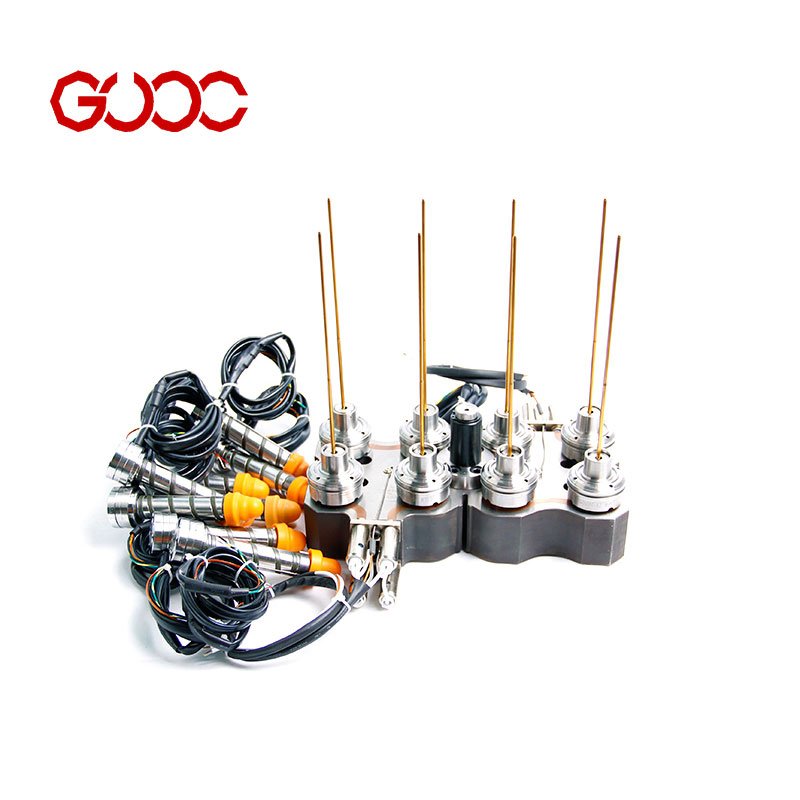
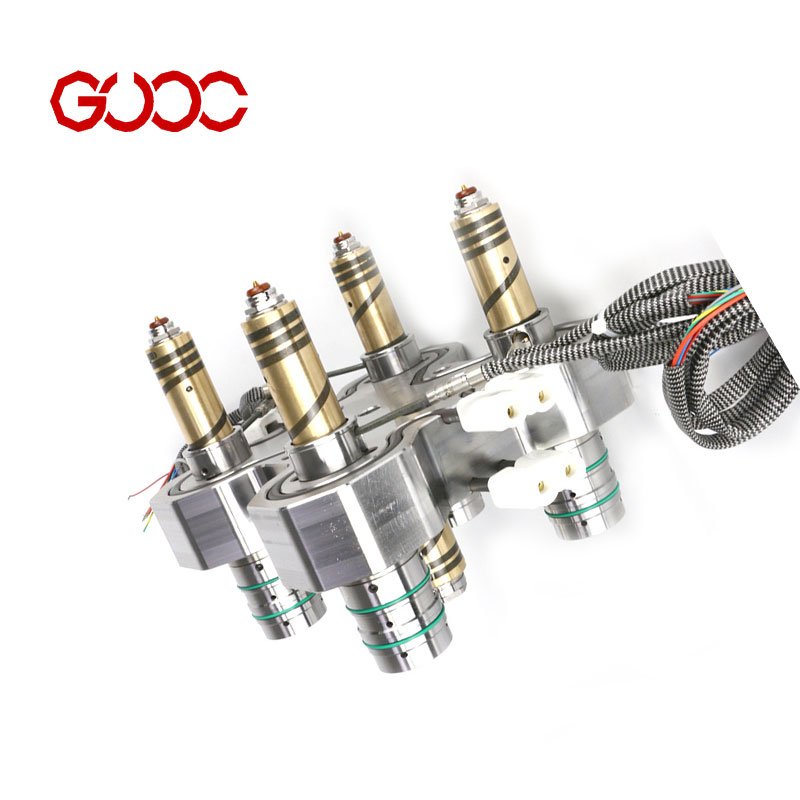
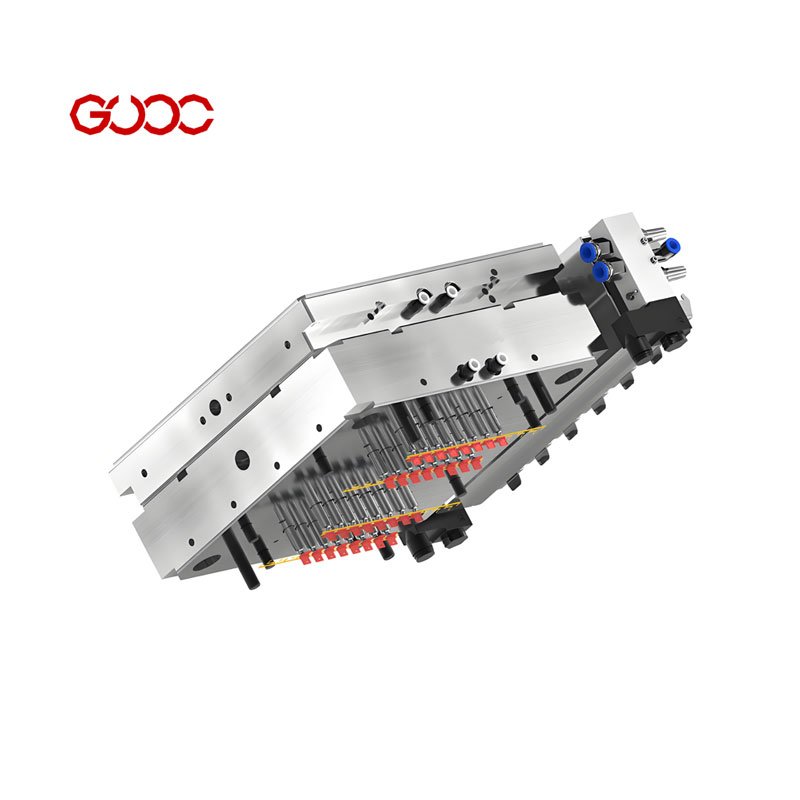
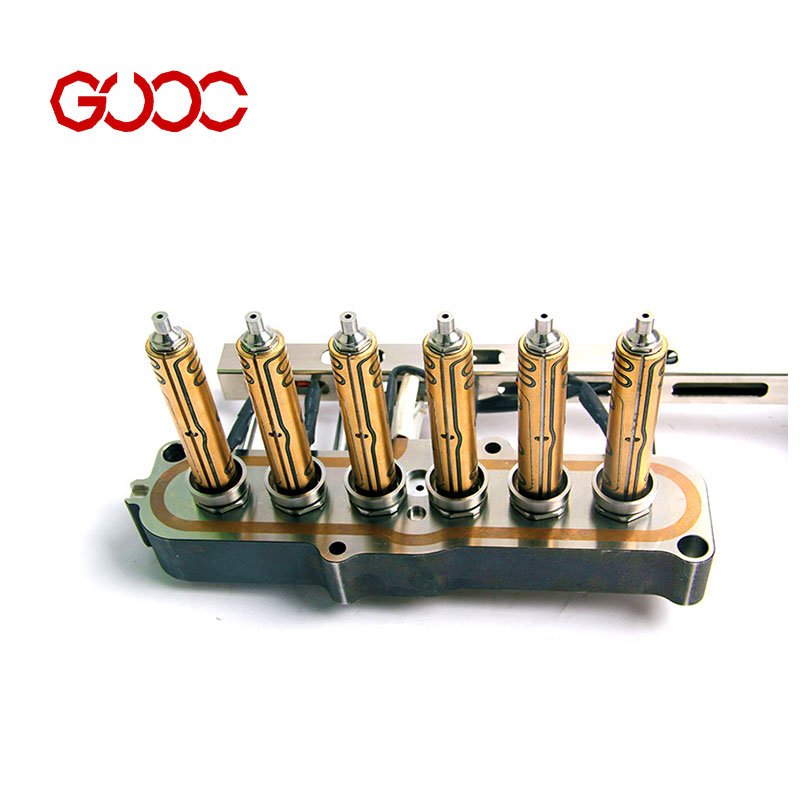
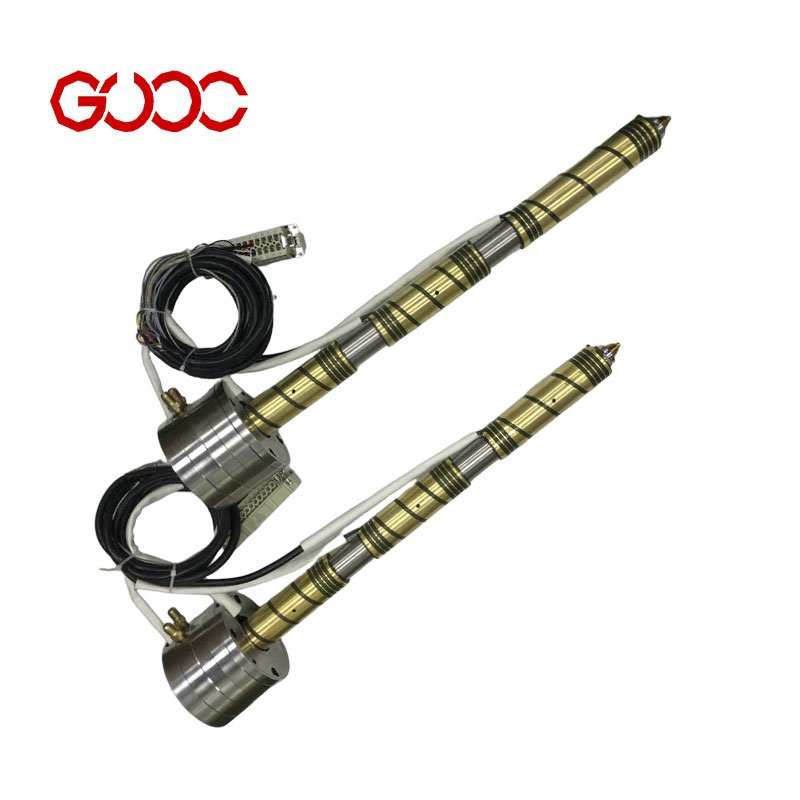
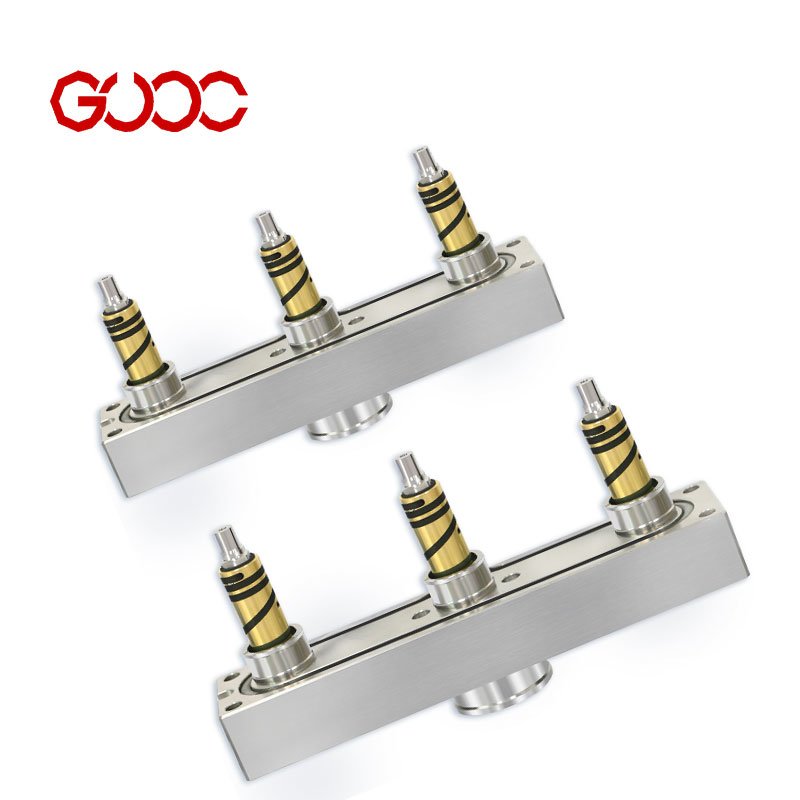
As a hot runner system manufacturer, we supply integrated temperature controllers and hot runner temperature control boxes for OEM and custom projects. These controllers are used with open gate and valve gate systems, as well as assembled hot runners and other related components.
- Controls heat levels in the hot runner system
- Supports stable production in injection molding systems
- Works with different mold structures and application needs
- Helps maintain consistent process conditions across production runs
Why Precise Mold Temperature Control Matters
Precise temperature control is important because hot runner systems are often used for parts that require stable and repeatable molding conditions. For global manufacturers, this matters in applications such as automotive plastics, connectors, tail lights, battery covers, and other molded components.
When temperature is controlled correctly, the system is better suited for demanding resin materials such as PP, PC, PBT + 30% GF, PA10T + 30% GF, PMMA, and PEI.
Key benefits of precise control:
- More stable molding performance
- Better support for complex mold cavity layouts
- Improved consistency in production output
- Better fit for custom and OEM hot runner projects
How Does a Hot Runner Temperature Controller Work?
A hot runner temperature controller keeps the hot runner system stable by watching heat levels and correcting them as needed. In plastic injection molding, that steady control helps reduce uneven flow, protect the mold cavity, and support more consistent output.
Thermocouple Temperature Sensing
A thermocouple sensor reads the temperature from the heating area and sends that signal back to the controller. The unit compares the reading to the set point and adjusts from there. That feedback is what keeps the temperature from drifting during production.
PID Control Loops and Algorithms
The controller uses control logic to make small, fast adjustments instead of large swings. This is the basic idea behind PID precise temperature regulation: stay close to the target and avoid overshoot. For a fuller look at our hot runner temperature controllers, the focus is on stable zone control for demanding injection molding system setups.
Power Output and Solid-State Relay Switching
After the controller calculates the needed change, it sends power to the heating elements through its output stage. That switching action helps the system hold the right heat level across single zone, multi channel, or modular controller setups. In real use, this is what keeps the hot runner system manufacturer standard consistent from cycle to cycle.
Main Types of Hot Runner Temperature Controllers
As a hot runner temperature controller supplier, I usually match the controller type to the mold layout, the number of heating points, and the level of temperature control needed in the injection molding system. The goal is simple: stable heat, clear control, and fewer problems at the mold cavity level.
Single-Zone Controllers
Single-zone controllers handle one heating area at a time. I use this type for smaller setups, simple tools, or jobs with one thermocouple sensor and one control point. It keeps PID precise temperature regulation easy to manage and works well when the process does not need many separate zones.
Multi-Channel and Multi-Zone Systems
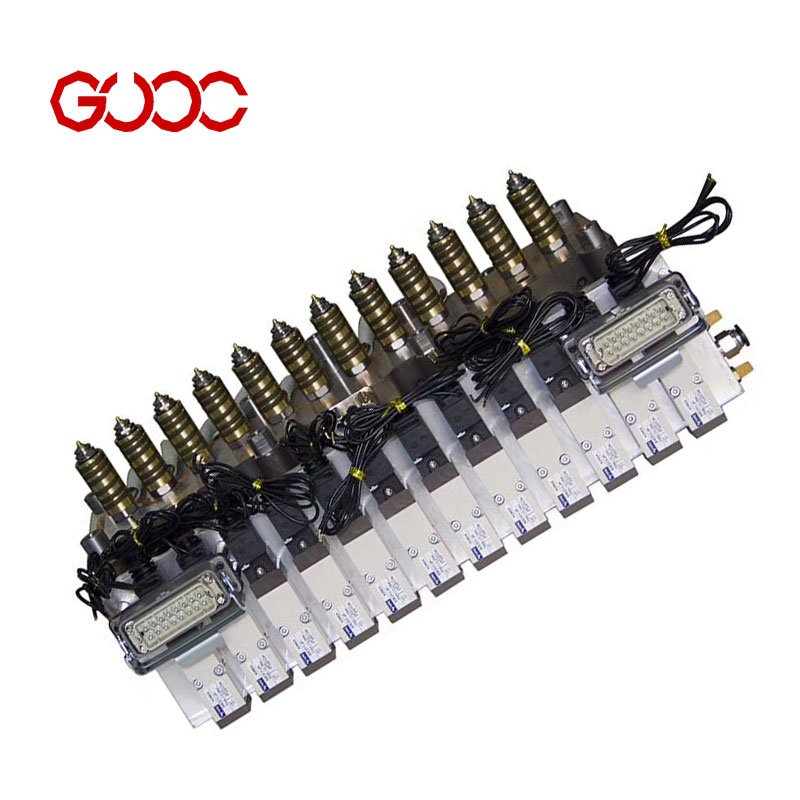
Multi-channel and multi-zone systems are a better fit when several nozzles or cavities need independent control. They help keep heat balanced across larger plastic injection molding projects and are common in open gate and valve gate hot runner systems. For higher zone counts, I often recommend a layout like a 12-zone hot runner controller when the mold needs more detailed temperature control.
- Good for larger mold cavity layouts
- Supports separate temperature control points
- Helps keep the hot runner system more stable
Modular Hot Runner Controllers
Modular hot runner controllers give more flexibility when a customer needs to expand, adjust, or build around a changing mold setup. This style works well for global production teams that want a practical controller layout, easier service access, and better matching between the controller, the heating zones, and the hot runner system manufacturer’s build plan.
Key Features and Safety Diagnostics for Hot Runner Temperature Controller Supplier
I focus on stable control, simple checks, and safe startup. In a hot runner system manufacturer setup, the controller has to keep the injection molding process steady, reduce waste, and support clean production for multi-channel and single-zone tools.
Precision PID Temperature Regulation
For stable output, I use a PID hot runner controller box when the mold needs tighter temperature control. This helps keep the mold cavity more consistent during plastic injection molding and supports repeatable runs across different resin materials.
Soft-Start and Pre-Heating Functions
Soft-start and pre-heating make the system easier to bring online. I keep the warm-up process controlled so the hot runner system can reach working status in a smoother way, with less stress on the heating setup and related components.
Fault Alarms and Safety Diagnostics
Clear alarms and quick diagnostics help me spot problems early. That matters when the line needs fast response, stable uptime, and simple maintenance across modular controller setups.
| Feature | What it does | Why it helps |
|---|---|---|
| PID control | Keeps temperature steady | Supports stable molding results |
| Soft-start | Raises heat in a controlled way | Helps protect the system at startup |
| Fault alarms | Flags abnormal conditions fast | Makes troubleshooting simpler |
For matching parts and system setup, I also work with hot runner thermocouple and heater suppliers to keep the controller, sensing, and heating side aligned with the job.
Technical Specifications and Wiring Guidelines
Electrical and Power Specifications
A reliable hot runner temperature controller supplier provides controllers with clear electrical specifications to ensure compatibility with your injection molding system. Typical power ratings range from 110V to 240V, supporting various voltage requirements. The controllers are designed to handle specific power loads, often up to several kilowatts, depending on the number of control zones. Accurate power specifications are crucial to prevent overloads and ensure stable temperature regulation across the mold cavity. For detailed electrical parameters, consult the product datasheet or hot runner controller wiring.
Controller Dimensions and Mounting
Controllers come in compact, space-efficient designs, facilitating easy integration into your existing setup. Standard dimensions vary but are generally designed for panel mounting or DIN rail installation. Precise dimensions are provided by the manufacturer to match your control panel requirements. Proper mounting ensures stable operation and minimizes vibration or movement that could affect temperature accuracy. When selecting a modular controller, consider its size and compatibility with your mold control system to optimize space and functionality.
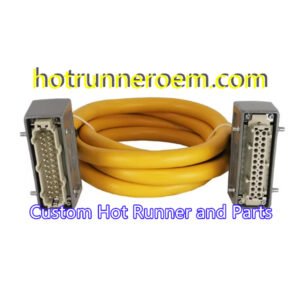
Wiring Diagrams and Connector Terminals
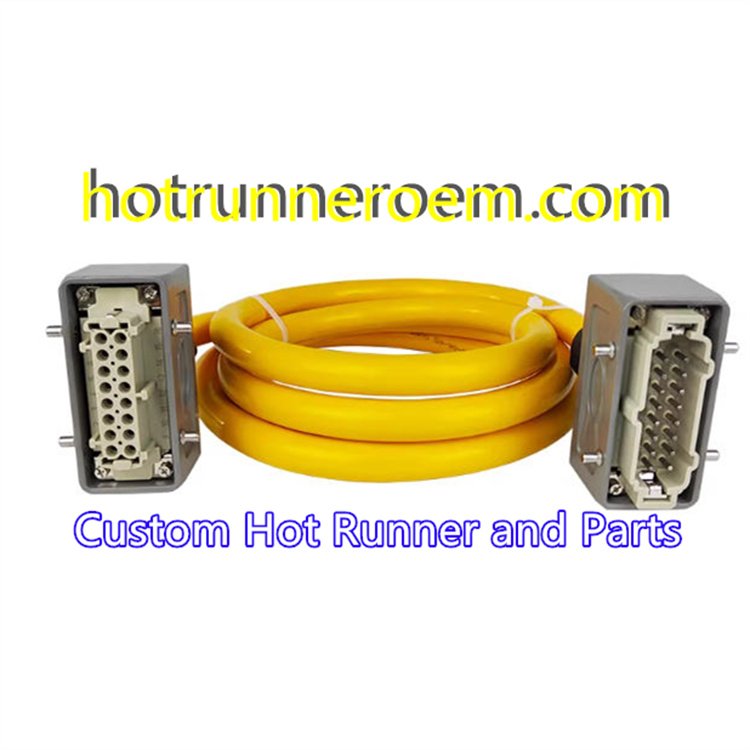
Proper wiring is essential for safe and accurate temperature control. Wiring diagrams typically include connections for power supply, thermocouple sensors, and output to heating elements. Connector terminals are designed for secure, reliable connections, often featuring screw or plug-in types. For thermocouple wiring, especially with type J thermocouples, correct wiring ensures accurate temperature sensing, which is critical for PID regulation. Refer to detailed wiring diagrams and instructions provided by your hot runner system manufacturer to ensure correct installation and avoid faults. For guidance on thermocouple wiring, visit thermocouple wiring.
Common Applications Across Industries
We supply hot runner temperature controller solutions for plastic injection molding lines that need stable heat, clean fill, and repeatable output. As a hot runner system manufacturer, we support open gate and valve gate systems for different mold cavity layouts, resin types, and production goals.
Automotive Plastics Manufacturing
Automotive molds need tight temperature control for large parts and high repeat runs. In this space, I focus on stable control for parts like:
- Automobile fenders
- Battery covers
- Tail lights
A well-matched controller helps keep the hot runner system steady across each cavity, which supports better part consistency in plastic injection molding. For full system matching, I use the same approach shown in our hot runner system injection molding supplier solutions.
Medical Packaging and Components
Medical and clean packaging parts depend on controlled flow and even heating. The main goal is to reduce variation and keep the injection molding system running with the right temperature balance. This matters for parts such as:
- Chip wafer boxes
- Connectors
- Precision molded components
For these jobs, I pay close attention to controller zoning, thermocouple sensor feedback, and PID precise temperature regulation so the mold cavity stays consistent during production.
Consumer Goods and Electronics Injection Molding
Consumer goods and electronics often need smaller, more detailed parts with stable repeat output. Hot runner temperature controller setups are a strong fit for:
- Fiber connectors
- Chargers
- Electronic housings and molded fittings
These applications often use multi channel or modular controller layouts, especially when the mold design has several zones. That makes it easier to keep temperature even across the system and support clean filling on every cycle.
Material and Mold Fit
Across all three industries, I match the controller and hot runner setup to the resin and mold design. Common supported materials include:
- PP
- PFA
- PES
- PC
- PA10T + 30% GF
- PBT + 30% GF
- PMMA
- PEI (ULTEM 1000)
That kind of fit helps when production needs stable heating, zone control, and smooth operation across different mold cavity demands.
How to Select the Right Hot Runner Controller
Determining Required Control Zones
Choosing the correct hot runner temperature controller starts with identifying how many control zones your system needs. Each mold cavity or hot runner segment requires its own zone for precise temperature regulation. A multi-channel or modular controller can handle multiple zones simultaneously, ensuring each cavity maintains optimal temperature. This helps prevent temperature fluctuations that can cause defects or inconsistent molding quality. When selecting a controller, consider the number of mold cavities and whether future expansion is needed, as a flexible system can save time and costs later.
Matching Voltage and Power Load Capacity
Next, ensure the controller’s voltage and power load capacity match your injection molding system. An incompatible controller can lead to overheating, system failures, or inaccurate temperature control. Check the specifications for your hot runner system, including the total wattage of heating elements. A hot runner system manufacturer can assist in selecting a controller that handles your specific load, ensuring reliable operation and safety. Proper matching guarantees stable temperature regulation and extends the lifespan of your components.
Evaluating System Compatibility and Expansion
Finally, verify that the chosen hot runner temperature controller is compatible with your existing system and allows for future growth. Compatibility includes matching wiring standards, connector types, and communication protocols. Modular controllers offer easy expansion, so you can add zones or upgrade features without replacing the entire system. For comprehensive guidance on system integration, consult a trusted hot runner system supplier. This ensures your control setup remains efficient, scalable, and aligned with your production needs.
 English
  Spanish
  French
  Portuguese
  Italian