 Skip to content
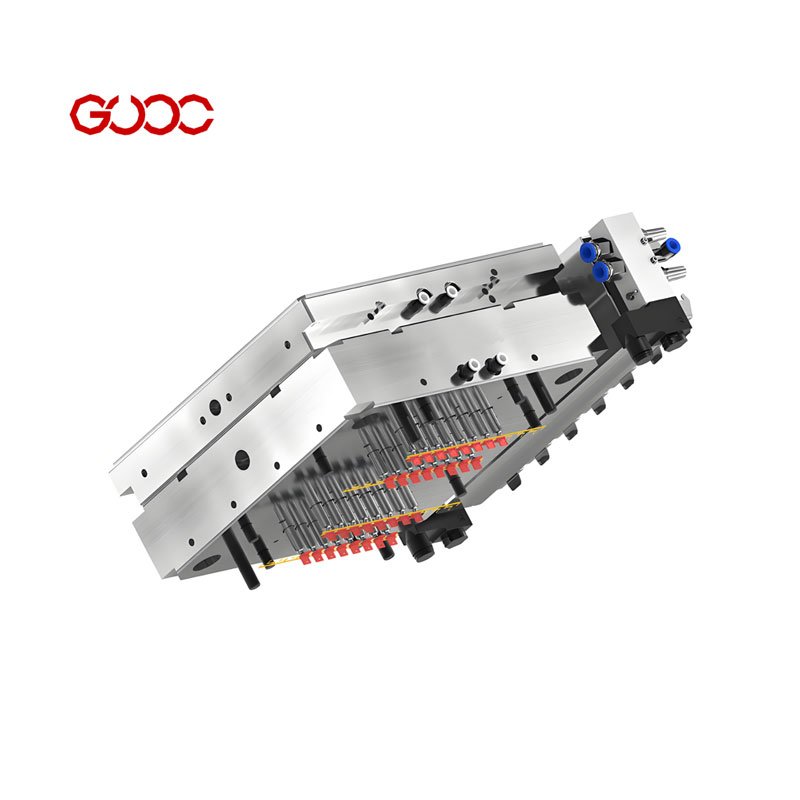
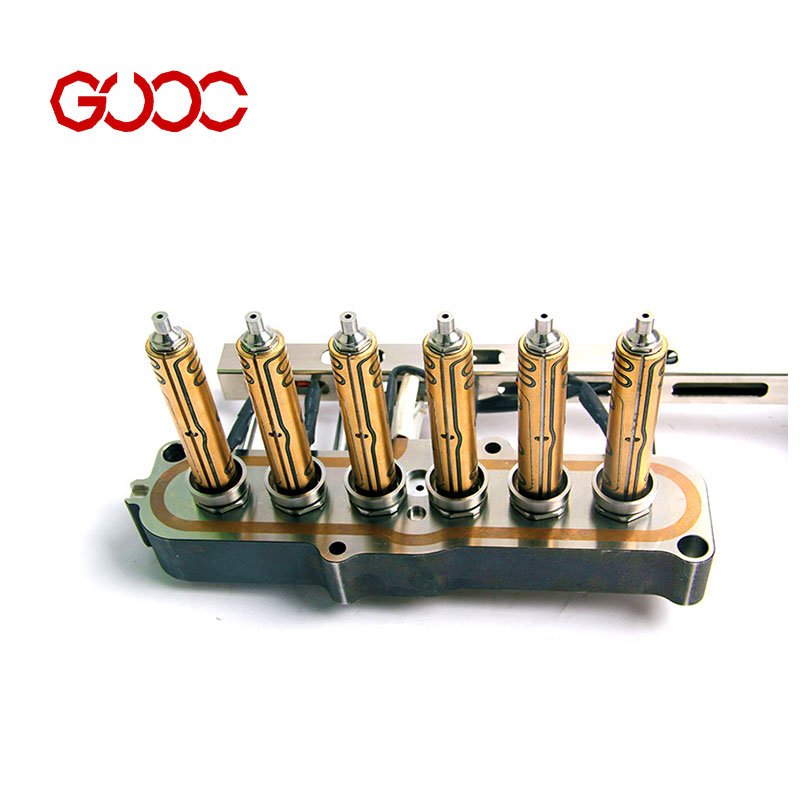
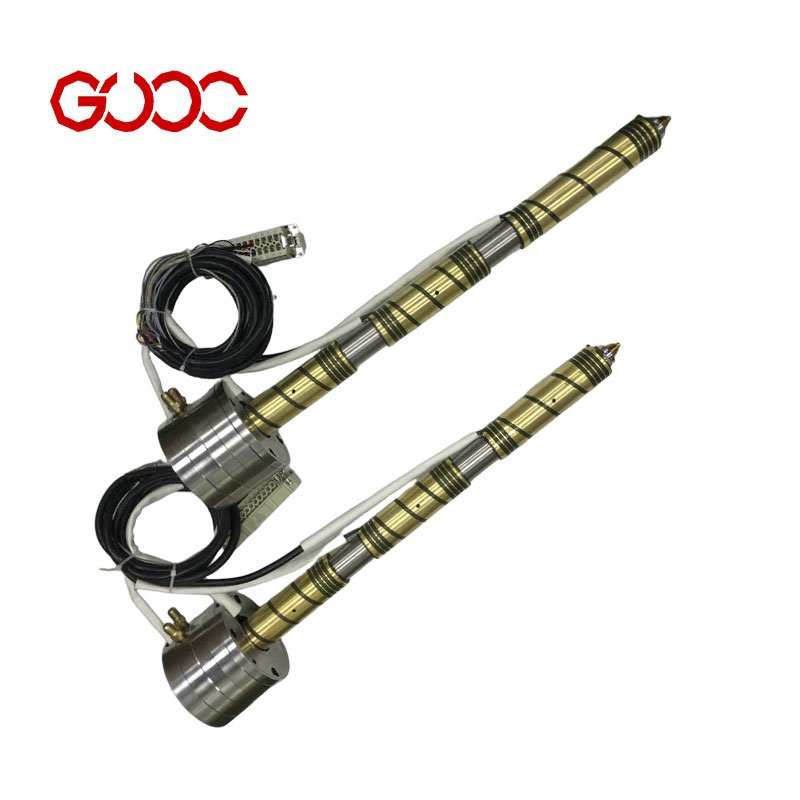
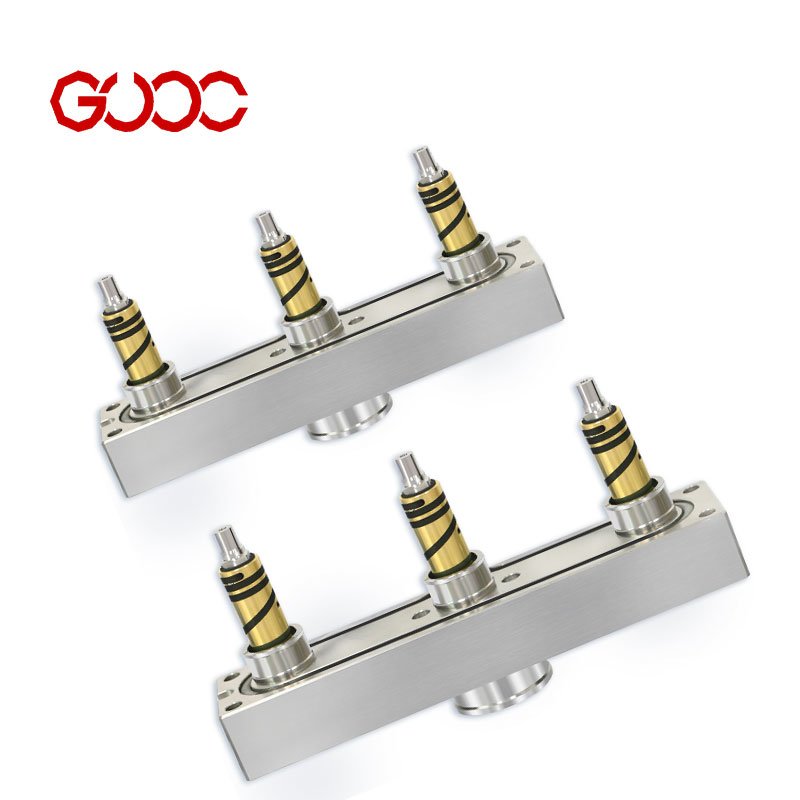
Precision Power and Thermocouple Connections for Injection Molding
In injection molding, reliable hot runner controller cables ensure accurate power delivery and temperature monitoring critical to process stability. These cables are engineered for precise transmission of power to heaters and millivolt signals from thermocouples.
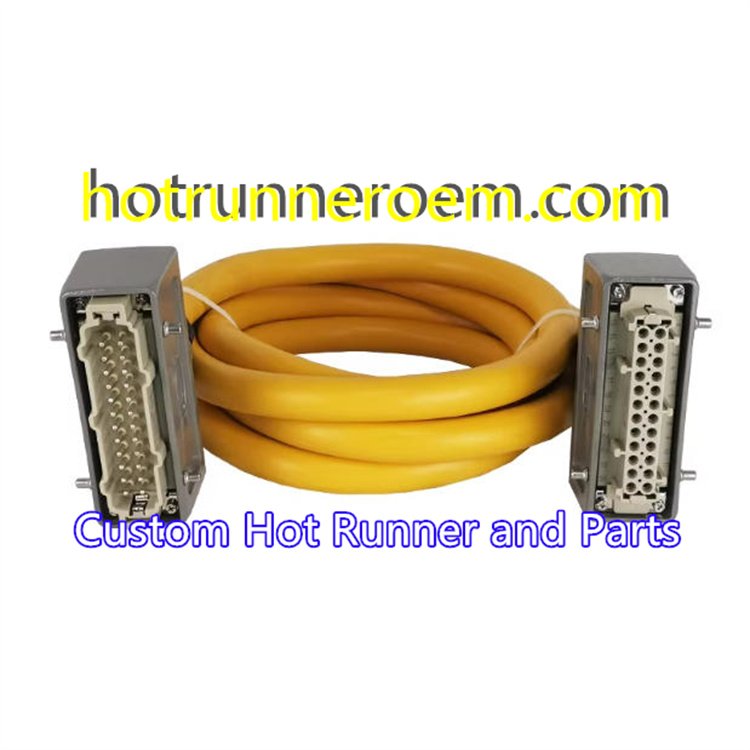
Key features include:
- Stable power supply with minimal voltage drop, accommodating mold power cables rated for 15A or 20A
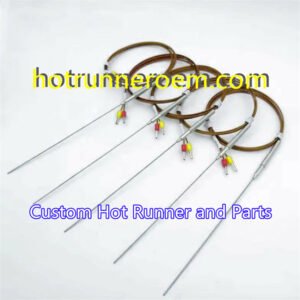
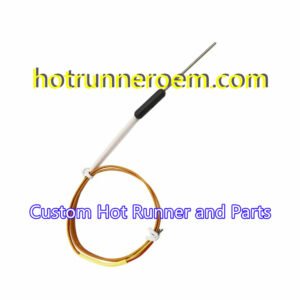
- Dedicated thermocouple interconnect cables optimized for J-Type and K-Type sensors, preserving signal accuracy
- Integration of both power and thermocouple wiring in hybrid cables for compact, efficient mold zones
- Pin configurations designed for seamless connection with multi-pin mold connectors ensuring secure signal paths
These precision connections enable consistent temperature control and efficient operation in demanding molding environments, safeguarding product quality and reducing downtime.
Technical Specifications & Connector Standards for Hot Runner Controller Cables
When choosing hot runner controller cables, it’s key to focus on their technical specs and connector standards to ensure reliability in demanding injection molding environments.
| Feature | Description |
|---|---|
| Connector Housing | Die-cast aluminum alloy with IP65 rating—built to withstand impact, dust, and moisture. |
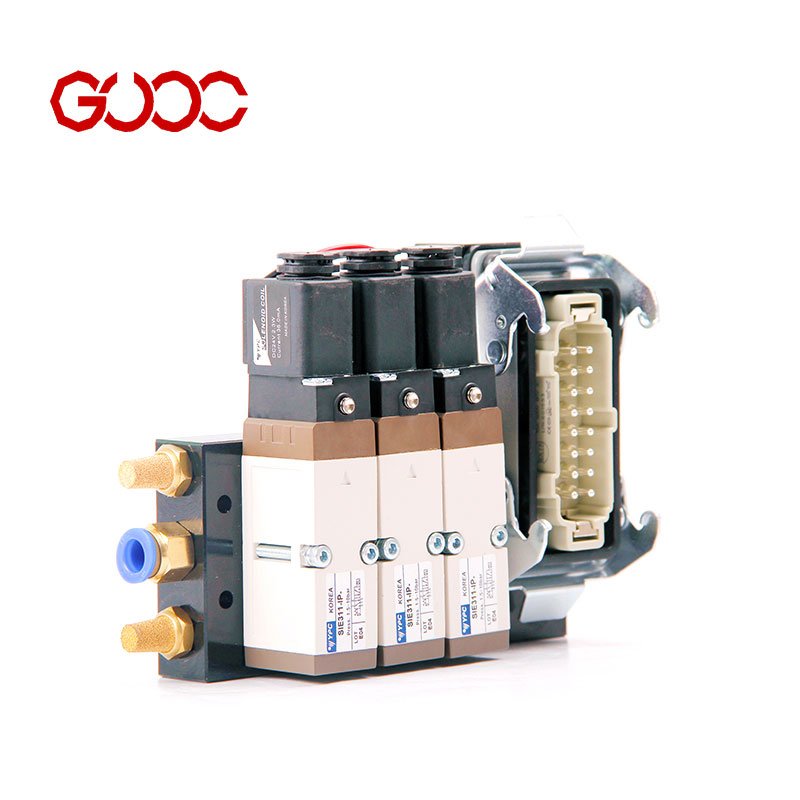
| Insert Modules | Heavy-duty rectangular connectors from HA, HE, and HEE series for robust connections. |
| Locking Levers | Options for single or double lever locking systems, boosting vibration resistance and safety. |
| Pin Configurations | Standard pin counts include 5, 16, 24, and 48 pins; hot runner zone capacities range from 1 to 12, with custom designs supporting up to 128 zones. |
These heavy-duty rectangular connectors are designed for easy integration with multi-pin mold connectors commonly used in injection molding temperature controller interface cables. The durable housing and lock systems guarantee stable mold to controller wiring, even in harsh industrial settings.
For custom connector solutions or alignment with specific system requirements like Harting connector compatible cables, understanding these standards can simplify your selection process. To explore compatible temperature control devices and detailed system integration, check our resource on hot runner temperature controllers.
Cable Construction for Harsh Molding Environments
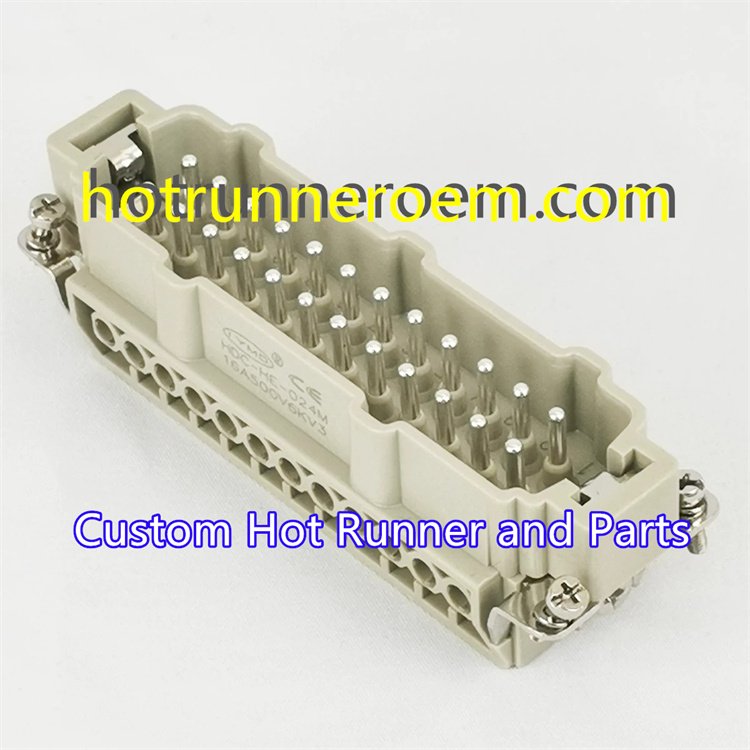
Hot runner controller cables are designed to withstand the tough conditions inside injection molding setups. The cable construction focuses on durability and reliability, ensuring they perform well in high-temperature and mechanically demanding environments.
Flexibility
Our cables have high-flex ratings, making them suitable for use in drag chains and continuous motion. This flexibility reduces wear and tear, extending cable life in dynamic mold power cable applications.
Resistance Features
Hot runner zone cables are built to resist:
- Oil and chemicals: Protecting cables from contamination common in molding environments.
- Abrasion: Durable sheathing prevents damage from rubbing and handling during mold operations.
For detailed insight into managing wiring within injection molds, check our dedicated page on hot runner injection mold systems.
Wiring Configurations and Pinout Compatibility for Hot Runner Controller Cables
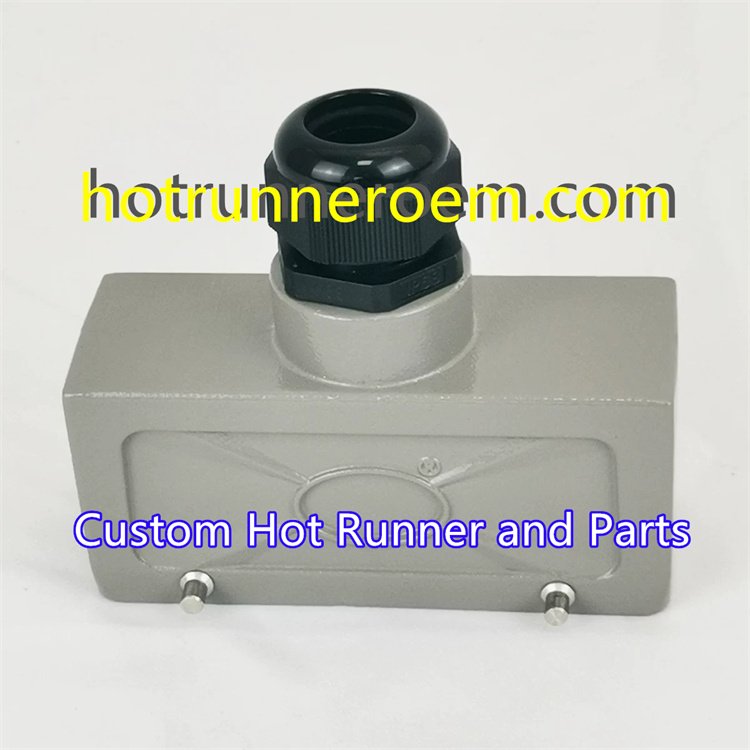
When it comes to hot runner controller cables, getting the wiring right is critical. The standard wiring logic usually separates power and thermocouple pins to keep signals clean and reliable. Power pins handle higher voltages, while thermocouple pins carry tiny millivolt signals used for precise temperature readings.
We know many customers use popular controllers from brands like DME, Husky, and Athena. That’s why we offer custom pinout options tailored to fit these systems perfectly—no need for adapters or extra rewiring. This ensures quick, hassle-free installation and compatibility with your existing injection molding setup.
A key design feature is the signal separation: high-voltage power lines are physically isolated from the sensitive thermocouple connections within the cable. This minimizes electrical interference and keeps temperature readings accurate. Whether you’re dealing with mold power cables or thermocouple interconnect cables, this separation helps maintain control system integrity in tough molding environments.
Mold Power vs. Thermocouple Cables
When it comes to hot runner controller cables, understanding the difference between mold power cables and thermocouple cables is essential for dependable injection molding operations.
Mold Power Cables are designed to handle higher amperage loads, typically rated for 15A or 20A depending on the application. These cables feature thicker conductors to safely carry the current that powers the heating zones of the mold. Proper conductor thickness ensures efficient energy delivery without overheating or voltage drops, crucial for maintaining consistent molding temperatures.
Thermocouple Cables, on the other hand, focus on precise temperature measurement. The most common types used in hot runner systems are J-Type and K-Type thermocouples, each offering different calibration standards and temperature ranges. Accuracy in these cables is critical because accurate temperature feedback directly influences the control and quality of the molding process. High-quality thermocouple extension wires minimize signal loss and interference, helping maintain reliable readings.
For space-saving and streamlined setups, combined or hybrid cables integrate both power and thermocouple wiring within a single jacket. These are particularly valuable for smaller zones or compact mold designs, simplifying installation and reducing cable clutter without compromising on performance.
Choosing the right cables—whether separate mold power cables, thermocouple interconnect cables, or combined options—ensures your hot runner system runs smoothly and efficiently. For tailored solutions, we offer custom configurations to fit any specific mold or controller setup, ensuring optimal integration with your temperature controller interface cables.
Explore our range of industrial multipole connectors and multi-pin mold connectors to match your injection molding needs, or find more on custom hot runner cables designed for robust mold-to-controller wiring at our shop.
Customization & Replacement Solutions for Hot Runner Controller Cables
When it comes to hot runner controller cables, one size rarely fits all. We offer custom lengths—3m, 6m, 10m, or any exact measurement you need—to fit your specific mold setup perfectly. Whether you’re upgrading an older mold or need a unique configuration, our hot runner zone cables can retrofit smoothly with your existing system.
We know downtime isn’t an option, so rapid fabrication is part of our service. Custom hot runner cables are built and shipped quickly, ensuring you get the right temperature controller interface cables without lengthy wait times. This flexibility makes replacing or upgrading mold power cables and thermocouple interconnect cables hassle-free and reliable.
Common Connection Faults & Troubleshooting for Hot Runner Controller Cables
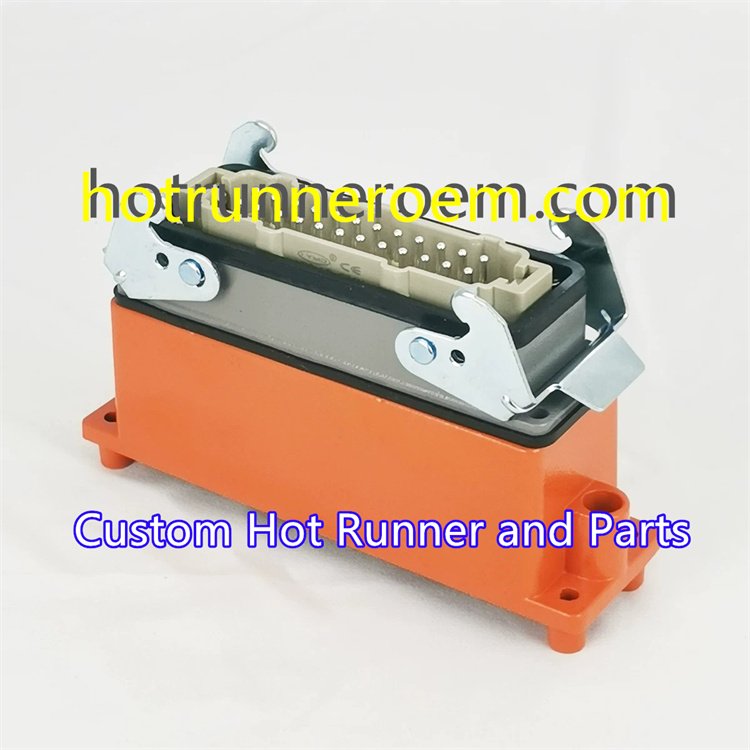
When working with hot runner controller cables, dealing with connection issues is common but manageable. Here’s a quick rundown on what to watch for and how to fix it:
Open Thermocouple Errors: Causes and Identification
- What happens: Thermocouple interconnect cables can show “open circuit” errors if there’s a break in the wiring or a bad connection.
- Common causes: Cable damage, broken pins, or corrosion at connectors.
- How to spot: Check if the temperature readings are missing or erratic, especially on J-Type or K-Type thermocouple lines.
Continuity Checks and Pin Corrosion
- Regular continuity tests ensure the hot runner zone cables are intact. Use a multimeter to confirm signals travel uninterrupted.
- Corroded pins in multi-pin mold connectors can cause shorts or signal loss. Inspect and clean contacts on heavy-duty rectangular connectors (like HA, HE, or HEE series) to maintain solid connections.
Strain Relief: Preventing Cable Pull-Out
- Proper strain relief is crucial. Without it, cables — especially mold power cables and thermocouple extension wire — risk being pulled out during machine operation.
- Use locking mechanisms and secure cable clamps designed for injection molding environments to keep wires stable through vibrations and movement.
Addressing these common faults early keeps your hot runner mainframe cables running smoothly, avoiding costly downtime in your molding process.
Request Your Hot Runner Controller Cables Configuration
When ordering hot runner controller cables, it’s simple to get exactly what you need. Just provide a few key details:
- Pin Count: Let us know the number of pins required, such as 5, 16, 24, or 48 pins, depending on your mold power cables and thermocouple interconnect requirements.
- Cable Length: Choose standard lengths like 3m, 6m, 10m or specify a custom length that fits your setup perfectly.
- Controller Make: Share your temperature controller interface brand – DME, Husky, Athena, or others – so we match wiring configurations and pinouts without needing adapters.
By giving these details upfront, you ensure your mold to controller wiring fits seamlessly, whether you need multi-pin mold connectors, heavy-duty rectangular connectors, or hybrid hot runner zone cables.
Reach out with your exact hot runner mainframe cable specs, and we’ll handle fast, reliable manufacturing and customization for your injection molding electrical cables.
 English
  Spanish
  French
  Portuguese
  Italian