 Skip to content
Operational Criticality of Temperature Sensing in Injection Molding
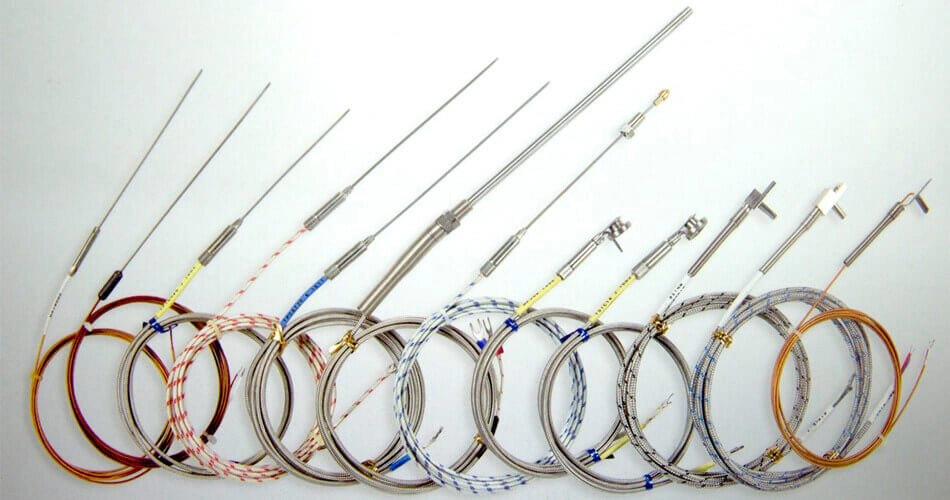
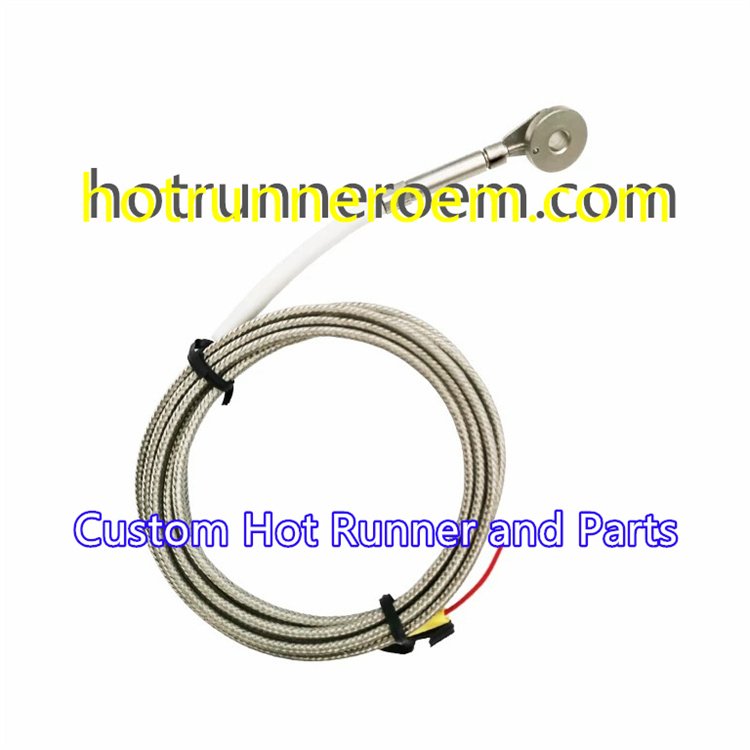
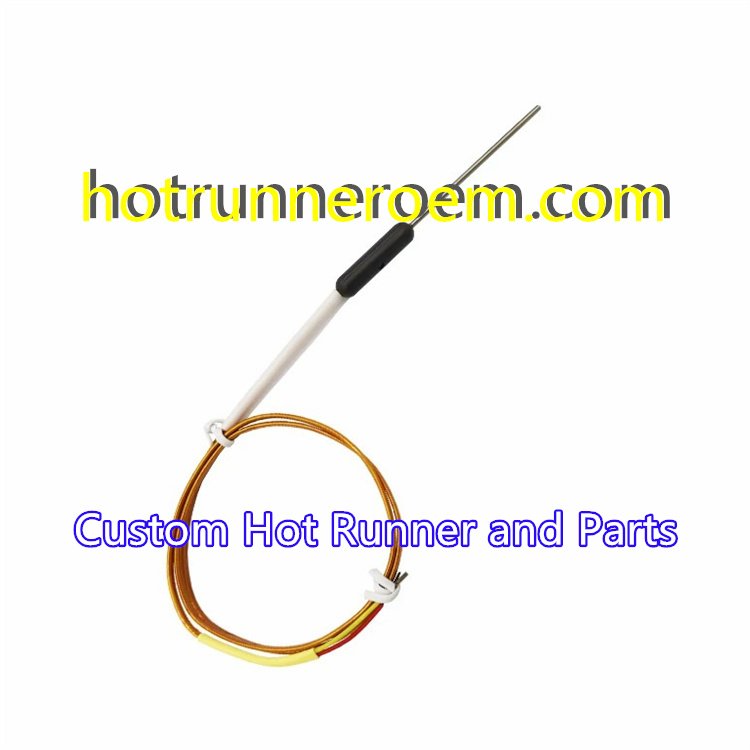
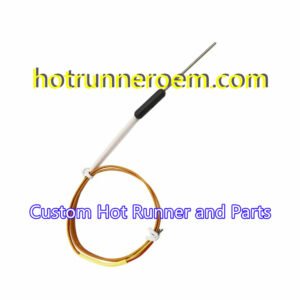
Precise temperature measurement is vital to maintaining optimal melt conditions in injection molding. The hot runner temperature sensing wire plays a central role in the thermal control loop by providing accurate, real-time data that directly influences heater output adjustments.
- Thermal control loop function: The sensing wire detects the melt temperature at critical points within the hot runner manifold, sending signals to the temperature controller. This feedback enables dynamic modulation of heating elements to maintain stable processing conditions.
- Impact on melt quality: Even minor deviations in temperature can cause melt degradation, inconsistent flow, or incomplete cavity filling. Reliable sensing wire performance ensures uniform heat distribution, promoting consistent melt viscosity and reducing defects like warpage or sink marks.
- Reduction in cycle time and scrap: Accurate temperature feedback improves process stability, allowing faster cycles and lowering scrap rates, which enhances overall production efficiency.
In short, the integrity and responsiveness of the injection mold temperature sensor—specifically the hot runner thermocouple wire—are fundamental to achieving high-quality molded parts and efficient system operation.
Technical Classification: Type J vs. Type K Sensing Wires
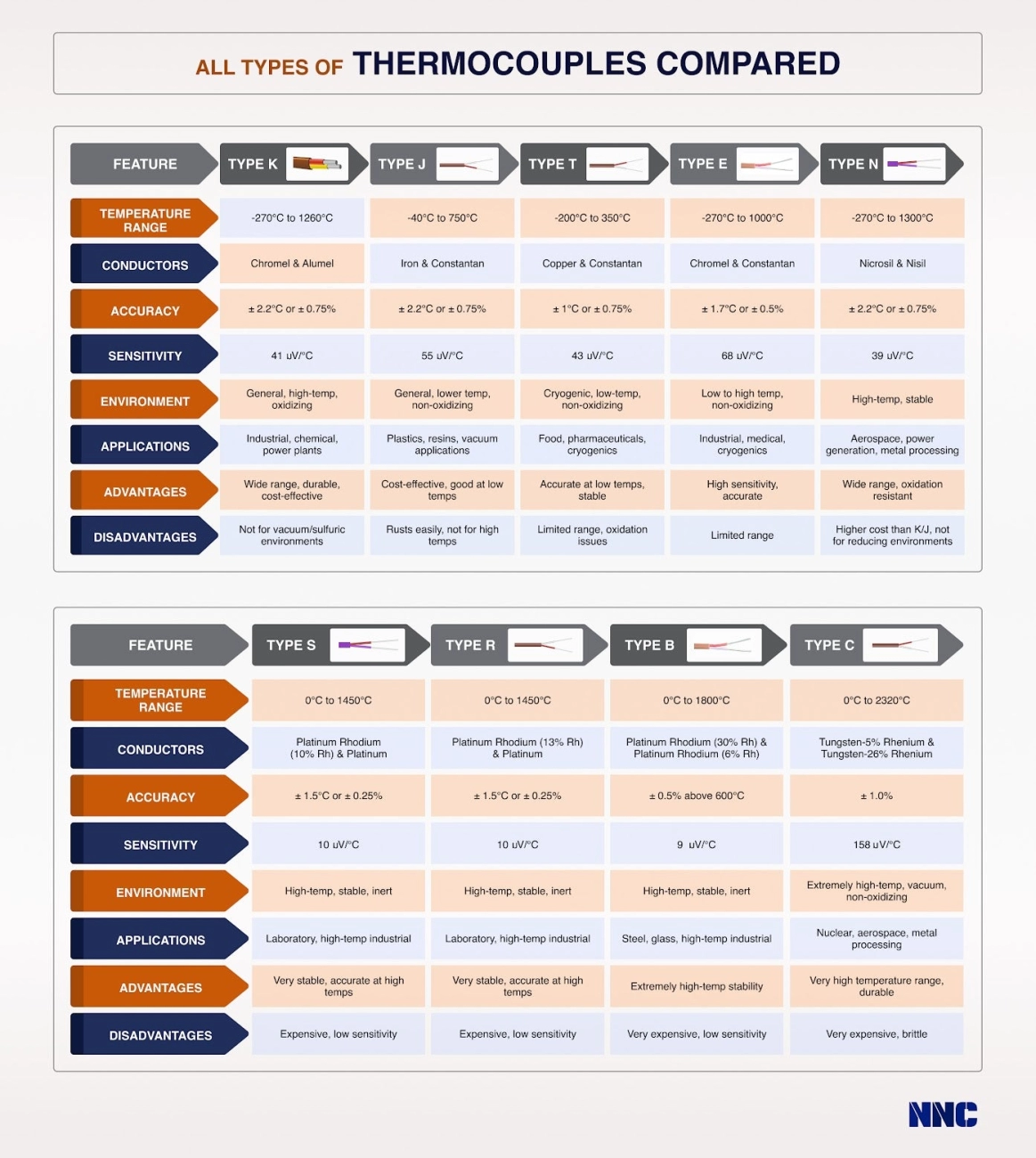
When choosing hot runner temperature sensing wire, understanding the difference between Type J and Type K thermocouples is crucial for optimal injection mold temperature control. Here’s a quick breakdown:
| Feature | Type J Thermocouple | Type K Thermocouple |
|---|---|---|
| Material Composition | Iron (Fe) and Constantan (Cu-Ni) | Nickel-Chromium (NiCr) & Nickel-Aluminium (NiAl) |
| Temperature Range | -40°C to 750°C | -200°C to 1260°C |
| Oxidation Resistance | Lower; prone to rust & oxidation | Higher; better for oxidizing atmospheres |
| Resin Compatibility | Good for non-aggressive resins | Suitable for high-temp, aggressive resins |
Why it matters:
Type J wires are a solid choice for moderate temperature applications where oxidation isn’t severe. However, for hot runner systems exposed to higher temperatures or aggressive injection molding resins, Type K wires provide enhanced durability and stable readings.
Material impact on sensing:
Type K’s nickel-based alloys resist oxidation better, reducing signal drift over time. Type J thermocouples may show degradation faster, affecting sensing accuracy and melt quality control.
For specific needs, pairing your thermocouple wire with proper thermocouple extension cables and robust thermal compensation cables ensures reliable readings in your injection mold system.
To explore detailed sensor options tailored for hot runner applications, check out our comprehensive hot runner temperature sensor solutions.
Distinguishing Positive and Negative Poles in Hot Runner Temperature Sensing Wire
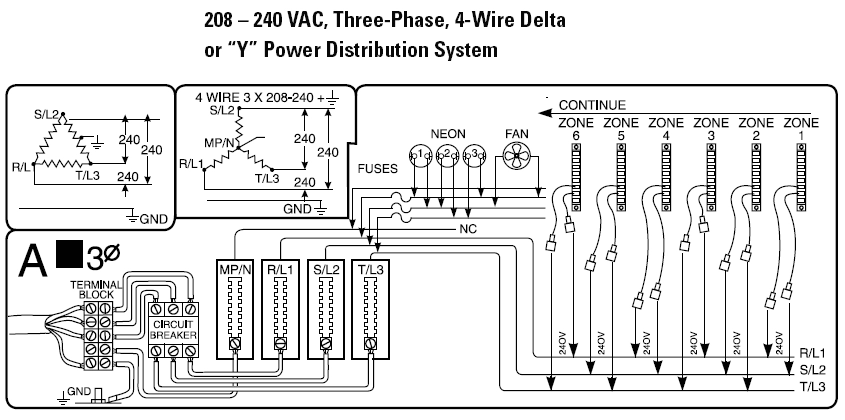
Correct wiring of the hot runner temperature sensing wire is crucial to ensure accurate temperature readings in your injection molding setup. Identifying the positive and negative poles prevents faulty signals that can disrupt the temperature control loop and affect melt quality.
Color Coding Standards (ANSI/IEC)
Most sensing wires follow color coding standards based on the ANSI and IEC guidelines to mark polarity:
| Wire Type | Positive (+) Wire Color | Negative (−) Wire Color |
|---|---|---|
| Type J Thermocouple (Fe-CuNi) | White | Red |
| Type K Thermocouple (NiCr-NiAl) | Yellow | Red |
Magnet Test for Pole Identification
If color codes are unclear, a simple magnet test helps:
- Attach a magnet to one wire lead.
- The wire attracted by the magnet is typically the negative pole (iron or negative leg).
- This quick check helps prevent confusion and miswiring on-site.
Risks of Incorrect Wiring
Getting the polarity wrong can cause:
- Reversed thermocouple reading, showing incorrect temperatures.
- False signals leading to improper controller response.
- Potential damage to sensors and controllers.
- Reduced lifespan of the injection mold temperature sensor.
Make sure to double-check wiring against the color codes or perform the magnet test before installation. For safe handling and reliable performance, consider using certified thermocouple extension cables and proper connectors, often customized by China hot runner system manufacturers that offer integration options for multi-zone controllers.
Proper polarity wiring ensures your hot runner manifold probe works seamlessly within the thermal control loop, protecting both your molds and final product quality.
Insulation Architecture and Environmental Resistance
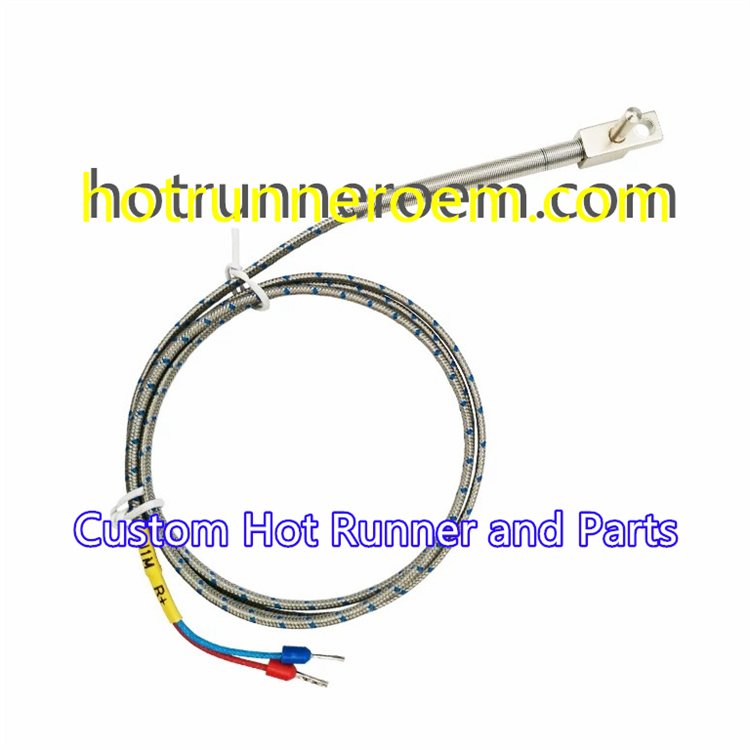
When it comes to hot runner temperature sensing wires, insulation plays a huge role in durability and performance. Fiberglass braid insulation is commonly used because it offers excellent resistance to high temperatures and abrasion. This makes it perfect for injection mold temperature sensor wires that need to withstand the harsh environment inside hot runner manifolds.
Teflon coatings add another layer of protection. They provide chemical resistance and reduce friction, which helps prevent wire damage during installation and operation. Teflon insulation can also tolerate higher temperatures, which is critical for maintaining stable readings in the thermal compensation cable within the hot runner system.
For extra toughness, stainless steel overbraid is often applied over the inner insulated wire. This metal mesh shields the sensing wire from physical damage, improves EMI resistance, and enhances overall environmental resistance. It’s especially beneficial for hot runner manifold probe cables exposed to mechanical stress or corrosive atmospheres.
Benefits at a glance:
- Fiberglass braid: High heat tolerance, abrasion resistance
- Teflon coating: Chemical resistance, reduced friction, high-temp endurance
- Stainless steel overbraid: Mechanical protection, EMI shielding, corrosion resistance
Choosing the right insulation architecture ensures your Fe-CuNi sensing wire or Type J thermocouple maintains accuracy and reliability in demanding injection molding conditions. For more detailed info on compatible hot runner components, check our hot runner injection mold solutions.
Customization Capabilities by China Hot Runner System
When it comes to hot runner temperature sensing wire, customization is key. As a leading hot runner system manufacturer and supplier in China, we offer flexible options tailored to your specific needs. This includes a variety of junction types such as grounded, ungrounded, and exposed junction sensors, ensuring compatibility with different injection mold temperature sensors and thermal control loops.
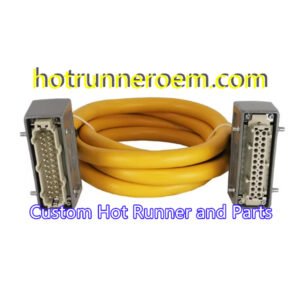
Connector integration is another customizable feature. Whether you need thermocouple extension cables or multi-zone controller connectors, we can integrate these seamlessly for easy installation and reliable signal transmission. This helps maintain melt quality by providing precise temperature readings without signal loss.
Lead length options are available to match mold layout and minimize signal interference. Customized lead lengths reduce electromagnetic interference (EMI) and facilitate optimal routing inside the hot runner manifold and nozzle assemblies. Our solutions focus on improving sensor reliability while adapting to your specific injection molding environment.
Explore how our custom hot runner systems optimize sensing wire installation for enhanced performance in complex molds with multiple temperature zones. For detailed information, check our hot runner manifold and nozzle offerings designed for full integration with advanced sensing wires.
Troubleshooting Signal Interference and Drift in Hot Runner Temperature Sensing Wire
When dealing with hot runner temperature sensing wires, signal interference and drift are common challenges that can impact injection mold temperature sensors’ accuracy. Detecting an open circuit early is crucial—this usually shows as no reading or erratic data on your temperature control loop. Always check connections and wire continuity first.
Electromagnetic interference (EMI) is another key culprit, especially in busy molding environments with numerous electrical devices. To reduce EMI effects:
- Use shielded thermocouple extension cables or stainless steel overbraid wires.
- Keep sensing wires away from high-current cables or heavy machinery.
- Follow proper routing best practices by separating sensor wiring from power lines and grounding shields properly.
Drift over time can be caused by insulation degradation or contamination, so regular inspection and replacement of the sensing wire may be necessary to maintain melt quality and consistent thermal compensation. Good wiring practices and quality cables minimize these risks, ensuring your hot runner manifold probe delivers reliable readings.
For custom configurations and rugged solutions, consider our tailored options to optimize your hot runner system’s performance and reduce troubleshooting downtime. You can explore our full range of components and accessories on our hot runner parts page.
Sourcing and Quality Assurance for Hot Runner Temperature Sensing Wire
When sourcing hot runner temperature sensing wire, quality assurance is critical to ensure accurate temperature control and consistent melt quality in your injection molding process. Always prioritize suppliers who adhere to strict calibration standards such as ANSI or IEC protocols, guaranteeing that the Type J or Type K thermocouple wires deliver precise temperature readings within their specified ranges.
Batch testing is another vital step. Reliable manufacturers perform routine inspections on each production lot of Fe-CuNi sensing wire or Iron-Constantan wire to detect any deviations or defects early. This reduces the risk of signal drift or failure on the mold, assuring long-term stability for your hot runner manifold probes.
When placing a request for quote (RFQ) for custom hot runner system components, consider including this checklist to avoid future issues:
- Specify the thermocouple type (Type J or Type K) and its temperature limits
- Confirm insulation materials (fiberglass braid, Teflon, or stainless steel overbraid)
- Clarify the wiring polarity and connector integration needs
- Include lead length and junction type preferences
- Ask about the supplier’s testing and calibration certification
- Request documentation on electromagnetic interference (EMI) resistance
Choosing a certified supplier from our China hot runner system manufacturing network ensures you get well-tested, ready-to-install thermal compensation cables and thermocouple extension cables that withstand the harsh environments of injection molding. For more tailored solutions, you may explore our detailed product selection and custom options on the hot runner system shop page.
In short, thorough quality checks paired with clear communication in your orders safeguard your temperature control loop’s performance, boosting mold heater sensor reliability and reducing costly downtime.
 English
  Spanish
  French
  Portuguese
  Italian