 Skip to content
Understanding Hot Runner Systems
Are you considering upgrading your injection molding process or looking for more efficient ways to produce high-quality parts? A hot runner system might be the solution. Let’s break down what these systems are and why they matter for your manufacturing needs.
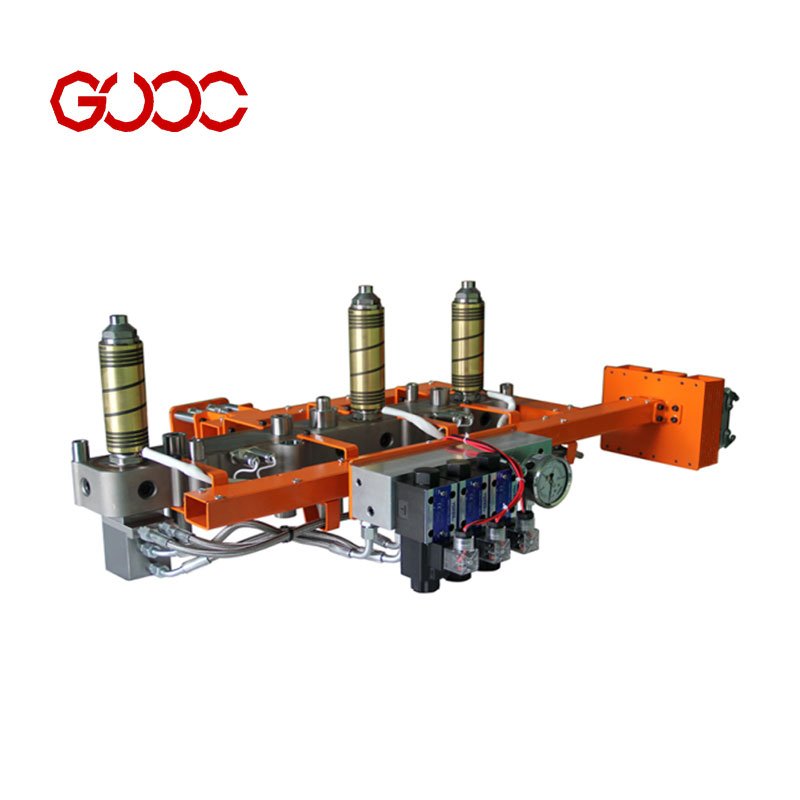
Core Components of Hot Runner Systems
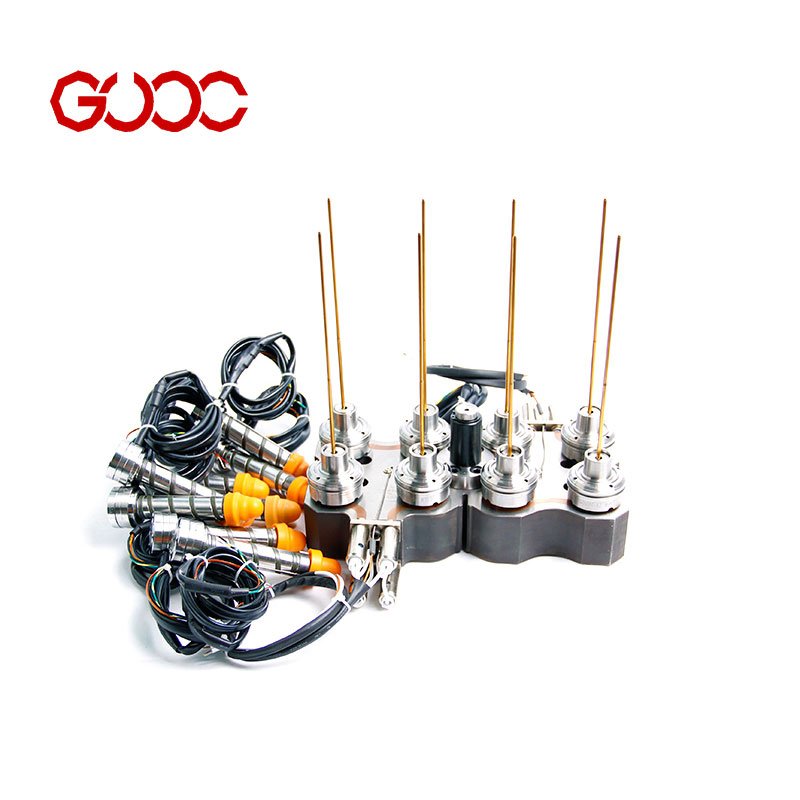
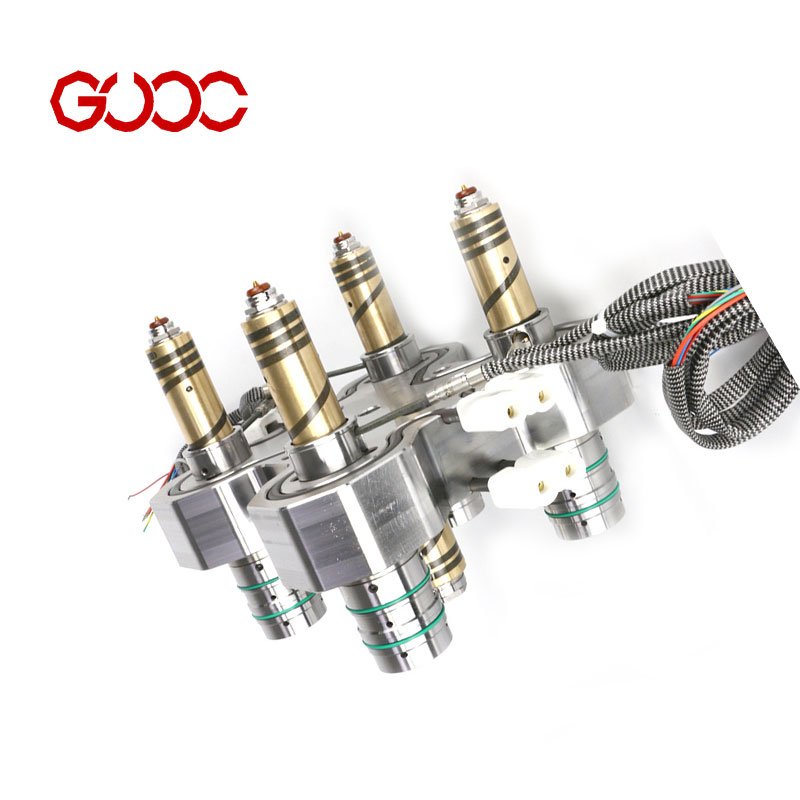
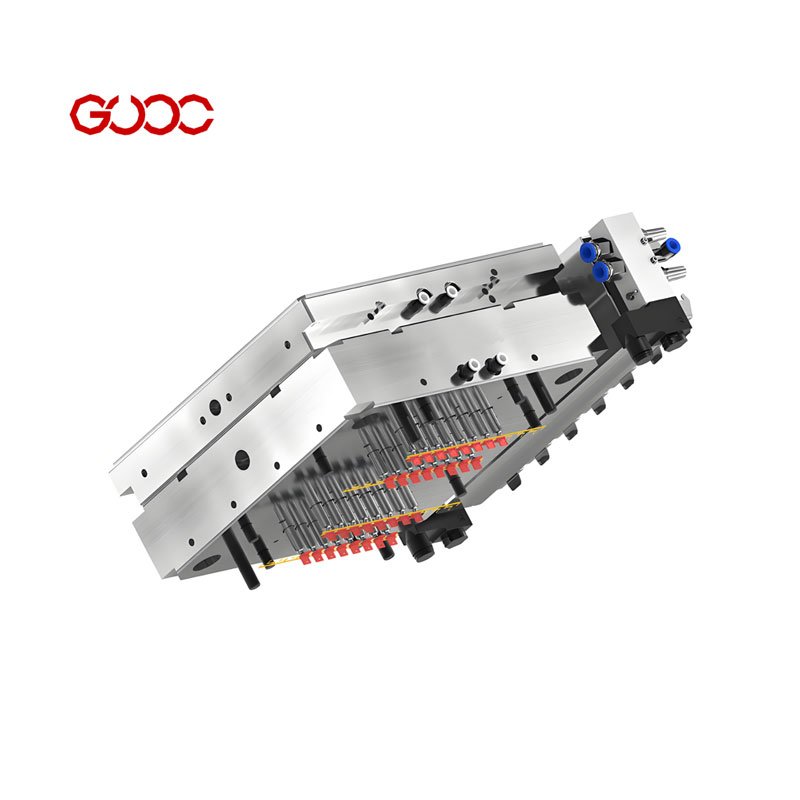
Hot runner systems are composed of several key parts designed to keep plastic molten and flow smoothly into your mold:
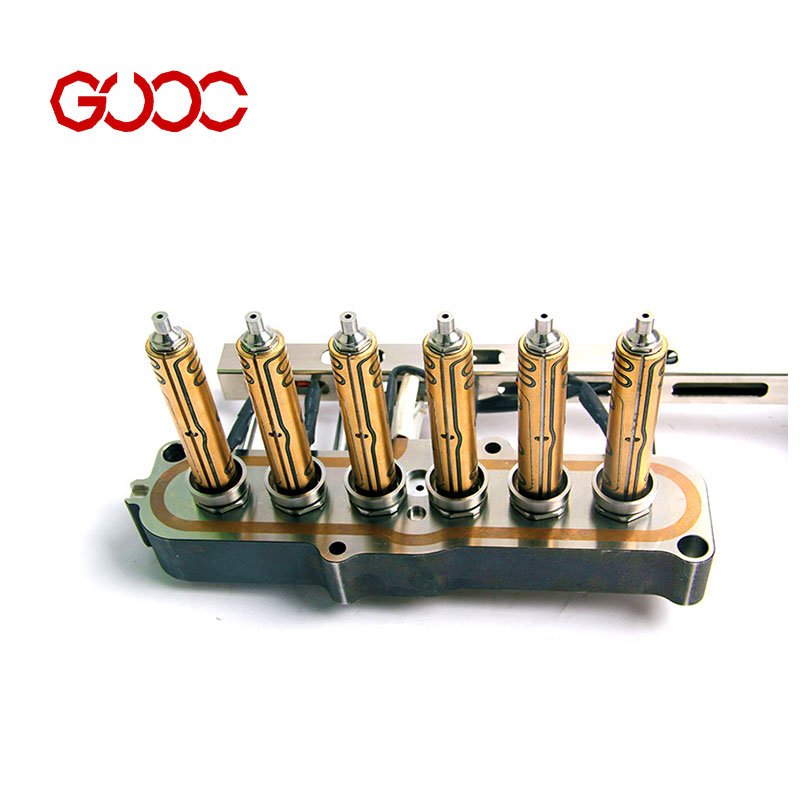
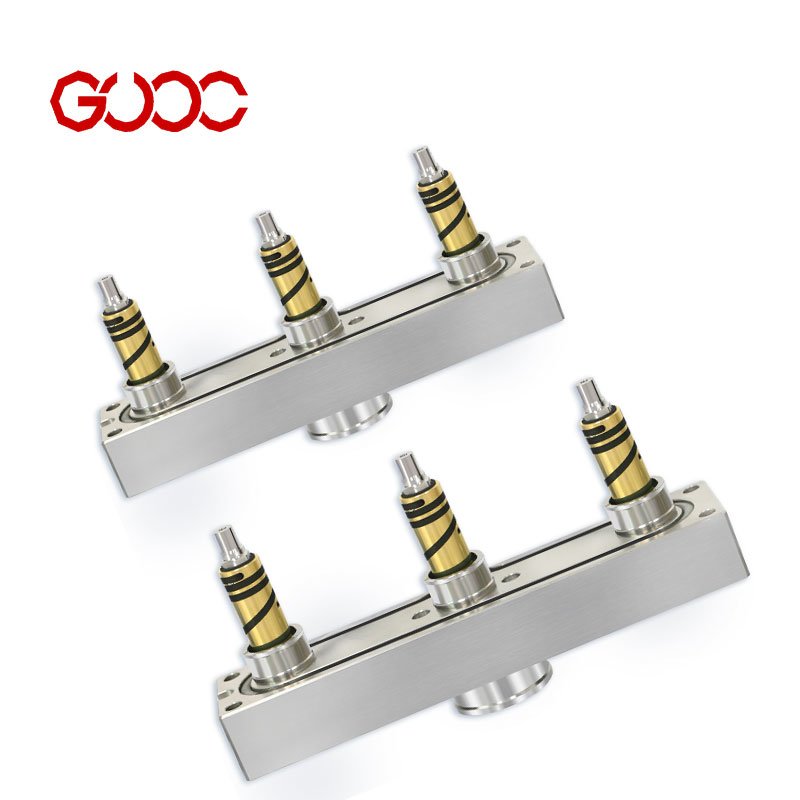
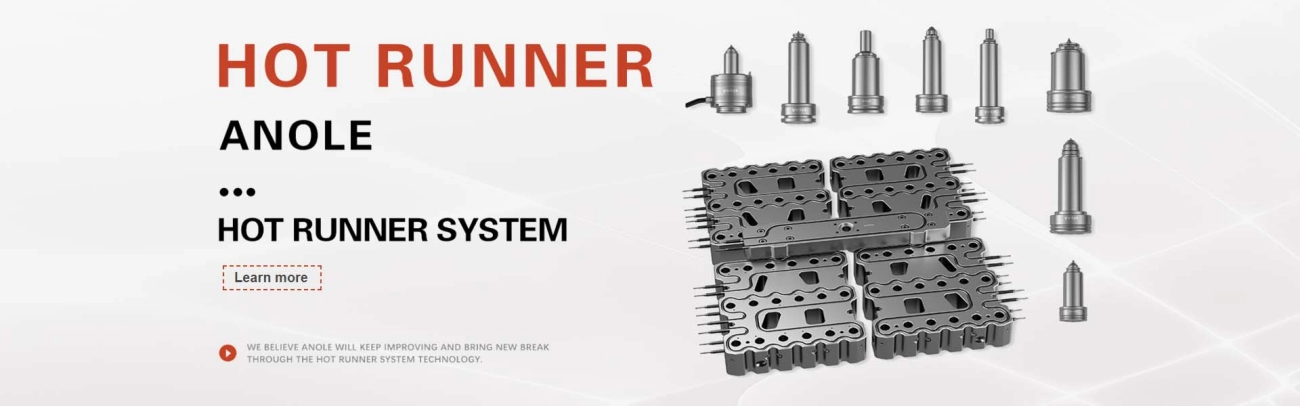
- Manifold: Distributes melted resin evenly to each nozzle.
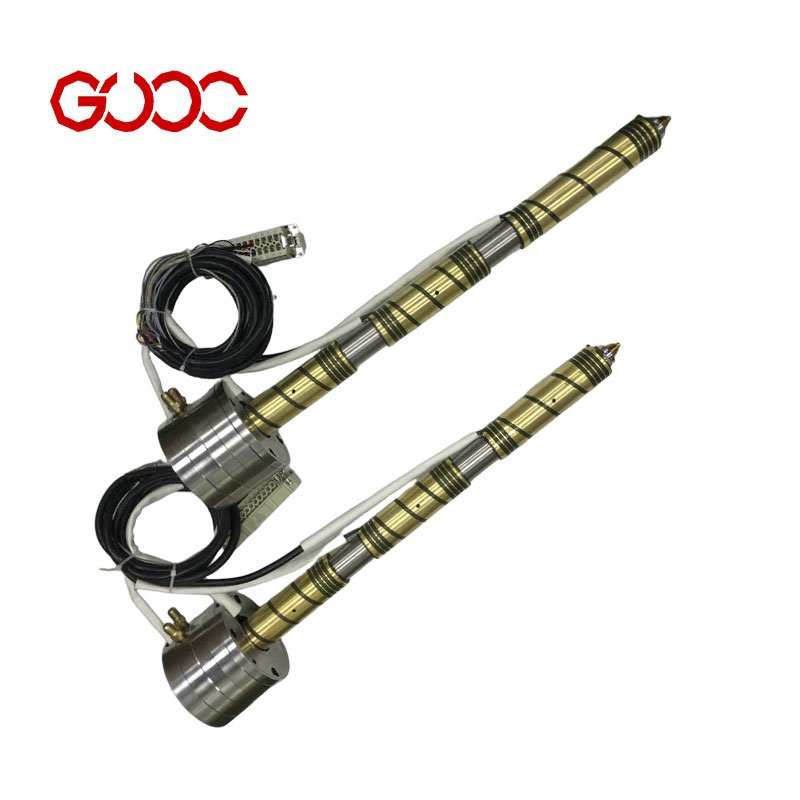
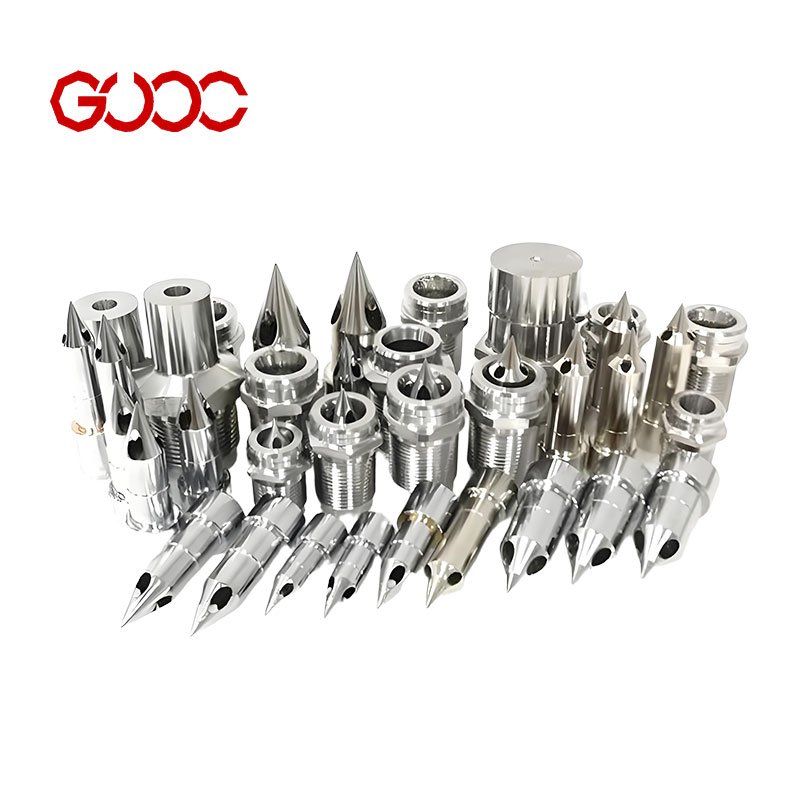
- Nozzles: Deliver the molten plastic directly into the mold cavities.
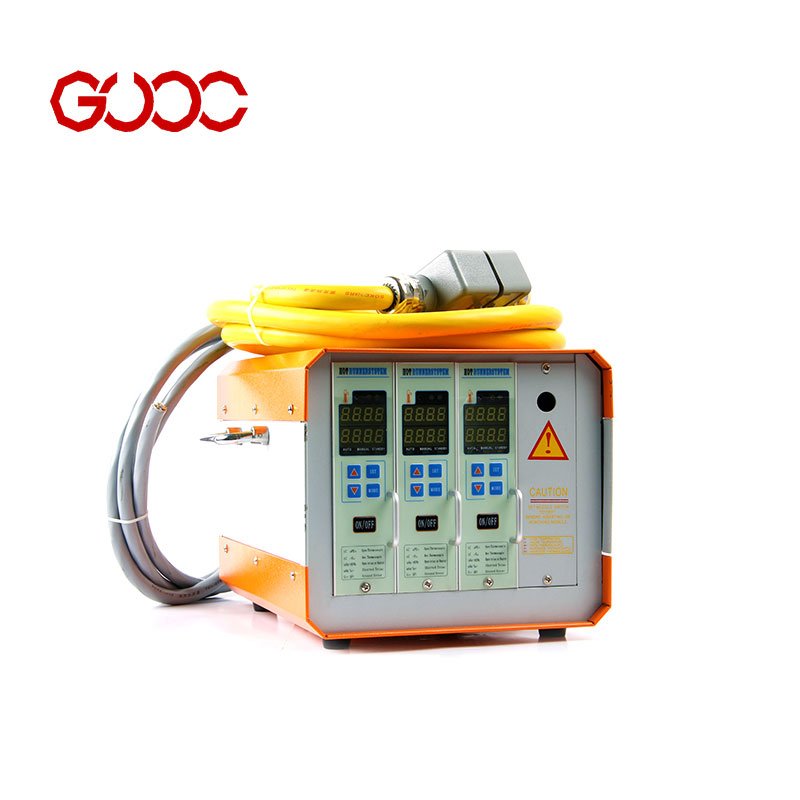
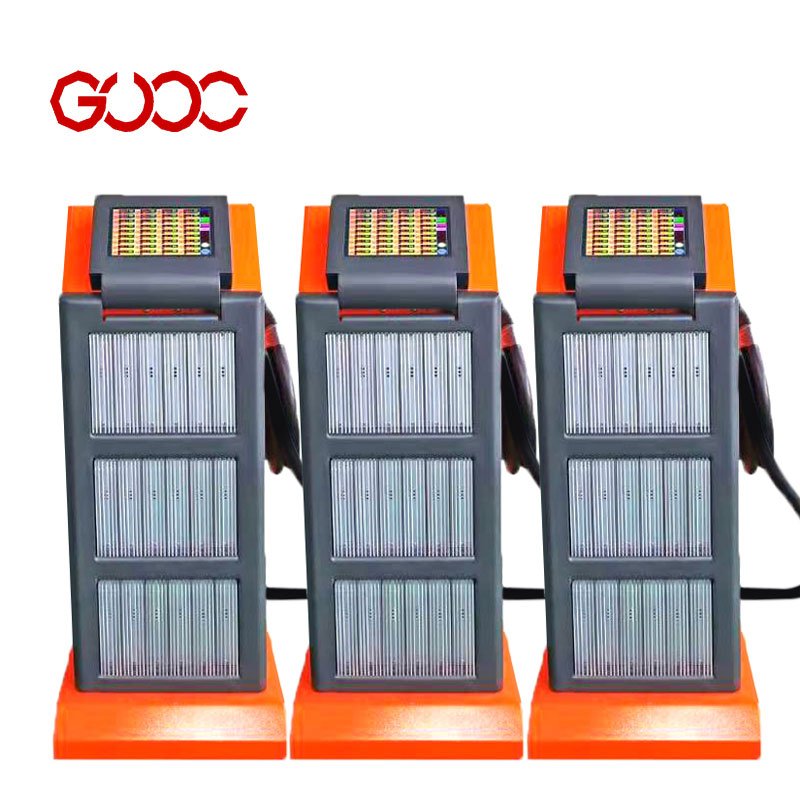
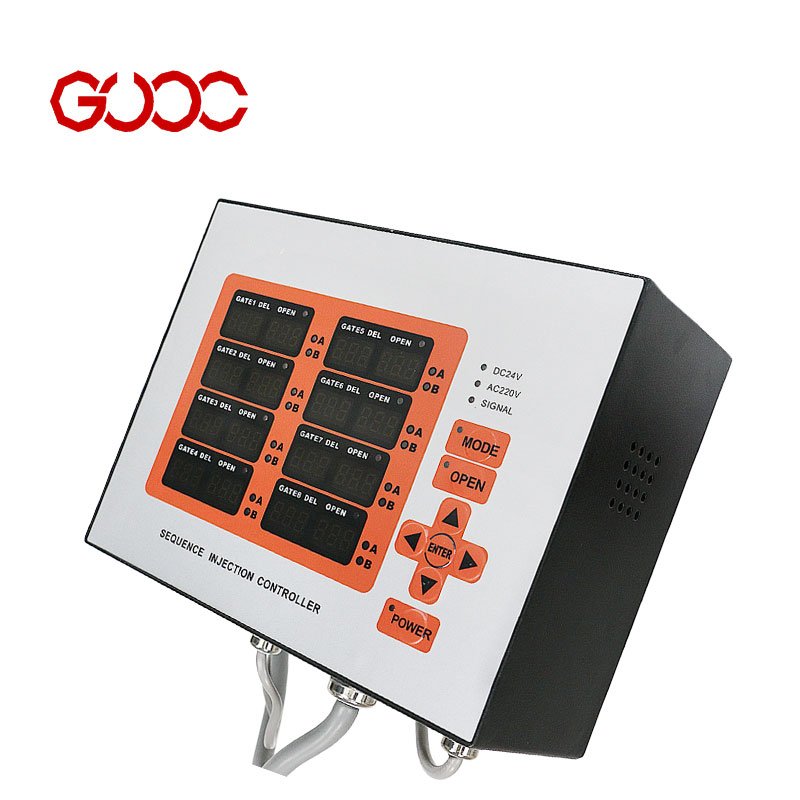
- Temperature controllers: Regulate heat levels uniformly across the system.
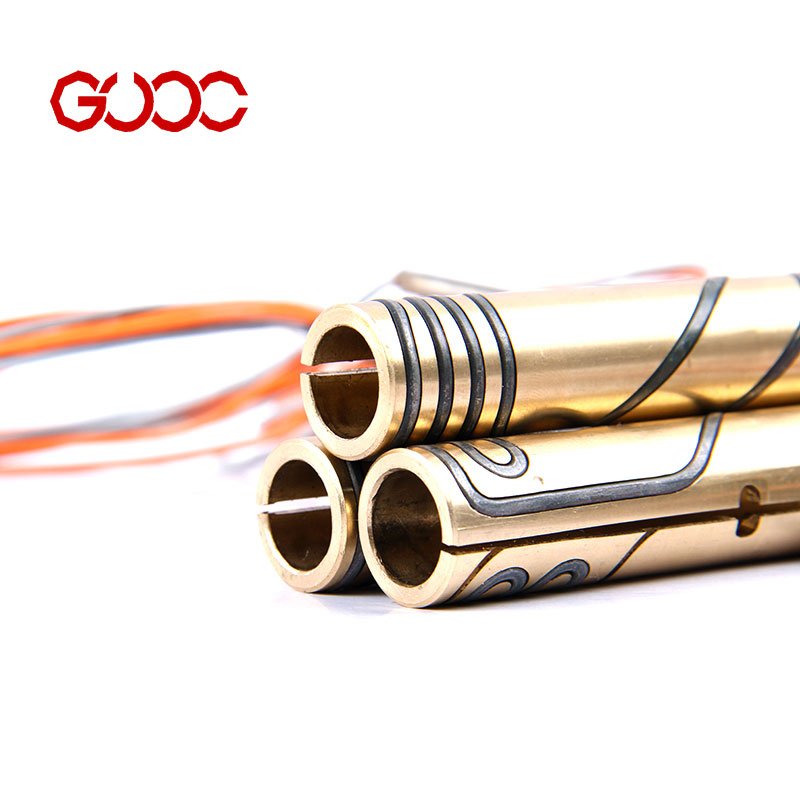
- Heaters and thermocouples: Provide precise temperature management to avoid cold spots or overheating.
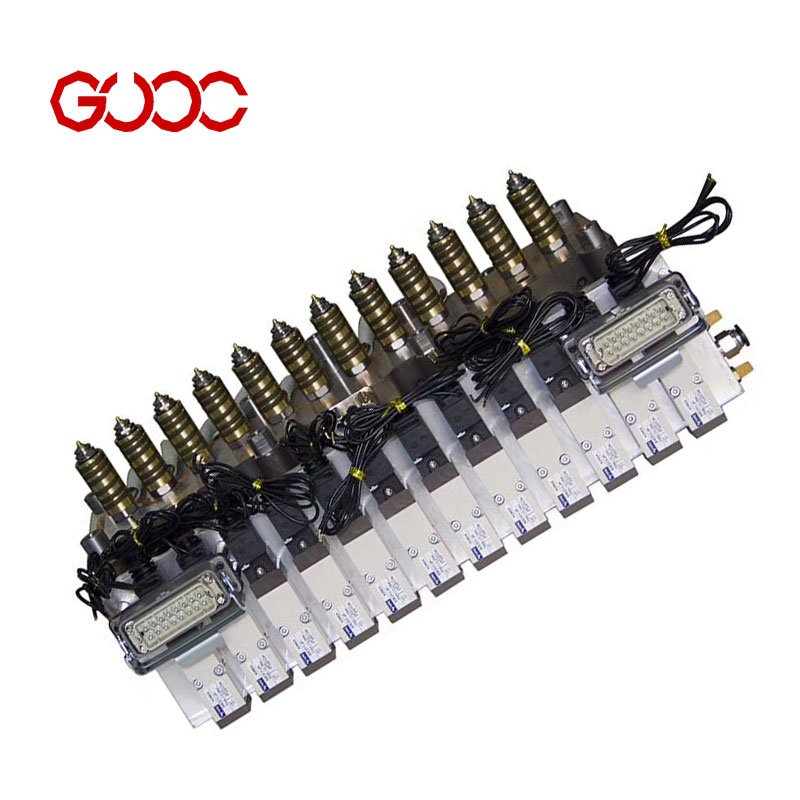
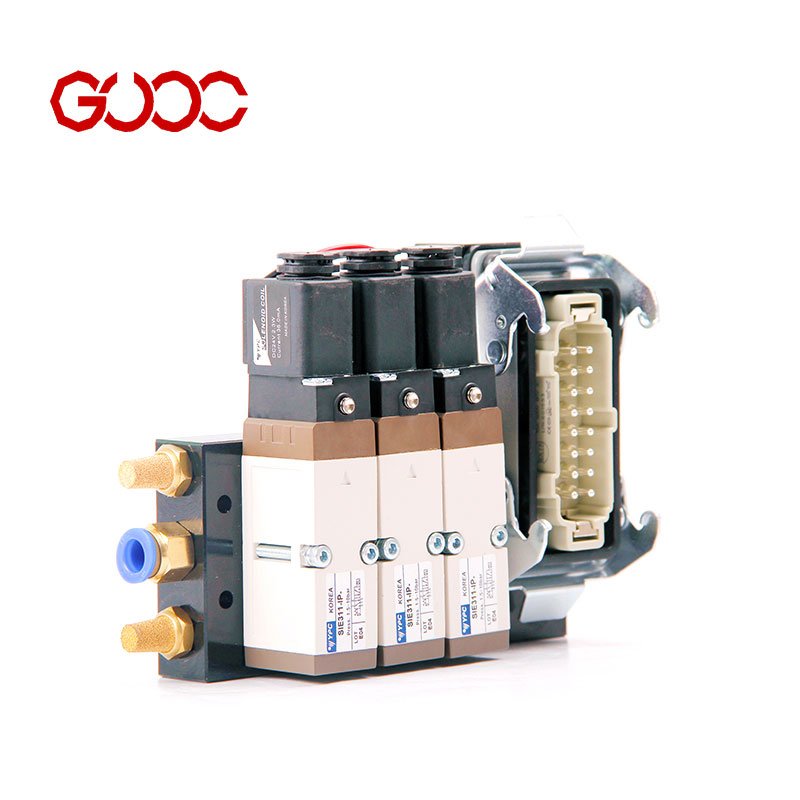
- Valves (or gate controls): Control the flow of plastic into individual cavities, especially important for complex molds.
How Hot Runner Systems Work in Injection Molding
In an injection molding process, hot runner systems allow molten plastic to flow directly into the mold cavities through heated nozzles, eliminating the need for runners as in cold runner systems. This results in:
- Less waste: No excess material remains in runners.
- Faster cycle times: Reduced material cooling and ejection times.
- Higher quality parts: Consistent temperature leads to better surface finish and dimensional accuracy.
Hot Runner vs Cold Runner Systems
While both systems serve similar functions, the key differences lie in how they manage the plastic flow:
- Hot Runner Systems: Keep the entire runner semi-permanent and heated, reducing waste and cycle time.
- Cold Runner Systems: Use traditional runners that cool with the part, creating scrap that needs reprocessing.
Main Benefits of Hot Runner Systems
Choosing hot runner systems offers several advantages:
- Material savings: Minimize wasted resin.
- Improved surface quality: No marks from cold runners.
- Faster production: Shorter cycle times.
- Better process control: Precise temperature regulation enhances consistency.
Common Applications in Plastics Processing
Hot runner systems are used across various industries, including:
- Automobile parts
- Medical devices
- Consumer electronics
- Packaging products
- Industrial components
Why China is a Major Hot Runner Manufacturing Hub
China’s dominance in hot runner systems stems from:
- Advanced manufacturing capabilities and cost competitiveness.
- A vast network of reliable suppliers specializing in hot runner manifolds, nozzles, and temperature controllers.
- Strong export experience and quality control standards.
- Ability to customize solutions for diverse mold designs and resin types.
Understanding these fundamentals is crucial before importing hot runner systems from China or any other supplier. Next, I’ll guide you through the essential steps to ensure you choose the right supplier and get the best value for your investment.
How to Import Hot Runner Systems from China
Getting hot runner systems from China can be cost-effective, but it requires careful planning. Here’s a simple step-by-step approach:
Define Your Hot Runner System Requirements
Start by understanding exactly what you need. Consider:
- The type of hot runner system (semi-hot or full hot runner)
- The size and complexity of your injection mold
- The resin type and processing temperature
- Any customization needed for your mold design
Clear specifications help ensure you get a system that fits your needs and avoid surprises later.
Match System Specs to Your Mold and Resin
Once you know what you want, compare your requirements with the hot runner system specifications:
- Nozzle temperature range
- Heater and thermocouple capabilities
- Valve gate options and size
- Compatibility with your mold materials
This step helps you focus on China hot runner systems that truly suit your application.
Shortlist Reliable Chinese Suppliers
Look for established hot runner system manufacturers and suppliers in China. You can explore platforms like Alibaba, Made-in-China, or specialized trade shows. It\’s smart to check their export records and customer reviews. An effective way is to visit their websites or get references from other buyers.
Request Quotes, Drawings, and Samples
Contact shortlisted suppliers for detailed quotations. Ask for technical drawings and, if possible, sample parts. Reviewing drawings helps you verify the system’s design aligns with your mold specifications. This process reduces risks and ensures smooth integration later.
Evaluate Manufacturer Capability and Export Experience
Assess how experienced each Chinese hot runner system manufacturer is in exporting to your country. Consider:
- Their production capacity
- Quality control processes
- Past project references
- After-sales support and warranty options
A reliable manufacturer with solid export experience will support you when facing technical challenges or needing spare parts.
Compare Pricing, Lead Times, and Support
Gather all offers and compare:
- Prices per unit and minimum order quantities
- Lead times for production and shipping
- Available after-sales support, training, or technical help
Choosing the right supplier involves balancing cost with quality and delivery reliability.
Place the Order with Clear Terms and Approvals
Once you find a trustworthy Chinese hot runner system supplier, formalize the order:
- Confirm technical specifications
- Agree on payment terms and conditions
- Clarify delivery schedule and inspection procedures
- Get all agreements in writing and signed
This careful planning helps avoid misunderstandings and delays in importing your hot runner system from China. For more details, you can explore how to become a sourcing agent or verify if a Chinese hot runner system manufacturer is reliable here.
How to Choose a Reliable Chinese Hot Runner Manufacturer
Selecting a trustworthy Chinese hot runner system manufacturer is key to ensuring quality and smooth import experience. Here’s what to look for:
| Factor | What to Check | Why It Matters | Example |
|---|---|---|---|
| Manufacturing Experience | How long have they been making hot runner systems? | More years usually mean better expertise, especially in custom hot runner nozzle suppliers or hot runner valves. | Companies with 10+ years often deliver more consistent quality. |
| Technical Strength | Do they have the capability to handle complex hot runner injection mold designs? | Strong technical skills ensure better precision and innovation. | Check if they can supply advanced hot runner temperature controllers compatible with your mold. |
| Certifications & Quality Systems | Look for ISO, CE, or other international standards | Certifications show their commitment to quality control for Chinese hot runner systems. | Verified factories with quality management systems tend to reduce defect risks. |
| Customization & Product Range | Do they offer tailored hot runner systems? | Ability to customize hot runner mold design specifications and needed controllers. | Suppliers with wide options can better meet your specific needs. |
| Communication & Response | How quickly and clearly do they reply? | Fast response indicates good customer support, especially for after-sales support. | Prompt replies to queries about hot runner heater or nozzle sourcing save delays. |
| Export History & References | Can they show successful projects abroad? | Proven export experience offers insight into reliability for importers. | Request references to confirm track record in hot runner system logistics and shipping. |
| Stable Supply of Components | Check if they can reliably supply heaters, nozzles, and controllers | Ensures your production won\’t be halted due to component shortages. | Confirm they have a steady inventory of hot runner temperature controllers and related parts. |
Choosing the right manufacturer boils down to trust, experience, and technical ability. This helps minimize risks, especially when importing hot runner systems from China. For a more detailed insight on quality assessment, visit hot runner control manufacturers.
Hot Runner System Pricing and Total Landed Cost
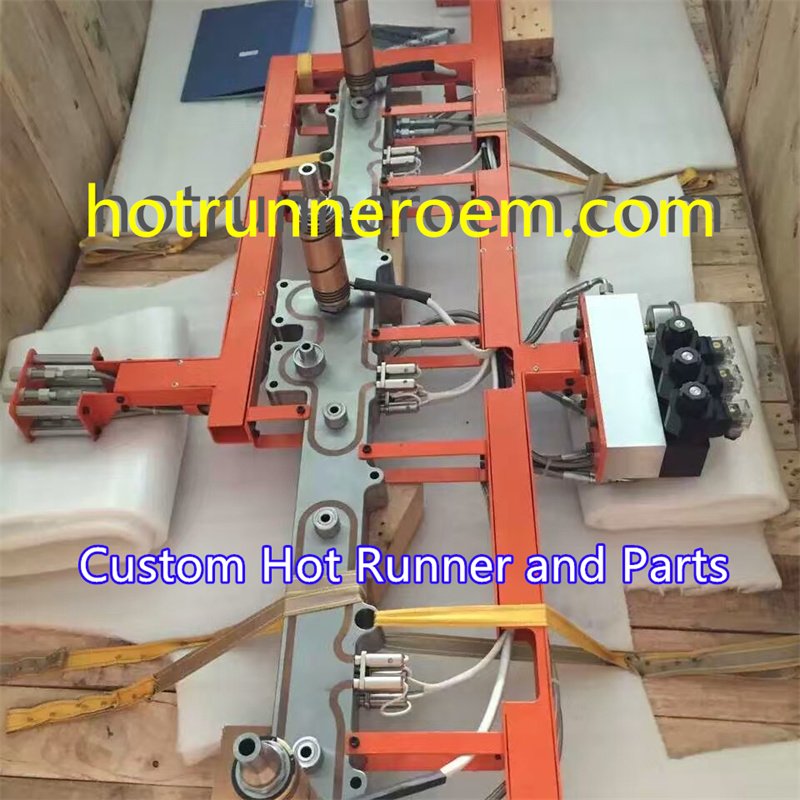
Getting a clear picture of hot runner system pricing from China involves more than just the unit price. You also need to consider the Minimum Order Quantity (MOQ), which can affect your overall costs, especially if you\’re just starting out or only need a small setup.
When comparing options, look beyond the initial price. Costs for tooling, modifications, and sample parts can vary widely between suppliers. These expenses are essential to ensure the hot runner system matches your mold design and resin type, and they impact your total investment.
Shipping fees, insurance, and import duties are the next factors. Since most hot runner systems are heavy and bulky, their logistics costs can significantly inflate your total cost. Working with experienced freight forwarders familiar with the import process for hot runner components will help you avoid unexpected charges.
Inspection and travel expenses should also be included in your calculation. Quality control measures like factory audits or testing samples before full production can save you trouble later. Planning for these costs upfront is a good idea.
To avoid overpaying, try to negotiate better terms, seek bulk discounts, or ask for package deals that include installation support. Also, explore ways to source compatible spare parts and accessories directly from reliable Chinese suppliers, which can further reduce your long-term costs.
Remember, the goal is to estimate the total landed cost—the complete price after including all expenses—before you make your purchasing decision. This approach helps ensure your hot runner system setup remains cost-efficient without compromising on quality or performance.
Quality Control for Chinese Hot Runner Systems
Ensuring quality is critical when importing hot runner systems from China. Before moving to mass production, it’s wise to test samples thoroughly to confirm they meet your standards. Doing so helps catch potential issues early and avoids costly rework down the line.
Another essential step is engaging third-party inspections and factory audits. These checks review the manufacturer’s quality management systems and production processes, giving you confidence in their capability to deliver reliable hot runner systems. You can also evaluate temperature uniformity and assembly precision, both of which directly impact your injection molding results. You might want to verify the performance of the hot runner temperature controller and thermocouple heaters, as these components play a vital role.
Monitoring for heater failure and material issues is key, since hot runner systems depend heavily on stable temperature control. Protecting your IP during design sharing is equally important; ensure your supplier respects confidentiality and that your designs remain secure.
Finally, always plan for delays, defects, or rework. Unexpected challenges happen, but with proper planning and ongoing quality checks, you minimize risks and ensure the imported hot runner system performs consistently in your operation.
Shipping and Customs Clearance for Hot Runner Systems
When importing hot runner systems from China, choosing the right shipping method is key. You can opt for sea freight for cost-effective large-volume shipments, air freight for faster delivery, or express shipping for urgent needs. Each has pros and cons, so pick according to your timeline and budget.
Next, prepare all necessary documents, such as invoices, packing lists, and origin certificates. Accurate paperwork helps avoid delays at customs. Also, ensure you classify your hot runner systems under the correct HS code—this simplifies customs clearance and ensures proper duty calculation.
Working closely with experienced freight forwarders and customs brokers can smooth the import process. They handle the logistics and help you navigate import duties, taxes, and clearance risks efficiently.
Finally, plan for post-arrival steps like installation and system commissioning. Having your logistics well-organized ensures a seamless transition from customs clearance to your production line, saving you time and money.
Need detailed shipping guidance for hot runner systems? Check out importing hot runner components from China.
Compliance and Post-Import Support
After importing your hot runner system from China, ensuring ongoing support and compliance is essential to keep things running smoothly. First, confirm that your hot runner injection mold meets all safety and performance standards relevant to your region. These standards help avoid any legal or operational issues later on. It\’s also crucial to review warranty terms — knowing what’s covered and how long support lasts provides peace of mind.
Having access to reliable technical assistance after delivery helps tackle any unexpected problems. Many Chinese hot runner systems suppliers offer support for troubleshooting, system adjustments, and spare parts sourcing, such as heater and thermocouple replacements (hot runner thermocouple and heater suppliers). Tracking your system’s performance post-installation allows you to catch issues early, optimize cycle times, and prevent downtime.
Building a long-term relationship with your supplier can lead to better support, priority service, and cost-effective upgrades. Planning for future upgrades or reorders ensures your hot runner system stays current, efficient, and aligned with your production growth. Ongoing support and compliance are key to maximizing your investment in Chinese hot runner technology.
Case Studies and Buying Lessons
Looking at real-world examples can really help when importing hot runner systems from China. Successful cases often show how well-designed hot runner injection molds and temperature controllers have improved production efficiency and reduced cycle times. For example, some factories reported cutting down cycle times by 15-20%, leading to significant cost savings. You can explore hot runner case studies to see how others achieved these results.
One common mistake importers make is underestimating the importance of clear communication with Chinese suppliers. Language barriers or vague specifications can lead to misunderstandings about hot runner mold design details or component quality. Ensuring detailed communication and written approval processes helps avoid delays and defects.
For small mold shops, it’s crucial to focus on supplier flexibility and after-sales support, like spare parts for hot runner nozzles or controllers. Larger factories often prioritize consistent quality, fast lead times, and technical assistance during installation. Regardless of company size, the key lessons are to verify the manufacturer’s export experience, check certifications, and review references thoroughly before placing an order.
First-time importers should pay extra attention to learning about the HS code for hot runner systems to streamline customs clearance. Plus, understanding the total landed cost—including shipping, duties, and inspection—can prevent surprises later. Building strong, ongoing relationships with reliable Chinese suppliers ultimately helps secure a stable supply of hot runner heaters, thermocouples, and other critical components.
 English
  Spanish
  French
  Portuguese
  Italian