 Skip to content
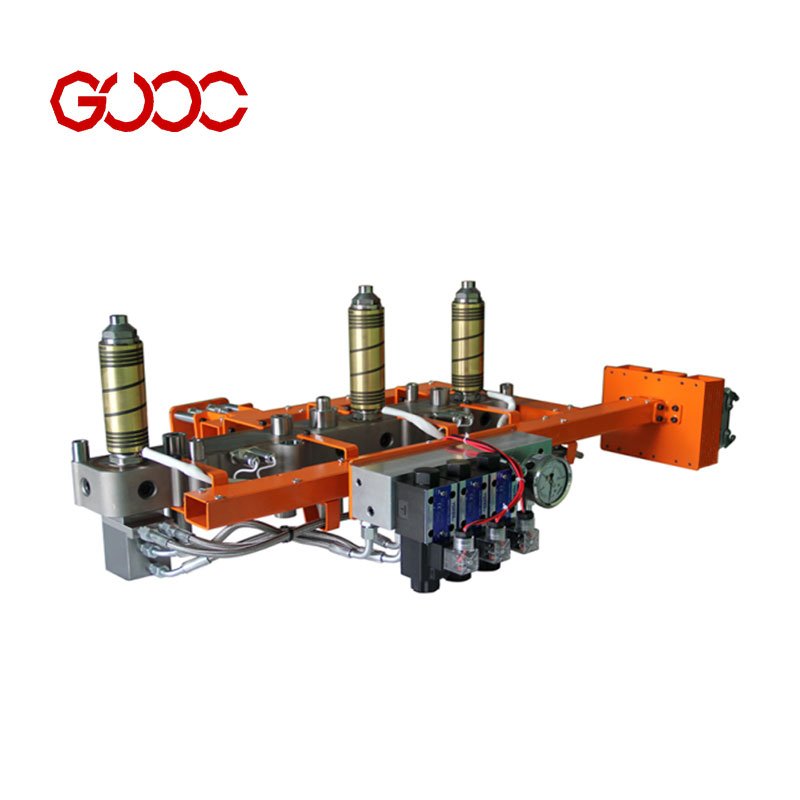
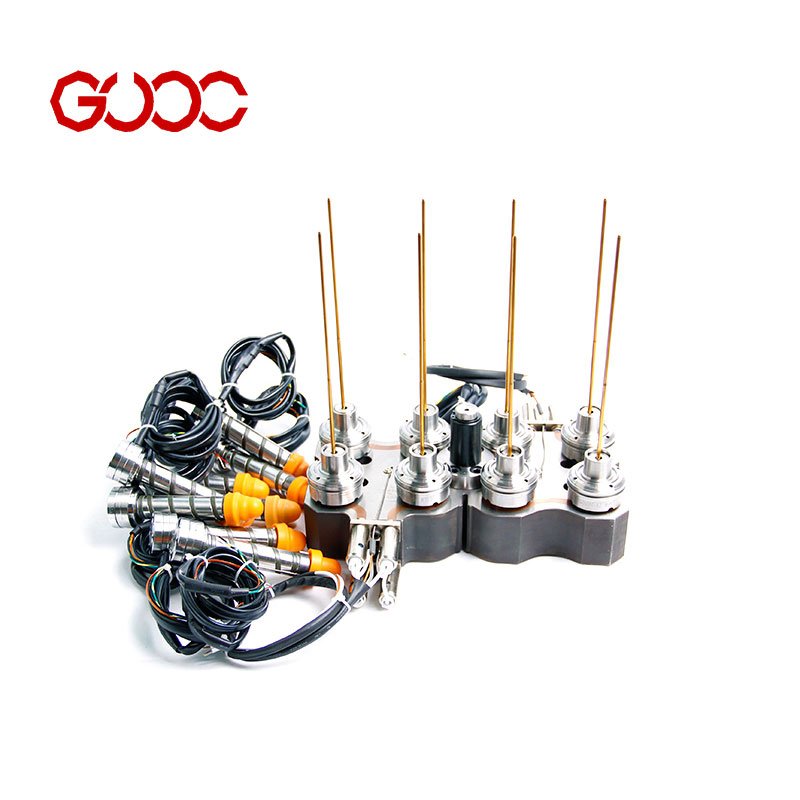
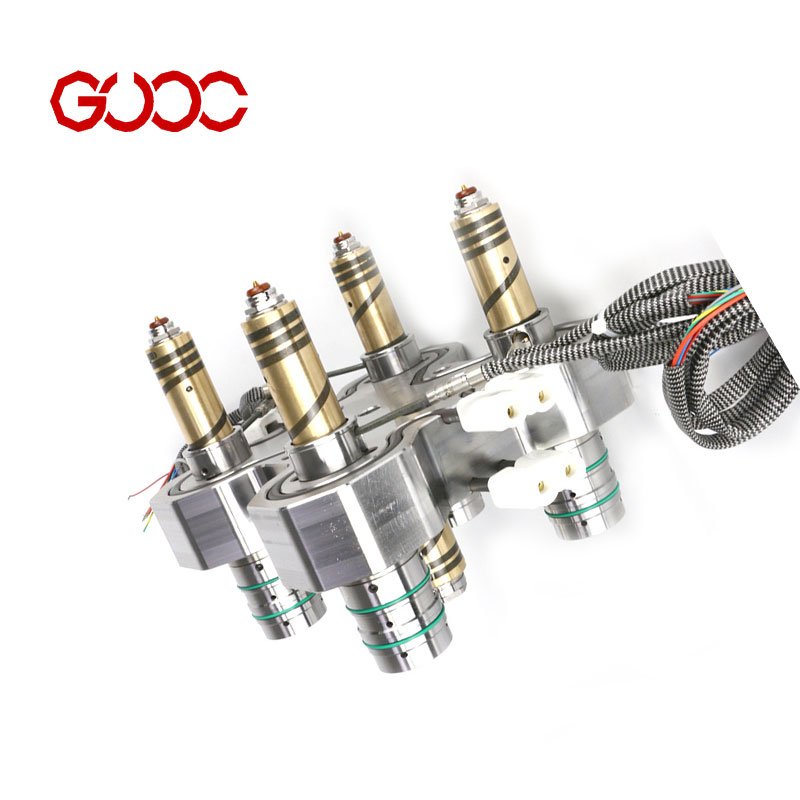
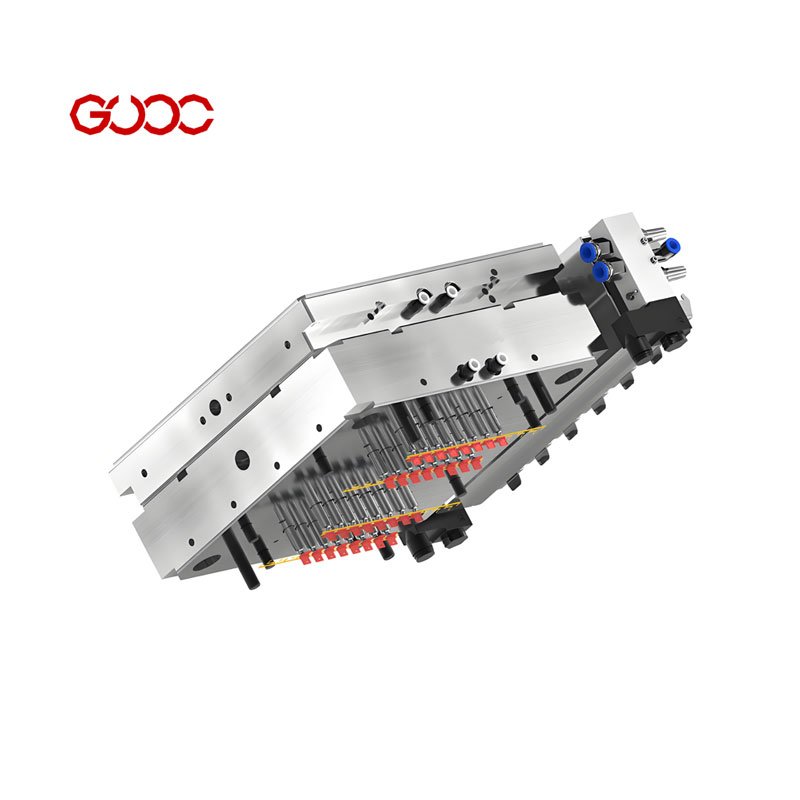
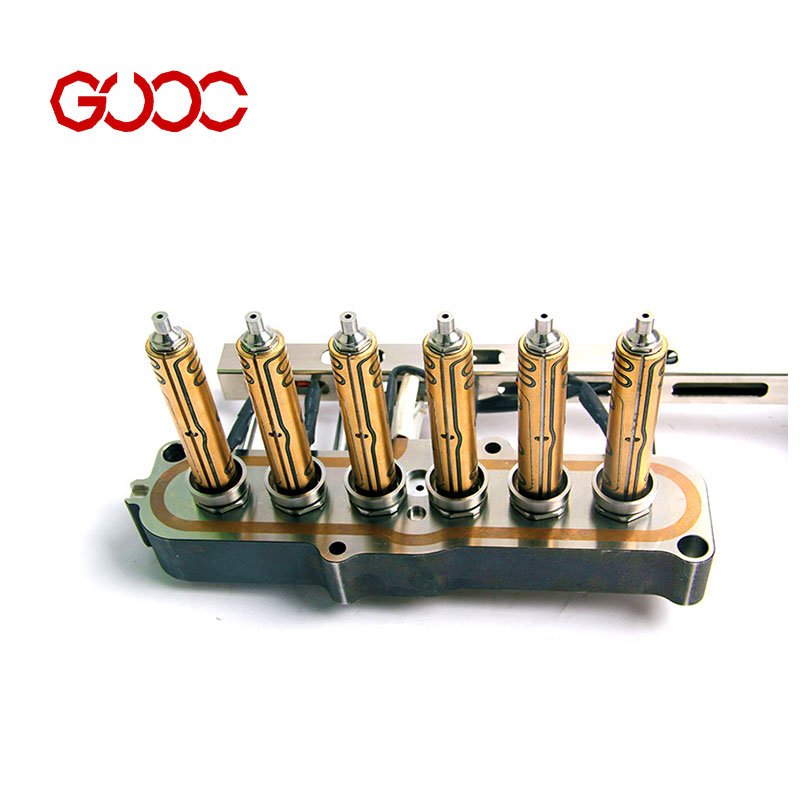
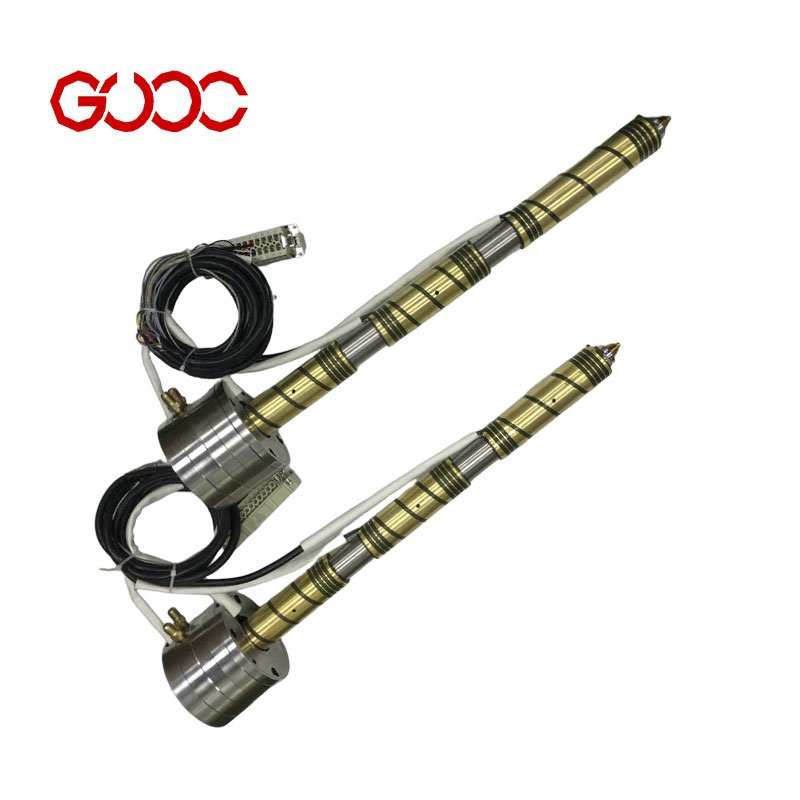
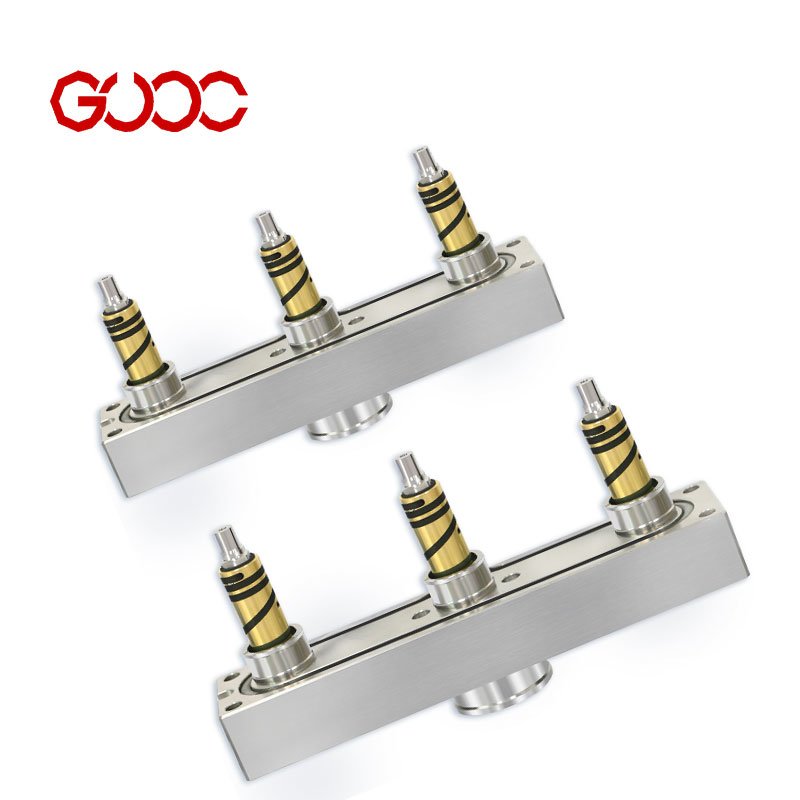
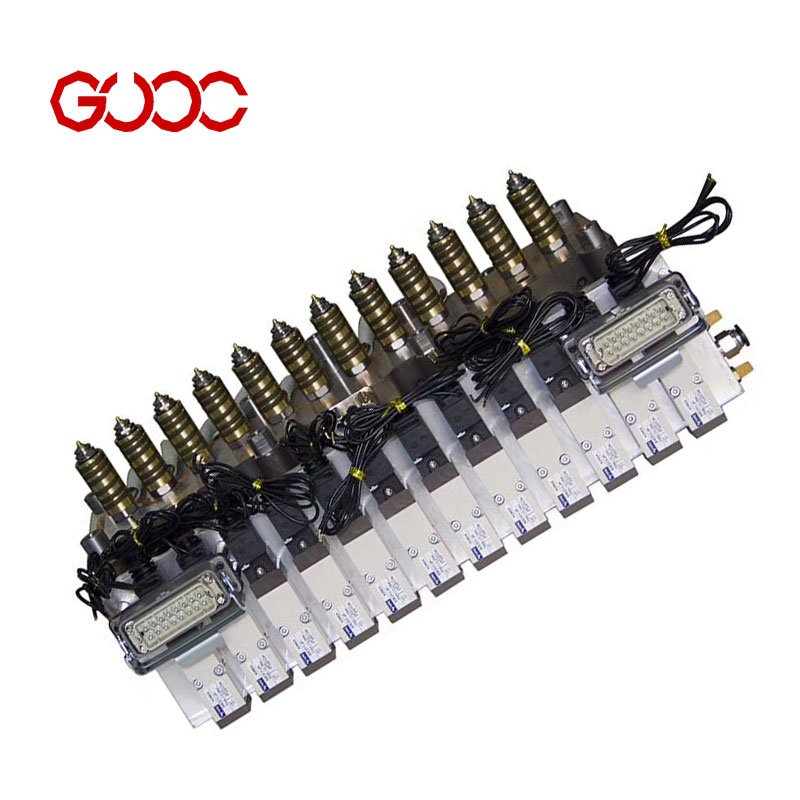
Are you curious about how Chinese manufacturing is transforming the hot runner pricing landscape? The rise of Chinese suppliers has made hot runner systems more accessible than ever, offering significant cost savings without sacrificing performance. But what does this mean for injection molding professionals, procurement managers, and buyers aiming to stay competitive? In this post, you\’ll discover how market dynamics, price factors, and quality evolution from China are reshaping the value and options available—helping you make smarter sourcing decisions in a rapidly changing global market. Ready to navigate the new landscape of hot runner sourcing? Let’s dive in!
The Rise of Chinese Hot Runner Manufacturing
Market Context and Growth Drivers in China
In recent years, China has emerged as a dominant player in the hot runner manufacturing industry. The rapid growth of the plastics industry, combined with China\’s expanding manufacturing infrastructure, has created a fertile ground for Chinese hot runner suppliers to thrive. The country’s economic focus on innovation and efficiency has driven the development of affordable, high-quality hot runner systems that meet global standards.
Why China Became a Major Hot Runner Production Hub
Several factors propelled China to become a key hot runner manufacturer:
- Cost-Effective Labor: Lower wages compared to Western countries reduce overall production costs, making Chinese hot runner systems highly competitive.
- Scale of Production: Large manufacturing volumes enable Chinese suppliers to optimize processes and reduce per-unit costs effectively.
- Robust Supply Chain: An extensive network of component suppliers—such as hot runner temperature controllers, manifolds, and nozzles—ensures reliable delivery and quick turnaround times.
- Technological Advancements: Continued investment in automation and R&D has boosted the quality and consistency of Chinese hot runners, narrowing the gap with premium brands.
How Scale, Labor, and Supply Chain Strength Affect Pricing
The combination of these factors impacts the pricing of hot runner systems in several ways:
- Large-scale production allows for lower unit costs, which translates into more competitive pricing for buyers worldwide.
- Access to a wide supplier network ensures components like hot runner manifolds and valve gate hot runners China brands produce are both versatile and affordable.
- Labor cost savings directly influence the overall cost structure, enabling Chinese manufacturers to offer hot runner systems at significantly lower prices without compromising basic quality.
This combination of scale, supply chain strength, and labor efficiencies is what makes Chinese hot runner suppliers increasingly appealing to injection molders seeking high-value solutions.
What Drives Hot Runner Price Cuts
One of the main factors behind the decreasing prices of Chinese hot runner systems is the reduction in labor and material costs. Manufacturing in China benefits from a large, skilled labor force and often lower wages, which help keep production expenses down. Additionally, the availability of cost-effective raw materials further drives prices lower for Chinese hot runner suppliers.
Another key driver is the high-volume production efficiency that many Chinese factories achieve. They often operate multiple shifts and utilize advanced manufacturing techniques to produce hot runner components at a faster, more streamlined pace. This scale of operation means economies of scale kick in, lowering the overall cost per unit.
Local sourcing of critical parts like heaters, manifolds, and temperature controllers also plays a role. Instead of relying heavily on imports, Chinese manufacturers source many components domestically, reducing shipping costs and import fees. This supply chain strength helps them keep prices competitive compared to premium brands often relying on imported or specialized parts.
When comparing typical price gaps, Chinese hot runner systems tend to be significantly more affordable than international, premium brands. These cost advantages are especially appealing for companies aiming to cut upfront and total costs in injection molding projects. However, it’s important to balance lower prices with the quality and performance needed for your specific application.
Quality vs. Price in Chinese Hot Runner Systems
How Quality Has Improved Over Time
Chinese hot runner suppliers have made significant strides in enhancing the quality of their systems. Years ago, concerns around durability, material consistency, and component reliability were common. Today, many Chinese manufacturers have invested heavily in better raw materials and advanced manufacturing processes, resulting in systems that are more robust and dependable. While initially considered lower cost options, Chinese hot runner systems now frequently meet or even exceed the standards of premium brands, especially in performance-critical areas like temperature control and nozzle durability.
Where Performance Now Matches Global Brands
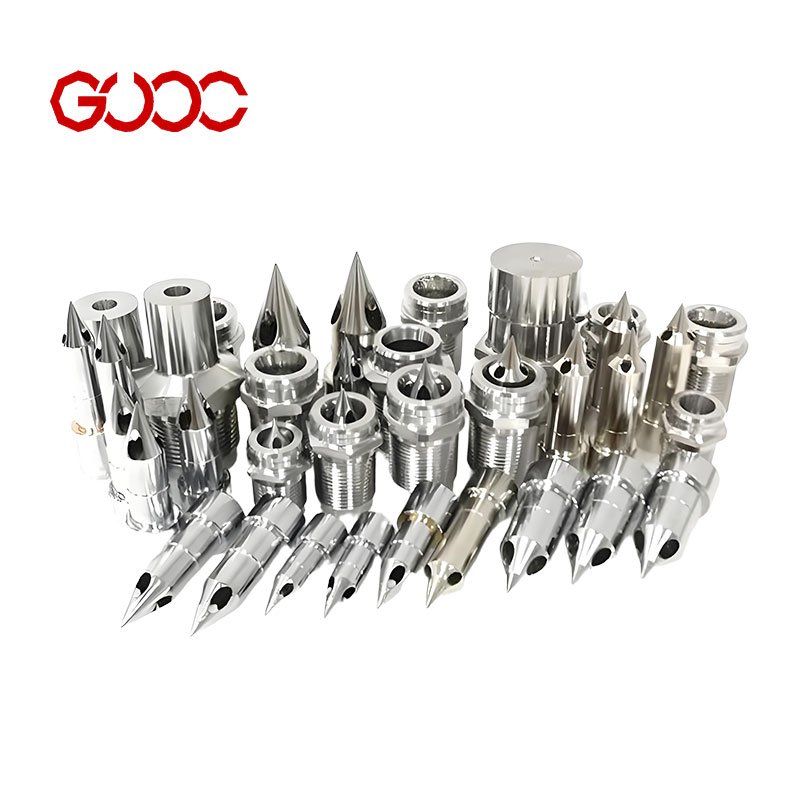
For many applications, Chinese hot runner systems deliver comparable performance to established European or North American brands. This includes accurate temperature regulation, stable nozzle operation, and reliable valve gating. Some Chinese manufacturers have even developed specialized hot runner solutions for high-volume production, competing directly with premium suppliers on features that impact part quality and cycle times. You can explore different hot runner system designs that highlight the technical advancements achieved.
Supplier-to-Supplier Variation and Consistency Risks
Despite the improvements, variability still exists among Chinese hot runner suppliers. Not all manufacturers follow strict quality control protocols, which can lead to inconsistencies in product quality, performance, and lifespan. Variations may occur in weld integrity, heating element reliability, or connector durability. It\’s important to vet suppliers thoroughly, focusing on their certification standards and past client feedback. Consistency risks can be mitigated through proper validation tests and working with established manufacturers who prioritize quality assurance.
What to Verify Before Buying
Before selecting a Chinese hot runner system, consider verifying these key points:
- Material Certification: Ensure components meet international standards for durability and safety.
- Technical Documentation: Request detailed datasheets and testing reports.
- Guarantees and Warranty: Confirm after-sales support and warranty terms.
- Performance Validation: Conduct testing on your specific molds to verify real-world performance.
- Supplier Reputation: Check references, previous projects, and certifications like ISO to gauge reliability.
Investing time in these checks will help you secure a system that aligns with your production needs while minimizing risks associated with supplier-to-supplier variation.
How Chinese Manufacturing Impacts Global Hot Runner Pricing
Chinese manufacturing has significantly influenced the worldwide hot runner market, creating pressure on prices across regions. With a growing number of Chinese hot runner suppliers offering cost-effective solutions, buyers in Europe and North America are seeing more competitive quotes than ever before.
When compared to European or North American producers, Chinese systems often come with lower price points, mainly due to cheaper labor, scale efficiencies, and access to abundant raw materials. However, these savings can sometimes be offset by factors such as tariffs, shipping costs, and import duties. For example, tariffs on imported Chinese hot runner systems can add 10-25%, depending on country policies, which impacts the overall total cost of ownership.
Shipping fees and longer transit times also play a role. Although Chinese manufacturers may offer affordable hot runner manifolds and systems, additional costs for freight and customs can narrow the price gap. Sometimes, what looks like a savings in initial product pricing might turn into hidden costs in logistics or quality inspections.
Long-term savings can be achieved if the systems are reliable and durable, reducing maintenance and rework. Yet, it\’s important to weigh these benefits against potential risks like inconsistent quality. Factors such as import duties and logistical challenges make it essential for buyers to evaluate the true cost of sourcing hot runners from China, not just the sticker price.
For buyers, understanding these dynamics helps in making smarter decisions—balancing upfront costs with overall value. It’s worth exploring how the quality Chinese hot runner systems compare with premium brands and considering sourcing options that include comprehensive testing and supplier vetting processes.
What Shapes Your Hot Runner Quote
Several factors influence the final pricing of a Chinese hot runner system. Understanding these elements helps you make smarter decisions and avoid surprises down the line.
Manifold Design and Nozzle Type
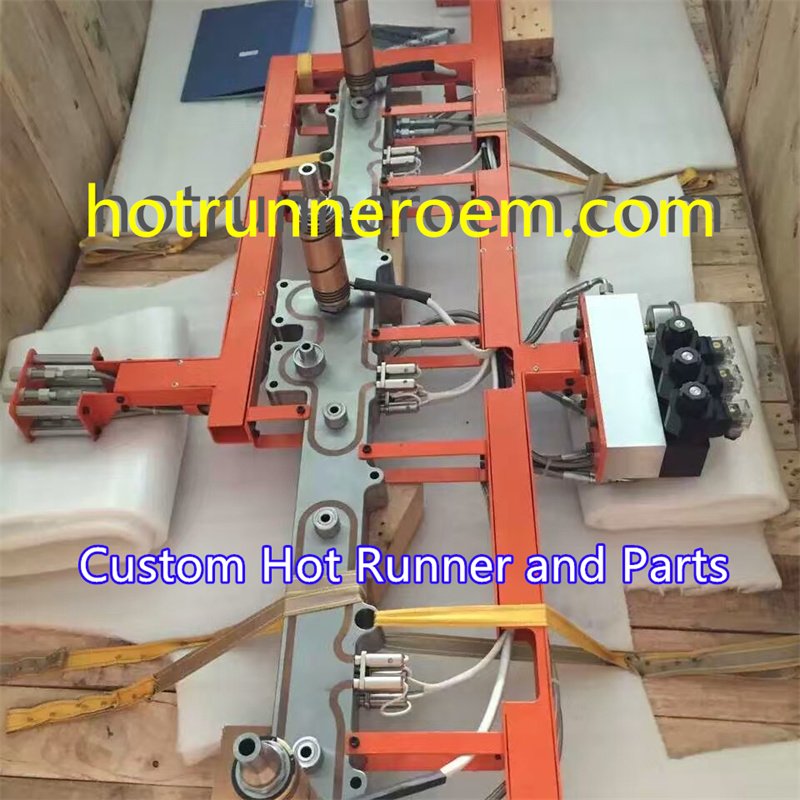
The design of the manifold and the chosen nozzle type play a big role in pricing. Simpler, standard designs are usually more affordable, while custom or complex manifolds tend to increase costs. For example, a straightforward hot runner manifold may save you money upfront, but if you need a specialized nozzle for a tricky part, expect to pay more. You can explore different hot runner nozzle options to find the best fit for your mold.
Valve Gate vs. Open Nozzle Pricing
The choice between valve gate systems and open nozzle configurations directly impacts your quote. Valve gate hot runners offer better control over part quality, but they come with higher initial costs. Open nozzles are cheaper but might require more tuning or lead to issues like flashing. Your decision depends on your quality needs versus budget constraints.
Heating Elements and Temperature Controllers
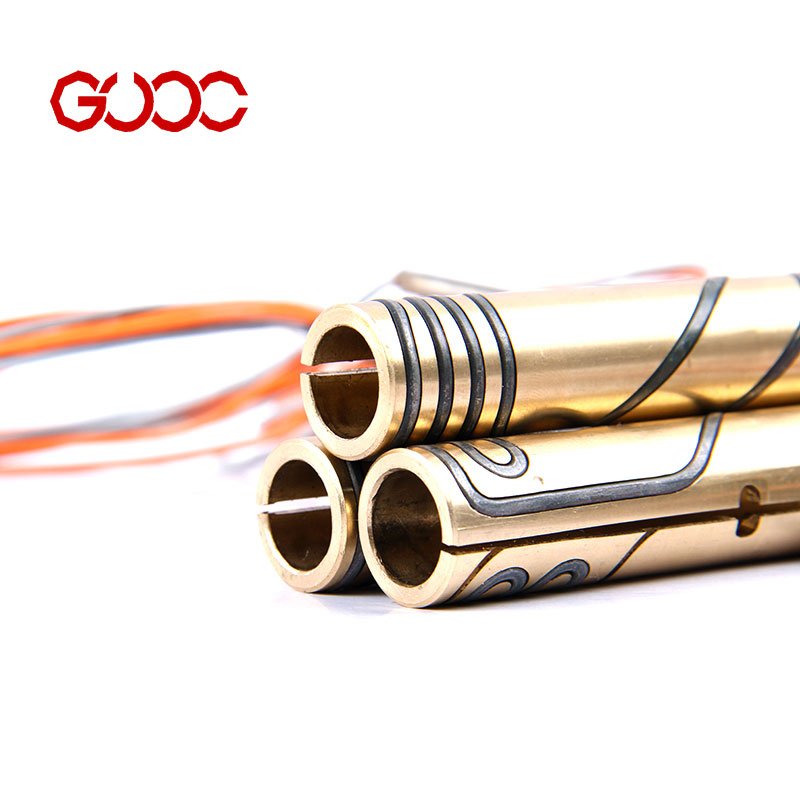
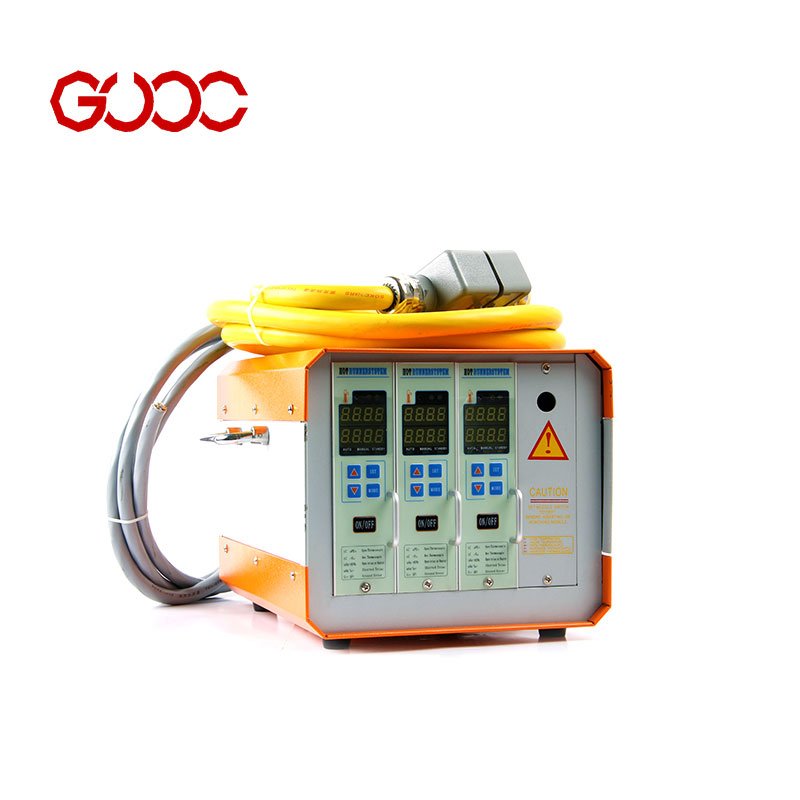
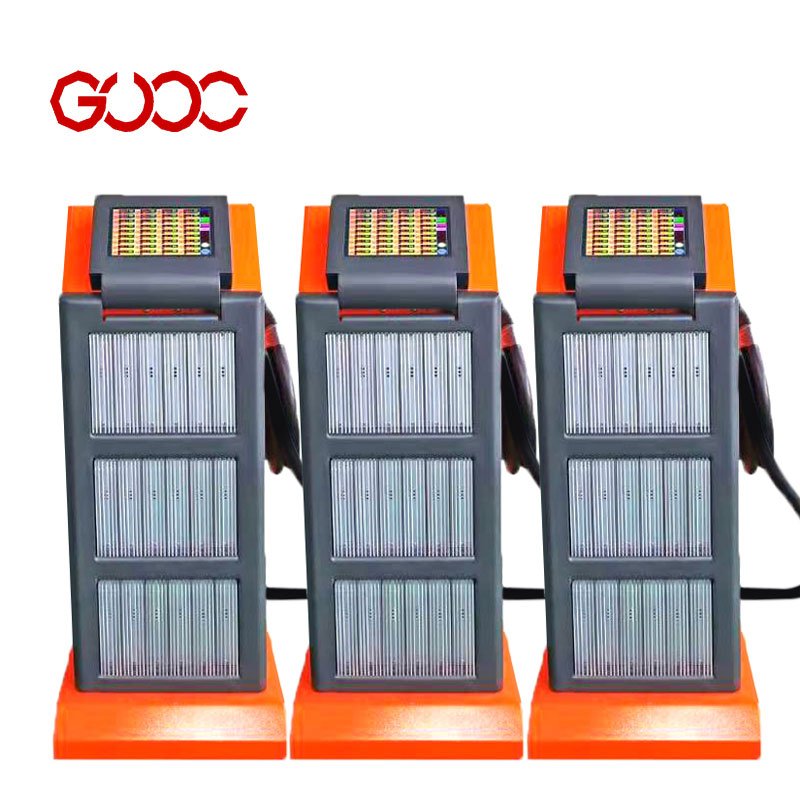
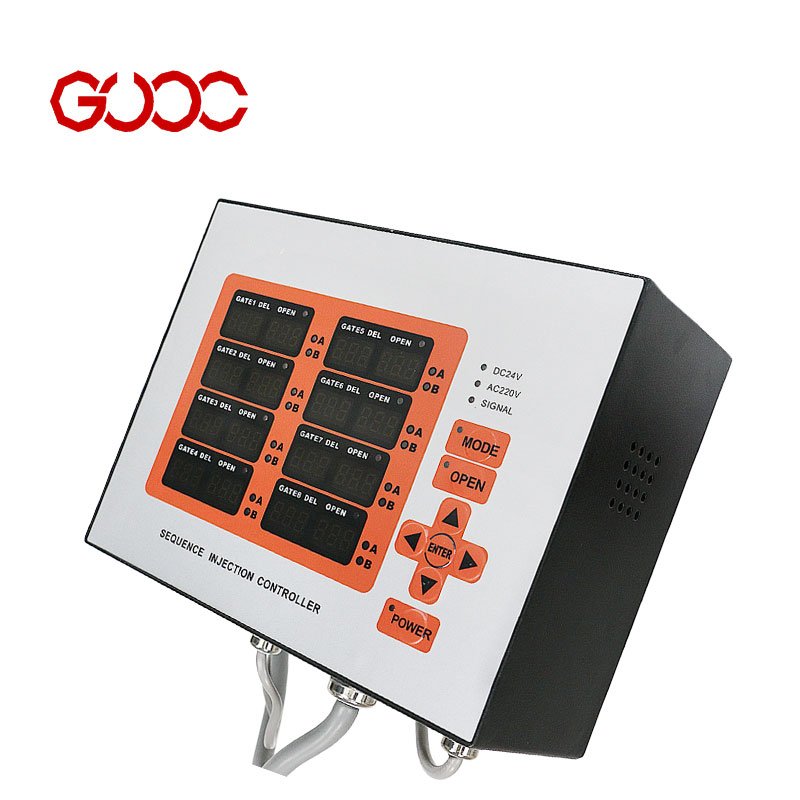
Reliable heating elements and precise temperature controllers are critical for good part quality and consistent production. Prices vary depending on the brand and sophistication of these components. Chinese suppliers often offer both standard and advanced hot runner temperature controllers, so verify their compatibility with your mold design. Investing in top-tier controllers can reduce maintenance and improve lifespan.
Customization, Cavity Count, and Mold Compatibility
Every mold is unique, so customization adds to the quote. Higher cavity counts or complex cavity layouts increase system costs, especially if you need special features like multi-zone temperature control or flexible nozzle configurations. Make sure your chosen system aligns with your mold’s specifications to avoid costly modifications later.
By considering these factors, you can better gauge what influences your hot runner system pricing and ensure your investment matches your production needs.
Value Beyond the Sticker Price
Choosing Chinese hot runner systems isn’t just about the initial cost. The real value often comes from the long-term savings and efficiency gains. For example, high-quality Chinese hot runner manifolds, available at more affordable pricing, can help reduce material waste and scrap. This is especially true if the system is optimized for your specific mold and part design. Plus, with faster cycle times and higher overall output, you can increase your productivity without sacrificing quality.
Better part quality and finish are also key benefits. As Chinese manufacturers improve their systems—like their hot runner temperature controllers—they match global standards, resulting in more precise and consistent molding results. Additionally, energy-efficient designs contribute to lower power bills and make the process more sustainable. Over time, these benefits stack up, making Chinese hot runner systems a smart choice for companies looking to balance cost and quality.
For more details on hot runner parts, check out our hot runner spare parts page, which offers insights into maintaining system efficiency and longevity.
Risks and How to Reduce Them
Working with Chinese hot runner suppliers can bring big cost savings, but it also introduces certain risks. One of the main concerns is supplier quality differences. Not all manufacturers maintain the same standards, so it\’s important to carefully evaluate their track record. Some suppliers may cut corners on materials or manufacturing processes, which can lead to inconsistent hot runner performance and higher long-term costs.
Integration and maintenance issues also pose potential challenges. Chinese hot runner systems might require specific adjustments or customizations to fit your molds, especially when dealing with complex cavity setups. Proper installation, ongoing maintenance, and troubleshooting can be more demanding if support isn\’t readily available or if technical documentation is lacking.
To mitigate these risks, thorough testing, audits, and certifications are essential. Before committing, it’s wise to verify that the supplier\’s products meet international standards, including RoHS, REACH, or ISO certifications. Performing factory audits and requesting sample testing can reveal potential issues early, saving time and expense later.
Lastly, questions about warranty and after-sales support should not be overlooked. Reliable Chinese hot runner suppliers should provide clear warranties and accessible technical support. Asking for references or case studies, and confirming their responsiveness, helps ensure you won’t be left stranded if problems arise.
By carefully assessing these factors—supplier quality, integration, testing, and support—you can confidently leverage the cost benefits Chinese manufacturing offers without compromising on system reliability or performance.
How to Source Hot Runners from China
When looking for a reliable China hot runner system manufacturer or supplier, it’s important to ask the right questions early on. Start with supplier evaluation questions such as: What is their experience in hot runner manufacturing? and Do they have certifications or quality audits? These help ensure you\’re partnering with a provider that understands the nuances of hot runner injection mold cost and design.
A quick way to spot potential issues is by spotting red flags—such as inconsistent communication, lack of technical documentation, or unwillingness to provide references. Remember, a reputable Chinese hot runner supplier should be transparent about their process and quality control procedures, especially when it comes to its systems’ performance and durability.
Why do dedicated hot runner manufacturers matter? Because specialists in hot runner systems tend to deliver better, more tailored solutions that match your production needs. They know how to optimize the manifold design, nozzle type, and heater specifications to save on the overall hot runner system pricing factors.
When choosing a supplier, consider your volume, complexity of the mold, and budget constraints. For high-volume production, cost-effective, but reliable hot runner manifolds from China can significantly reduce overall injection mold costs. For custom or complex needs, look for manufacturers that offer tailored solutions, ensuring the hot runner system will work seamlessly with your existing mold setup. For more detailed sourcing tips, see our hot runner temperature controller suppliers, which can help you select the right components for your system.
Future Hot Runner Pricing Trends
Looking ahead, hot runner pricing is expected to evolve alongside the rapid development of smart controllers, automation, and Industry 4.0 integration. These innovations will likely drive up initial system costs but can lead to significant savings in long-term operation and maintenance. For instance, advanced hot runner controllers with IoT capabilities offer real-time monitoring and more precise temperature regulation, which can improve mold performance and reduce scrap. You can explore hot runner controller options to see how these features benefit your production.
Despite the rise of automation, Chinese manufacturers are expected to remain highly competitive in pricing. Their ability to scale efficiently and leverage cost-effective supply chains keeps hot runner systems affordable. This ongoing cost advantage means buyers can expect continued affordability compared to European or North American counterparts.
However, as technology advances, buyers should prepare for a mix of cost-saving opportunities and new considerations. For example, investing in hot runner temperature controllers with smart features may have a higher upfront price but significantly lower operational costs over time. The key for buyers is to balance initial investment with long-term efficiency gains.
In the coming years, the landscape will likely feature more customizable and digitally integrated hot runner solutions, making it essential for buyers to stay updated on innovations. Overall, Chinese hot runner suppliers are positioned to maintain their affordability edge while offering increasingly sophisticated systems, shaping the future of hot runner pricing.
 English
  Spanish
  French
  Portuguese
  Italian