 Skip to content
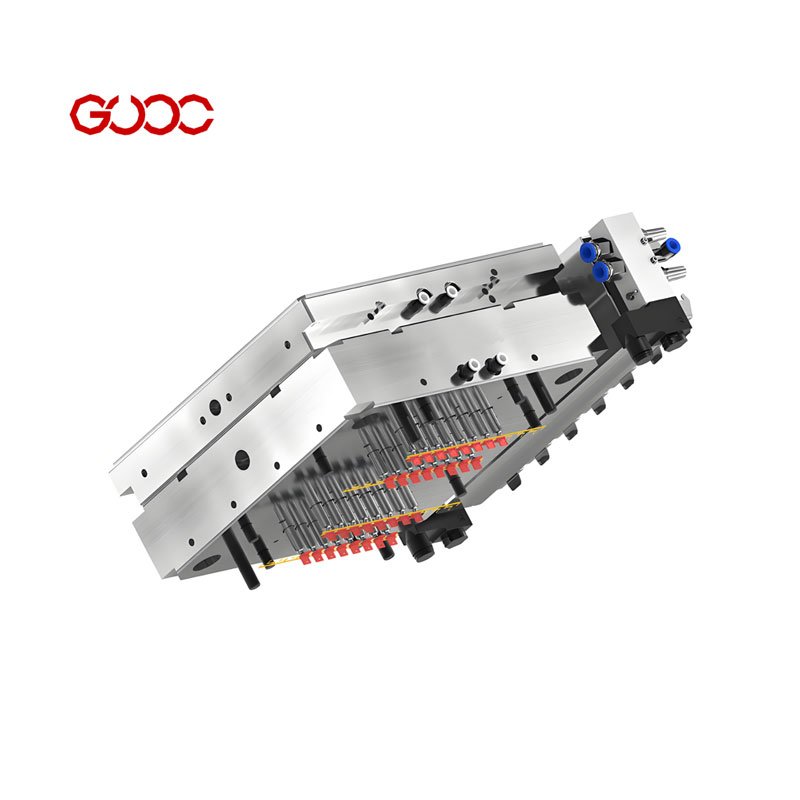
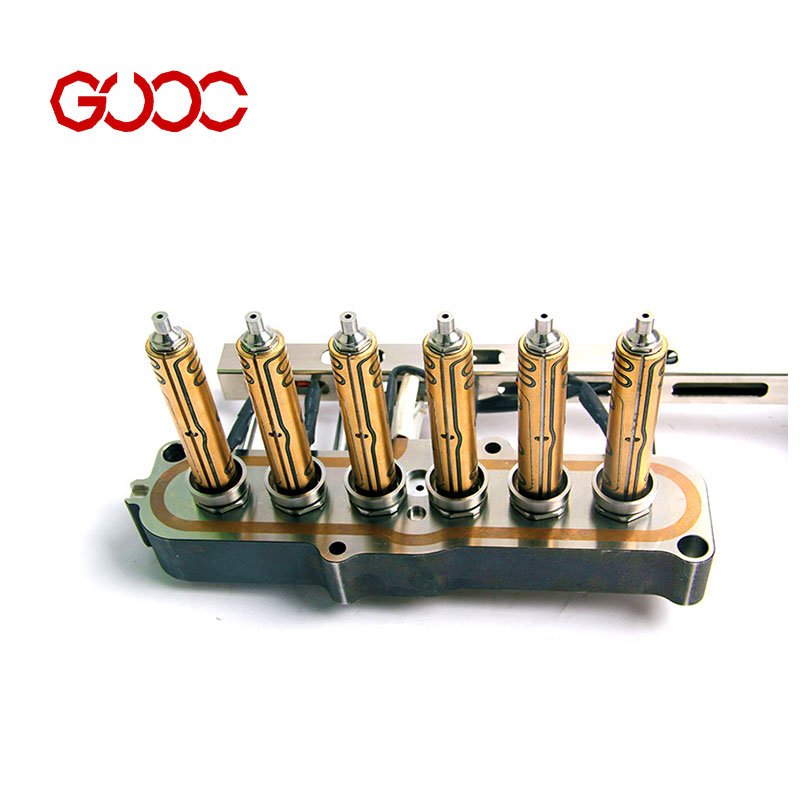
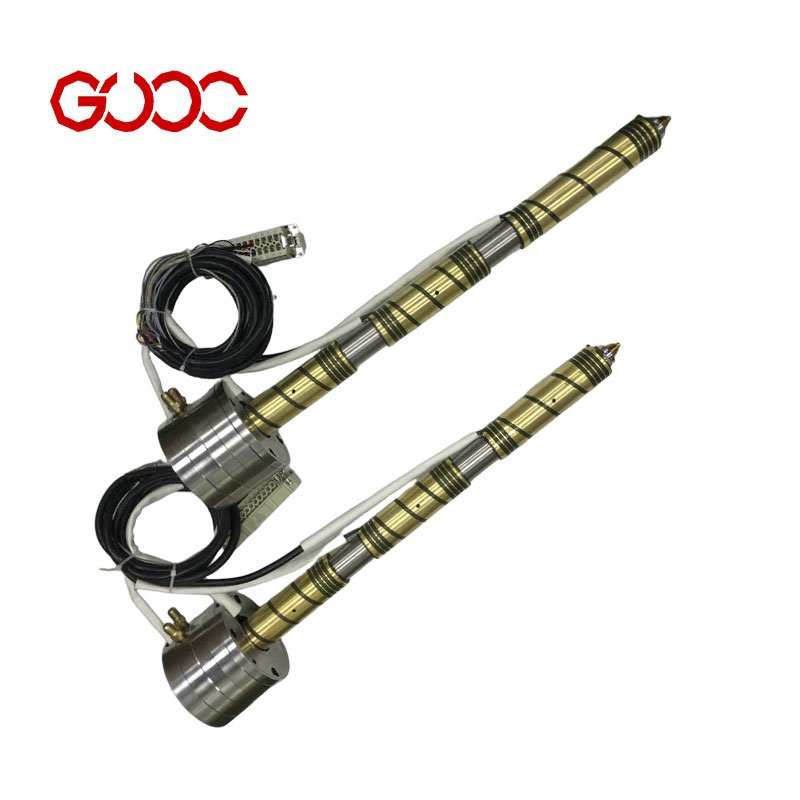
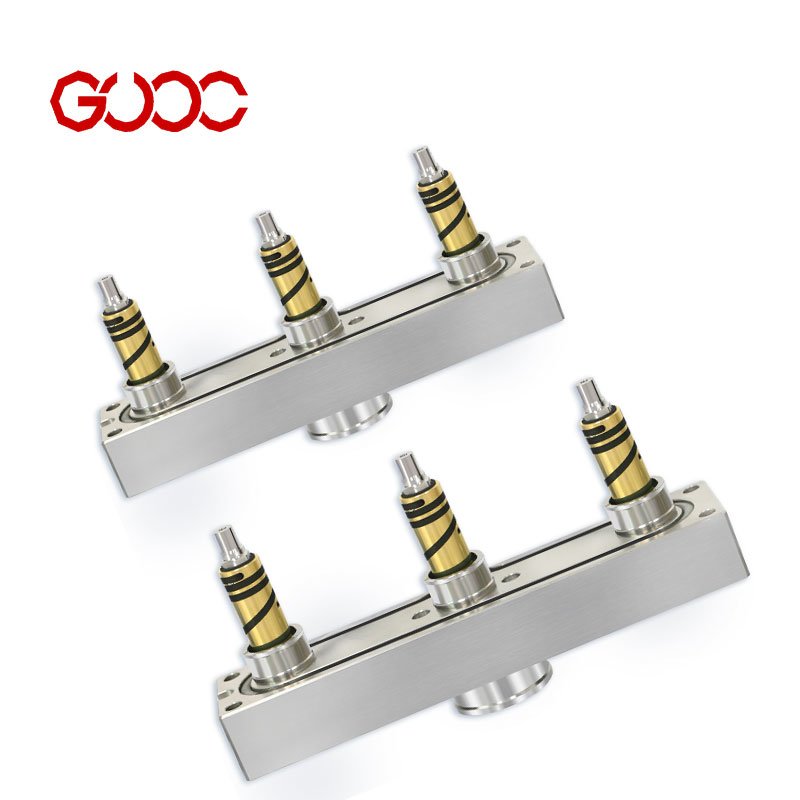
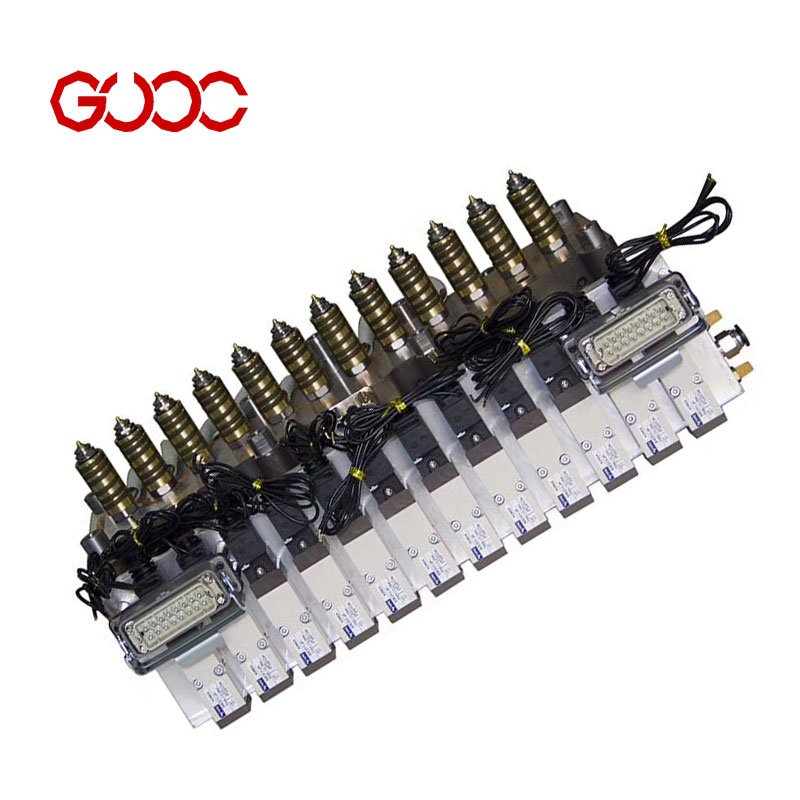
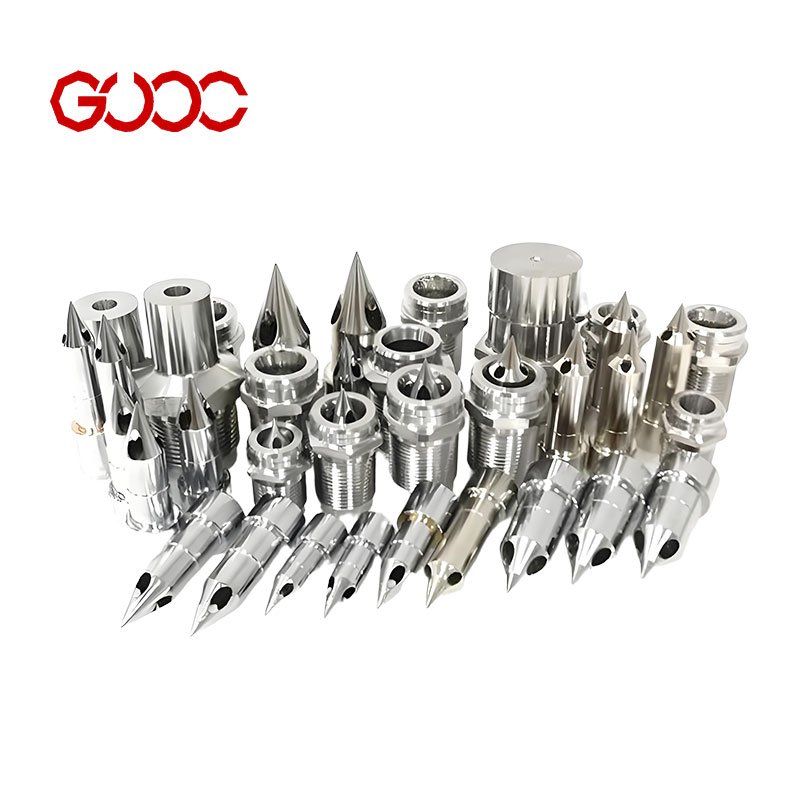
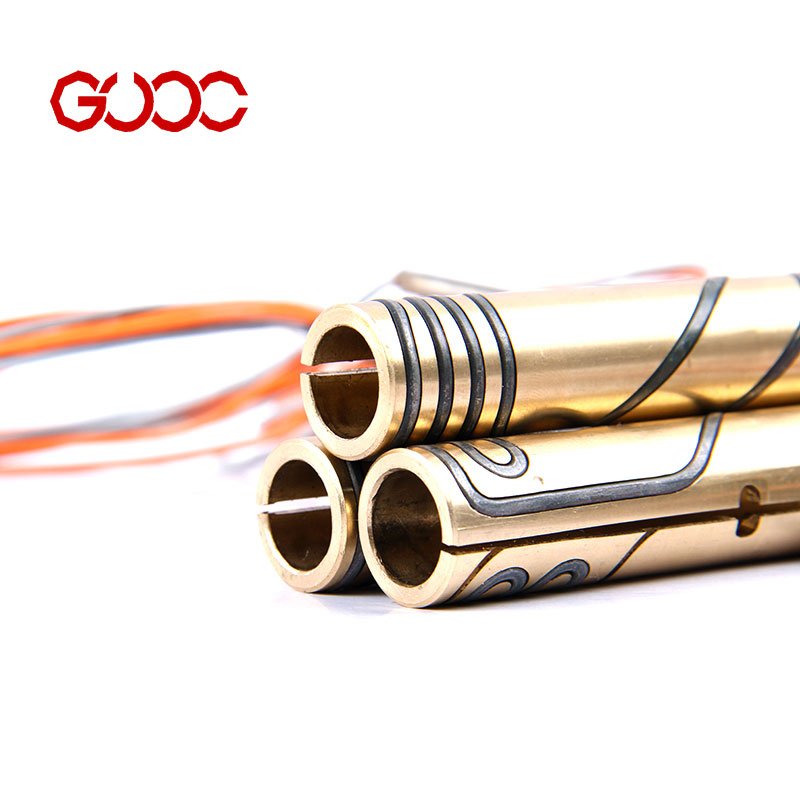
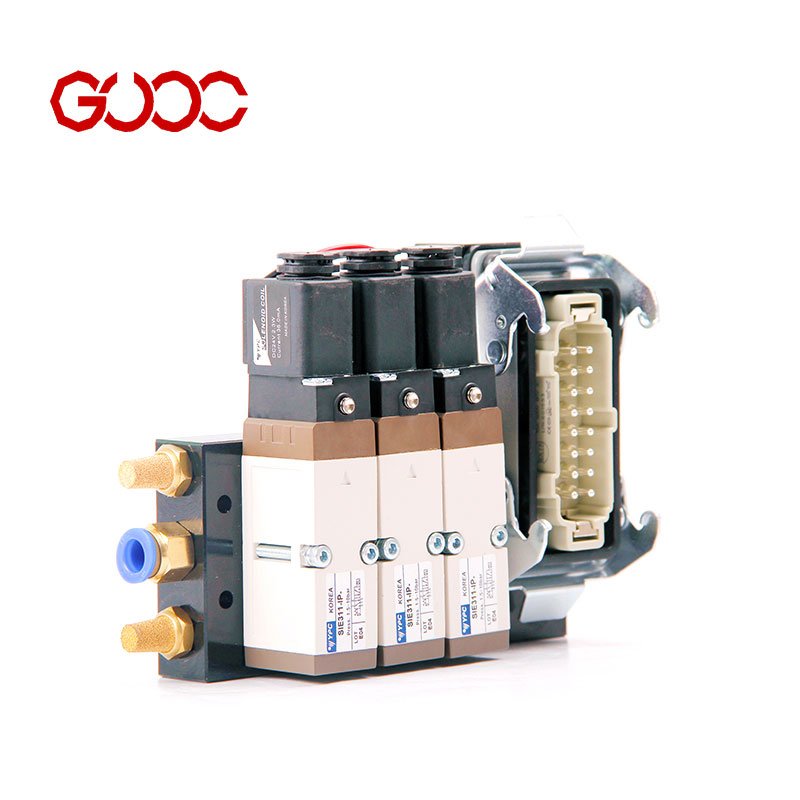
What is an Integrated Needle Valve Hot Runner Cylinder Control Board?
Definition and Working Principle
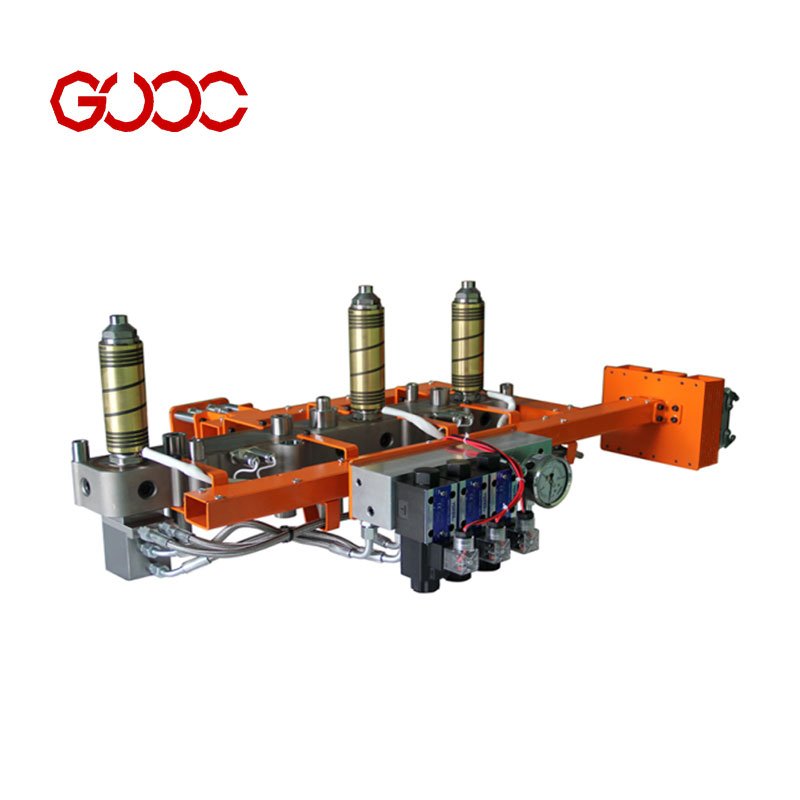
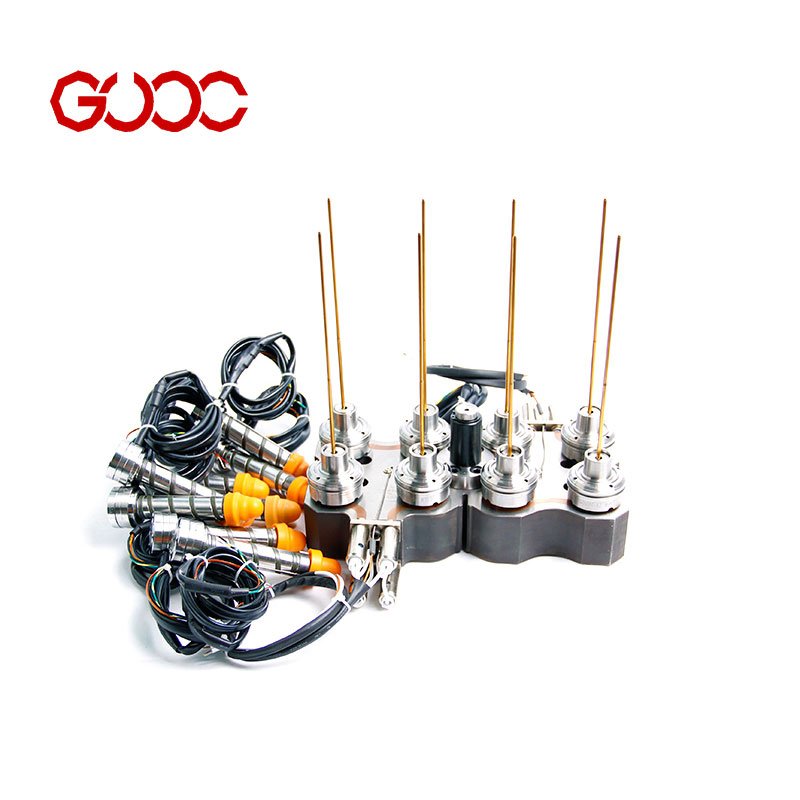
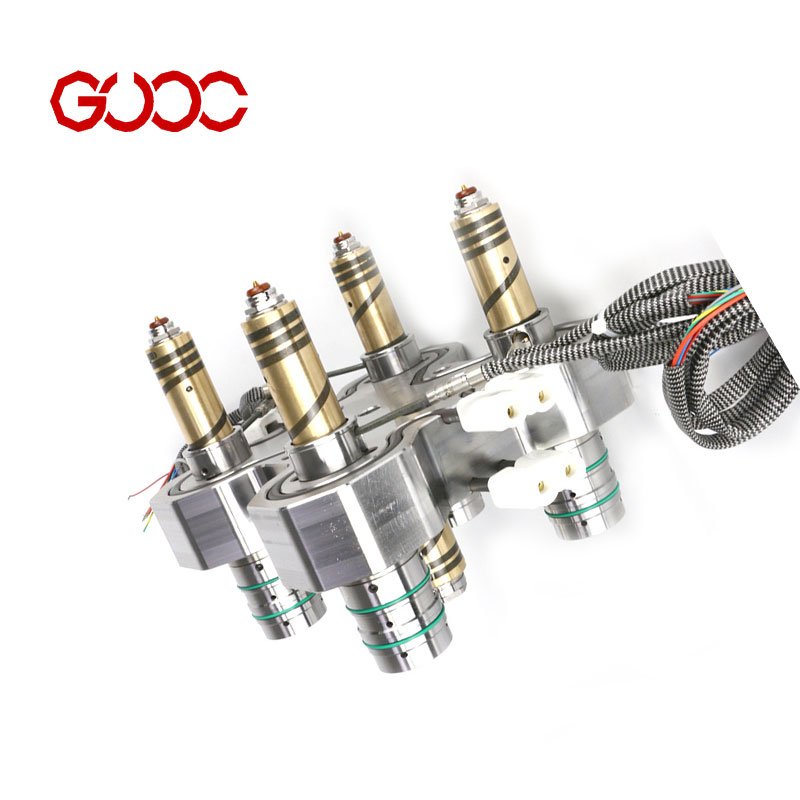
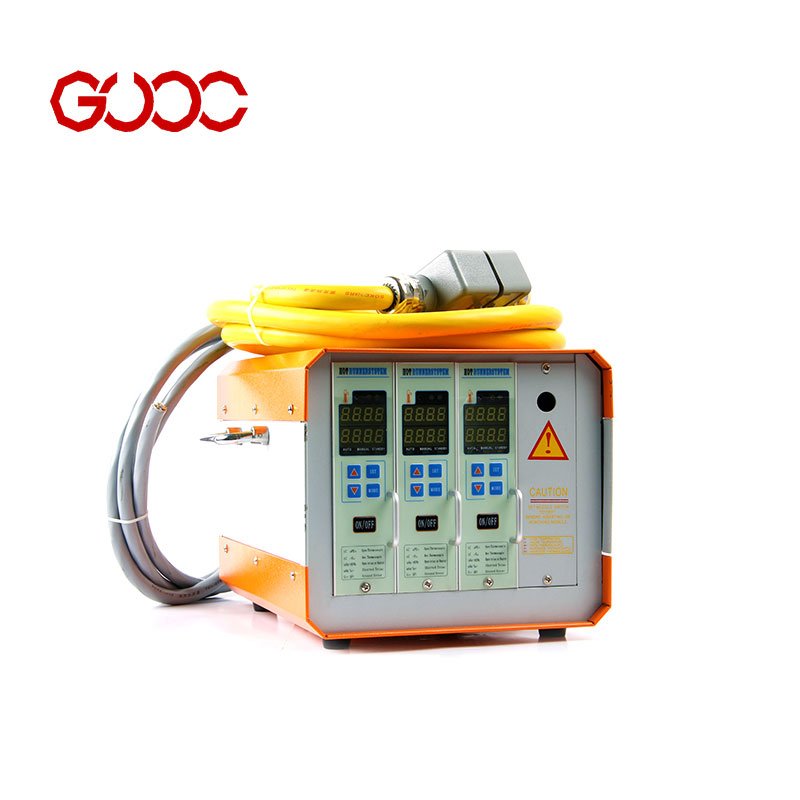
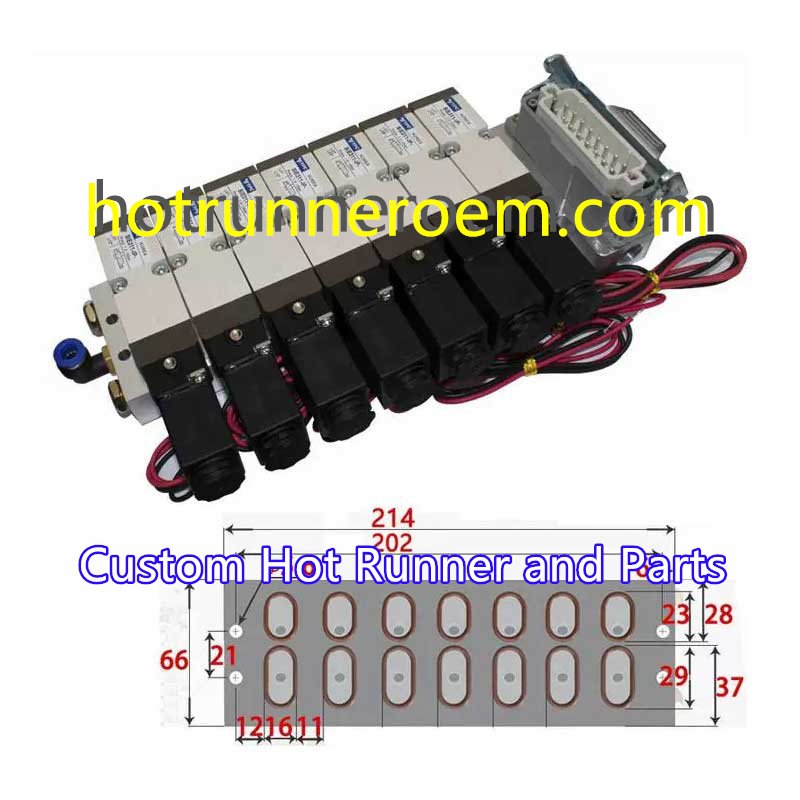
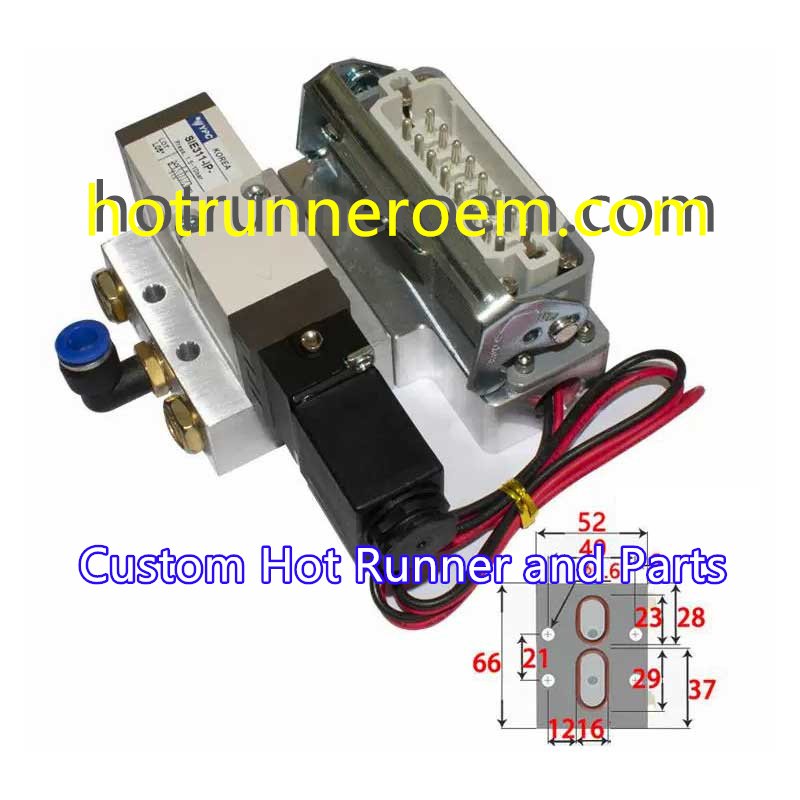
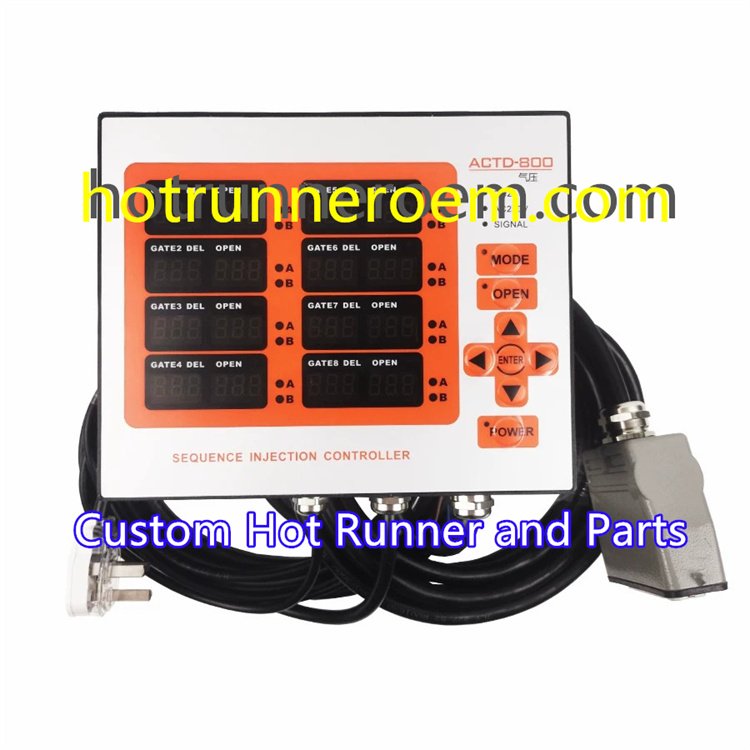
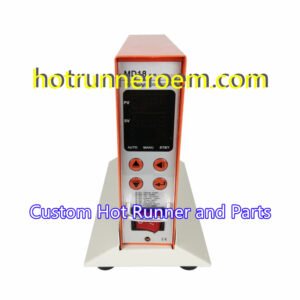
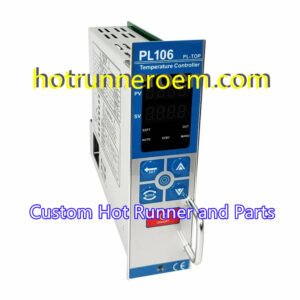
An integrated needle valve hot runner cylinder control board is a specialized electronic system designed to precisely control the needle valve actuation in hot runner systems. It manages the movement of pneumatic or hydraulic cylinders that open and close the gate within a plastic injection mold. By accurately regulating the cylinder’s position, it ensures consistent gate sealing and material flow. This control board integrates seamlessly with the hot half and temperature controllers, providing synchronized operation for optimal injection molding performance.
Core Functions in Hot Runner Injection Molding
This control board plays a vital role in hot runner systems by providing precise valve gate timing and sequence control. It ensures that each cavity opens and closes at the right moment, reducing defects like short shots or flash. It also maintains stable gate vestige, improving surface finish and part quality. Additionally, it prevents material drooling and stringing, which are common issues in high-precision molding. Overall, it shortens cycle times and boosts manufacturing efficiency, making it a critical component in modern injection molding.
Key System Components
The integrated hot runner cylinder control board typically includes:
– Microcontroller units for precise timing and actuation
– Pneumatic or hydraulic valve drivers to operate cylinders
– Interface modules for communication with temperature controllers and sequence timers
– Feedback sensors to monitor cylinder position
– Protection circuits to ensure system safety and durability
This combination ensures reliable, synchronized operation of the valve gate system, delivering high-quality molded parts consistently.
Key Features and Benefits of Integrated Valve Cylinder Control Boards
An integrated needle valve type hot runner cylinder control board helps me keep a valve gate system steady, simple to manage, and ready for OEM production. In hot runner injection molding, the main value is control: clean opening, clean closing, and better repeatability across the plastic injection mold.
Precise Valve Gate Timing and Sequential Injection
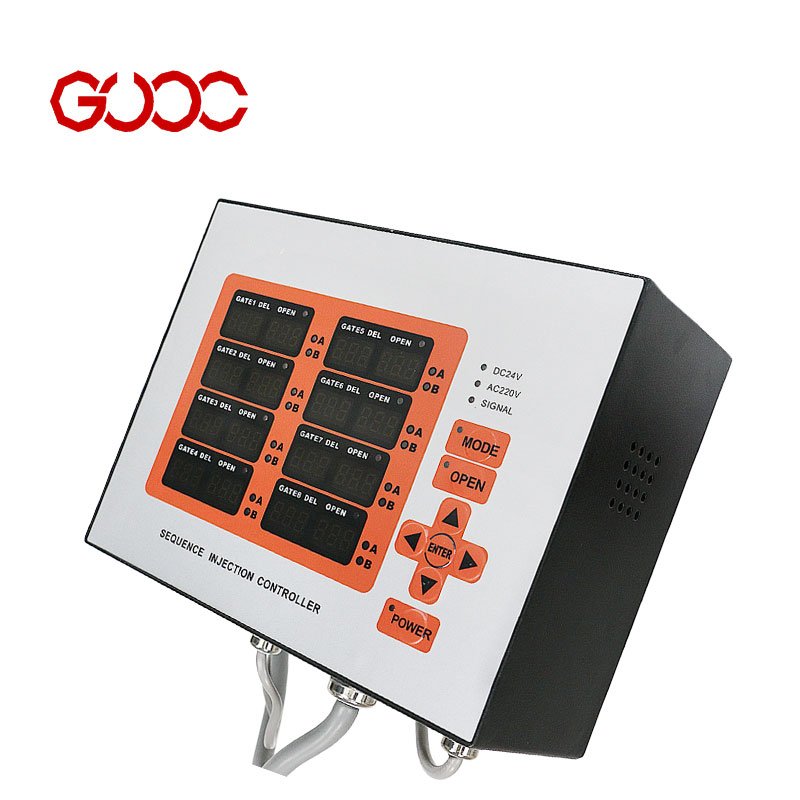
A hot runner cylinder control board is used to manage timing in a valve gate system and sequence timer setup. That gives tighter control over when each gate opens and closes.
- More stable injection order
- Better control for multi-cavity runs
- Easier coordination with the manifold block and temperature controller
This is especially useful when the process needs clean sequence timing, like in an integrated valve pin hot runner system.
Improved Surface Finish and Gate Mark Quality
When timing is controlled well, the melt flow is easier to manage. That usually helps reduce visible marks at the gate area and keeps the part finish more consistent.
| Benefit | What it helps with |
|---|---|
| Better timing control | Cleaner gate opening and closing |
| Stable melt flow | More even part appearance |
| Consistent operation | Better repeatability in production |
Prevention of Material Drooling and Stringing
A well-matched integrated needle valve type hot runner cylinder control board helps reduce unwanted drooling at the gate. That matters when I want cleaner parts and less cleanup at the press.
It also helps with:
- Less stringing near the gate
- More controlled shut-off
- Cleaner part release in the valve gate system
Shorter Cycle Times and Increased Efficiency
Good control can support faster, smoother molding cycles. In real production, that means less waiting, less rework, and better line flow.
For global buyers, that usually means:
- More stable output
- Easier process control
- Better fit for OEM hot runner system manufacturer requirements
- Cleaner integration with hot half and temperature control units
| Result | Practical impact |
|---|---|
| Faster cycle control | Better production efficiency |
| Controlled valve action | Less waste at the gate |
| Integrated setup | Easier system management |
For more on gate structure and system matching, the hot runner gate types guide is a useful reference.
Types of Hot Runner Needle Valve Cylinder Control Systems
A hot runner cylinder control board is used to manage valve gate motion in a valve gate system, helping the injection molding process stay stable, clean, and repeatable. In my work with OEM hot runner projects, I group these systems by actuation style and zone setup, because the right match depends on the plastic injection mold, cavity layout, and control needs.
Pneumatic Cylinder Control Boards
Pneumatic systems use air-driven actuation for the valve gate movement. They are a common fit when the mold setup needs simple control, fast response, and easier integration with a standard sequence timer or temperature controller. For many production lines, this is a practical choice when the focus is stable gate opening and closing without adding unnecessary complexity.
- Simple structure for everyday production use
- Works well with valve gate timing control
- Useful for molds that need clean shutoff and reduced gate vestige
Hydraulic Cylinder Control Boards
Hydraulic systems are chosen when stronger actuation is needed for the needle valve motion. They are often selected for demanding mold conditions where the control of the valve pin must stay firm and consistent. In a hot runner system manufacturer setup, this type is typically matched to the mold design and the required process stability, rather than used as a one-size-fits-all option.
- Supports stronger valve gate actuation
- Suitable for tighter process control needs
- Used when the mold design calls for dependable movement across cycles
Multi-Zone Integrated Control Boards
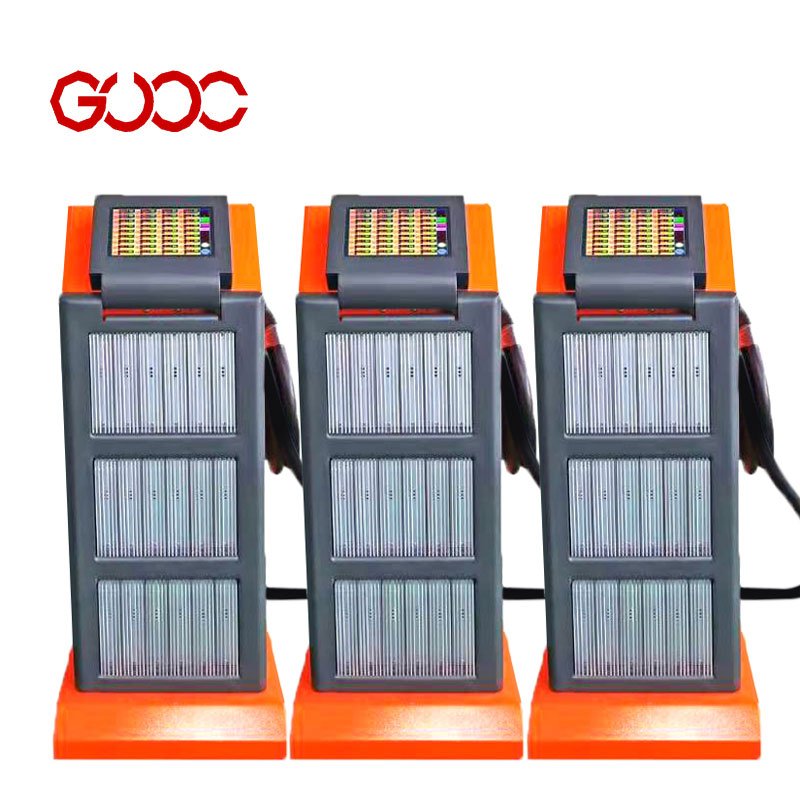
Multi-zone integrated control boards are used when several heating and control points must work together in one system. This setup is common in a hot half, manifold block, or multi-cavity platform where the control layout must stay organized and easy to manage. A well-matched multi-zone hot runner temperature control solution can help keep operation clearer across different zones.
- Better for multi-cavity and integrated hot runner setups
- Helps coordinate control across multiple zones
- Fits OEM builds that combine control, heating, and assembly in one package
For buyers comparing an Integrated needle valve type hot runner cylinder control board, the main decision is usually not the name alone. It is the match between the actuation method, zone count, mold layout, and the rest of the hot runner control system, including the temperature controller and related modules.
Key Applications in Plastic Injection Molding
Automotive Component Manufacturing
I use the hot runner cylinder control board in automotive injection molding jobs where stable valve gate timing and clean part appearance matter. It fits well with parts like fender-related components, tail light housings, and other molded pieces that need controlled flow and a cleaner gate vestige.
- Works with valve gate systems and hot half setups
- Helps support repeatable injection on larger or more demanding parts
- Good fit for OEM programs that need consistent process control
For larger projects, I also align it with a full hot runner system injection molding solution so the board, manifold block, and temperature controller work as one system.
Precision Medical and Electronic Parts
For precision parts, I keep the focus on accurate temperature control, stable sequencing, and reliable valve action. That matters for electronic housings, connectors, chargers, fiber connector parts, and other molded components where process stability is important.
- Supports sequence timer control for cleaner cavity action
- Helps maintain steady molding conditions across multiple zones
- Useful when the part needs a smoother surface and more consistent fill
In these jobs, the integrated needle valve type hot runner cylinder control board helps keep the molding process predictable, especially when paired with the right temperature controller and hot runner components.
Multi-Cavity Packaging Products
For multi-cavity packaging products, the main need is balance. I use the hot runner cylinder control board to help manage multiple drops with more even timing and less manual adjustment.
- Better control for multi-cavity molding layouts
- Helps reduce issues like uneven filling and material stringing
- Suits production that needs stable output and repeatable quality
When the build includes related parts and accessories, I keep the system matched with the right hot runner components from China to support smooth assembly and consistent operation.
How to Select the Right Hot Runner Cylinder Control Board
Matching Actuation Type and Zone Capacity
Choosing the correct hot runner cylinder control board depends on matching the actuation type—whether pneumatic or hydraulic—to your mold’s zone capacity. Ensure the control board can handle the number of zones in your valve gate system, as this directly impacts injection precision and cycle times. Proper matching prevents system overloads and ensures reliable operation, reducing downtime and maintenance costs. For complex multi-zone molds, consider integrated control boards designed for higher capacity and seamless operation.
Comparing Needle Valve vs. Open System Controllers
When selecting a control board, compare needle valve type systems with open system controllers. Needle valve control boards are ideal for precise gate control, offering better surface finish and gate vestige reduction. Open system controllers, on the other hand, are simpler and may suit less demanding applications. The choice depends on your mold design, plastic material, and quality requirements. For detailed guidance, consult a reputable hot runner system manufacturer to ensure compatibility with your injection molding setup.
Evaluating System Compatibility and Maintenance Needs
Ensure the hot runner cylinder control board is compatible with your existing hot half and temperature controllers. Compatibility guarantees smooth integration and consistent performance. Additionally, consider ease of maintenance—opt for control boards with accessible components and clear diagnostics. Regular maintenance minimizes downtime and extends system lifespan. Reliable control boards from experienced OEM suppliers often include comprehensive support and detailed documentation, making ongoing operation straightforward.
 English
  Spanish
  French
  Portuguese
  Italian