 Skip to content


What is a Hot Runner Nozzle and How Does It Work?
Definition and Role in Injection Molding
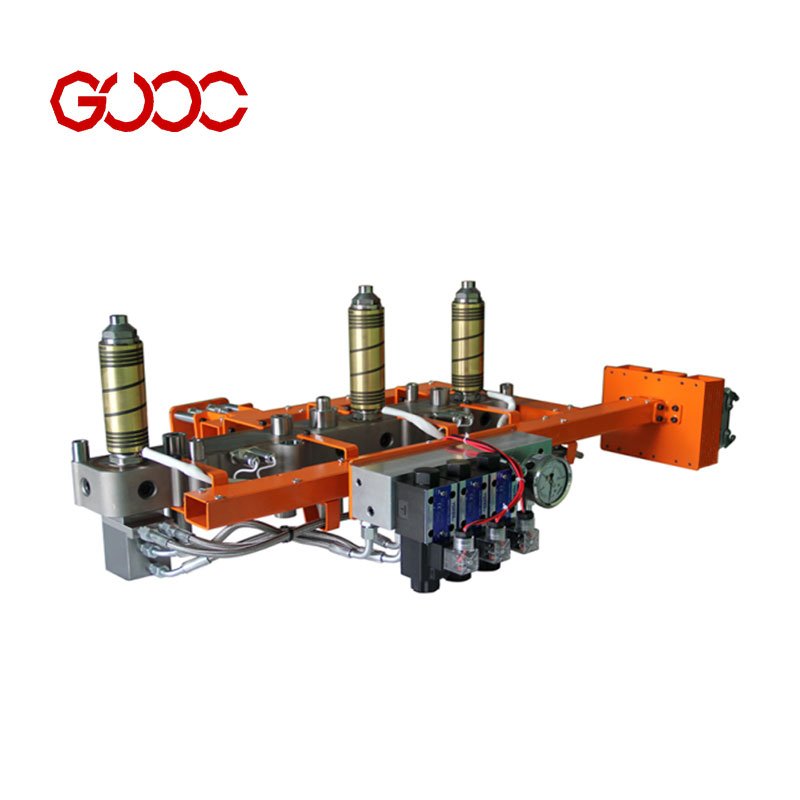
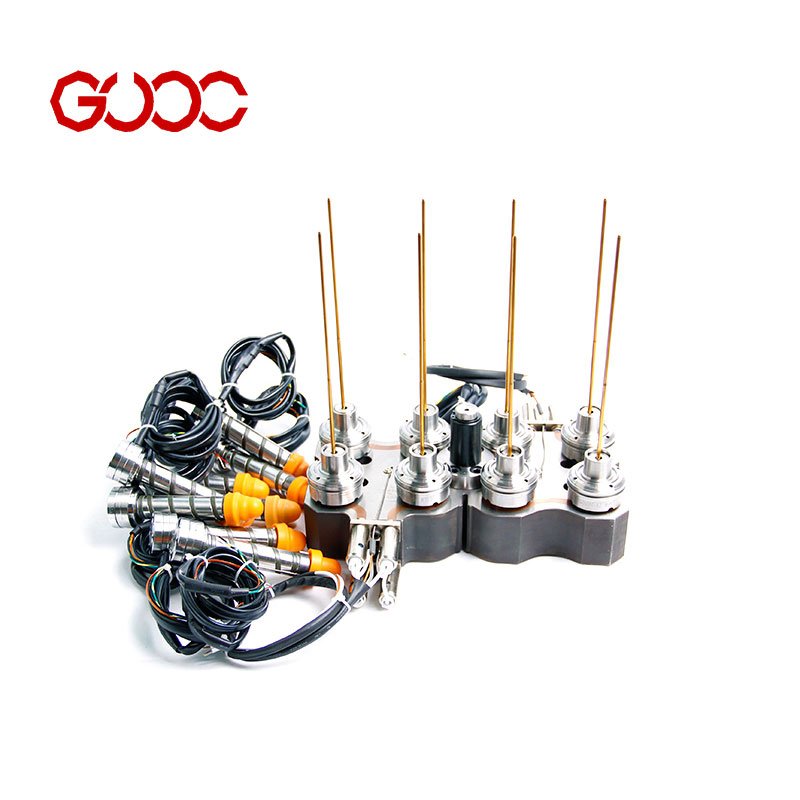
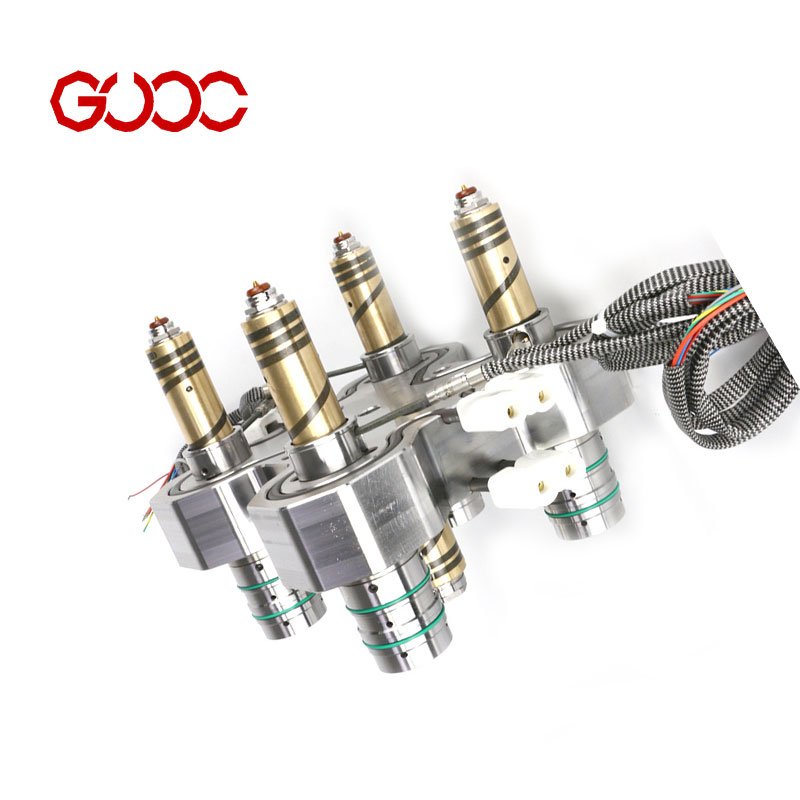
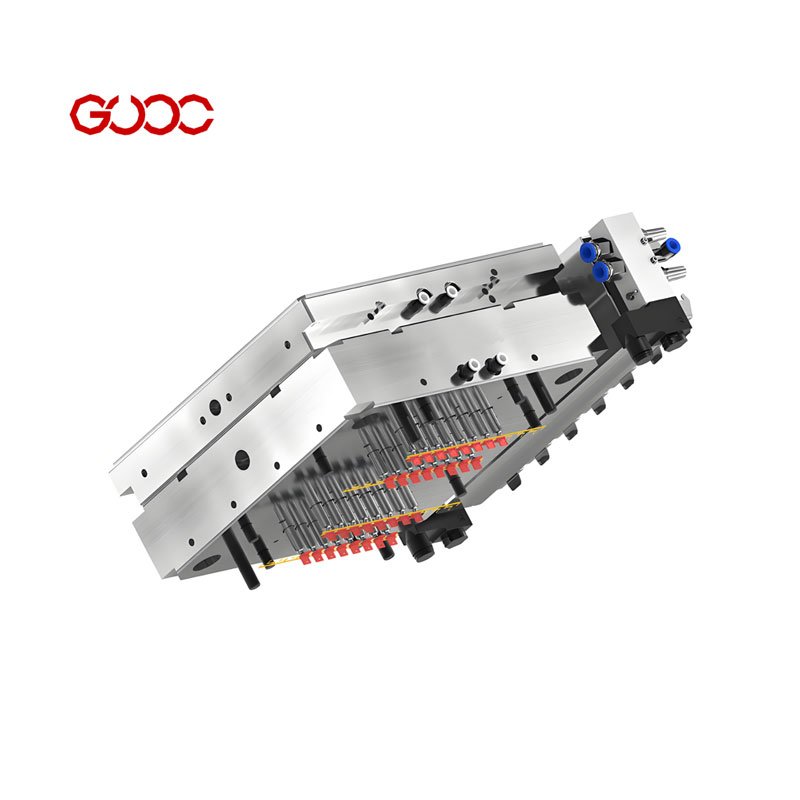
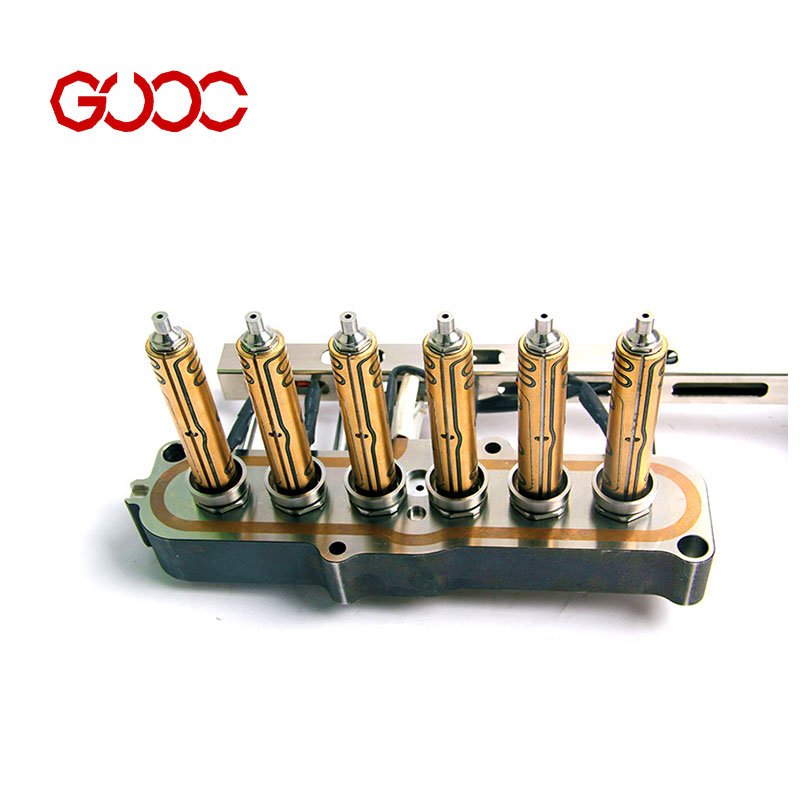
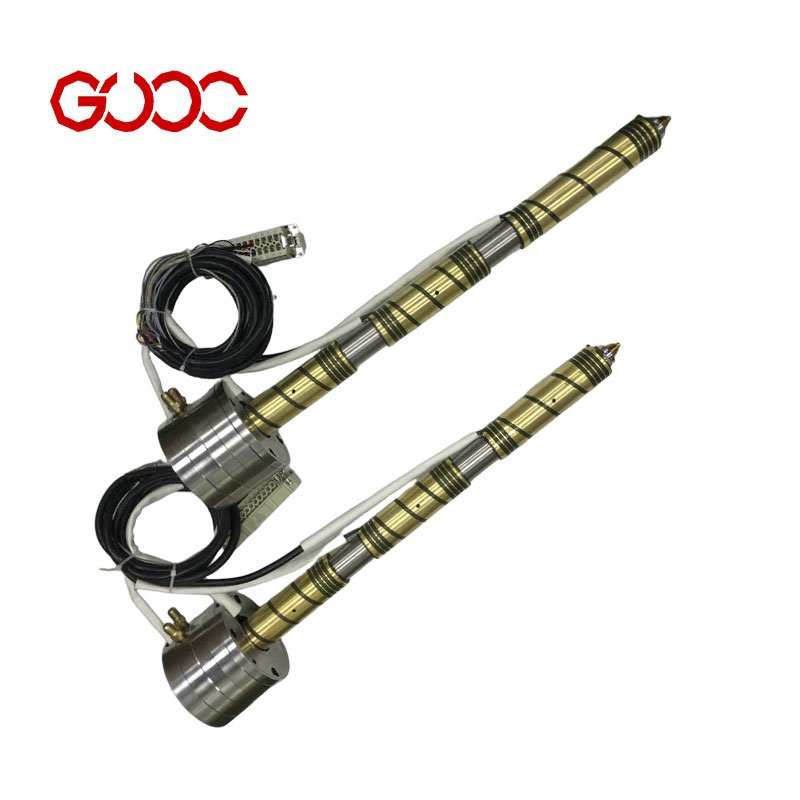
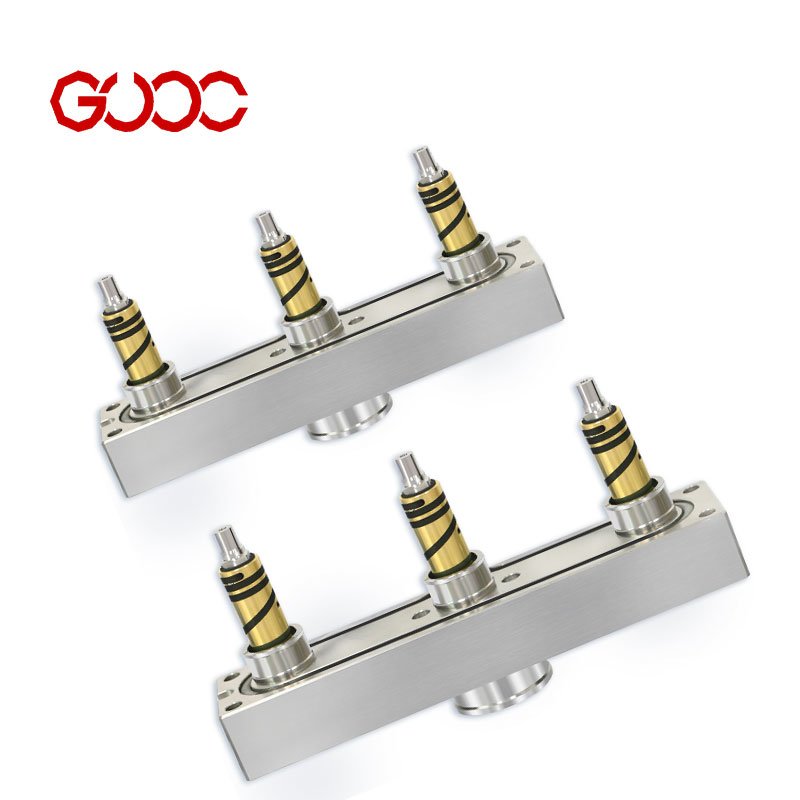
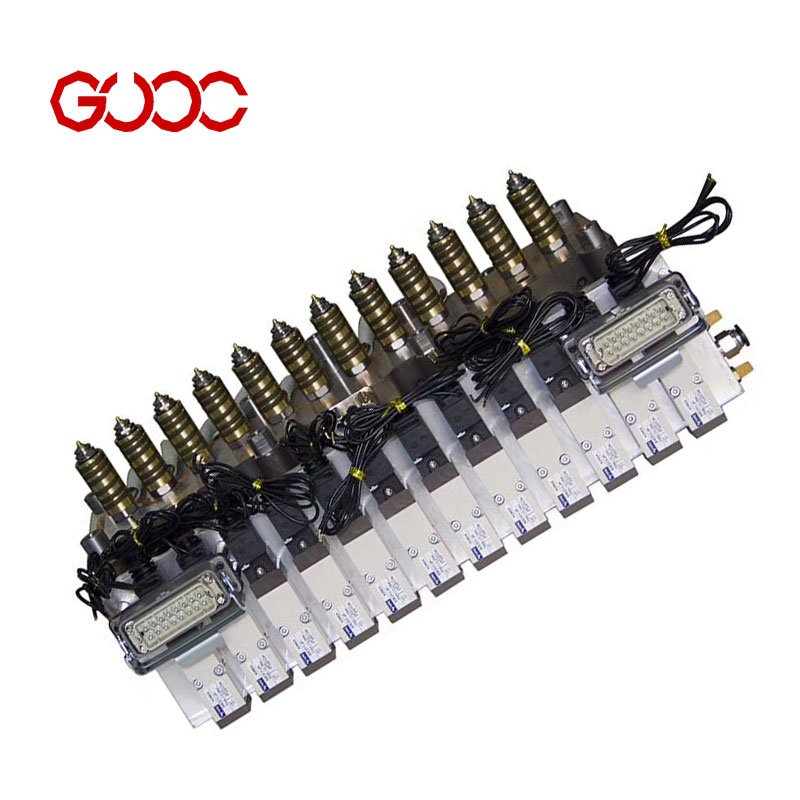
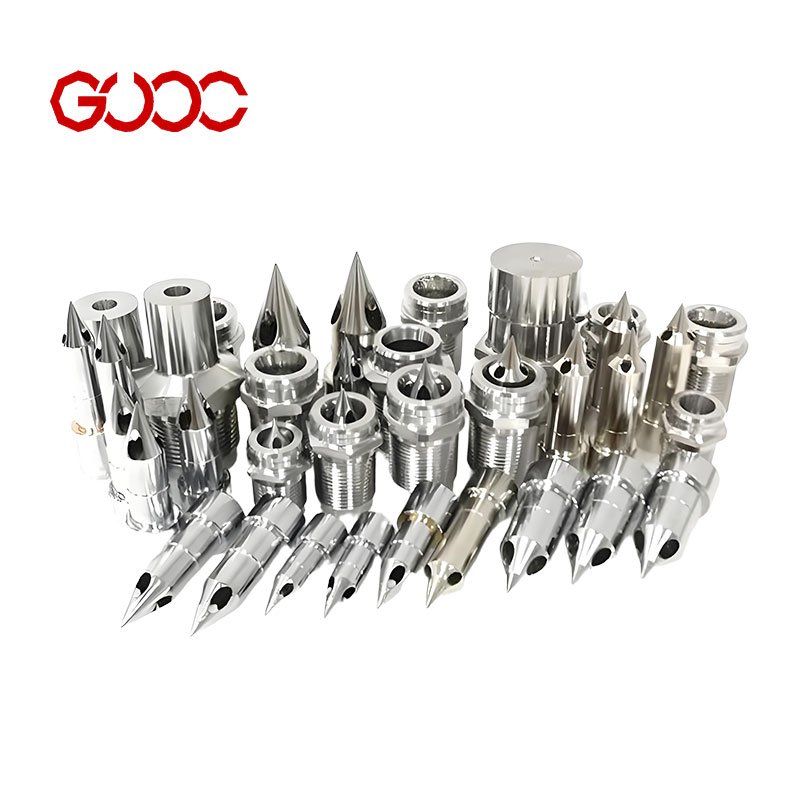
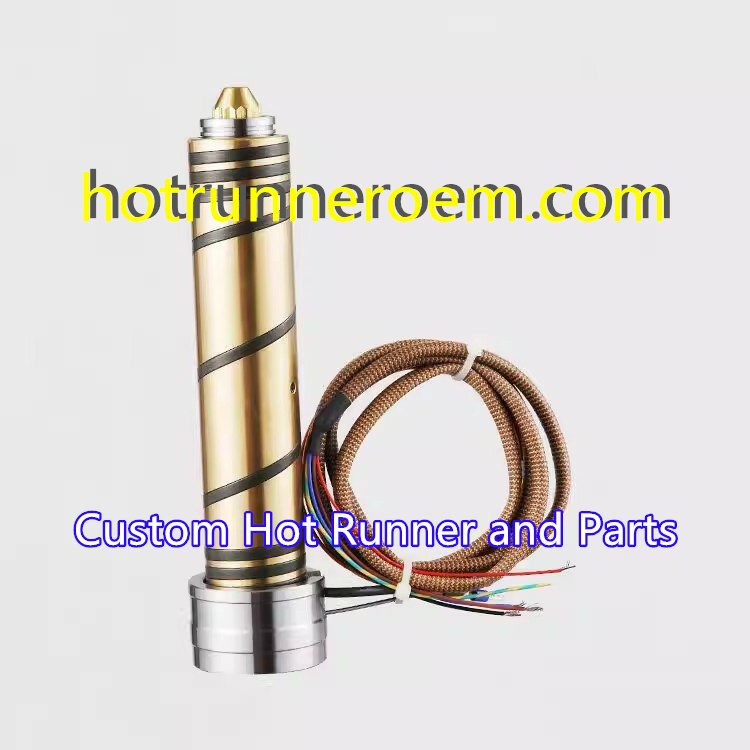
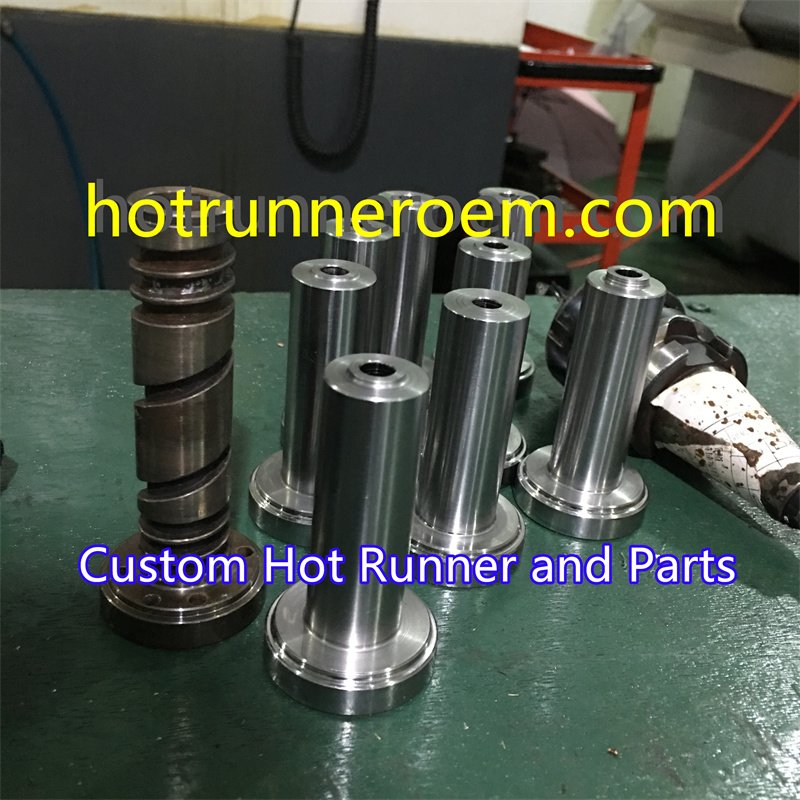
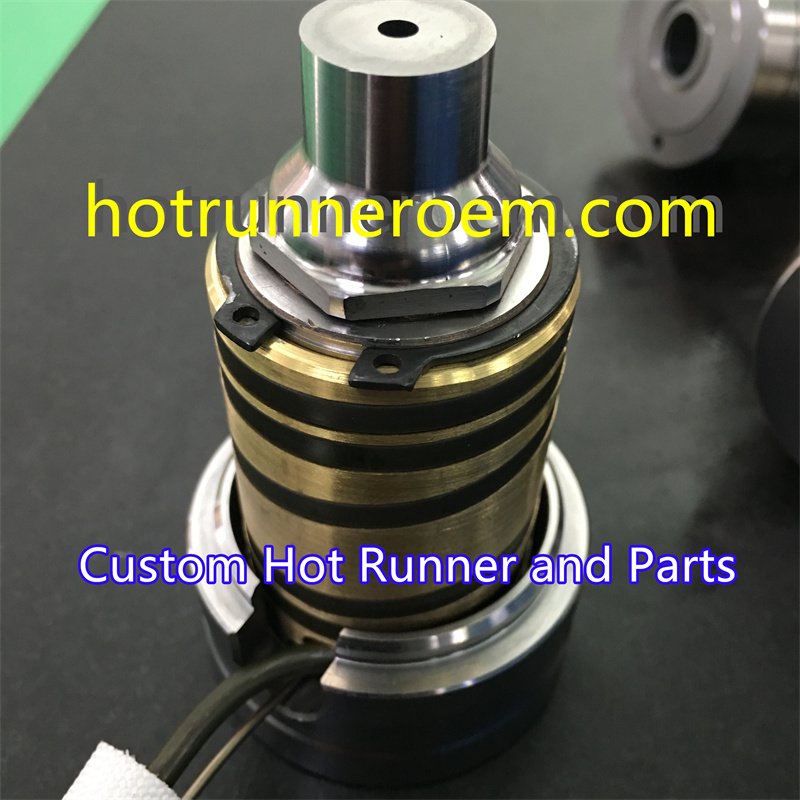
A hot runner nozzle is a core part of a hot runner system used in injection molding. It helps deliver molten plastic from the heated manifold into the mold cavity with stable flow and controlled temperature. In a complete melt delivery system, the nozzle must work closely with the manifold, heating elements, and mold design to support consistent production.
Operating Principle of Hot Runner Nozzles
A hot runner nozzle stays heated during molding so the resin remains molten while moving through the flow channel. This supports steady material delivery and helps maintain melt quality from the manifold to the nozzle tip. In custom systems, the nozzle can be designed for specific part shapes, resin types, and gating options, including open gate and valve gate layouts.
Hot Runner Nozzles vs. Cold Runner Systems
The main difference is temperature control. A hot runner nozzle keeps the plastic hot inside the runner path, while a cold runner system does not. In practice, hot runner systems are used when stable processing, cleaner flow, and custom engineering are needed for technical plastics and precision molds. For B2B buyers, this makes the hot runner nozzle a practical choice for controlled production and OEM mold applications.
Key Benefits of Hot Runner Nozzles
In injection molding, a hot runner nozzle helps move molten plastic into the mold cavity with less waste and better control. I use this approach when the job needs stable melt delivery, cleaner gating options, and a more consistent finish across the part.
| Benefit | What It Means | Result |
|---|---|---|
| Less waste | No cold runner to trim off | Lower scrap and cleaner production |
| Better control | Stable heat around the flow channel | Smoother melt flow and fewer defects |
| Faster cycles | Less cooling time in the runner system | Higher output and lower cost per part |
Reduced Material Waste and Scrap Rates
A hot runner nozzle keeps resin in the melt state all the way to the gate, so there is no solid runner to remove. That means less material loss, less regrind handling, and a cleaner process for technical plastics and common engineering resins.
- Less scrap: no hardened runner to cut off.
- Cleaner parts: better control at the mold gate.
- More efficient use of resin: useful for high-volume jobs.
Precise Temperature Control and Melt Quality
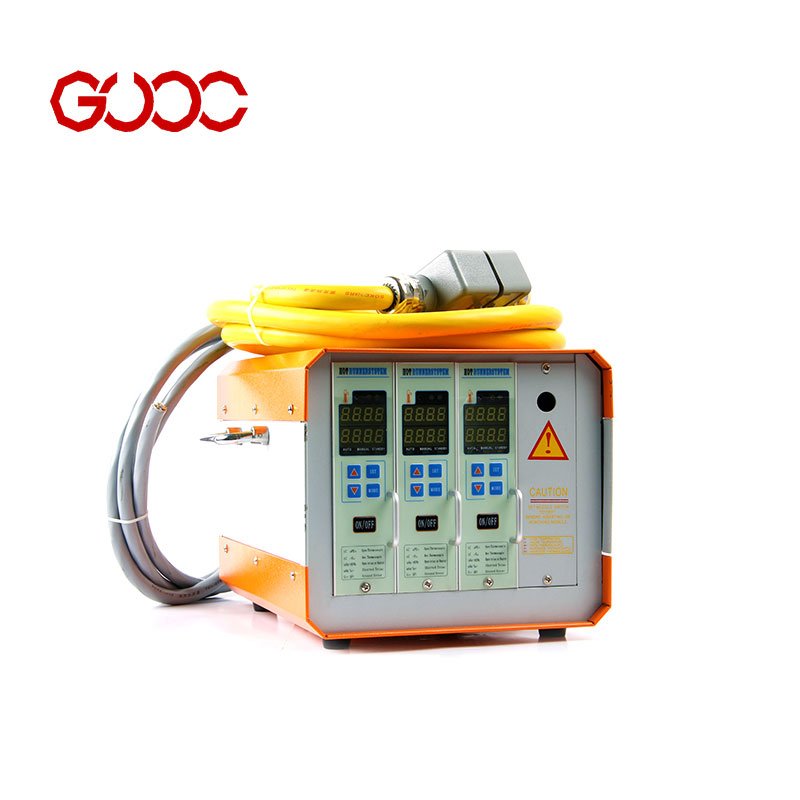
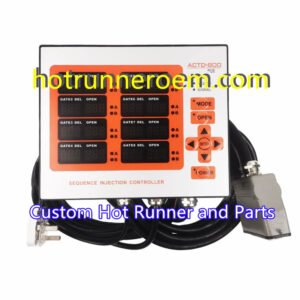
Good temperature control matters because the melt has to stay stable from the heated manifold to the nozzle tip. A well-matched hot runner temperature controller helps keep each zone steady, which supports smoother flow, better fill balance, and fewer issues like freeze off or uneven packing.
- Stable melt quality: consistent heat reduces flow swings.
- Better part surface: fewer marks from unstable melt delivery.
- More predictable molding: easier to repeat in production.
Faster Cycle Times and Lower Production Costs
Because the runner stays hot, the system does not need the same cooling time as a cold runner setup. That can shorten the molding cycle, improve output, and reduce labor tied to trimming and rework. For global production lines, that adds up fast.
- Shorter cycles: less waiting on runner cooling.
- Lower operating cost: less waste and less manual cleanup.
- Higher throughput: more parts per shift.
Main Types of Hot Runner Nozzles
Open Gate Hot Runner Nozzles
Open gate hot runner nozzles are a straightforward choice when I need direct melt delivery and a simple mold layout. For a clearer view of open and valve gate hot runner gate types, this style is often used in high-volume injection molding where the flow channel is kept direct and stable. I usually match this type with parts made from PP or PC when the mold cavity design supports an open-gate setup.
- Simple gate structure
- Direct flow into the mold cavity
- Good fit for PP and PC applications
Valve Gate Hot Runner Nozzles
Valve gate hot runner nozzles are the better fit when the job needs tighter gate control and cleaner part release. In my work, I treat this as the stronger option for technical plastics and engineering resins such as PA10T + 30% GF, PBT + 30% GF, PFA, and PC. For more detail on this control style, valve pin hot runner systems are the key reference.
- Better control at the gate
- Useful for precision mold work
- Common for engineering resin applications
Single and Multi-Tip Hot Runner Nozzles
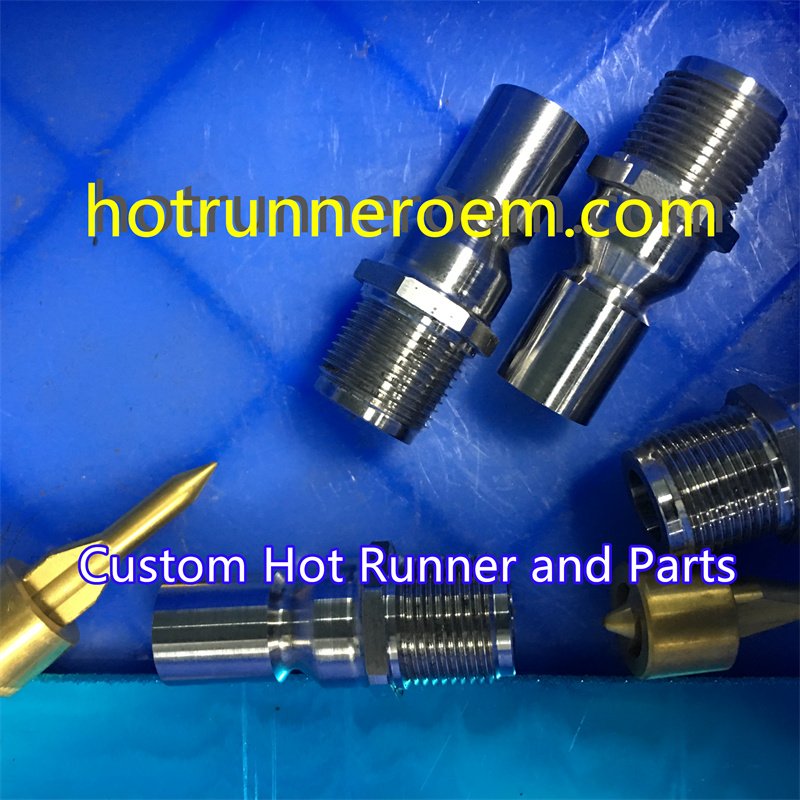
Single-tip hot runner nozzles are best when I want one focused melt path into a mold cavity. Multi-tip nozzles are used when the mold needs balanced melt delivery across more than one point. The right setup depends on part geometry, wall thickness, shot weight, and the overall melt delivery system.
| Type | Best Fit | Typical Use |
|---|---|---|
| Single-tip | Simple cavity layouts | Direct, focused injection |
| Multi-tip | Multi-cavity molds | Balanced flow across several points |
For custom hot runner nozzle projects, I choose the nozzle tip layout based on the mold structure, the resin, and the target production process.
Gating Options and System Design Considerations
Choosing the right gating system is crucial for achieving high-quality injection molding with hot runner nozzles. The two main gating options are thermal gating technology and mechanical valve gating systems, each suited for different applications and part requirements.
Thermal Gating Technology
Thermal gating uses heated channels within the hot runner system to control melt flow. The gate freezes off when the temperature drops below a set point, stopping the flow without mechanical parts. This method is simple, reliable, and ideal for parts with small or medium shot sizes. It offers consistent gating and reduces the risk of contamination or nozzle wear. For complex mold designs, thermal gating can be integrated into the heated manifold, ensuring precise control over the melt delivery system.
Mechanical Valve Gating Systems
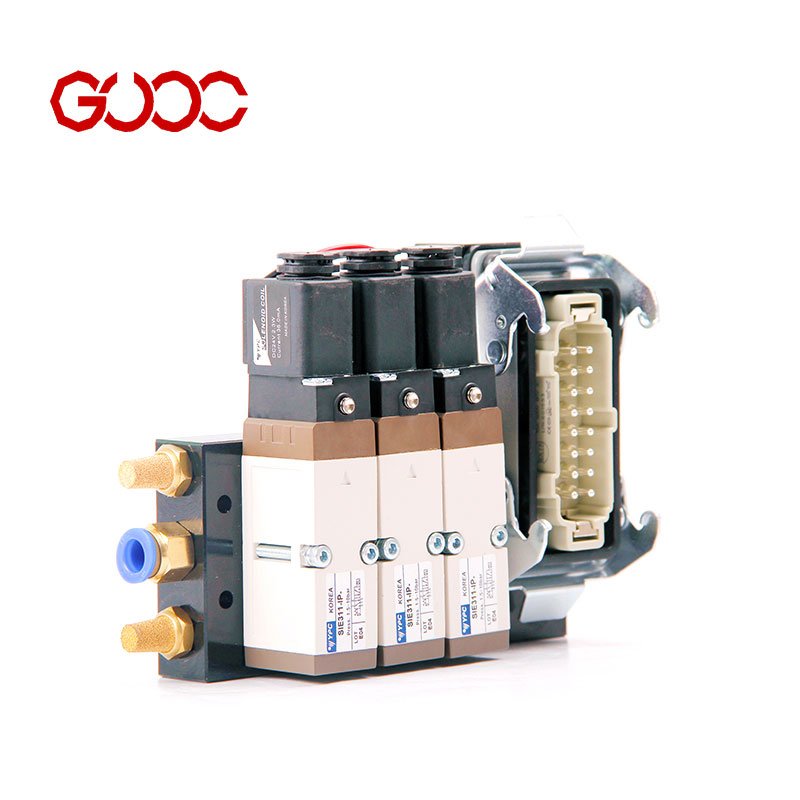
Mechanical valve gating employs a valve pin or needle to open and close the gate. This system provides excellent control over gate timing and is perfect for high-precision parts requiring minimal gate vestige. It’s especially useful for applications with complex geometries or where freeze-off is critical. Valve gate systems also help reduce weld lines and improve surface finish, making them popular in medical and high-quality automotive parts. When designing a hot runner system with valve gating, attention must be paid to the manifold layout and the placement of the gating system to optimize melt flow and minimize pressure drop.
Manifold Layout and Melt Flow Optimization
The layout of the manifold plays a vital role in ensuring uniform melt flow and temperature distribution across all cavities. Proper design reduces pressure fluctuations and prevents melt stagnation, which can cause defects. Key considerations include:
– Flow channel design: Short, straight channels minimize pressure loss.
– Gate placement: Strategically positioned for balanced fill.
– Heated zones: Proper insulation and heating control prevent cold spots.
– Melt delivery system: Ensures consistent flow and reduces cycle time.
Optimizing the manifold layout and gating options can significantly improve part quality and production efficiency. For more detailed design strategies, see our hot runner system design page.
Common Applications of Hot Runner Nozzles
Automotive Plastic Parts
Hot runner nozzles are essential in manufacturing high-quality automotive plastic parts, such as fenders, dashboards, and lighting components. Their ability to deliver molten plastic precisely into mold cavities ensures consistent part quality and reduces waste. Custom hot runner nozzles help achieve complex geometries and thin wall sections required in automotive molds, making production more efficient and cost-effective.
Medical Device Manufacturing
In medical device production, precision and cleanliness are critical. Hot runner nozzles enable the manufacturing of intricate, high-precision components like connectors and housings with minimal scrap. Their controlled melt delivery system ensures smooth, defect-free parts that meet strict quality standards, especially when processing technical plastics used in medical applications.
High-Volume Consumer Packaging
For high-volume consumer packaging, hot runner nozzles provide the speed and consistency needed for mass production. They facilitate fast cycle times and uniform part quality in products like bottles, caps, and containers. Their reliable gating options and melt flow control make them ideal for large-scale operations, reducing cycle times and lowering overall production costs.
How to Select the Right Hot Runner Nozzle
Picking the right hot runner nozzle starts with the resin and the mold, not the price tag. I focus on melt behavior, mold cavity layout, and how stable the heated manifold and flow channel need to be in real production.
Resin Compatibility and Temperature Resistance
The nozzle has to match the material running through it. For our proven design cases, I look at resin groups like:
- PP
- PC
- PFA / Teflon series
- PES
- PA10T + 30% GF
- PBT + 30% GF
- PMMA
- PEI ULTEM 1000
For technical plastics and filled resins, I keep the design simple and stable so the molten plastic moves evenly through the melt delivery system. If the resin is sensitive, the nozzle tip and heater layout must work together to reduce freeze off and keep the melt consistent. I also use custom hot runner system nozzle design support when the part needs a tighter fit between the nozzle, manifold, and cavity.
Part Geometry, Wall Thickness, and Shot Weight
Part shape changes everything. A narrow gate, deep cavity, or thin wall often needs a different nozzle setup than a simple part. I check:
| What I check | Why it matters |
|---|---|
| Mold cavity layout | Affects melt flow and fill balance |
| Wall thickness | Impacts flow speed and freeze off risk |
| Shot weight | Helps match nozzle size and delivery |
| Gating options | Supports clean filling and stable parts |
For larger or more complex molds, the nozzle has to support even flow across the full system. That is where the right gating options and manifold layout make a real difference.
Nozzle Maintenance and Wear Resistance
A good hot runner nozzle should stay stable, be easy to maintain, and hold up under repeat production. I pay attention to:
- nozzle tip wear
- heater fit and replacement access
- spare parts availability
- inspection and service consistency
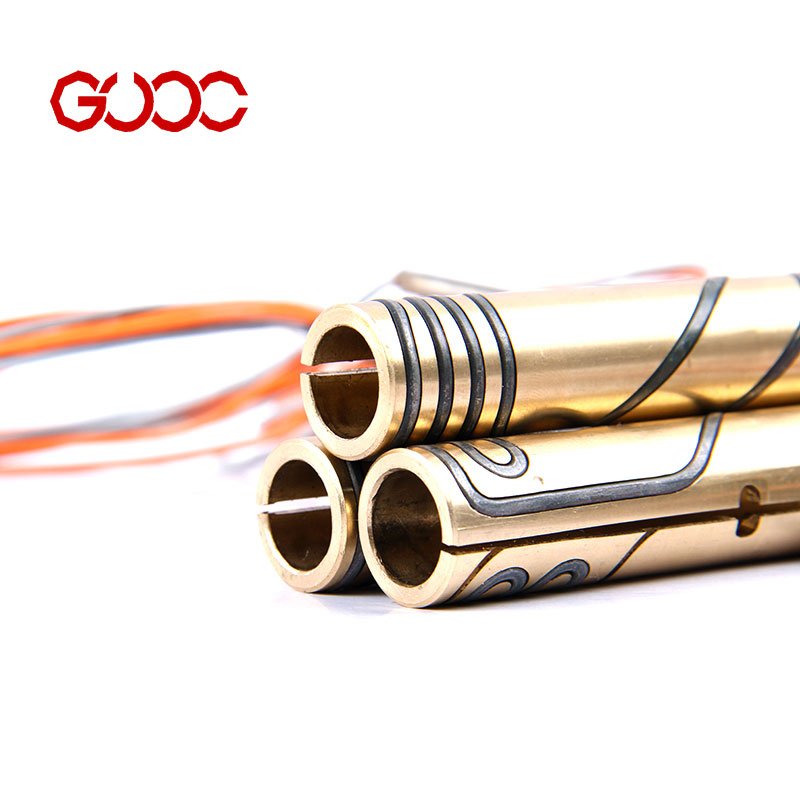
If the line runs often, I also keep the heating side in mind, because stable heat control helps the nozzle last longer and keeps output more predictable. Our hot runner nozzle heater options are built to support this kind of steady production use.
For B2B buyers, the right choice is usually the one that fits the resin, the part, and the maintenance plan together—not just one of them.
 English
  Spanish
  French
  Portuguese
  Italian