 Skip to content
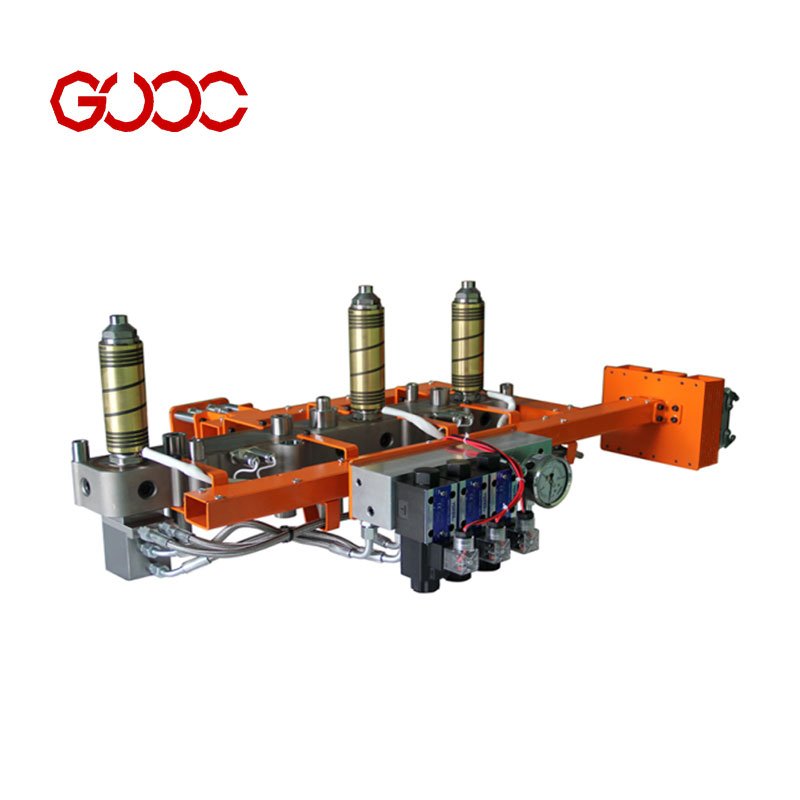
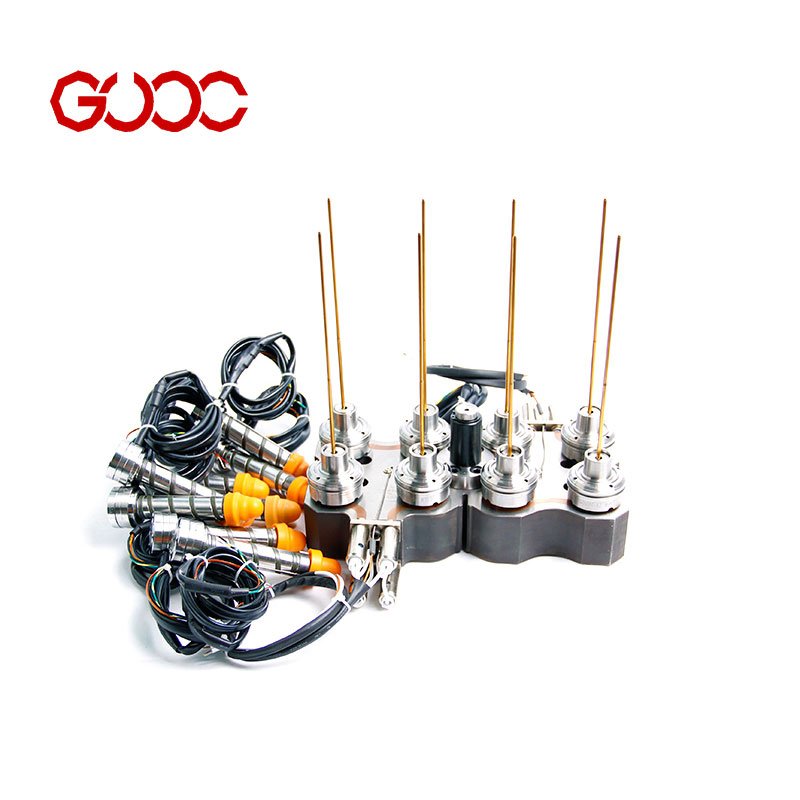
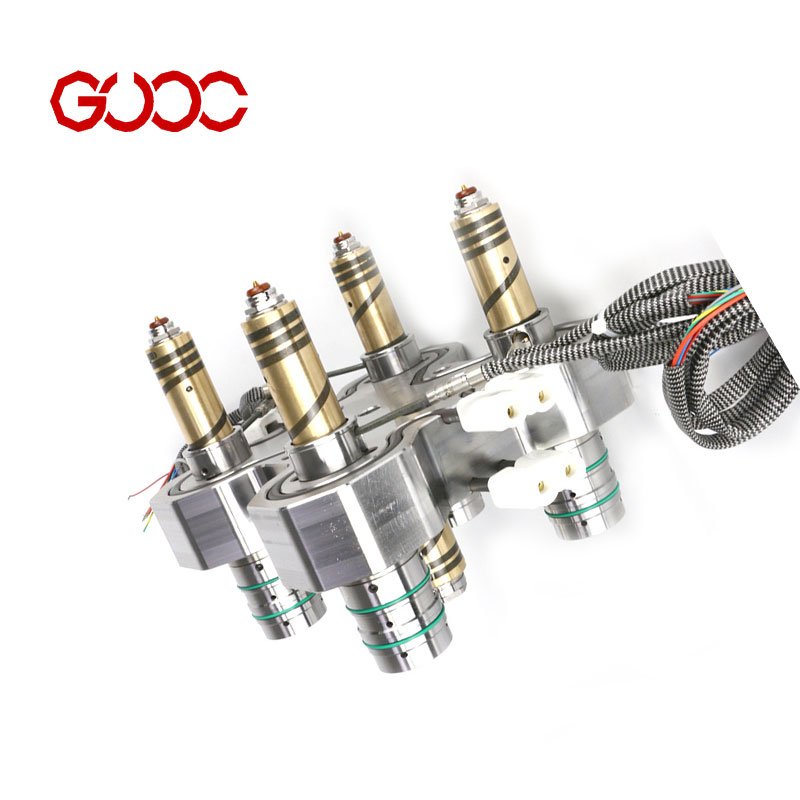
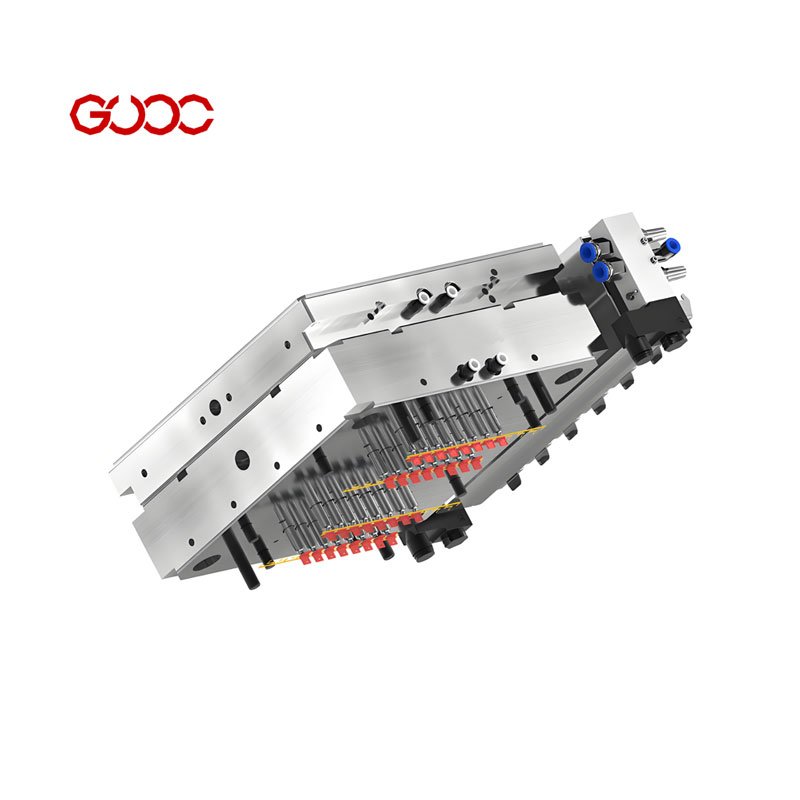
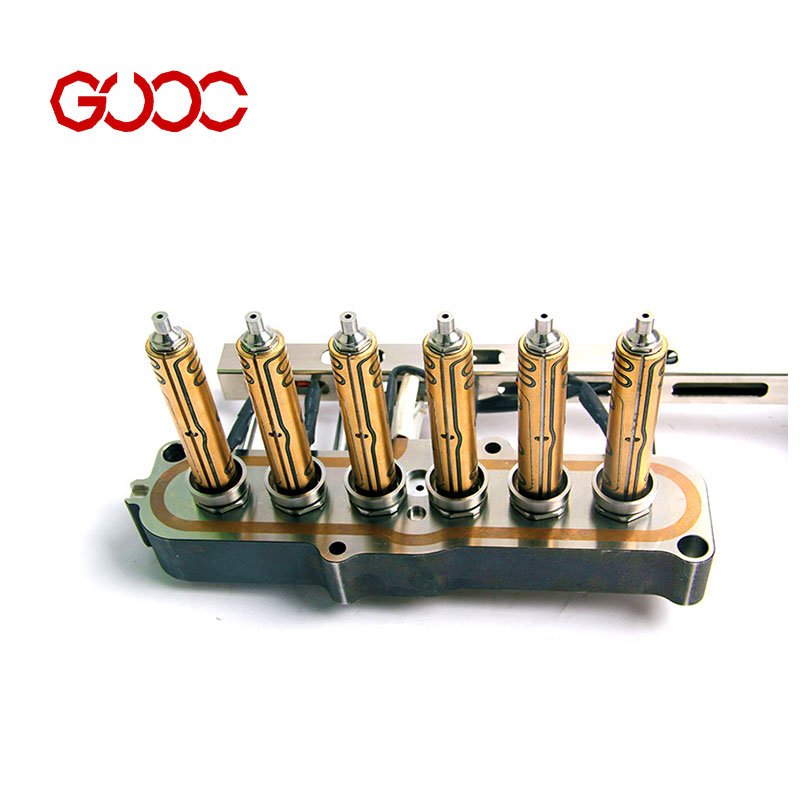
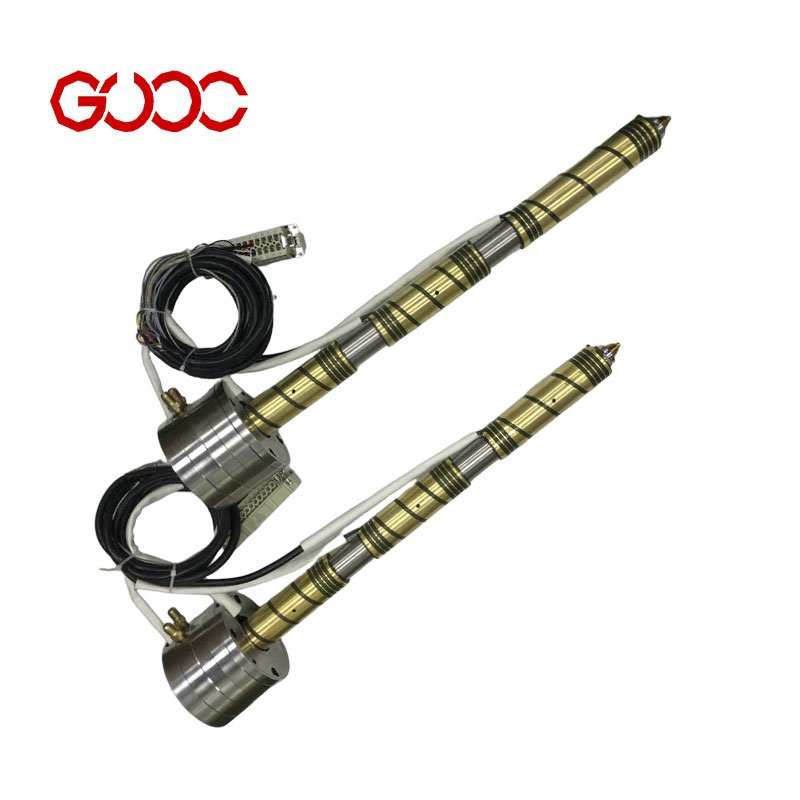
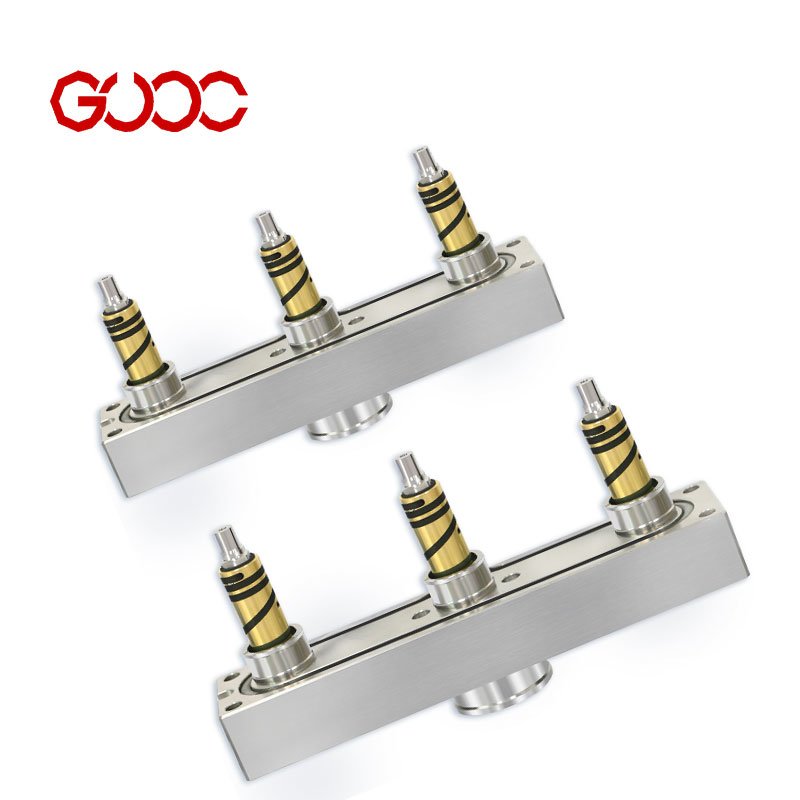

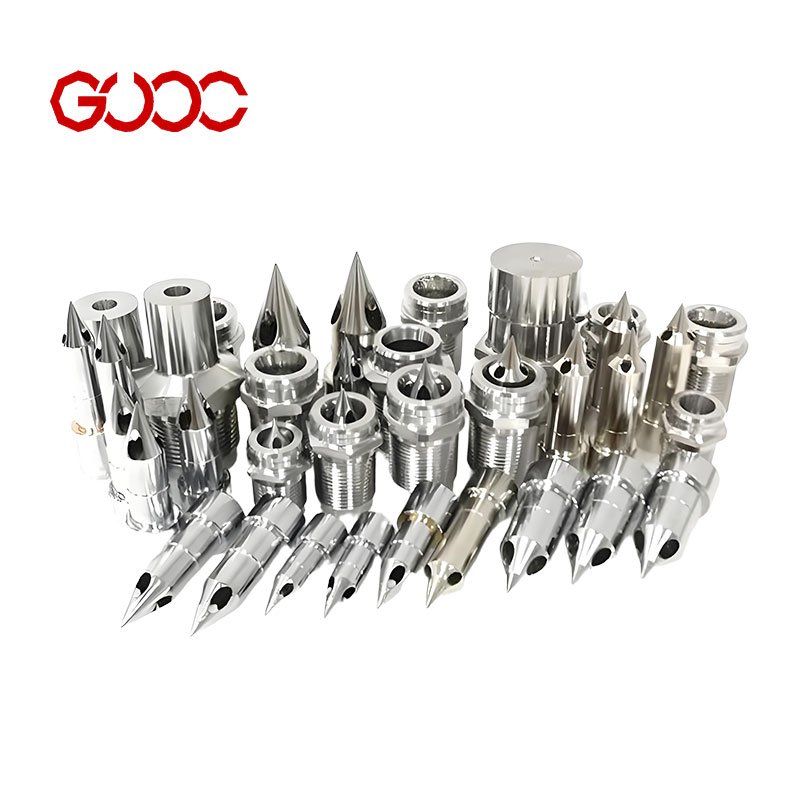


Product Overview: Engineering Hot Runner Systems for ABS Plastic Molds
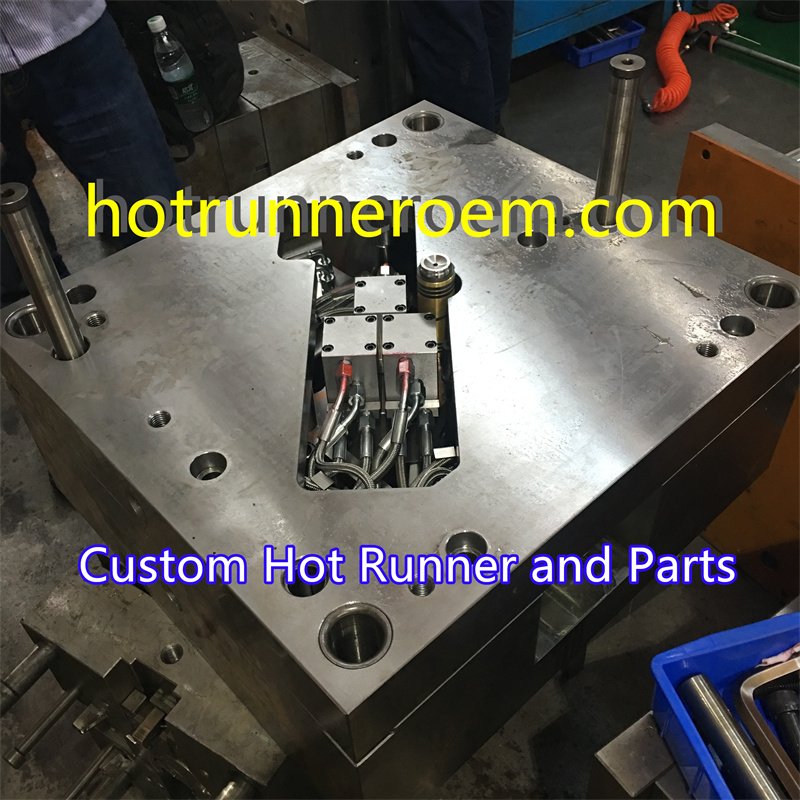 ABS (Acrylonitrile Butadiene Styrene) is an amorphous polymer widely used in injection molding, but it demands precision thermal management due to its sensitivity to heat and shear. Our hot runner system from China addresses these challenges by balancing ABS’s flowability with its thermal limitations.
The ABS Molding Challenge
- Consistent temperature control is critical; ABS requires stable melt temperatures typically between 220°C and 260°C.
- Risks include polymer degradation, discoloration, and black specks caused by excessive heat exposure or prolonged residence time within the mold.
- Shear sensitivity means high shear rates can break polymer chains, diminishing part quality.
Our Tailored Solution
We engineer custom manifolds and nozzles specifically designed for ABS processing to safeguard melt integrity by:
- Utilizing dead-spot free flow channels to minimize stagnant material zones.
- Implementing specialized thermal gating that maintains balanced flow and temperature.
- Optimizing nozzle geometry to reduce shear and prevent polymer degradation.
This approach ensures stable processing conditions, resulting in high-quality ABS molded parts with improved visual and mechanical properties. Our China hot runner system combines precise heating control with flow design innovations, making it an ideal solution for demanding ABS injection molding applications.
Technical Features Optimized for ABS Processing
When molding ABS plastic, precise engineering in the hot runner system is critical. Our solutions focus on maintaining ABS melt quality and ensuring consistent, defect-free parts.
Streamlined Flow Channels
- Dead-Spot Free Manifold Design: Prevents material degradation and black specks by eliminating stagnant areas where ABS could overheat.
- Polished Runners: Smooth surfaces reduce shear heat, protecting ABS’s sensitive thermal balance and ensuring uniform melt flow.
Temperature Control Precision
- High-Wattage Heaters with Embedded Thermocouples: Deliver tight temperature control to keep ABS within a safe range of 220°C–260°C.
- ±1°C Accuracy: Ensures consistent melt quality, preventing degradation or discoloration due to improper heating.
Nozzle Selection Tailored for ABS
- Thermal Gate (Open Tip Nozzle): Ideal for general ABS molding, allowing controlled flow with less shear.
- Valve Gate Systems: Best for cosmetic-grade ABS parts, these prevent stringing and drool, maintaining clean gate surfaces and premium finish.
Tip Insulation Technology
- Prevents heat loss to the mold cavity, avoiding cold slugs that cause short shots or flow issues. This insulation maintains a stable melt temperature right at the nozzle tip.
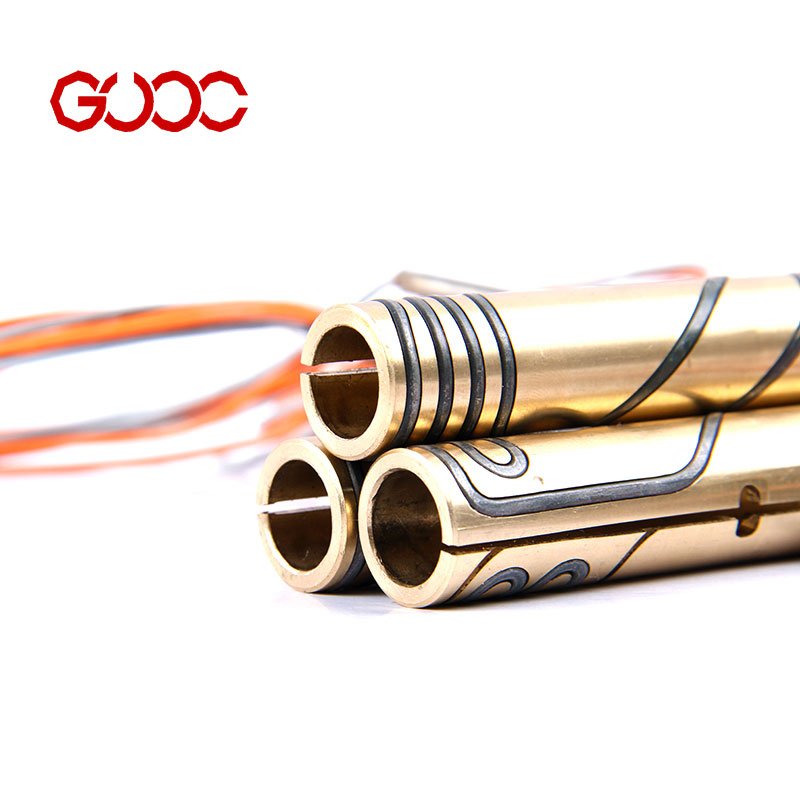
For more on nozzle innovations that enhance ABS molding, check our detailed hot runner system nozzle design insights. And to understand how precise heating elements improve performance, explore our hot runner coil heater solutions.
| Feature | Benefit for ABS |
|---|---|
| Dead-Spot Free Manifold | Avoids black specks & degradation |
| Polished Runners | Reduces shear-generated heat |
| Temperature Control | ±1°C accuracy for stable melt |
| Thermal Gate Nozzle | Smooth flow for standard parts |
| Valve Gate System | Eliminates stringing & drool |
| Tip Insulation | Prevents cold slugs & shot issues |
These technical features are what set our ABS injection molding manifold apart, optimizing for the inherent challenges of processing this amorphous polymer.
Economic Benefits: ROI of Hot Runner Systems for ABS Production
Switching to a hot runner system for your ABS molds can seriously improve your bottom line. By eliminating the cold sprue and runner, you cut the shot weight by 15% to 50%, which means less material waste and better use of virgin ABS without degrading quality through regrind. This saves you money on raw materials every cycle.
Cycle times also shrink because there’s no need to wait for the cold runner to cool down. That can boost your throughput by around 20% per shift—more parts made faster means higher productivity without extra labor costs. Plus, direct heating in the manifold and nozzles prevents wasting energy melting rejected runners, improving overall energy efficiency.
When comparing traditional cold runner molds with China hot runner system solutions, the payback period is fast—most high-volume ABS projects break even within 3 to 6 months. This quick ROI shows why many manufacturers are switching to custom hot runner systems specifically designed to handle ABS’s flow and thermal needs. For more detailed cost analysis and tailored solutions, check out our China hot runner system suppliers page.
Key takeaways:
- Material Savings: 15–50% less shot weight, preserving virgin ABS quality
- Cycle Time: ~20% production increase per shift
- Energy Use: Reduced through direct heating approach
- ROI: Break-even typically within half a year under high-volume runs
Embracing a hot runner system is a smart move that balances upfront tooling investment against clear ongoing savings in ABS molding. For customized advice and ROI projections, you can reach out for expert consultation from leading hot runner system manufacturers and suppliers in China.
Tailored Hot Runner Systems for Specialized ABS Grades
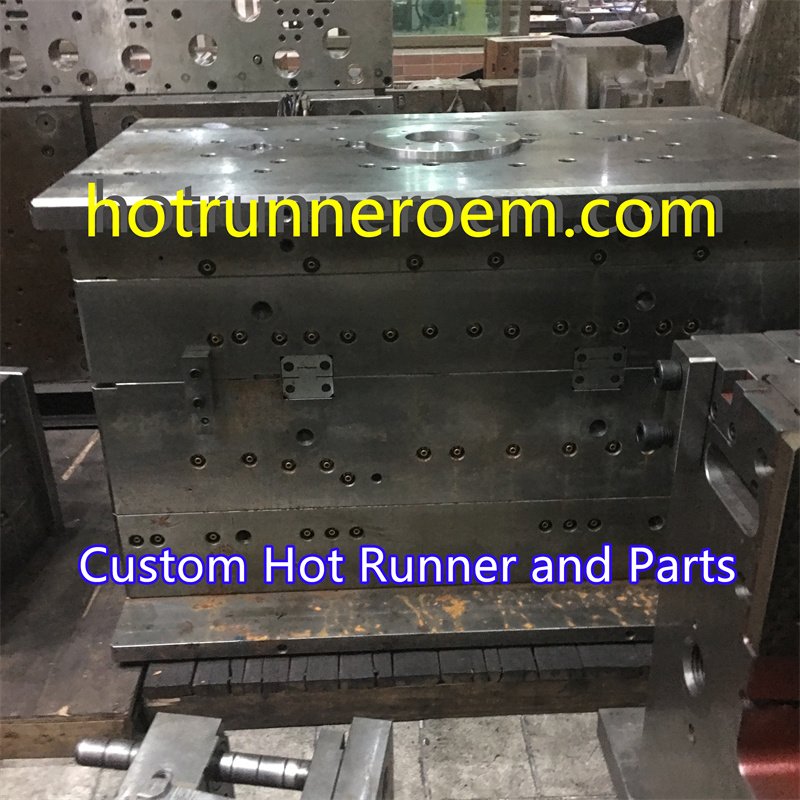
We understand that different ABS grades demand unique hot runner solutions to maintain optimal processing and product quality.
- Flame Retardant ABS (FR-ABS): These compounds often include corrosive additives. To protect the mold components, we apply specialized coatings and use corrosion-resistant steel, ensuring durability and consistent melt quality.
- Plating Grade ABS: Achieving a flawless surface is critical for chrome plating. Our customized ABS injection molding manifold and nozzle designs promote uniform melt flow and temperature control to meet the high surface finish standards of Class A plating.
- High-Heat ABS: For ABS grades exposed to elevated mold temperatures, we engineer hot runner systems that handle local thermal peaks without causing resin degradation or discoloration, preserving the polymer’s mechanical properties.
Each system is crafted to optimize thermal gating technology and melt flow index (MFI) stability for the specific ABS grade, enabling reliable cycle times and excellent part quality. For precise temperature control tailored to your ABS formulation, we integrate advanced mold temperature controllers and sensor wiring solutions, reducing risks of thermal degradation. Learn more about our hot runner temperature sensing wire for tighter heat management.
Quality Assurance & Manufacturing Standards for ABS Plastic Mold with Hot Runner System
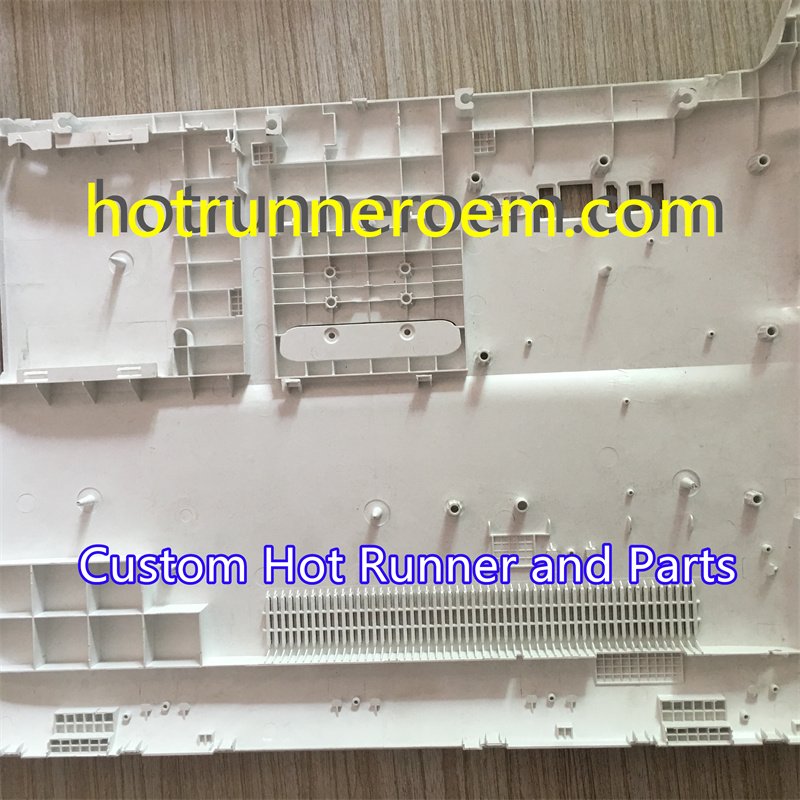
To ensure top performance and longevity in ABS injection molding, we prioritize using premium materials like H13 and 420 stainless steel. These materials offer excellent steel hardness and durability, resisting wear even under the demanding conditions of amorphous polymer processing. This means your ABS mold with hot runner system stands up to repeated cycles without compromising quality.
Leak-proof operation is critical when working with ABS’s unique viscosity. Our seal designs are specifically engineered to prevent leaks and maintain consistent pressure, reducing defects and downtime.
Before shipping, every hot runner assembly undergoes rigorous pre-wiring and testing. We balance the electrical heaters carefully, ensuring uniform temperature control across the mold. This guarantees stable melt flow and prevents resin thermal degradation—key for preserving surface finish and structural integrity.
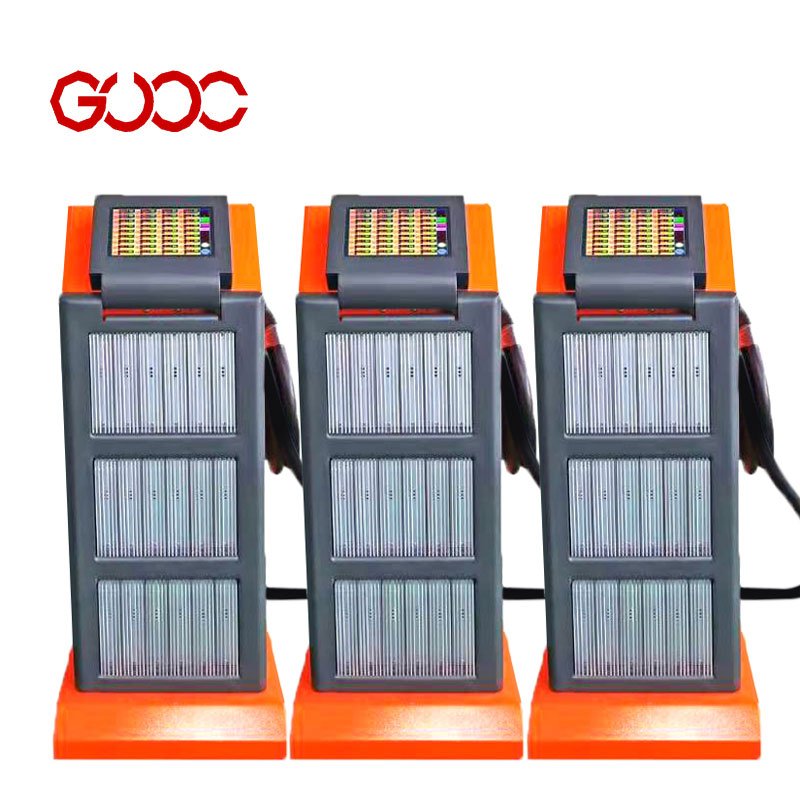
For technical wiring details and temperature controller insights, check out our resources on nozzle thermocouple wiring and hot runner controls. Proper setup here is essential when optimizing your ABS injection molding process.
Troubleshooting Common ABS Molding Defects
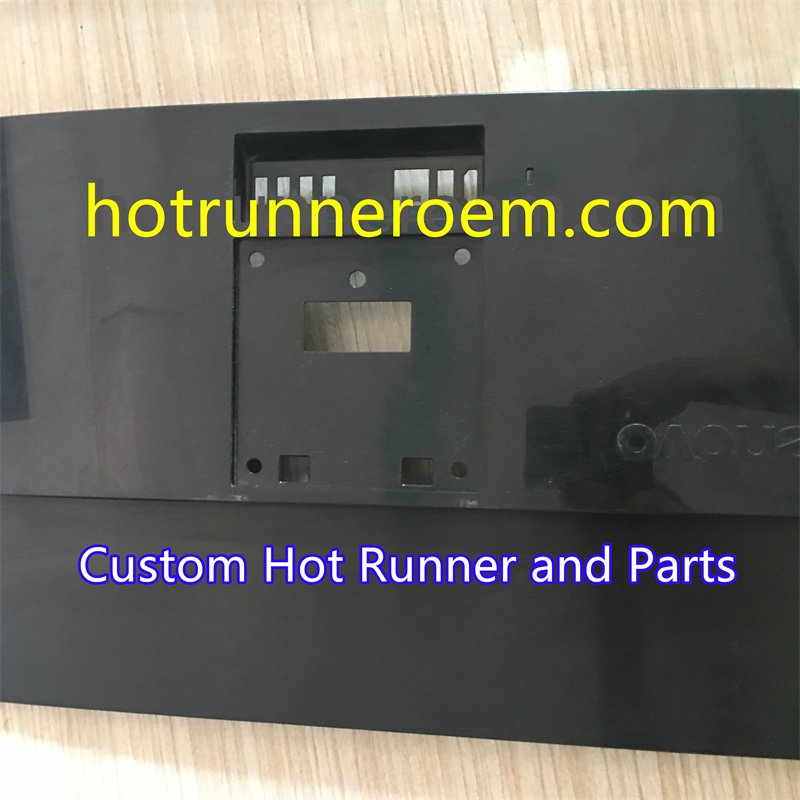
Dealing with defects in ABS plastic mold production can be tricky, but targeted hot runner system design helps fix these issues effectively.
- Splay (Silver Streaks): This is often caused by moisture in the ABS resin vaporizing during injection. Our moisture-resistant hot runner design, combined with consistent heating, stops volatile gases from forming. This keeps your parts free of those ugly silver streaks.
- Sink Marks: Uneven packing pressure leads to sink marks and surface imperfections. Using a precision Valve Gate system for ABS ensures uniform pressure during packing, reducing these defects and improving overall part quality.
- Burn Marks: Overheating or excessive residence time in the manifold causes ABS degradation and burn marks. Our custom-designed manifolds optimize flow paths to minimize melt stagnation and control temperature precisely, preventing thermal damage to the resin.
These targeted solutions for ABS injection molding manifold design and nozzle technologies ensure your parts come out clean and defect-free every run. For a deeper dive into flow channel optimization, check our detailed hot runner manifold designs, crafted specifically with ABS resin flow and thermal stability in mind.
Request a Technical Consultation for Your ABS Plastic Mold with Hot Runner System
Ready to optimize your ABS injection molding process? Submit your mold drawing or ABS material specifications today for a free flow analysis and detailed ROI calculation specifically tailored to your project. Our experienced China hot runner system team is here to provide expert advice and practical solutions designed to preserve melt integrity and boost your production efficiency.
How to Get Started
| What to Provide | Why It Matters |
|---|---|
| Mold drawings | Enables precise manifold and nozzle customization |
| ABS grade specifications | Helps tailor temperature and flow settings |
| Production volume | Determines economic benefits of hot runner integration |
Direct Support from China Hot Runner Experts
Contact our engineering support line to discuss your requirements and receive personalized assistance. We offer:
- In-depth analysis based on your ABS processing needs
- Custom solutions including valve gate options and thermal gating
- Transparent cost and energy savings estimates
Take the first step toward eliminating common ABS molding issues and enhancing your output. Reach out now for a professional consultation and see how our customized hot runner systems from China can upgrade your ABS molding efficiency.
For further insights on managing temperature and avoiding defects, explore our resource on hot runner nozzle technology and hot runner control techniques.
 English
  Spanish
  French
  Portuguese
  Italian