 Skip to content
Choosing the Right Hot Runner System Type
Selecting the right hot runner system starts with the part, the resin, and the mold layout. A good hot runner system manufacturer should help you match the system type to the project before production begins. That is the fastest way to reduce filling issues, scrap risk, and rework.
| System Type | Best For | Main Consideration |
|---|---|---|
| Open Gate Systems | Simple layouts and direct flow needs | Gate mark, drooling risk, and material flow control |
| Valve Gate Systems | Projects needing tighter gate control | Timing, sealing, and part appearance |
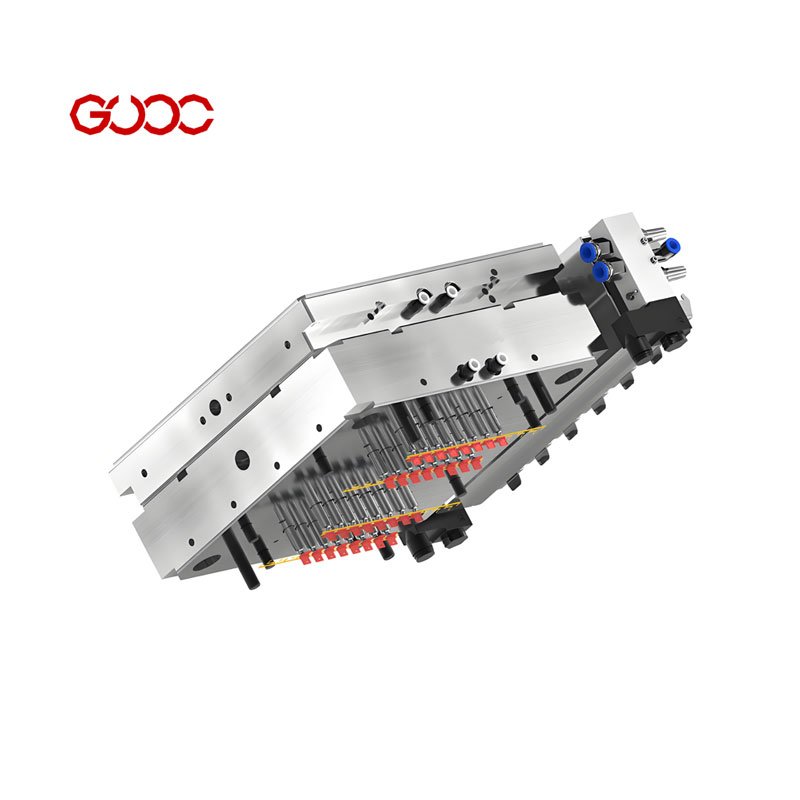
- Match the structure to the mold: integrated systems and assembled hot runners fit different mold layouts and service needs.
- Check the cavity count: multi-drop layouts need stable flow and consistent temperature control.
- Plan for maintenance: system design should make inspection and replacement practical.
Hot Tip Systems
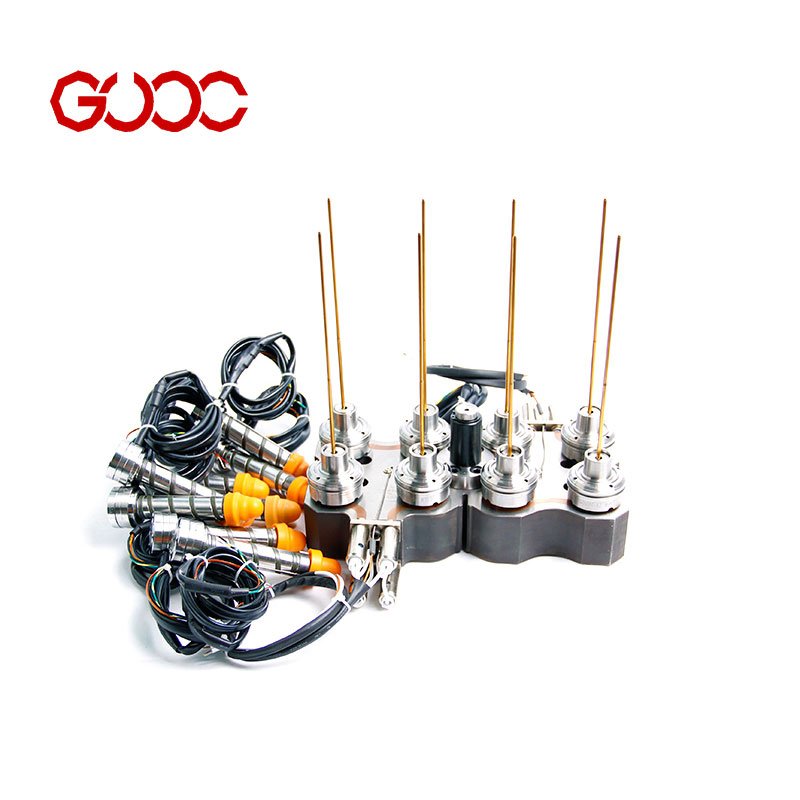
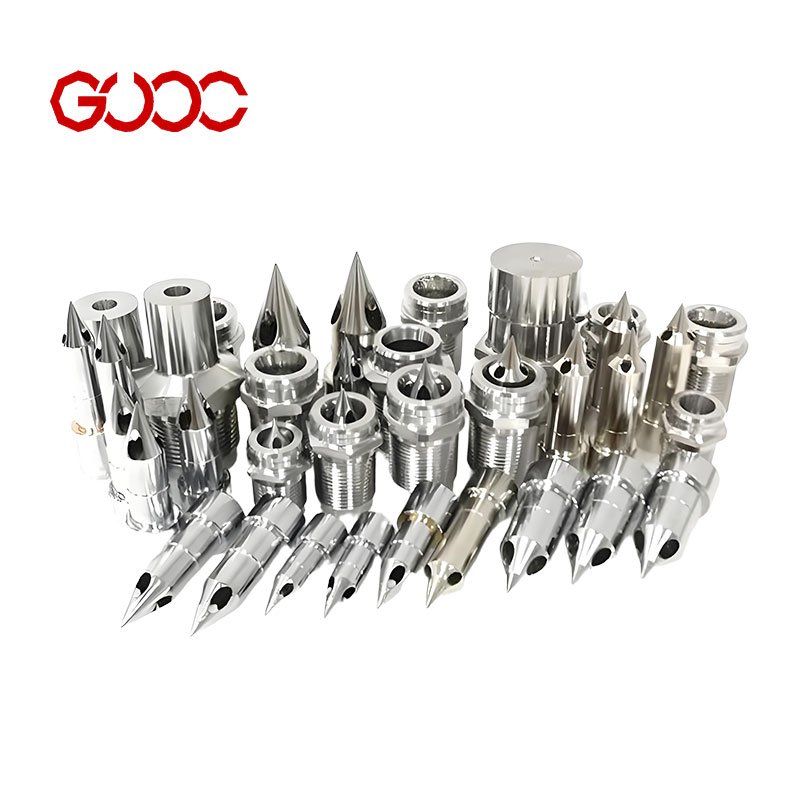
Hot tip-style open gate setups are often chosen for direct flow and simpler mold structures. They can be a practical option when the project does not need valve pin timing.
- Simple gate design: fewer moving parts can mean easier handling.
- Watch for drooling: open gate layouts need stable temperature control.
- Consider part appearance: the gate location should support the final finish.
Valve Gate Systems
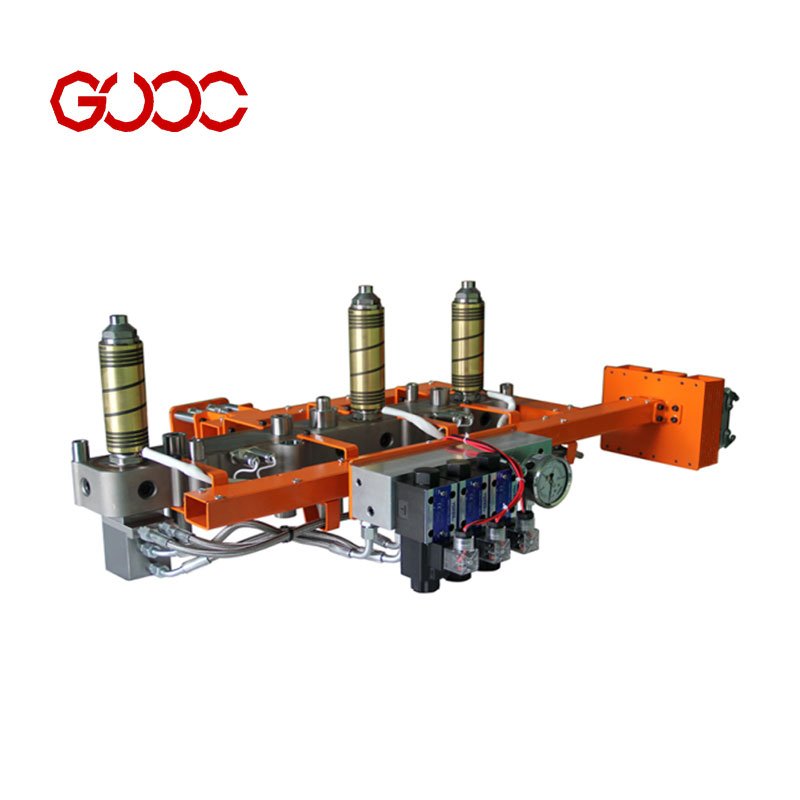
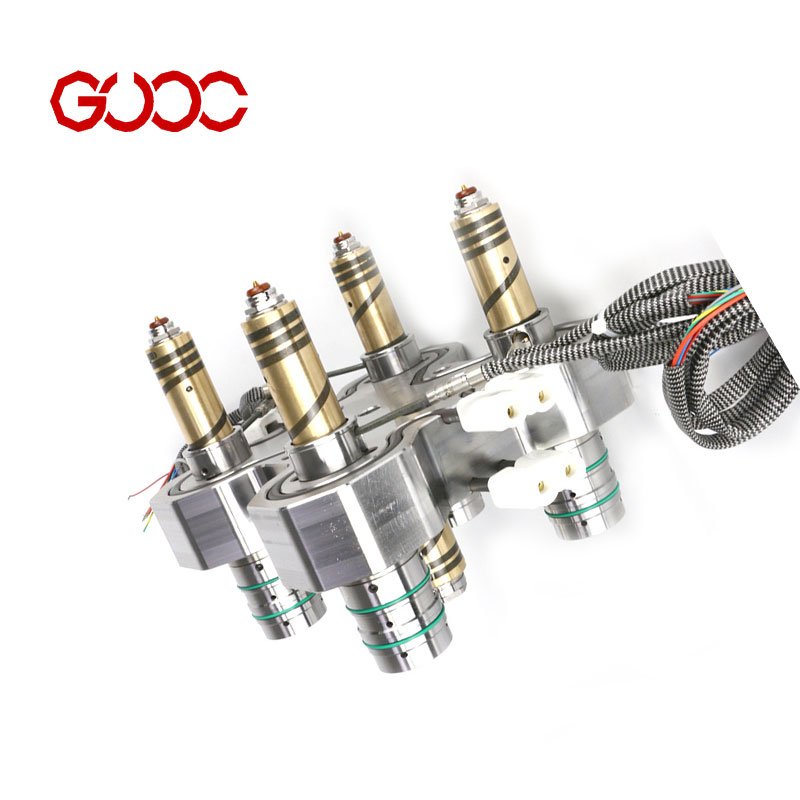
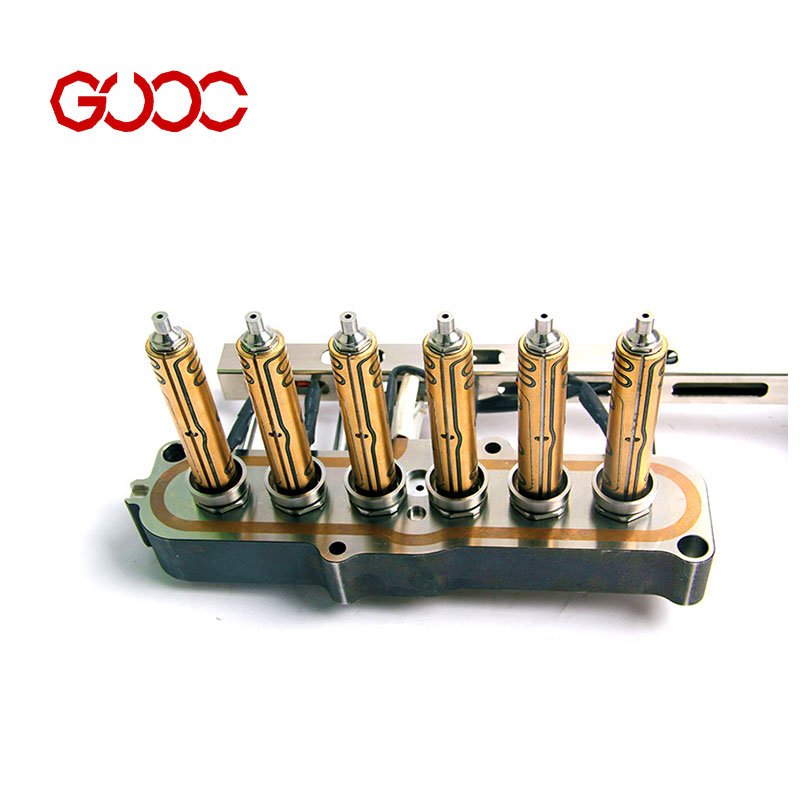
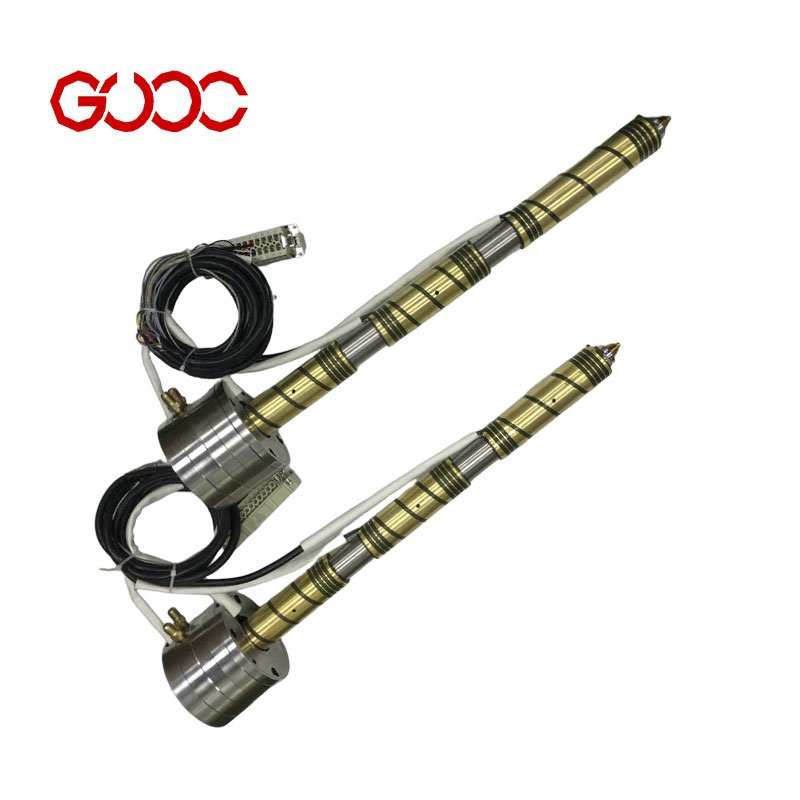
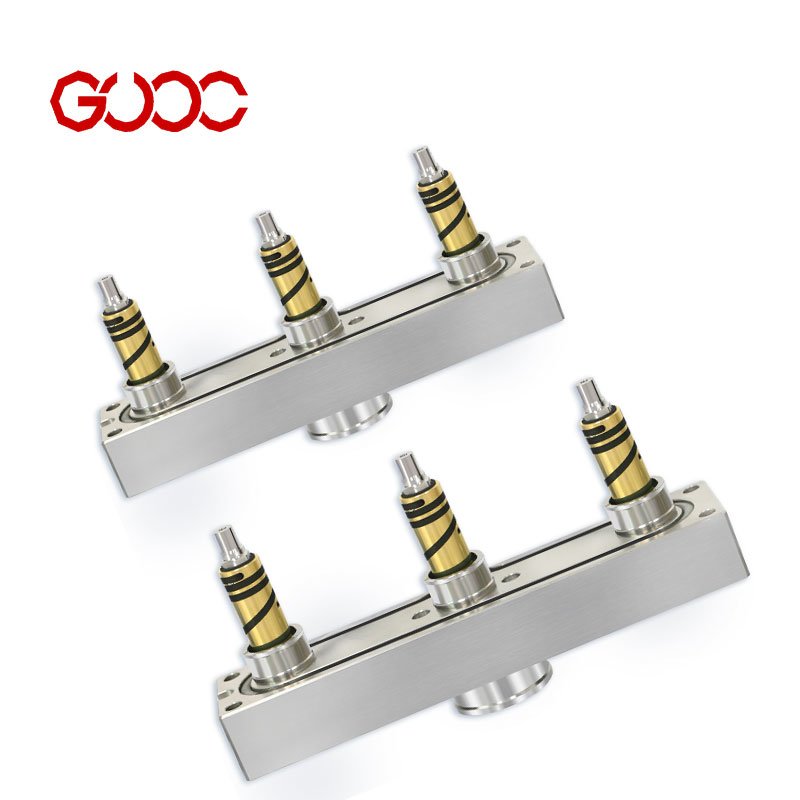
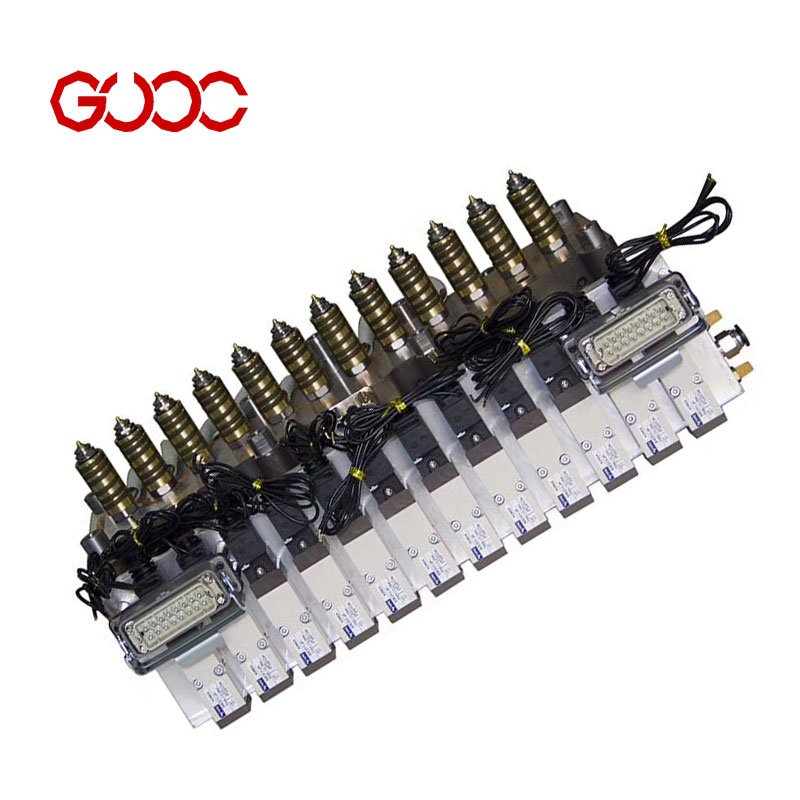
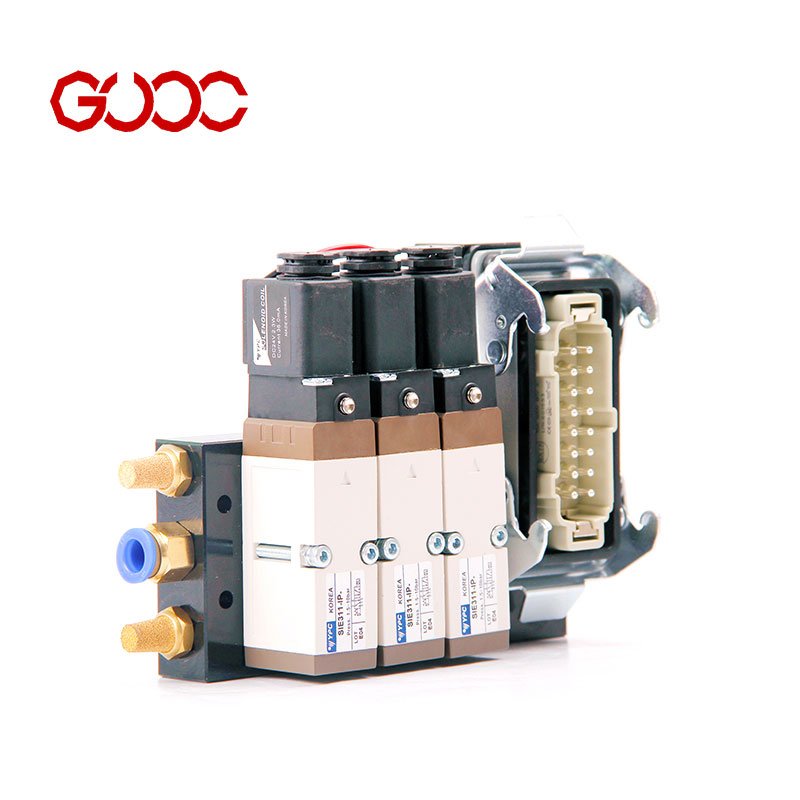
Valve gate hot runner systems are a strong choice when gate control matters. They are used in integrated systems, assembled hot runners, extended nozzle layouts, and hot halves with multiple drops.
- Cleaner gate control: valve action helps manage material flow more precisely.
- Better for demanding parts: useful when the mold needs tighter timing control.
- System fit matters: the nozzle, cylinder control module, and controller must work together.
Gating Options and Gate Placement
Gate choice should support stable filling and clean part formation. Gate placement is not only about where the resin enters the cavity, but also how the mold fills and how the finished part looks.
- Balanced flow: gate position should help each cavity fill consistently.
- Part-specific layout: the gate should suit the shape and surface needs of the part.
- Service access: gate areas should remain practical for inspection and repair.
Bottom line: the right hot runner system depends on the mold design, resin behavior, and gate control needs. A reliable OEM hot runner solution should support the full system, from layout review to final assembly.
Plastic Resin Flow Properties and Viscosity
Choosing a hot runner system manufacturer that understands the flow properties of different plastics is essential. Resins like PP, PFA, or PC have varying viscosities that impact how smoothly they pass through the system. Proper sizing of channels and nozzles ensures consistent filling and reduces the risk of defects. For complex resins or high-viscosity materials, selecting a system with precise flow control features is critical to prevent issues like uneven filling or short shots. Ensuring compatibility with your specific resin type helps maintain quality and reduces troubleshooting time.
Thermal Sensitivity and Resin Degradation
Different plastics react uniquely to heat. Some, like PFA or Teflon series, are highly thermally sensitive and can degrade if temperatures aren’t carefully controlled. A reliable hot runner system should incorporate advanced temperature control to prevent overheating, which can cause resin degradation, discoloration, or even system damage. Proper thermal management extends the lifespan of your molds and maintains the integrity of your products, especially when working with high-temperature or sensitive materials.
Color Change Efficiency and Contamination Risks
Color consistency is vital for product appearance, especially in industries like automotive or consumer electronics. A well-designed hot runner system minimizes contamination risks that can cause color changes or defects. Regular cleaning and proper material flow management are key to avoiding cross-contamination between different resins or colors. When choosing a system, consider features that facilitate cleaning and flushing, ensuring your production remains efficient and your product quality stays high.
Thermal Balance and Temperature Control Requirements
Selecting Precision Temperature Controllers
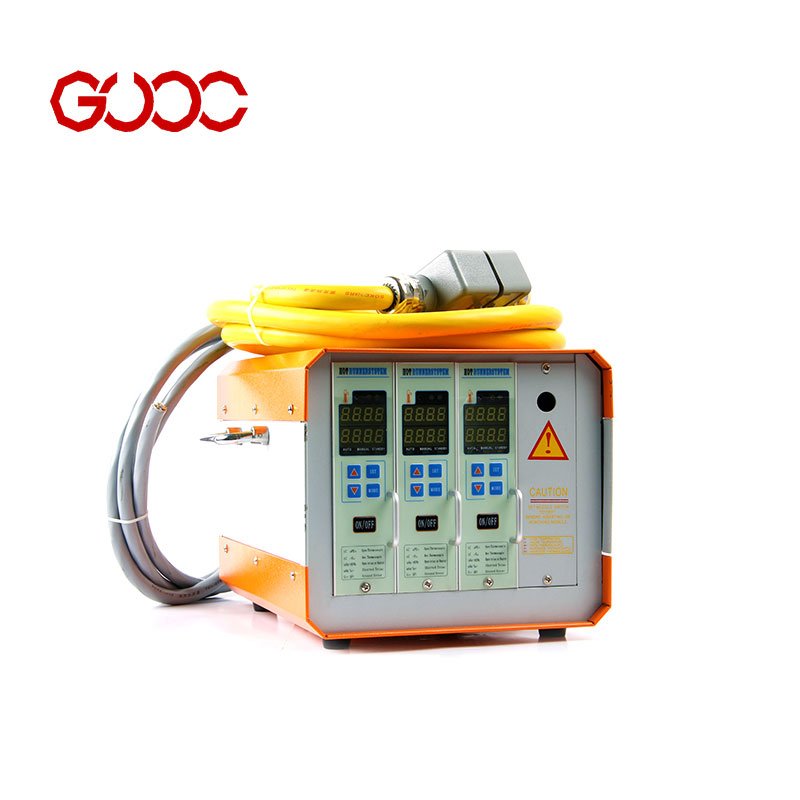
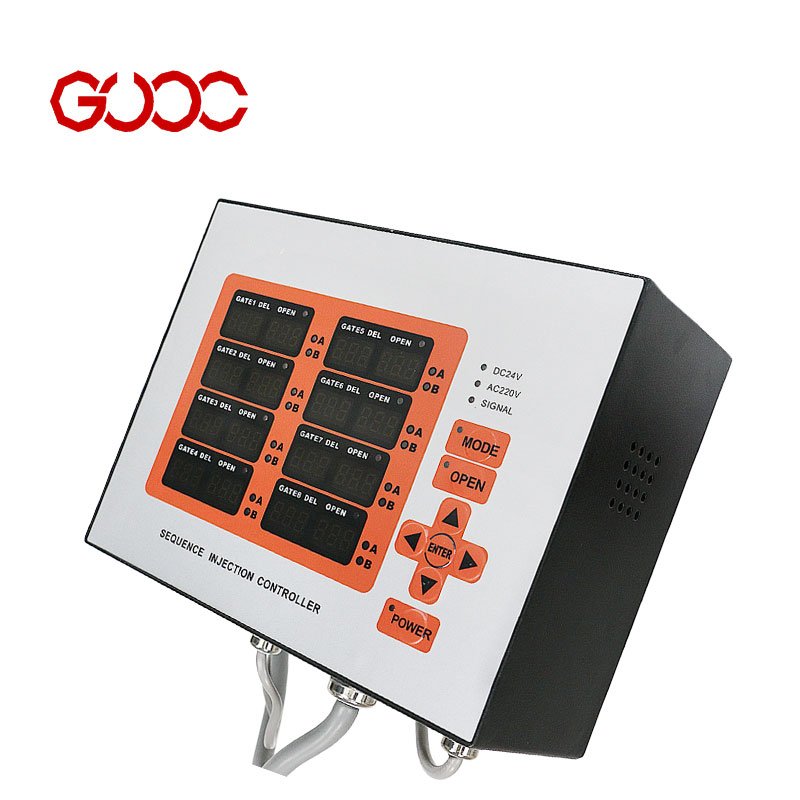
Choosing the right hot runner system manufacturer means prioritizing precision temperature controllers. These controllers ensure uniform heat distribution across the system, preventing hot spots that can cause defects or material degradation. Look for multi-zone PID controllers that offer accurate, stable temperature regulation for each part of the system. Proper temperature control is critical for maintaining consistent resin flow and part quality, especially when working with high-performance materials. For more detailed options, see our guide on hot runner temperature controllers.
Preventing Heating Variations and Thermal Stress
Uneven heating can lead to thermal stress, which causes warping, cracking, or nozzle leaks. To prevent this, ensure your hot runner system has well-calibrated temperature zones and reliable sensors. Regularly monitoring temperature fluctuations helps catch issues early. Implementing advanced control algorithms minimizes heating variations, ensuring consistent melt flow. Proper thermal management reduces downtime and extends system lifespan, making precise temperature regulation a must-have feature.
Managing Thermal Expansion in System Design
Thermal expansion can affect system integrity, causing misalignments or leaks over time. When designing or selecting a hot runner system, consider materials with compatible thermal expansion coefficients. Incorporate flexible components or expansion joints to absorb thermal movement. This proactive approach maintains tight seals and prevents costly repairs. Accurate temperature control combined with thoughtful design ensures the system remains stable under varying operating conditions, boosting reliability and efficiency.
Manifold Design, Flow Balance, and Pressure Drop in a Hot Runner Mold System
As a hot runner system manufacturer, I treat the manifold as the core of stable filling. If the runner layout is off, the cavities will not fill evenly, and the mold will fight you on consistency, part weight, and finish. Good design starts with the part layout, resin flow behavior, and the gate plan.
Ensuring Balanced Cavity Filling
Balanced filling means each cavity gets melt at the right time and under the same conditions. I look at:
- Runner length
- Cavity layout
- Gate location
- Material flow behavior
If the flow path is uneven, one cavity can overpack while another stays short. That is why manifold balance matters in every hot runner mold system, especially on multi-cavity tools. For a deeper look at manifold structure, see our hot runner manifold design.
Sizing Manifold and Runner Channels
Manifold and runner size should match the resin and the mold layout. Too small, and pressure rises fast. Too large, and the melt can sit too long in the system. I keep the design practical:
- Enough channel size for steady flow
- No extra volume that slows response
- Smooth paths to reduce dead spots
- Layout that fits the mold body cleanly
The goal is simple: move melt cleanly without forcing the machine to work harder than needed. A well-planned hot runner system design helps keep the setup stable from the first sample to full production.
Optimizing Pressure Drop and Residence Time
Pressure drop and residence time affect part quality more than many buyers expect. If pressure drop is too high, filling becomes uneven. If residence time is too long, the resin can sit too long in heat and create quality risks.
I focus on three checks:
- Keep pressure drop controlled across all cavities
- Avoid long, unnecessary melt paths
- Match the manifold design to the resin and cycle needs
| Design Issue | What It Can Cause | What I Watch |
|---|---|---|
| High pressure drop | Uneven fill, short shots | Runner size and path length |
| Long residence time | Material stress, quality drift | Melt volume and heat exposure |
| Poor balance | Flash or weight differences | Gate and cavity symmetry |
A solid manifold design is not just about moving plastic. It is about keeping the process stable, the cavities balanced, and the hot runner mold system easier to run in real production.
Maintenance, Serviceability, and Defect Prevention in a Hot Runner Mold System
Preventing Plastic Leakage and Sealing Failures
I focus on sealing first, because leakage usually turns into scrap, downtime, and cleanup fast. In a hot runner mold system, the nozzle fit, sealing surfaces, and temperature control all need to work together. If the system runs too hot or the parts do not match well, plastic can seep out and create defects around the gate area.
Key checks I look at:
– nozzle-to-manifold fit
– sealing condition at joints
– stable heat control
– clean assembly before shipping
A well-made hot runner nozzle is a big part of keeping the system stable and reducing leakage risk.
Avoiding Nozzle Blockage, Drooling, and Stringing
Blockage, drooling, and stringing are common warning signs that the setup is not balanced. I treat these as process issues, not just part defects. Resin choice, heater performance, and nozzle design all matter, especially when the material is sensitive to heat or flow.
What helps reduce these problems:
– correct nozzle heating
– steady temperature control
– suitable gate and resin match
– clean flow path with no buildup
– proper wiring and sensor setup for stable readings
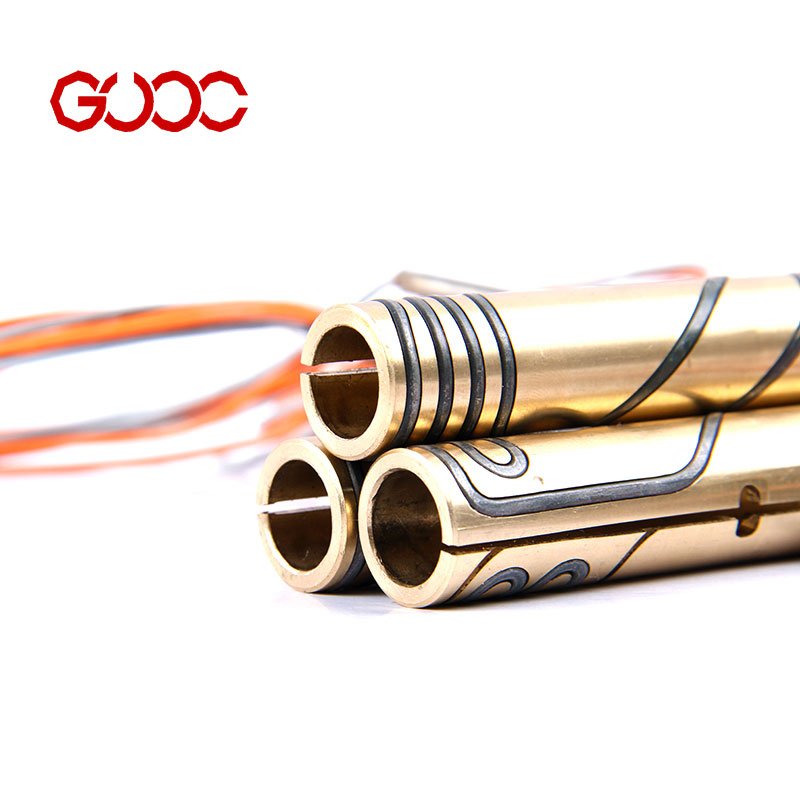
For better heat response and fewer temperature swings, the hot runner nozzle heater and related wiring setup need to be specified with care.
Maintenance Accessibility and Preventive Protocols
I always prefer a system that is easy to inspect, service, and replace in parts. If access is poor, even a small fault can slow the whole mold line. Good maintenance access helps with faster checks on heating tubes, cylinder control modules, and other hot runner accessories.
A practical preventive routine should include:
– regular inspection before long production runs
– hourly online QC checks where needed
– final inspection before shipment
– clean packaging and protected handling during transport
When I work with a hot runner system manufacturer, I expect responsive support, clear part layout, and a design that makes servicing simpler without slowing production.
 English
  Spanish
  French
  Portuguese
  Italian