 Skip to content

Understanding Hot Runner System Valve Pin Assemblies
Core Function in Injection Molding
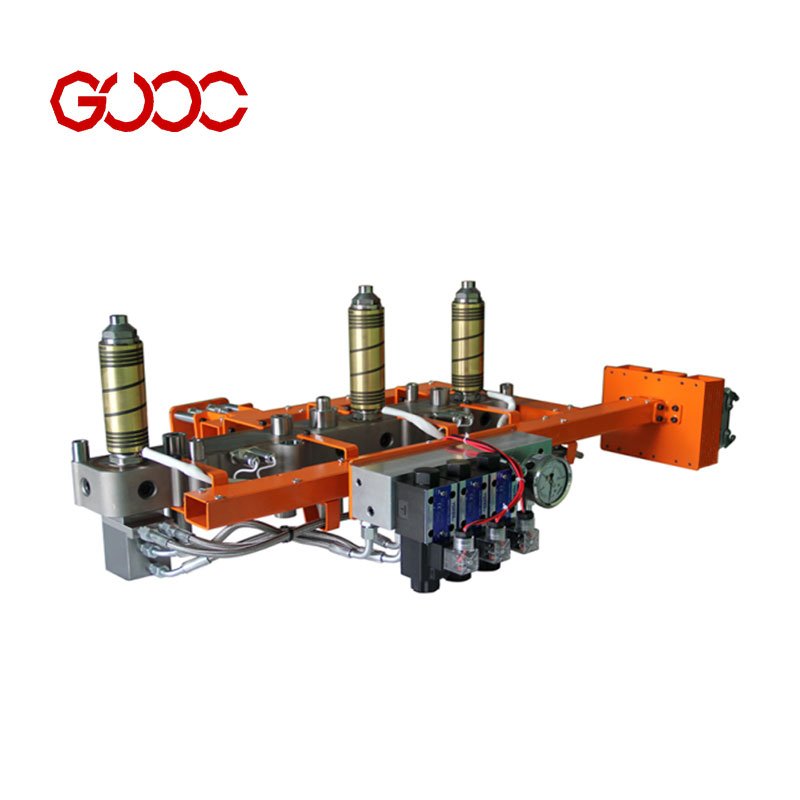
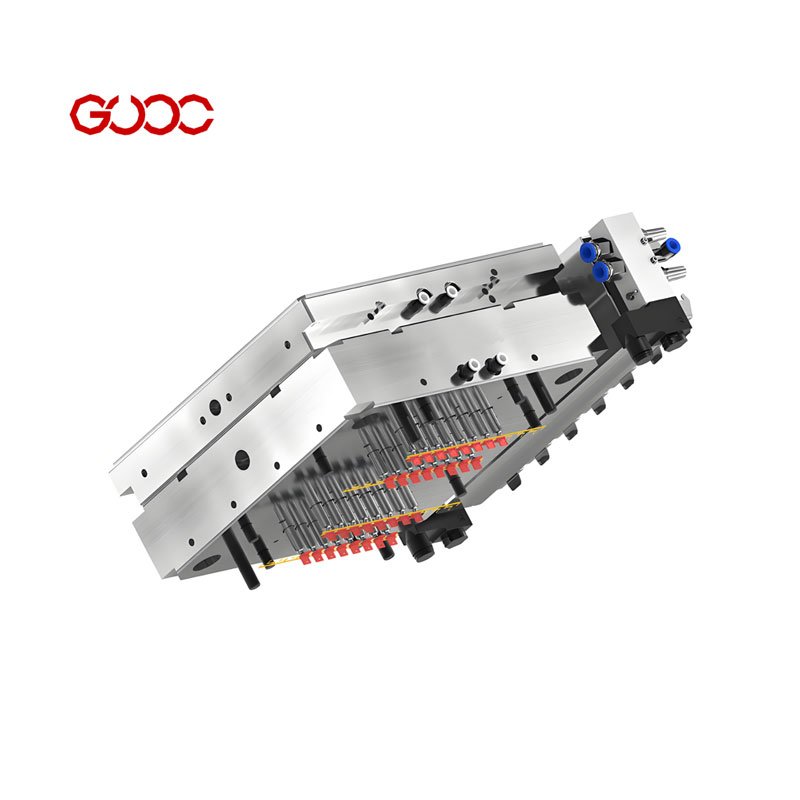
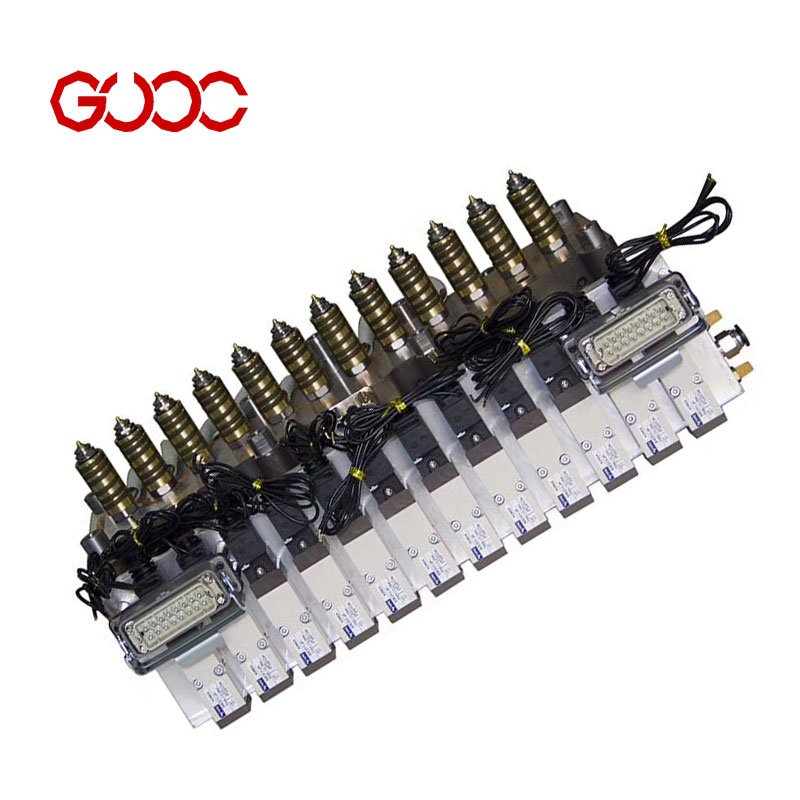
Hot runner valve pin assemblies are critical components in injection molding, providing precise control over resin flow. They act as mechanical shut-off devices, stopping or allowing resin to flow into the mold cavity. This ensures high-quality, consistent parts by minimizing gate vestige, reducing defects like stringing or drooling, and enabling efficient color changes. Proper valve pin operation directly impacts the quality and efficiency of the hot runner system, making them essential for OEM replacement and custom hot runner systems.
Key Components and Features
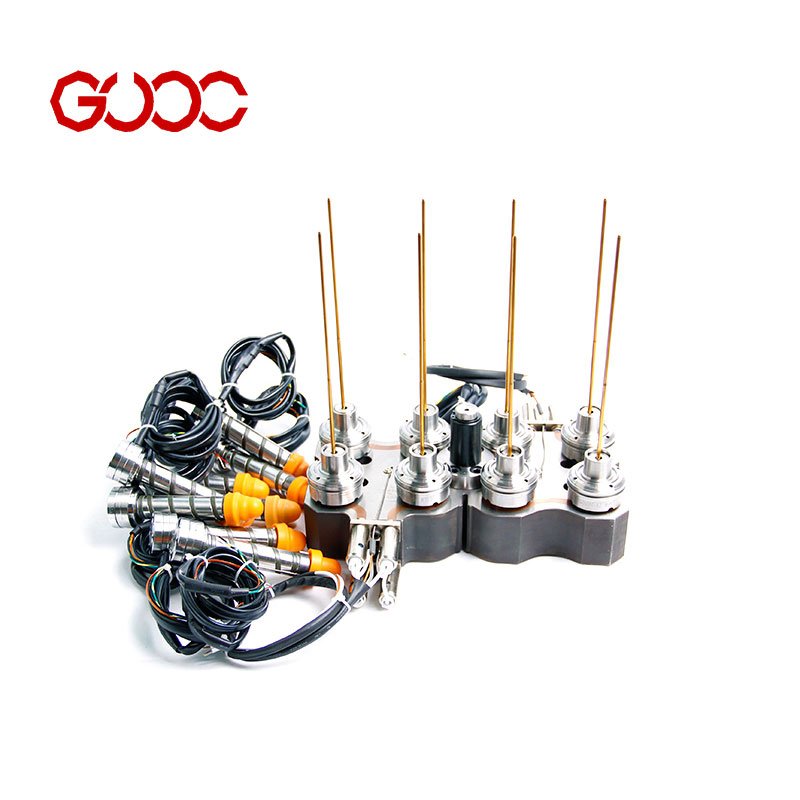
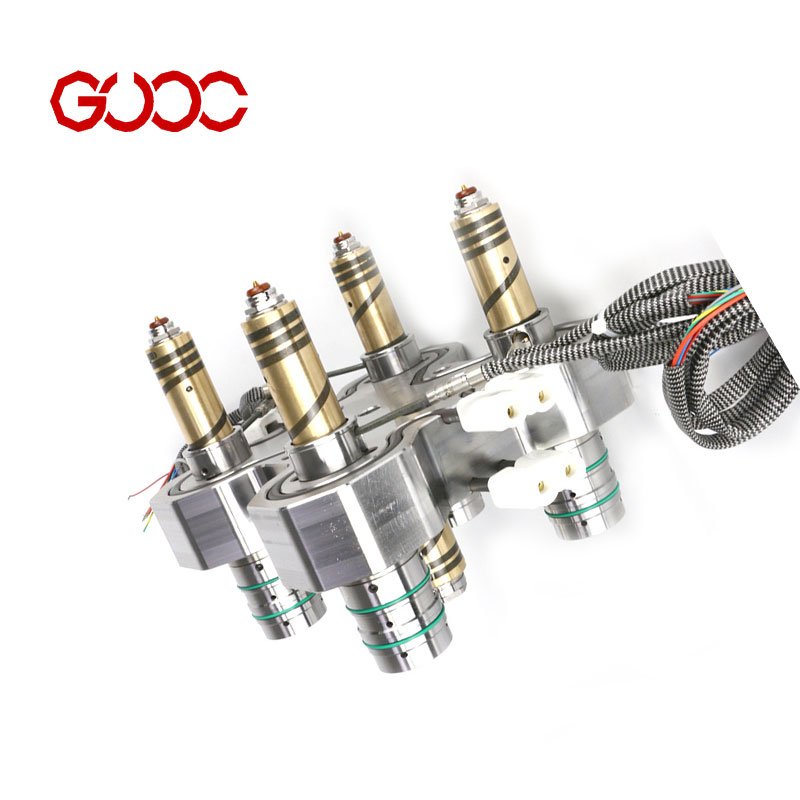
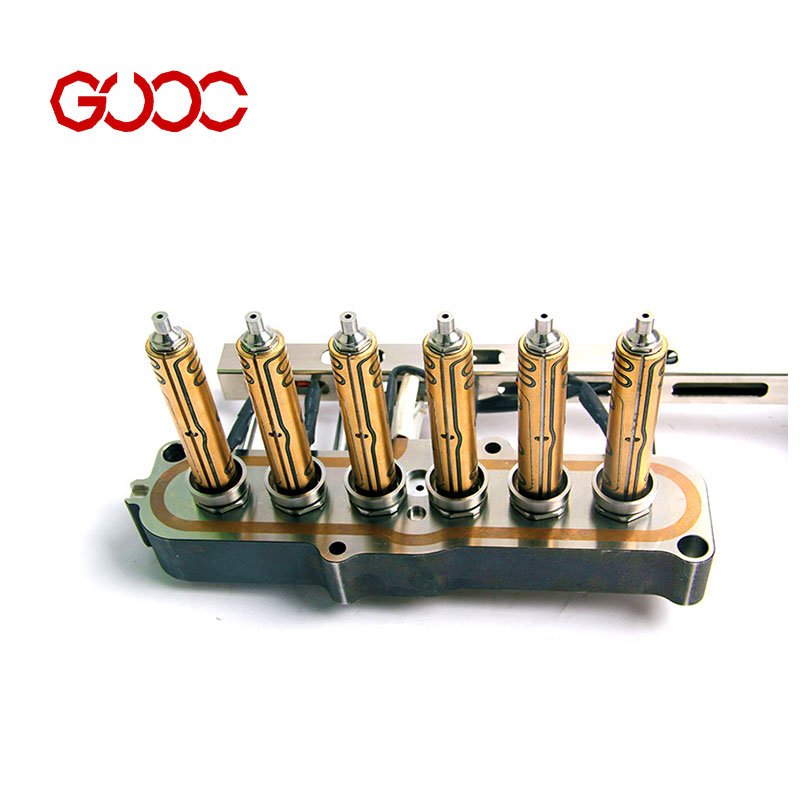
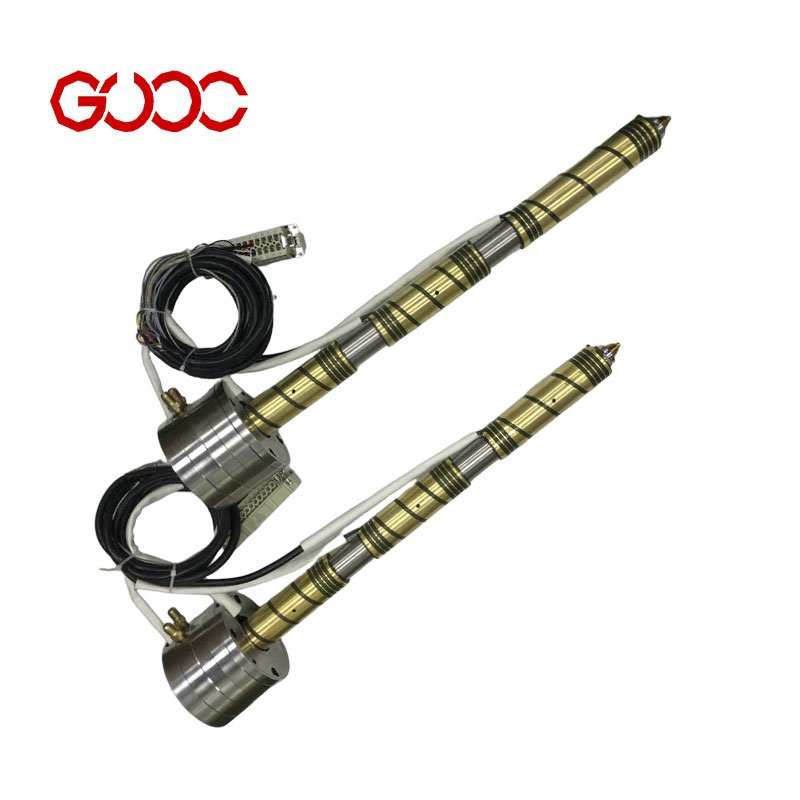
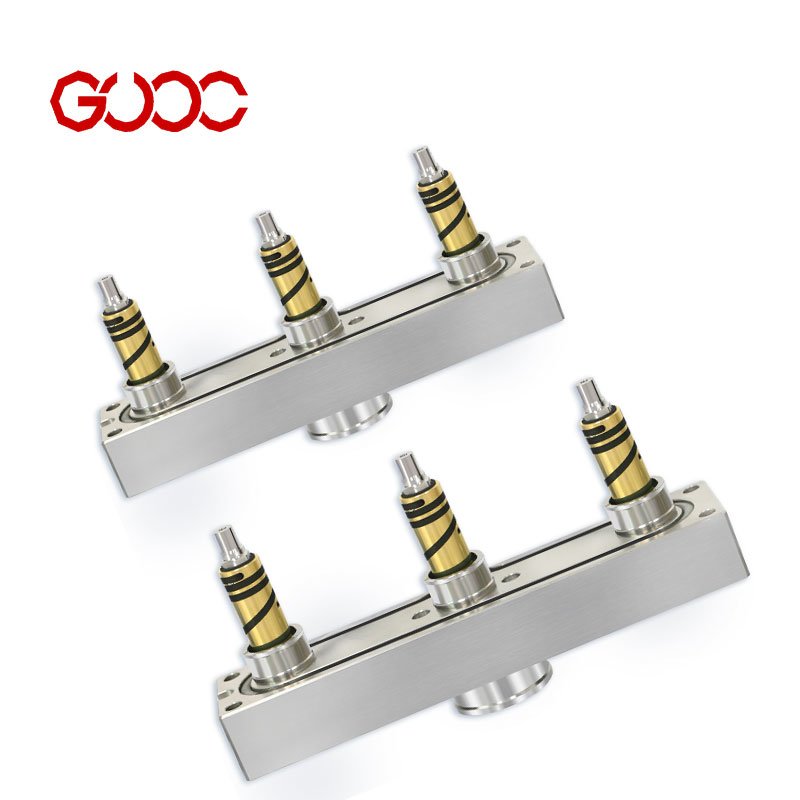
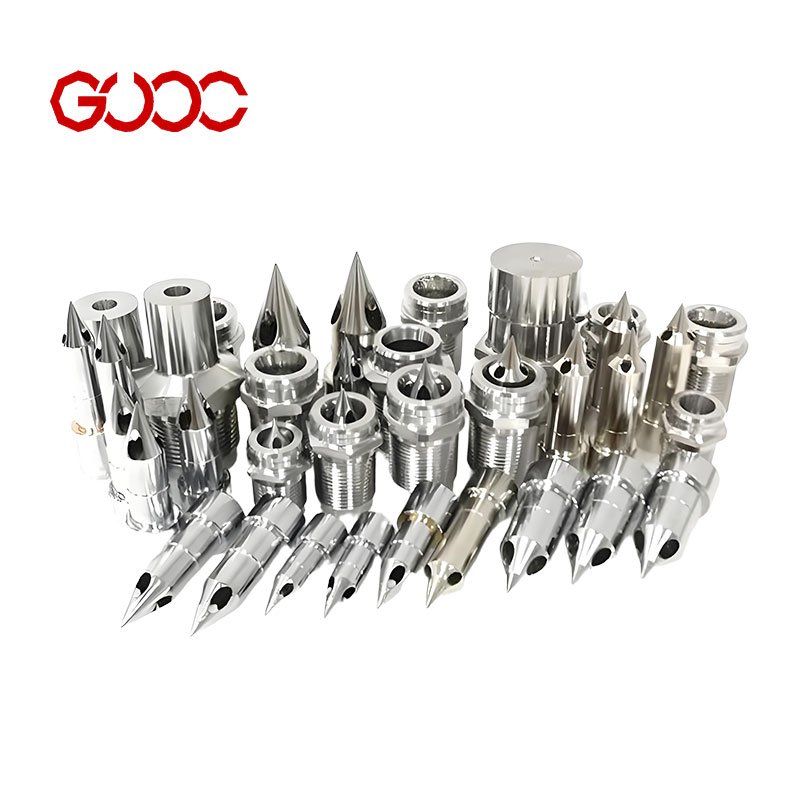
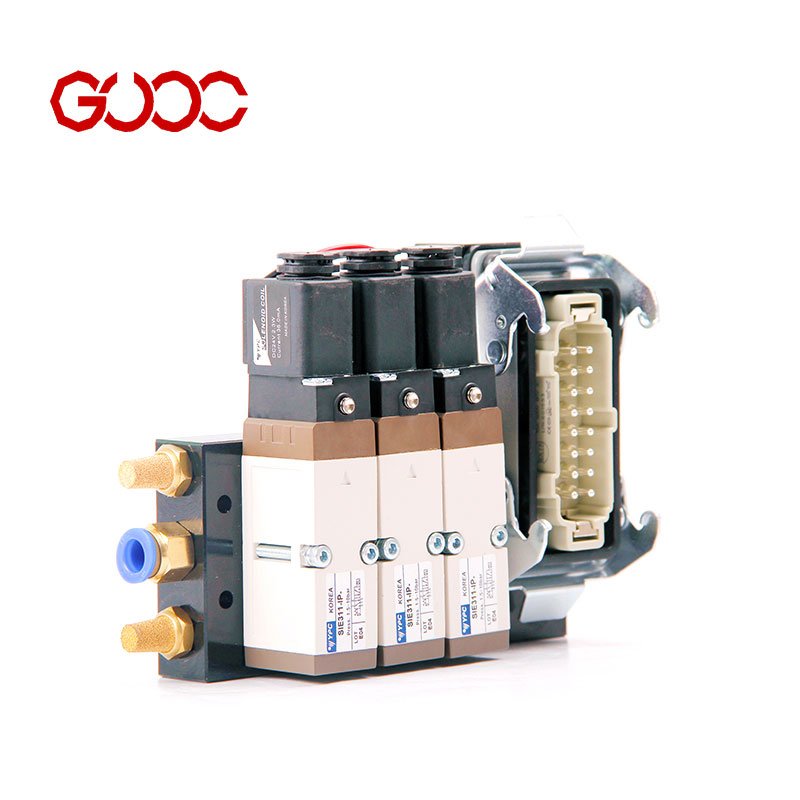
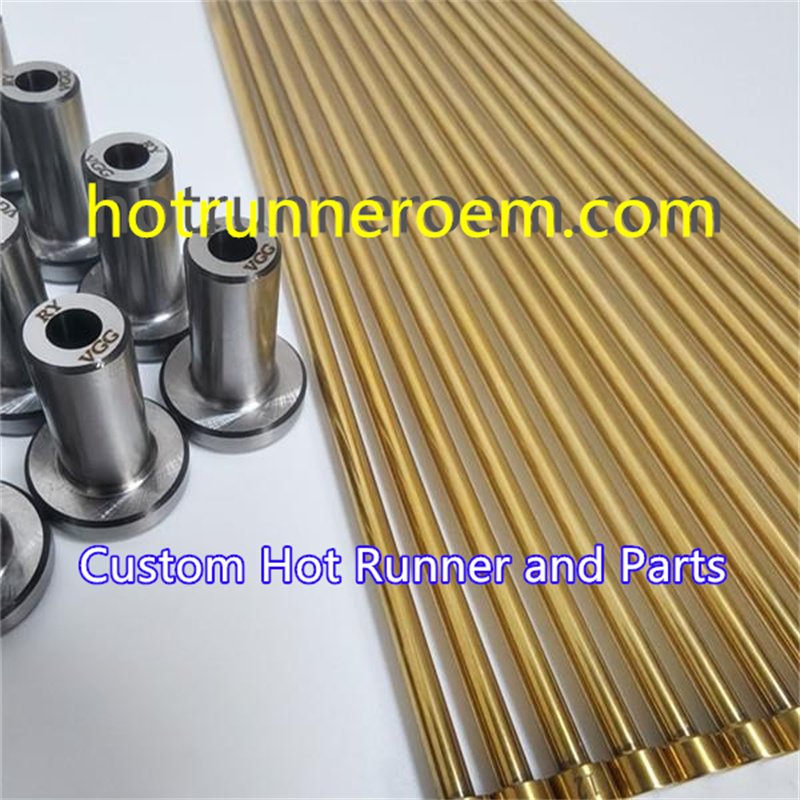
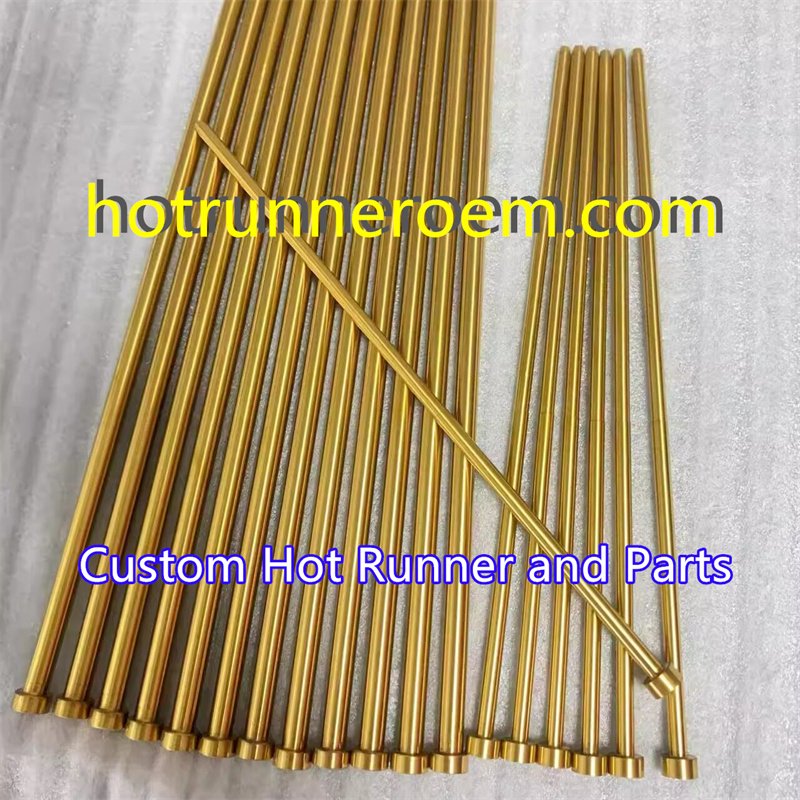
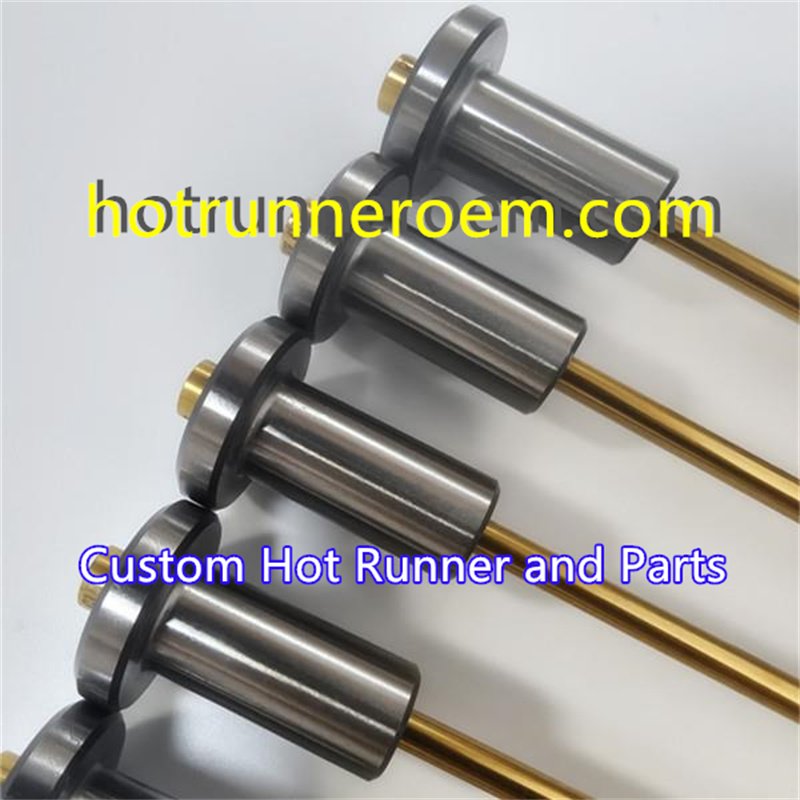
Valve pin assemblies typically include a valve pin, actuation mechanism (pneumatic, hydraulic, or electric), and sealing elements. The valve pin itself can be cylindrical or tapered, designed for reliable gate shut-off. Features such as titanium coating or wear-resistant coatings extend lifespan and improve performance. Precision manufacturing ensures tight dimensional tolerances, thermal stability, and compatibility with various nozzles and manifolds. High-quality hot runner parts are inspected with advanced tools to guarantee durability and consistent operation in demanding injection molding environments.
Types of Hot Runner Valve Pins
Pre-Engineered vs. Custom Valve Gate Systems
When choosing hot runner valve pin assemblies, you’ll encounter pre-engineered and custom valve gate systems. Pre-engineered options are ready-made solutions designed for common mold configurations, offering quick turnaround and proven reliability. However, for complex or unique applications, custom valve gate systems are tailored to your specific mold dimensions and injection requirements. Custom solutions ensure optimal performance, especially when working with high-precision or specialized resins. As a leading hot runner system manufacturer, we provide both options, but custom valve pin assemblies often deliver better control and longevity for demanding injection molding projects. For more details on custom designs, visit our valve pin hot runner.
Pneumatic and Hydraulic Actuated Pins
Valve pin assemblies can be actuated using pneumatic or hydraulic systems, each with its advantages. Pneumatic pins use compressed air, making them fast and cost-effective for moderate cycle speeds. They are ideal for standard molding needs and quick mold changes. Hydraulic pins, on the other hand, use fluid pressure to deliver smooth, powerful movement, suitable for large or heavy molds where precise control is critical. Both actuation types help achieve clean gate shut-off and consistent shot weights, reducing defects like stringing or drooling. The choice depends on your mold size, cycle speed, and production volume.
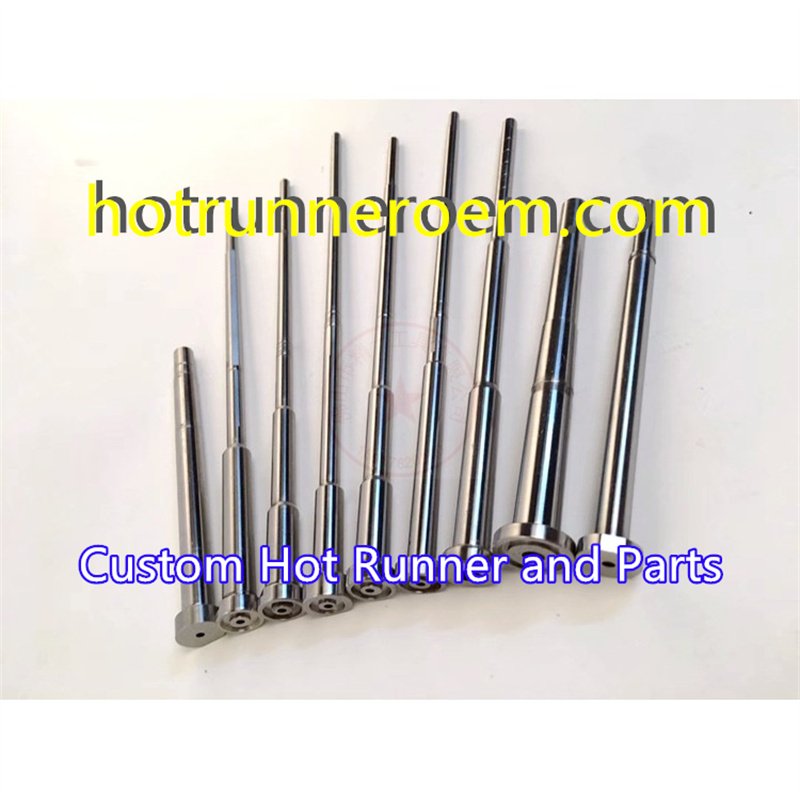
Tapered vs. Cylindrical Pin Designs
The design of the valve pin also impacts performance. Cylindrical valve pins are straight, making them a reliable choice for general-purpose molds that require steady gate control and easy maintenance. Tapered valve pins feature a conical shape that enhances sealing, reduces gate vestige, and improves thermal flow, especially useful for high-precision or aesthetic parts. Tapered pins can also help lower injection pressure and improve cooling efficiency at the gate. Selecting the right pin design depends on your mold complexity, resin type, and desired gate quality. Both types are available in high-quality materials like titanium coatings for added durability.
Key Technical Specifications to Check Before Buying
When I source hot runner valve pin assemblies, I check the fit, the gate type, and the delivery plan first. A small mismatch can affect shut-off quality, shot consistency, and maintenance time. For global buyers, the safest route is to verify the drawing, the manifold assembly, and the final packing method before order approval.
Material Grades and Wear-Resistant Coatings
I keep the material check simple: the valve pin assembly must match the resin, cycle demand, and mold environment. The site supports a wide range of engineering resins, including PP, PFA, PES/PC, PA10T+30%GF, PBT+30%GF, PMMA, and PEI ULTEM 1000.
| Check Item | What I Look For |
|---|---|
| Resin match | Stable shut-off for the target plastic |
| Wear resistance | Long service life under repeated cycling |
| Surface finish | Clean gate cutoff and lower defect risk |
| Coating need | Confirm only if the mold calls for it |
Dimensional Tolerances and Thermal Properties
For custom dimensions, I always ask for the 2D dimension design and 3D model before production. That helps reduce fit issues and keeps the valve pin aligned with the hot runner system.
- Confirm gate position and pin travel
- Check the nozzle and manifold layout
- Review thermal balance for the mold
- Keep the shut-off area consistent for clean vestige control
Compatibility with Nozzles and Manifolds
A valve pin assembly has to work as part of the full hot runner system manufacturer setup, not as a loose spare part. I verify the interface with the nozzle, manifold assembly, and hot runner components before approval. For broader part sourcing, I also reference hot runner components from China when matching OEM replacement needs.
Packaging, Delivery, and Lead Time Factors
Packaging and timing matter just as much as the part itself. I prefer secure packing that protects precision parts during export, especially for sea, air, or express shipment.
| Item | Typical Control Point |
|---|---|
| Quote time | 12–24 hours after inquiry |
| Sample time | As fast as 10 days |
| Full order lead time | 10–25 days, depending on quantity |
| Shipping options | Sea, air, or express |
For urgent shipments, I also check freight options for hot runner systems so the valve pin assemblies arrive on schedule and ready for installation.
Step-by-Step Purchasing Process for Valve Pin Assemblies
Defining Your Mold Requirements and Technical Data
Before ordering hot runner valve pin assemblies, clearly define your mold’s specifications. This includes the type of gating system (valve gate or open gate), the size and shape of the nozzle, and the specific resin material you’re using. Providing detailed technical data—such as dimensions, operating temperature, and actuation method—ensures you get the right OEM replacement parts or custom components. Working with a knowledgeable hot runner system manufacturer can help you analyze your mold design and select the optimal valve pin assemblies for reliable performance. For complex molds, consider sharing CAD files for precise recommendations and custom dimensions.
Ordering Prototype Testing vs. Bulk Replacement Parts
Decide whether you need prototype valve pin assemblies for testing or bulk replacement parts for ongoing production. Prototype testing allows you to evaluate fit, function, and durability before committing to large orders. This step is crucial for high-precision applications or custom designs. Once tested and verified, you can place bulk orders to ensure consistent quality and availability for your injection molding process. Many suppliers offer quick turnaround times—often within 10-15 days for prototypes and 20-25 days for larger quantities—helping you keep your production schedule on track. Request a quote early to compare prices and delivery options, especially for OEM replacement parts or custom hot runner components.
Maintenance and Care for Valve Pin Longevity
Hot runner valve pin assemblies last longer when I keep the cleaning simple and the checks regular. In injection molding, small buildup on the valve gate, pin tip, or manifold assembly can lead to poor shut-off, uneven flow, and extra wear on hot runner components. A basic care routine helps protect the valve gate, reduce downtime, and keep OEM replacement parts in better shape for longer.
Routine Cleaning and Inspection Methods
I follow a short maintenance routine for hot runner parts:
- Check the pin tip for resin residue, scoring, or uneven wear
- Inspect the valve gate area for drooling, stringing, or gate vestige buildup
- Confirm smooth movement of the pin inside the manifold assembly
- Look at seals and nearby hot runner components for heat damage or contamination
- Clean after shutdowns to stop material from hardening in the system
| Maintenance task | What I look for | Why it matters |
|---|---|---|
| Pin tip inspection | Wear, buildup, rough finish | Helps keep shut-off clean |
| Gate area cleaning | Resin residue, blockage | Supports stable flow control |
| Movement check | Sticking or uneven travel | Reduces pin damage |
| Part condition review | Heat marks, cracks, contamination | Extends service life |
For deeper cleaning steps, I use a process that matches the system condition and the resin type. A proper hot runner cleaning method helps keep the valve pin assemblies and other spare parts in working order without unnecessary wear.
Benefits of Ultrasonic Cleaning for Valve Pins
Ultrasonic cleaning is useful when fine residue is hard to remove by hand. I treat it as a practical cleaning method for hot runner valve pin assemblies, especially when I need to clean small surfaces and narrow areas around the valve gate.
Main benefits:
- Removes fine residue from hard-to-reach spots
- Reduces manual scrubbing on precision hot runner parts
- Helps keep OEM replacement valve pins cleaner between service cycles
- Supports better inspection after cleaning
- Fits routine care for custom dimensions and precision-fit parts
| Cleaning method | Best use |
|---|---|
| Manual cleaning | Light surface residue and quick checks |
| Ultrasonic cleaning | Fine buildup on small precision parts |
| Full system cleaning | Hot runner components with wider contamination |
For global buyers who manage injection molding lines, this kind of cleaning helps keep valve pin assemblies ready for repeat use, while protecting the fit and finish of hot runner system parts.
 English
  Spanish
  French
  Portuguese
  Italian