 Skip to content
Understanding Needle Valve Hot Runner Systems
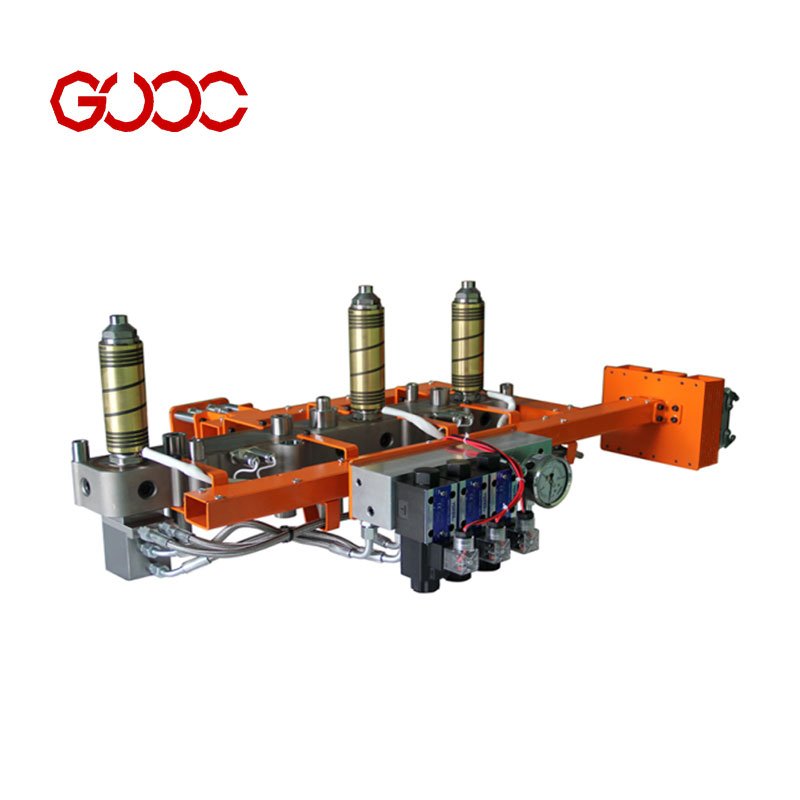
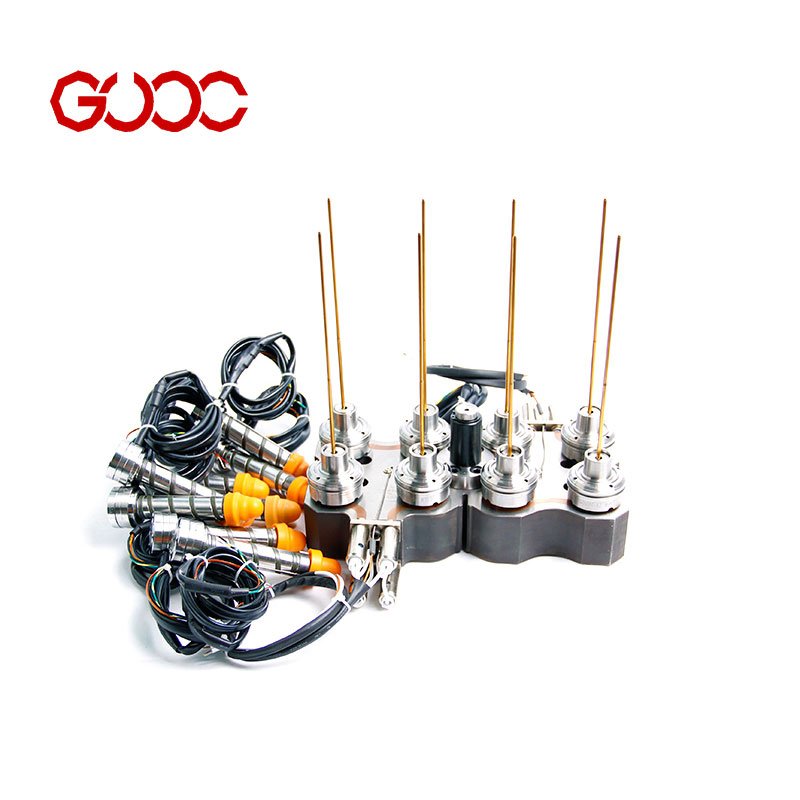
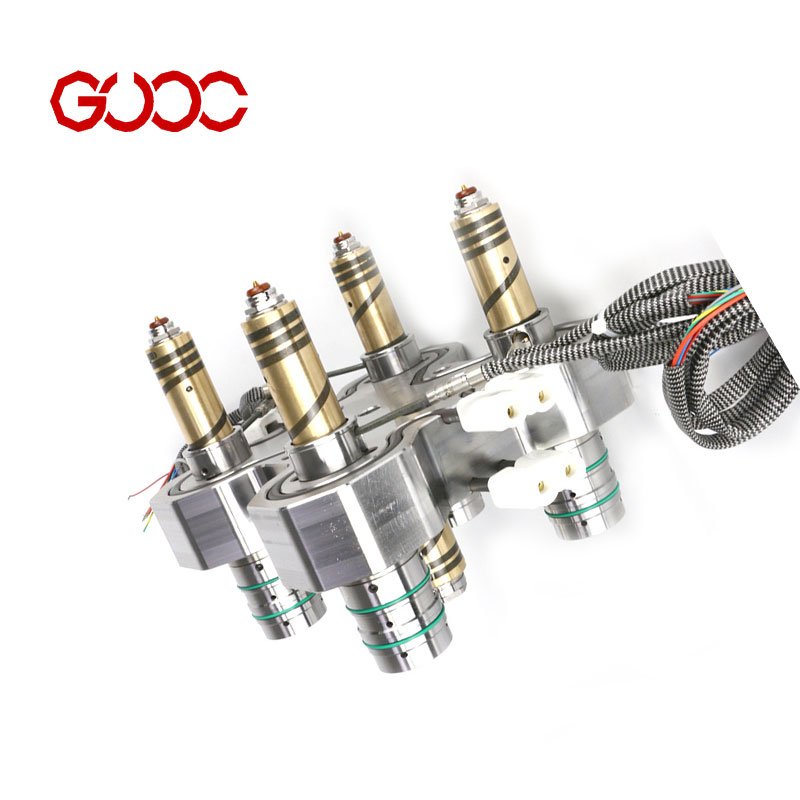
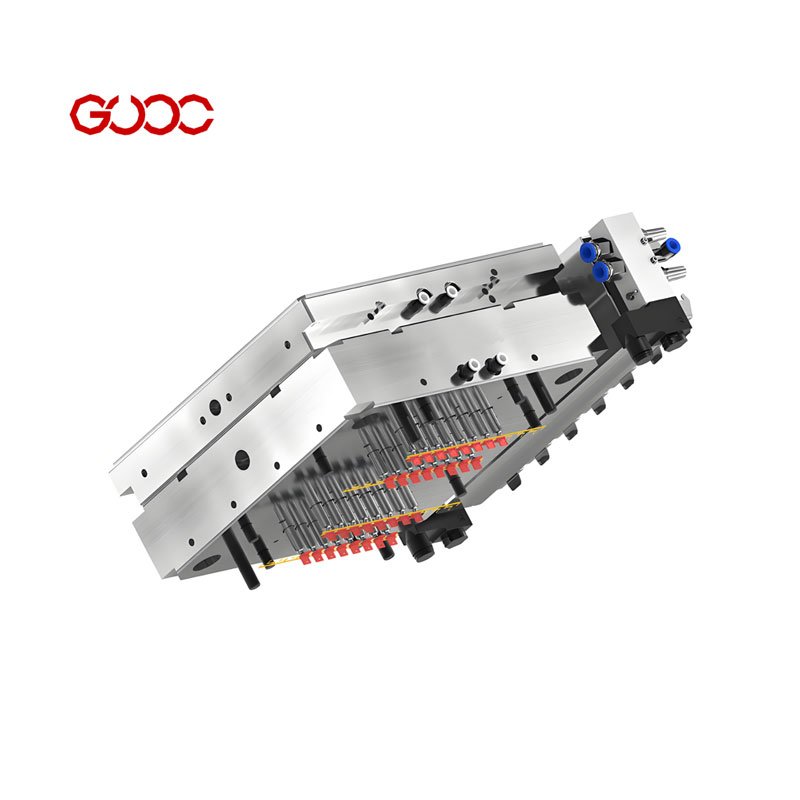
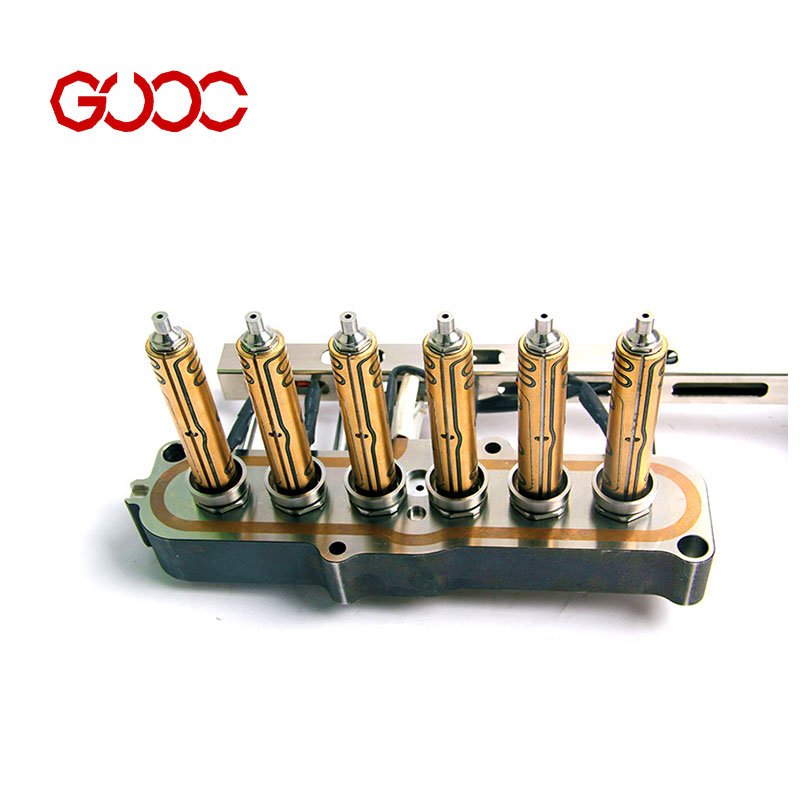
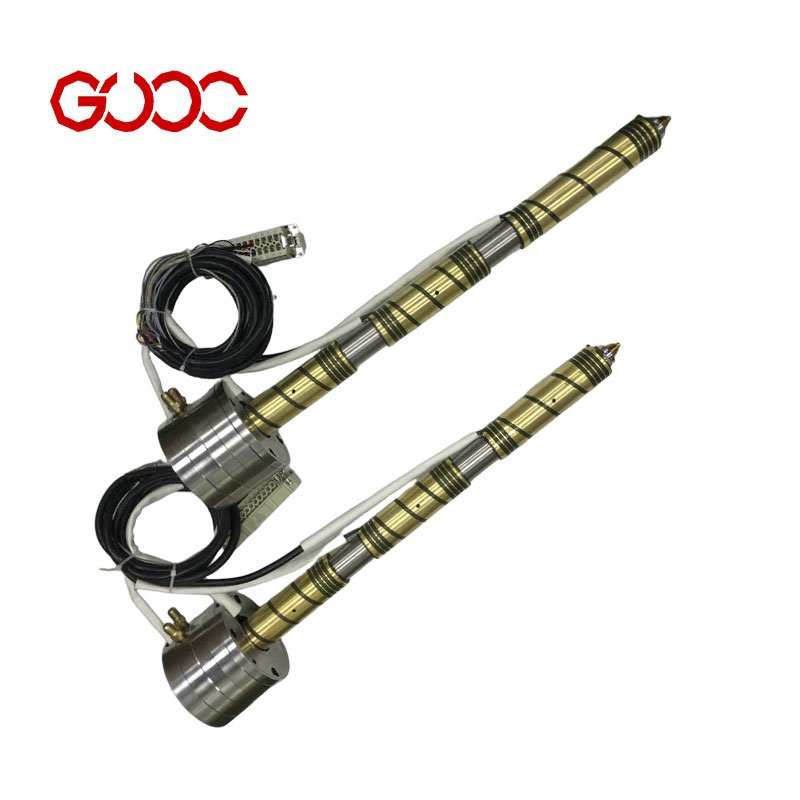
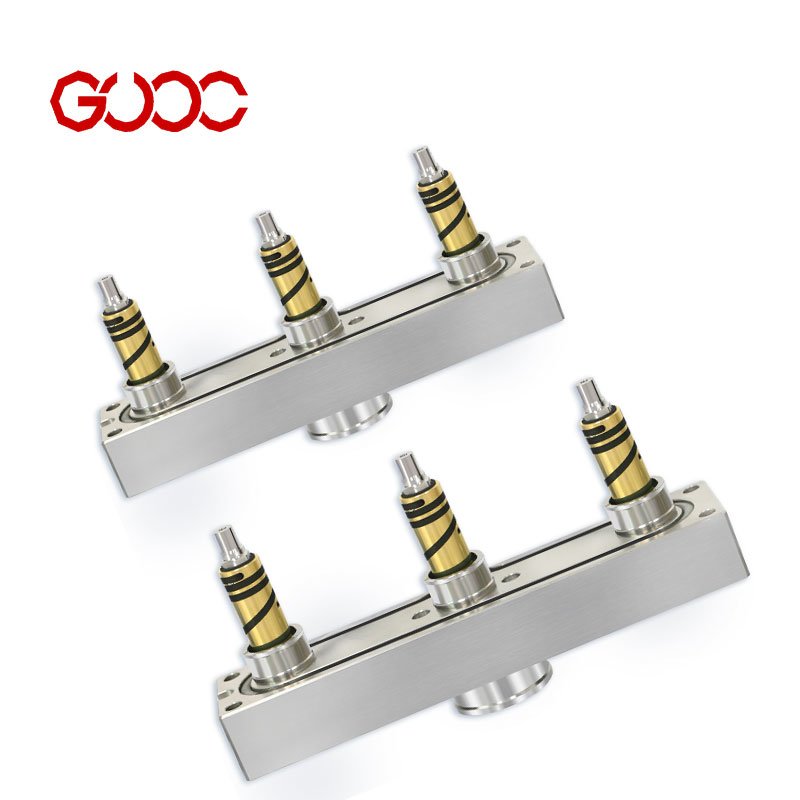
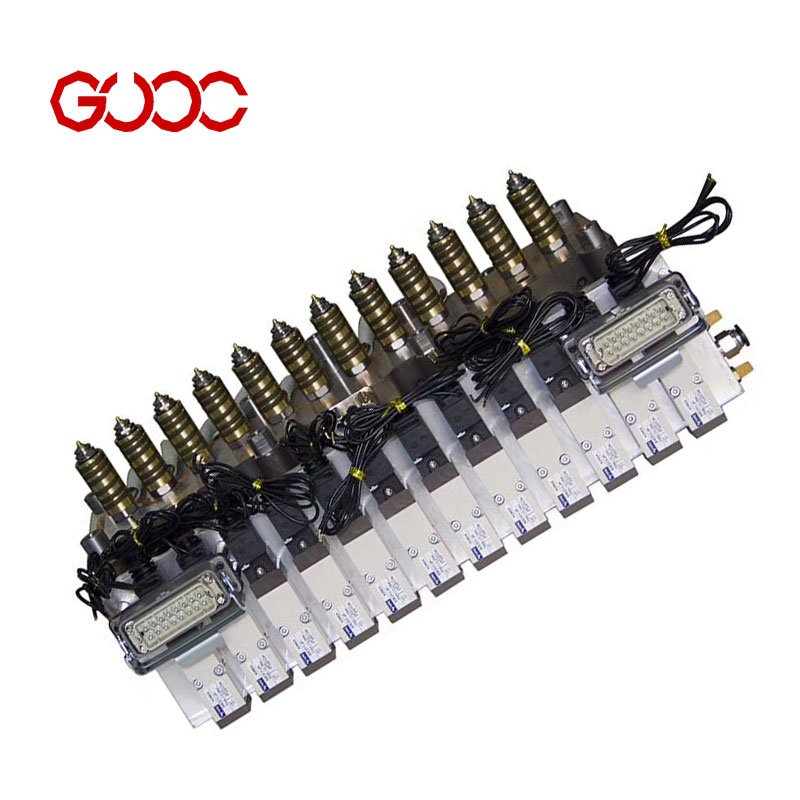
A needle valve hot runner system is a type of valve gate hot runner system used to control nozzle injection more precisely during the injection molding process. It helps manage melt flow position, gate opening time, and filling and packing more consistently across multi-cavity molds.
For buyers and mold makers, the main value is simple: better control, cleaner part quality, and a more stable production flow. As a hot runner system manufacturer, we focus on OEM solutions that support precise sequencing, reliable operation, and repeatable results for demanding molds.
What is a Needle Valve Hot Runner System?
A needle valve hot runner system uses a moving valve pin to open and close the gate at the right moment. This gives the mold more control over when melt enters each cavity.
In practical terms:
– It supports sequential valve gating
– It helps control melt temperature control at the hot runner level
– It improves the timing of filling and packing
– It is commonly used where surface quality and part consistency matter
This type of system is often chosen for projects that need more control than a simple open gate setup.
Main Components of Valve Gate Hot Runners
A valve gate hot runner system usually includes several key parts working together in sync:
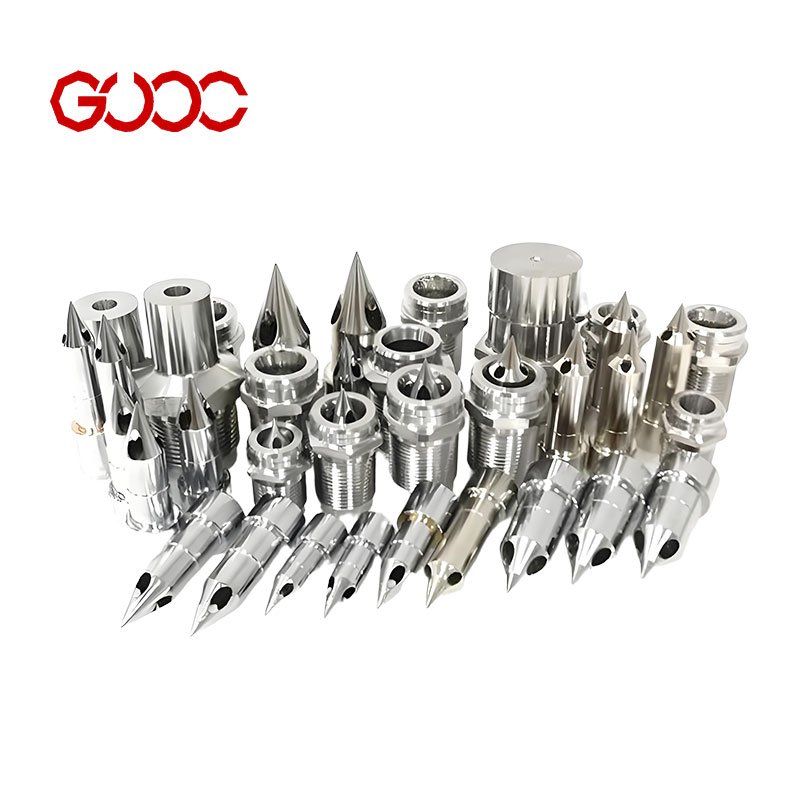
- Hot runner nozzle
- Valve pin / needle valve
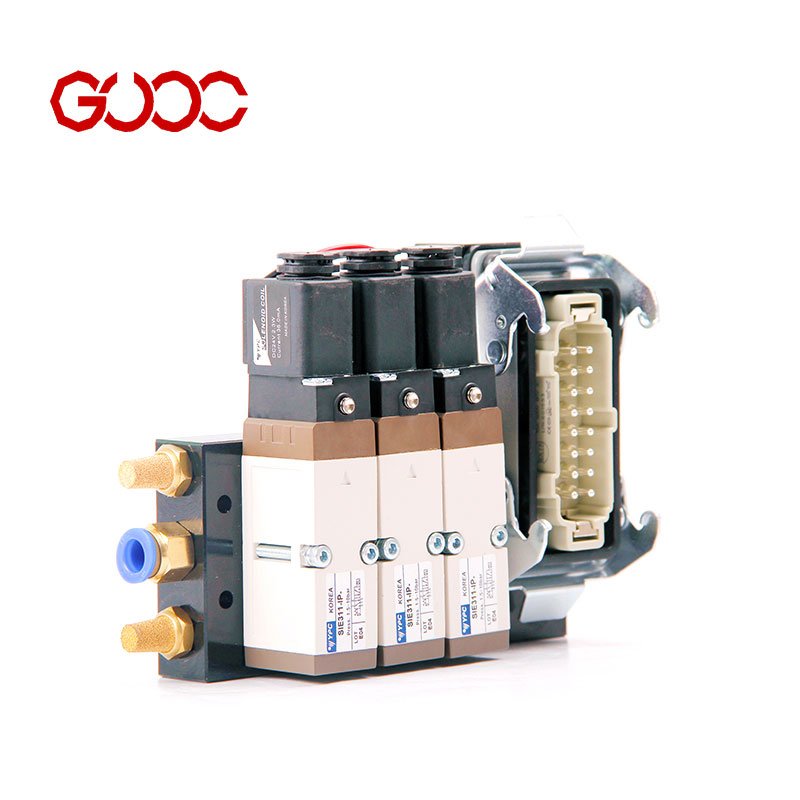
- Cylinder control module
- Sequence injection timer
- Integrated temperature controller
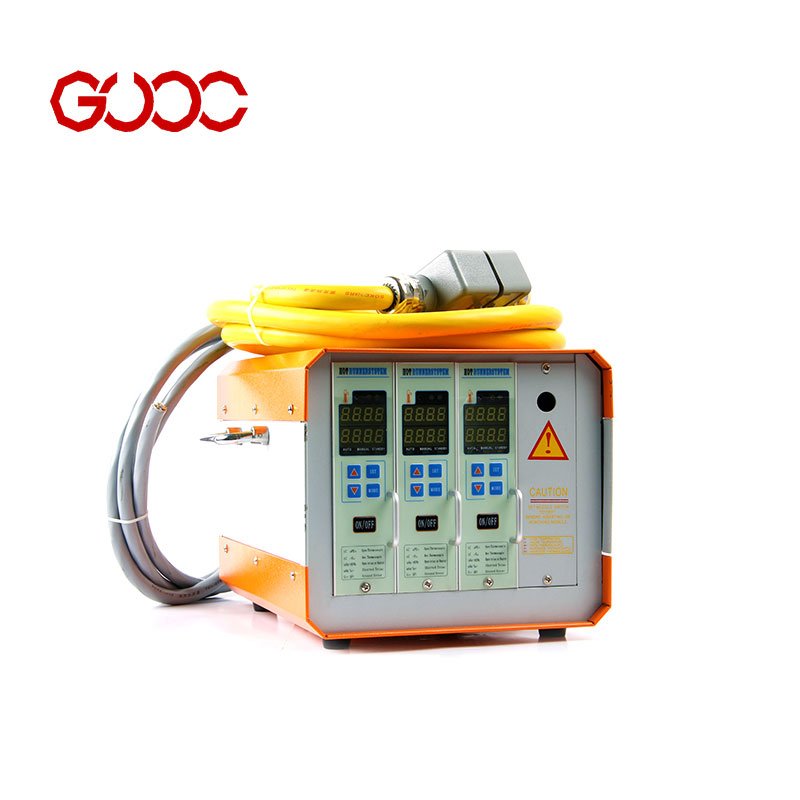
- Hot runner temperature control box
Each part supports stable melt delivery and controlled gate opening. When these components are matched correctly, the system can better support production consistency and part appearance.
Needle Valve vs. Open Hot Runner Systems
The biggest difference is control.
| Item | Needle Valve Hot Runner | Open Hot Runner |
|---|---|---|
| Gate control | Controlled opening and closing | Gate stays open |
| Sequence control | Stronger control over timing | More limited control |
| Part appearance | Better for reducing visible defects | Can be less precise |
| Process stability | Better for complex molding needs | Simpler structure |
Needle valve systems are often preferred when the mold needs better control over flow, timing, and surface finish. Open hot runner systems are simpler, but they do not offer the same level of sequencing control.
For molds with tighter quality requirements, valve gate hot runners provide a more controlled path for melt flow and help support a cleaner final result.
What is a Hot Runner Time Sequence Controller?
Definition and Core Function
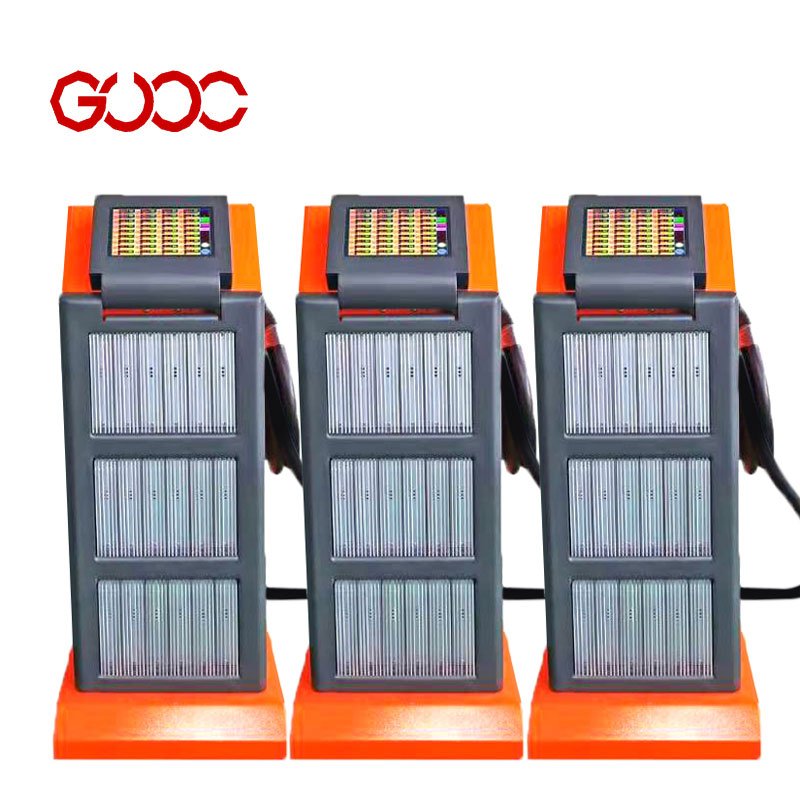
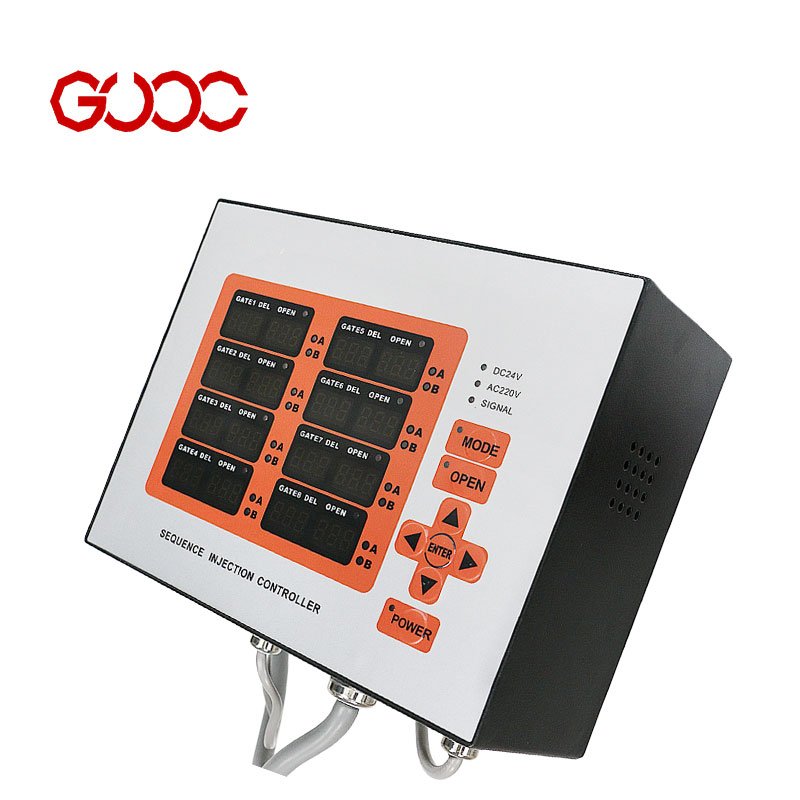
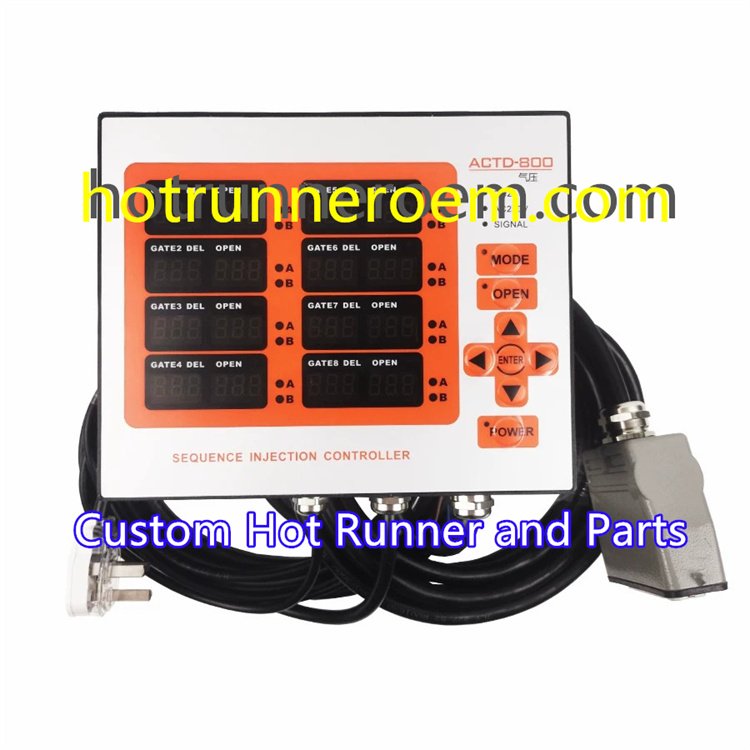
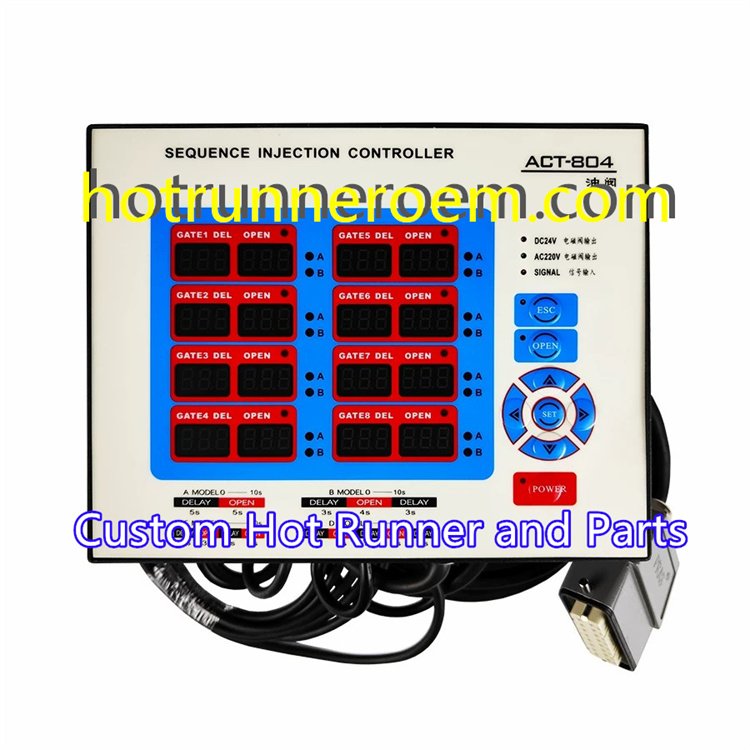
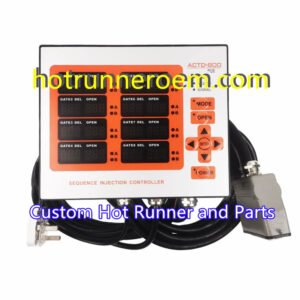
A hot runner time sequence controller is a control unit used to manage the timing of sequential valve gating in a hot runner system. I use it to help control gate opening time, support stable filling and packing, and keep the injection molding process more consistent.
As a hot runner system manufacturer, I build this around practical OEM use for valve gate applications, including:
- Sequence injection timer controller
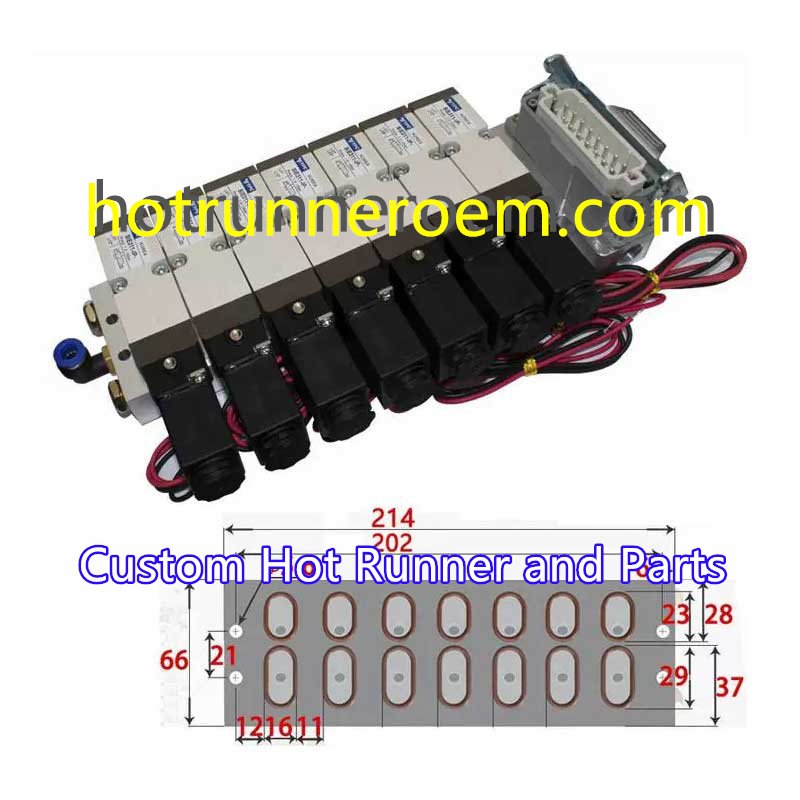
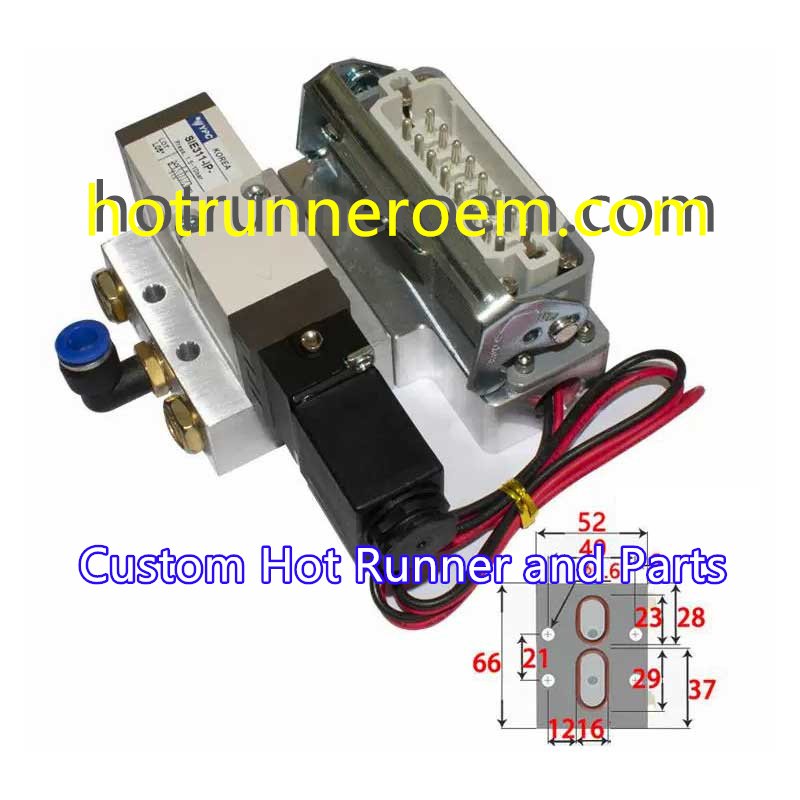
- Cylinder control module
- Integrated temperature controller
- Hot runner temperature control box
| Item | Simple role |
|---|---|
| Sequence injection timer | Controls timing for valve gate actions |
| Cylinder control module | Supports actuator control in the system |
| Integrated temperature controller | Helps manage melt temperature control |
| Hot runner temperature control box | Supports system-level control and stability |
For a related product view, the hot runner time sequence controller page shows the controller category in more detail.
Working Principle of Sequence Injection Timers
A sequence injection timer works by sending timed control signals to the hot runner setup. In simple terms, it helps set when each gate opens during nozzle injection, so the melt flow moves in the right order.
That timing helps the system manage:
- Melt flow position
- Sequential valve gating
- Filling and packing
- Process timing consistency
This is useful when one mold needs controlled opening stages instead of all gates firing at the same time.
Key Features of Sequential Timer Controllers
A sequential timer controller is built for practical production use. The main value is control, repeatability, and clean operation in the mold.
Common features include:
- Supports valve gate hot runner systems
- Works with sequence injection timer control
- Helps manage gate opening time
- Supports stable melt temperature control
- Fits OEM and custom hot runner projects
- Available with full engineering support and NDA protection
- Backed by fast quote handling and production support
| Feature | Why it matters |
|---|---|
| Timing control | Keeps gate action organized |
| Temperature control support | Helps maintain melt stability |
| OEM custom setup | Fits different mold requirements |
| Fast response | Speeds up project handling |
For buyers who need a reliable control setup, this is a practical part of a complete hot runner system manufacturer solution.
Why Needle Valve Hot Runners Need a Time Sequence Controller
Eliminating Weld Lines and Surface Defects
Using a hot runner time sequence controller helps synchronize the opening and closing of needle valves, which significantly reduces weld lines and surface defects. Precise timing ensures each cavity fills evenly, preventing weak spots and improving part surface quality. This is especially critical for high-precision components where appearance matters.
Precise Control of Cavity Pressure and Filling Sequence
A sequence injection timer allows exact control over cavity pressure and the filling process. By managing gate opening times accurately, it ensures uniform melt flow and reduces internal stress. This control helps achieve consistent quality across all parts, which is vital for complex or multi-gated molds.
Preventing Overpacking and Mold Flash
Overpacking can cause mold flash and damage, leading to scrap and rework. A hot runner system manufacturer recommends using a hot runner time sequence controller to regulate melt flow and packing pressure. Proper timing prevents overpacking, extends mold life, and maintains part integrity.
Optimizing Gate Quality and Part Appearance
Controlling gate opening times with a sequence injection timer ensures optimal gate quality, reducing issues like sink marks or incomplete filling. This results in better part appearance and reduces secondary finishing, saving time and costs in production. Proper gate control is essential for high-quality, aesthetic plastic parts.
Control Methods in Sequential Valve Gating
I usually match the control method to the mold, resin, and filling and packing target. In sequential valve gating, the right setup helps me keep gate opening time steady, improve weld line reduction, and hold better part appearance. A reliable hot runner control solution also helps keep the process stable across production.
Time-Based Sequence Control
- Uses a preset sequence injection timer to open each gate in order.
- Simple to set up for molds with stable melt flow position.
- Works well when I need consistent nozzle injection and repeatable cycle timing.
- Best for straightforward injection molding process setups with limited variation.
Screw Position-Based Control
- Triggers gate opening by screw position instead of only time.
- Helps when shot size, injection speed, or fill behavior changes.
- Gives better control over gate opening time during filling and packing.
- Useful when I want tighter control of internal stress and part consistency.
Cavity Pressure-Based Control
- Uses cavity pressure feedback to adjust sequential valve gating in real time.
- Strong option when the mold needs closer control of melt flow position and filling balance.
- Helps improve weld line reduction and reduce overpacking risk.
- Often preferred for more demanding molds where process control matters more than simple timing.
Key Benefits of Sequence Control in Injection Molding
In a valve gate hot runner system, I use a sequence injection timer to keep gate opening time, melt flow position, and filling and packing under control. That gives me a cleaner injection molding process and more stable results from cycle to cycle.
Improved Process Consistency and Repeatability
- Stable sequence timing: Each gate opens in the same order, which keeps the melt flow path more controlled.
- Better repeat runs: The process is easier to keep consistent across shifts, machines, and production batches.
- Cleaner flow balance: Sequential valve gating helps the melt move in a more planned way through the mold.
Reduced Required Clamping Force and Material Scrap
- Lower molding pressure demand: Controlled gate timing can help reduce stress on the mold during filling.
- Less scrap risk: Better timing can support weld line reduction and help limit flash, overpacking, and other defects.
- More efficient production: A smoother process often means less wasted material and fewer reject parts.
System Protection and Valve Pin Lifespan Extension
- Less mechanical shock: Precise timing helps protect the valve pin and related hardware from harsh operation.
- Safer gate action: A well-matched control setup supports smoother nozzle injection and gate movement.
- Longer service life: When the control logic fits the valve pin hot runner setup, wear can be better managed over time.
| Benefit | What It Supports | Practical Result |
|---|---|---|
| Consistency | Gate timing and melt flow position | More repeatable parts |
| Lower scrap | Filling and packing control | Fewer defects and rejects |
| Protection | Valve pin and system timing | Better hardware life |
Application Scenarios for Sequential Valve Gate Hot Runners
In my experience, a hot runner time sequence controller is most useful when the part is large, the gate layout is complex, or the surface has to stay clean. In sequential valve gating, it helps set the gate opening time, guide the melt flow position, and keep filling and packing under control. For valve layouts, I usually start with a clear view of the hot runner gate types before setting the sequence injection timer.
Large Automotive Plastic Parts
- Good for automobile fenders, tail lights, and battery covers.
- Helps balance the injection molding process across wide flow paths.
- Supports weld line reduction and helps lower internal stress in bigger parts.
- Useful when stable melt temperature control and clean nozzle injection are both needed.
Multi-Gated Complex Molds
- Fits multi-cavity tools with several valve gates that must open in order.
- Keeps the melt front moving in a controlled path, which helps reduce weld lines.
- Works well for connectors, chargers, and chip wafer box parts that need steady filling.
- Makes sequential valve gating easier to manage when the mold has uneven flow length.
High-Precision and Optical Plastic Components
- Best for parts where appearance and dimension control matter.
- Helps avoid overpacking, mold flash, and surface defects during filling and packing.
- Useful for fiber connectors and other parts that need a clean gate mark and stable finish.
- Improves repeatability when the process depends on precise gate opening time and timing control.
How to Select the Right Time Sequence Controller
Number of Valve Gate Control Zones
Choosing the correct sequence injection timer depends heavily on the number of valve gate control zones in your mold. Larger, more complex molds with multiple gates require a controller capable of managing several zones simultaneously. For example, a 12-zone hot runner controller can handle complex automotive or multi-cavity molds efficiently, ensuring each gate opens and closes at the optimal time. Accurate zone control prevents uneven filling and improves part quality. When selecting a controller, verify it supports your mold’s gate count and offers scalable options for future upgrades. For high-volume production, a multi-zone hot runner controller ensures precise timing across all gates.
Response Time and Signal Accuracy
Fast response time and high signal accuracy are critical for maintaining consistent injection molding processes. A reliable sequence controller should respond within milliseconds to ensure gate opening and closing happen exactly as planned. Delays or inaccuracies can cause weld lines, surface defects, or uneven filling, especially in high-precision applications. Look for controllers with proven signal stability and minimal latency. High-quality controllers also feature advanced diagnostics and feedback systems, helping detect issues early. For the best performance, choose a controller with a proven track record of fast, accurate responses aligned with your machine’s specifications.
Machine Compatibility and Interface Integration
Ensuring your sequence injection timer is compatible with your injection molding machine is essential. The controller must seamlessly integrate with your existing hardware, including sensors, PLCs, and other control systems. Compatibility extends to communication protocols such as Ethernet, CANbus, or proprietary interfaces. Proper integration allows for synchronized control of melt flow, nozzle injection, and cavity pressure, improving overall process stability. When selecting a hot runner time sequence controller, confirm it supports your machine’s interface standards and offers flexible options for integration. This helps avoid costly modifications and ensures smooth operation across your entire injection molding process.
 English
  Spanish
  French
  Portuguese
  Italian